
- A + A print
Home > About NRMA > Media Centre > Press Releases > 2009 Releases >  

Fuel Surcharge Sky High

Fuel Surcharge Sky High

Author: NRMA Motoring & ServicesDate: 03 June 2009

International airlines are using fluctuating jet fuel prices as an excuse to over-charge passengers, with NRMA Travel research showing passengers paying about $75 more than they should for a one-way ticket to Europe.

Research by the NRMA has found that a barrel of jet fuel increased by 33 per cent ($64 to $85) from May 2004 to 27 May 2009 yet passengers on a one-way flight to Europe were subjected to a 533 per cent fuel charge increase ($15 to $95) over the same period.

In March 2009 the price of jet fuel returned to $76 a barrel after reaching a high of $134 in October 2008. Despite the significant fall in the price of jet fuel passengers on international flights are today paying a $95 surcharge for a one-way ticket to Europe.

NRMA's data was compiled by analysing the fuel surcharge on two of the most popular carriers between Sydney and Europe. A comparison of six other international carriers found the fuel surcharge varied from $0 to $277.40 for a one-way trip to Europe.

NRMA is a major tourism and travel provider in Australia with more than $275 million invested over the last four years in businesses including Thrifty Car Rentals, Travelodge Hotels and NRMA Holiday Parks.

While the overall cost of an overseas ticket is the cheapest in years, the NRMA wants passengers to be aware of the extra fees and charges they pay, particularly as prices are expected to rise again once the global financial crisis ends.

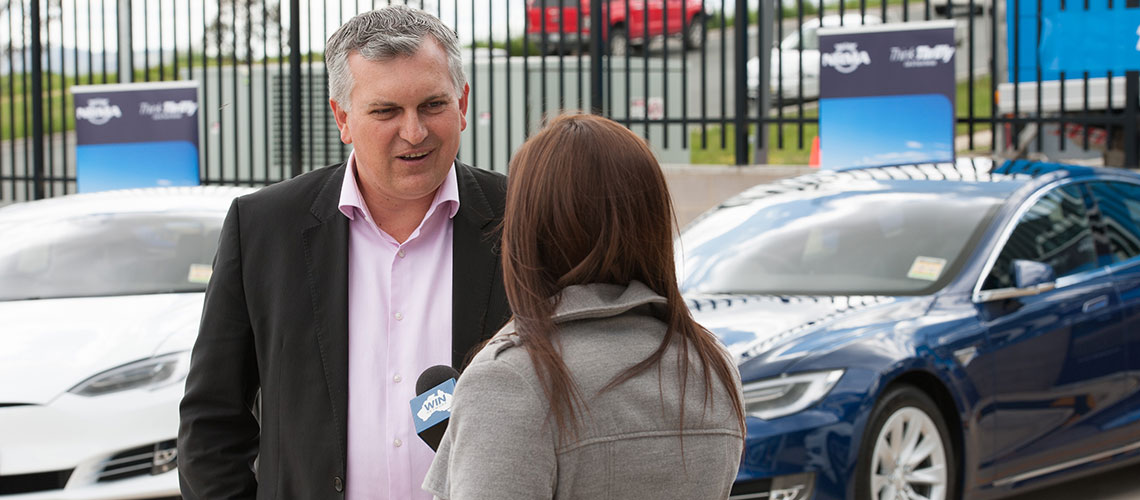
NRMA Group CEO Tony Stuart said the airlines needed to stop using fluctuating jet fuel prices as an excuse to milk passengers.

"A 533 per cent increase in the fuel surcharge is ridiculous," Mr Stuart said.

"It's bad enough that Australians are confronted with wild price fluctuations when they fill up their car on the ground, they should not be subjected to it in the air too.

"Nobody begrudges the airlines for passing on the cost associated with rising fuel costs, but the airlines are using the fuel surcharge as either a means to line their pockets or as an umbrella to hide other costs associated with air travel.

"These numbers don't add up. Australians have every right to ask why they are paying a $95 fuel surcharge for a flight to Europe when the airlines are paying $85 a barrel for jet fuel."

The NRMA research found that jet fuel peaked at $134 a barrel in October 2008. The surcharge for one of the carriers analysed reached its high of $210 in January 2008.

"We are pleased the surcharge fell after reaching its peak but it has not fallen enough, if the airlines were serious about charging passengers a fair fuel charge passengers the increase on a one-way ticket to Europe should be no more than $20," Mr Stuart said.

"The NRMA is urging the public to shop around to make sure they are getting the best fare and are aware of all the surcharges and taxes they are paying."

NRMA welcomes the change in the Trade Practices Act requiring full disclosure of the single (total) price for goods and services.

It now means that airlines can no longer hide taxes and charges as fine print at the bottom of the advertisement.

QANTAS introduced a domestic fuel surcharge which peaked at $31 in April 2006; however it was scrapped in December.

Motoring testimony image

There are now more reasons to smile. While Roadside Assistance remains at our heart, NRMA Membership now means so much more.

Quick links

  • Who we are

  • What we stand for

  • What we do

Join thousands of others following NRMA

  • rss

    RSS

  • rss

    Twitter