




Kids on wheels focuses on safety tips for children using skateboards, scooters, skates and bikes. It is important that children learn to use wheeled vehicles under adult supervision in a safe environment, particularly learning to steer and stop.
Each year many 'kids on wheels' sustain injuries associated with falls or collisions - often injuring vulnerable parts of the body such as the head, wrist, elbow and knees.
NRMA Motoring & Services, in conjunction with 'Kidsafe', has developed a 'Kids on wheels' brochure that gives tips on essential safety equipment children require and reinforces that safe use comes from safe learning... under adult supervision.
Tricycles
Bicycles
Most bicycle injuries are the result of the child losing control of the bike (about 85 per cent), so getting the right size is vitally important.
A child should be able to touch the ground with both feet while seated in the saddle. Safety equipment on the bicycle is critical:
Skateboards and Rollerblades
The most common injuries result from falls, although there have been injuries and deaths associated with running into vehicles and pedestrians.
The rollerblades need to be a comfortable, firm fit on the child's feet.
Micro-scooters
These devices are associated with fall injuries.
Helmets
Parents need to make it clear to children that helmets are to be used every time.
Knee/elbow guards
Designed to protect vulnerable points that research has shown are common points of contact in falls. Very important for:
Wrist guards
Designed to strengthen the wrist area so that a child falling and putting out a hand to break the fall is less likely to damage or break a wrist. Wrist injuries are very common for skateboard, rollerblade, scooter and micro-scooter riders.
Visibility
It is important that children learn to use wheeled vehicles under adult supervision in safe environments, particularly learning to stop and to steer. This means areas away from uneven surfaces, slopes and other users.
Road authorities advise that child users of all wheeled toys should be accompanied by an adult until age 9 or 10, depending on the child's individual development.
Please see Kids on wheels (PDF 272KB/2 Pages) for further information.

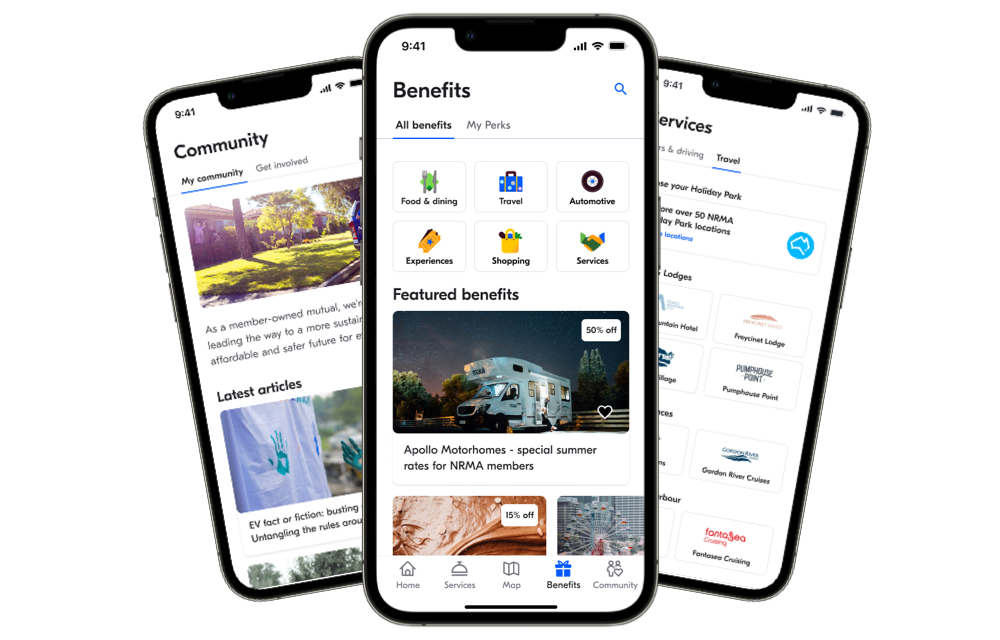
There are now more reasons to smile. While Roadside Assistance remains at our heart, NRMA Membership now means so much more.