

Author: NRMA MediaDate: 10 February 2010
If action is not taken now, Australia will be almost entirely dependent on oil imported from some of the most volatile parts of the world for our transport and security needs within 10 years.
According to Fuelling Future Passenger Vehicle Use in Australia, by the NRMA-commissioned Jamison Group of scientists, Australia's dependence on foreign oil will increase from 55 per cent to over 80 per cent in less than 10 years if the status quo remains.
Australia's willingness to rely on overseas oil to fuel its economy could leave the nation with an oil trade deficit of over $25 billion within just five years, negating any of the economic benefits the nation might gain from its minerals boom.
Since the release of the Jamison Group's first report in 2008 world oil prices fell from $140 a barrel to a low of $40 a barrel. However, in that time Australia grew complacent because of cheaper prices at the bowser.
The report states that if Australia fails to act there will be severe implications across all sectors of the economy, security and the environment.
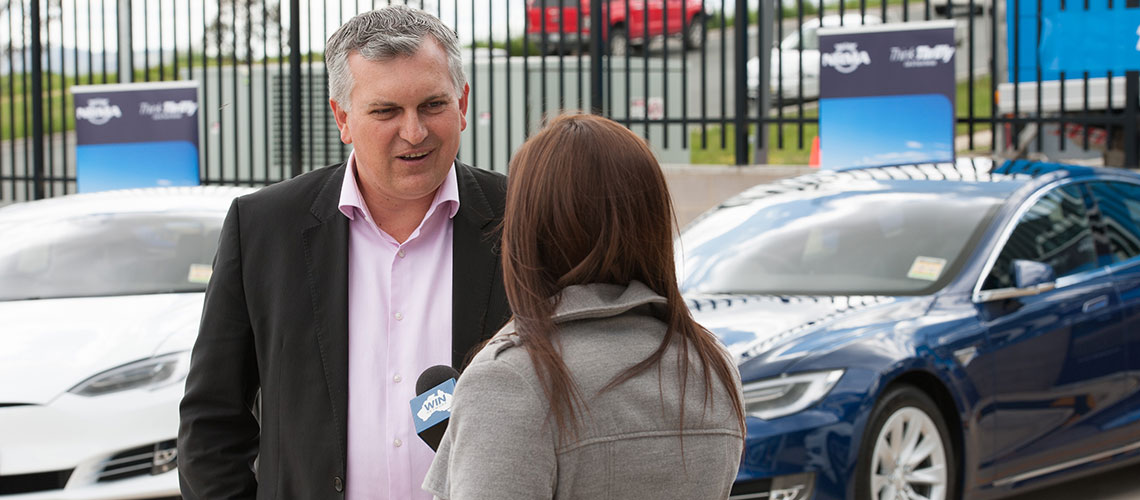
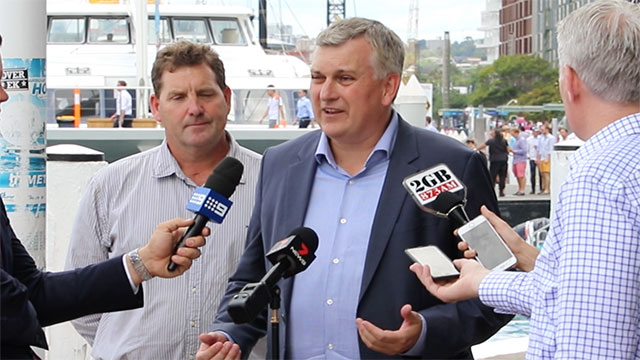
"Within 10 years four out-of-every five litres of petrol we put in our cars will be imported from some of the most politically unstable corners of the globe," NRMA Motoring & Services President Wendy Machin said.
"If political or economic unrest sees a sudden halt to the oil tankers coming to our shores then Australia will have to immediately reduce its daily oil consumption by more than 80 per cent.
"Our dwindling fuel supplies will have to be shared amongst our emergency services, armed forces, freight, public transport, industrial and domestic needs.
"If we choose to ignore the economic, lifestyle and environmental implications that will come by not addressing our future transport energy needs than surely a reduced capacity to defend ourselves is enough reason to act.
The Jamison Group has proposed a series of steps required to end Australia's dependence on imported oil and secure its own transport energy future.
The first critical step is for the Australian Government to establish a national energy plan and a department specifically charged with the developed of alternatives and the fast-tracking of electric vehicle infrastructure.
The report warns that there is no silver bullet solution to securing Australia's transport energy future and calls on the Australian Government to adopt a five step approach:
While electric vehicles and charging stations are identified as a key step to securing the nation's transport energy future, the report also warns that there will be little benefit to the environment unless Australia produces more electricity from renewable sources.
The report states that steps taken now could see Australia's replace coal-generated electricity with gas and wind, biomass, solar, thermal and marine energy within 20 years. Electric vehicles running on this electricity would produce zero emissions.
"Australia is in a much better position to tackle this problem because of the abundance of resources we have and the capacity for innovative research and development - what we need now is leadership," Ms Machin said.
"While we export record amounts of gas to other parts of the world for their energy use, we should also start developing it for our own transport consumption at home.
"We know that we can increase our production of bio-fuels from non-food sources as a short-term measure to reduce our dependence on oil and legislate to ensure cars are more fuel efficient.
"We must also fast-track the adoption of the electric car and charging stations as a viable alternative to the internal combustion engine.
"However, unless we upgrade our electricity grid to be generated by renewable energy than there will be no environmental benefit gained from doing away with oil.
"These are the challenges Australia must face - we can no longer afford to adopt a 'she'll be right mate attitude'."
The Jamison Group was established by the NRMA following its 2006 Alternative Fuel Summit. A second summit will be held 3 March 2010 in Sydney. The independent group comprises scientists David Lamb, John Mathews, Mark Diesendorf and Graeme Pearman.
More on Fuelling Future Passenger Vehicle Use in Australia