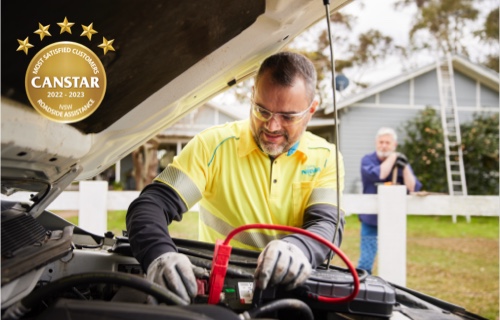








Lead acid battery

A lead-acid battery is an electrochemical storage device that uses a chemical process to create and store electrical energy.
In its simplest form, a battery uses 2 different types of lead immersed in a diluted Acid mixture (Electrolyte), a chemical reaction takes place and electricity is produced. This electrochemical reaction changes chemical energy into electrical energy (and vice versa) and has been the basic principle in automotive batteries for over a hundred years. These same power generating principles still apply today.
There are 3 common types of lead acid battery:
- Starter batteries: used to start engines in cars, trucks, boats, etc. They normally have thin lead plates, which mean they are able to release a lot of energy in quick bursts. They are not designed to be fully discharged and if this happens often enough the battery is usually damaged beyond repair.
- Deep-cycle batteries: used in renewable energy applications and camping etc. They normally have thicker lead plates which mean they are able to be fully discharged without any harm coming to the battery. Generally the thicker the lead plates, the longer the battery life is. Battery weight is a good indicator of thickness of the lead plates. One disadvantage is they cannot release their charge as quickly as a starter battery; however some can still be used in certain vehicle applications.
- Marine batteries: used both for starting and for deep cycle applications, these are usually a combination of deep-cycle batteries and starter batteries.
The life of a lead acid battery can be determined by 4 key factors:
- Cycle life – This is essentially how many charge and discharge cycles the battery can tolerate. If the battery is cycled frequently, its life will be shortened. Lead acid batteries should never be run completely flat, the recommended minimum charge is approximately 25%. The optimum time to charge a lead acid battery is when they reach around 50% of their total charge.
- Age – The electrolyte used in the battery can actually eat away at the lead plates over time. This risk factor can be mitigated by keeping the lead acid battery in a cool place with the battery at full charge. Also try to purchase recently manufactured batteries, the longer it has been stored the more likely the lead plates would have been damaged by the electrolyte.
- Construction – The thicker the lead plates, the longer the battery will last (this is a general rule but can be applied to most batteries).
- Sulphation – This happens when a lead acid battery is not fully charged or left in a discharged state. A layer of lead sulphate can form on the plates and this can prevent the chemical reaction from taking place.
The average life of a lead acid battery has decreased as the energy requirements of modern vehicles have increased.
A battery's life span depends heavily on usage; 6 months to 48 months, yet only around 30 per cent of all batteries actually reach the 48-month mark. Other key factors that affect the life of a battery include
- Its construction material
- Its type
- The thickness of the plates
- Its charging profiles, under bonnet temperatures, etc.
All these elements play a key role in determining just how long a lead acid battery will continue to work reliably.