PersonalBusiness
About the NRMAFuel pricesSupportAccessibilityAccessibility
NRMA Roadside, Travel and Rewards
  • About the NRMA
  • Fuel prices
  • Support
  • Accessibility
About the NRMA
Community
Education programs
Parent Guide to Safe and Responsible E-Bike Riding

Parent guide to safe and responsible e-bike riding

A practical guide for parents on safe and responsible e-bike riding for teens, covering NSW laws, safety, insurance and bike compliance.
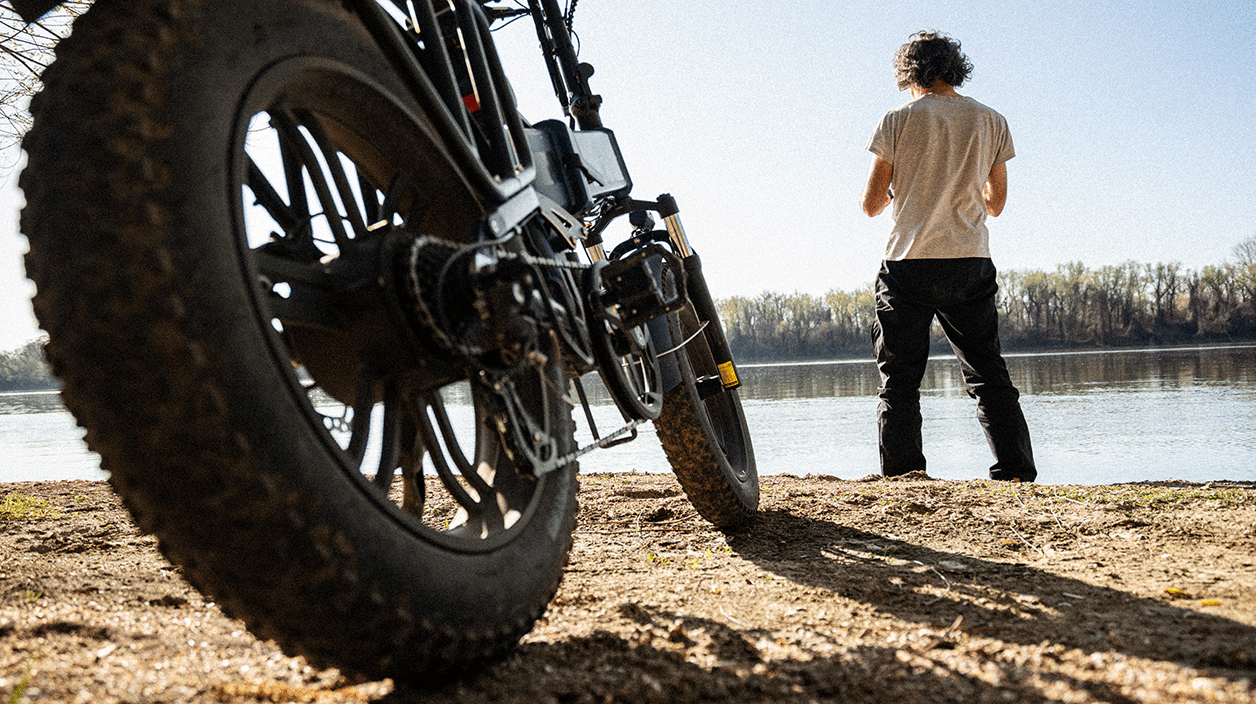
teenager ebike guide

E- bikes give teenagers independence, encouraging active travel, as well as helping build confidence and road awareness. Parental guidance plays a critical role in helping teenagers develop the skills and judgement needed to make informed and responsible decisions. This guide covers the key things every parent should know to help teenagers ride safely, legally, and considerately.

Teen riders can use shared paths and cycleways, and footpaths if they are under 16. They will share these spaces with pedestrians, children, older adults, and other cyclists, so it’s important to know pedestrians have priority – always.

Encourage your teen to:

  • Ride at safe speeds and slow down when passing others
  • Use a bell early and politely
  • Keep to the left
  • Ride predictably, avoid weaving, tailgating, or sudden overtaking
  • Be especially mindful around prams, dogs, the elderly and small children
  • Not carry passengers

In addition to the above bike etiquette your teen rider must follow the NSW road rules for cyclists, including:

  • Stopping at red lights and stop signs
  • Using hand signals
  • Riding single file when required
  • Not using a mobile phone while riding
  • Having working brakes, reflectors, and (at night) lights
  • Properly wearing a fitted, approved bicycle helmet is mandatory.
Choosing an E-Bike

NSW has clear rules about what counts as a legal E‑bike and how it must be ridden. To be used on a road, an e-bike will need to comply with EN 15194 standard by 1 March 2029.

  • The power is limited 250W*
  • The powered speed is limited 25km/h
  • Pedalling is essential

Anything faster, more powerful or throttle only is considered a motor vehicle and cannot be ridden on roads or paths without registration and licensing which these bikes cannot obtain. If a bike is modified beyond legal limits, your teen is riding an unregistered motor vehicle, leading to fines, liability issues, and safety risks.

*500W bikes are currently in circulation but new legislation will mean these will become illegal in 2029, unless transitioned to an EN compliant model.

Keep up to date with legislation

Bicycle Insurance

Insurance can be easy to overlook, but it matters. Parents should understand what is and isn’t covered if a teen is riding an e-bike.

There are three types of insurance to be considered:

Bicycle insurance summary table

Insurance type  What it may cover  What parents should check 
     
Home & Contents Insurance The bike itself, such as theft, accidental damage, and possibly battery-related damage. Whether the bike is covered at home and away from home; check if battery-related damage is included; check whether public liability is included and whether it applies to all riders or only the policyholder
     
Specialist Bicycle Insurance Often covers both the bike and the rider in a crash, including bike repairs and possibly medical expenses. Check exactly what is covered after a crash; confirm whether third-party/public liability is included; review whether cover extends to a teenage rider
     
Public Liability Insurance Protects against claims if the rider injures someone or damages property while using the e-bike. Check whether this cover is already included in another policy or whether a separate policy is needed; confirm who is covered under the policy Policies may exclude racing or stunt riding, riding where bicycles are not permitted, commercial use (such as food delivery), and illegal or overpowered e-bikes

Some Cycling membership organisations include cover in their membership.

  • Bicycle NSW
  • Bicycle Network
  • Auscycling

Remember for insurance to be valid the e‑bike meets NSW legal requirements, If the bike is illegal (overpowered, derestricted), or ridden unsafely insurers may refuse claims.

It is important for you to keep records e.g. Proof of purchase, serial number, records of any repairs or battery replacements and confirmation that the bike meets NSW legal requirements.

Finally, speak with the e-bike rider to clearly explain where they are and aren’t covered, and ensure they understand the potential consequences of unsafe or irresponsible choices.

Practical Tips for Parents

  • Set expectations early: Agree on where, when, and how your teen can ride.
  • For peace of mind – investigate insurance.
  • Do maintenance checks – for compliance and safety.
  • Do a skills check: Make sure they can start, stop, signal, and navigate safely. Consider an e-bike training course 
  • Encourage visibility: Bright clothing, reflectors, and lights make a big difference.
  • Model good behaviour: Teens learn from what they see.
Help
Support
Manage my account
Renew membership
Request roadside assistance
Products and services
Membership
Roadside assistance
Car battery replacement
Car insurance
Roadside assistance for business
Electric vehicle charging
Driving lessons
Travel insurance
International driving permit
Quick links
Join My NRMA Rewards
Find offers and discounts
My NRMA app
Cars and driving
Buying a car
Fuel finder
Trip planner
SIXT Car and Truck Rental
NRMA Parks and Resorts
My NRMA Rewards
Travel and holidays
Food and dining
Automotive
Experiences and attractions
Shopping and lifestyle
Cashback
Open Road
About us
Who we are
Our community impact
Careers
Media
Download the app
download on the apple store
Get it on google play
Sitemap
General conditions
Privacy policy
Cookie policy
Facebook
Instagram
x.com
youtube
linkedin
©️2026 National Roads and Motorists’ Association Limited. ABN 77 000 010 506.