
NRMA Future of Transport Challenge

Our curriculum-mapped STEM initiative invites students in years 5-10 to solve a real-world transport issue using design-thinking and pitch the idea to industry experts. It offers students a unique opportunity to explore problems, design solutions and learn entrepreneurial skills.
Students receive detailed feedback on their submissions by industry leaders, and finalists are given the opportunity to receive mentorship in preparation for a live finals event to choose the winner of the Challenge.
Congratulations to the students from Newcastle Grammar School (pictured at top of story) on winning the Stage 5, 2025 NRMA Future of Transport Challenge with “Little Loco” which reimagines old infrastructure for a new purpose. This team proposed a safe, cost-effective autonomous railway system using disused tracks in Newcastle. It’s a smart way to bring innovation to regional transport while keeping costs down.
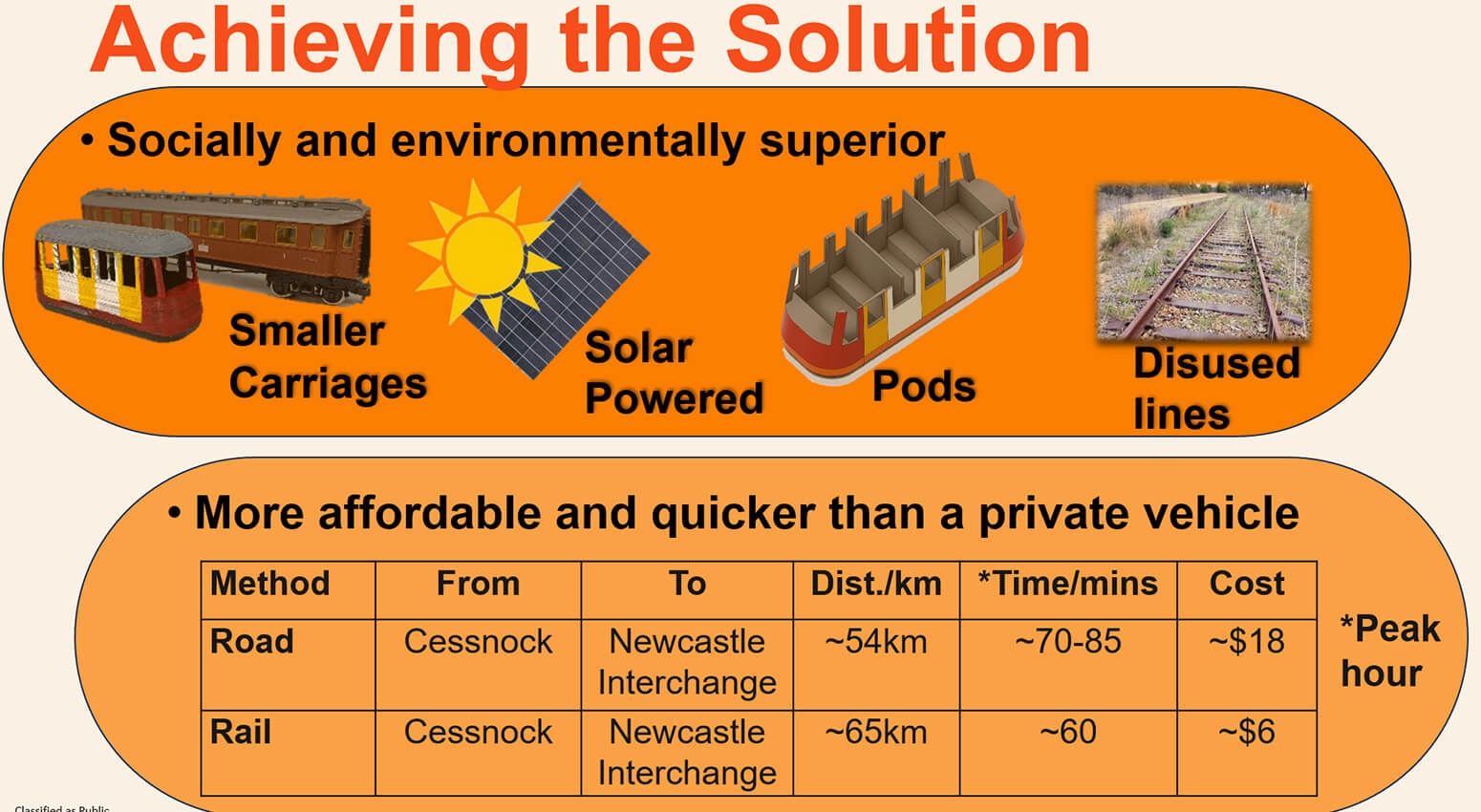
Source: Little Loco project submission from students at Newcastle Grammar School.
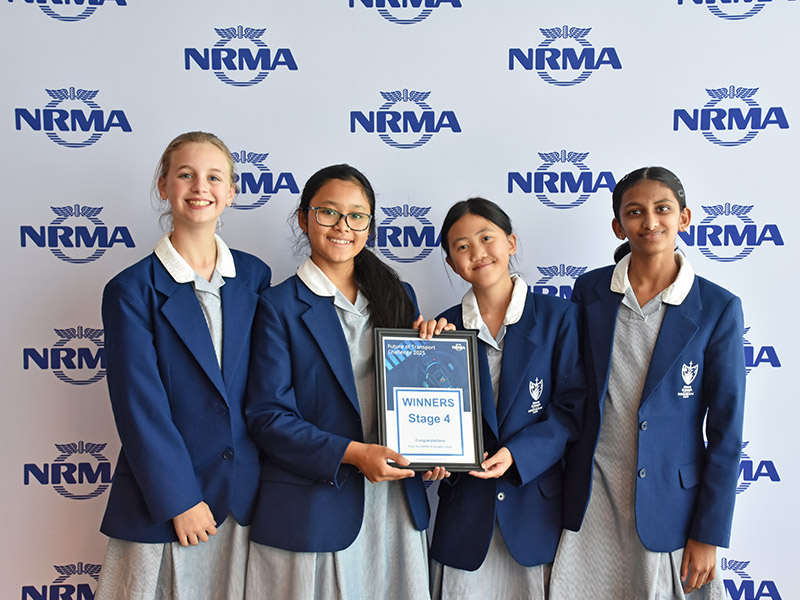
Students from Mt. St Joseph Catholic College.
Congratulations to Mt. St Joseph Catholic College in Milperra on winning the Stage 4 2025 NRMA Future of Transport Challenge with their project Spot.ABLE which is a social sustainability initiative – an app that allows users to locate disabled parking, and report abuse of the system.
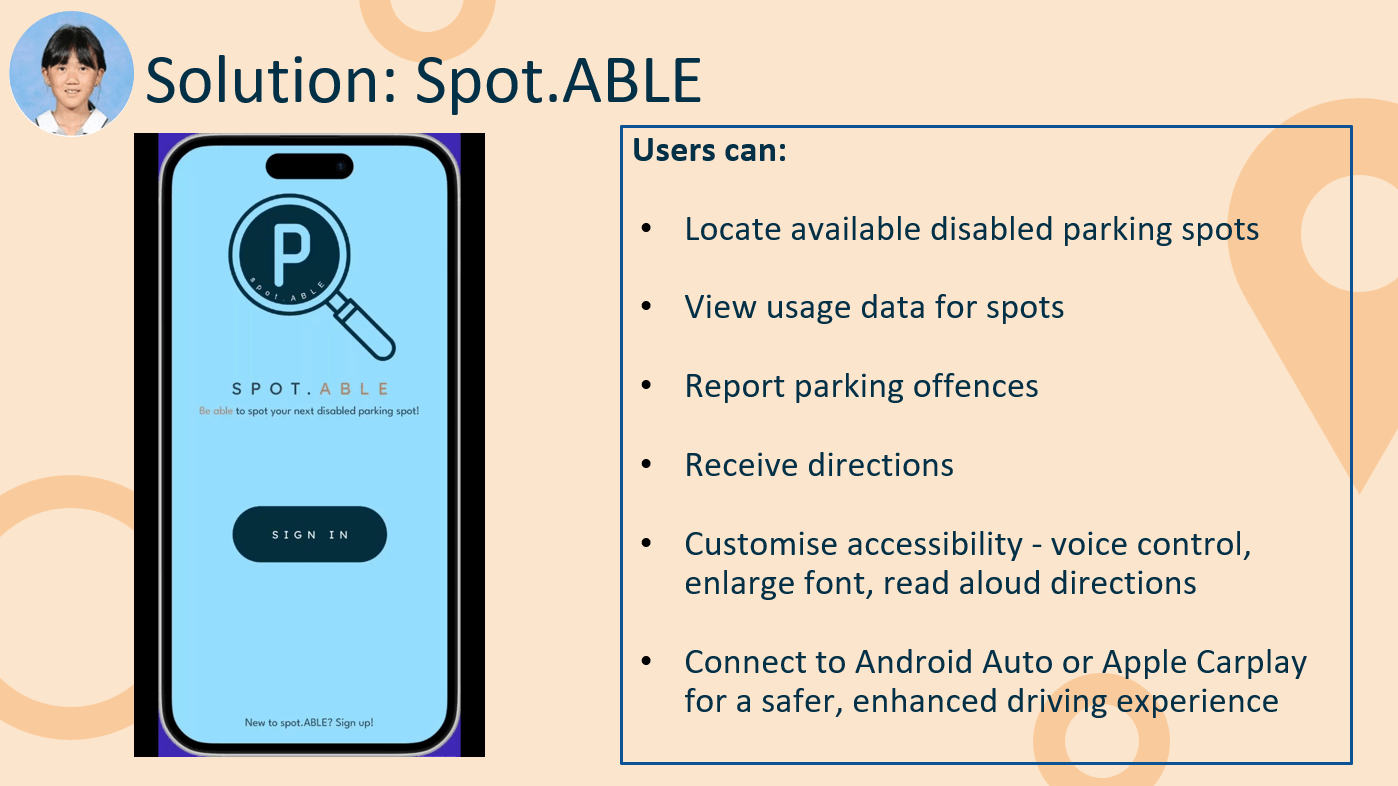
Source: Spot.ABLE project submission from students at Mt. St. Josephs Catholic College.
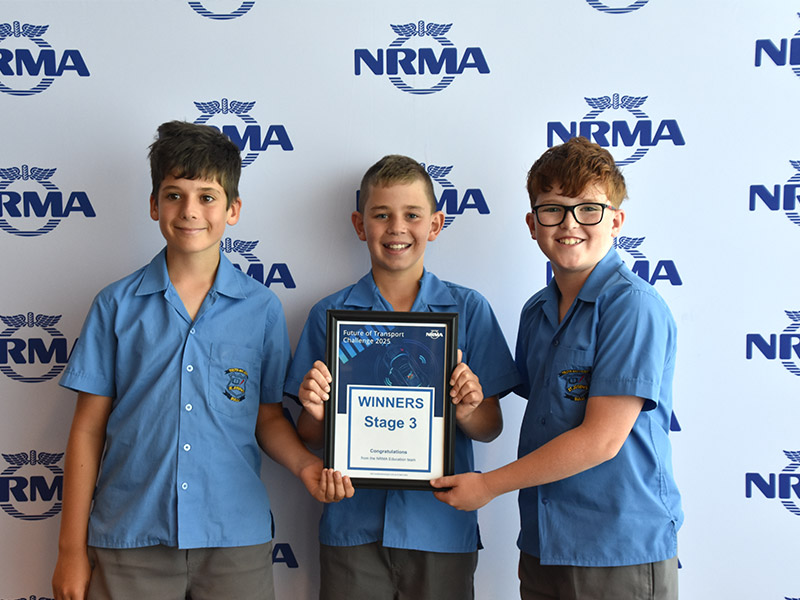
Students from St Joseph's Catholic Primary Bulli.
Impressing the judges to become the winners of the Stage 3 2025 NRMA Future of Transport Challenge were students from St Joseph's Catholic Primary, Bulli with their project SS Charge, a community owned solution to the growing need for EV charging stations – particularly in remote areas with homeowners generating supply from renewable sources on their land and powering roadside chargers on their residential streets.
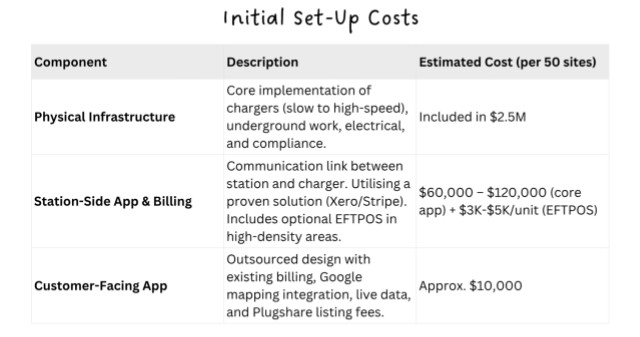
Source: SSCharge project submission by students from St Joseph's Catholic Primary, Bulli
All finalists presented fantastic final projects:
Stage 5 finalists
Normanhurst Boys School with “Sync Transportation” - AI-powered timetabling that bridges the gap between buses, metro, and trains for seamless, time-saving commutes.
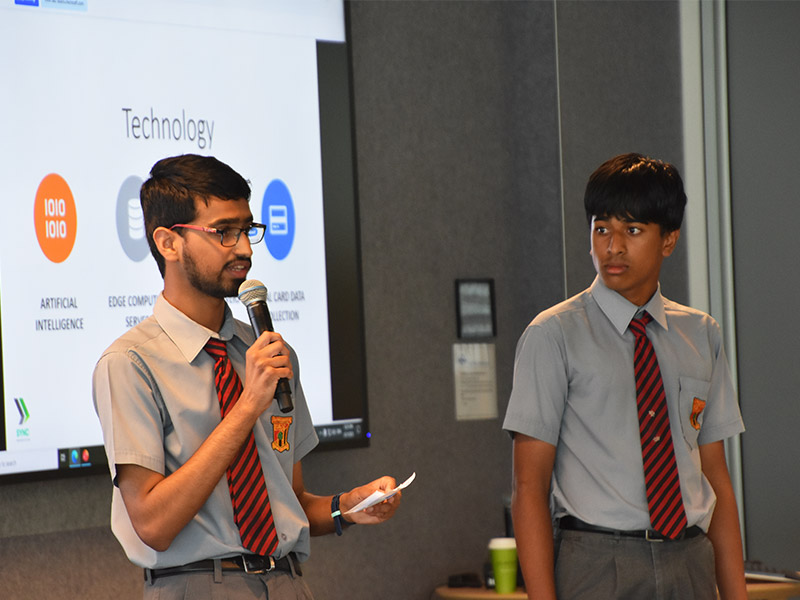
Half of the team from Normanhurst Boys School presenting at the finals.
Richmond Centre of Excellence in Agriculture Education with “The Sabatier Process Reactor” - the Carbon Neutral Hydrocarbon Fuel Source that people can locate and use within their homes to power electric vehicles
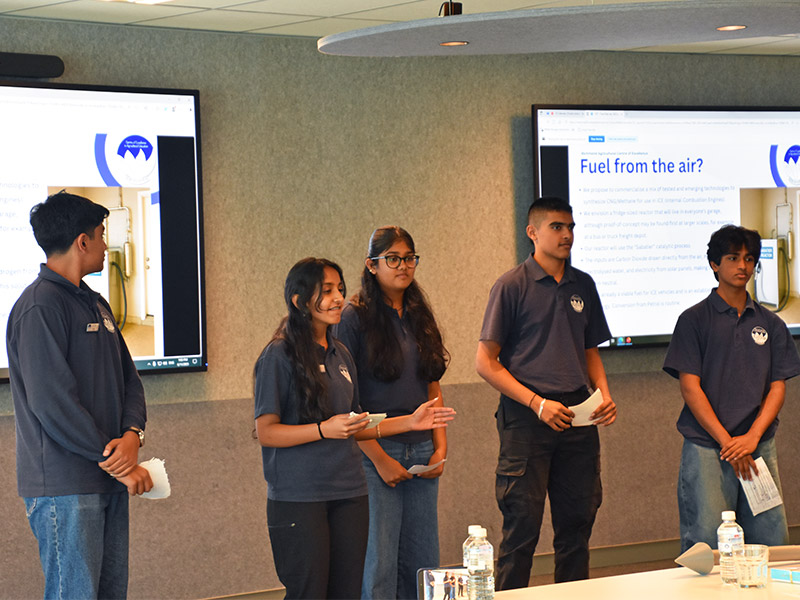
Students from Richmond Centre of Excellence in Agricultural Education presenting at the finals
Stage 4 finalists
Georges River College with Breeze Bike a closed system wind powered e-bike; energy generated by an inbuilt wind turbine is stored in the bikes battery to enable effort free riding after 10 minutes pedalling.
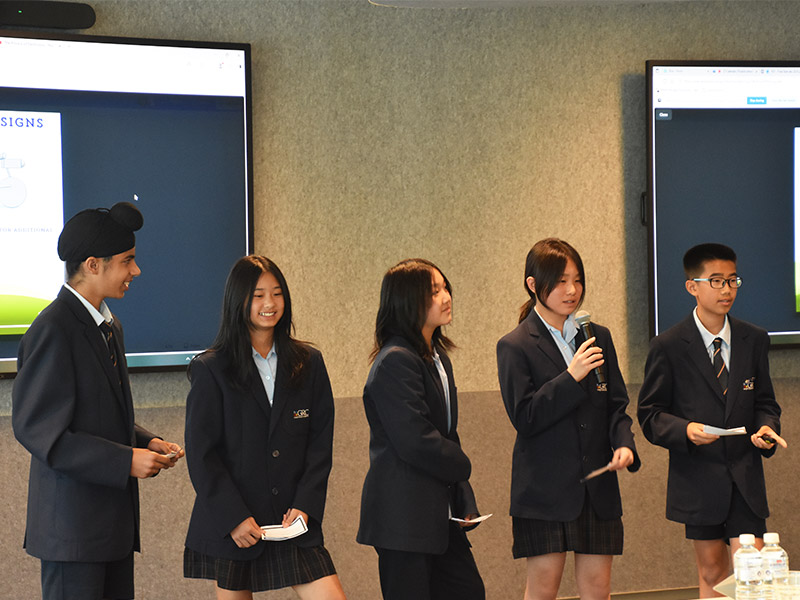
Students from Georges River College presenting Breeze Bike at the finals
Stage 3 Finalists
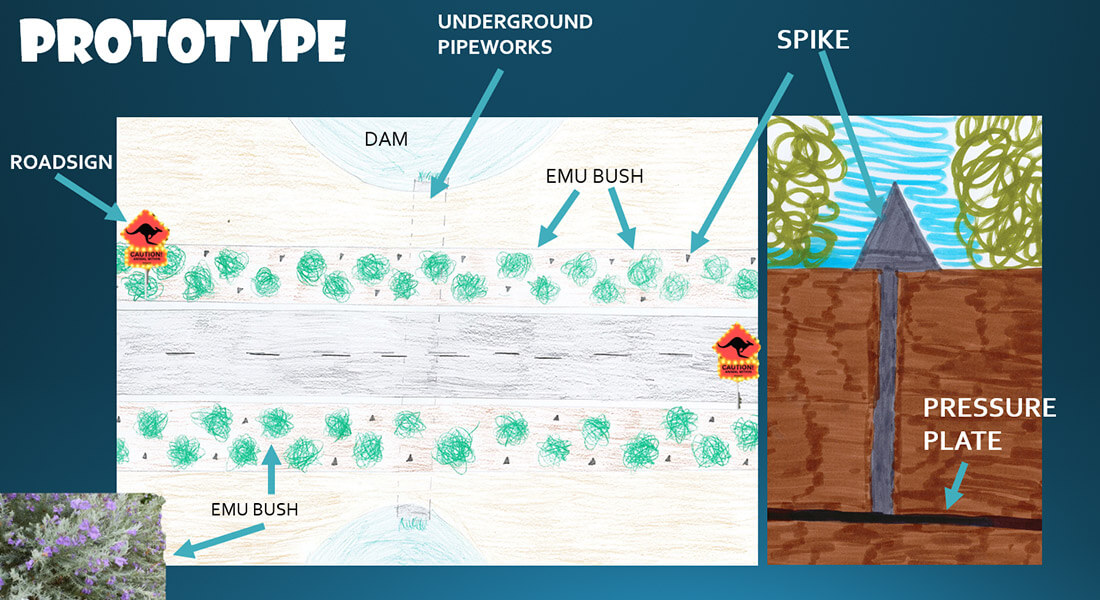
One School Global Albury Campus with Spike Safe a multi-faceted response to reduce wildlife deaths on roads including dense plantings, deterrent spikes that double as driver warning sensors and water management projects.
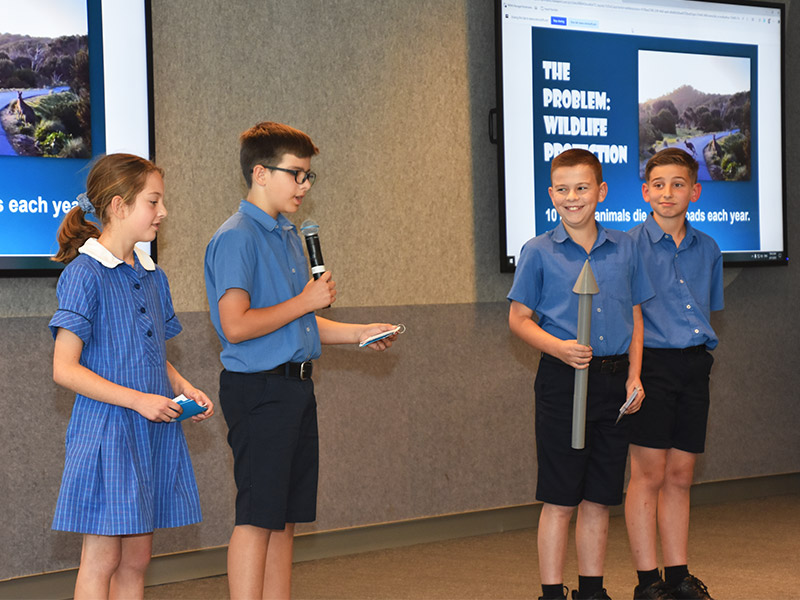
Stage 3 Students from One School Global present Spike Safe at the finals.
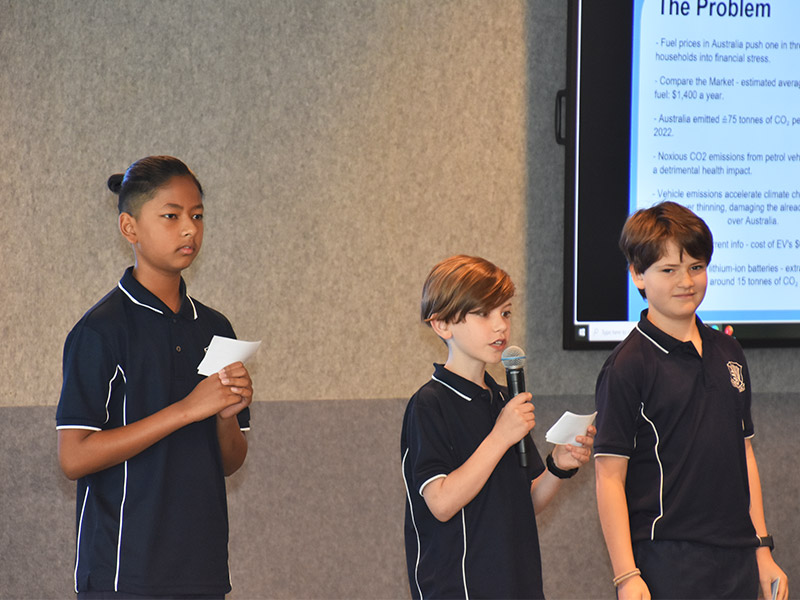
Wollongong Public School with GILL a water powered car using hydrogen electrolysis, aiming to match and surpass existing range and safety standards
These eight finalists pitched their innovative solutions to real-world transport problems to a panel of industry experts at this year’s finals event. The judges were Victoria Doidge, NRMA Group Chief Membership Officer, Keira Crystal from Fizzics Education Energy and STEM Advisor for the Department of Education & Senior Lecturer at the University of Newcastle - Dr Scott Sleap.
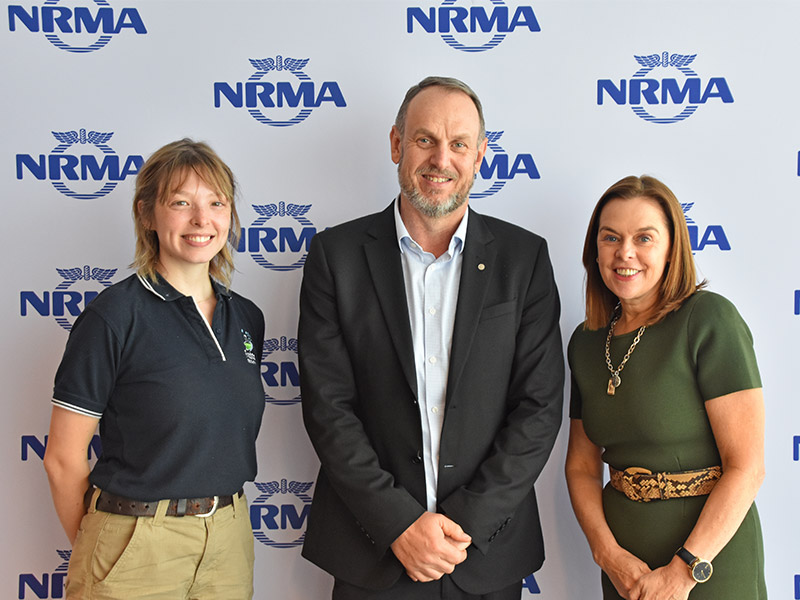
All judges agree our future is in good hands.
Register for the Challenge


