What are the rules when it comes to wearing a seatbelt?
At a glance:
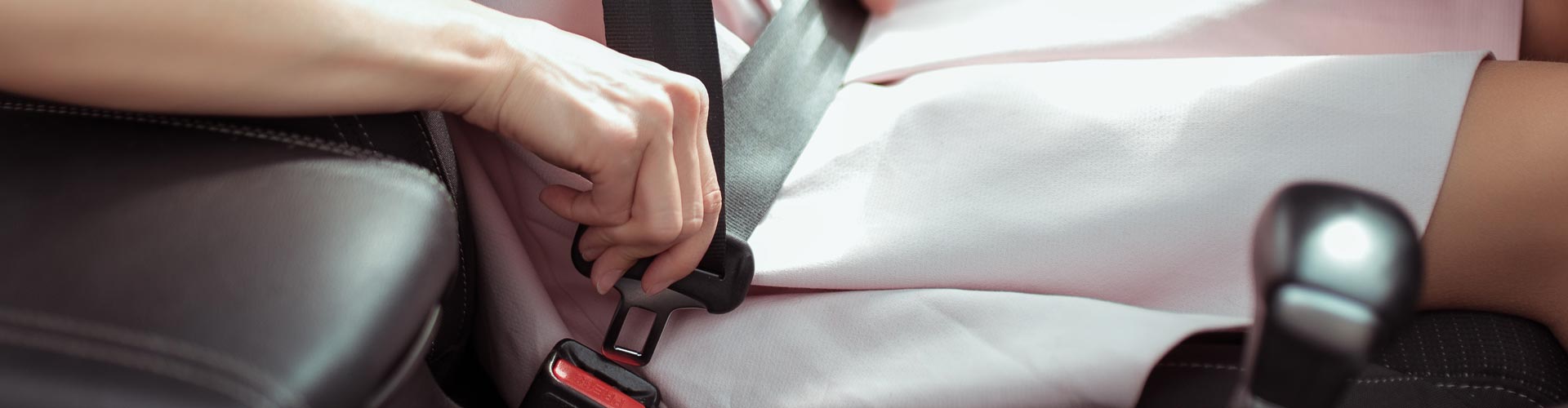
- Seatbelts must be properly fastened and adjusted, not simply buckled.
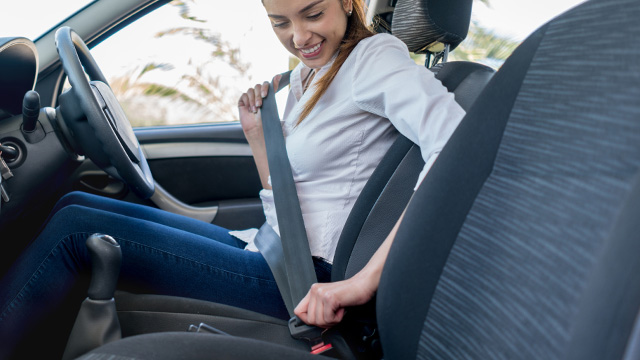
- Wear the belt low, flat and firm across the hips, chest and shoulder.
- Drivers are responsible for ensuring every passenger is properly restrained.
Wearing a seatbelt is a small action that can make a big difference in staying safe on the road. New NRMA research has found most NSW seatbelt camera detected fines were issued to people wearing their seatbelt incorrectly, rather than not wearing one at all.
The NRMA's Buckle Up Right report found 16 per cent of motorists surveyed did not always wear their seatbelt correctly.
How to wear a seatbelt
Properly wearing a seatbelt is essential for your safety while driving or riding in a vehicle.
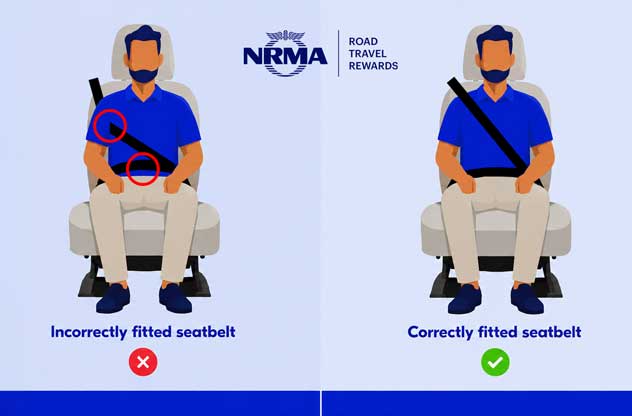
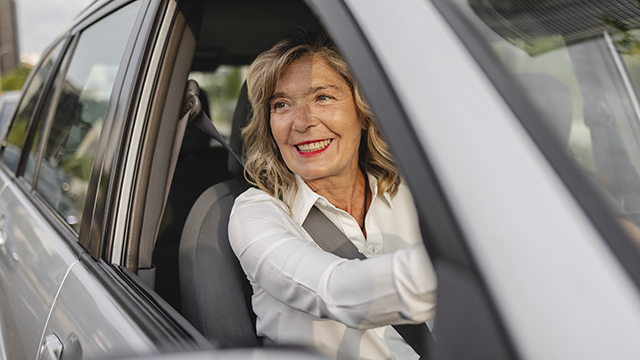
- The sash should run from your hip to your shoulder and not ride up on your neck or pass across your upper arm.
- The lap part of the seatbelt should sit across the bony section of the hips and under the belly.
- In most vehicles, the seatbelt is attached to the 'B-pillar' or the post where the front and rear doors meet. There is typically a mechanism that allows the attachment to slide up or down, so the belt sash will pass across your body in the correct position.
- The seatbelt shouldn't be loose or have any twists in it.
Wearing a seatbelt while pregnant
It is important to ensure you wear a seatbelt correctly while pregnant.
Find out more here about seatbelts and pregnancy.
What are the seatbelt rules in NSW?
Drivers must wear a properly fastened and adjusted seatbelt whenever required under the NSW Road Rules.
They must also ensure:
- every passenger has their own seat and seatbelt
- each passenger is correctly restrained or uses an approved child car seat suitable for their age and size
- the vehicle does not carry more passengers than it is designed for
- no one travels in an area not designed for passengers, such as the boot, floor, ute tray or a trailer
- passengers keep all parts of their body inside the vehicle.
Children must use an appropriate child car seat for their age and size. A seatbelt must never be shared by two people or placed around an adult and a child sitting on their lap.
How are seatbelt rules enforced?
In NSW, seatbelt detection cameras have been in place since 1 July 2024. They can detect if a seatbelt is not worn, or not worn correctly.
Learn more about seatbelt and mobile phone detection cameras here.
What are the penalties?
Drivers are legally responsible for ensuring all passengers are properly restrained. Seatbelt penalties currently start at $423 and three demerit points. This offence also attracts double demerits.
Seatbelt detection camera issued penalties apply only to drivers. Passengers - aged over 16 – may be fined by NSW police for failing to wear their seatbelt correctly.
See the current list seatbelt offences and penalties in NSW.
Seatbelt rules in other Australian states
Seatbelt rules can vary slightly between Australian states and territories, though all mandate their use in motor vehicles.
For specific guidelines, consult the relevant state or territory's government websites below or local transportation authorities.
Queensland | Victoria | ACT | South Australia | Western Australia | Northern Territory | Tasmania
A history of seatbelts and the NRMA
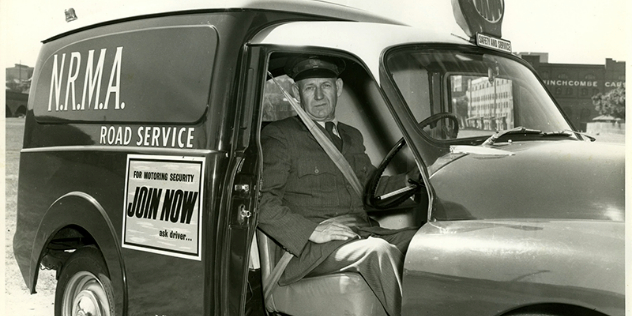
In the 1970s, the NRMA played a crucial role in advocating for road safety measures, notably pushing for the implementation of seatbelt laws in Australia. Despite initial resistance, the NRMA persistently campaigned for seatbelt adoption, leading to legislation mandating their use in NSW on October 1, 1971, with exemptions recommended.
This resulted in a significant reduction in road fatalities and injuries within a year of implementation. Beyond seatbelt laws, the NRMA continued to advocate for road safety, including child and infant restraints, leading to laws prohibiting the carrying of unrestrained children in the front seat by 1977, and the establishment of 'baby capsule' fitting stations in collaboration with authorities in the 1980s.