2026 GAC M8 review

In a nation where utes and SUVs dominate new-car sales, the humble people mover often feels left behind. But that might be about to change.
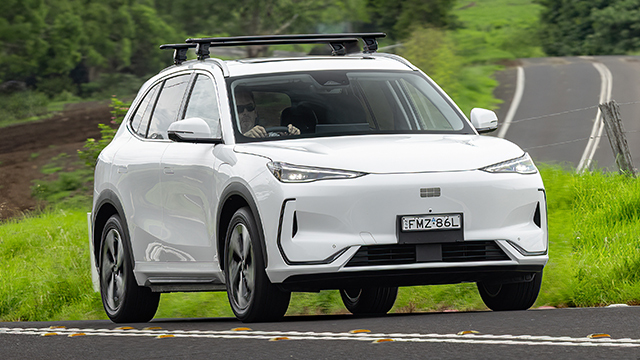
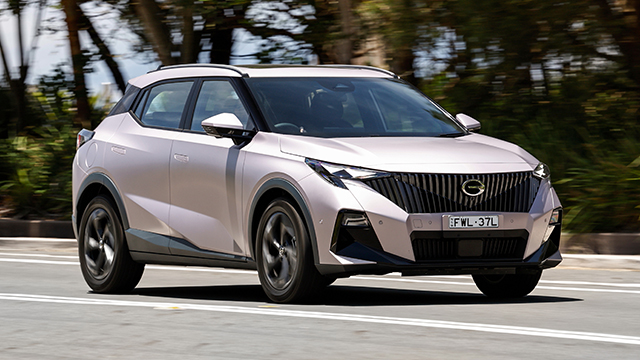
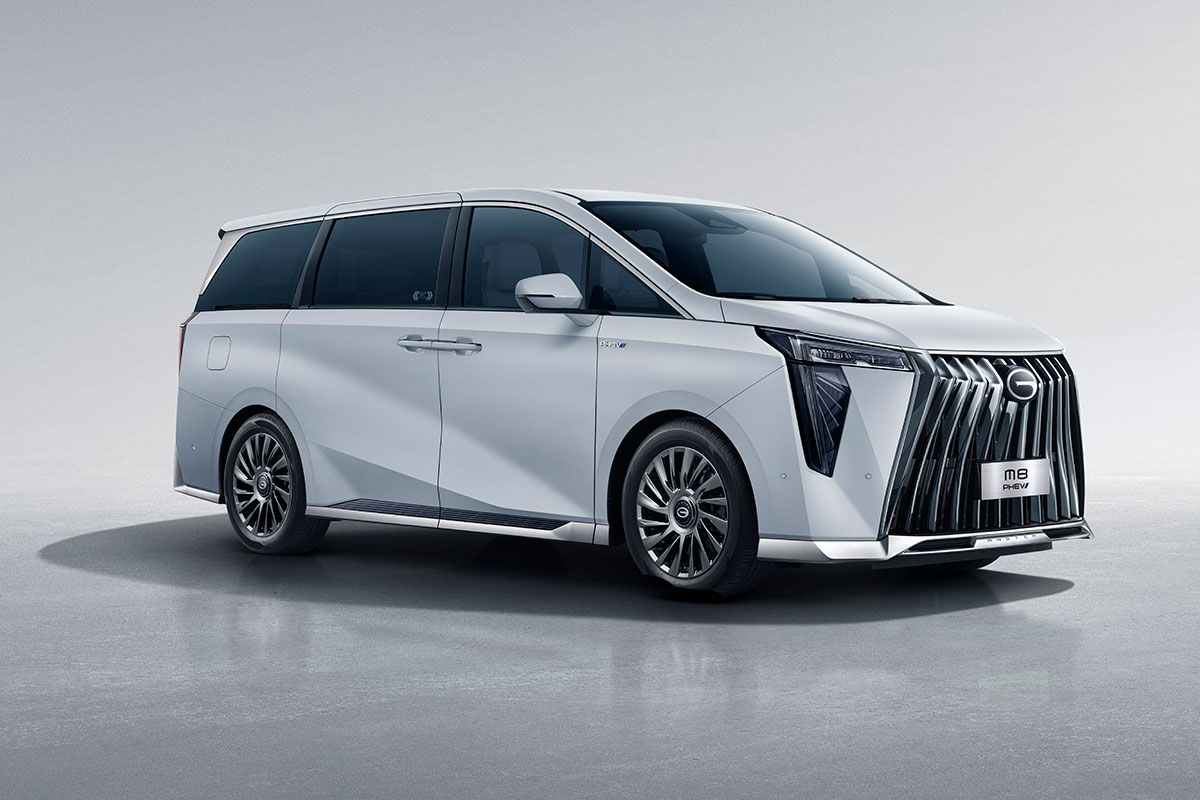
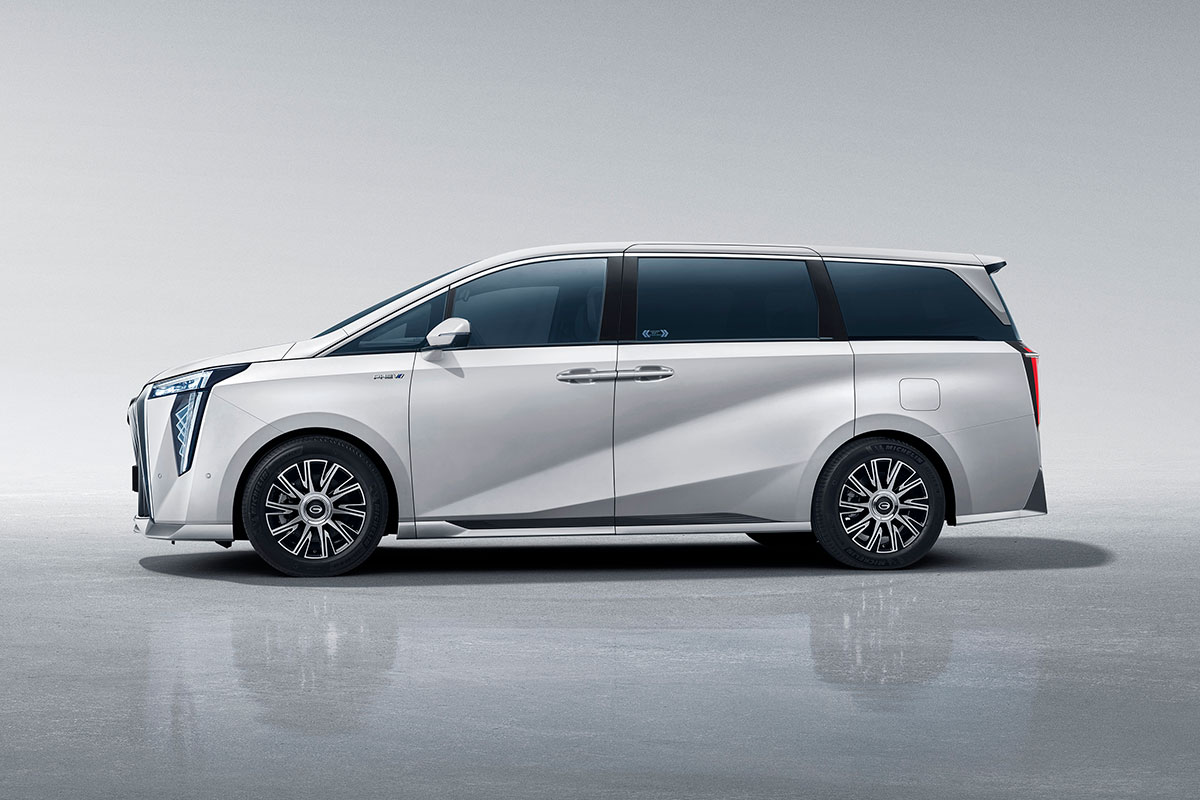
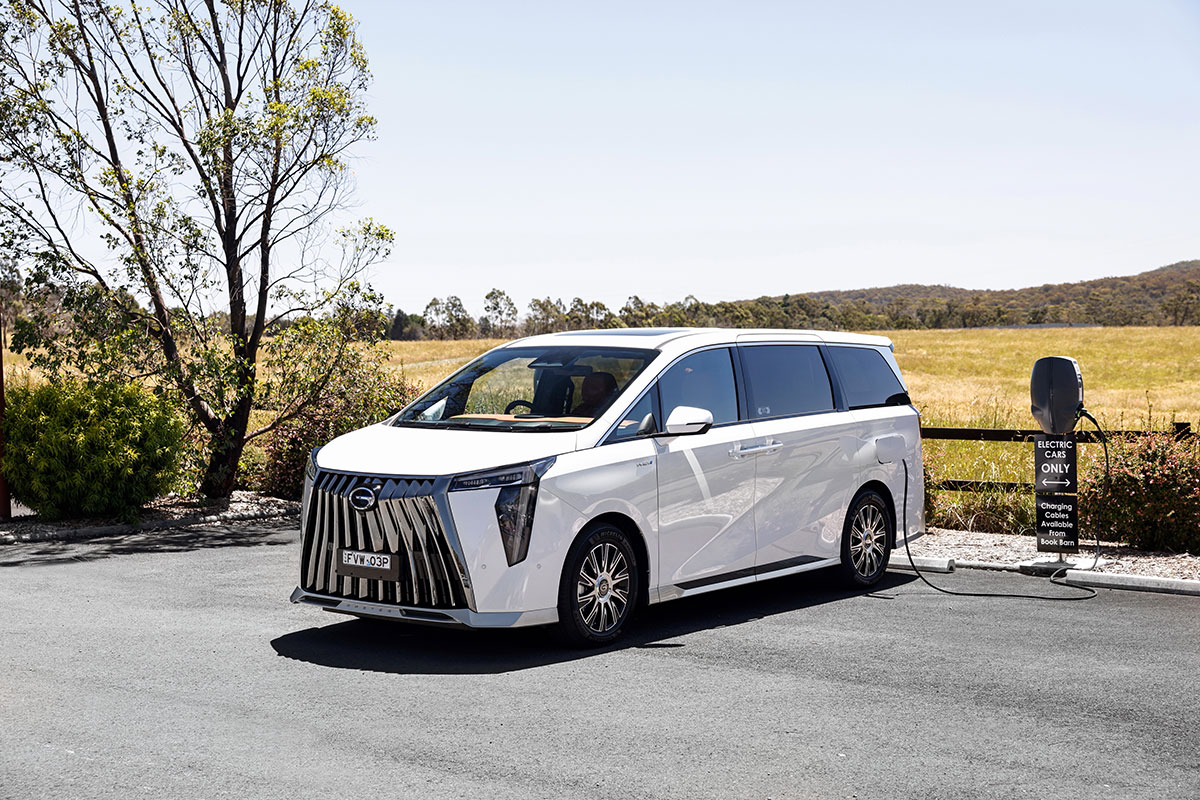
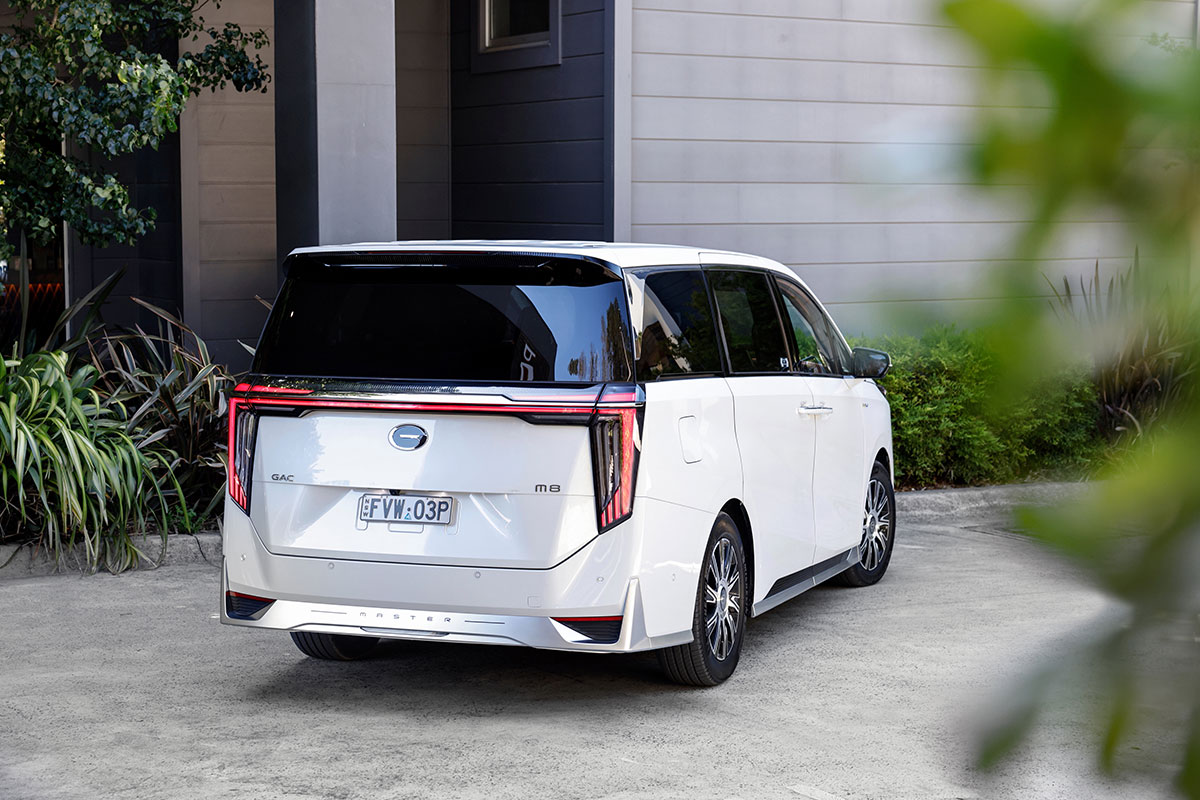
Enter the 2026 GAC M8, the third model from Chinese carmaker GAC (following its Aion V mid-size electric SUV and Emzoom small SUV), and Australia’s first plug-in hybrid electric vehicle (PHEV) people mover.
Not just a unique proposition for offering a PHEV powertrain in its segment, the 2026 GAC M8 also bucks the trend of Chinese brands undercutting more established rivals on price to gain an edge. Packing promises of luxury, hybrid efficiency and a long warranty, should legacy marques be nervous?
How much does the 2026 GAC M8 cost?
Attempting to woo buyers with an advanced powertrain, tech and luxury in place of an ultra-sharp pricing model, the 2026 GAC M8 wears a relatively high price compared to some of its segment’s leaders.
Buyers can get into two grades: base Premium from $76,590; or flagship Luxury from $83,590. These prices are before on-road costs.
At these prices, the cost of entry for the M8 just about matches the segment-leading Kia Carnival in its flagship trim ($76,210, but starting from $50,150) and the Volkswagen Multivan (from $75,990).
To put the 2026 GAC M8’s price into perspective among the wide-spanning people mover segment, though, the Mercedes-Benz V-Class starts from $120,999 while the Lexus LM asks a whopping $163,520.
Supporting the M8 is an seven-year, unlimited-kilometre vehicle warranty, with its hybrid system’s high-voltage battery covered for eight years and 200,000km. GAC Australia is also throwing in a free 22kW wall charger and $1000 cashback for those who order before 31 December 2025.
What is the 2026 GAC M8 like inside?
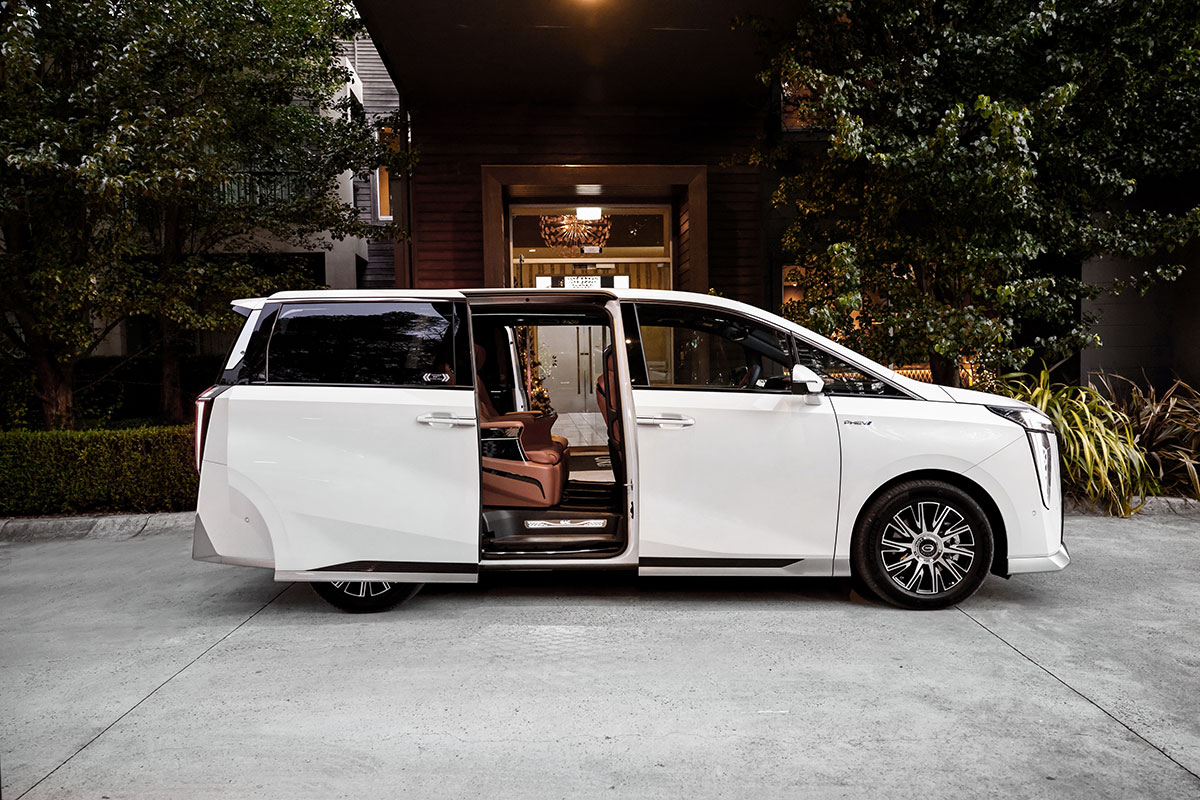
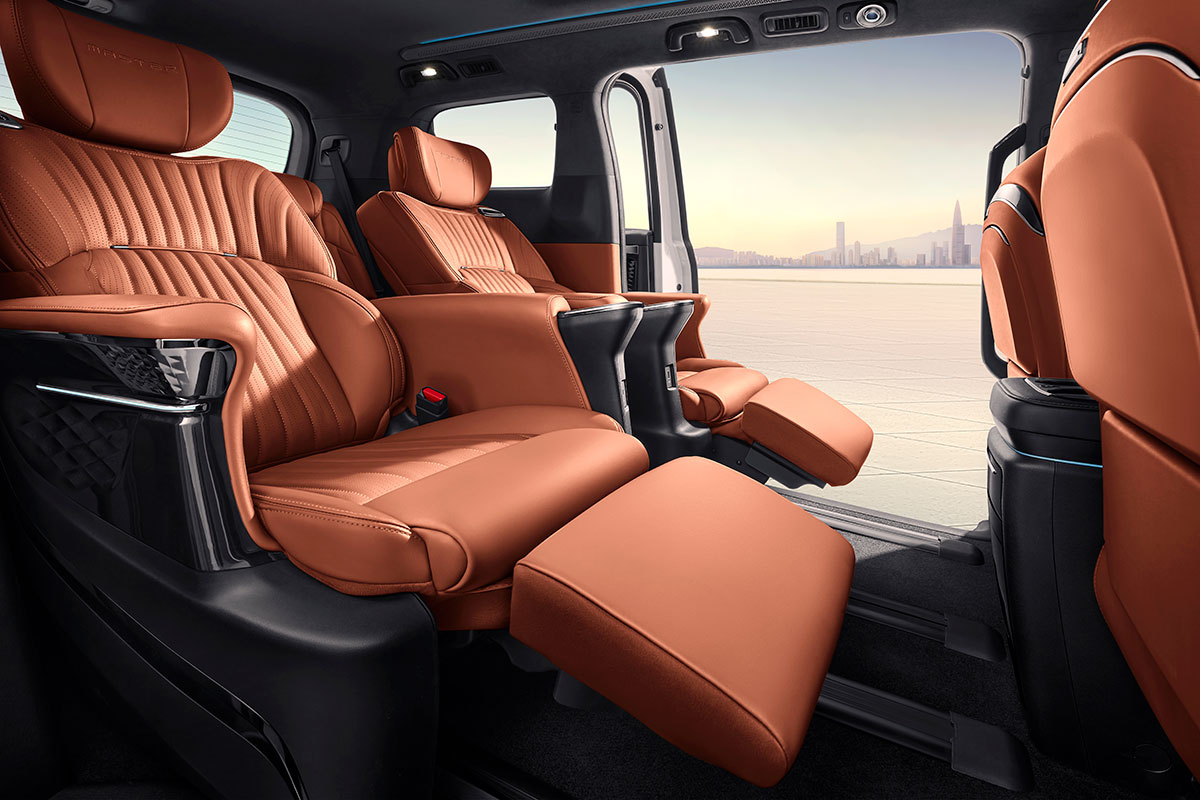
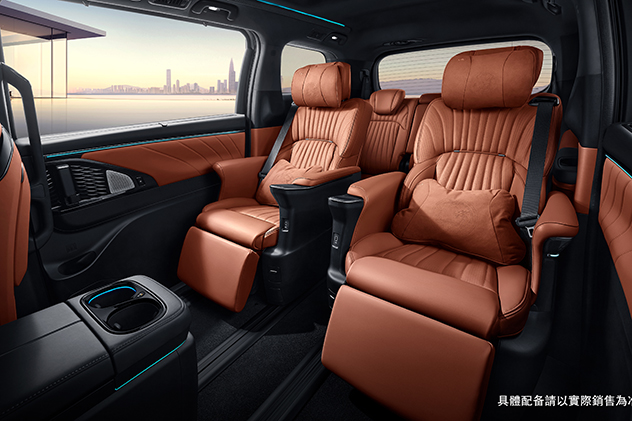
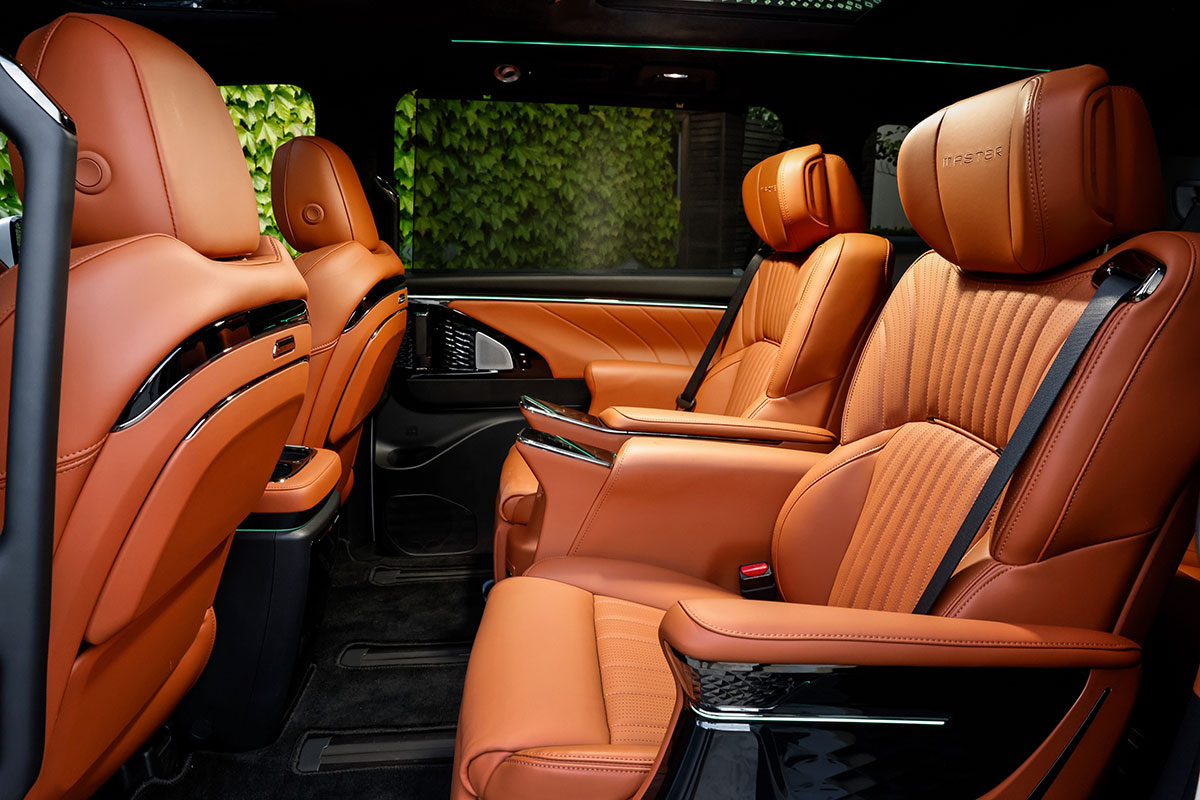
Passenger comfort is at the forefront of people mover design, especially when words such as ‘luxury’ and ‘opulence’ start getting thrown around. For the most part, the seven-seat 2026 GAC M8 delivers it in spades.
The phrase ‘soft touch’ is used a lot now to describe car interiors, even when only a few millimetres of cushion is provided under (generally faux) leather upholstering. We feel it’s necessary to draw emphasis to just how ‘soft’ these touches are inside the GAC M8.
The centre console and second-row armrests on lush captain’s chairs are next-level. Let your fingers wander and soon the M8 goes from feeling expensive for a Chinese car, to cheap for what it offers against rivals.
Those captain’s chairs are standouts, fitted with LCD touchscreens to control some pretty elaborate massage functions and full electric adjustment throughout for the second row in our Luxury grade test vehicle.
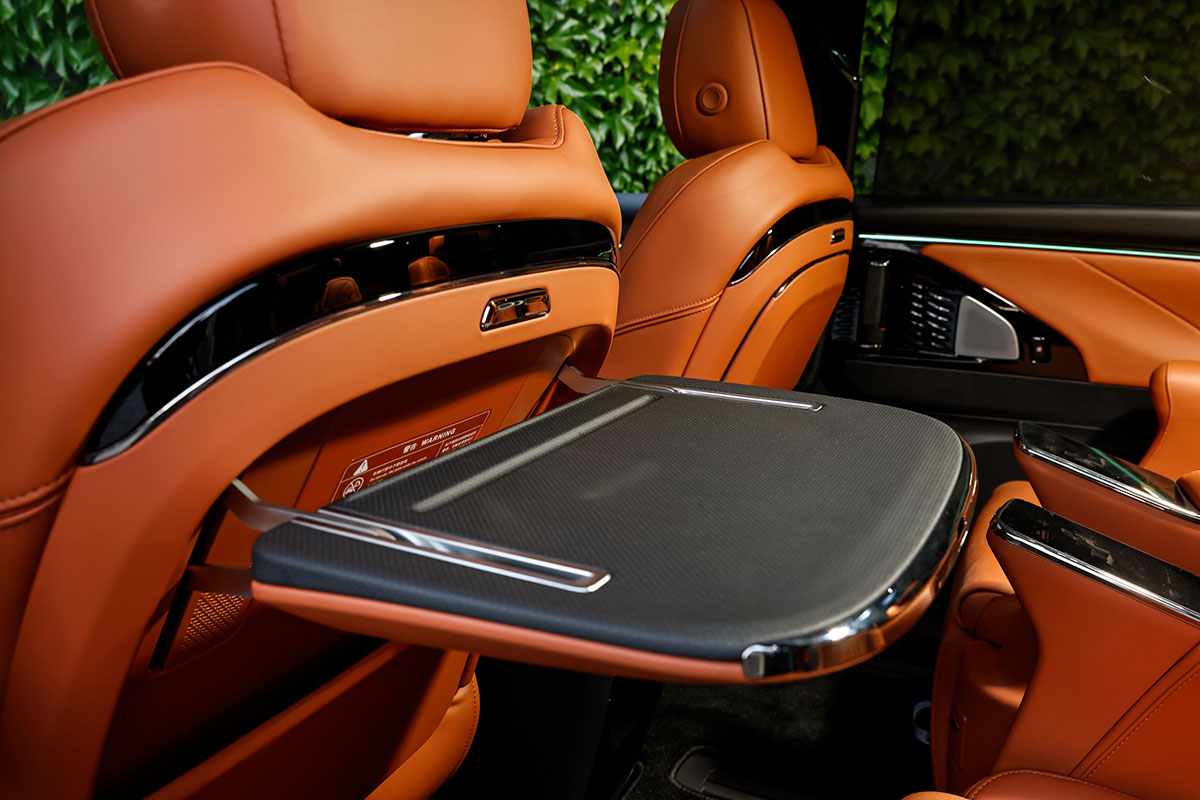
Premium grade sees real leather in its first two rows, with synthetic leather used in the third, while Luxury gets an uprated leather upholstery on its front two and real leather on its rear. The top grade also scores a stowable tray table.
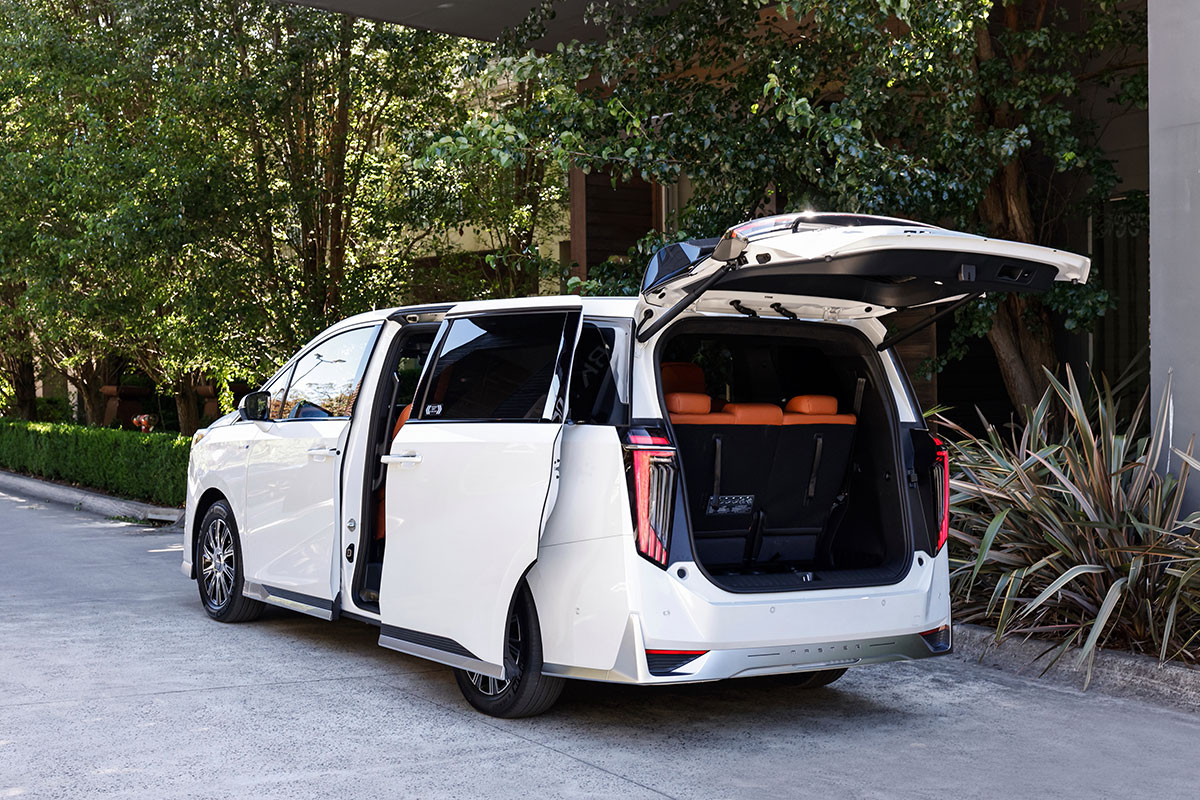
Rear-row comfort is sound, but we took issue with adjustment for the second row not being easily accessible in the back, and manual adjustment even in flagship trim. A super narrow aperture between those second-row captain’s chairs also makes ingress to the third row difficult.
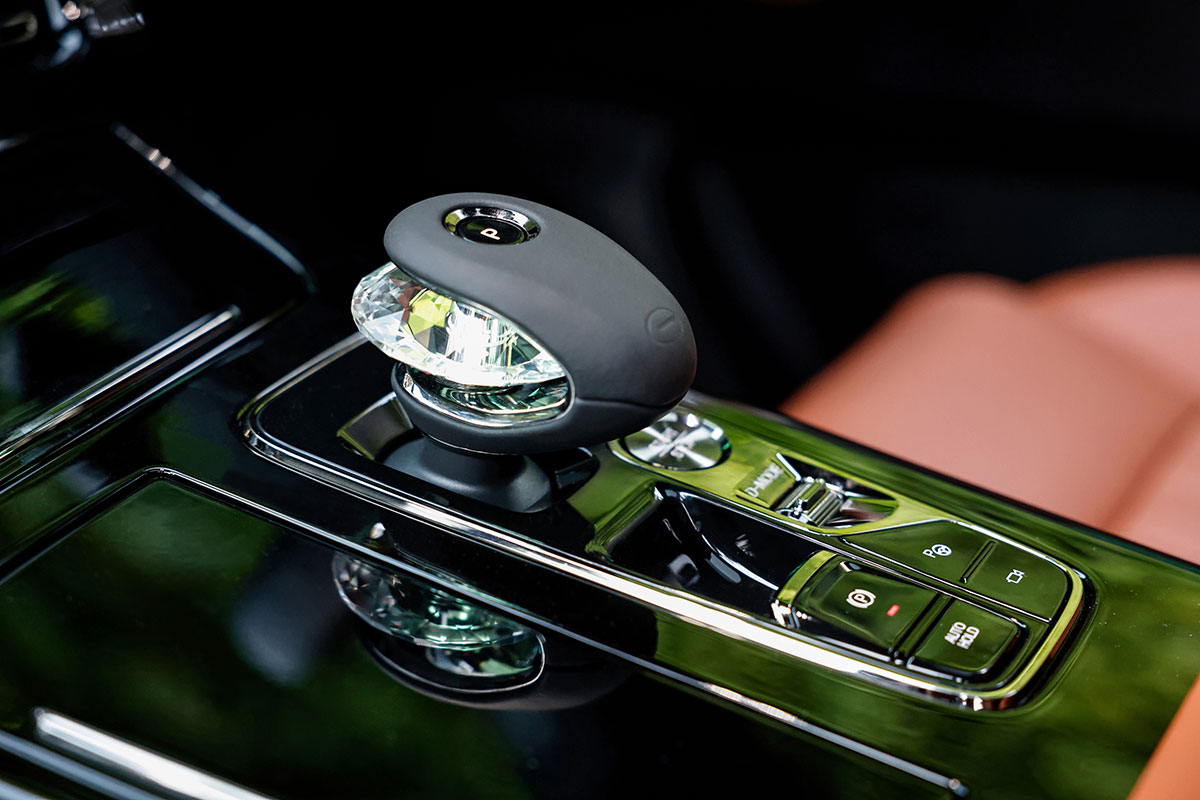
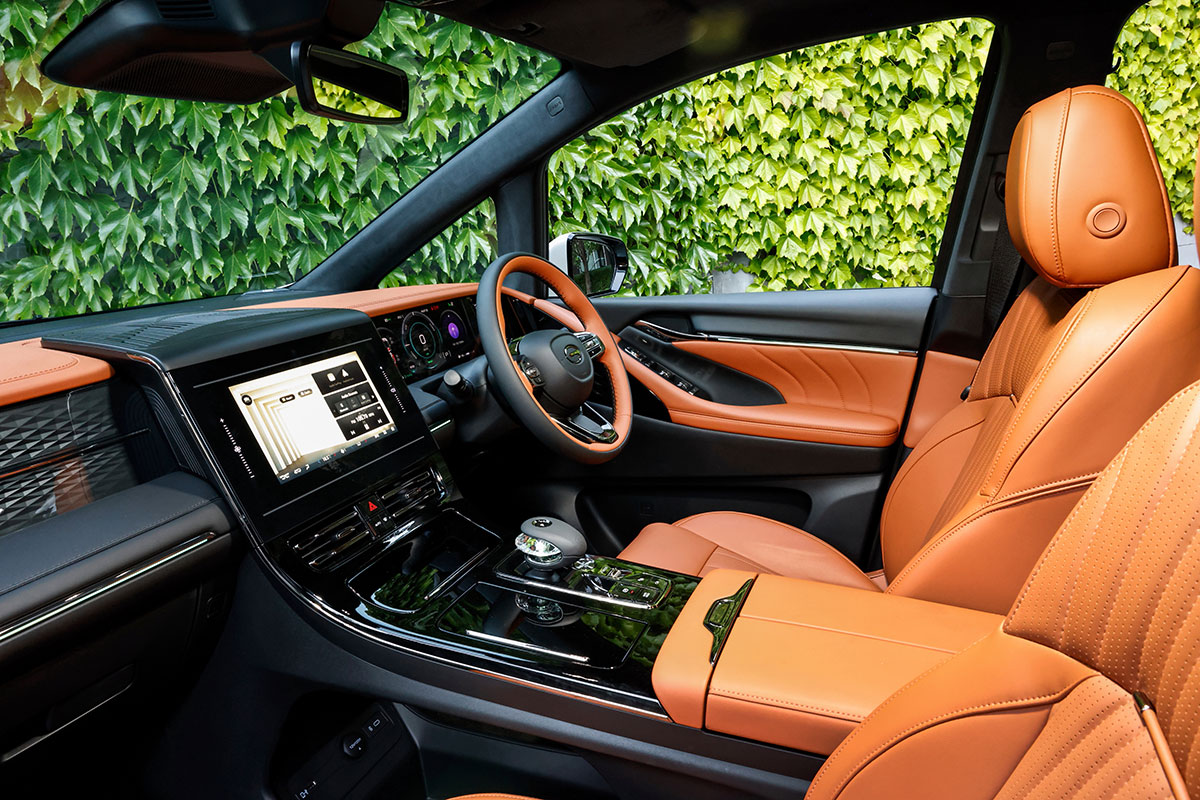
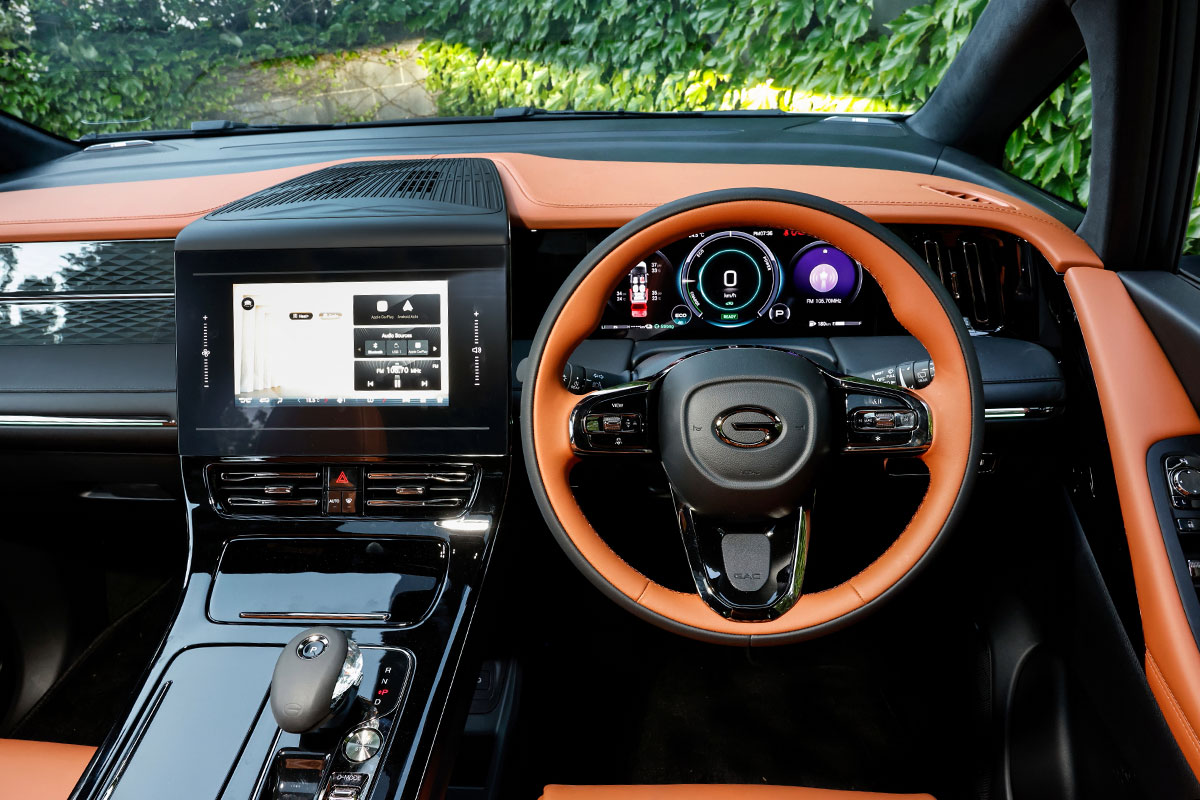
Excessive use of piano black and other reflective surfaces up front do lead to some undesirable glare, making deciding exactly when and where to capitalise on a large sunroof a bit of a thought-out process. This is a shame, because wind buffeting is excellently managed with the glass open.
Otherwise, the M8 scores a 12.3-inch driver display and a 10.1-inch centre infotainment screen in both grades, able to run wireless Android Auto and Apple CarPlay. Wireless charging comes standard, with 220-volt vehicle-to-load (V2L) functionality added to top-spec variants.
What equipment does the 2026 GAC M8 come with?
The standard equipment list in the 2026 GAC M8 is substantial, further cementing its place as a luxury option in the people mover space.
An assortment of USB-A and -C ports come equipped throughout the cabin, as does wireless charging, a 12-volt port up front, Bluetooth connectivity and an eight-speaker sound system join standard equipment inclusions.
Keyless entry and start, a powered tailgate and remote side slide doors, tri-zone air conditioning, and an auto-dimming rear-view mirror come as standard inside, with Luxury adding ambient lighting, a third-row USB-A port, heated steering wheel, manual sunshades in the second row and a fragrance system.
Both variants ride on 18-inch wheels, with Luxury trim scoring acoustic tyres.
How safe is the 2026 GAC M8?
The 2026 GAC M8 has not been tested by ANCAP or Euro NCAP. Despite this, it is bestowed with an extensive list of active and passive safety kit.
Hill-start and descent, stability assist, tire pressure monitoring, pre-tensioning seatbelts, a 360-degree camera, lane departure warning and lane-keep assist, autonomous emergency braking and forward-collision warning, adaptive cruise control with stop-go, blind spot detection, rear cross-traffic alert and braking, rear car approach warning, door open warning and emergency lane-keeping all come as standard.
Premium scores two front and four rear parking sensors, with Luxury picking up six both front and back. In addition, Luxury also picks up rear automatic emergency braking and reverse driver assist.
Setting benchmarks in safety kit, the 2026 GAC M8 also boasts a 3.2-metre long side curtain airbag, as well as a rear windshield airbag.
What powers the 2026 GAC M8?
Both variants of the 2026 GAC M8 are powered by a single PHEV powertrain, comprising a 2.0-litre turbocharged petrol engine paired with two electric motors driving the front wheels through a dedicated, two-speed hybrid transmission.
Energy is stored and discharged from a 26kWh lithium-ion battery pack, able to be charged at up to 35kW DC and 6.6kW AC, with zero to 80 per cent charge times claimed at 30 minutes and 3.5 hours respectively. GAC claims the battery pack is good for up to 106km of electric-only driving on the WLTP cycle.
Total system outputs are rated at 274kW and 630Nm, with GAC claiming fuel consumption of 6.1L/100km when the M8 is in hybrid mode.
We saw an average of 5.6L/100km according to the on-board trip meter during our testing which consisted of high through low states of battery charge. In English? GAC’s claims seem right about on the money.
— Liam Murphy
What is the 2026 GAC M8 like to drive?
As a good people mover should, emphasis has been placed on passenger comfort in the 2026 GAC M8, and we most enjoyed our time as a passenger rather than a driver.
Electromagnetic dampers (which react to throttle and steering inputs) keep the M8’s heft well under control, flat and composed over a variety of road surfaces, and ride quality doesn’t diminish as you move rearward. A clever brake damper also automatically eases pressure off as you come to a stop, removing that whiplash effect and adding more comfort for passengers.
While the experience may be refined as a passenger, steering proves to be quite muddy and vague, not providing drivers with a whole lot of connectedness to the road below. The combination of questionable front suspension design and oodles of torque also means the M8’s front tyres are often screaming for mercy during tighter manoeuvres.
On the subject of torque, the M8 has plenty of it, and effortlessly accelerates when asked to work. The hybrid system is integrated smoothly during acceleration, cruise and braking, with no annoying ‘grabbiness’ in the brake pedal or jolty transitions when entering battery regeneration modes.
Our only gripe with the PHEV system is the drone from the petrol engine when it does kick in. Seemingly put under substantial load whenever it’s activated (think getting an old car up a steep section of freeway), the combustion unit will make a racket even under very light acceleration if the battery charge has dropped below acceptable levels.
Driver monitoring systems, and lane-departure and -keep assists, proved to be acceptable in calibration around cities and on maintained freeways, but deteriorated quickly over worn road markings and country roads, injecting a few questionable and aggressive ‘corrections’ through the steering column.
Smartphone mirroring also reset to a default configuration every time the M8’s camera system fired up (with its feed consuming the screen), leaving us having to manually select the layout we wanted every time we stopped at an intersection with the indicators on. This seems trivial, but adds up to a lot of frustration over a long drive.
Overall, the M8 doesn’t feel like a ‘big’ car to drive, and generally remains neutral, without the sense you’re waiting days for it to react to inputs. Thick A-pillars are offset by a deep, car-like dash, giving front-seated occupants a much more comfortable ‘car’ feel. A long front bumper doesn’t allow for much forgiveness in and out of steep driveways though, so keep that in mind.
The Open Road’s take on the 2026 GAC M8
The 2026 GAC M8 has a lot to offer, and is a unique people mover proposition given its PHEV powertrain. Unfortunately, it suffers from a few teething issues that don’t feel aligned with its luxury aspirations.
Interior comfort is supremely managed for the most part, especially in our Luxury grade test vehicle, but drivers can be left grappling with a few annoyances while their passengers relax.
It’s normally the case that a Chinese car’s top variant is encroaching on the cost of entry for a more established player in a segment, but with the M8, it’s the other way around when compared to the Carnival. We’d suggest long test drives in whichever make your shortlist.