2026 Mercedes-Benz GLB review

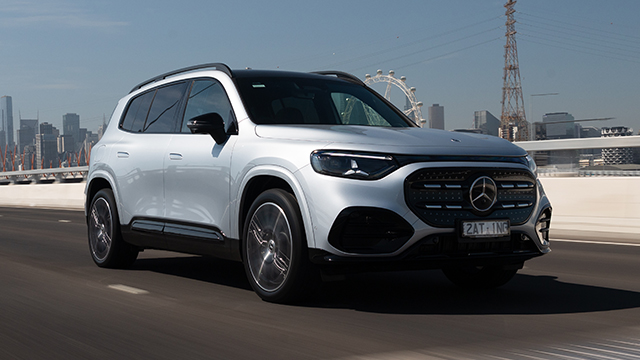
The previous Mercedes-Benz GLB was something of a Goldilocks car. Not too big but still roomy enough to seat seven, it also had a long and narrow form-factor, which made it ideal for urbanites seeking a three-row SUV that could still fit into tight parks and down skinny streets
Now, though, we have an all-new generation GLB and Mercedes has tweaked the recipe. This new model has grown considerably and now includes two electric variants, with the previous GLB and EQB model ranges now both falling under the GLB name. Even better, prices have been slashed across the range, with the EV variants now up to $15,000 less than before. So is this a rare case of buyers literally getting more for less? Or has fettling with the GLB’s fundamentals stolen some of its appeal?
How much does the 2026 Mercedes-Benz GLB cost?
The new Mercedes-Benz GLB kicks off at $65,400 before on-roads for the GLB 200. It’s the first of two mild-hybrid petrol variants, with a more expensive GLB 220 4Matic sitting above it for $76,100. Both petrol models use a 1.5-litre four-cylinder engine with a 48-volt mild-hybrid system paired to an 8-speed dual-clutch gearbox.
The entry-level GLB 200 is front-wheel drive and provides 120kW/250Nm. Opting for the pricier GLB 220 brings a boost in performance to 140kW/300Nm and all-wheel drive as standard.
Buyers also have the choice of two electric versions: the GLB 250+ electric for $74,990 or the GLB 350 4Matic for $86,200. Just like the petrol models, the distinction is driven axles (the 250+ electric is rear-wheel drive, while the 350 is all-wheel drive) and performance. The 250+ offers 200kW/335Nm and a WLTP driving range of 570km, while the more powerful dual-motor 350 has 260kW/515Nm and a range of 554km.
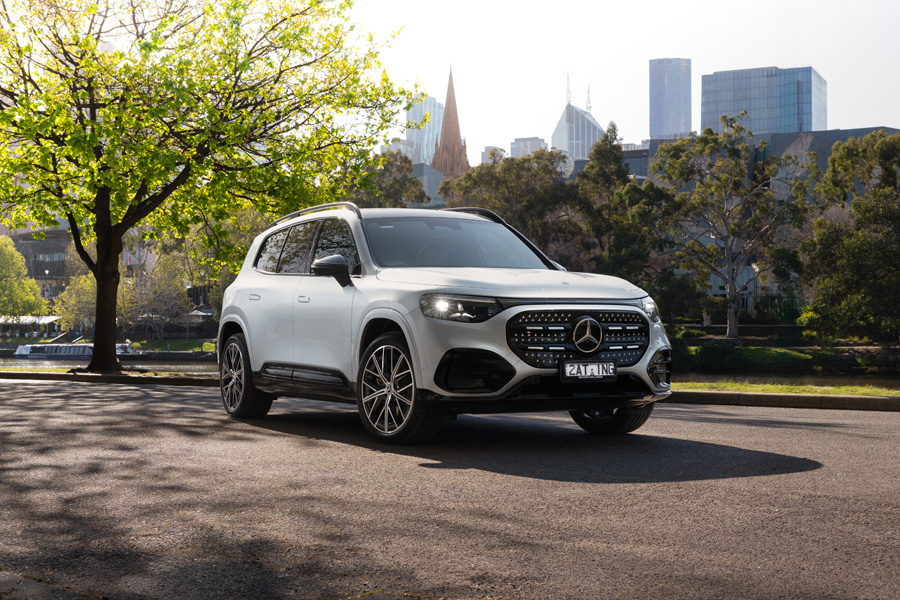
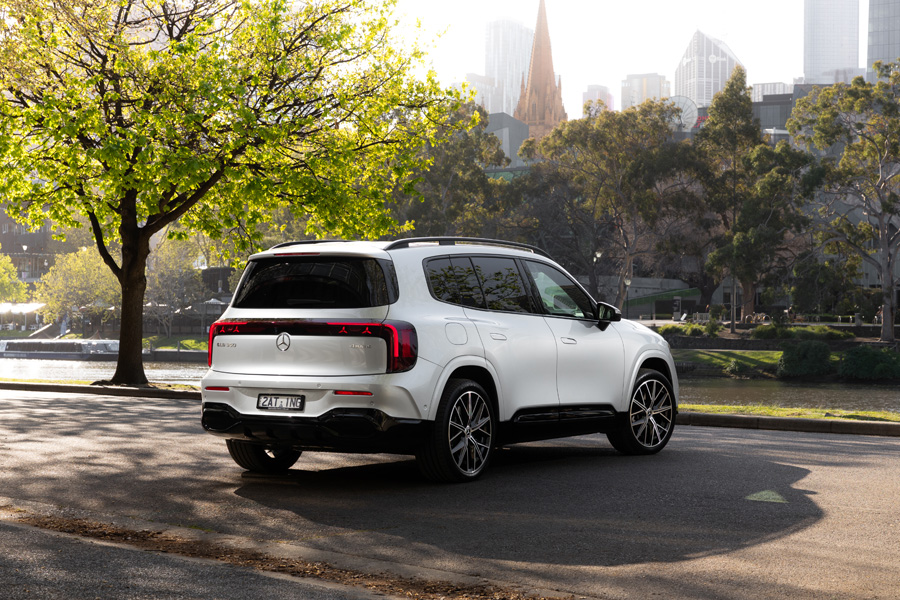
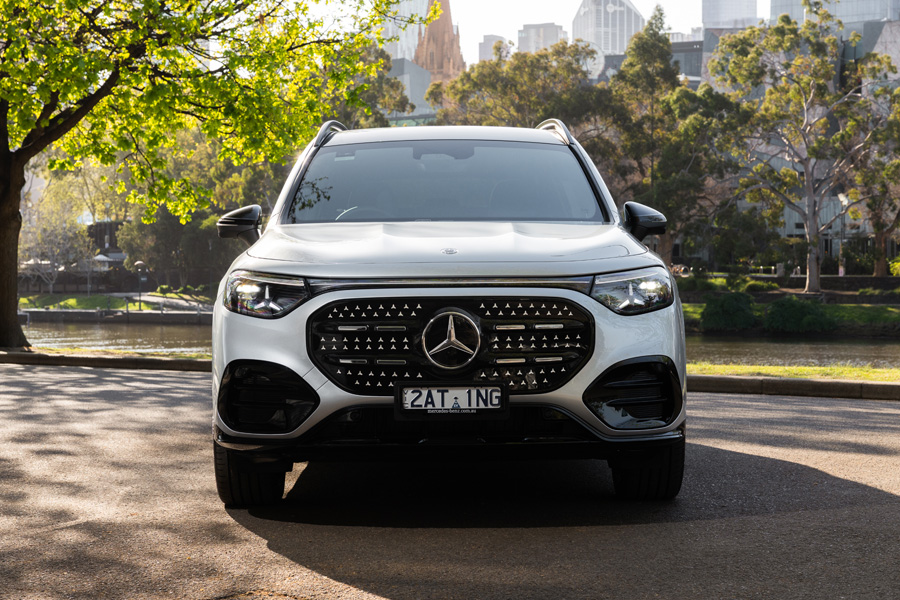
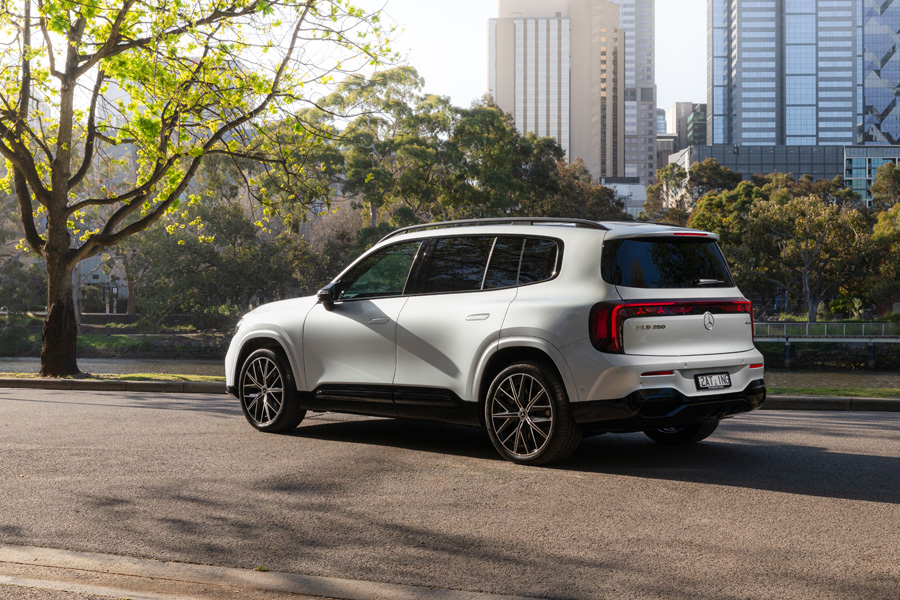
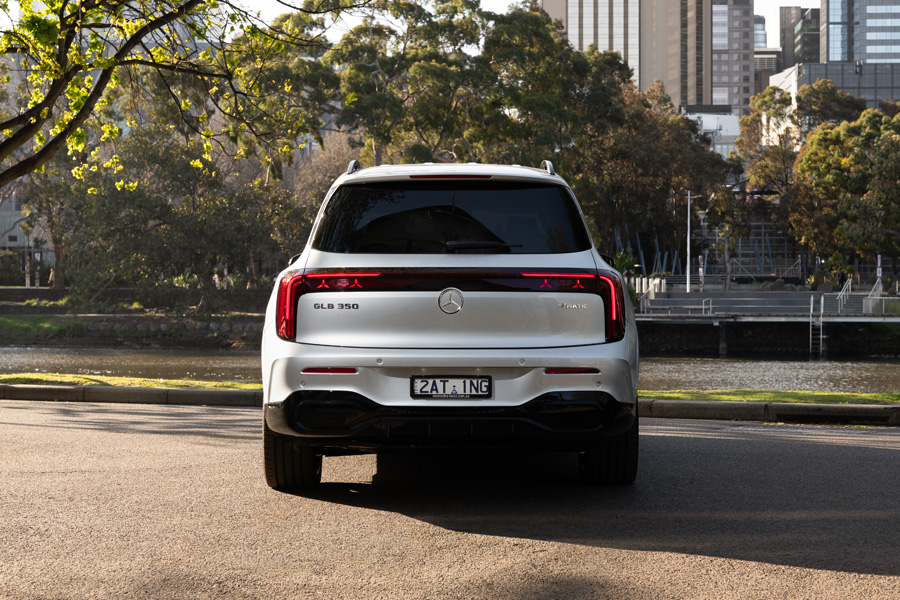
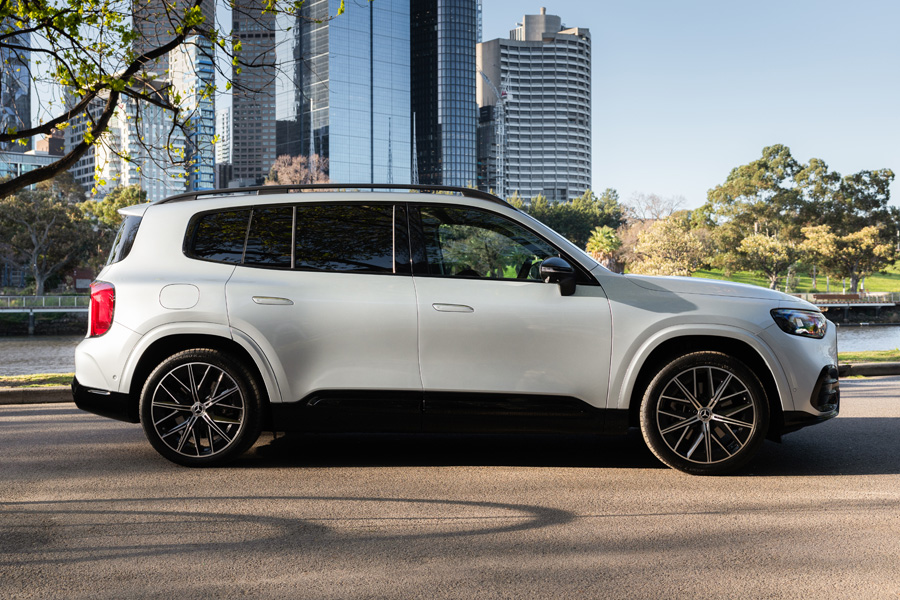
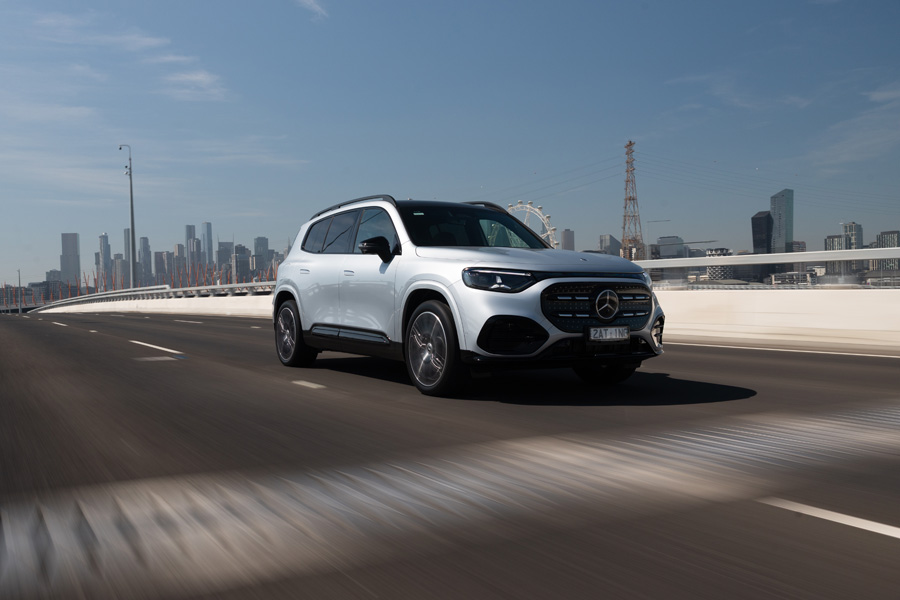
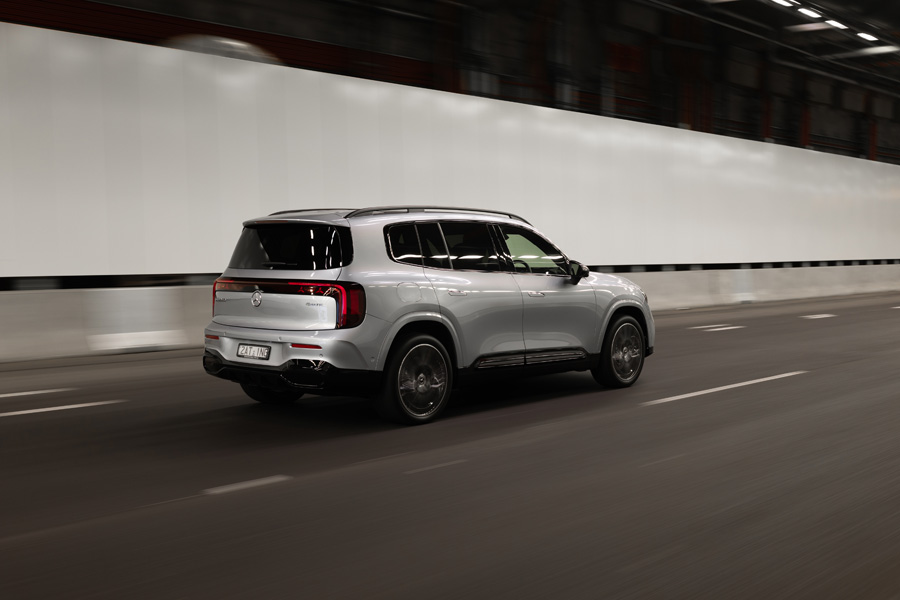
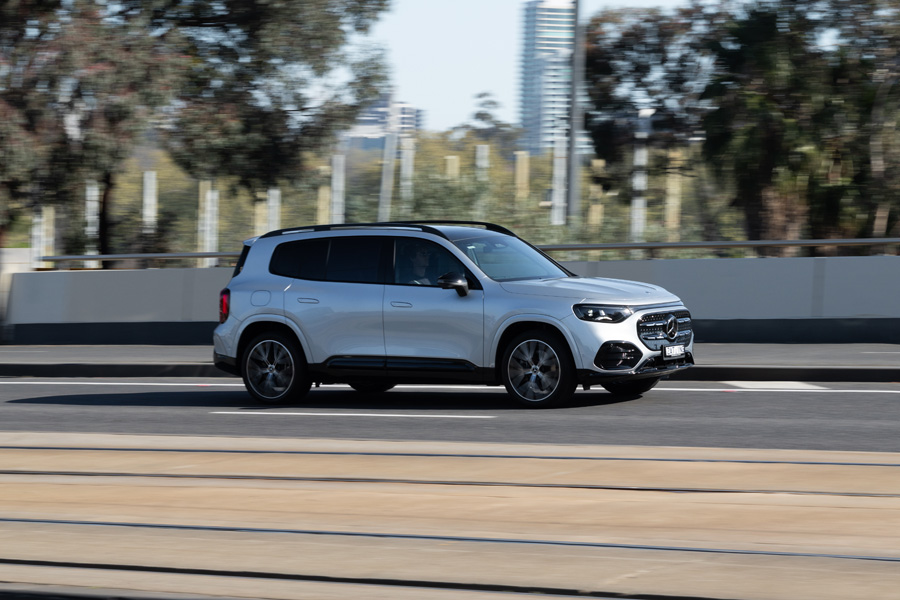
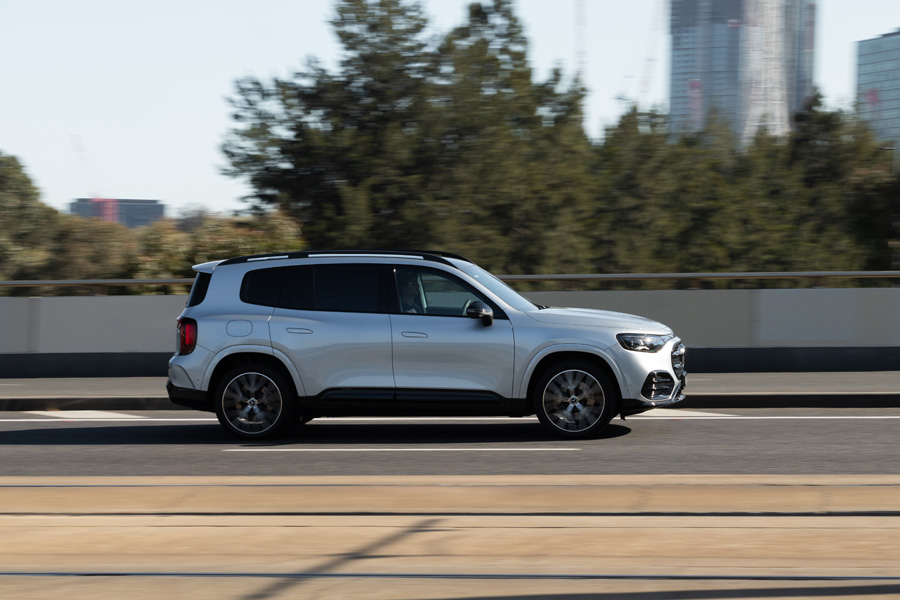
Standard equipment levels vary across the different trim grades (more on that below) but every GLB is now significantly larger than before. The GLB shares the same underpinnings as the new CLA sedan, and it’s now 98mm longer, 27mm wider and has a 60mm longer wheelbase than before.
All versions are backed by a five-year/unlimited kilometre warranty, while service intervals are 12 months or 25,000km. Servicing costs are on the expensive side, though. Petrol models cost $3430, $4680 and $6300 to service over three, four and five years respectively, while EV models are $2525, $3765 and $4440.
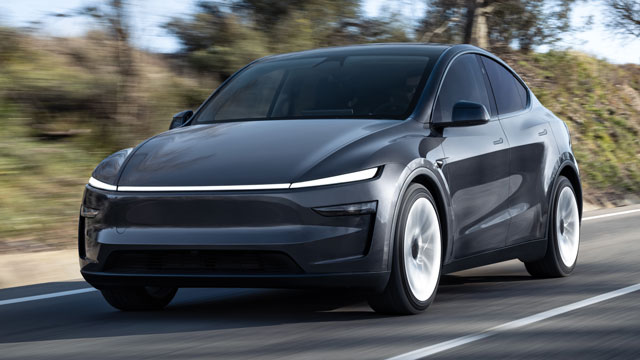
As for rivals, the GLB’s unique size and seat count mean genuine competitors are thin on the ground. A Volvo XC90 is a good (albeit more expensive) option for those seeking a bit more room, while the Volkswagen Tayron and Skoda Kodiaq are less expensive alternatives. A Tesla Model Y L ($74,900 before ORCs) is arguably the closest rival for the electric GLB. The Tesla offers more power and driving range but is a six-seater rather than seven.
What is the 2026 Mercedes-Benz GLB like inside?
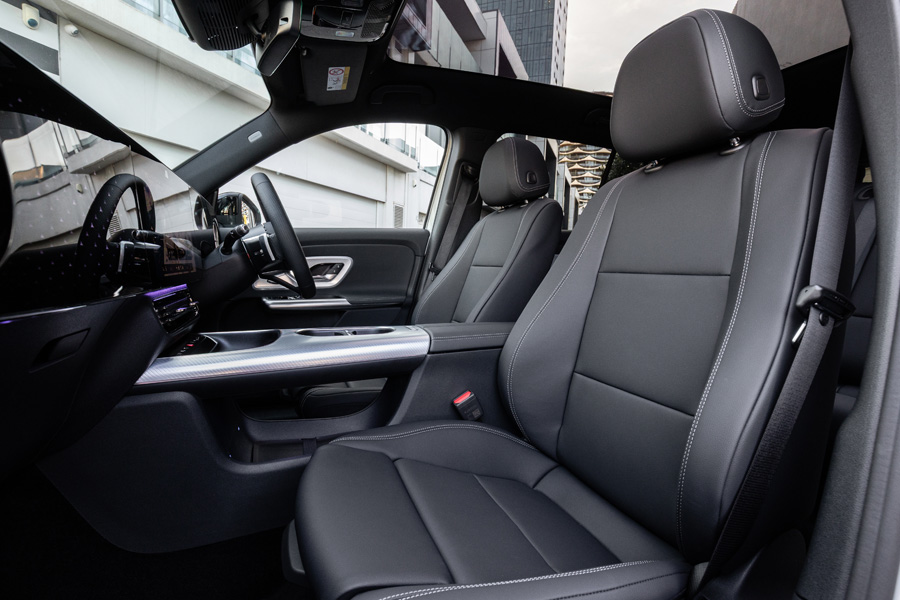
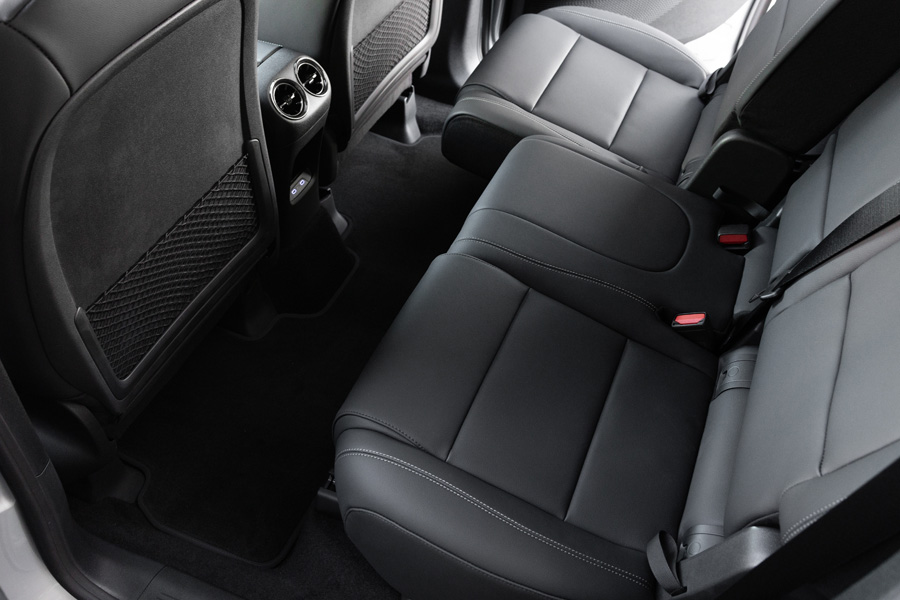
A bigger exterior means more interior space and the new GLB is certainly roomy – in the first two rows at least. Headroom has been increased by 35mm for front passengers, while those in the second row have 34mm more headroom and 68mm more legroom than before.
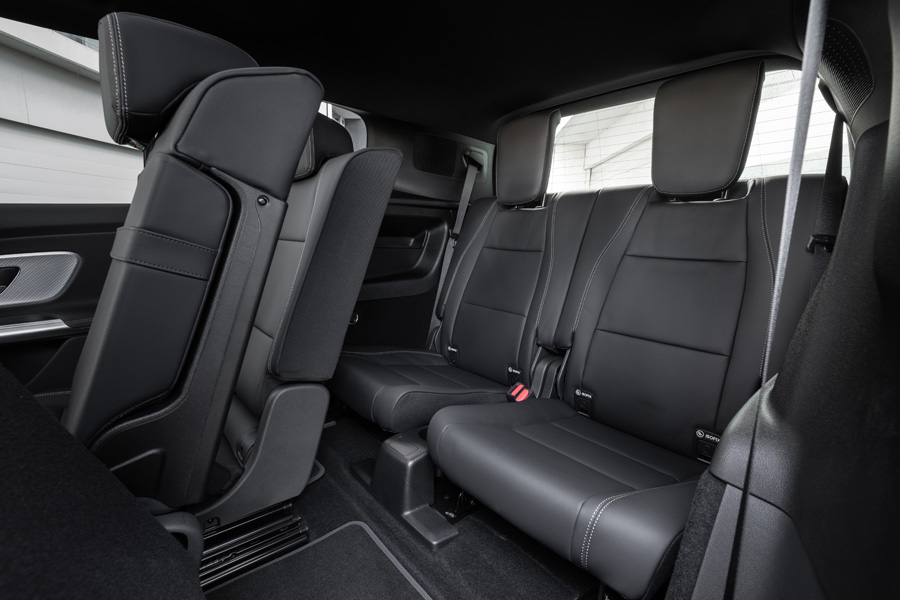
The middle row is also on rails and can slide fore-and-aft by 140mm to vary leg room or boot space. The seat itself is quite high set with decent under-thigh support and an adjustable backrest angle, however taller outboard passengers may brush their hair on the roof rail. Equipment-wise, it’s okay, with dedicated second-row air vents and two USB-C outlets but there’s no fan or temp control or heated seats.
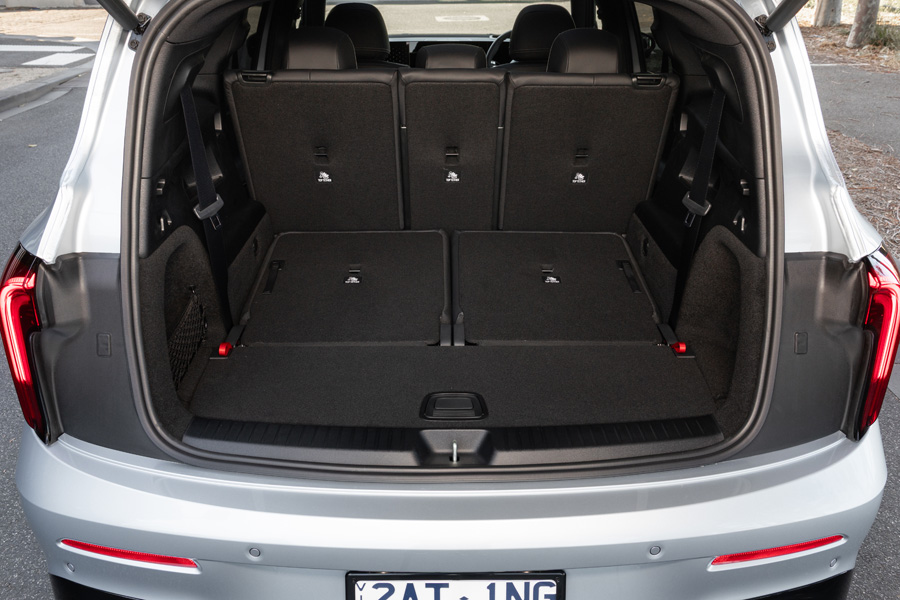
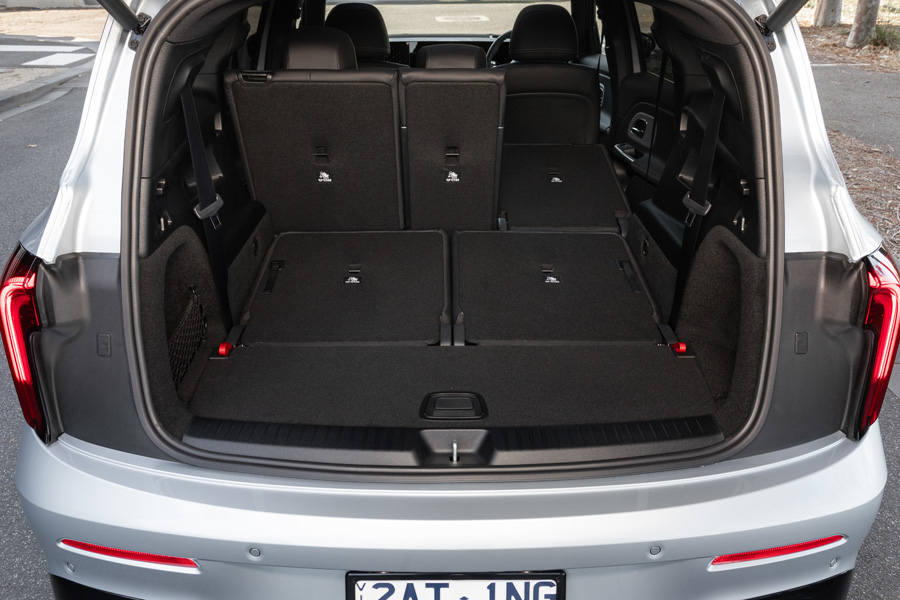
As before, the GLB’s third row is targeted at kids or smaller adults (anyone over 1.71m will feel cramped, says Mercedes), but with the middle row pushed forward, this is a genuine seven-seater rather than a 5+2. You also gain four ISOFIX mounting points (two in the middle row + two in the third row), and Mercedes confirmed both rows are covered by curtain airbags. Access to the third row has also been improved thanks to the longer wheelbase and larger rear door cutouts.
Boot space is 480L behind the second row and 1605L with the rear seats folded and EV versions also score a 127L frunk, which is large enough for two carry-on suitcases.
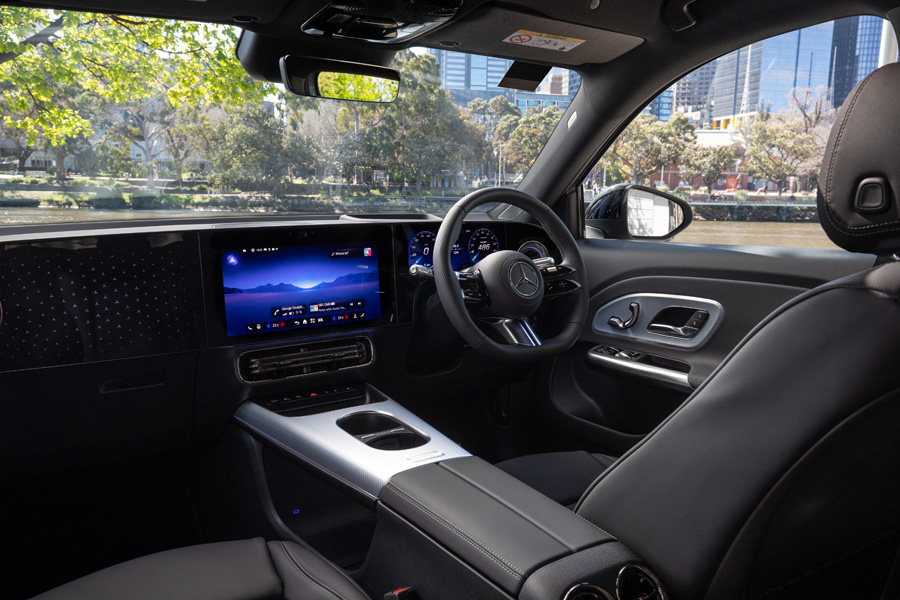
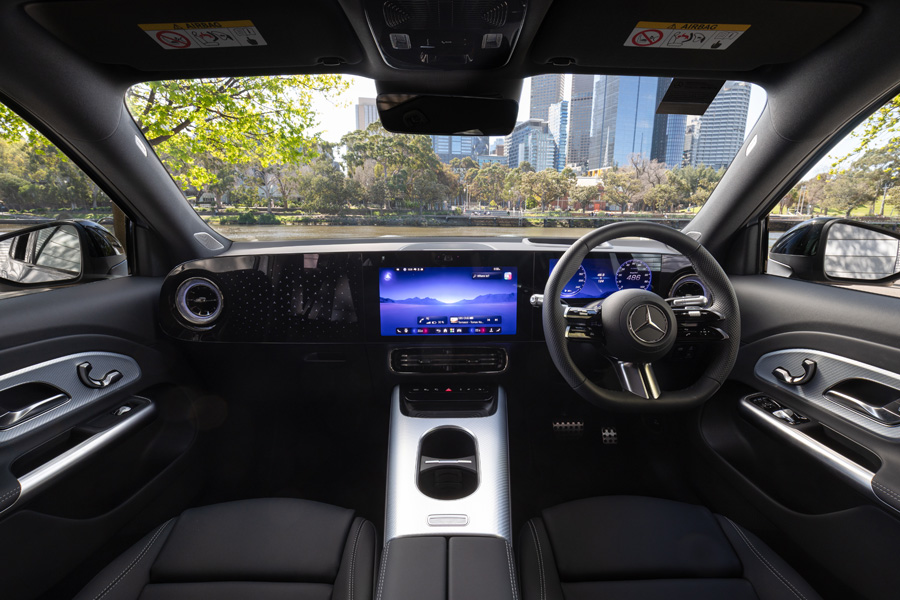
As for interior tech, Mercedes’ penchant for touchscreens is on full display, with every GLB scoring a 10.25-inch instrument cluster, a 14-inch central screen and a head-up display. If that’s not enough, you can turn the entire dash into a screen by opting for the MBUX Superscreen, which adds another 14-inch screen ahead of the front passenger.
The latest version of Mercedes’ own software powers the interior tech (Mercedes calls it MB.OS) and the built-in sat-nav is based on Google Maps.
As for usability, the GLB mostly avoids the pitfalls of screen-heavy interiors which often force you to dive into multiple menus to access basic controls, however there are still some foibles. Turning on the recirculation for the air-con is a three-step process, for example.
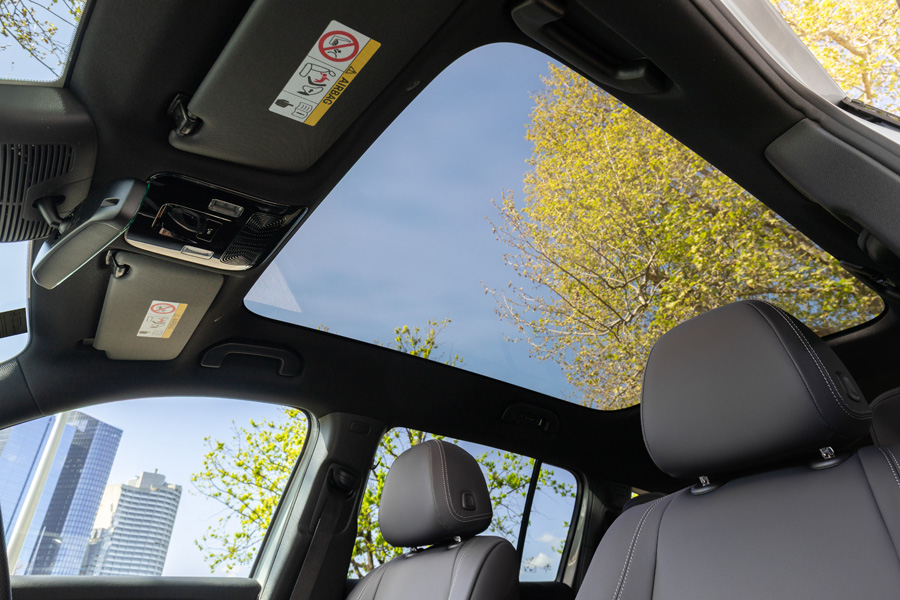
Some of the interior plastics and touchpoints also feel a touch flimsy, which is a hallmark of many modern Mercedes cabins. Another potential negative goes to the expansive panoramic sunroom. It’s enormous and floods the cabin with light, which helps the interior feel roomy and airy, however there’s no sun blind. The glass is UV-treated but on a bright day, we found ourselves reaching for a blind to reduce the glare.
What equipment does the 2026 Mercedes-Benz GLB come with?
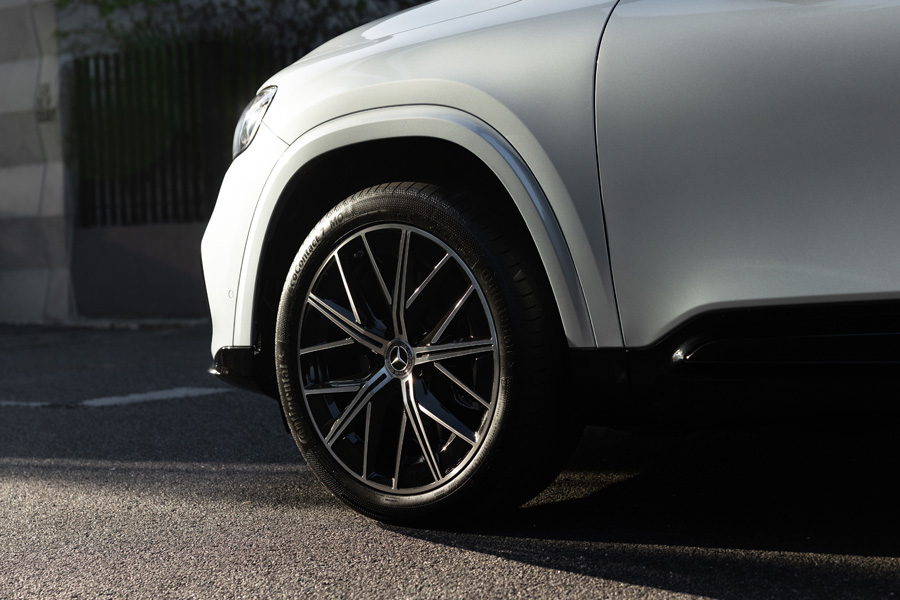
As you’d hope for a Mercedes, standard equipment inclusions are strong throughout the range. The entry-level GLB 200 petrol comes with 19-inch alloys, LED lighting, heated electric front seats, a head-up display and a panoramic glass sunroof. There’s also keyless entry, a hands-free tailgate, 360-degree camera and a comprehensive suite of active safety driver aids. Every GLB also scores wireless Apple CarPlay/Android Auto and the infotainment system includes Google Maps and an AI-powered virtual assistant.
On top of this, the GLB 220 4Matic adds all-wheel drive and the AMG Line package, which brings 20-inch alloys, adaptive dampers, sportier exterior styling and some other interior inclusions.
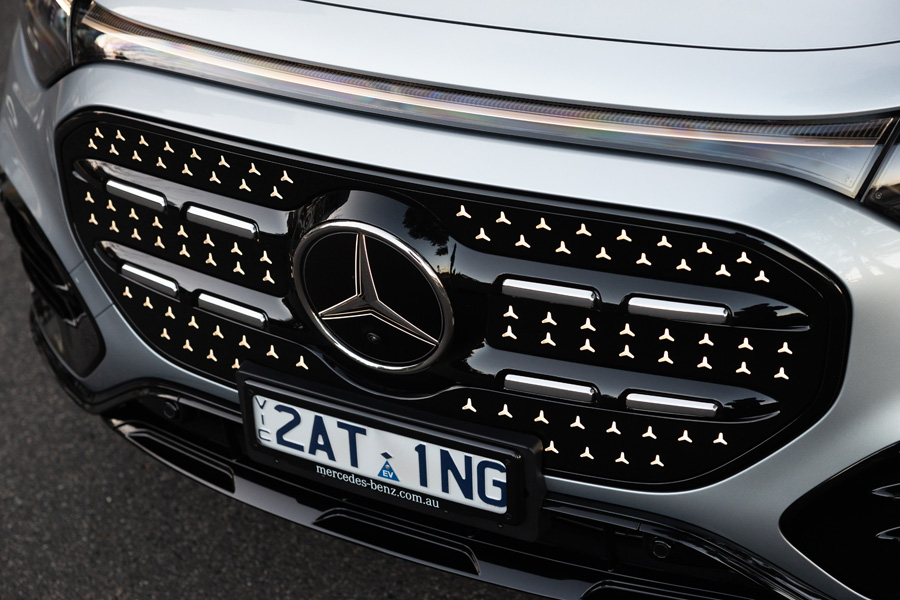
The electric GLB 250+ also scores the AMG Line package as standard and an easy way to distinguish electric and petrol models is the EV’s front grille which features 94 animated LED stars instead of the chrome-patterned finish on petrol models. The range-topping GLB 350 4Matic adds all-wheel drive and also has a terrain drive mode and a ‘transparent bonnet’ which uses the 360 surround-view cameras to show a video feed of what’s under and around the car.
A $4000 Plus package is available across the range, adding features such as front-seat massage, a 16-speaker Burmester sound system and the aforementioned 14-inch passenger display.
There are seven exterior colours, while interior upholstery comes in black or Ivory Beige synthetic leather at no extra cost.
How safe is the 2026 Mercedes-Benz GLB?
The 2026 Mercedes-Benz GLB is yet to be crash-tested by either ANCAP or Euro NCAP and currently does not have a crash rating. An extensive safety suite is standard, however, and includes: eight airbags, adaptive cruise control, lane-keep assist, surround view monitor (including see-through bonnet on top-spec models), blind-spot monitoring, traffic sign recognition, park assist and autonomous emergency braking (AEB).
Mercedes has also done a brilliant job of calibrating its active safety systems. Unlike many modern cars, the GLB doesn’t beep or bong incessantly and only intervenes or alerts the driver when required.
— Alex Inwood
What powers the 2026 Mercedes-Benz GLB?
While the 2026 GLB is available with a mild-hybrid petrol, our time behind the wheel was spent solely in the top-spec GLB 350 electric. It pairs twin electric motors with an 85kWh battery pack and has an official WLTP driving range of 554km. Over our 150km test loop, we had an average economy figure of 15.7kWh in mixed driving conditions, meaning you can expect around 540km between charges in the real world.
The GLB is based on an 800-volt architecture and can accept up to 11kW on an AC charger or up to 320kW on a DC fast charger. Mercedes claims you can achieve a 10-80 per cent charge in 22 minutes on a DC charger.
What is the 2026 Mercedes-Benz GLB like to drive?
This is a deceptively great family SUV to drive. We’ll preface that by saying our dynamic assessment was limited solely to the range-topping GLB 350 electric – stay tuned for our reviews of the mild-hybrid petrol models – but across a mix of city and country roads it was impressively cohesive.
There’s plenty of power and response from the electric drivetrain (Mercedes claims a 0-100km/h time of 5.5 seconds for the 350 electric) and the cabin is quiet and refined, lending the GLB a stately and relaxed demeanour in everyday driving.
The handling is reassuringly fluid, too, thanks to accurate steering, progressive brakes and excellent suspension compliance and control. Adaptive dampers are available on all models except the base GLB 200 where they’re part of the optional AMG pack, and even on large 20-inch alloys, the GLB is composed and controlled on challenging back roads.
Electric versions offer four stages of regenerative braking, ranging from D+ (which is coasting), to D (essentially off), D- (one-pedal driving) and D Auto, with the latter using the adaptive cruise control system and GPS data to adjust the level of regen to suit the road ahead. Some regen systems can feel clumsy as you transition from lifting off the throttle to engaging the brake but, like the rest of the GLB’s dynamics, we found the GLB to be pretty polished.
Open Road’s verdict on the 2026 Mercedes-Benz GLB
We’ll have to wait to deliver a verdict on the entire 2026 GLB model range but in top-spec electric form, it’s a compelling package. Bigger, roomier and $15,000 cheaper than its predecessor, it’s also comfortable and refined, delivers fast DC charging capability, and its real-world driving range is impressively close to its WLTP claim. Throw in fluid driving dynamics, strong road holding and excellent suspension control and the GLB 350 electric makes a strong case for families who need seven seats but don’t want to stretch for a full-size three-row family SUV.
Things we like:
- Price drops for EV models
- Cabin is roomy, quiet and comfortable
- Fluid ride and handling
Not so much
- Panoramic roof lacks a blind
- No spare tyre
- Screen-heavy cabin won’t be for everyone