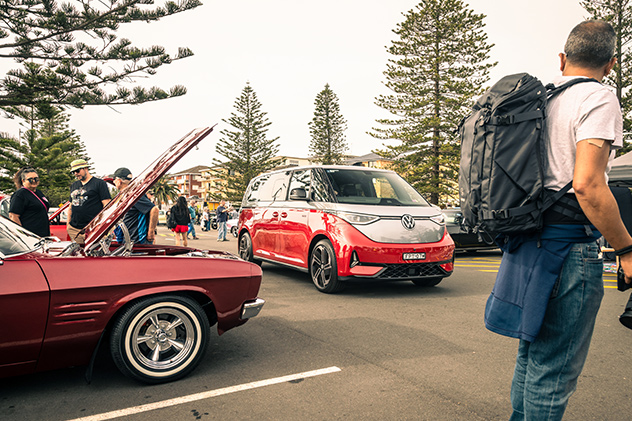
Chrome is where the heart is

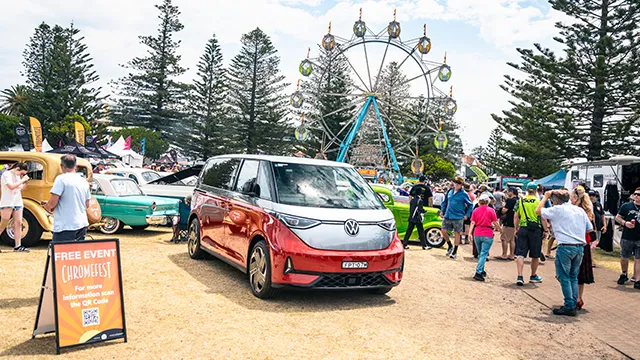
That shouldn't be in the carpark,” a gravelly voice asserts from behind before my shoe has even touched grass below the driver’s side door.
When I turn around, the critic is revealed to be an older fellow, standing quite close. He’s got tattoo-covered arms poking out from a weathered leather vest, a ten-gallon hat, and a ring through his septum the size of a door knocker. Most importantly, though, he’s got a point.
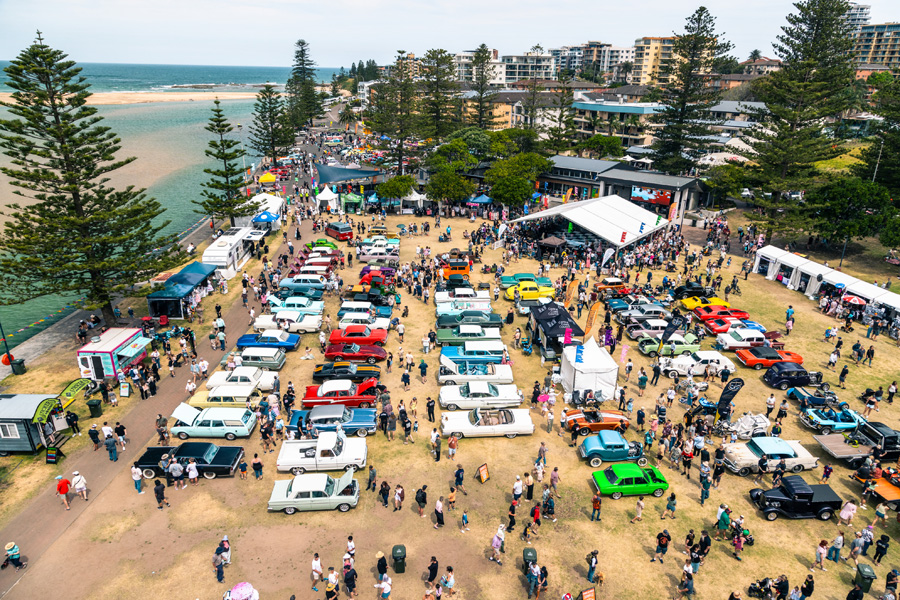
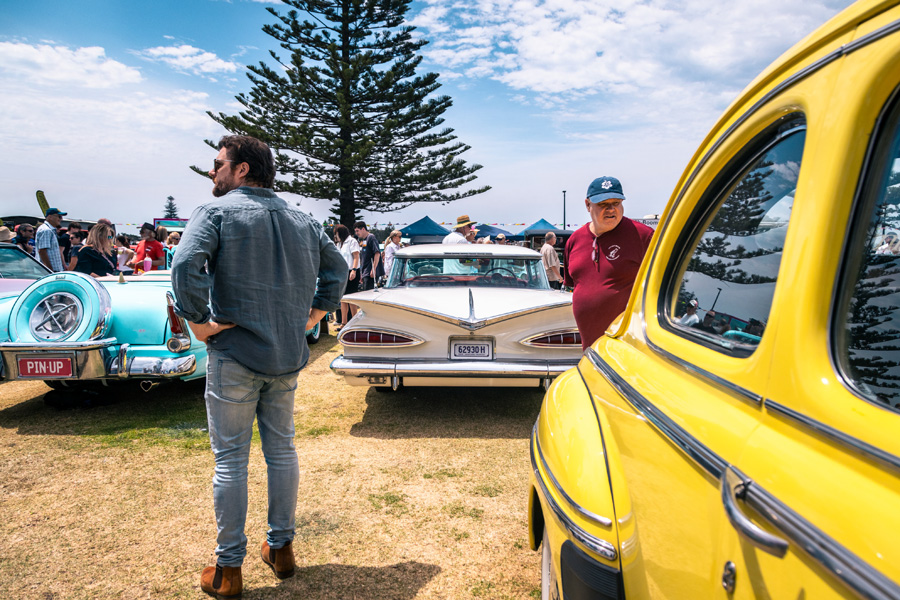
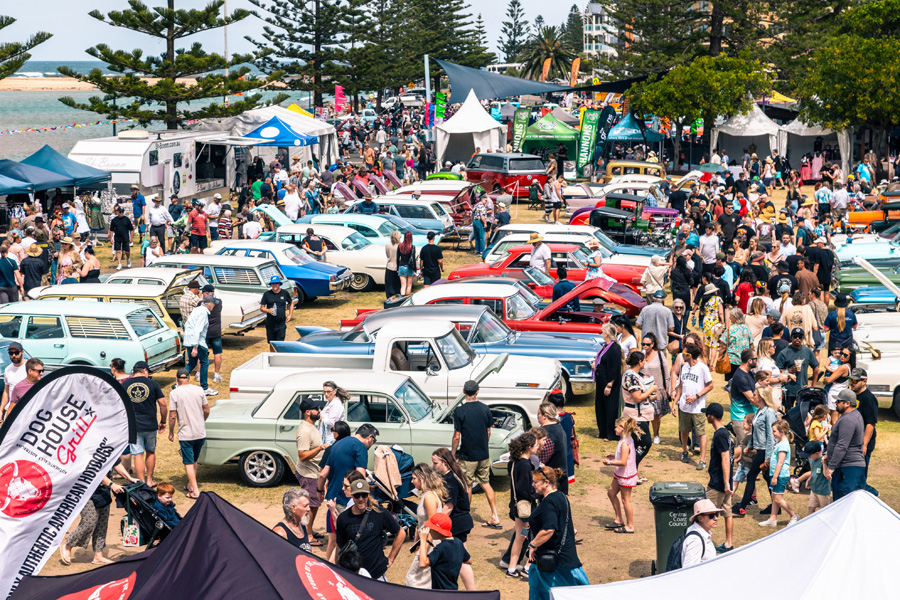
Sceptical looks aren’t coming from him alone. Energy and attendance are growing all around in the early hours of Chromefest – a three-day festival on NSW’s Central Coast celebrating all things classic and pre-1979: music, fashion, food, culture, and, of course, cars. A few more contorted brows are thrown my way for good measure as the man disappears into the event’s crowds, and I lock the doors of the all-electric 2025 Volkswagen ID Buzz van I’ve just parked at the centre of everything.
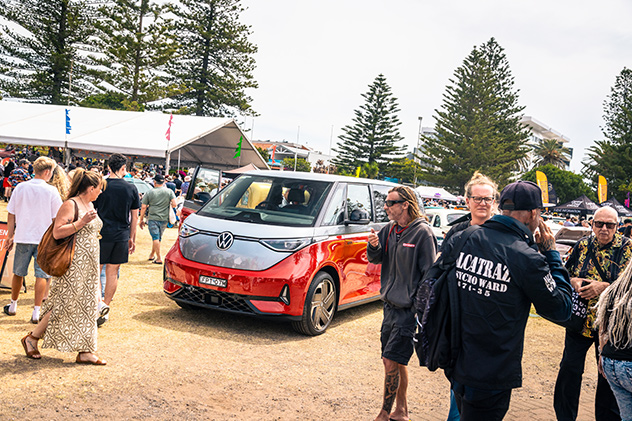
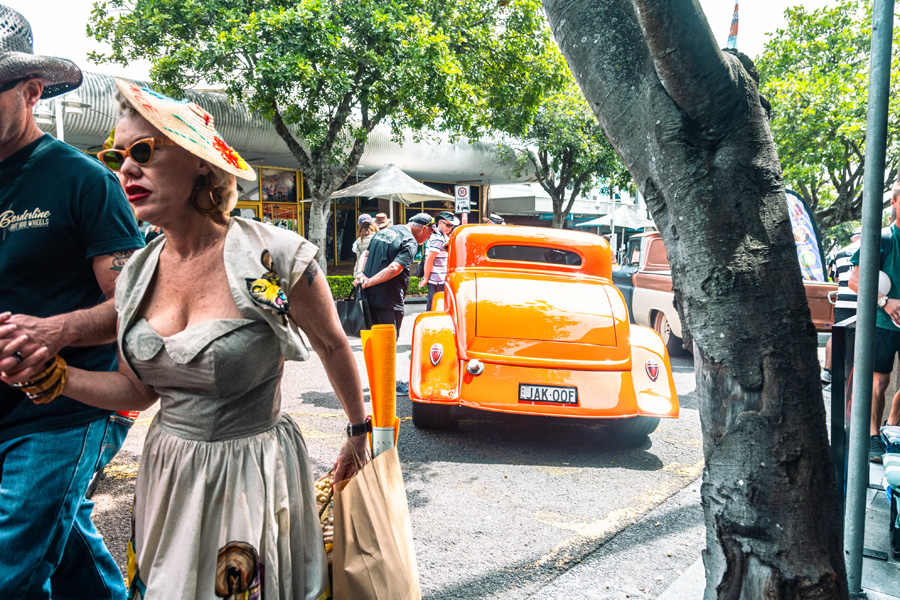
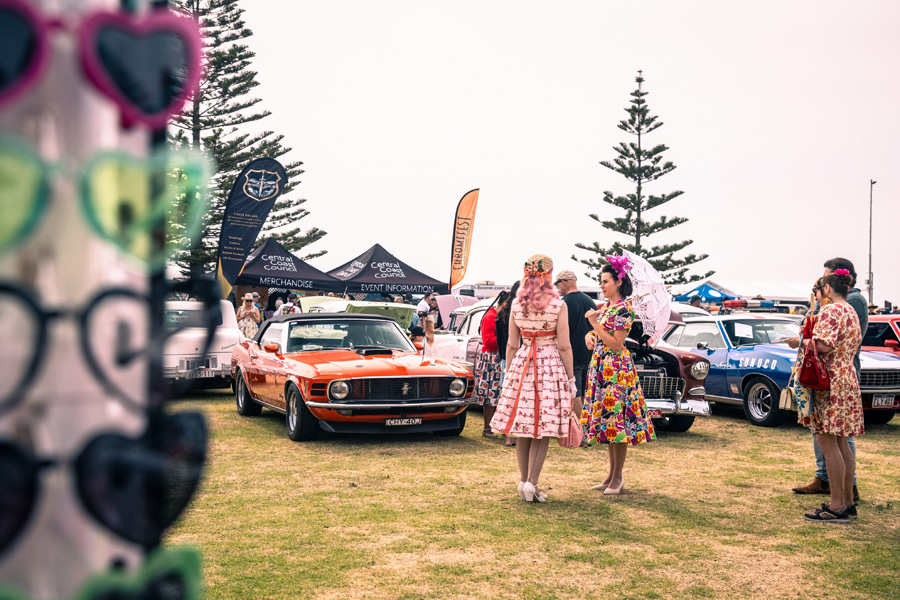
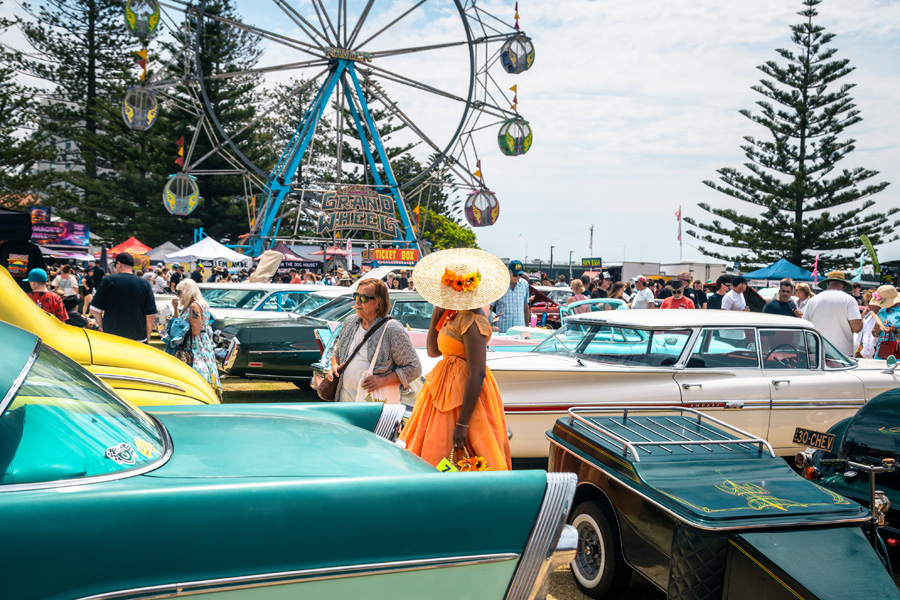
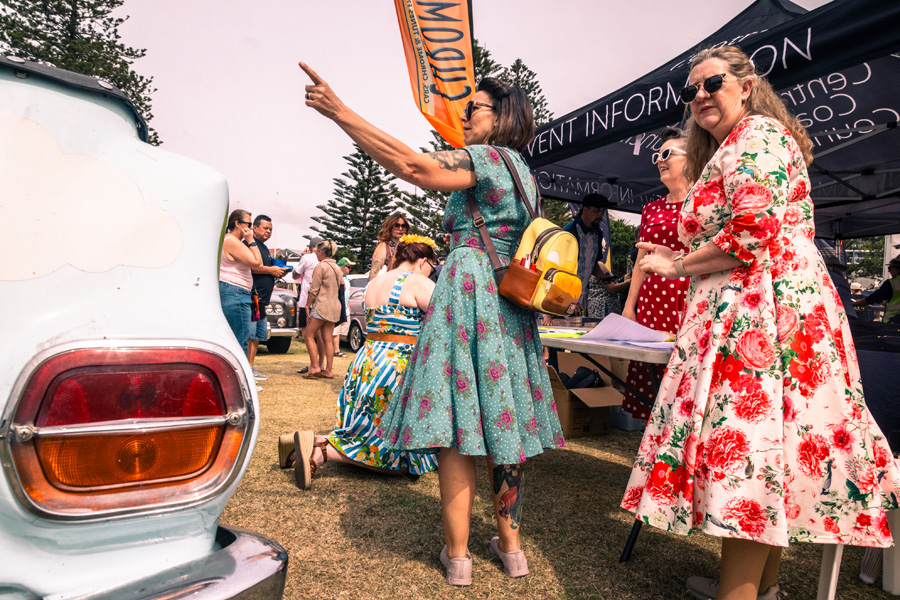
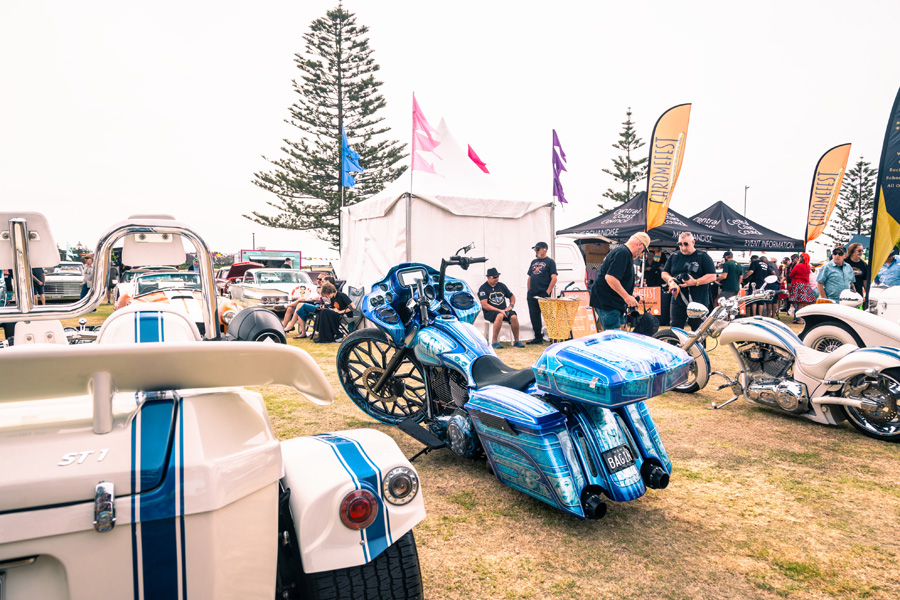
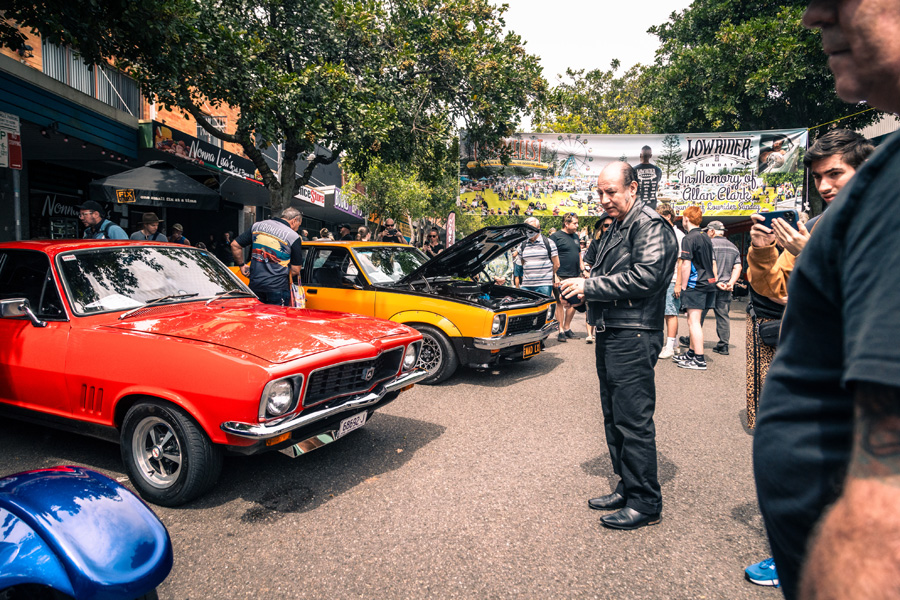
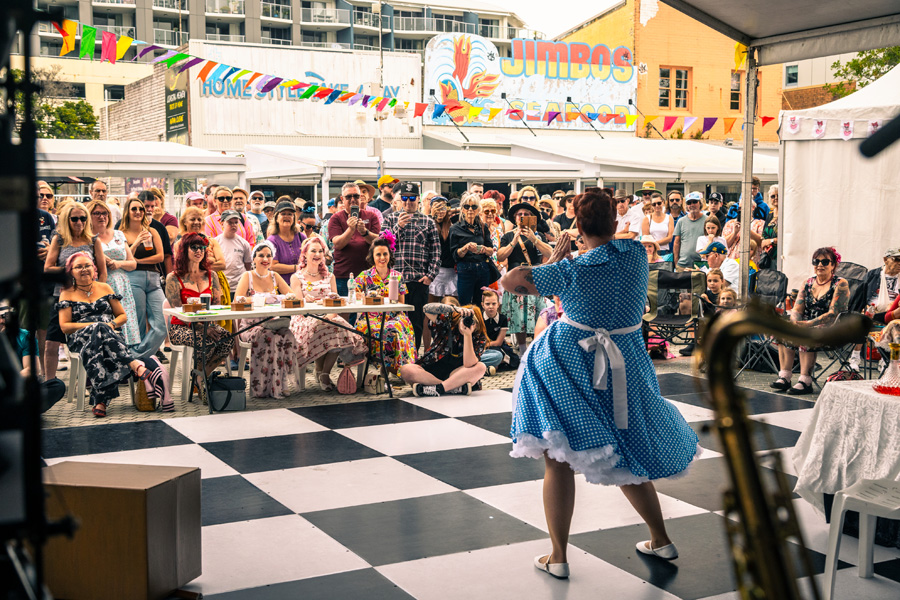
Moving through the festival, one quickly realises this isn’t your regular car show. The degree of cultural immersion is high, and between live performances, era-appropriate outfits and old-timey carnival rides, its four-wheeled attendees often feel more like set pieces than stars of the show. My photographer has to be tracked like a dog off-leash through the masses, with a new spectacle pulling him in a different direction every minute.
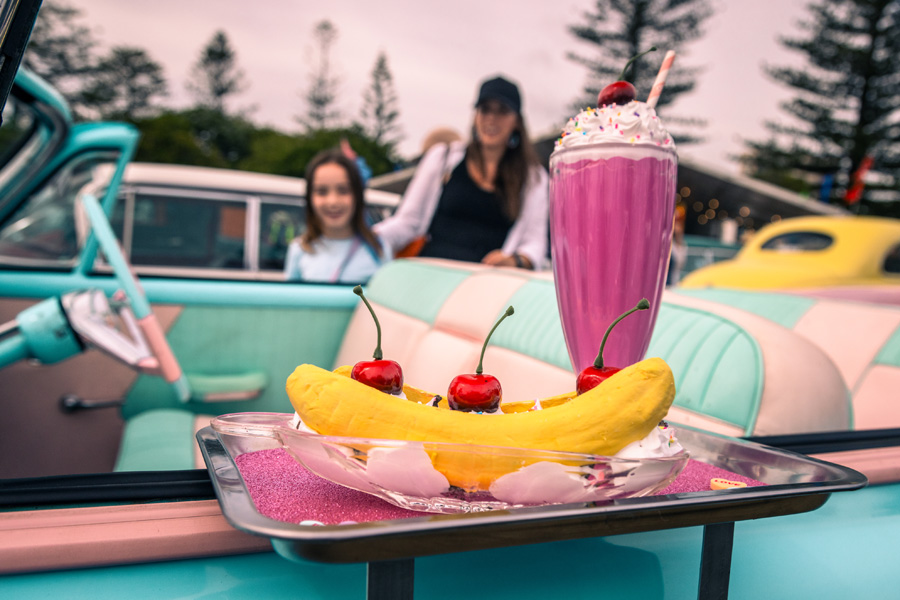
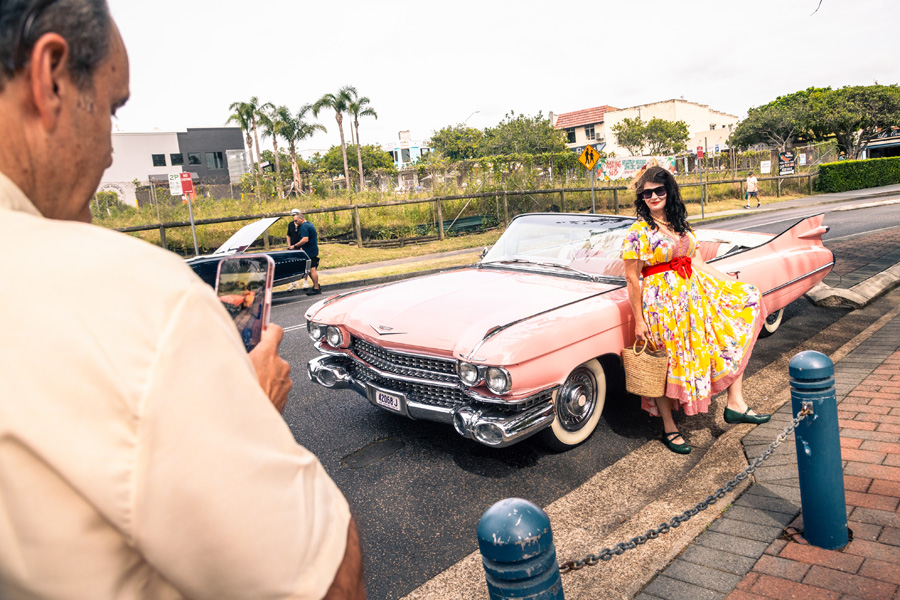
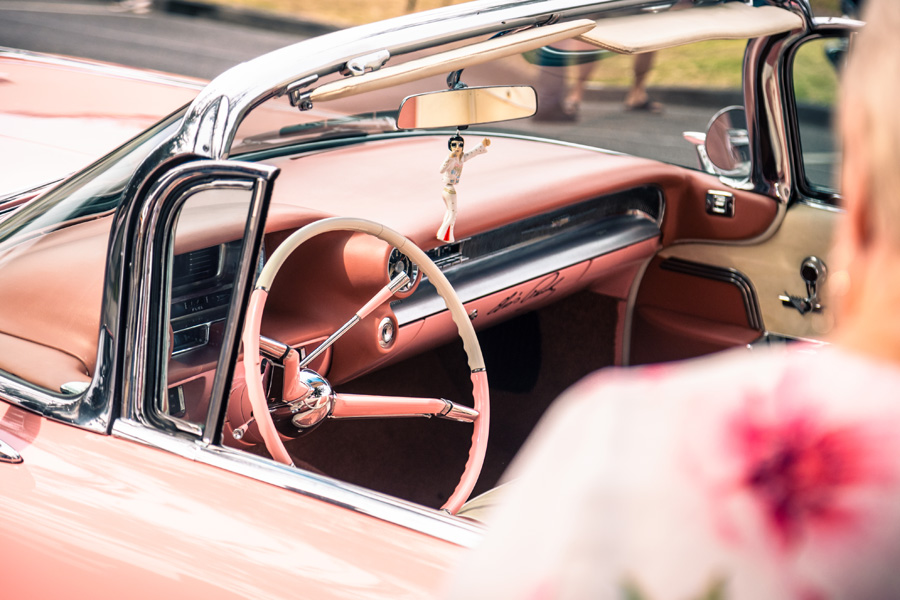
Soon we’re being schooled on the tapestry of pin-up girl pageantry culture after crossing paths with Katie La-Kandy – a veteran of this niche. As she shows us around her very own baby-blue-and-pink 1959 Chrysler Royal AP (Australian-produced) replete with classic drive-in restaurant props, a tribute band some metres away plays hits from the same vintage and it becomes increasingly difficult to remember what year we’re in. But, as La-Kandy puts it, that’s kind of what Chromefest is all about.
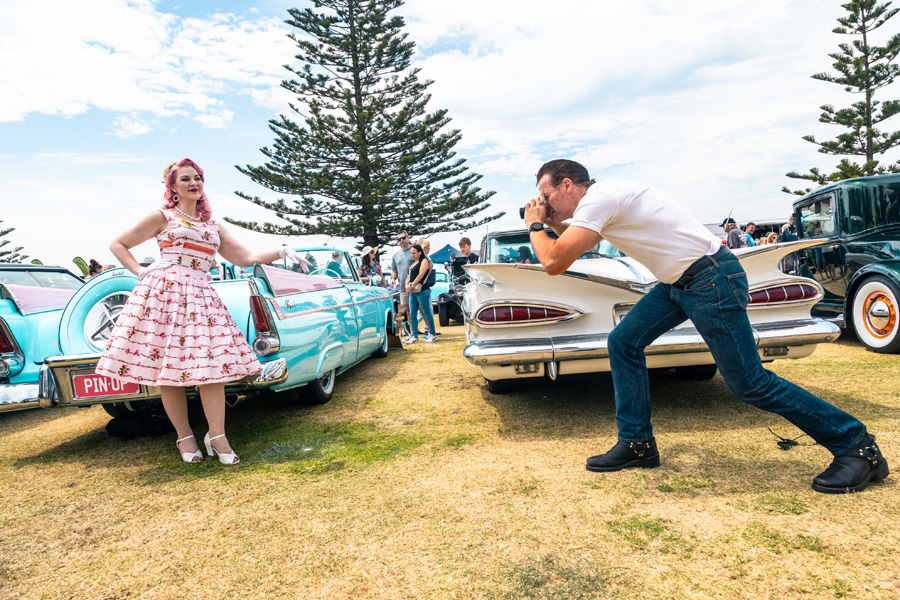
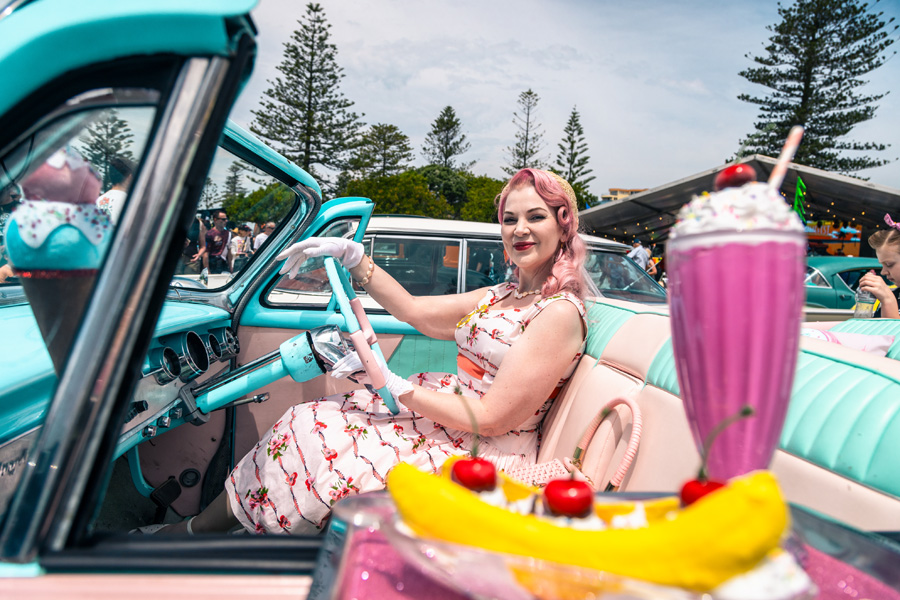
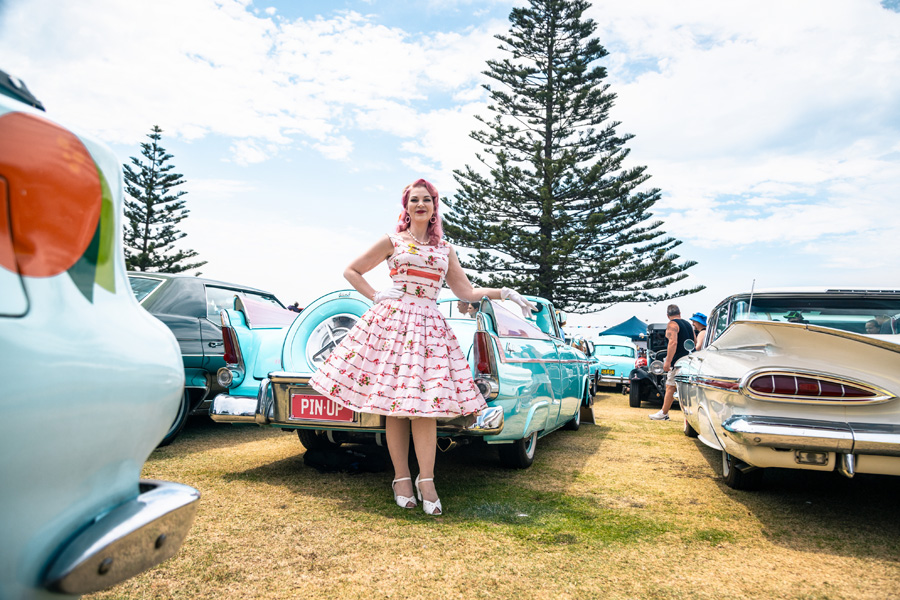
“I’ve been around classic cars my whole life,” she explains between requests for photographs, “and the pin-up scene for about 15 years.”
“There’s a lot of overlap. I think Chromefest is the celebration of beautiful things. In today’s culture there’s very little in terms of aesthetics; it’s just what can be made cheap and fast.
“Looking at the nostalgia of these classic cars, everything was made for the beauty and the lifestyle.”
We leave La-Kandy to her fandom and a growing line of those waiting to snap a picture. Her musings not only stay with us, but become increasingly poignant the deeper we move into the event. An enormous breadth of vehicles is revealed around each corner, and soon a circa-1929 Ford Model A appears in front of us.
As pristine as the day it rolled off a Michigan production line, this is an artefact that, almost 100 years after being built, has still made it here under its own steam. Age is not just a number on a build plate, but a history, and the mind boggles trying to comprehend just how much this car predates and has lived through – times before TVs were in colour, when tuberculosis was a leading cause of death, and when few could have fathomed a second world war was on its way.
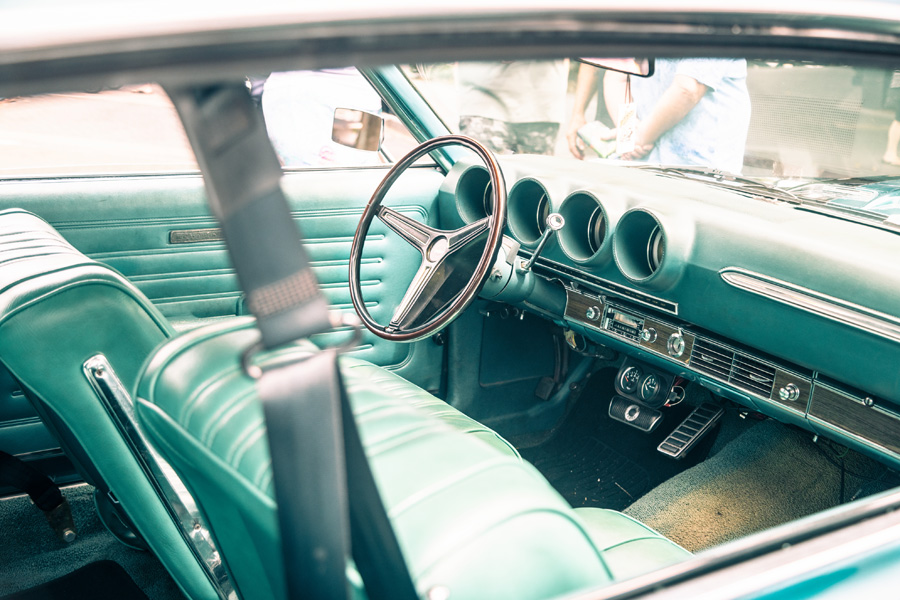
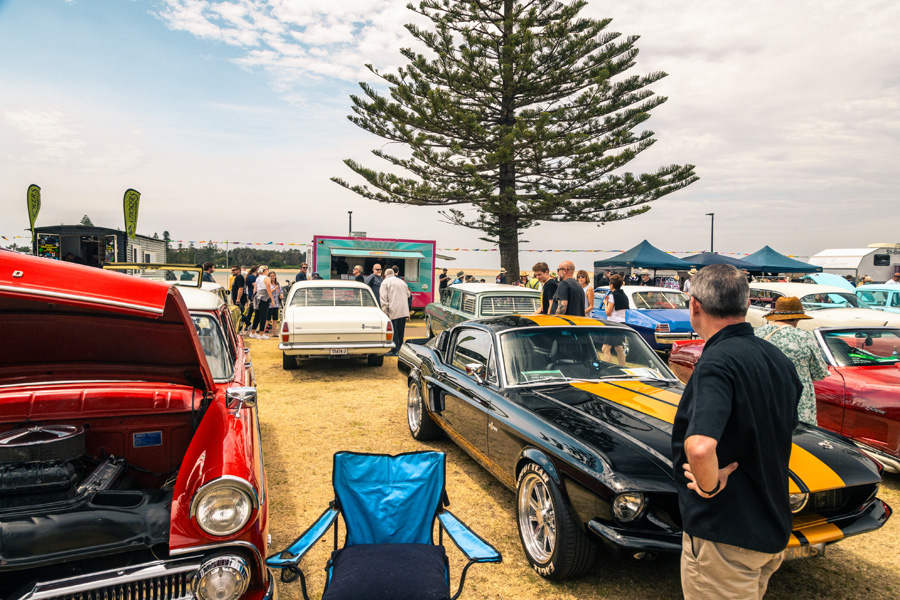
As on the Model A and all entrants surrounding us, metal is in an abundance of forms and shapes – not bound by pragmatism or much need to appease a balance sheet like it is today. Twisting and bending, these cars are a symbol of bygone design freedom, when aerodynamics were still a sort of black magic and modern concerns of safety and efficiency had not yet pushed design towards homogeny. It’s hard not to look at them with some awe.
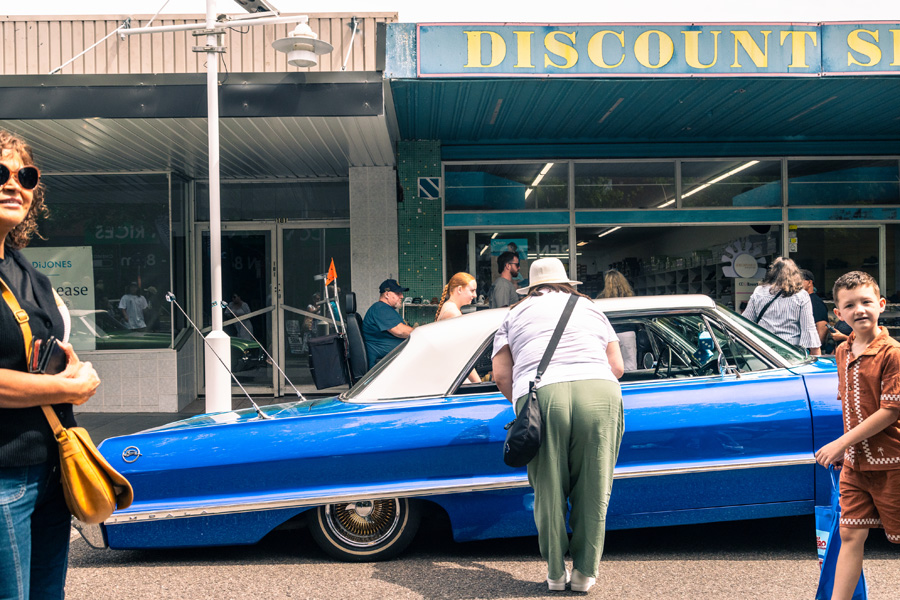
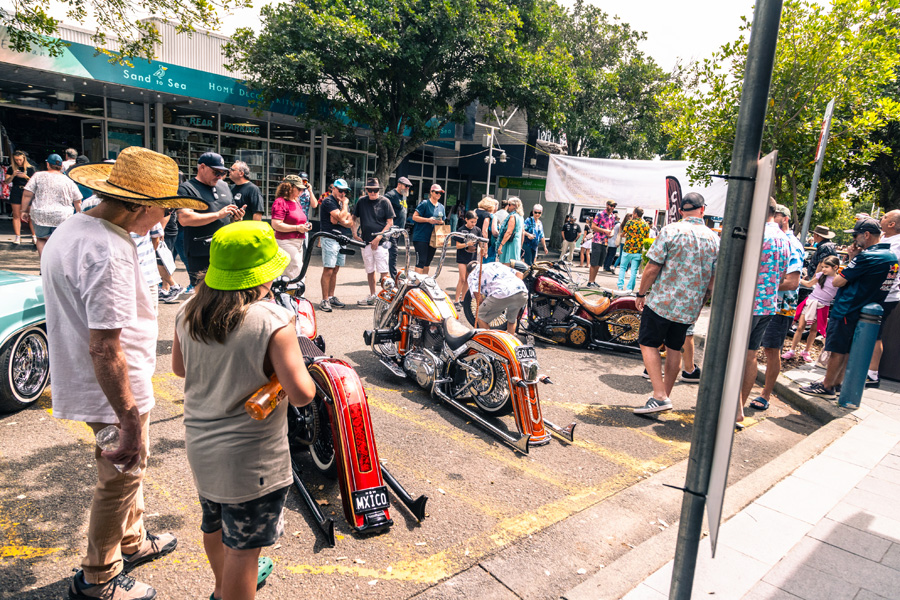
As we round a corner and pace a street, hip-hop replaces swing music and the distance between chassis rails and bitumen shrinks to almost zero. We’ve arrived in lowrider territory and, just as we felt unsure of what era we were in earlier, we’re now unsure where we are on the planet. LP vinyls are spun and scratched on decks mounted in the boot of a car sitting on rubber band-thin tyres. Chains, durags and tattoos are in abundance, and we could be forgiven for thinking we’ve stumbled into a scene from Southern California.
Standing beside an immaculate 1960 Chevrolet Impala (which has white-walled tyres sunken deep into wheel arches and body panels almost kissing the bitumen) is Matt. My photographer and I share a silent nod. Up close, the vehicle’s presentation is even more impeccable and it’s clear Matt knows his way around an Impala of this vintage. And so he should – it’s the sixth he’s owned.
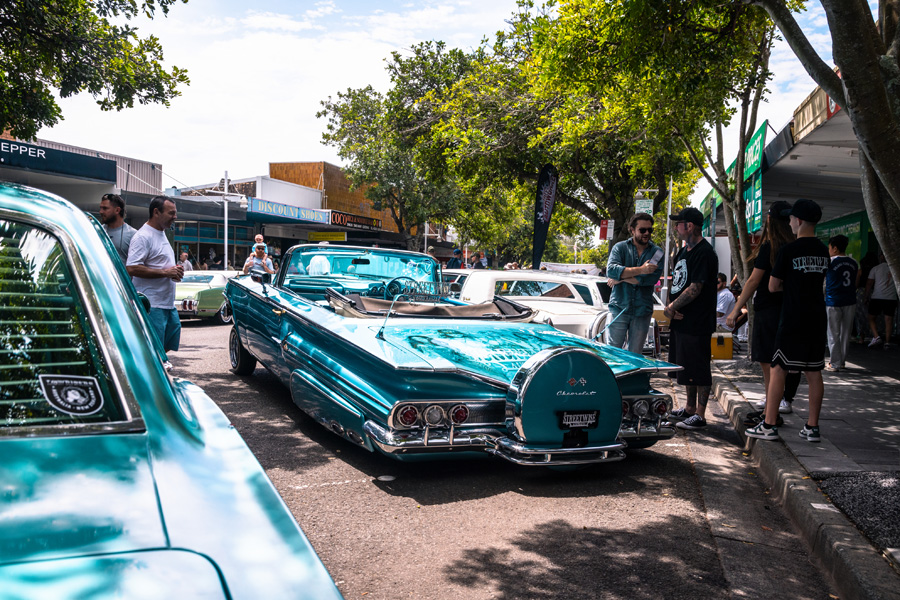
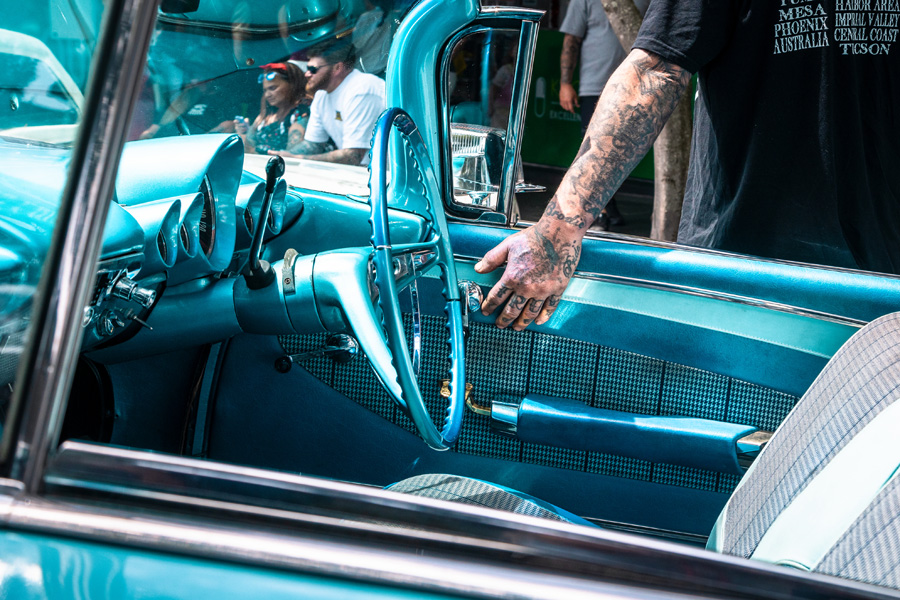
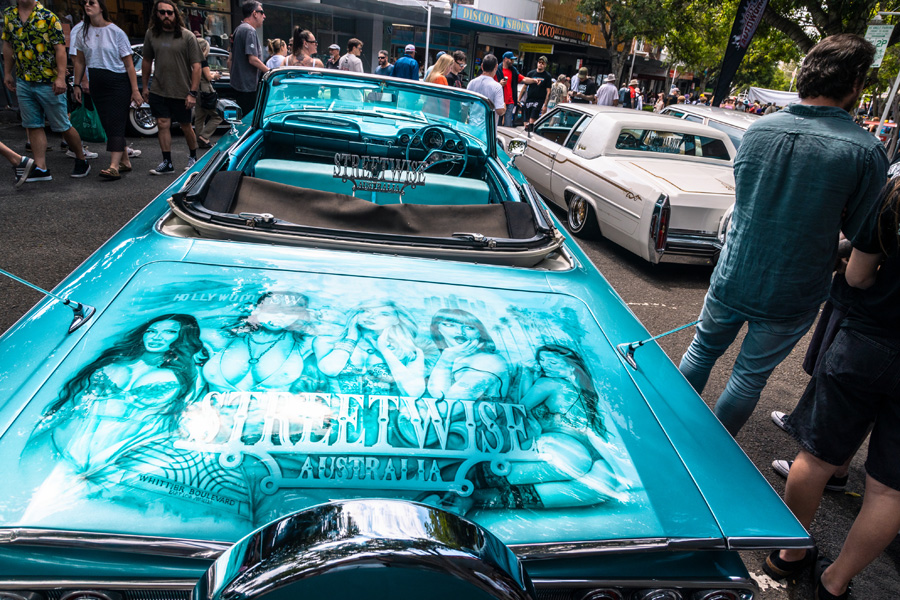
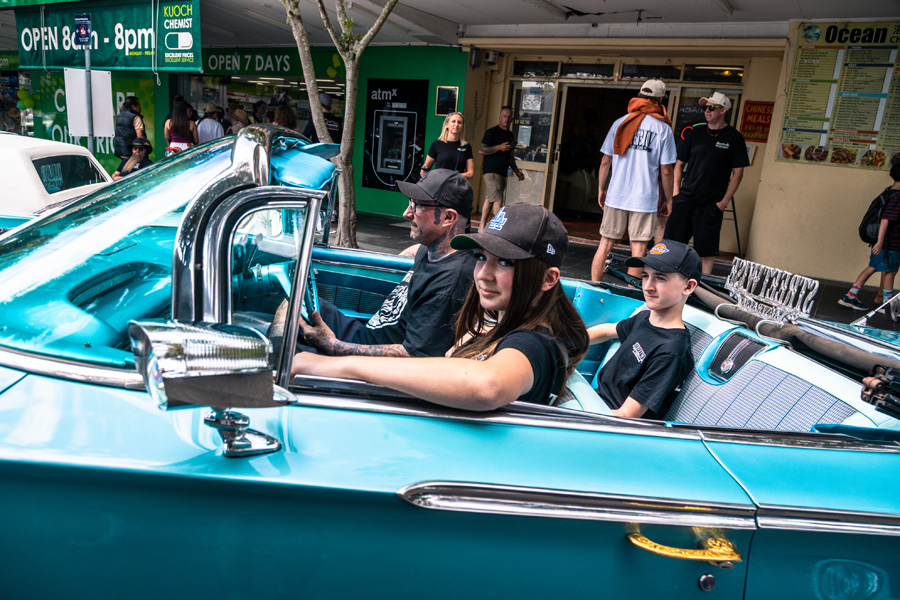
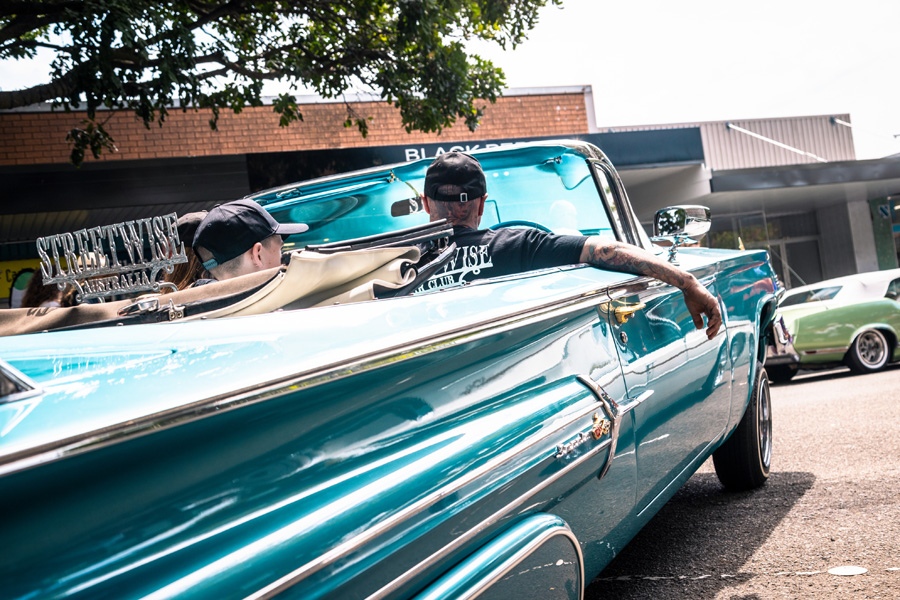
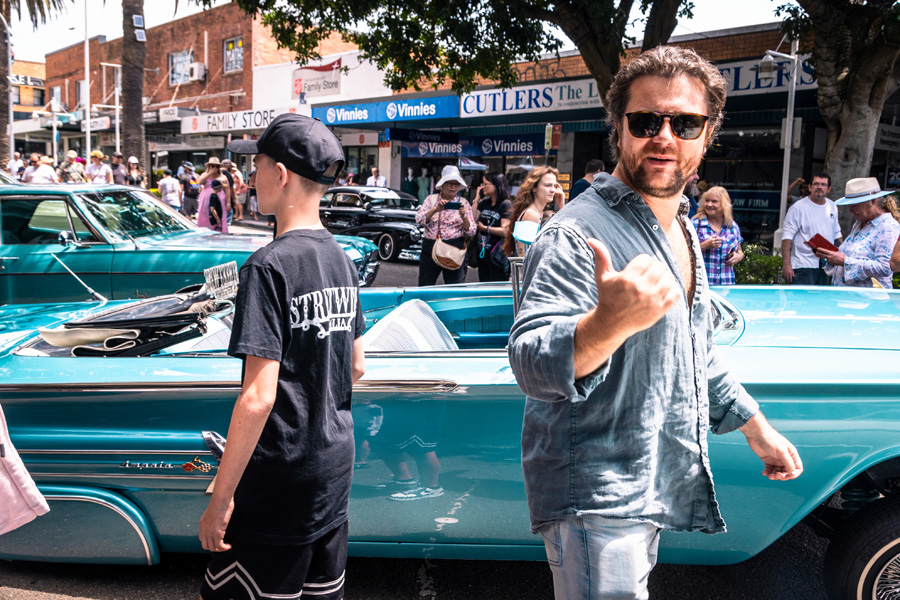
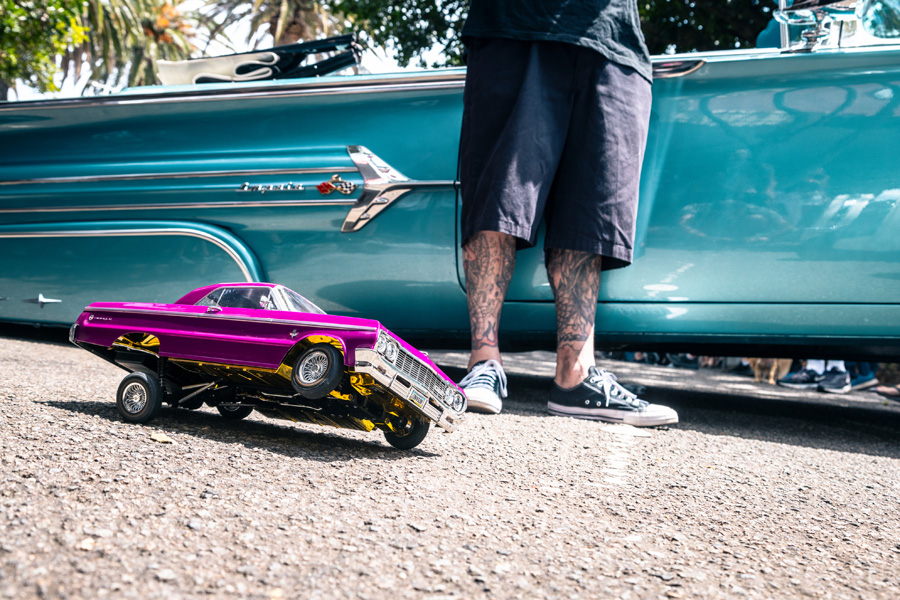
“I purchased this from an older gentleman. Started to modify it a bit the way I wanted,” Matt explains while demonstrating the Impala’s impressive hydraulic suspension setup, drawing a crowd as the drop-top’s body lifts and tilts to gymnastic angles.
“I installed the hydraulics myself,” he grins.
As it so happens, the strong West Coast vibe we felt earlier wasn’t just from Tupac and Ice Cube blasting down the street. As Matt tells us, the Streetwise Car Club – he numbers among the Central Coast chapter’s ranks – is headed up in Las Vegas and spans the globe. But the truest love for the culture draws a lot closer to home than a trans-Pacific link, and it’s perhaps Matt’s young son who provides us with the greatest insight into the Impala’s significance.
“I’ve always helped my dad with the car,” he tells us while looking it over and gleaming with a sense of pride all his own. “It’s been a really gorgeous car. Even though we’ve had a lot of mishaps with it, the Impala has brought us really close as a family.”
Convinced we’ve covered enough of the cars and characters that Chromefest has to offer, we head back for the ID Buzz, making it all of about 50 metres before something bright catches our eye: a bumblebee yellow 1975 Ford Escort Mk1. Reclining on deckchairs beside it is Michael and his son.
Unlike the Royal or Impala, the Escort is a vestige of something very different: a look at what was sporty, performance motoring back in its day. Michael’s, built as a replica of the limited-edition Mexico (a special edition celebrating Ford’s rally success with the model), underwent a local revamp including performance brakes and differential work. Most importantly, a shop in Taree fitted it with a beefed-up 1600cc Kent engine, which featured in the real Mexico.
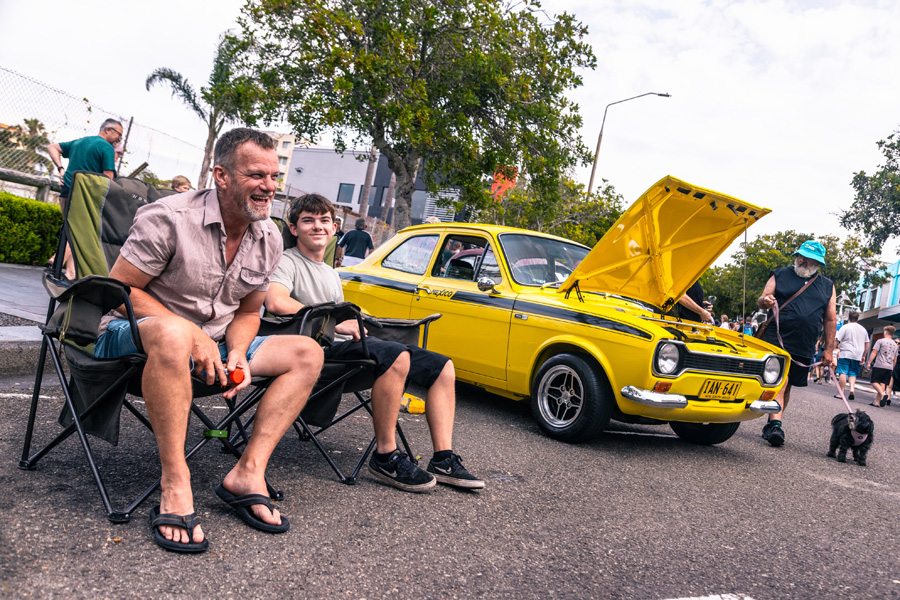
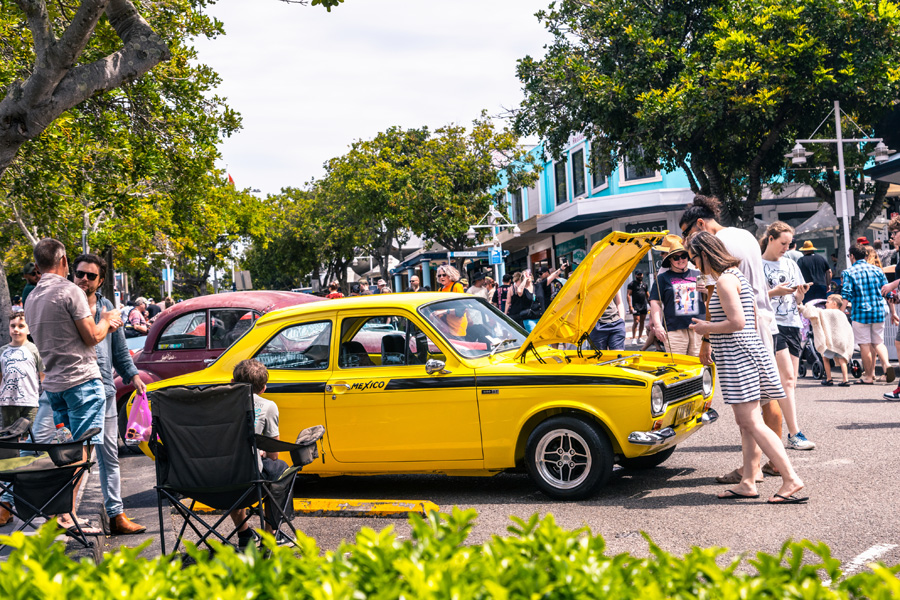
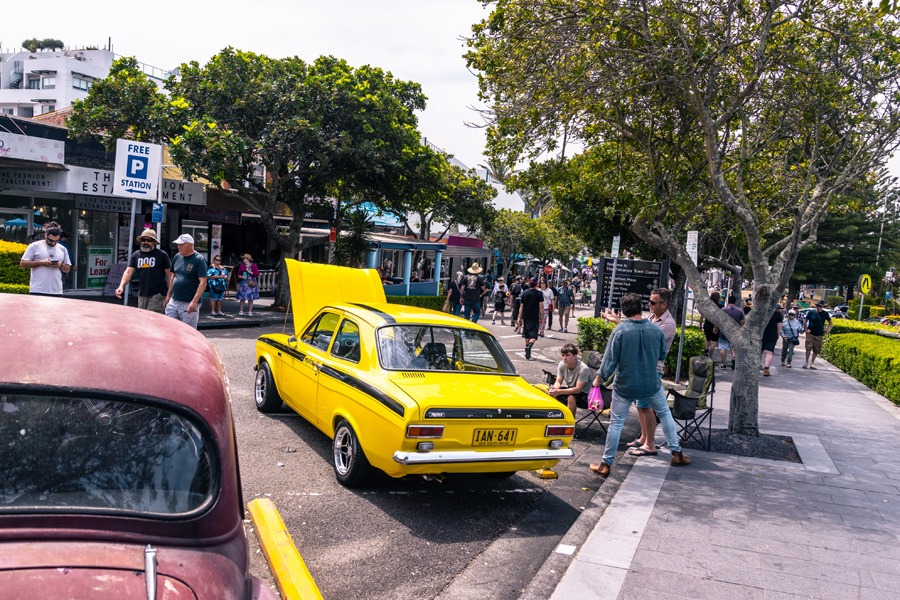
“An earlier car like this will tell you what it wants, and what it wants to be,” Michael responds when asked what attracts him to it over newer sports cars. “There’s the simplicity to it. It’s not all about big horsepower or ego. Things are changing faster than we can keep up with, but there’s a simplicity to classic motoring, an honesty to it.
“I think that’s exactly why Chromefest is so good. It’s about cultural respect for the cars of this vintage, and people being able to appreciate what they are – and not knocking what’s there now.”
The sun is sitting lower and we decide to weave back through the crowds. We’ll later find out that the 2025 Chromefest drew a massive 58,000 attendees over its three days, with hundreds of cars gracing the event and contending for awards over eight categories.
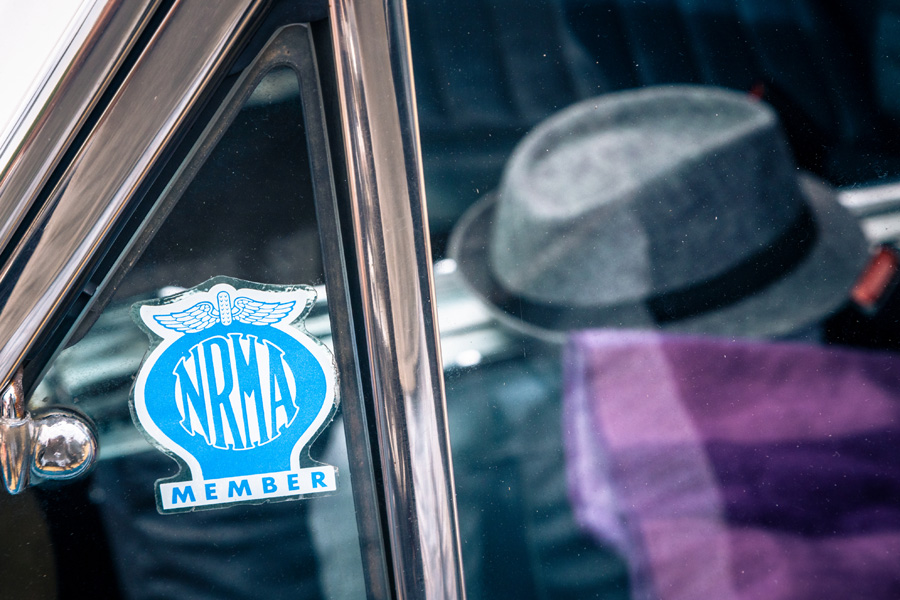
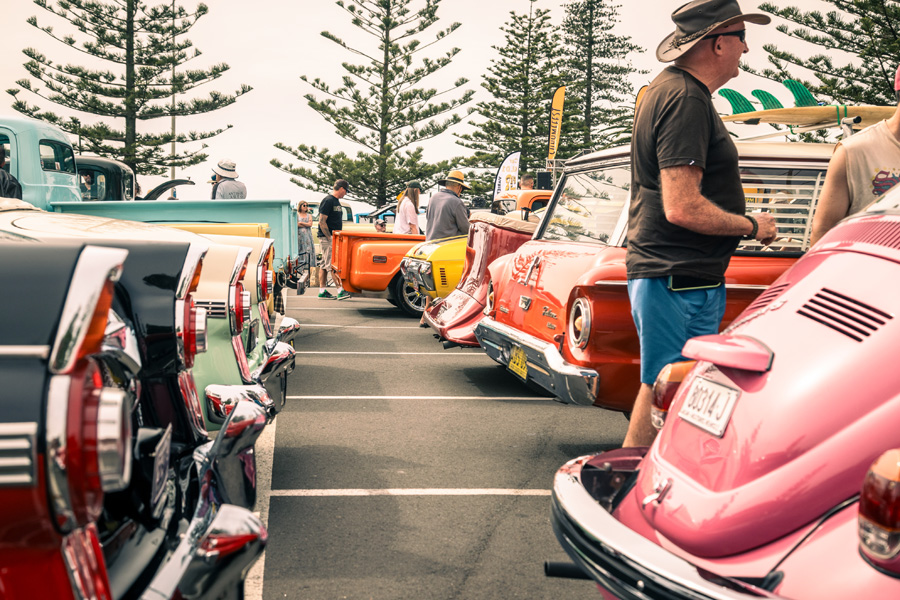
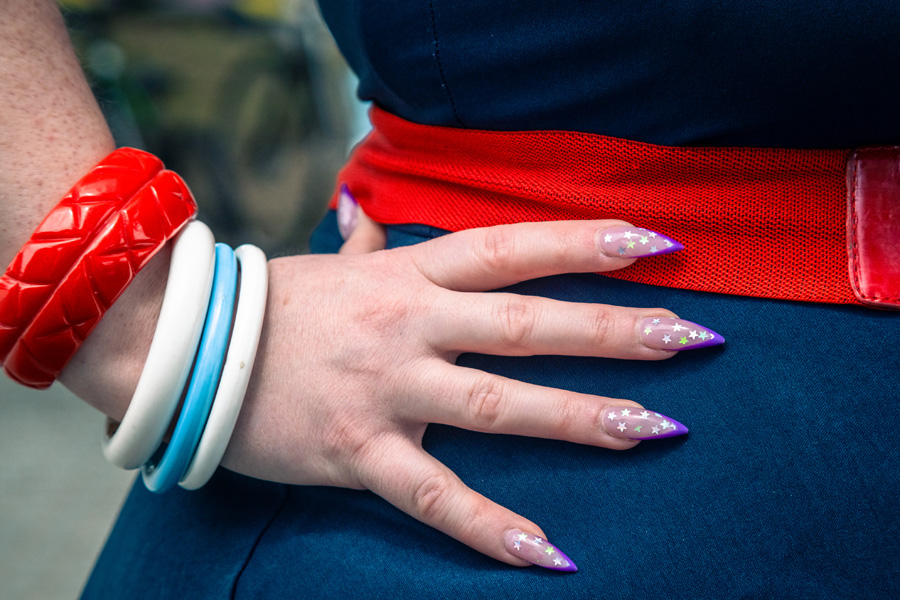
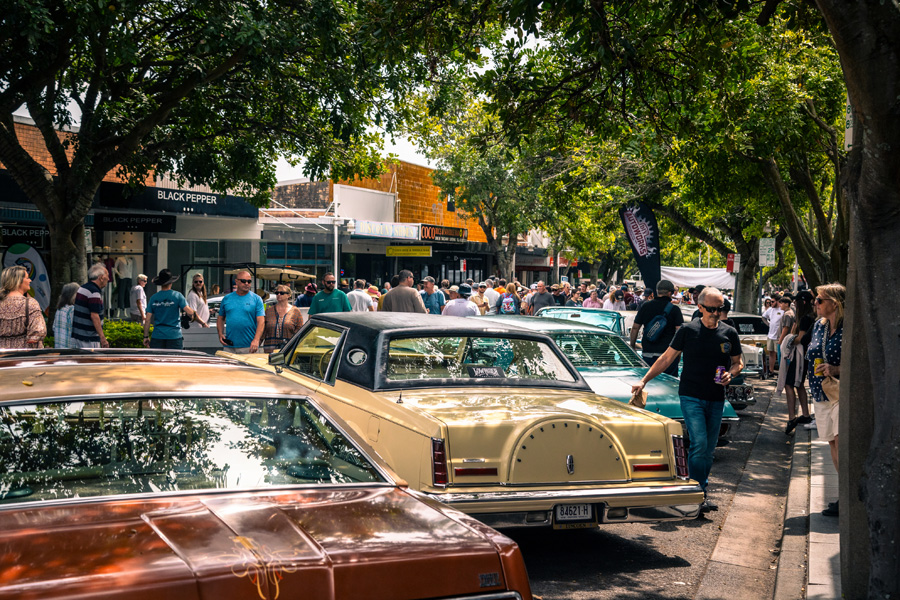
Michael’s words ring true the second we arrive back to the Volkswagen ID Buzz, now surrounded by a congregation of curious faces. It may be a contemporary reimagining of the classic Kombi, but it’s still a modern vehicle riding on electric architecture inconceivable to most just a decade ago.
A single comment sums up the general consensus of all others. “They did a good job with it,” says a couple who seem surprised that they’re impressed at all. “I like the shape of it, but… it shouldn’t be here.”
Gliding silently from Chromefest does feel reverent somehow, like closing a time capsule untouched, just as we found it. For others in attendance, it’s a revisiting of their youth or to share in nostalgia for a time they never experienced. Both are sacred in their own way.
The ID Buzz received the nod from more people than we expected, but there’s no doubt it’s an interloper here and we’re glad to not outstay our welcome.