Best historic jails to visit in Australia


Much of modern Australia’s earliest history can be traced back to its origins as a convict colony, resulting is some pretty impressive, intriguing and downright creepy jails and prisons scattered throughout the country.
Although a macabre subject, these historic building stand as important testaments to some of Australia’s not-so-pretty history. Thankfully, people are now free to come and go from them as they please, and can do so in the company of tour guides instead of guards.
Old Melbourne Gaol, Victoria
In Melbourne CBD’s north lies the Old Melbourne Gaol, Victoria’s oldest prison and one that bore witness to important historical events during its 1845-1924 operation.
Built between 1841 and 1864, the gaol’s stark bluestone walls, narrow corridors, and cell blocks embody 19th-century British penal philosophy, which was to punish rather than rehabilitate inmates.
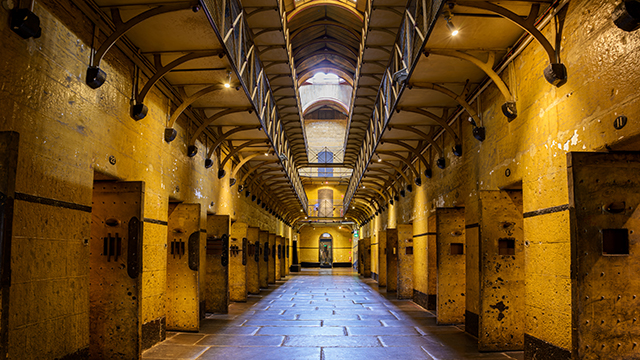
The jail saw the end of 133 lives, including Ned Kelly who was hanged in 1880. Its youngest recorded criminal was just three years old.
Guided tours are available, including the Hangman’s Night Tour (where a hangman in period costume shows guests around, and ‘Ghosts? What Ghosts?’, where visitors are regaled with tales of the jail’s supposedly spectral inhabitants.
Port Arthur, Tasmania
Not just a jail, but an entire penal settlement, Port Arthur operated on the Tasmanian coastline about 100km southeast of Hobart from 1830 to 1877.
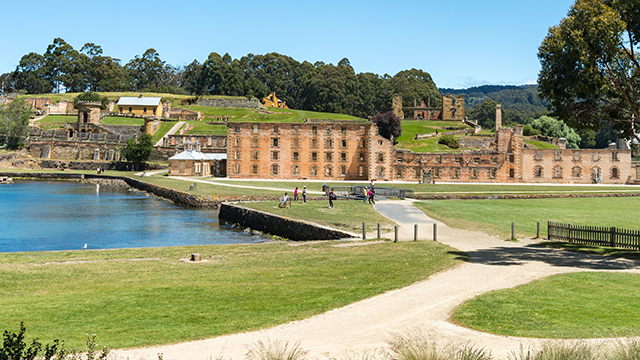
Comprising one of 11 sites of a UNESCO world heritage listing for Australian Convict Sites, the public can still visit Port Arthur today, with guided tours and events held at the premises.
Folklore suggests its prisoners’ view of the Tasman Sea was an additional kind of torture, leading some to commit more serious crimes within its walls just to receive the death penalty.
Old Dubbo Gaol, New South Wales
Beginning life as a courthouse lockup in 1847, the Old Dubbo Gaol grew over time, in line with an increasing population and the more serious criminal offences brought with it.
In 1863 it was announced to be a jail, but many believe it only became fully fledged in 1877 on the day of its first execution. The jail continued operation until modern times, closing its doors in 1966 before reopening as a tourist attraction in 1974.
The jail now offers a wide variety of tours and experiences, as well venue hire for events such as weddings and parties.
Old Adelaide Gaol, South Australia
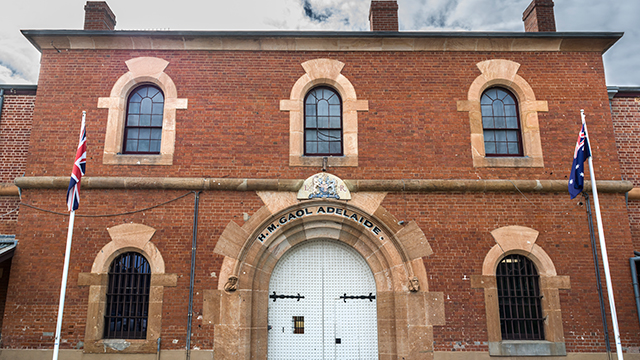
Adelaide was Australia’s first free settled colony, and the Old Adelaide Gaol was originally an afterthought.
Surprised by how much crime took place in the area, the jail was quickly deemed necessary, and construction commenced in 1838. By 1879, the prison needed expanding, and its walls had seen around 300,000 convicts by the end of its 147 years of operation.
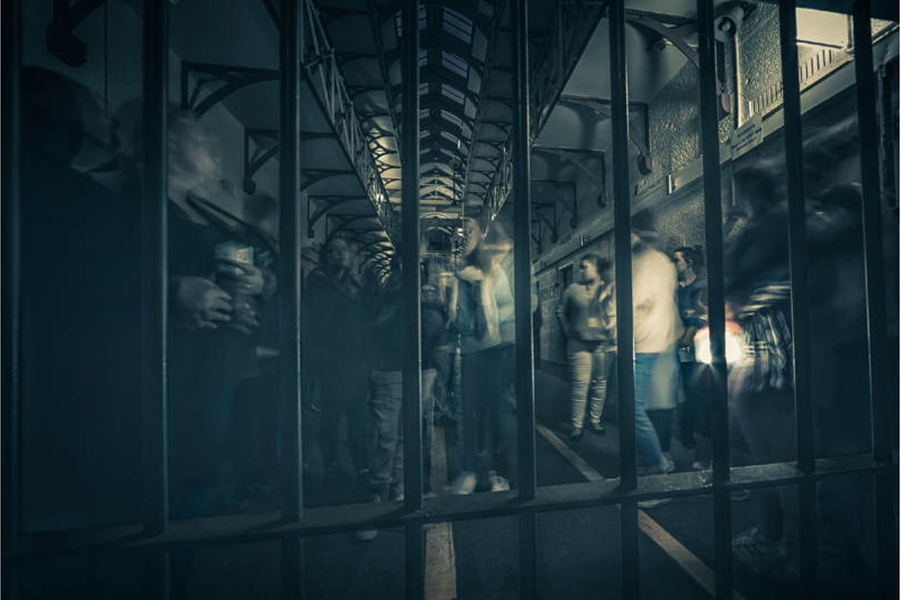
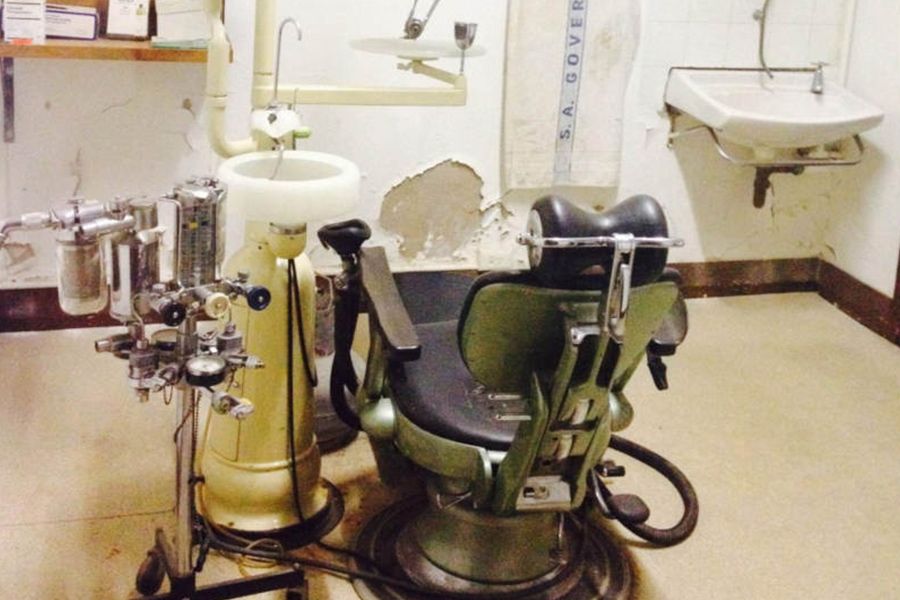
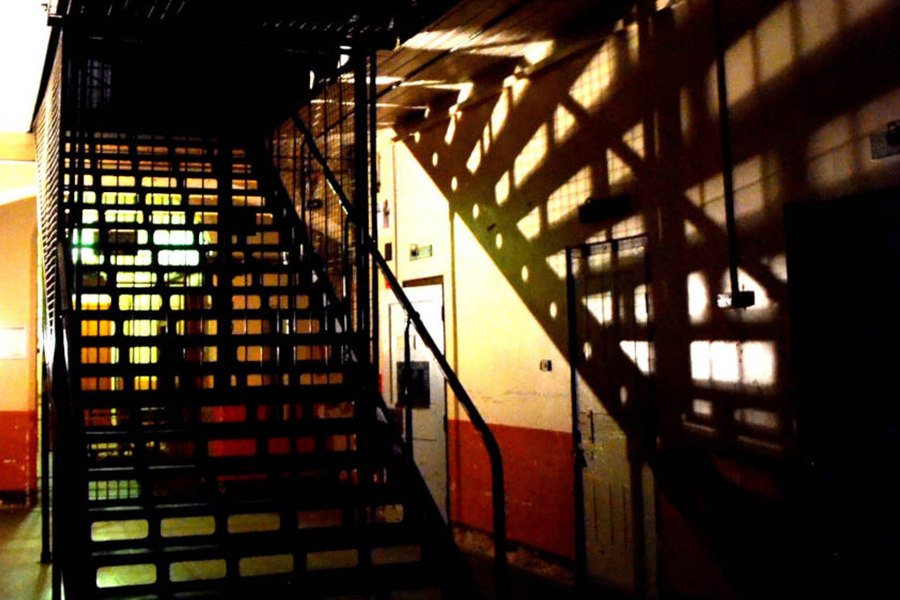
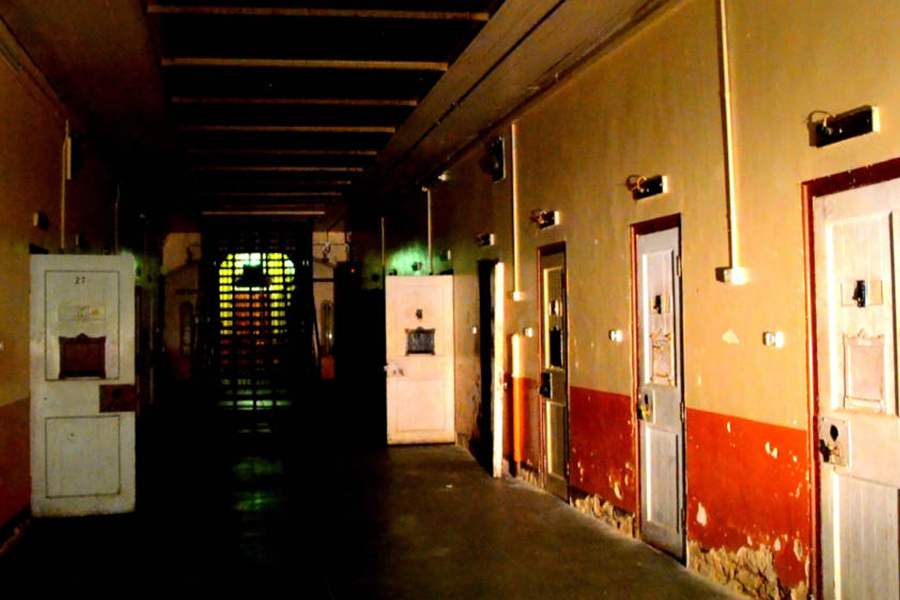
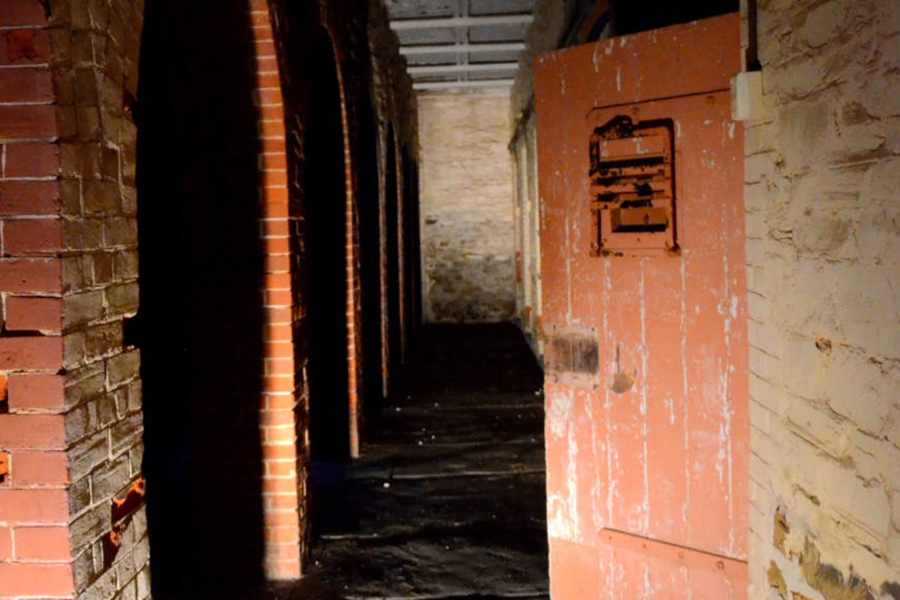
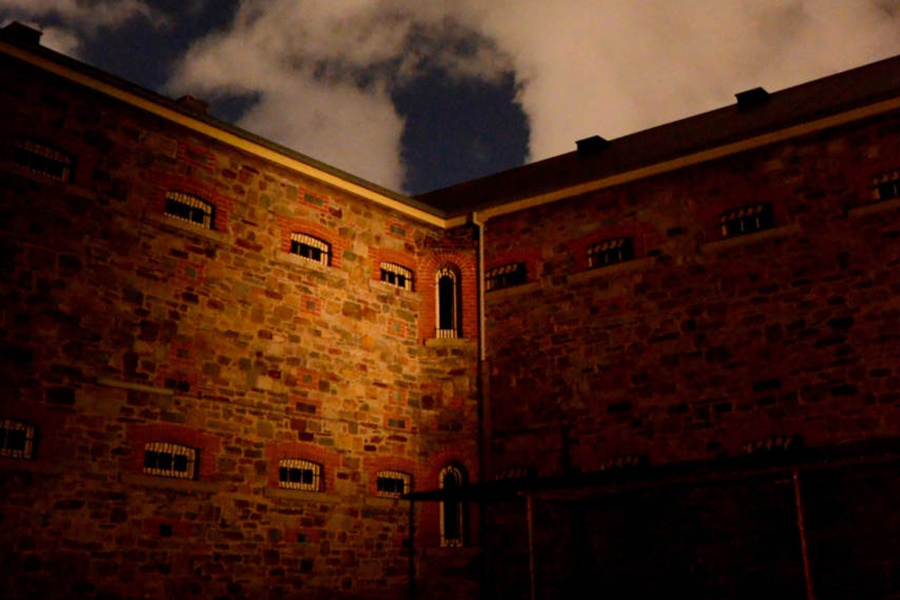
Guided tours and events are hosted at the jail, and escape room games using its decommissioned cells are available for children and adults.
My NRMA Rewards members can enjoy a little extra value on Adelaide Gaol Ghost Tour tickets, with member-only savings on entry.
Fremantle Prison, Western Australia
In 1855, a facility that would eventually be renamed Fremantle Prison opened about half an hour from Perth’s centre.
At one point, following the closure of Perth Gaol and an influx of prospectors during the 1890s gold rush, only 60 of Fremantle Prison’s 1000 inmates were of imperial convict origins. The facility operated until 1983 when a royal commission into substandard conditions for its prisons recommended closure.
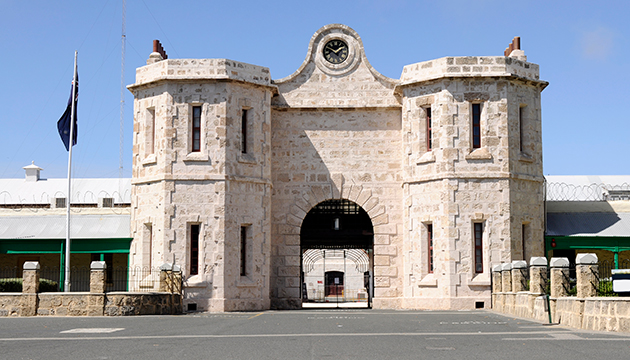
One of the largest surviving convict prisons in the world today, Fremantle Prison holds an array of tours and events. Most notable is the Tunnels Tour, which takes participants through a labyrinth of tunnels that prisoners built beneath its walls.
Trial Bay Gaol, New South Wales
Imposing sandstone walls and iron gates give some indication of the grandeur and importance that the Trial Bay Goal’s founders bestowed on it. A surprisingly reasonable entrance fee gives access to every part of the gaol, including the cells and the watch tower, where in the late 19th century guards kept an eye on prisoners and watched for ships in distress sailing the treacherous waters off the point. On an overcast day it is a gloomy and forbidding place and it must have been a living hell in the winter months.
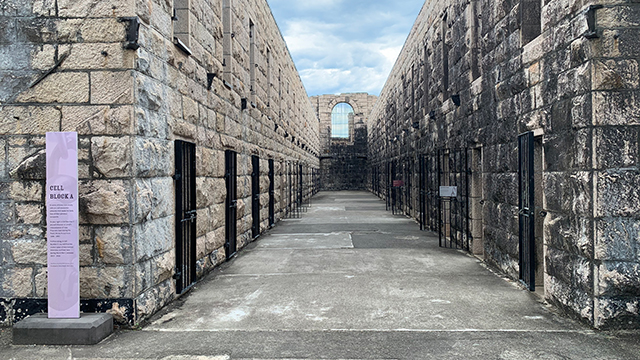
Trial Bay Gaol is appreciable for its architecture and atmosphere or, if you’re a history wonk, you’ll find plenty of information on prison life posted around the grounds.
Opened in 1886 to house hardened criminals, it was decommissioned only 17 years later, at which time the cells were stripped of fittings and furnishings. Following the declaration of World War I the gaol was hurriedly brought back into service and the first internees found “a series of stark, empty buildings”. The gaol closed again after the war and a good deal of its cast-iron stairs and gantries were sold to an engineering company in Sydney.