Top 12 coolest surf clubs

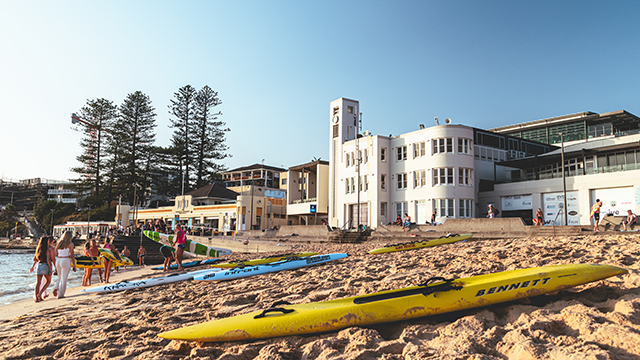
The beach is like a sensory homecoming for many of us – salt in the air, nattering seagulls, and hot sand underfoot. But at on Sydney’s northern beaches, there’s something different riding the sea breeze: an aroma typically reserved for high-end kitchens.
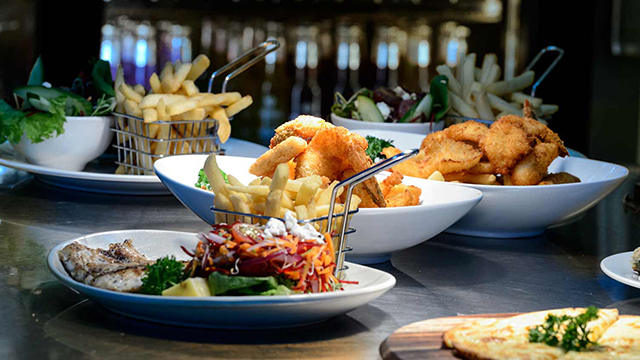
The lifesavers still keep watch on the surf, but upstairs the action is in the kitchen. The newly remodelled club houses The Basin Dining Room, where grilled halloumi with fermented honey and mint sits alongside charcoal-grilled blue-eye cod with kelp beurre blanc – all washed down with a crisp chardonnay or vibrant pinot.
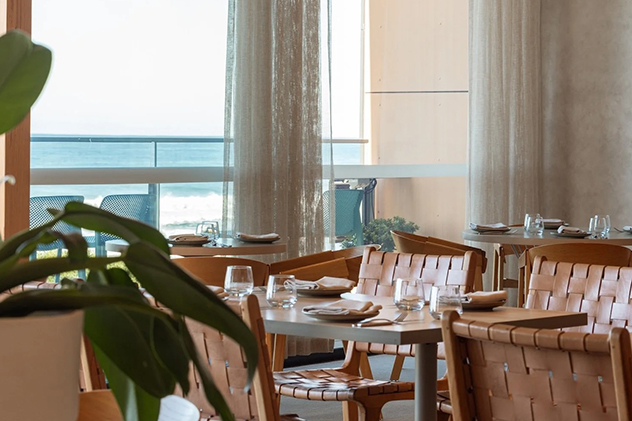
The dining room at Mona Vale Surf Life Saving Club.
It’s dished up at the northern end of the upmarket clubhouse that is as polished as the wine list from the fine-dining restaurant, which earned a nod in the recent Good Food Guide. Peering over the sand dunes that divide refined restaurant luxury from the surf, diners get a view that not even Sydney’s wealthiest can buy.
This is Mona Vale Surf Life Saving Club, which blends artfully into the coastal landscape, with its palette of timber, glass and concrete keeping faith with the dunes outside. Downstairs there’s a mass of red and yellow, making up rescue boards, surf equipment and lifeguard gear, which are still the core of the club. Suffice to say, though, this isn’t a typical surf club of old.
1. Mona Vale
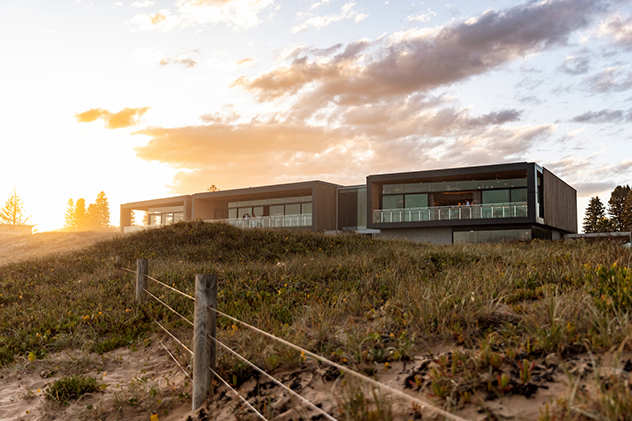
Simple surf clubs that once served sausage rolls and schooners now winning awards for their architecture and dishing up chef-driven menus, all while keeping the swimming public safe.
Mona Vale club president Jon Dibbs says the revival of the clubhouse has not only attracted more members, including the all-important nippers that often eventually transition to volunteer lifesavers, it has also made the beach a destination. The club’s function rooms are now booked out well in advance.
“There was a wedding booking taken this week for 150 people for a year away,” says Dibbs. “They’re seeing the wedding as being a destination wedding with friends [coming from] all over the countryside, from other countries.”
Yet it’s not all about fine-dining prices and having to book ahead. On Fridays and Sundays the southern end of the surf club kicks the doors open to the Cook Terrace, a more casual eatery and bar. It shares the same views as the restaurant – and the food is from the same kitchen. Little wonder it’s popular, especially on a balmy day.
2. Bronte
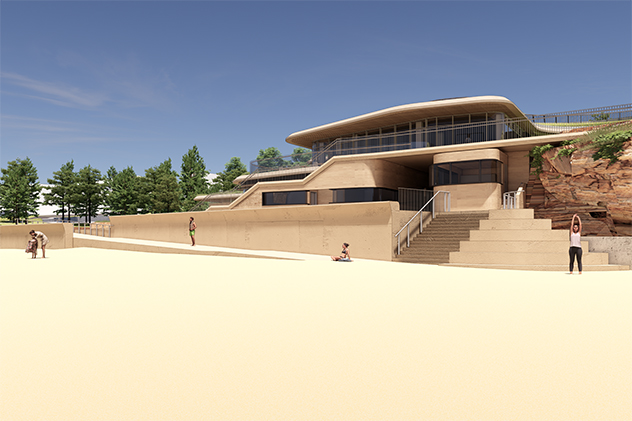
James Morgan is an associate principal at the Sydney studio of architectural firm Warren and Mahoney, which redesigned the Mona Vale club and was engaged to take the lead on the $24 million redevelopment of Bronte Surf Club in Sydney’s east. Demolition of the old building has begun and the new one is expected to be finished in 2027.
Morgan says designing surf clubs means balancing public expectations with the demands of lifesaving operations – and the harshness of coastal conditions.
“It’s an amazing opportunity,” says Morgan. “You’re able to create something for a wider community who may not ever be able to afford architecture like a wealthy client. You’re able to create these community buildings that a wider group can actually interact with and get joy out of.”
Key to those challenges is ensuring everyone is happy with the proposed designs, from the council and the people paying the bills, to beachgoers, lifeguards, club members, Indigenous communities and nearby residents.
“You could have upwards of 10 different stakeholders, each contributing sign-offs and gates that we need to jump through to get it over the line.”
Like Mona Vale, the new Bronte club is designed to blend into its stunning surrounds and allow the surf and sand to continue to take centre stage. Computer generated designs of the redevelopment show a structure that melds into a hill, while also providing public green spaces, a kiosk and vastly improved lifesaving facilities.
Morgan says a key goal was ensuring the building embedded into the landscape rather than looking like “a foreign object”.
“If you get that right, then that goes a long way to creating a building which the community does love and that is well respected.
“We had to pick it up and take it through the DA process, and a lot of that was connecting with Country and the Indigenous overlay and actually engaging with those communities.”
3. Portsea
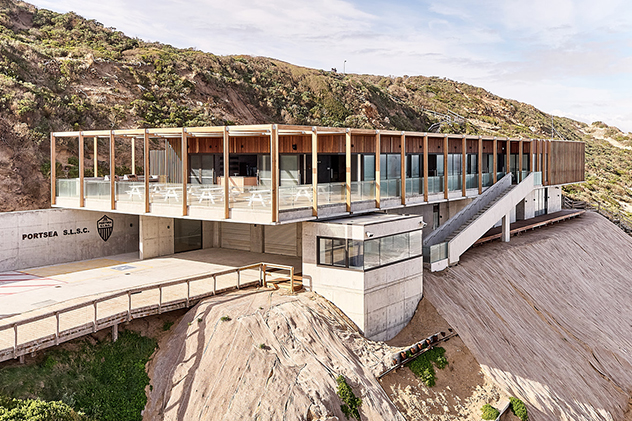
Shining in the new breed of surf clubs are architectural designs sympathetic to the environment. In Victoria, the new Portsea Surf Life Saving Club’s concrete and timber shell mirrors the dunes it’s nestled within. There’s also a military connection, with the concrete lifeguard observation room reminiscent of the lookout bunkers from World War II.
Visitors will have to look from afar, though. While there’s a restaurant within, it’s for the exclusive use of members, many of whom helped fund the multi-million-dollar development.
4. Cape Paterson
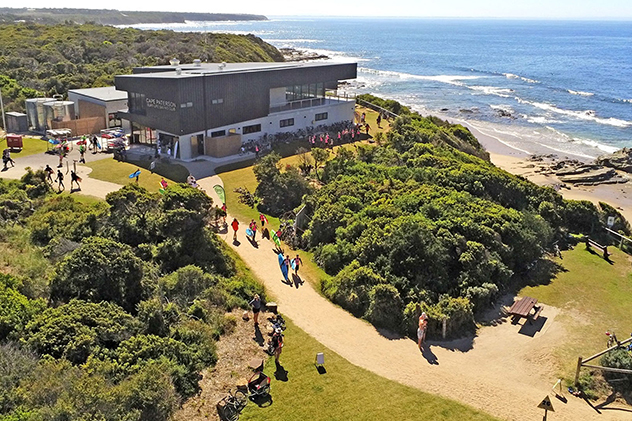
Further east at Cape Paterson, a clubhouse stands as a symbol of fortitude resistant to the elements. On a cliff overlooking the nearby beach and Bass Strait, the structure was rebuilt in 2020 to withstand not only bushfires but also blustery southerly winds. There’s no café, but the modern architecture picked up a 2021 Master Builders Victoria award.
5. Broulee
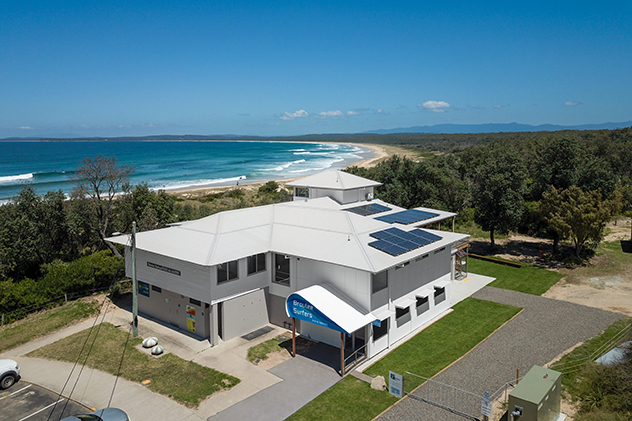
Not all clubs are chasing awards – some are simply hanging on to their charm. Back in NSW, clubs such as Broulee and Camden Haven (see below) have a more traditional approach. It’s an easy-going, sun-bleached familiarity – the sea spray, the smell of sunscreen and the glorious vista – that keeps people coming back.
The Broulee Surfers Surf Life Saving Club has an ordinary clubhouse with an extraordinary view, even by Australian beachfront standards. Visit the casual Under the Deck Café for a hand stretched pizza and you’ll be taking in more than just good food. If you fancy trying your hand at surfing, the northern end of the beach is known for its gentle waves.
6. North Wollongong
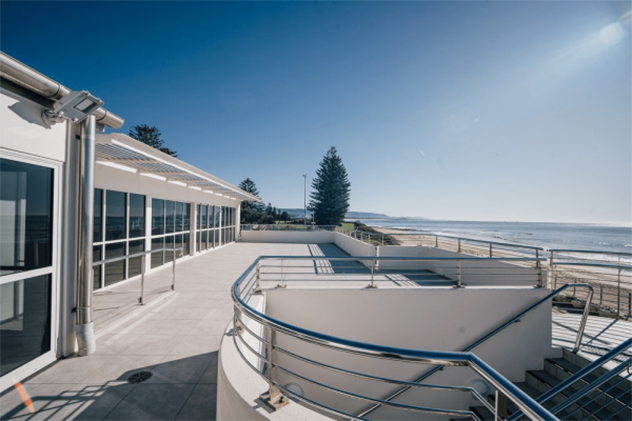
Within the older facades of clubs are some unexpected surprises. Renovated in 2024, the top floor of the North Wollongong Surf Life Saving Club incorporates a restaurant from The Boathouse Group. The bistro boasts an innovative menu in keeping with the beach lifestyle. The expansive ocean outlook was a key reason the restaurant group chose to settle one of its freshest offerings into a surf club.
“This location above the North Wollongong Life Saving Club has the most incredible views over the beach – it really is hard to beat,” says venue manager Boden Allport. “We’re proud to support the surf club as a sponsor and keeping the lifesavers fuelled every weekend during patrols. They’re such an important part of this community.”
7. Cronulla
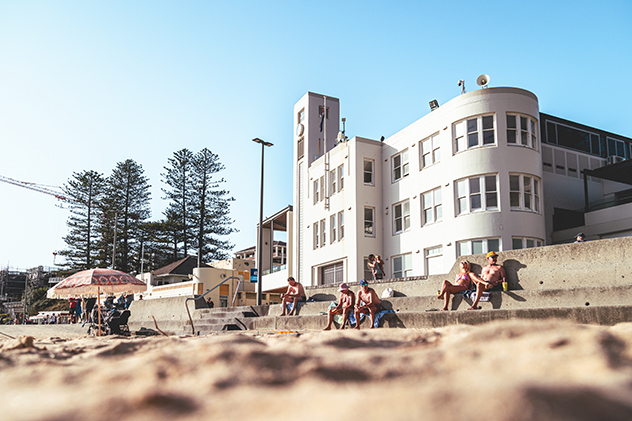
On Sydney’s southern fringe, the Cronulla Surf Life Saving Club is worth a stop for its 1940s art deco clubhouse, a welcome throwback in an era of modern architecture. Of course, changes to any existing club facilities – many of which are loved for their memories as much as their structure – can court controversy, as Coogee Surf Life Saving Club discovered. Part of the art deco design of the original building was replaced with a modern facade that some have suggested resembles an oversized microwave oven. At least it stands out!
8. North Bondi
Further up the coast at North Bondi is a club that blends old with new. While the club leaves the feasting to the thriving restaurants and cafés the beach is known for, the structure at the northern end of the beach describes itself as “a breathtaking beachside venue for corporate functions, weddings, brand activations and celebrations”. The highlight is the rooftop with its wave-inspired form, something that has become the launchpad for numerous marketing campaigns.
9. Camden Haven
For more in the way of tradition, stop in at Camden Haven Surf Life Saving Club. Not far from Camden Haven Inlet, the building overlooks a broad sweep of sand, with views to Grants Head and gentle surf breaks. While it may not yet carry the high-design or fine-dining credentials of some of the east coast’s ‘destination’ surf clubs, it stands out for its authenticity.
10. Broadbeach
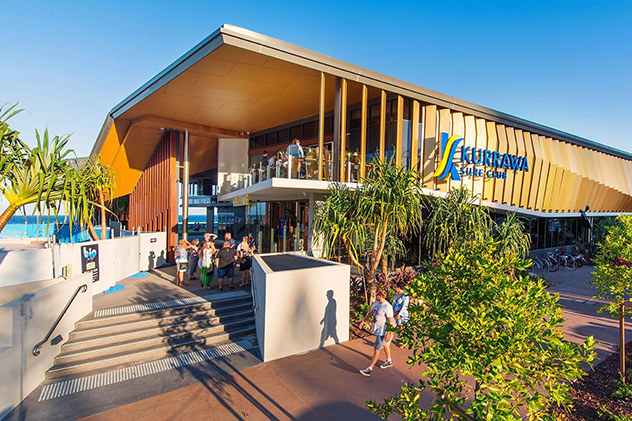
Head north and the ambition scales up. Queensland’s surf clubs are flush with funding as well as a vibrant tourist scene that naturally gravitates to the beaches. At Broadbeach, the $15 million rebuild of Kurrawa Surf Club stretches along the sand, with 230-degree ocean views and a towering roofline that encapsulates an outdoor room. The facility can cater for 600 people, some in the gaming lounge that keeps the revenue flowing from punters.
11. Sunshine Beach
At Sunshine Beach, near Noosa, the surf club has a whiff of resort ambience. Elevated above the sand with wide ocean views, it blends barefoot charm with upmarket polish and is a place where you can watch patrol flags flutter while downing a crisp lager over lunch.
12. Freshwater
In some ways it seems the surf club revolution has only just begun, with plenty more to come. Shanny Dyer is the president of Freshwater Surf Life Saving Club in Sydney, which has committed to a $10 million rebuild.The redevelopment will maintain the original clubhouse at the front and instead focus on the rear section, part of which will be turned into a celebration of surfing pioneer Duke Kahanamoku. The Hawaiian introduced Australians to surfing more than 100 years ago and his board will be on display in a permanent exhibition to be incorporated into the new club.
“We want it to be a club that’s accessible to and usable by the community,” says Dyer, adding it will also “be able to service our community, to engage with our community and have a beautiful facility on a beautiful beach that will attract tourists”.
Yet for all the glass and concrete, the architecture awards and the chef-driven menus, the soul of Australia’s surf clubs hasn’t changed. They still belong to the volunteers who rise early, watch the tides and keep the beach safe. The red and yellow flags will continue to fly and are proof that surf clubs can evolve without losing what made them special – the community spirit that runs deep along Australia’s coastline.