Tesla and EVs dominate ANCAP’s safest cars list for 2025
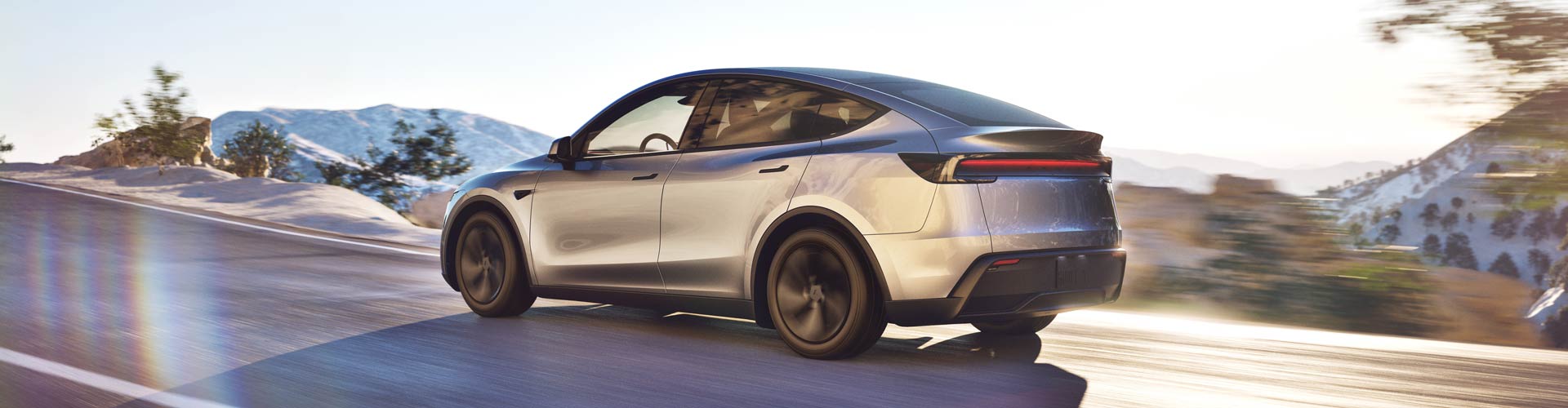
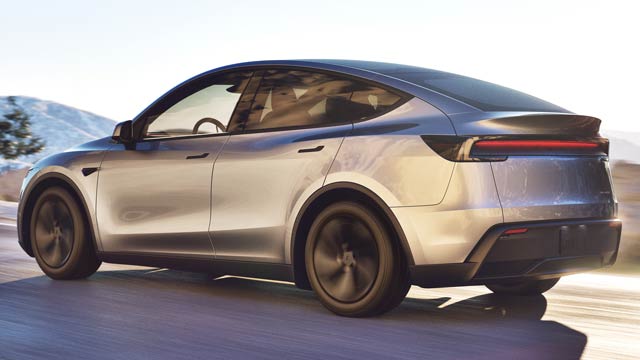
ANCAP has revealed its top safety performers for 2025, with Tesla and a wave of electric vehicles taking most of the honours across Australia and New Zealand’s key market segments.
At a Glance
- Tesla’s Model Y was the safest car in 2025, with the Model 3 also a segment winner
- Six of ANCAP’s seven top performers for 2025 are EVs, including two from MG
- The Toyota Hilux is the only non-EV on the list
The refreshed Tesla Model Y recorded the strongest overall weighted score of any vehicle assessed by ANCAP this year, backing up its earlier success when the pre-facelift Model Y led the safety rankings in 2022. The Tesla Model 3 also earned top-performer status in its category, making Tesla the standout brand in the 2025 results.
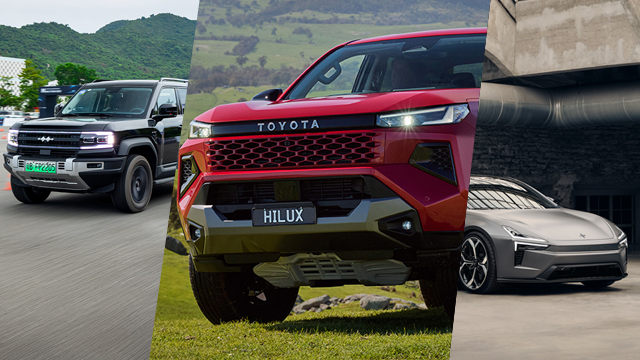
While ANCAP’s winners span everything from city-sized cars to large SUVs, one detail jumps out: every model on the 2025 top performers list is an EV, except the Toyota Hilux.
ANCAP selects its annual top performers using a weighted score across four assessment pillars: Adult Occupant Protection, Child Occupant Protection, Vulnerable Road User Protection, and Safety Assist. Together, they’re designed to show how well a vehicle can protect the people inside it, reduce harm to those outside it, and avoid a crash in the first place.
Which cars have best safety ratings?
ANCAP’s 2025 segment leaders cover seven categories, led by medium SUVs and mid-size passenger cars, the two hottest battlegrounds in the new-car market.
Here are the winners and their car safety ratings:
| Model | Category | Adult Occupant Protection | Child Occupant Protection | Vulnerable Road User Protection | Safety Assist |
|---|---|---|---|---|---|
| Tesla Model Y | Medium SUV | 91% | 95% | 86% | 92% |
| Tesla Model 3 | Medium car | 90% | 95% | 89% | 88% |
| Volvo EX90 | Large SUV | 92% | 94% | 82% | 84% |
| IM by MG IM5 | Large car | 89% | 91% | 85% | 79% |
| MG S5 EV | Small SUV | 90% | 86% | 82% | 79% |
| Mini Cooper E | Light/small car | 89% | 83% | 77% | 83% |
| Toyota Hilux | Utility | 84% | 89% | 82% | 82% |
For shoppers asking “what’s the safest car in Australia right now?”, it depends on what kind of car you want to buy, but the Tesla Model Y sits at the top of the 2025 pack overall.
The results also underline a broader pattern in today’s market: the newest EV models tend to arrive with strong crash structures and a lot of active safety kit as standard, which helps lift their overall car safety ratings.
— ANCAP Chief Executive Officer, Carla Hoorweg
“Safety as a system, not a checklist”
ANCAP Chief Executive Officer Carla Hoorweg said the results show that strong performance comes from vehicles delivering well across all four pillars, rather than excelling in only one area.
“ANCAP’s testing continues to reinforce a clear message: the safest vehicles are those designed with safety as a system, not a checklist,” she said.
“The top performers this year delivered consistent results across physical crash protection, crash avoidance and vulnerable road user safety, rather than relying on strength in a single area.
“We are also seeing increasing alignment between ANCAP’s test requirements and the safety technologies that genuinely matter on Australian and New Zealand roads. Improvements in autonomous emergency braking, lane support and driver monitoring systems are translating into more robust protection in everyday driving,” she said.
Results line up with Euro NCAP’s 2025 safest cars
ANCAP’s 2025 winners also echo results released overseas, with Euro NCAP naming multiple EVs as the safest cars across different segments.
Tesla appears on both lists, with the Model 3 and Model Y earning top-tier recognition in Europe as well. The Mini Cooper E also lines up as a standout small-car performer on both sides of the world.
There are differences, too. Euro NCAP’s best-in-class list includes models such as the Mercedes-Benz CLA and the Smart #5, while ANCAP’s 2025 top performers include the Volvo EX90, IM5, and MG S5 EV. Still, the bigger trend is consistent: high-scoring vehicles are increasingly those built around modern safety systems and strong crash avoidance performance, and many of those are now EVs.
ANCAP to change the way it presents “safest cars” lists
ANCAP is already preparing to shift the way it presents safety performance from 2026, introducing revised categories designed to better reflect what it calls the “Stages of Safety”.
From 2026, those stages are described as:
- Safe driving
- Crash protection
- Crash avoidance
- Post crash
ANCAP says this revised structure is intended to better match real-world crash scenarios, and it comes with new expectations around areas that can catch buyers out.
One example is usability and control access, with ANCAP noting a preference for physical buttons for key controls such as indicators and wipers, or a dedicated fixed section of screen for them. There’s also attention on electric door handles, in particular looking at whether they remain operable after a crash, and whether a clear manual override exists.
ANCAP is also putting more focus on “post-crash” measures such as emergency call support, alongside ongoing updates to crash testing methods and dummy configurations.
For shoppers, the changes are a reminder that a five-star rating is a moving target. A car that performs well under the 2025 regime may still be safe, but the safest cars of 2026 will be judged against newer and tougher expectations.