Why NSW travellers are heading back to holiday parks
At a glance
- NSW welcomed 129.3 million visitors in the year ending March 2026, with domestic trips up 6.3 per cent and visitor spend up 16 per cent.
- Destination NSW says 5.6 million overnight visitors had a caravan and camping experience during their trip.
- 1.4 million travellers enjoyed an Indigenous culture-related experience
NSW travellers are putting holiday parks back on the map, with new tourism data showing caravan and camping stays are playing a bigger role in how people take regional breaks.
New figures from Travel Research Australia (TRA) show the state welcomed 129.3 million domestic and international visitors in the year ending March 2026, with travellers spending a record $61.9 billion across NSW – up 16 per cent from the year before.
The figures confirm NSW remains Australia’s largest visitor market, with overnight travel now exceeding pre-Covid levels. Covid disrupted NSW overnight travel heavily in 2020 and 2021, with domestic overnight trips falling from 38.7 million in 2019 to 27.8 million in 2021. Travel started recovering from 2022, with NSW now recording 39.3 million domestic overnight trips, 119.1 million visitor nights and $31.3 billion in overnight spend.
For regional towns, holiday parks and drive-based tourism, the more interesting part is how visitors are spending their time.
According to Destination NSW, 5.6 million domestic and international overnight visitors had a caravan and camping experience during their trip. The same data shows 22.2 million visitors took part in nature and outdoor-based activities.
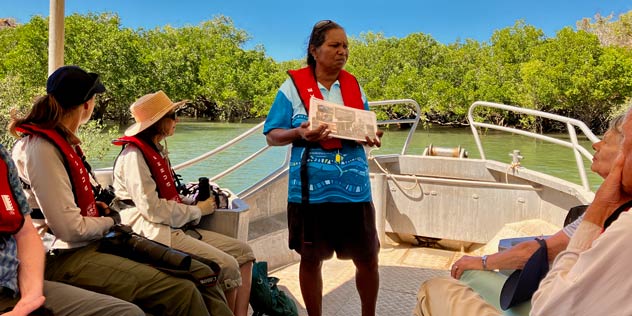
First Nations travel is also a growing attraction for visitors in NSW, with 1.4 million holiday goers choosing First Nations-related experiences, from guided wildlife tours and tucking into bush food to learning about songlines and how to fish the traditional way.
For people planning a break, the numbers show the classic Australian family holiday is still a firm favourite. Cabins, campsites and caravan stays give travellers a flexible way to get away, stay close to nature and build trips around beaches, food stops, national parks and regional towns.
It’s also good news for regional NSW, because caravan and camping visitors are often on the move. They stop for groceries, coffee, petrol or EV charges, take-away dinners, local attractions, national parks, beach gear and maybe a cheeky pie run before getting back on the road.
Travellers are going back to NSW holiday parks
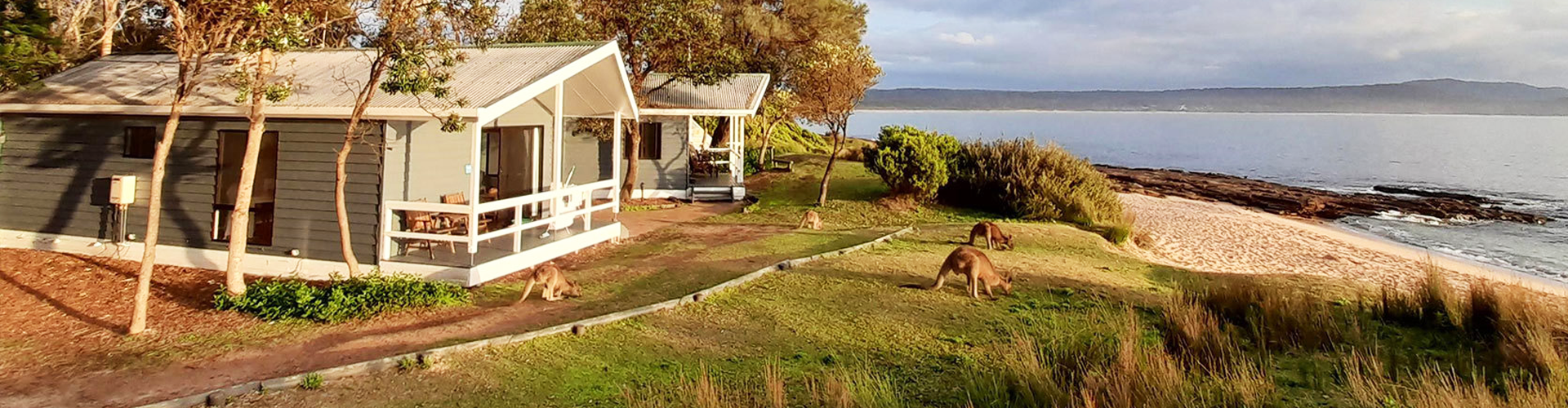
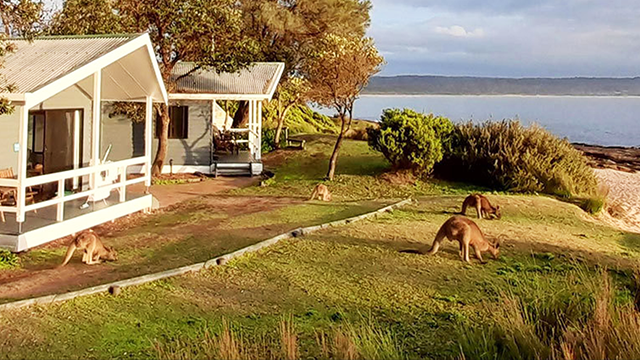
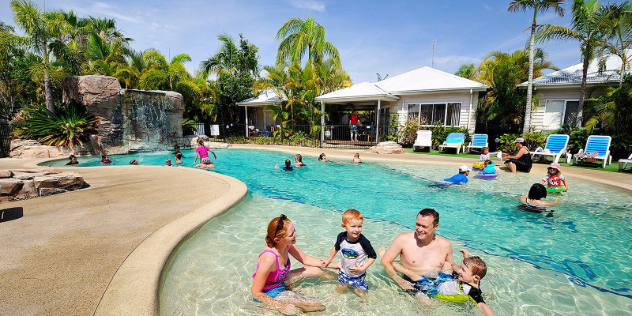
Travellers, such as NRMA Parks and Resorts guests who spent 1.87 million nights at 70 locations across Australia in the 2024-2025 financial year, are choosing NSW holiday parks because they make regional breaks more flexible. A cabin, powered site or campsite can suit a short weekend, a family beach trip, a pet-friendly stay or a longer road trip.
Holiday parks also make it easier to travel by road, and that matters in a state where some of the best trips are built around the drive.
A family might book a cabin on the NSW North Coast, stop for lunch in a hinterland town, spend the afternoon at the beach and still keep the budget in check by self-catering some meals. A couple might turn a South Coast weekend into a slower run through national parks, seafood spots and small towns. Caravan travellers can link destinations together, stay longer when the weather holds, or move on when the mood changes.
That flexibility is part of the appeal. It gives travellers more control over the trip without locking every stop into a tight itinerary.
— NSW Minister for Jobs and Tourism Steve Kamper
How much are visitors spending in regional NSW?
Visitors spent $27.2 billion in regional NSW in the year ending March 2026, according to Destination NSW. The regions attracted 64.4 million domestic and international visitors, making regional NSW a major part of the state’s record tourism result. That spending supports accommodation providers, local food businesses, attractions, service stations and other regional operators.
Food and nature-based experiences were also major drawcards. Destination NSW reported 6.6 million overnight visitors engaged in a food experience, while two million took part in a wine experience during the year.
For holiday park guests, that might mean a powered site near the beach, dinner at a local pub, a morning coffee in town, a whale-watching trip, a cellar door visit, or a family day out at a nearby attraction.
Those small decisions add up. Unlike fly-in city breaks, drive holidays can spread spending across several stops, particularly when travellers take the scenic route rather than pointing the bonnet at one destination and then staying put.
How has NSW tourism spending changed?
NSW tourism spending has risen sharply since the Covid-affected years of 2020 to 2022. Tourism Research Australia domestic overnight data shows NSW spend fell from $20.5 billion in 2019 to $14.4 billion in 2020, before rising to $28.4 billion in 2024. For the year ending March 2026, NSW domestic overnight spend reached $31.3 billion.
The longer-term figures show how much the market has reset. NSW domestic overnight spend sat at $20.5 billion in 2019, dropped to $14.4 billion in 2020 and $15.4 billion in 2021, then lifted to $28 billion in 2022.
By 2023, domestic overnight spend reached $29.3 billion, before easing slightly to $28.4 billion in 2024.
The year ending March 2026 figure, $31.3 billion, sits 6.3 per cent higher than the year ending March 2025. That is a useful comparison, but it needs some care. Higher travel costs are part of the spending story, so rising spend does not always mean people are taking far more trips.
For visitors, the lived version is simpler. Accommodation, meals, petrol, groceries, attractions and local experiences all add to the cost of a getaway. Holiday parks can help some travellers keep a regional trip within reach, particularly when they can cook, share cabins or travel with their own caravan.
Where are NSW visitors going?
Regional NSW continues to attract a large share of visitors. Destination NSW says the regions welcomed 64.4 million domestic and international visitors in the year ending March 2026, with those travellers spending $27.2 billion. The top three day-trip destinations were the Hunter Valley, North Coast and South Coast.
The Hunter Valley drew 8.6 million day-trip visitors, followed by the North Coast with 6.7 million and the South Coast with 5.2 million.
Those destinations also show why holiday parks fit so many NSW trips. The Hunter Valley works for food, wine and weekend touring. The North Coast suits beach holidays, family cabins and longer road runs. The South Coast gives travellers coastal towns, national parks, fishing spots and slower breaks close enough for a few nights away.
How the NRMA can help travellers
There are plenty of ways My NRMA Rewards Members can save extra dollars by accessing benefits through their membership. These include NRMA Parks and Resorts discounts, dining deals, and savings on fuel and experiences and attractions.