Reconciliation Week: All In together at the NRMA

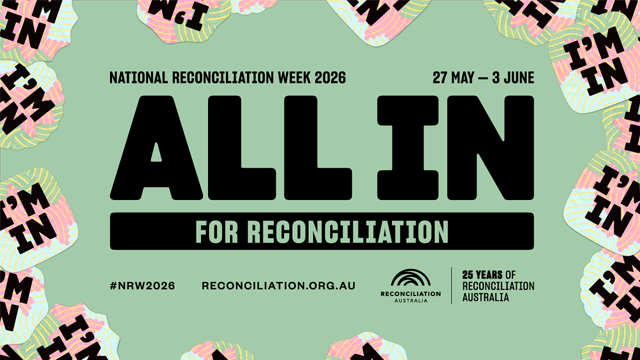
Reconciliation Week is an opportunity for all Australians to reflect on our shared history, acknowledge the cultures and contributions of Aboriginal and Torres Strait Islander peoples, and consider how we can continue building stronger relationships based on respect, understanding and truth-telling.
At the NRMA, reconciliation is not viewed as a one-day conversation, but an ongoing commitment embedded across the organisation through its people, partnerships, and reconciliation action plan initiatives.
Across the business, employees are helping shape a workplace culture where First Nations peoples feel recognised, respected, and supported to bring their full selves to work.
For long-time NRMA employee Jenni Priestland, who has been with the organisation for 23 years and now leads a large service contact centre team, reconciliation is about creating safe and respectful environments for people.
As a non-Indigenous woman, Jenni takes pride in being involved in identified role interviews and reconciliation action plan working groups, helping ensure cultural respect is reflected not only in policy, but in day-to-day leadership.
Speaking about preparing for identified role interviews, Jenni said it was important not to overcomplicate the process, but instead focus on authenticity and respect.
“Just be yourself, just be prepared,” she said. “Create a safe space for [the interviewees] and make them feel comfortable so that you can get their whole story and really get to know them.”
Jenni said undertaking First Nations training and participating in RAP initiatives gave her greater confidence in approaching interviews and leadership conversations respectfully.
“I was also conscious of wanting to get the cultural elements right,” she said. “I wanted to make sure the interview was safe... that that person felt safe, respected.”
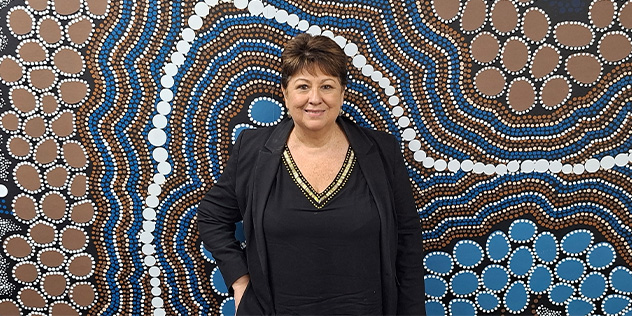
Jennifer Priestland
“The one thing that I wanted to make sure I got right was the Aboriginal terms of reference introduction that we do in the interview.” Being non-First Nations, Jenni wanted to ensure she delivered this part with respect, so candidates knew they were safe in the NRMA workplace.
“From there, it was just making sure that I was staying present with the candidate and making them feel comfortable in that as well.”
The NRMA’s reconciliation efforts also include creating opportunities for First Nations voices and perspectives across the organisation, including through internship and development programs.
Sophie Oakeshott, the NRMA’s First Nations membership intern and a proud Birpai woman with family connections to Bailai Country in Queensland, said the organisation’s visible commitment to reconciliation was one of the key reasons she wanted to work there.
“I really just love how reconciliation is one of their main points that they want to really drive home at the business,” says Sophie.
Currently completing a Bachelor of Arts in marketing and media at the University of Sydney, Sophie has spent time across multiple teams at the NRMA, including consumer insights, creative studios, Reconciliation and social media.
She said seeing reconciliation reflected throughout the organisation mattered deeply to her as a young First Nations professional entering the workforce.
|
Sophie Oakeshott |
“My identity heavily impacts how I think and feel about a business,” Sophie said. “I want to work with an organisation that’s culturally [forward] and takes reconciliation seriously.” For Sophie, the ability to show up authentically at work has made a lasting impression.
|

“From the moment I walked in, I just feel like it gives me hope that you can just turn up every day and be yourself to work,” she said.
The NRMA’s approach to reconciliation extends across many parts of the business, from internal RAP working groups to community partnerships and initiatives that promote inclusion, cultural learning, and representation.
Importantly, Reconciliation Week is also a reminder that reconciliation belongs to everyone. It is not solely the responsibility of First Nations peoples, but a shared national journey built through listening, learning and action.
As conversations around reconciliation continue to grow across workplaces and communities, organisations like the NRMA are striving to ensure those commitments are visible not just during reconciliation week, but throughout the year.
For Jenni, much of it comes back to creating environments where people feel comfortable and respected.
“I think just create a safe space for [all candidates] and make them feel comfortable,” she said.
And for Sophie, it's about seeing reconciliation treated as a genuine value, not simply a statement.
“It’s kind of a standard that I set for myself,” she said. “You don’t want to work for a business that doesn’t want to highlight your identity.”
Reconciliation Week serves as a timely reminder that meaningful change happens through everyday actions - listening, learning and continuing to walk forward together.