
Road safety for parents
Road safety begins the moment your child enters the world.
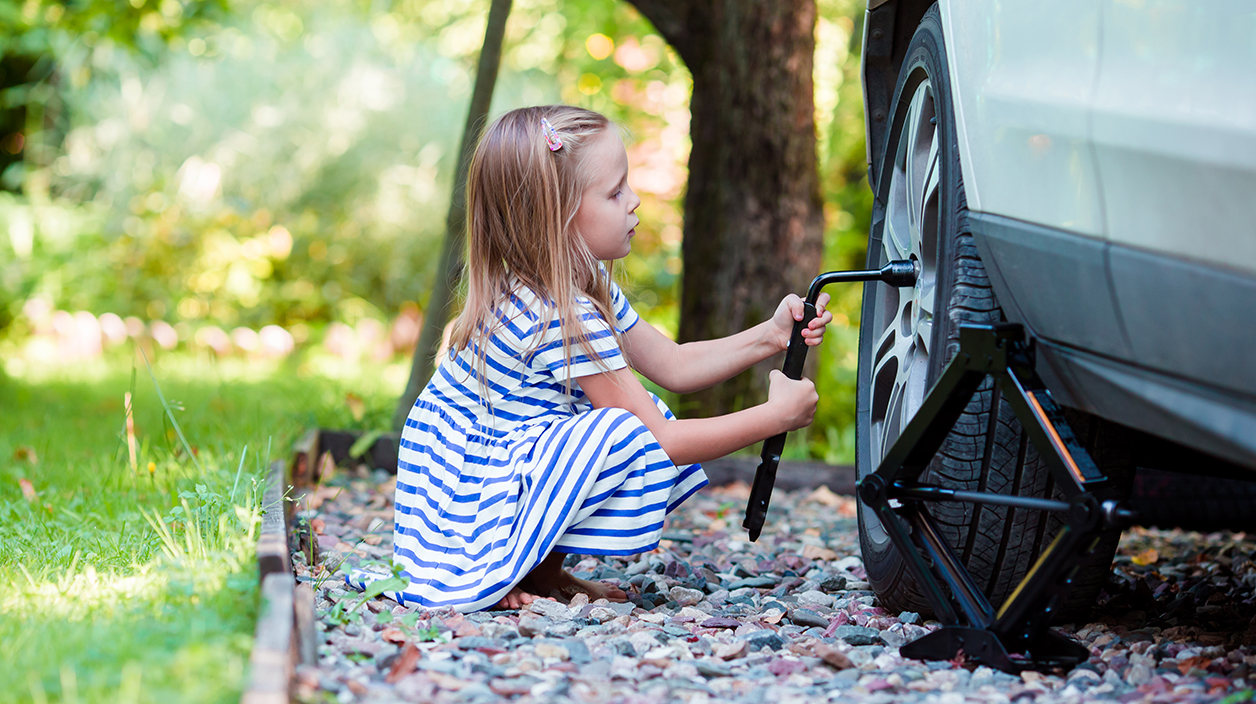
As parents and carers, you play the most important role in helping young children learn how to stay safe around roads, long before they can understand the dangers themselves. Early habits protect little ones at their most vulnerable and set the foundations for a lifetime of safer choices.
Choosing the right child car seat
Make sure your child is protected on every trip by using the right restraint for their age and size, fitted and secured correctly.

All children up to the age of seven must be in the correct restraint for their age. The penalty for not having a child in the correct restraint is $352 and three demerit points.
NSW child restraint laws:
- 0 to 6 months must be secured in a rearward-facing restraint.
- 6 months to 4 years must be in a rearward or forward-facing restraint.
- 4 to 7 years must be in a forward-facing restraint or booster seat.
Types of restraints:
- Rearward-facing restraint
- Forward-facing restraint
- Convertible restraint
- Booster seat
- ISOFIX
The child restraint safety rating
The Child Restraint Evaluation Program (CREP) gives parents ease of use and safety ratings on individual child restraints.
- Child restraints are designed to match a child's age and size.
- All child restraints sold in Australia must comply with the Australian and New Zealand Standard AS/NZS 1754.
View the CREP child car seat buying guide.
Tips for the correct use of a child restraint:
- Check that straps and belts are not twisted.
- Listen for the click when buckling your child in.
- Fit the harness firmly – only two fingers should fit between your child and the harness.
Never leave children in a car
Even on mild days, temperatures inside a car can rise quickly. Leaving a child unattended can become dangerous in minutes.

Each summer, many children are rescued from locked cars. Even on a mild day, the temperature inside a vehicle can rise rapidly, creating dangerous conditions in minutes.
Facts
- Around 75% of the temperature increase inside a car occurs within the first five minutes after doors are closed.
- Large vehicles heat up just as quickly as small ones.
- On a 30°C day, a closed vehicle can reach around 78°C. Even with windows partially open, temperatures can still climb to around 70°C.
Risks
- As temperatures rise, humidity increases and airflow drops, making it harder for a child’s body to cool itself.
- Young children are far more sensitive to heat than adults and can begin to suffer dehydration, heat stress or heat stroke very quickly.
- If a distressed child attempts to get out of their restraint, they may become entangled and at risk of strangulation.
Tips
- Never leave children in a car without adult supervision, not even for a short errand.
- Always take children with you when leaving the vehicle.
- Offer cool water regularly during trips and dress children in lightweight, light coloured clothing.
- When planning longer journeys, consider travelling during cooler parts of the day and take breaks at least every two hours.
- Avoid using sun protection hoods on rearward facing restraints, as they reduce airflow; use a visor or sunshade instead.
Stay safe on bikes and scooters
As children start to explore, it’s important they’re protected with the right gear and safe habits from an early age.

When pre schoolers ride scooters, trikes or bikes, even as passengers, they rely entirely on the adults around them to keep them safe.
Facts
- Toddlers’ heads are proportionally larger and heavier than an adult’s, increasing the force placed on their neck and skull during a fall.
- Even at low speeds, tip overs are one of the most common causes of injury for young passengers on wheels.
- A properly fitted helmet reduces the risk of head injury by spreading impact forces across the helmet shell and inner padding.
- Children learn through imitation — when adults model consistent helmet use, young children are more likely to develop lifelong safety habits.
Risks
- A helmet that is loose, tilted back or incorrectly adjusted may shift during a fall, offering little or no protection.
- Even mild falls can result in serious head injuries in toddlers due to their developing brains and limited ability to brace themselves.
- Adults riding without a helmet risk incapacitating injury. If a parent is hurt, there may be no one able to assist or comfort the child.
- Sudden stops, uneven surfaces or minor collisions can cause tip overs, even when travelling slowly.
Tips
- Ensure your toddler’s helmet sits low, level and snug, with straps correctly adjusted under the chin.
- Check helmet fit regularly — children grow quickly, and adjustments may be needed.
- Choose helmets that meet Australian Standards and replace any that have been in a crash.
- Always wear your own helmet first. It protects you and reinforces safe habits for your child.
- Treat short rides the same as long ones — helmets every time, even for a quick trip.
Staying safe in driveways
Driveways can be one of the most dangerous places for young children. Staying alert and supervising closely can help prevent serious incidents.

Tragically, on average, one child is run over in their driveway every week in Australia. In the time it takes for a driver to say goodbye and start the car, a child may have moved into the path of the vehicle.
Facts
- More than a third of motor vehicle incidents that claim the lives of pedestrians under six occur in driveways, carparks and yards.
- Children under three are at greatest risk of driveway incidents, often involving a reversing vehicle driven by someone they know.
- Many children who survive driveway incidents sustain severe or permanent injuries.
- Vehicles Testing shows that most vehicles have a large blind spot behind them. Even with parking sensors or a reversing camera, a small child, especially close to the rear bumper can remain unseen.
Risks
- Children can move quickly and unpredictably, entering the vehicle’s path before a driver has time to react.
- Children below the window and mirror height of the car are extremely difficult to see from the driver’s seat.
- Driveways are often treated as play spaces, increasing the likelihood that children wander into danger.
- Reliance on technology alone, such as cameras or sensors, can create a false sense of security.
Tips
- Treat the driveway like a small road, children should not play there.
- Supervise children closely whenever a vehicle is being moved; keep them within arm’s reach.
- If you’re the only adult at home, place children safely in the vehicle with you before reversing or moving the car.
- Use gates, fencing or security doors to restrict children’s access to the driveway.
- Walk around the vehicle before getting in, checking for children or toys that may be hidden from view.
Helpful tips
We encourage parents to have a road safety conversation with their children regardless of the recreational activity they are participating in. Highlight the key risks within their neighbourhood, or any roadway differences when on holidays, setting boundaries and running through the different behaviours they should practice when playing in the shared environment.
- Chalk drawings - ensure your child is not working across driveways or shared paths where they risk not being seen by a driver or cyclist. Always have an adult or friend standing up-right when drawing so they can be easily identified by drivers.
- Basketball hoops - when erecting a basketball hoop for your child assess the area for any obvious road safety risks in terms of visibility by drivers and driveway entrances. Encourage your child to wear bright colours when playing in the afternoon/ twilight period.
- Independent play - with older children always discuss their activity plans when organising catch-up with friends and take the relative precautions to ensure they know what to do to stay safe. Encourage them to speak up when they see friends acting in an unsafe manner. Instil confidence to act accordingly to look out for their own safety when congregating with their friends.
- Upskilling - when your child is learning a new skill ensure they adjust their road safety awareness accordingly i.e. learning to ride a bike independently will mean knowing when to sound your bell, how to behave on shared paths and how to slow down when crossing driveways.
- Safety equipment - ensure your child has the correct safety equipment for their activity. Helmets for bikes are not recommended for scooters and skate boards as they do not offer the same protection for this activity. This may mean having two separate helmets for each child depending on their activity.
- Treat all roads [even laneways and roadways within holiday parks] with caution
- Always adjust your helmet before every ride/skate to ensure it fits securely
- Bring your own helmet on holidays so that it fits properly
- Make sure to check your bike before going on for a cycle, checking the brakes, bell, reflectors, and tyres
- Avoid playing near driveways and carparks as drivers may not see you in their mirrors
- If playing a ball sport near roadways always pause play and stand in a safe spot when a vehicle is approaching
- Wear bright colours or reflective strips to improve your visibility to drivers
- Remove one earphone when listening to music on the move so you can hear any oncoming vehicles
- Always choose a safe place to cross the road regardless of how ‘quiet’ the traffic is
- When playing at skate parks or BMX tracks be mindful of your abilities and don’t overcommit to jumps or tricks before you are ready
- Always keep your parents informed of your whereabouts – make sure your mobile is charged and has credit should you need to contact them
- If you feel unsafe, say something or remove yourself from the situation.
There are always children outside and on our streets, carparks, and recreational areas. Reducing our speed and looking for children near roadways is an important practice in protecting our vulnerable road users.
- Remember that children as pedestrians and on bikes are a part of our transport network
- Understand that children may behave unpredictably and due to their small stature they can be difficult to see when driving
- Appreciate that behavioural, perception, and risk elements of children’s brains are not fully developed
- Increase your vigilance and adjust your driving accordingly on residential streets, and around facilities where children may be present such as parks, pools, and schools
- Be especially alert around zebra crossings and other crossing facilities – coast through crossing facilities with your foot covering the brake
- Take extra caution when reversing out from a driveway as it may be difficult to spot children in your rear-view mirrors
- When exiting an underground carpark ensure you approach the street with caution as the footpath is a shared space
- Take note of any increased recreational activity in your neighbourhood, i.e., newly erected basketball hoops or chalk games on the footpaths, and adjust your driving accordingly.