
Asleep at the wheel: addressing tiredness related road crashes


Feeling tired is part of everyday life. We experience it after a poor night’s sleep, a long day at work, or hours spent caring for others. For many people, tiredness feels normal, something to be pushed through.
However, tiredness does not stay harmless when we get behind the wheel. Driving while tired slows reaction times, impairs judgement, and increases the risk of a serious crash. Alarmingly, NRMA research shows this behaviour is common.
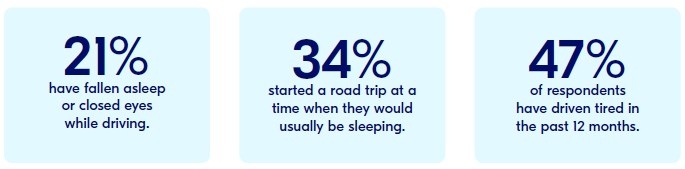
More than one in five drivers surveyed reported having fallen asleep or closed their eyes while driving. Worryingly, among those who drove tired in the past 12 months, one in five said they do so at least once a week.

What our members are saying
We surveyed 1,870 members in NSW and the ACT regarding their experiences of driving while tired.
The human cost of tired driving
- In 2025, 75 people died due to fatigue- related crashes.
- More than 40% were aged between 17 and 39.
Wake-up call for high risk groups
Fatigue has long been one of the biggest killers on NSW roads. However, the recent increase in fatigue-related crashes is deeply concerning. Last year, 75 people lost their lives in crashes where fatigue was a contributing factor. More than 40 percent were aged between 17 and 39.
Fatigue does not discriminate by distance. While it is often associated with long road trips, tiredness can be just as dangerous on short, everyday journeys.
Certain road users face a higher risk of drowsy driving, including:
- young drivers,
- new parents,
- shift workers,
- people with sleep disorders,
- and commercial drivers.
It was encouraging to see the NSW Government acknowledge the spike in young driver fatigue fatalities through the launch of a recent social media campaign targeting 17 to 39 year olds. However, this broad young age group includes other high-risk cohorts such as new parents and shift workers who may benefit from more tailored and targeted messaging and interventions.
Changing driver behaviour without enforcement remains a challenge. To effectively address fatigue-related risk, targeted education campaigns are needed for specific at-risk groups, supported by practical strategies to help drivers avoid getting behind the wheel while tired.

Find out more
Continue reading our full report to delve more into fatigue-related driving issues and proposals including safer cars and impactful road infrastructure.


