
10 winter driving tips for wet and icy roads
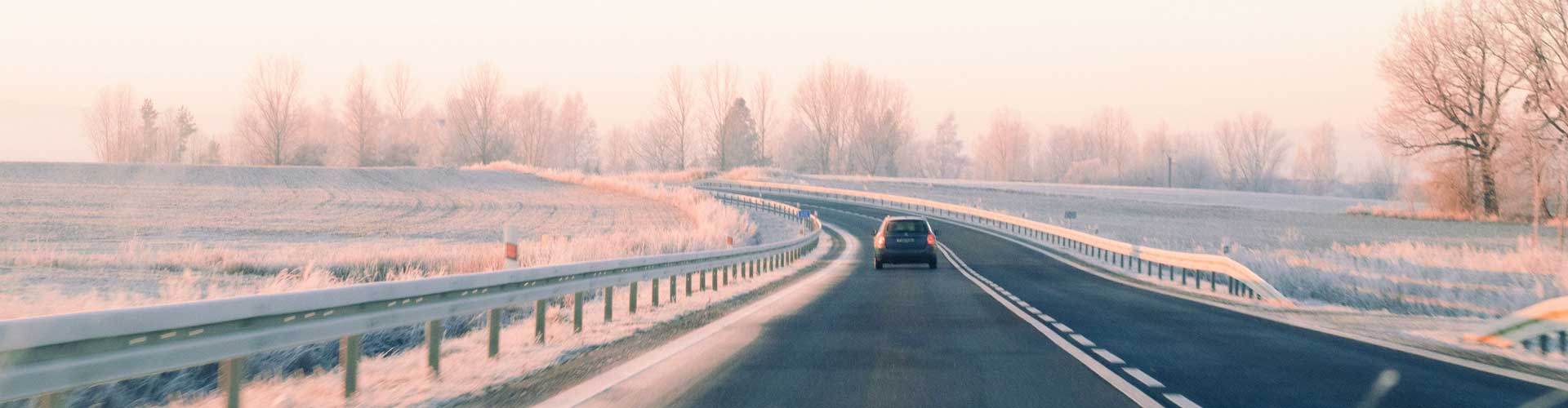
The season of seat heaters is upon us, and as rain increases, temperatures drop and Australians head off on winter holidays, it’s natural to wonder about winter driving tips for wet and icy roads.
That’s especially true if you live in the Blue Mountains and lower-lying regions including Oberon, Lithgow, Bathurst, Cabonne and Orange as well as the mid-western areas. In these parts of NSW, crashes often increase in the winter months due to ice and snow on local roads, particularly in June and July.
If you live in these areas or ones with similar climates – and even if you don’t – there are thankfully some simple steps you can take to improve your driving skills and make sure you stay safe on the roads this winter.
1. Try to drive a vehicle with both ABS and ESC
Modern vehicles come with active safety systems such as anti-lock braking systems (ABS) and electronic stability control (ESC) that can greatly reduce the risk of skidding when driving on wintry roads. One of the best things you can do for your safety if you regularly drive on wet and icy roads is make sure you’re in a car with these life-saving technologies.
2. Make sure your car and tyres are in good condition
Checking your tyres is essential for preparing your car for winter and especially when driving in wet weather. Make sure your tyres – and those of any trailers or caravans – have at least 1.5mm of tread depth across the tyre. Learn how to read your tyres’ tread-wear indicators and if you’re heading to snow-affected areas, take wheel chains and know ahead of time how to properly fit them.
3. Check the conditions and weather ahead of time
The best advice for driving on icy roads? Try to avoid them entirely. Keep informed of severe weather ny checking resources like Live Traffic NSW in your area and plan your trips accordingly.
4. Remove all snow and ice off your car properly
If you wake up to a layer of snow frosting your car all over, like a wedding cake, it’s important to properly clear the windows – don’t just make a porthole to peer out of. If you’re taking an electric vehicle to the snow, you could pre-warm the interior for comfort, and lithium-ion battery to increase range and reduce range anxiety, and activate demisters using an app on your phone to clear any snow or ice before driving.
5. Avoid driving in the early morning or overnight in sub-zero areas
Black ice can form between dusk and dawn as surface moisture and dew freeze in temperatures below zero, meaning you’re more likely to encounter it late at night or early morning. If you’re in an area that’s reached below zero overnight, consider driving later in the morning after ambient temperatures have increased and black ice is more likely to have melted. Take extra care on roads with lots of tree cover, on which black ice may take longer to melt. It can be impossible to tell black ice from a simple wet road.
6. Slow down and leave bigger gaps
When heavy rain hits, or on freezing roads, lower your speed to reduce the risk of aquaplaning and skidding. Double the gap between you and the car in front to account for longer braking distances. Increase the gap even more if you have a caravan or other trailer on the back.
7. Drive to the conditions, not necessarily the speed limit
In the five years to 2022 – the most recent data available – there were 34 crashes on snowy or icy roads in the Blue Mountains, Oberon, Lithgow, Bathurst, Cabonne and Orange regions resulting in 44 casualties including 12 serious and 24 moderate injuries, according to Transport for NSW. Of the casualty crashes, 67% were on roads zoned 100km/h and above.
8. Drive as smoothly as possible
One of the best driving tips for slippery conditions is to be gentler with your acceleration, braking and turning. Sharp or aggressive inputs may increase the risk of your vehicle losing grip or traction, resulting in a loss of control.
9. Turn on your lights during the winter months
If you live in a low-lying area prone to fog, snow, ice and rain, or with lots of shade even on fine days, it’s recommended to drive with your low beam on during the day in the winter months. No matter where you are, if it gets foggy or rains heavily while driving, turn on your fog lights if your car has them (and remember to turn them back off when it clears up).
10. Pull over if youhave toand avoid driving through water
When driving in the rain, or heavy fog, stop in a safe place if the downpour gets too heavy and wait it out. Afterwards, never drive on roads covered with water – even partially covered. A small car can be moved by water only 15cm deep.
The bottom line
Stay safe on NSW roads this winter by keeping your car and its tyres in good condition, monitoring the weather, avoiding the worst conditions and slowing down. Consider getting some advanced driver training – and if you haven’t already, that car with seat heaters (life-changing).


