Electric vehicle tyre buying guide: How and why they’re different
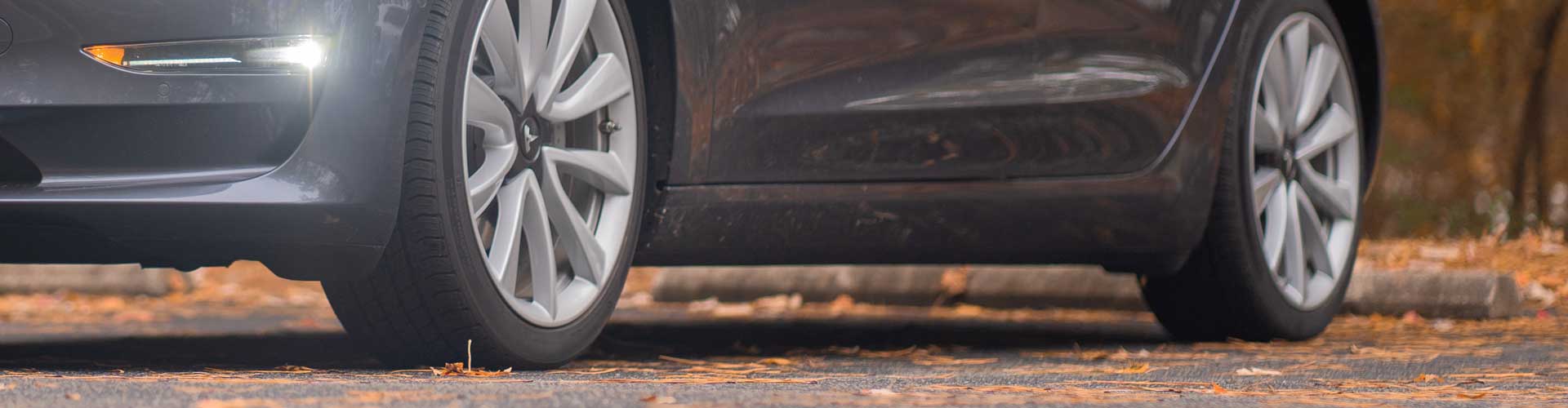
Have a look at the tyres on your electric car and you might think they look pretty standard. They’re black, round, have grooves around their circumference and lots of letters and numbers inscribed on the side.
However, the unique characteristics of electric vehicles require equally unique tyres, so when it comes time to replace them, it’s important to choose the correct rubber in order to maximise the safety, performance and efficiency of your car. So why do electric vehicles require special tyres?
What makes EV tyres different?
Before discussing what makes EV tyres different, we should detail those unique characteristics that necessitate different tyres. Battery packs are very heavy, so an electric car will often weigh 30-40 per cent more than an equivalent petrol car.
As there’s no engine or transmission, the lack of mechanical noise exacerbates road noise, so EV tyres are designed to be quieter, as well as having lower rolling resistance to extend the driving range. Electric cars also tend to be quite powerful, which combined with their greater weight increases tyre wear, so EV tyres use new materials to improve durability.
According to NRMA’s tyre partner Tyroola, Australia’s largest online tyre marketplace, when it comes to replacing your tyres, the most important consideration is the load index, ensuring that the new tyres can safely handle the weight of your vehicle. The next step is to check the EU rating and choose A-rated tyres for fuel efficiency (or range in this case) and noise. Read here to understand the code on the tyre wall.
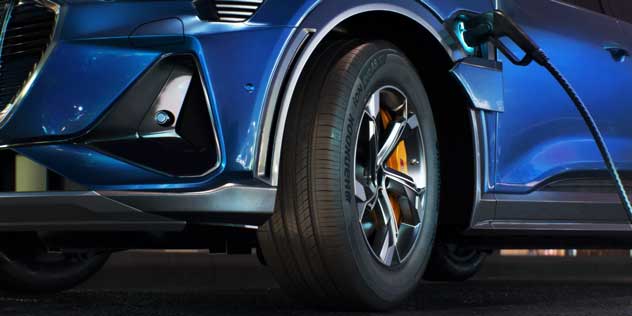
The easiest way to ensure you’re choosing the correct tyres for your EV is to choose a new set of the OEM (Original Equipment Manufacturer) tyres, but most major suppliers now offer EV-specific options, including the Pirelli Cinturato P1, Michelin Pilot Sport EV, Hankook Ion Evo AS SUV, Yokohama Advan DB V552 and Goodyear Assurance Triplemax.
— Scott Newman
Can you use regular tyres on an EV?
If for some reason you are unable to source EV-specific tyres, it is technically possible to use regular tyres on an electric vehicle, but it’s vital to ensure the load rating is sufficient for safe operation.
Regular tyres on an EV are also likely to wear out up to 20 per cent faster, reduce range and be noisier, as EV tyres use internal foam like Michelin Acoustic or Continental ContiSilent to reduce tyre roar.
This is why there is a false economy in choosing cheaper tyres as you’ll be changing them sooner, not to mention the cost of having your vehicle not performing to its full potential.
Do EV tyres wear out faster?
Even with their special construction and material advances, EV tyres will wear out sooner. Simply put, with the increased weight and tremendous instant torque of electric motors, they just have to work harder.
There are, however, a number of ways drivers can extend their tyre life. Tyroola recommends regularly checking your tyre pressures, as underinflation will dramatically increase wear, as well as rotating your tyres at more frequent intervals, every 8000-10,000km rather than the typical 10,000-15,000km.
Regular wheel alignments will also help, but the biggest factor is driving style; being smooth with the steering, brakes and accelerator will reduce the load on both your tyres and your wallet. Choosing Eco mode to reduce pedal inputs can also help.
How the NRMA can help EV drivers
By teaming up with Tyroola, My NRMA Rewards members receive 10 per cent off a set of tyres, on top of any sales or deals, in addition to free fitting when you buy any set of four Michelin or BF Goodrich tyres with more than 1000 fitting partners Australia-wide.