Tesla Model 3 and more: the top long range EVs in 2026

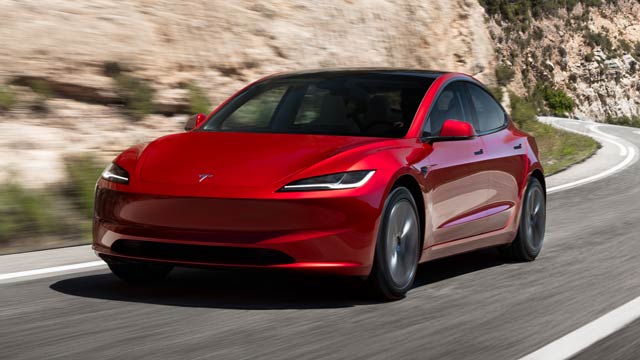
If you're looking for the longest range EV in Australia, 2026 is shaping up to be a milestone year. With more affordable EVs arriving and WLTP range figures now far exceeding 700km in some models, it's easier than ever to take long road trips without range anxiety. But which electric vehicles really go the furthest on a single charge?
In this guide, we compare the longest-range EVs in Australia using WLTP figures – a lab-tested standard that, while optimistic, gives a consistent basis for comparison. As noted, the recently updated Tesla Model 3 now tops the list. It has the longest WLTP range in Australia at a tidy 750km, while Polestar has three models in the list – the 2, 3 and 4. Porsche, BMW and newcomers IM by MG and Zeekr round out the list.
Want to know about more long range EVs on the market? Read about EVs with the longest range in 2024 here.
Longest-range EVs in 2026/2027 at a glance
- BMW i3 50 xDrive (900km)
- BMW iX3 50 xDrive (805km)
- Tesla Model 3 Long Range (750km)
- Polestar 3 Long Range Single Motor (706k)
- Polestar 5 Dual Motor (678km)
- Porsche Taycan Black Edition (668km)
- Polestar 2 Long Range Single Motor (659km)
- MG IM5 Platinum RWD (655km)
- Polestar 4 Long Range Single Motor (620km)
- Zeekr 7X RWD LR (615km)
- BMW iX xDrive45 (602km)
Top 4 longest range EVs under $70K
Tesla Model 3 Long Range (2026): 750km WLTP
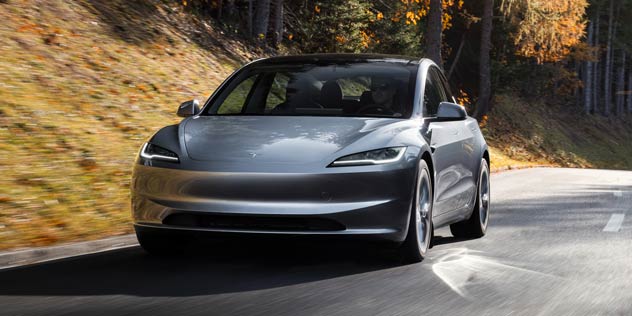
Tesla now owns the long range EV medal, and it does so at a price that undercuts most of the long-range premium field. As Tesla's longest range EV model, the Model 3 LR leans into efficiency and a very usable fast-charge setup for road trips. It’s nimble enough for daily duties, but the real win is that 750km WLTP claim paired with a straightforward charging proposition.
- Body: Sedan
- Price (before on-roads): $61,900
- WLTP range: 750km
- Power: 225kW*
- 0–100km/h: 5.2sec
- Battery: 78.4kWh
- Charge rate (AC/DC): 11kW/250kW
- Time to charge (10–80%): 29min*
* Power, time to charge estimated
Polestar 2 Long Range Single Motor (2026): 659km WLTP
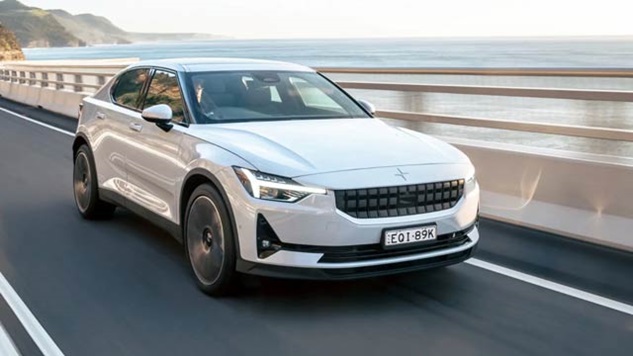
The Polestar 2 LR is the “long range EV without the mega-SUV price tag” option in this lineup. The spec sheet reads like a sweet spot: strong WLTP range, decent performance, and a DC charging figure that’s right in the zone for regular highway use. If your brief is “as many kilometres as possible for the money”, it’s one of the quiet achievers here.
- Body: Crossover
- Price (before on-roads): $66,400
- WLTP range: 659km
- Power: 220kW
- Torque: 490Nm
- 0–100km/h: 6.2sec
- Battery: 82kWh
- Charge rate (AC/DC): 11kW/205kW
- Time to charge (10–80%): 28min
MG IM5 Platinum RWD (2025): 655km WLTP
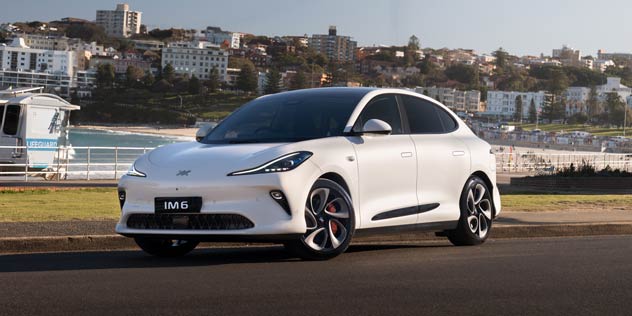
The MG IM5 makes a strong case as the long range EV value disruptor in this list: big range, big power, and a genuinely punchy fast-charge claim. On paper, 396kW DC and a 16-minute 30–80 per cent time is properly eye-catching, especially for a sedan priced under $70k before on-roads. As ever, the reality will come down to charging curve and access to high-output chargers, but the numbers suggest a car built for covering ground.
- Body: Sedan
- Price (before on-roads): $69,990
- WLTP range: 655km
- Power: 300kW
- Torque: 500Nm
- 0–100km/h: 5.4sec
- Battery: 100kWh
- Charge rate (AC/DC): 11kW/396kW
- Time to charge (30–80%): 16min
Zeekr 7X RWD LR (2026): 615km WLTP
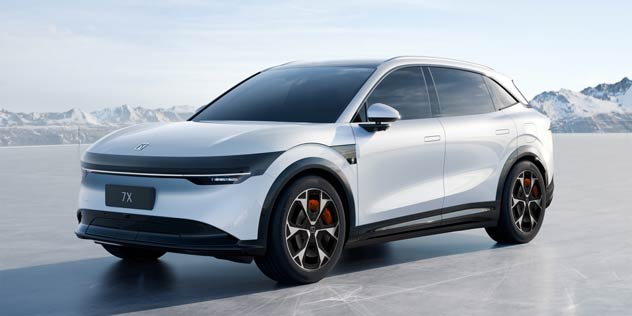
The Zeekr 7X slides into the list with a very healthy WLTP figure for a long range SUV, and its charging numbers are the real attention-grabber. A quoted 420kW DC peak and a 13-minute 10–80 per cent claim is the quickest stop here on paper, and it’s paired with 22kW AC, which is still a rarity. As always, the caveat is charger availability and how the battery holds its rate across the session, but the intent is clear: fast stops, long legs.
- Body: SUV
- Price (before on-roads): $63,900
- WLTP range: 615km
- Power: 310kW
- Torque: 440Nm
- 0–100km/h: 6.0sec
- Battery: 100kWh
- Charge rate (AC/DC): 22kW/420kW
- Time to charge (10–80%): 13min
Top 6 premium long range EVs
BMW iX3 50 xDrive (2026): 805km WLTP
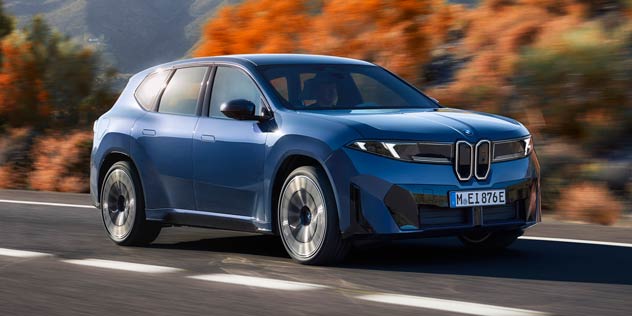
Launching in mid-2026, the BMW iX3 50 xDrive promises to be the leader in long-range EVs... until its BMW i3 Neue Klasse cousin arrives in 2027 (see below.) Until then, for a swashbuckling $109,900 before on-roads, drivers can sit behind the wheel of this luxobarge for up to 805km at a time (WLTP range, expect less in real-world conditions).
- Body: SUV
- Price (before on-roads): $109,900
- WLTP range: 805km
- Power: 345kW
- Torque: 645Nm
- 0–100km/h: 4.9sec
- Battery: 108kWh
- Charge rate (AC/DC): 22kW/400kW
- Time to charge (10–80%): 21min
Polestar 3 Long Range Single Motor (2025): 706km WLTP
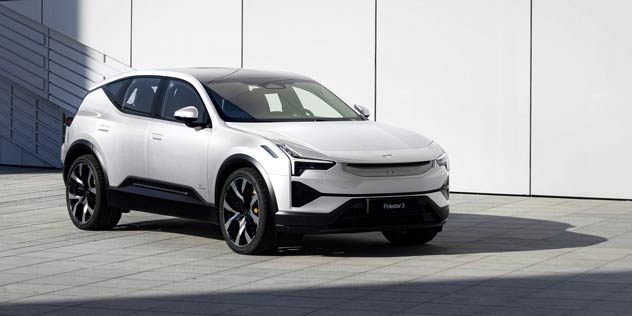
If you want a long range electric car in a proper large SUV shape, the Polestar 3 lands right near the top of the tree. A big 111kWh battery helps, but what will matter to families is the ability to back it up with strong DC charging and a 30-minute 10–80 per cent claim. It’s not chasing sports-sedan numbers off the line, but it’s a serious long-distance tourer on paper.
- Body: SUV
- Price (before on-roads): $118,420
- WLTP range: 706km
- Power: 220kW
- Torque: 490Nm
- 0–100km/h: 7.8sec
- Battery: 111kWh
- Charge rate (AC/DC): 11kW/250kW
- Time to charge (10–80%): 30min
Polestar 5 Dual Motor (2026): 678km WLTP
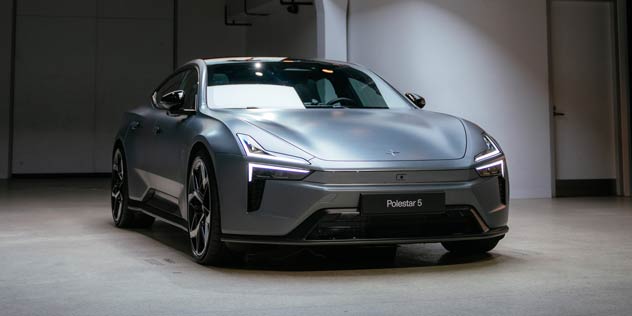
If you want a big electric grand tourer with proper pace, the Polestar 5 looks like it’s aimed squarely at the upper end of this market. Its 800V set-up, up to 350kW DC charging and strong on-paper range give it serious long-distance credentials, while the headline power figures suggest it won’t be hanging about when the road opens up.
- Body: Sports GT
- Price (before on-roads): $171,100
- WLTP range: 678km
- Power: 550kW
- Torque: 812Nm
- 0–100km/h: 3.9sec
- Battery: 112kWh
- Charge rate (AC/DC): 11kW/310kW
- Time to charge (10–80%): 22min
Porsche Taycan Black Edition (2026): 668km WLTP
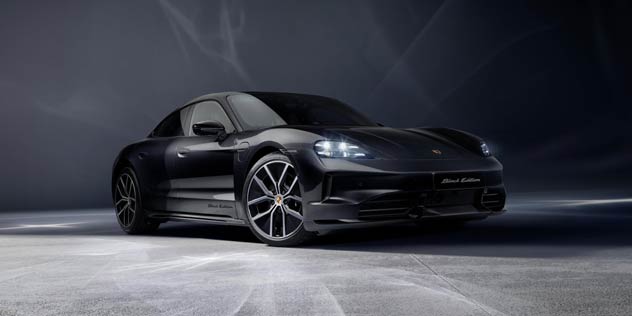
The Porsche Taycan is the performance pick for long range EVs here, but this variant also stretches the range figure well into “proper road trip” territory. The standout number is its quoted 320kW DC peak, alongside an 18-minute 10–80 per cent claim. In the real world, that kind of pace depends heavily on charger capability and battery temperature, but it’s still the sharpest charging headline in this list.
- Body: Sedan
- Price (before on-roads): Contact dealer
- WLTP range: 668km**
- Power: 320kW**
- Torque: 420Nm**
- 0–100km/h: 4.8sec
- Battery: 105kWh (97kWh usable listed)
- Charge rate (AC/DC): 22kW/320kW
- Time to charge (10–80%): 18min
** Power on overboost, torque on launch control. Combined range WLTP estimate (Porsche uses ECE/NEDC in Australia)
Polestar 4 Long Range Single Motor (2026): 620km WLTP
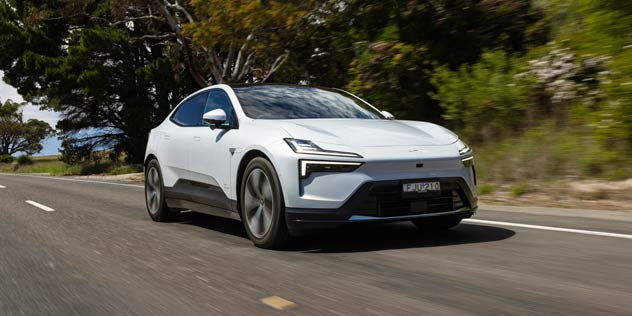
If you like the coupe-SUV vibe but still want proper touring range, the Polestar 4 LR with a single motor is comfortably over the 600km line. It’s not the quickest here, and its DC number is more conservative than the headline grabbers, but it still posts an even 30-minute 10–80 per cent claim. For many buyers, that’s the liveable balance: good distance, predictable stops, and a premium-feeling package.
- Body: Coupé
- Price (before on-roads): $78,500
- WLTP range: 620km
- Power: 200kW
- Torque: 343Nm
- 0–100km/h: 7.1sec
- Battery: 100kWh
- Charge rate (AC/DC): 11kW/200kW
- Time to charge (10–80%): 30min
BMW iX xDrive45 (2025): 602km WLTP
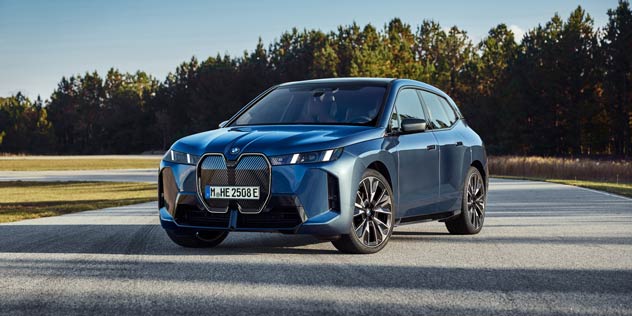
The BMW iX xDrive45 is the torque champ of this group, and it’s an easy car to imagine swallowing big highway kilometres in comfort. Its DC peak is lower than several newcomers here, and the 34-minute 10–80 per cent claim reflects that, but 602km WLTP still puts it in the long range EV conversation. If you’re prioritising a big, premium SUV experience and strong overtaking shove, and have the budget to match, it remains a serious option.
- Body: SUV
- Price (before on-roads): $142,900
- WLTP range: 602km
- Power: 300kW
- Torque: 700Nm
- 0–100km/h: 5.1sec
- Battery: 94.8kWh
- Charge rate (AC/DC): 22kW/175kW
- Time to charge (10–80%): 34min
Long-range EVs coming in 2027
BMW i3 50 xDrive: 900km WLTP
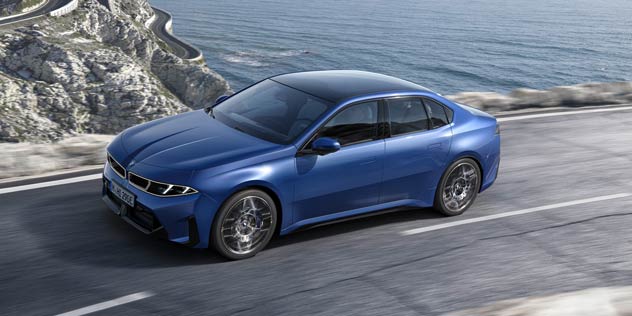
Also of note, though not arriving until 2027, is the BMW i3 which has assumed the name of its diminutive predecessor, the first generation electric BMW i3 hatch. Confirmed for Australia by BMW HQ, the first variant to launch is the i3 50 xDrive, which the German carmaker says will be rated for a market-leading 900km WLTP driving range. While it's unlikely it will be able to do the Sydney to Melbourne dash in one single charge (though we wouldn't mind giving it a go), this second iteration of BMW's Neue Klasse generation of EVs will definitely enable a few public chargers to be skipped along the way. Pricing and full specs will be announced closer to launch date, but here's what we know:
- Body: SUV
- Price (before on-roads): TBC
- WLTP range: 900km
- Power: 300kW
- Torque: 700Nm
- 0–100km/h: 5.1sec
- Battery: 94.8kWh
- Charge rate (AC/DC): 22kW/175kW
- Time to charge (10–80%): 34min
A quick reality check on range and charging
WLTP range is a figure based on a lab test intended as a guide, not a guarantee. It typically is based on a combined figure including town and highway simulations. Faster highway speeds, cold mornings, roof loads and sports tyres can all pull your real-world range down. Here's how to understand range and plan an EV road trip.
Fast-charge times, also, are best-case. You’ll get the quickest sessions when you arrive with a warm battery and a low state of charge, on an EV charger that can actually deliver the peak rate your car supports.
For road trips, the charging curve matters as much as the peak kW. A car that holds a strong rate for longer can feel quicker door-to-door than one that flashes a huge peak and then tapers hard.
Have we missed anything? Sing out on our socials.