
2026 BYD Atto 2 international review

Chinese electric vehicle (EV) specialist BYD has commenced its next tranche of model releases in Australia, and it’s kicked off with with the all-electric 2026 BYD Atto 2 small SUV.
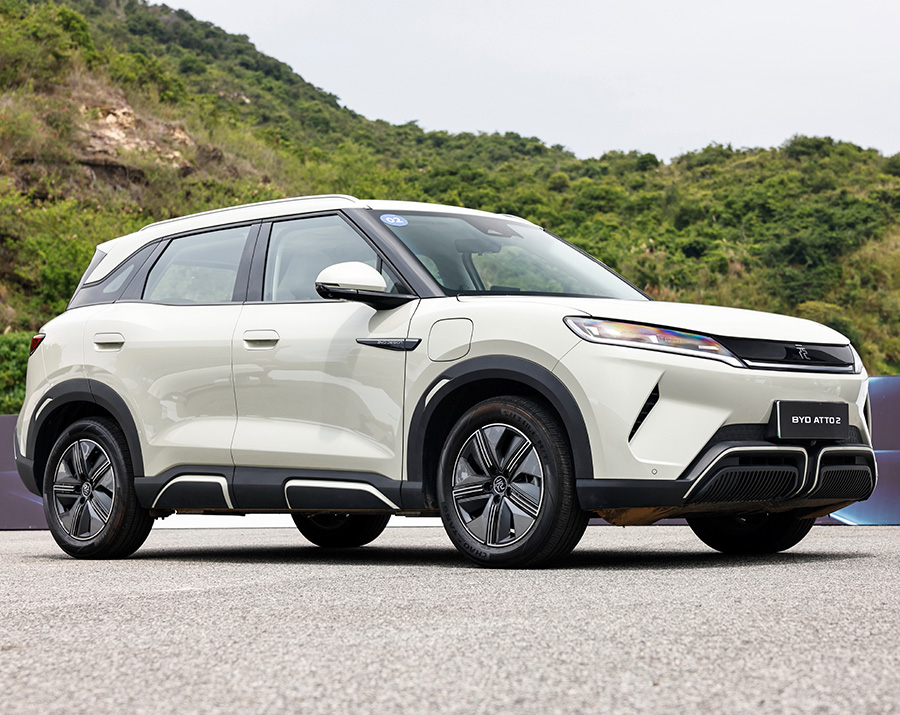
The ‘Atto’ name isn’t new Down Under, with the slightly larger BYD Atto 3 launching here as one of the cheapest EVs on the market in the middle of 2022 and enjoying strong sales thereafter. Following a similar recipe, only in a package that’s 145mm shorter and 45mm narrower, the smaller 2026 BYD Atto 2 looks to win over buyers in the segment with sharp design and strong value.
Ahead of the Atto 2’s slated Australian release in late 2025, we headed over to China and got behind the wheel to tell you what we think.
How much does the 2026 BYD Atto 2 cost?
The 2026 BYD Atto 2 is available in Australia in entry-level Dynamic and uprated Premium trims, with price of entry coming in at almost 15 per cent less than the Chery E5 (from $36,990 before on-roads) to claim the title of Australia’s cheapest all-electric SUV.
Buyers can get into an Atto 2 in base Dynamic trim from $31,990 before on-roads, with the top-spec Premium starting from $35,990, with both variants packing a 51kWh battery that provides 345km of WLTP range
Almost identical in size to the Atto 2 is the BYD Dolphin electric hatchback, which is priced between $29,990 to $36,990. The larger Atto 3 starts at $39,990 and rounds out at $44,990 (all costs are before on-roads).
What is the 2026 BYD Atto 2 like inside?
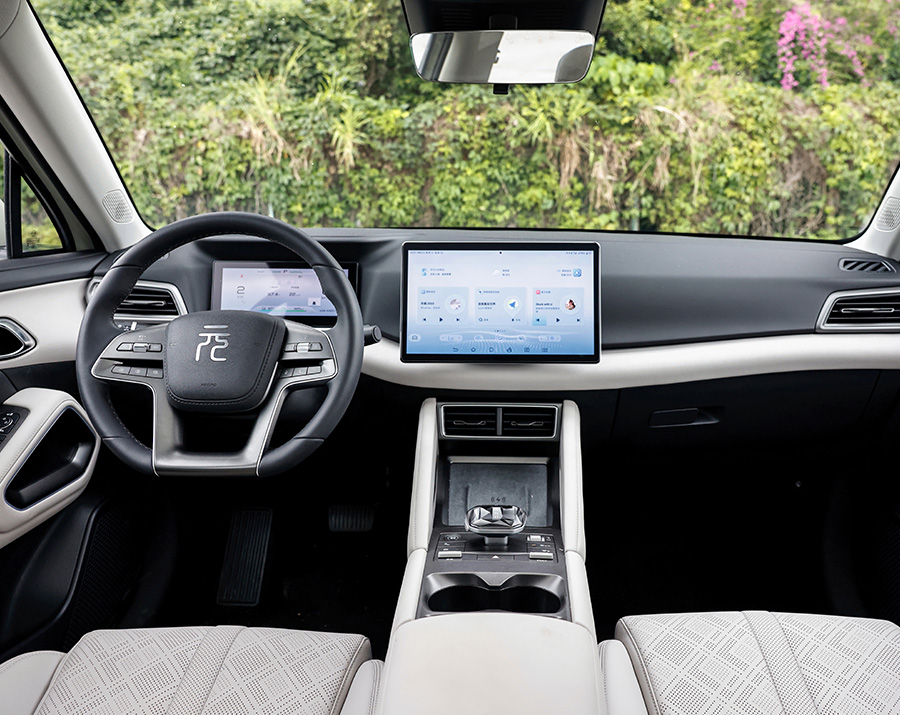
We thought the 2026 BYD Atto 2’s cabin was well appointed, even with our local price estimates exceeding its eventual sticker price.
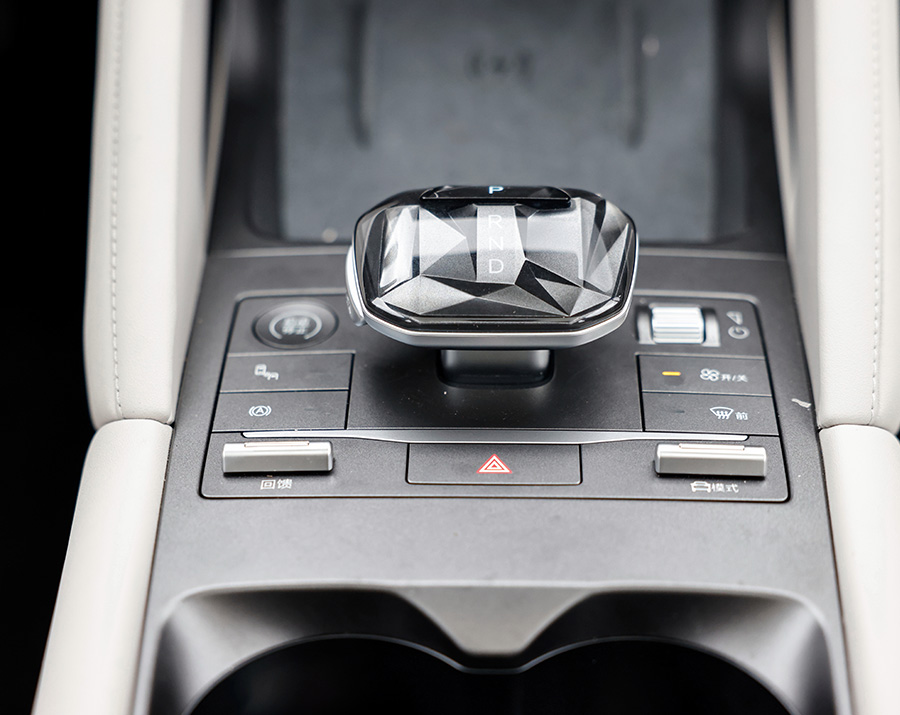
Soft-touch materials are used throughout, with perforated synthetic leather featuring on seats, the multi-function steering wheel, armrests and door cards. Overall, the cabin gives a sense of being solidly pieced together, with no noticeable play or squeaks found in any trimmings – in our Chinese-spec test car at least.
Ergonomics are impressive: seats provide excellent support and comfort (both front and rear); hands fall into place naturally on the steering wheel; key controls are all within reach; and the overall driving position feels optimised for both engagement and visibility.
Inside, the Atto 2 is capacious and it matches its larger Atto 3 sibling’s 1340-litre seat-down storage despite being 145mm shorter and 45mm narrower (at 4310mm versus 4455mm and 1830mm versus 1875mm). A 400-litre boot capacity is respectable given a clear emphasis on rear-seat passenger comfort, but it does fall far behind its comparably sized Kia EV3 (460 litres) rival.
An 8.8-inch driver display shows all pertinent information, while infotainment and climate controls are housed in a large centre touchscreen. As per BYD’s other models, the screen is able to rotate between portrait and landscape and measures 10.1 inches in Dynamic trim and 12.8 inches in the Premium.
The infotainment software installed in our Chinese domestic market test cars proved to be responsive, though on-screen air conditioning controls (in place of hard buttons) can prove tedious to adjust.
What equipment does the 2026 BYD Atto 2 come with?
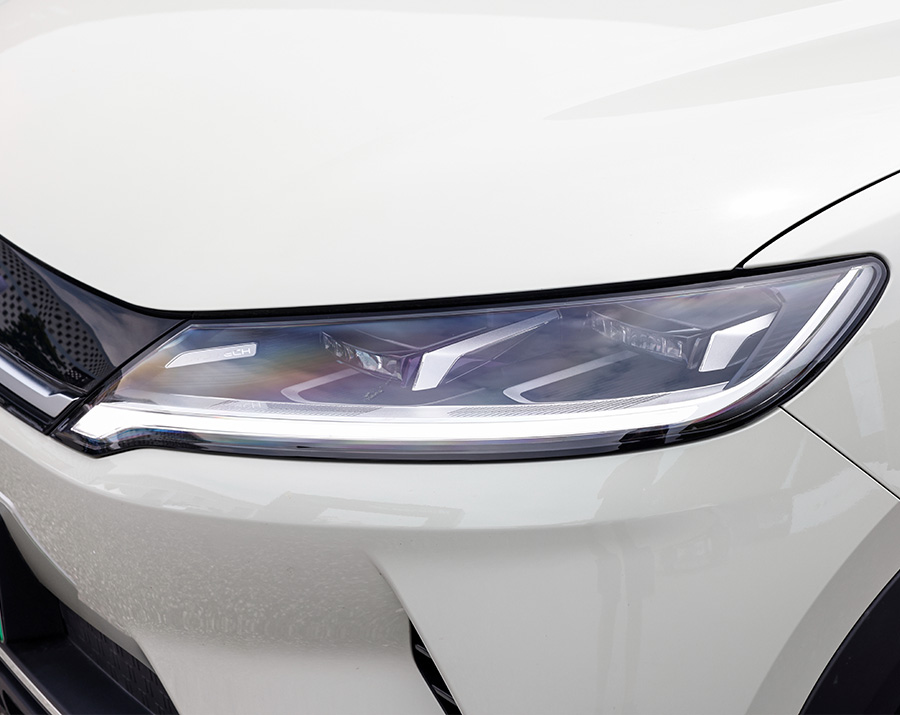
Kit is extensive, even with the lean price. Entry-level Dynamic gets 16-inch alloys, wireless Android Auto and Apple CarPlay, heated front seats, a score of USB-A and -C ports, LED head and tail lamps, and electric heating on manually adjusted seats.
Moving to Premium grows wheels to 17 inches, while also adding that larger screen mentioned above, electrically retracting side mirrors, heating, ventilation and electric adjustment to front seats, a more premium sound system and wireless phone charging, and an auto-dimming rear-view mirror.
— Liam Murphy
How safe is the 2026 BYD Atto 2?
The 2026 BYD Atto 2 has not undergone testing by ANCAP or Euro NCAP for a crash rating.
In terms of safety equipment, Australian-delivered Atto 2s come with adaptive cruise control, six airbags, and a reversing camera – which is upgraded to a 360-degree camera in the Premium grade.
In other regions, the Atto 2 comes standard with a driver monitoring system, blind spot detection and automatic emergency braking. It’s yet to be confirmed if they will make their way into Aussie-spec cars.
What powers the 2026 BYD Atto 2?
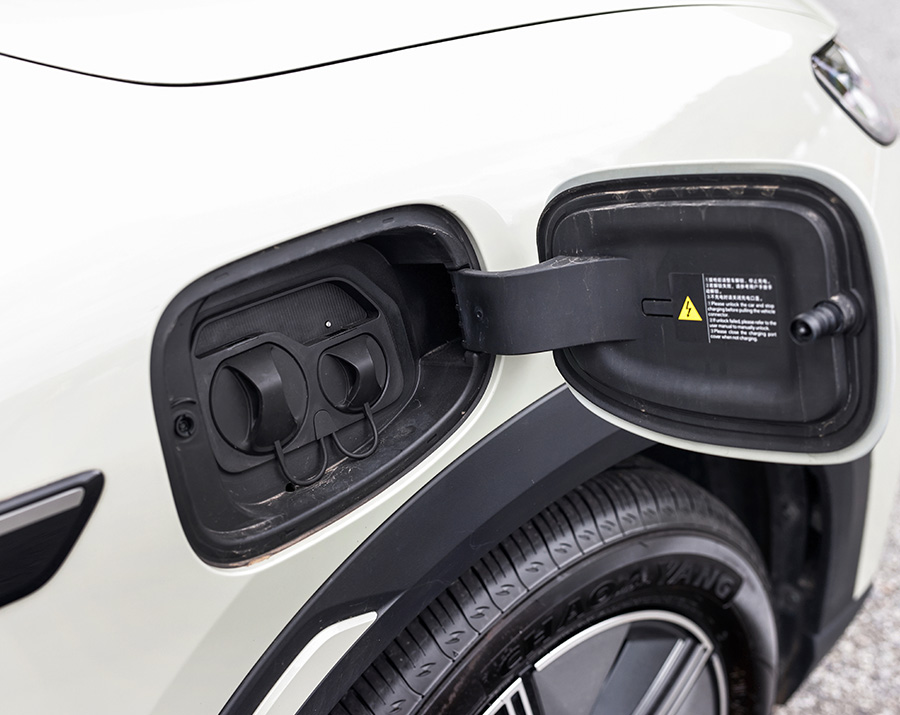
Both Dynamic and Premium grades come fitted with the same 51kWh lithium-ion phosphate (LFP) battery packs, connected to a single electric motor driving the front wheels. Outputs for Australian variants are rated at 130kW and 290Nm
According to the WLTP standard, BYD Atto 2 is rated for 345km of driving range
‘Cell-to-body’ architecture is used for the Atto 2, meaning its battery pack reinforces the chassis, increasing rigidity by a claimed 32 per cent. This translates, in theory, to improved ride and handling.
What is the 2026 BYD Atto 2 like to drive?
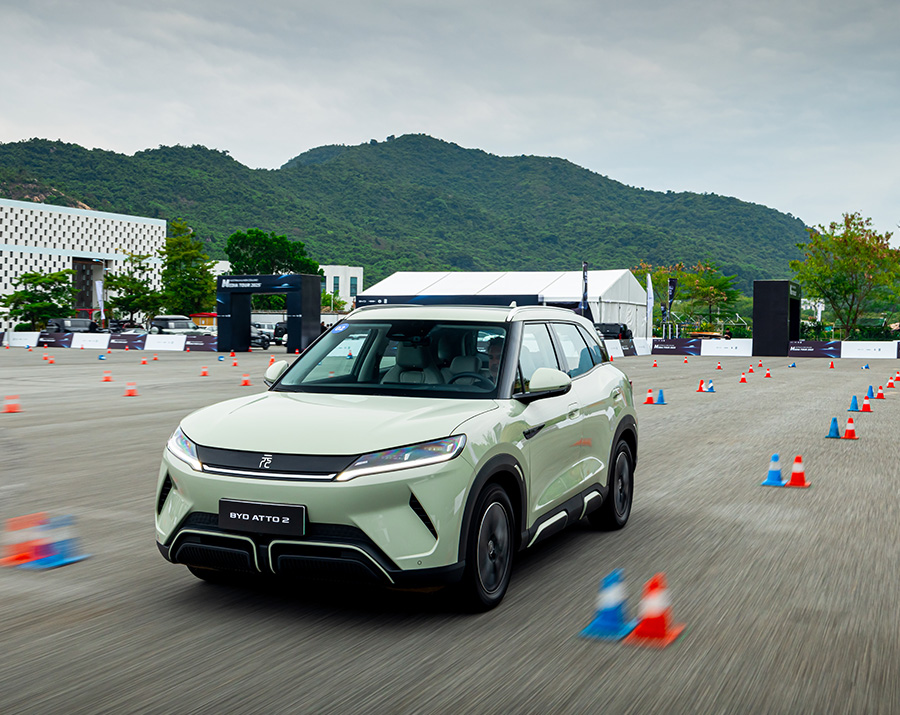
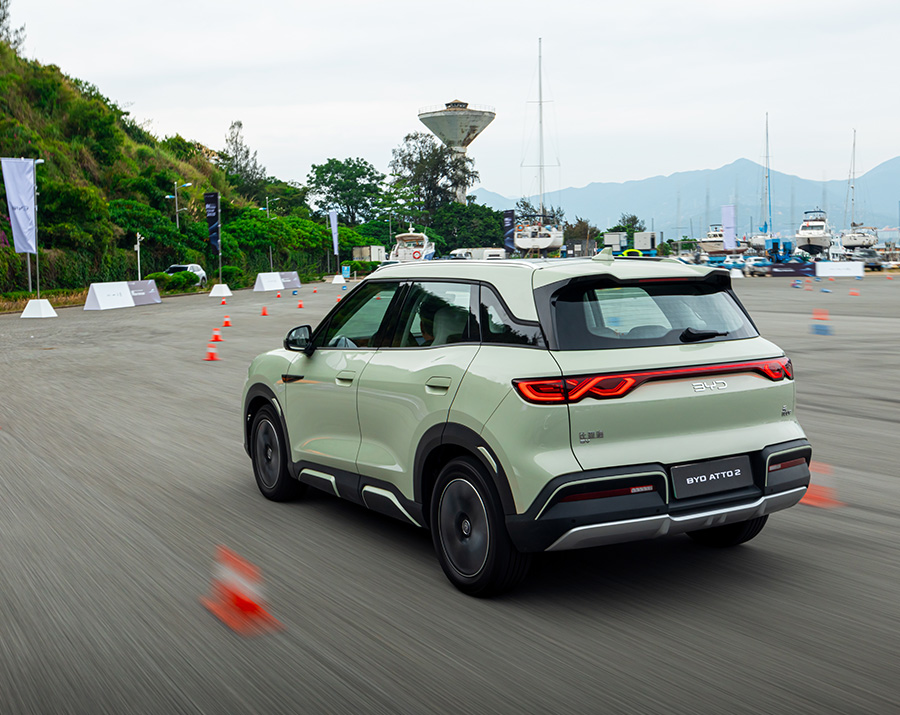
Sadly our time behind the wheel in China wasn’t spent on public roads but instead weaving a complex course of witches hats through a large carpark. Here, the 2026 BYD Atto 2 proved to be an unexpectedly engaging driver’s car.
The chassis, benefiting from that cell-to-body design stiffness and an (all things considered) pretty light weight of 1570kg, showed great balance and a genuine eagerness to rotate.
Visibility (in all directions) and lateral seat support are great, keeping drivers in a comfortable and neutral position regardless of steering lock or G-forces. We couldn’t get the Atto 2 up to highway cruising speeds on our tight course, but it did show good bump absorption characteristics in all conditions we were able to create. Noise suppression in the cabin seemed acceptable.
Brake pedal bite, feedback and regeneration are as polished as anything in the segment, however steering feel and calibration is worlds behind the benchmark, with a lot of dead space and inconsistent feedback detracting from what is a fun handling package.
Thankfully, the latter only presents itself when the car is pushed, and the steering shows good weight and directness at lower stress levels.
Our Chinese-spec test vehicle, producing only 70kW and 180Nm compared to the 130kW and 290Nm Australian-delivered models will have, easily overwhelmed its front tyres with any steering angle and a jab of the accelerator.
We would very much like to see an uprated tyre and some local steering tuning done before the Atto 2 sees Australian roads.
Open Road’s take on the 2026 BYD Atto 2
The 2026 BYD Atto 2 shows promise as a sturdy electric all-rounder, combining a well laid out and spacious interior with adequate handling characteristics.
Final pricing and specification are impressive, and the Atto 2 should have great appeal to Australians. Time will tell if there’s enough of a gap between the Dolphin and Atto 3 for the Atto 2 to slide into, but we think it’s a worthy addition to the line-up.
For now, the takeaway is that it doesn’t get anything majorly wrong.
Pros: sharp design inside and out; fun in the corners; refined ergonomics.
Cons: would benefit from an Aussie handling tune; untested through ANCAP


