2026 Honda Prelude e:HEV launch review

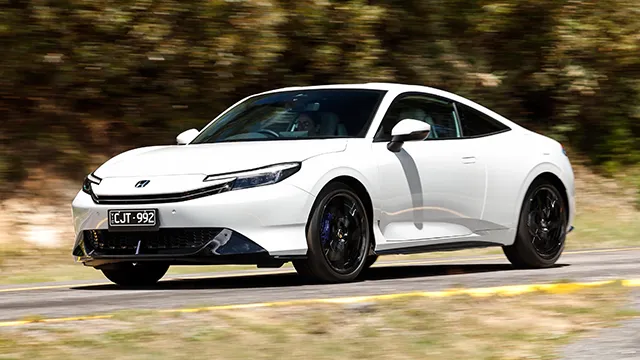
Honda has a driver’s car legacy few brands can match.
Starting out as a motorcycle manufacturer, its first passenger car was the sensational S500 convertible with an epic little engine capable of spinning beyond 9500rpm. A bike-powered roadster, essentially.
Since then, Honda has become synonymous with sporty cars, including the Prelude that vied with the Toyota Celica for coupe leadership since launching in 1979. Out of production for a quarter of a century, the old badge is back for its sixth outing, as Australia’s only affordable hybrid coupe.
How much does the Honda Prelude cost?
Available in a single, well-specified grade, the Prelude e:HEV starts from $65,000 drive-away.
This neatly bisects the smaller Mazda MX-5 RF, Toyota GR86 and Subaru BRZ that cost a little less, and brawnier Nissan Z, Ford Mustang and BMW 230i that cost a lot more.
It’s also cheaper than the Volkswagen Golf GTI and Honda’s own Civic Type R hot hatches, and is the sole hybrid of the whole bunch.
What is the 2026 Honda Prelude like inside?
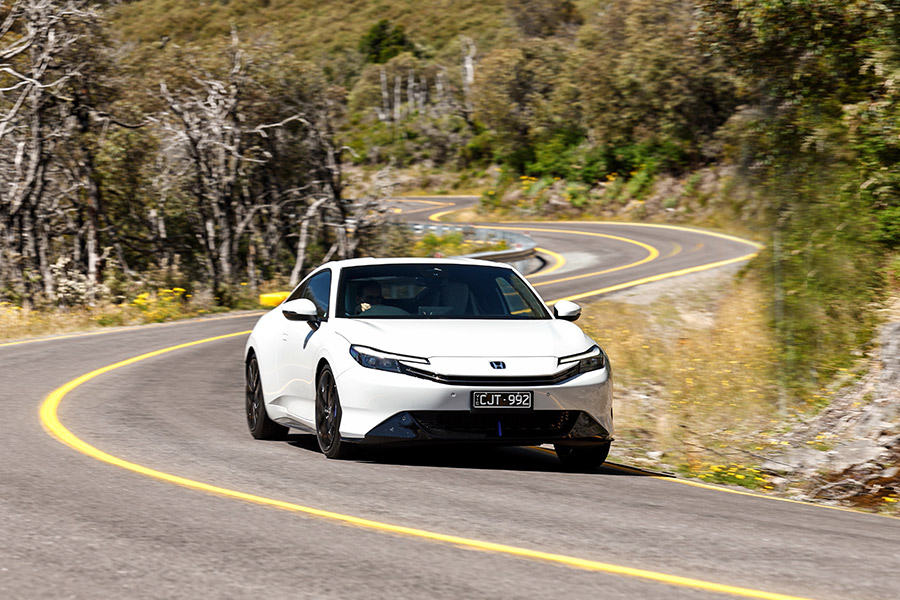
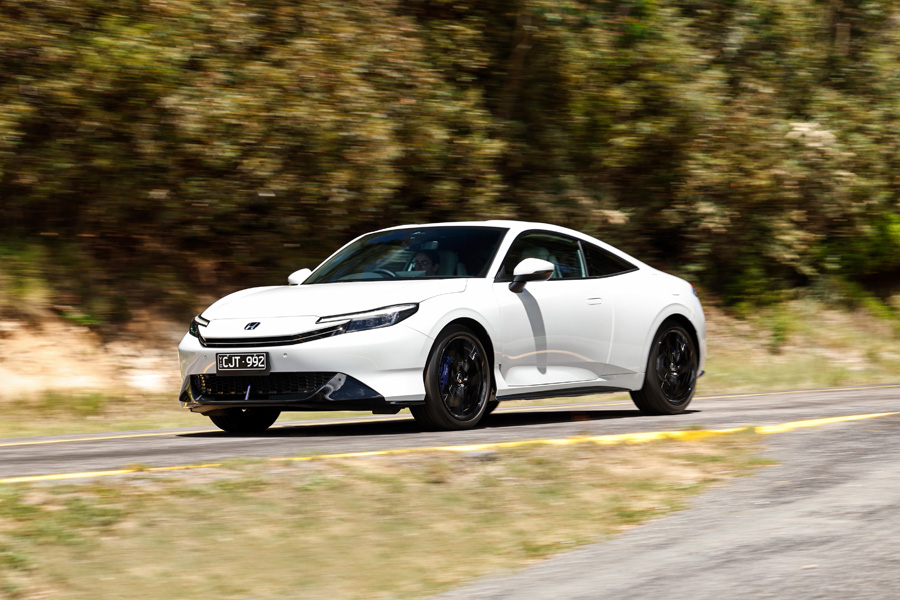
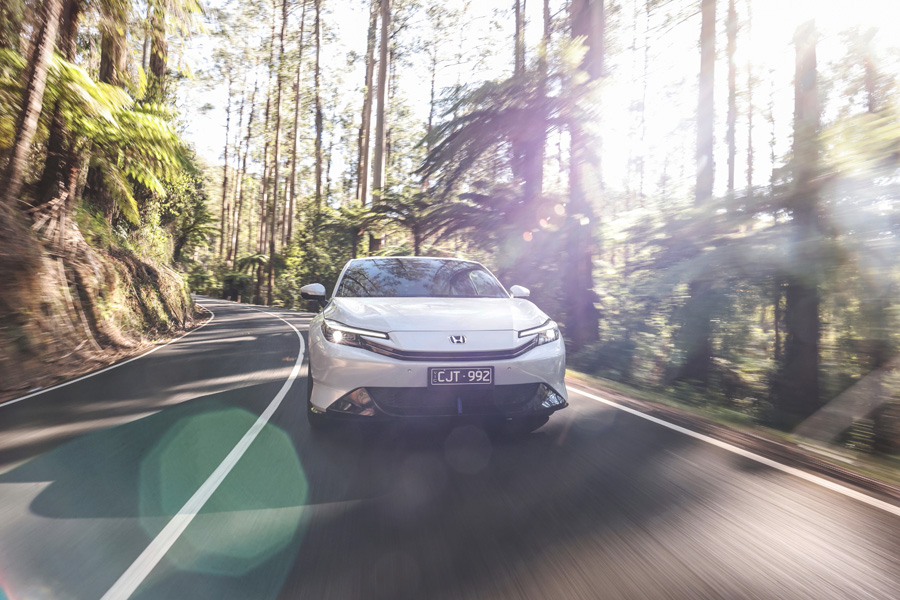
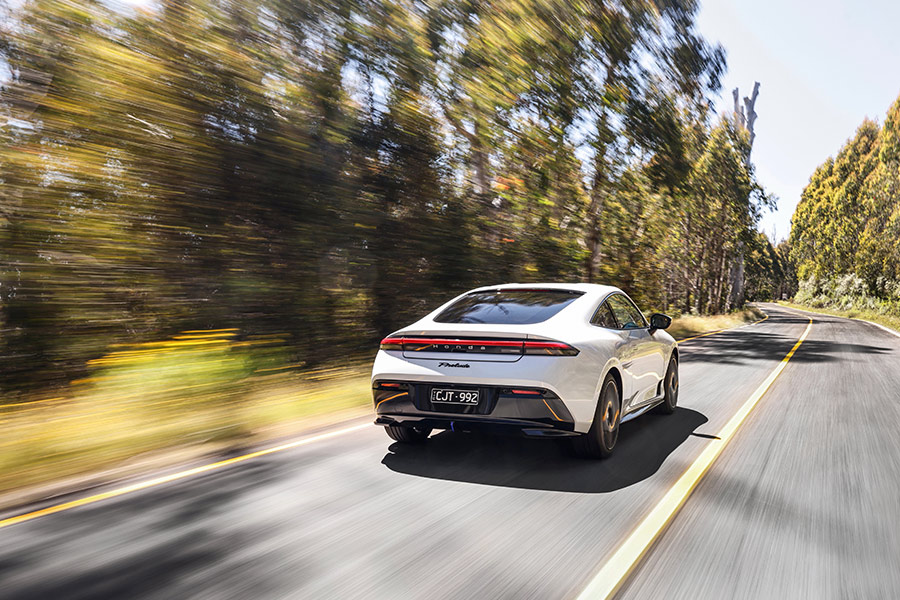
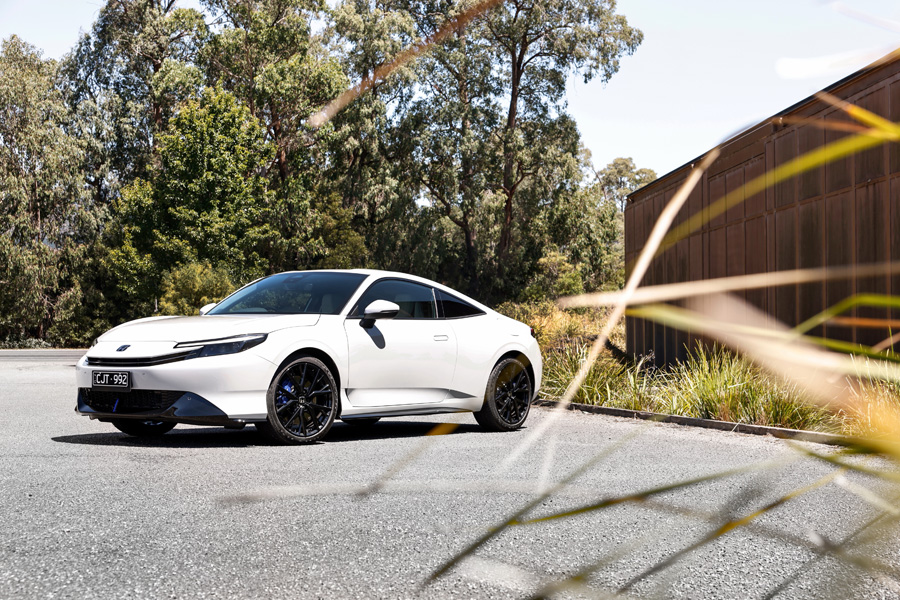
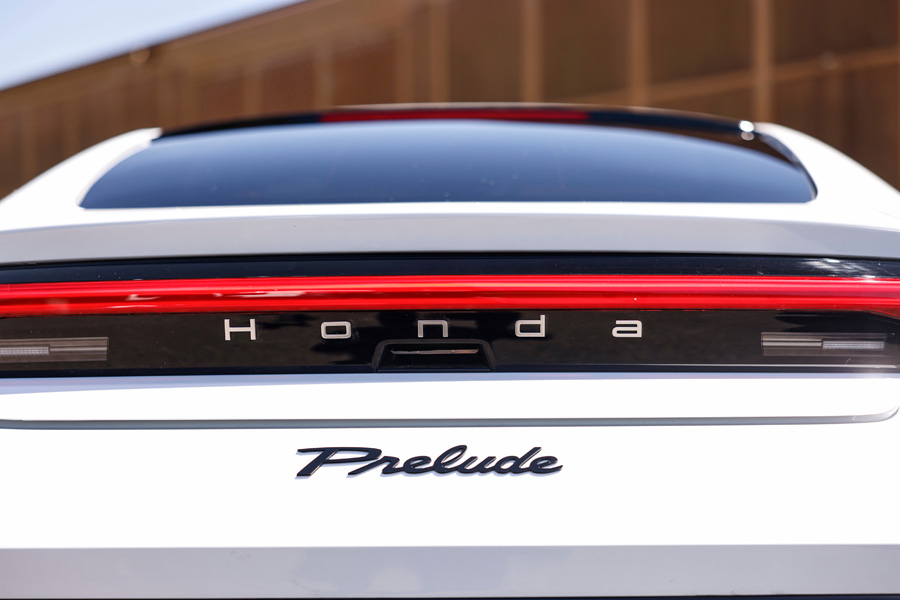
As the striking, slinky styling suggests, the Prelude is a low-slung coupe, emphasising front-seat space, comfort and attention to detail.
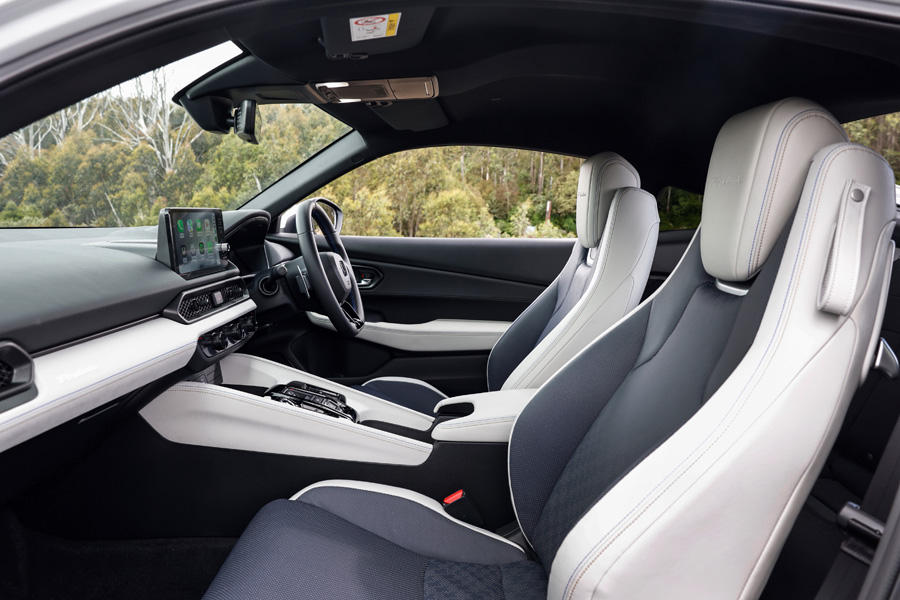
Superb sports seats feature soft side bolsters that both brace and assist with entry/egress, while the driving position is excellent. The dashboard is typical Honda in its clean and logical layout, dominated by elegant digital dials, as well as a modest central touchscreen for accessing multimedia, phone, vehicle settings and more.
That said, the Prelude’s most entertaining elements won’t be found in any display.
Always welcome are physical buttons for the fine climate control set-up, especially when they’re as satisfyingly tactile as these. The vent joysticks are delightful, as are the many metallic finishes, textured plastics and contrasting trim that elevate the Honda’s ambience. The premium sound system provides a sonic treat, while the raised centre console, which allows for extra storage and other practicalities, is beautiful in white.
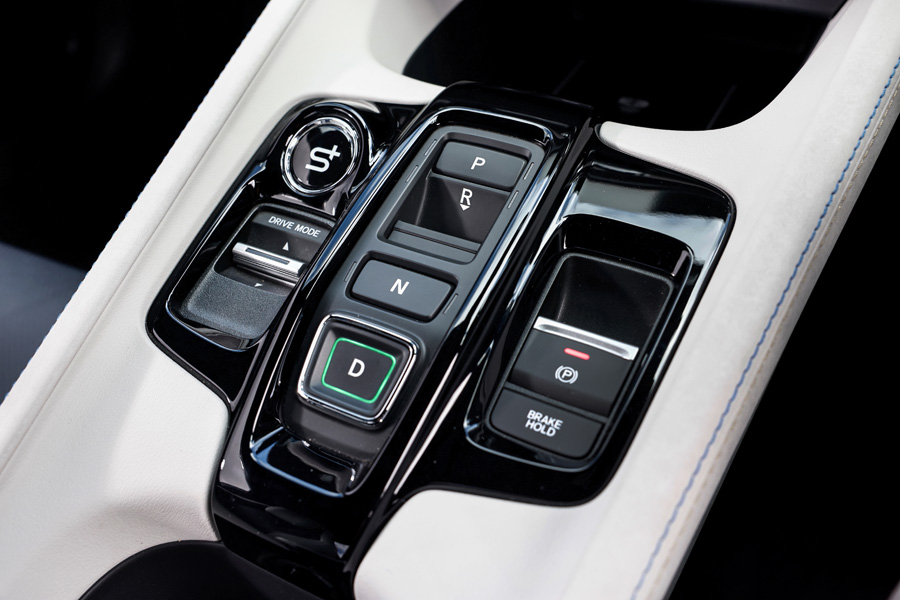
Deeper scrutiny does reveal compromises, however, like a lack of overhead grab handles, a confusing gear selector arrangement, fiddly exterior door handles and a flimsy (manual) driver’s seat lever. All are jobs for the facelift.
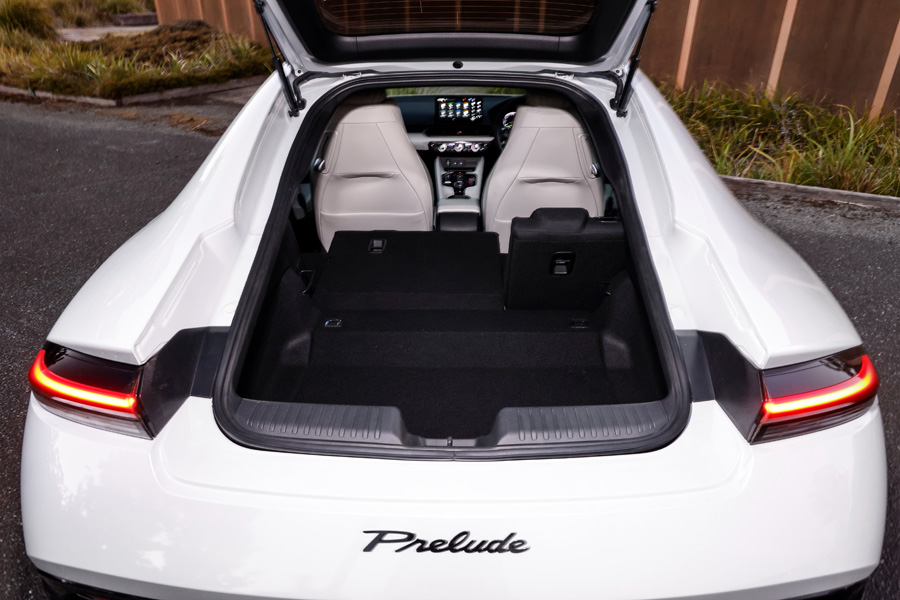
Unsurprisingly, the back seats are basic, kids-only propositions, with head room non-existent for most adults.
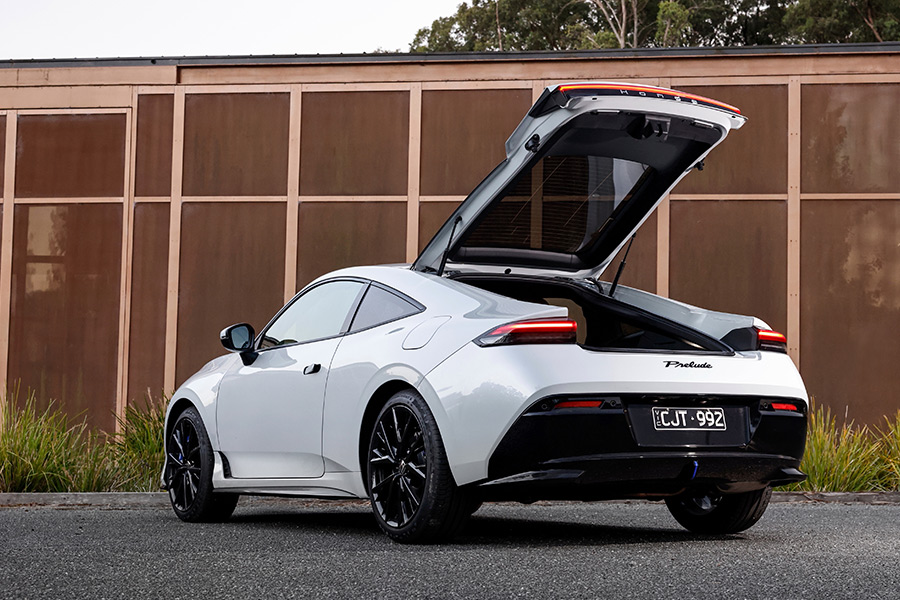
At least the 50/50 backrests fold, extending cargo capacity from 264 litres to 633L (VDA), and reachable via a Prelude-first tailgate. No spare wheel is disappointing, since a tyre repair kit is insufficient.
What equipment does 2026 Honda Prelude come with?
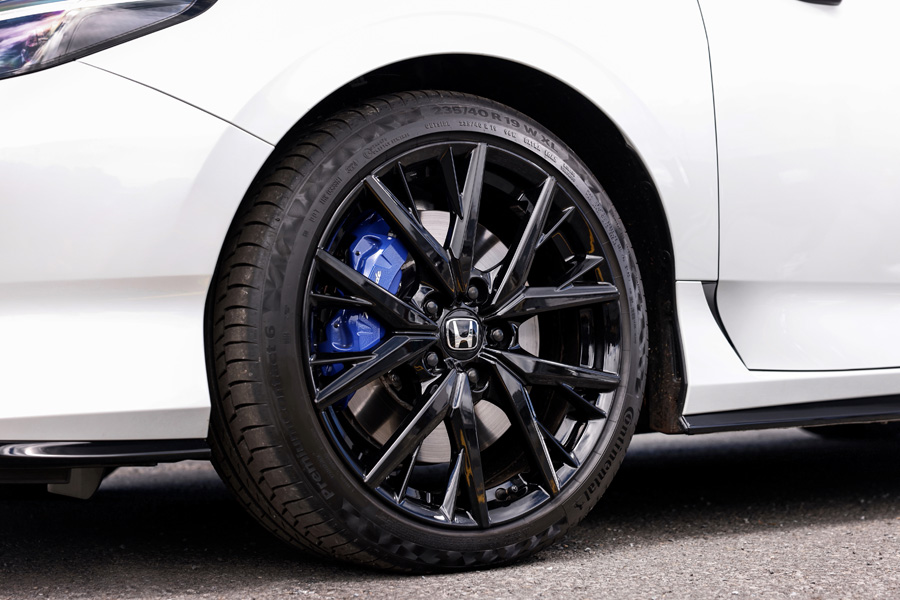
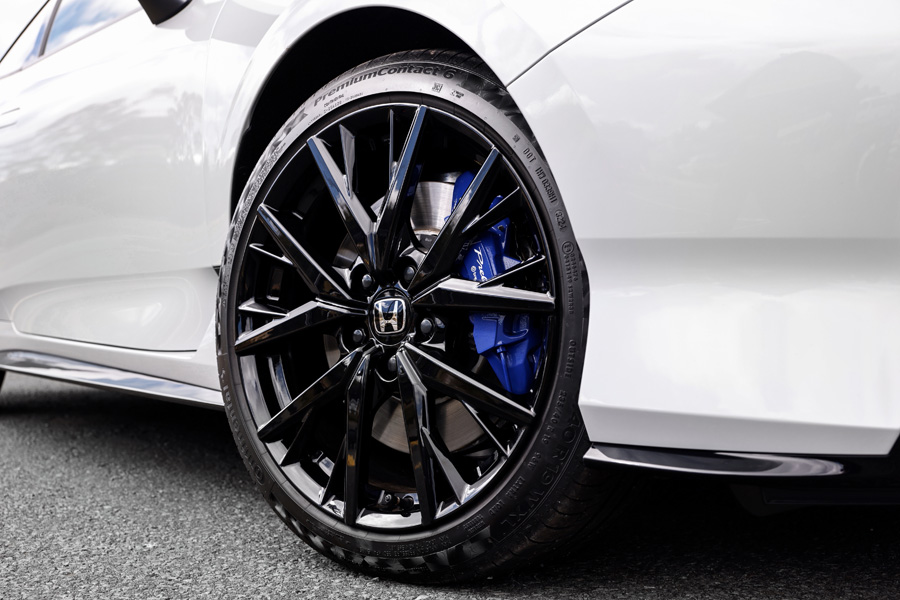
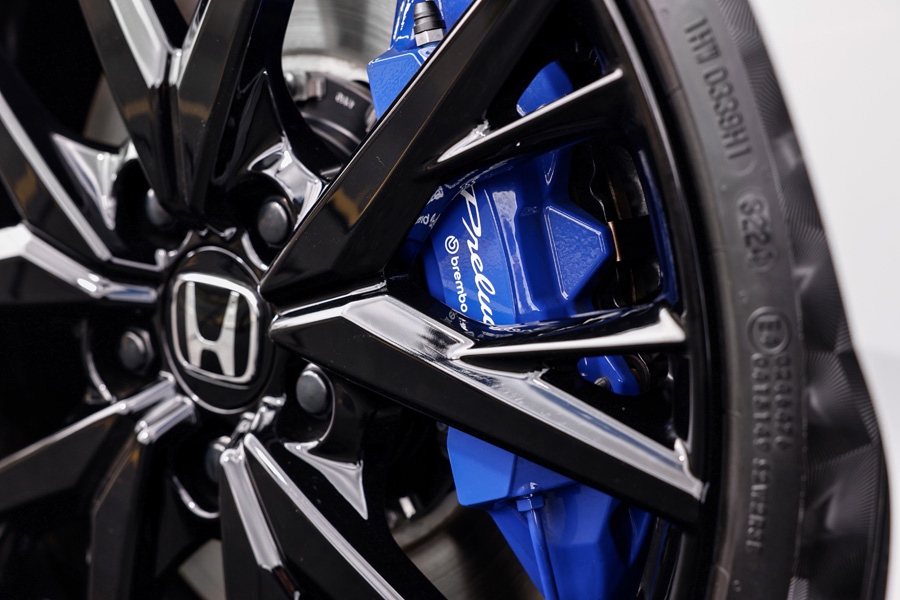
Previous Preludes were Accord-based. The newcomer employs the Civic’s architecture, inheriting the thoroughbred Type R’s trick dual-axis strut front suspension, adaptive dampers, front Brembo brakes and more. This is not just a show pony.
Also fitted are adaptive cruise control, dual-zone climate control, active noise cancellation, leather and heated front seats, a 9.0-inch touchscreen, Bose audio, wireless Apple CarPlay/Android Auto, a smartphone charger, USB-C ports, a free three-year subscription to Google Built-In and Honda Connect remote-car access app, and 19-inch alloy wheels wearing specific Continental tyres.
How safe is the 2026 Honda Prelude?
Honda says there is no ANCAP safety score for the Prelude but emphasises the body’s extra bracing and energy-dispersing properties.
A number of advanced driver-assist systems (ADAS) technologies are present, including Autonomous Emergency Braking (AEB), Road Departure Mitigation, Lane Departure Warning/Assist, Rear Cross Traffic Alert, Post Collision Braking, Blind Spot Warning, Traffic Sign Recognition, Auto High Beam and adaptive cruise control with Traffic Jam Assist.
There are also 10 airbags, including one between the front seats and dual knee airbags, as well as two Isofix anchorage points and a pair of tether points within the rear seats.
— Byron Mathioudakis
What powers the 2026 Honda Prelude?
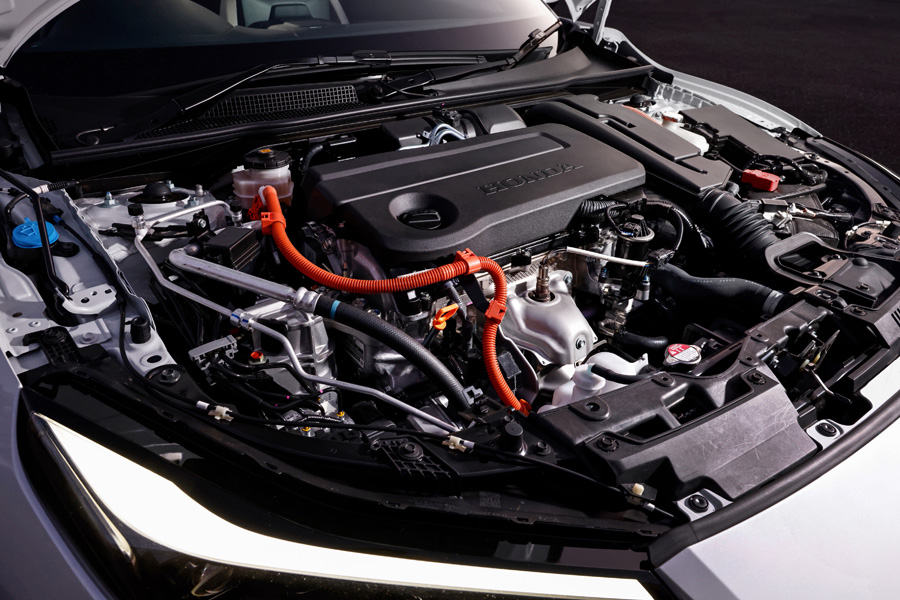
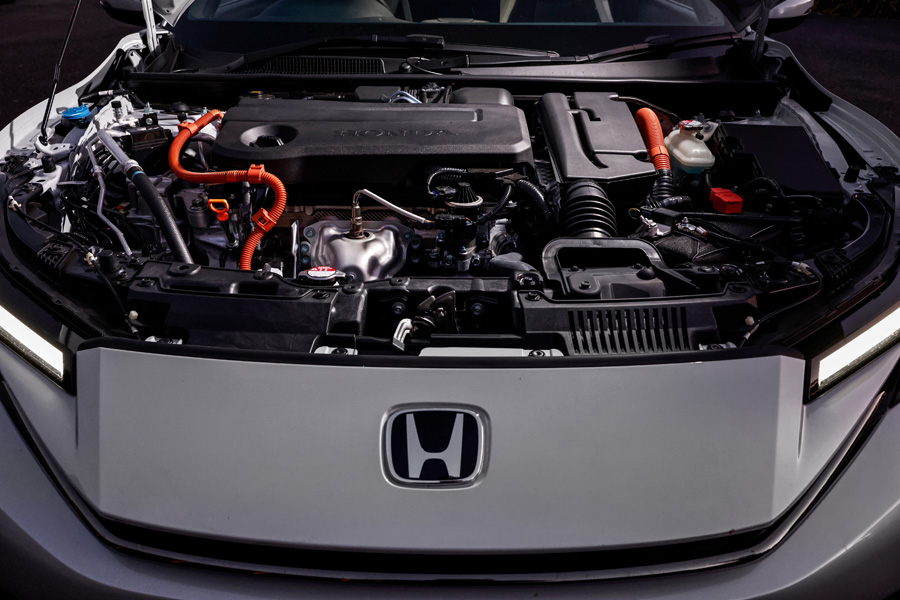
Crammed beneath the Prelude’s bonnet is a naturally aspirated 2.0-litre Atkinson-cycle four-cylinder internal combustion petrol engine (ICE), producing 105kW of power at 6000rpm and 182Nm of torque at 4500rpm.
It pairs with two electric motors (one, for traction, makes 135kW/315Nm; the other delivers 105kW for charging a 1.06kWh battery), sending power to the front wheels via an electronic single-speed transmission dubbed e-CVT.
The Prelude can be driven in pure-EV, hybrid and pure-ICE modes, or all combinations thereof, depending on the circumstances. There is no plugging in.
Combined power is 149kW, though Honda only quotes the traction electric motor output, while the actual total torque number is greater than the published 315Nm from 0-2000rpm. Power-to-weight ratio is 105kW/tonne, compared to a GR86 GTS auto’s 131.8kW/tonne and Z auto’s 182.5kW/tonne.
Similarly, the official 0-100km/h sprint time is 8.2 seconds, but repeated independent testing revealed circa-7.5s figures. The Toyota and Nissan’s corresponding numbers are 6.3s and 4.5s respectively.
Four drive settings are provided: Comfort, GT, Sport and the multi-configurable Individual, with the latter allowing the driver to mix-and-match throttle, transmission, steering and suspension settings.
There is also an S+ Shift mode, with paddles that switch from single-pedal braking for optimising economy and saving regenerative braking energy, to an artificial eight-speed Tiptronic-style manual control and fake exhaust note evoking Honda VTEC engines of old. Traditionalists be warned.
Honda says the Prelude delivers an average combined figure of 4.3 litres per 100km, for a carbon dioxide emissions rating of 98 grams per kilometre. In contrast, the GT86 returns 8.8L/100km; Z is at 10.8L/100km.
Based on those ADR 81/02 numbers, brimming the Honda’s 40-litre tank with 91 RON standard unleaded petrol should theoretically result in 930km of range. During our test drive, the trip meter displayed 7.0L/100km, though our 700km-old example was driven hard.
What is the Honda Prelude like to drive?
Honda insists this coupe started life with the goal of creating a fun hybrid sports car, with the Prelude name agreed upon later on. The point is, this is not just for posing.
Even in Comfort, acceleration is pleasingly strong and uncannily smooth, bolstered by an undercurrent of electrified torque, for instantaneous throttle response. Selecting GT or Sport+ ushers in a rousing boost in muscle, providing satisfyingly punchy overtaking oomph.
Yet it is the fluid, flowing feel of the steering that really sets the Prelude apart, thanks to the Type R’s brilliant dual-axis strut front end, which seems magnetically drawn to the road. Corners can be carved through with thrilling precision, accompanied by a sense of connection and confidence-building control. This is one of the modern front-drive handling greats.
Additionally, the taut chassis, adaptive dampers and multi-link rear suspension conspire to pamper the Honda’s occupants like no other coupe ought to. Left in Comfort, the Prelude rides like a plush sedan, possessing a breadth of capability few – if any – alternatives can match. The classic old Legend would be proud.
Japan’s latest coupe is not flawless – the turning circle is a bit big, there is some road-noise, rear vision is poor and no manual gearbox option is criminal (hey, the 2011 Honda CR-Z hybrid had one!) – but the latest Prelude is the best-driving version Australia has ever known.
A stylish, sophisticated coupe assassin.
Open Road's take on the Honda Prelude
The latest Prelude punches far above its station on a number of fronts – design, interior presentation, performance, economy and, best of all, electrifying driving pleasure.
Given how talented it is, the $65,000 drive-away price tag must be viewed as conspicuously good value, making this hybrid coupe one of 2026’s most-compelling new releases.
Honda is back doing what it knows best.
Pros
- Arresting design
- Rousing driving dynamics
- Hybrid performance and efficiency
Cons
- No manual option
- No spare wheel
- Minor interior flaws