2026 Honda Super-One review

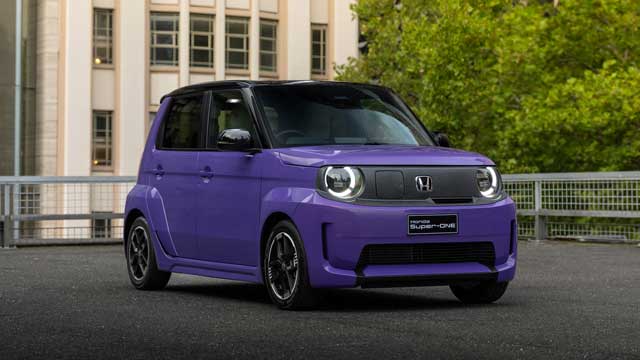
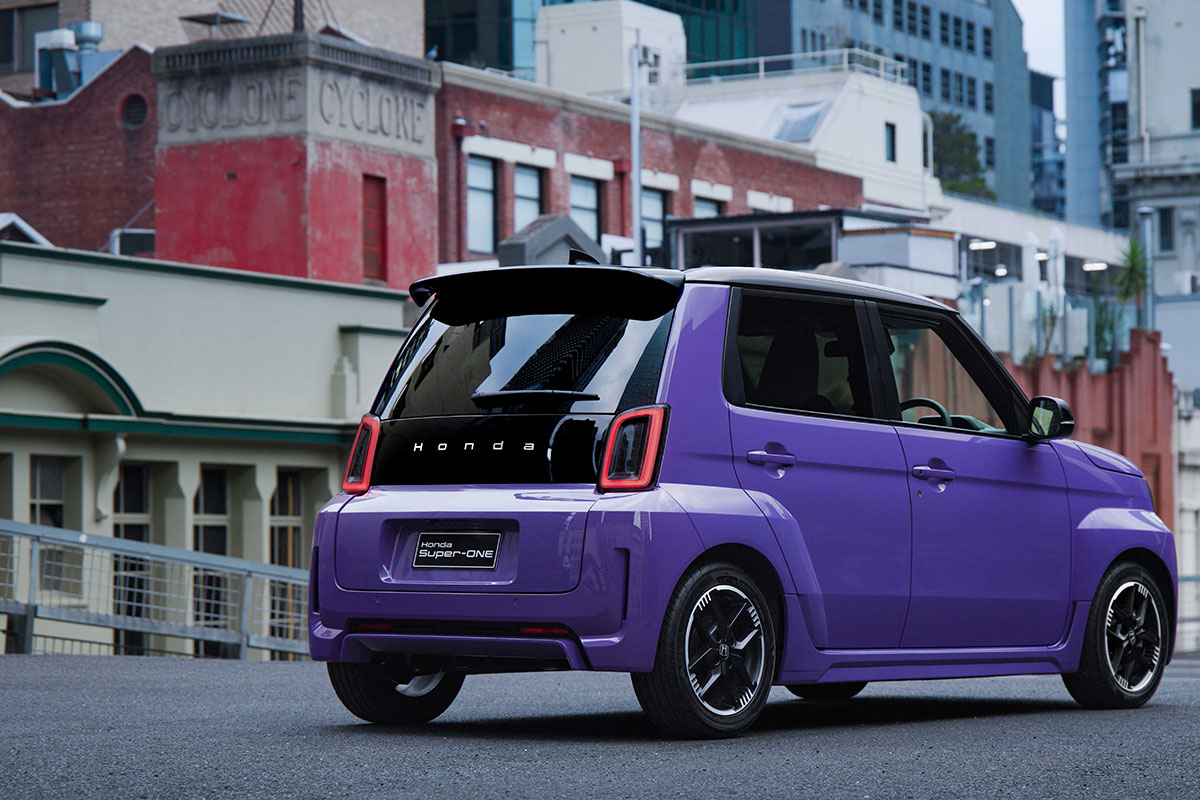
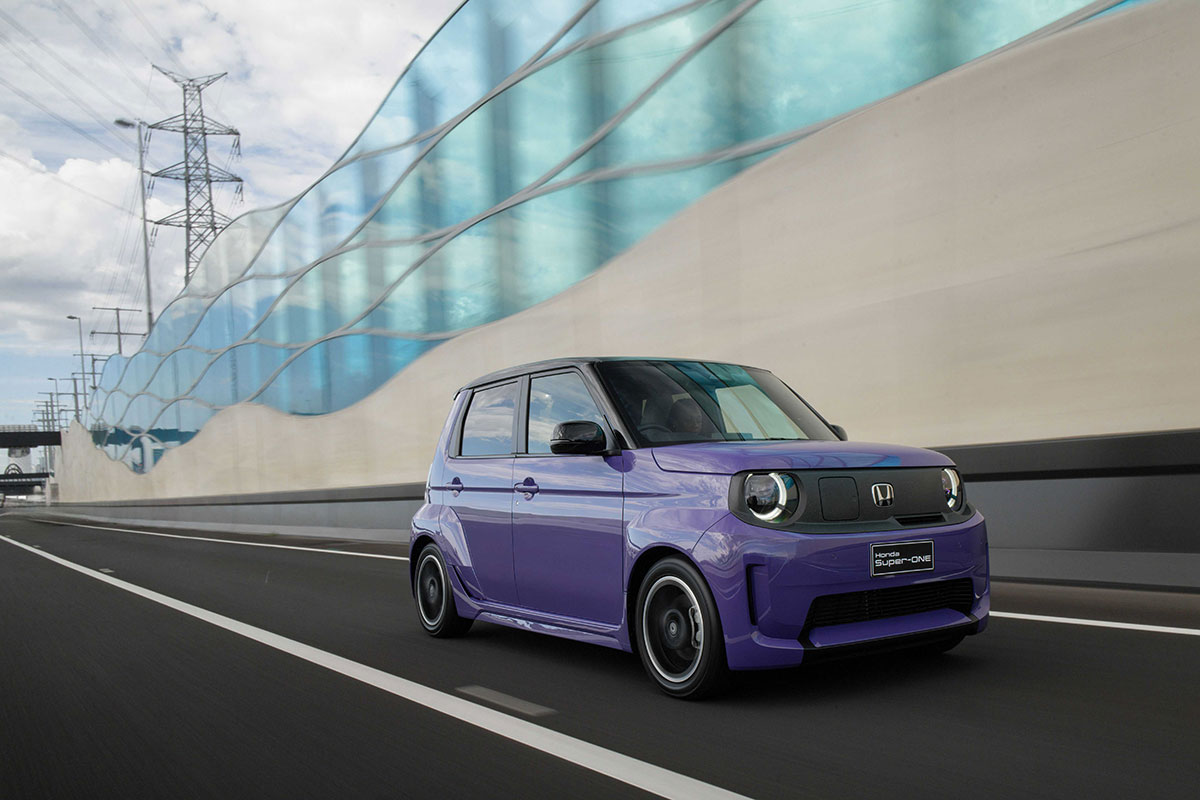
For years, Australians visiting Japan have gone home jealous of their unfeasibly small and unreasonably cute "kei" or “light” cars, built for big cities, and wondered “why can’t we have nice things?” Now, finally, Honda is making a big splash with its smallest vehicle.
How much does the Honda Super-One cost?
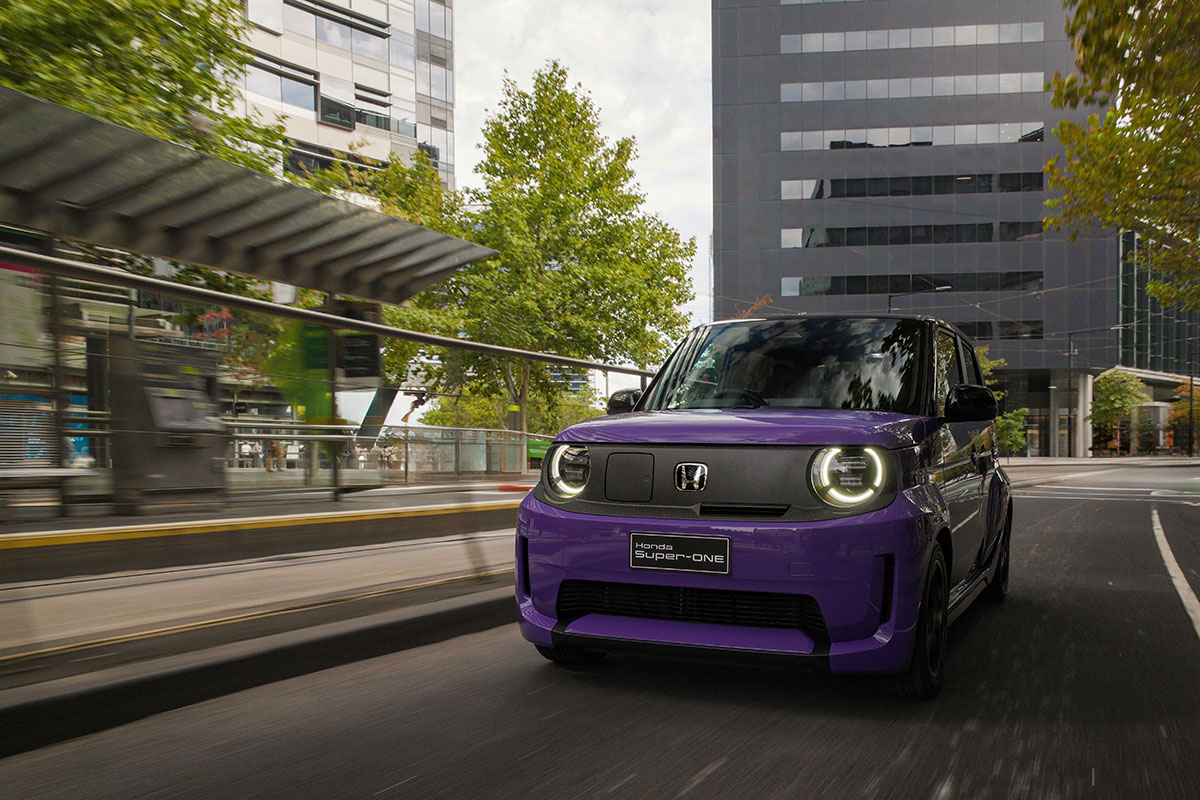
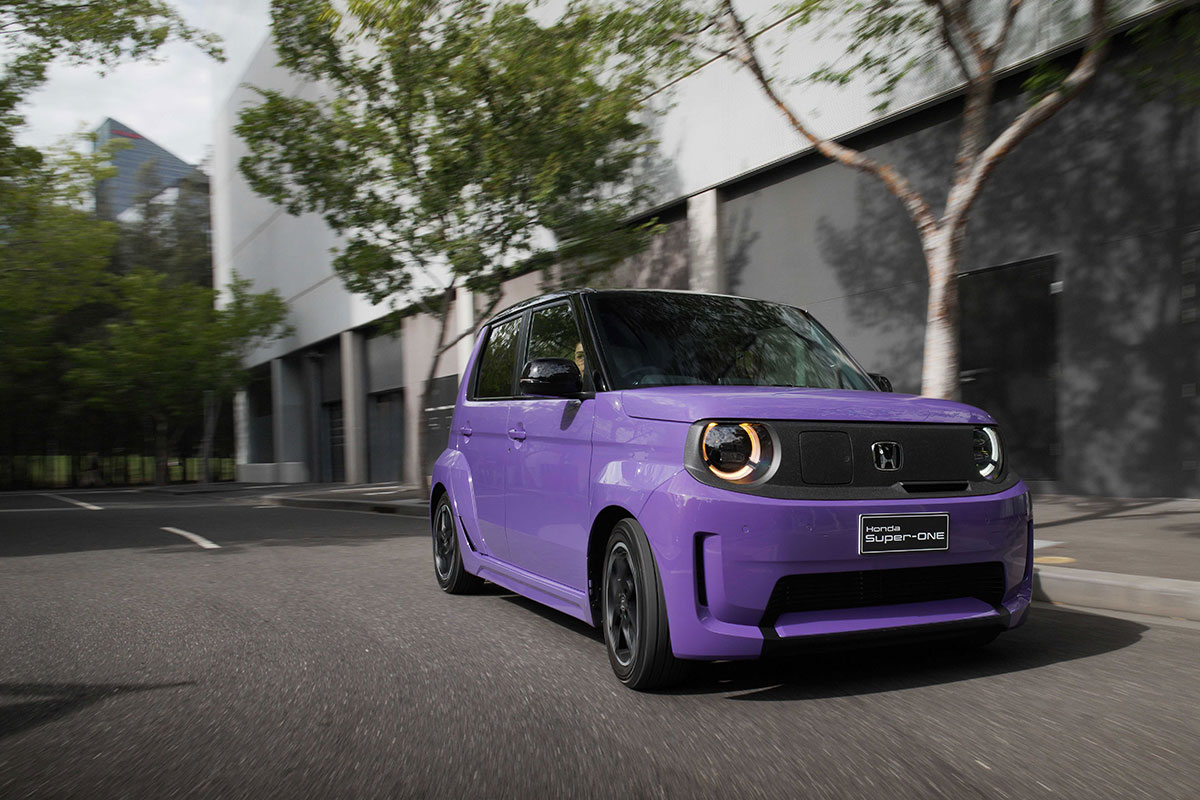
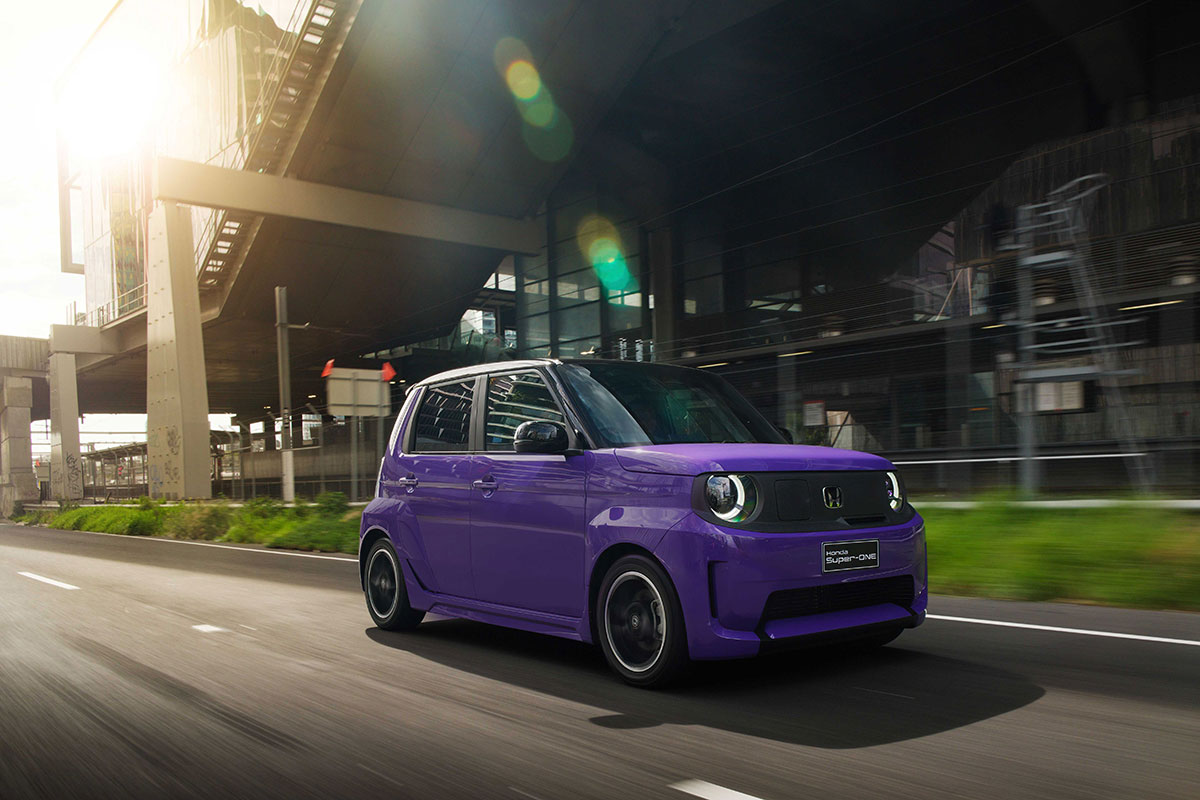
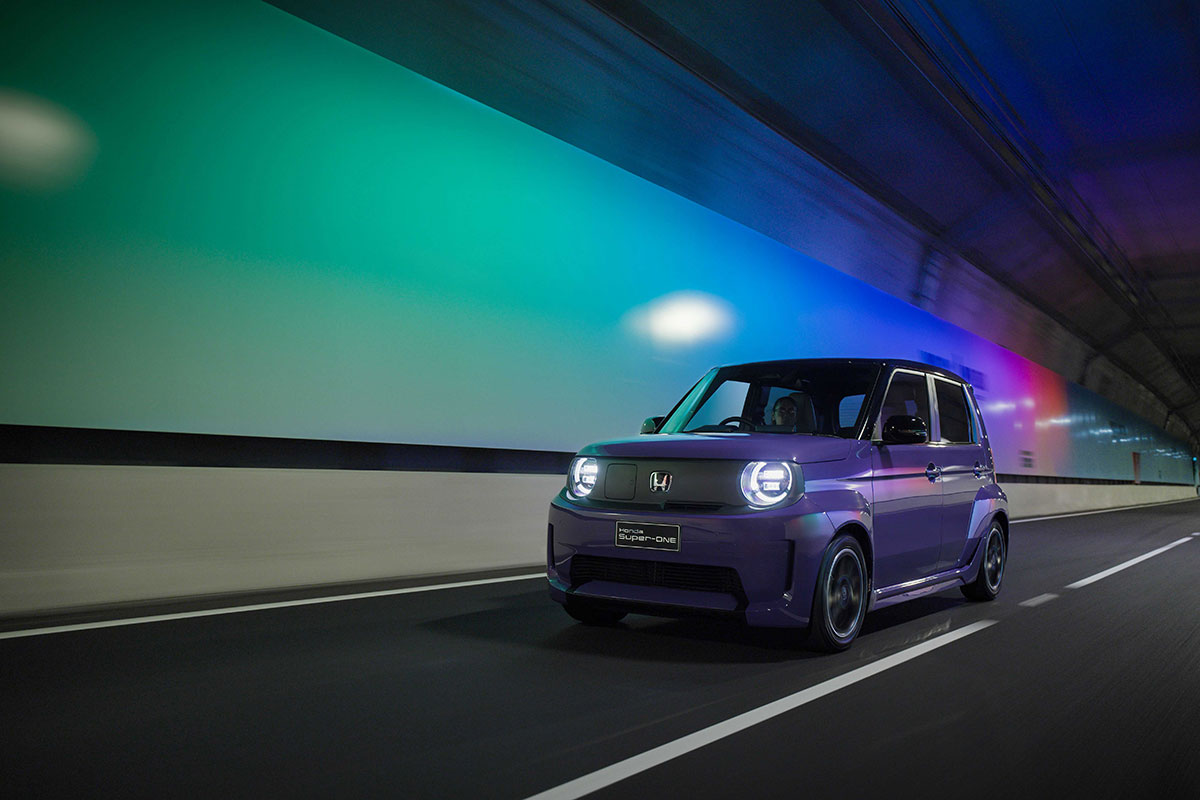
The new Honda Super-One starts at $36,900 drive away with a Mono paint scheme, or $37,400 for a two-tone palette (purple with a black roof), also drive away. The problem is, all of this year’s allocation - some 130 cars - were snapped up by buyers in the first five hours after the Super-One went on sale. Honda Australia also received more than 7000 expressions of interest in buying one. People really, really like the look of this car (none of those people who ordered one have even test driven a Super-One yet).
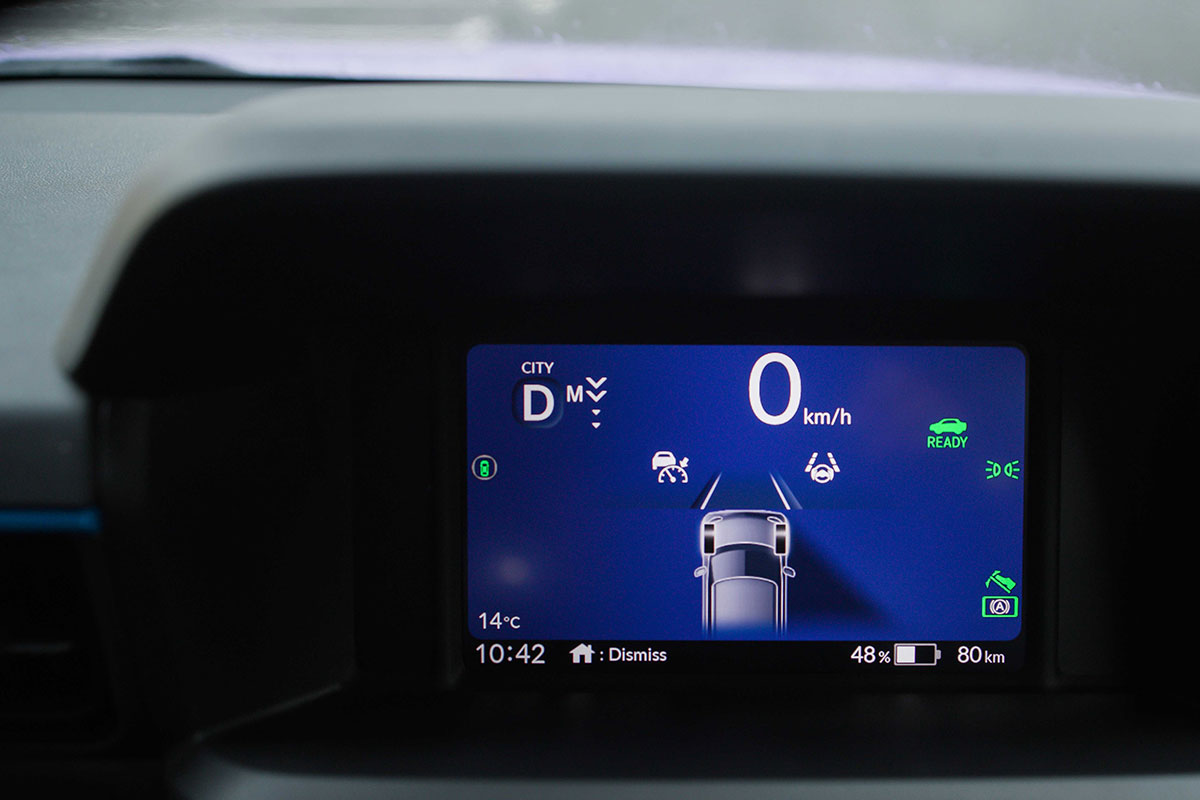
What is the Honda Super-One like inside?
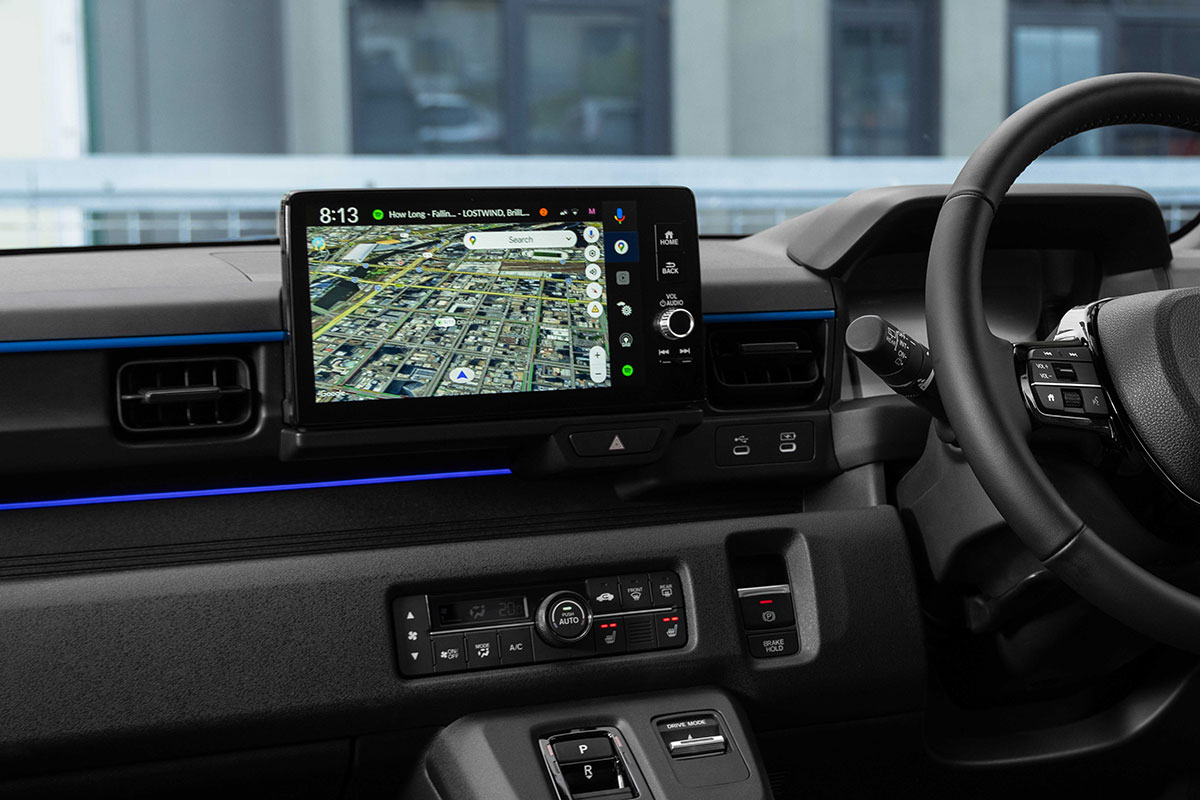
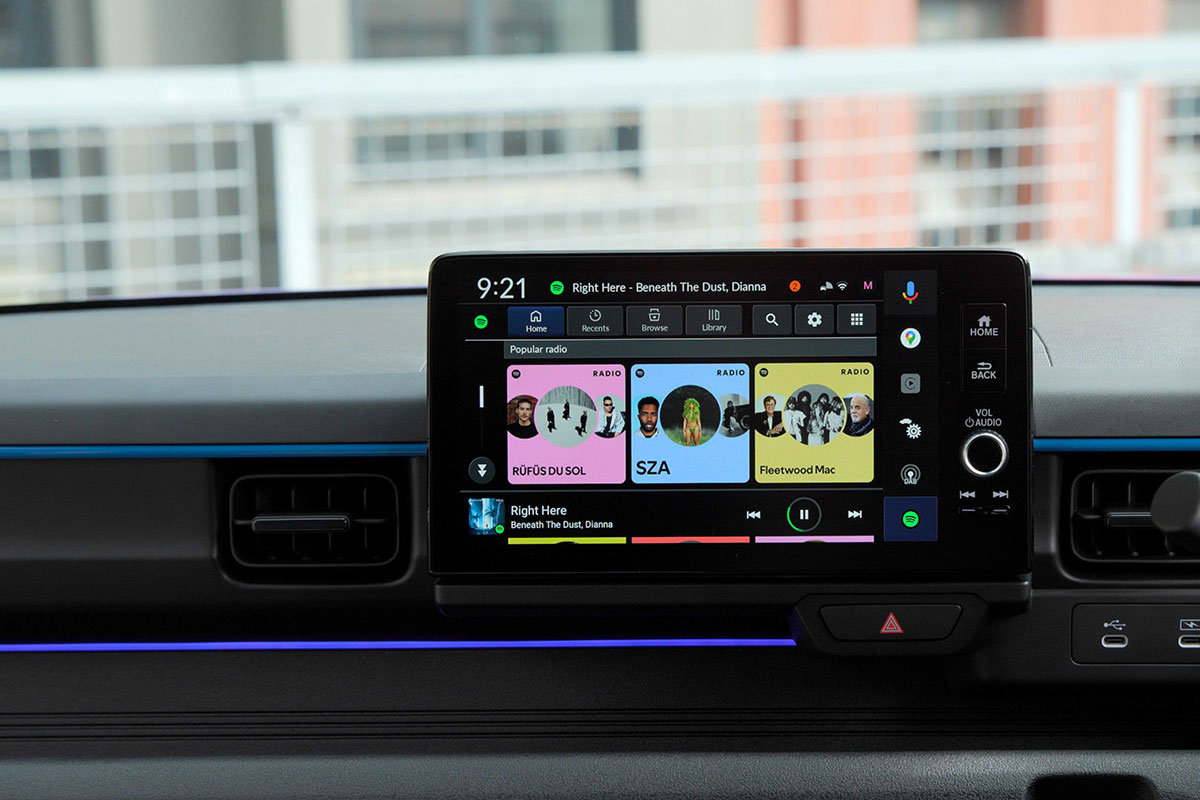
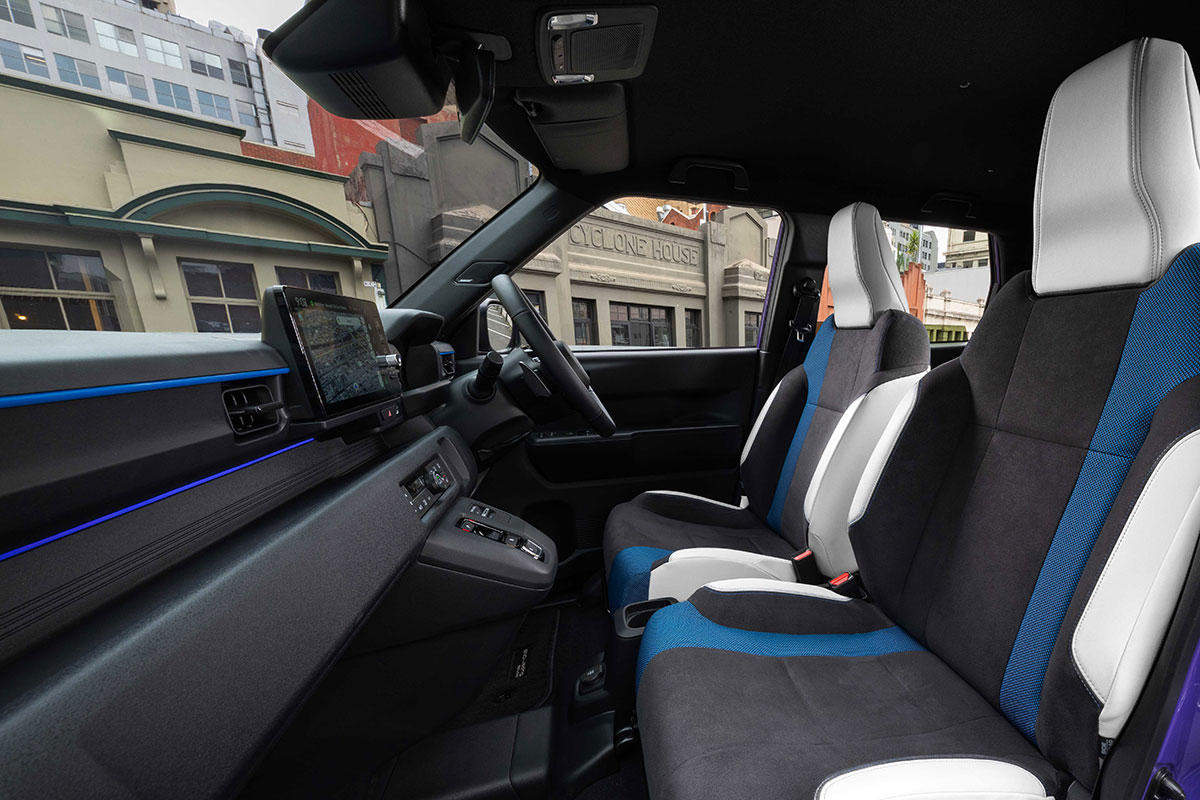
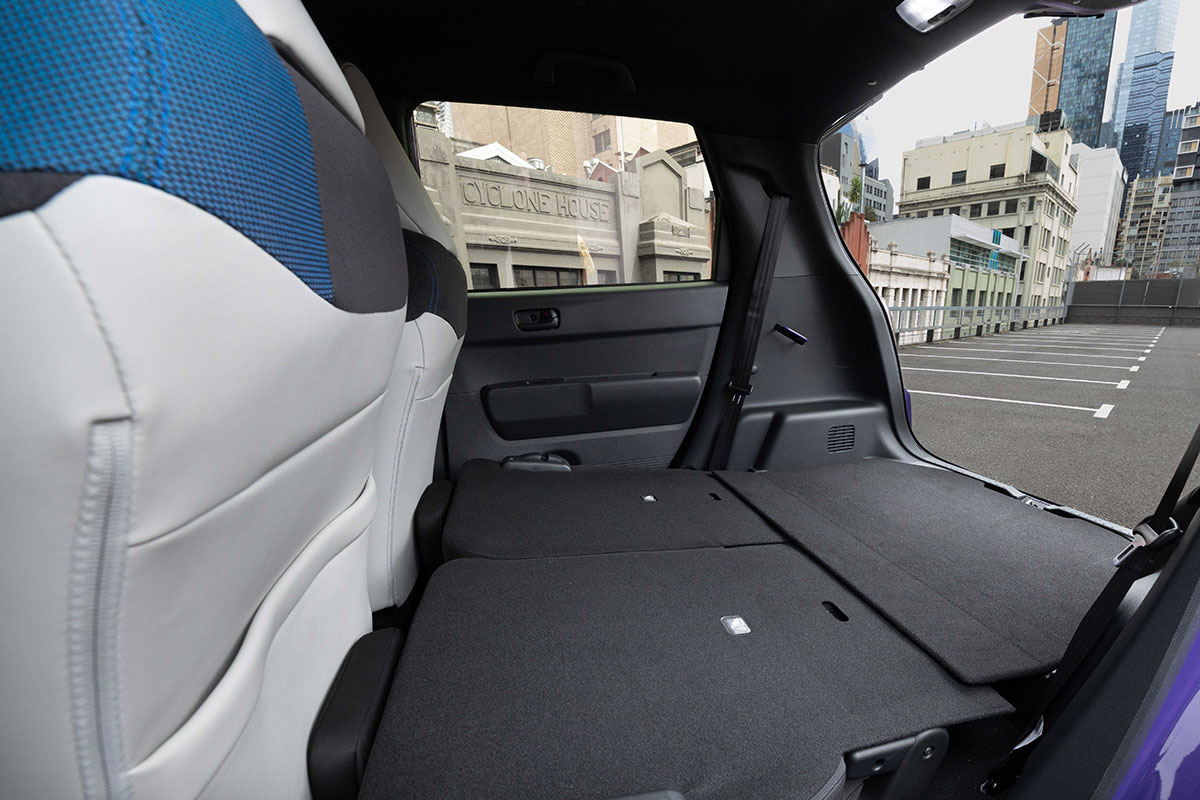
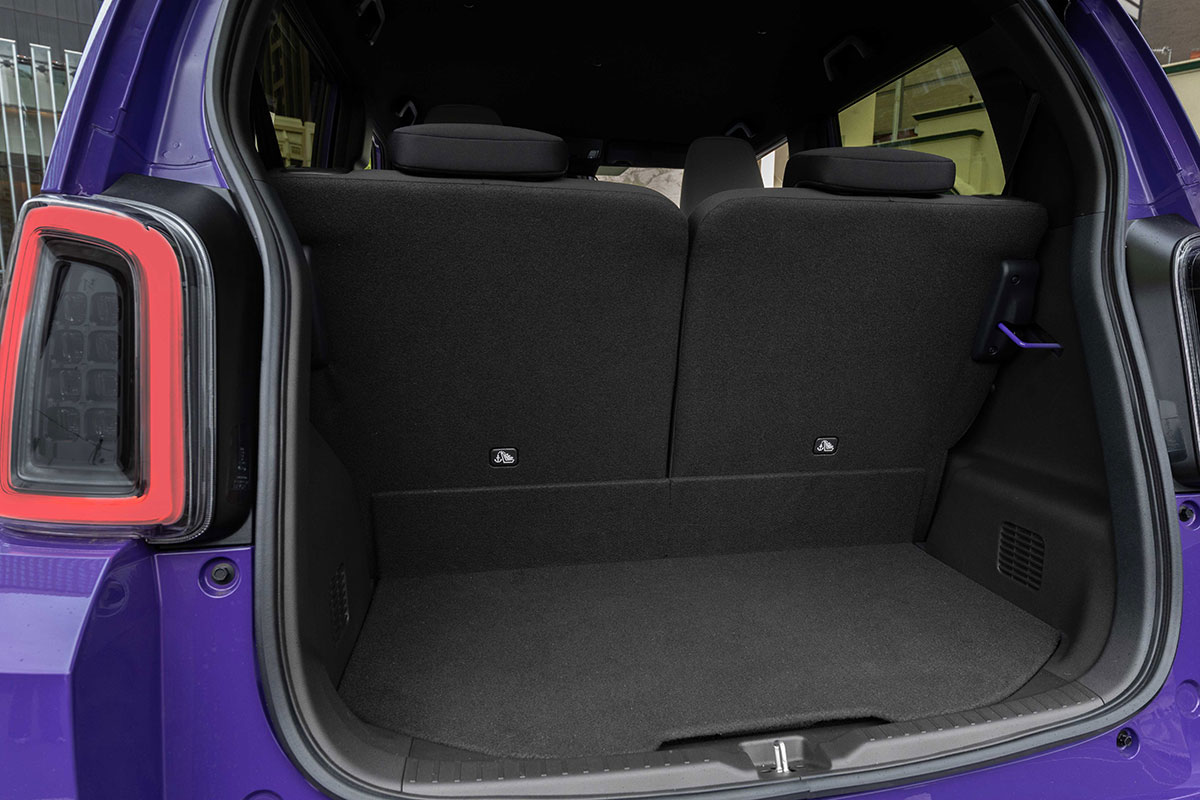
The first thing you notice is that the interior is tiny, which is no surprise because it looks like a toy car from outside, but you really are going to be rubbing elbows with a passenger in the front, while the rear seats are not overly comfortable. Mind you, this car pretty much screams “short journeys only”.
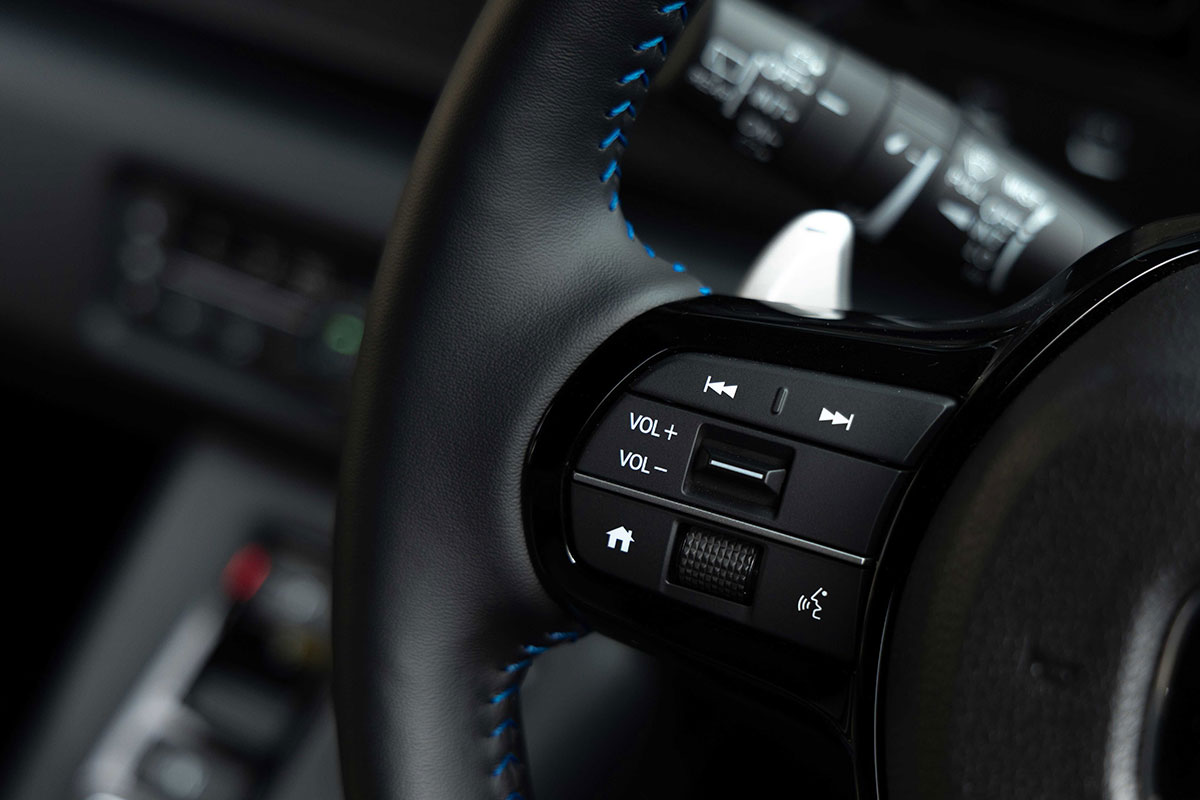
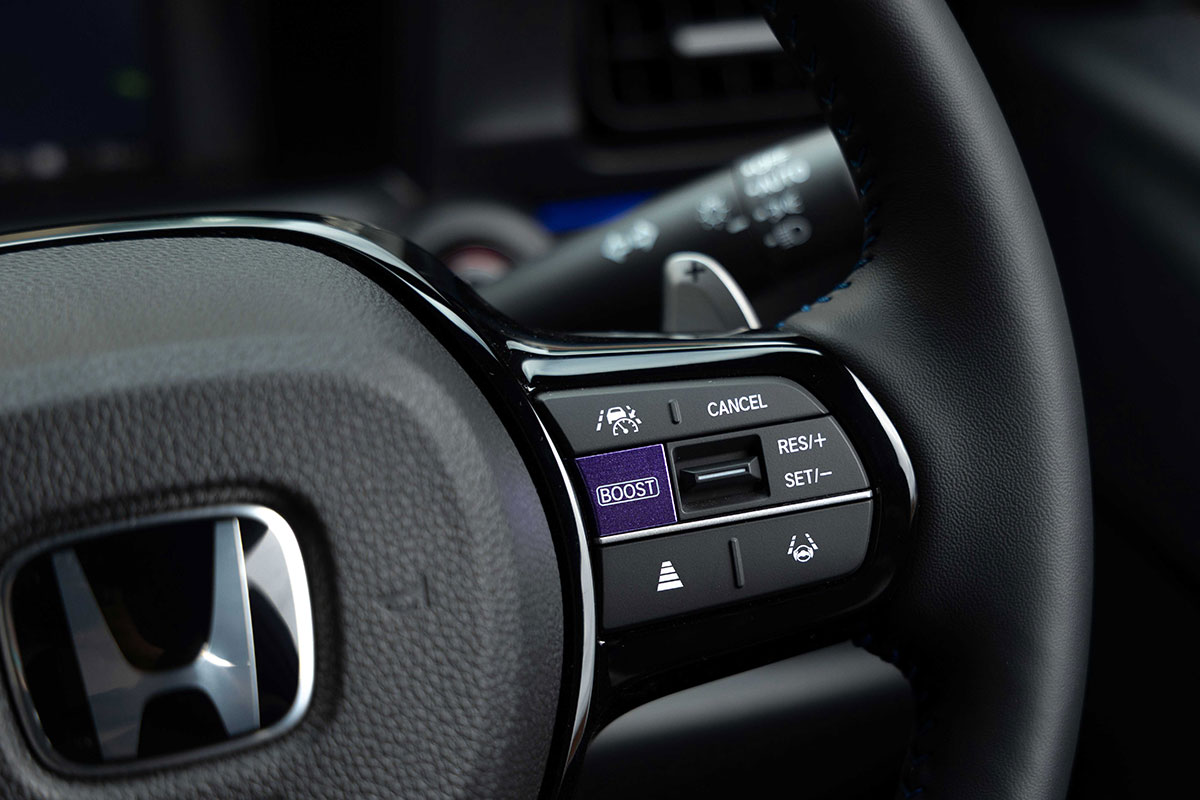
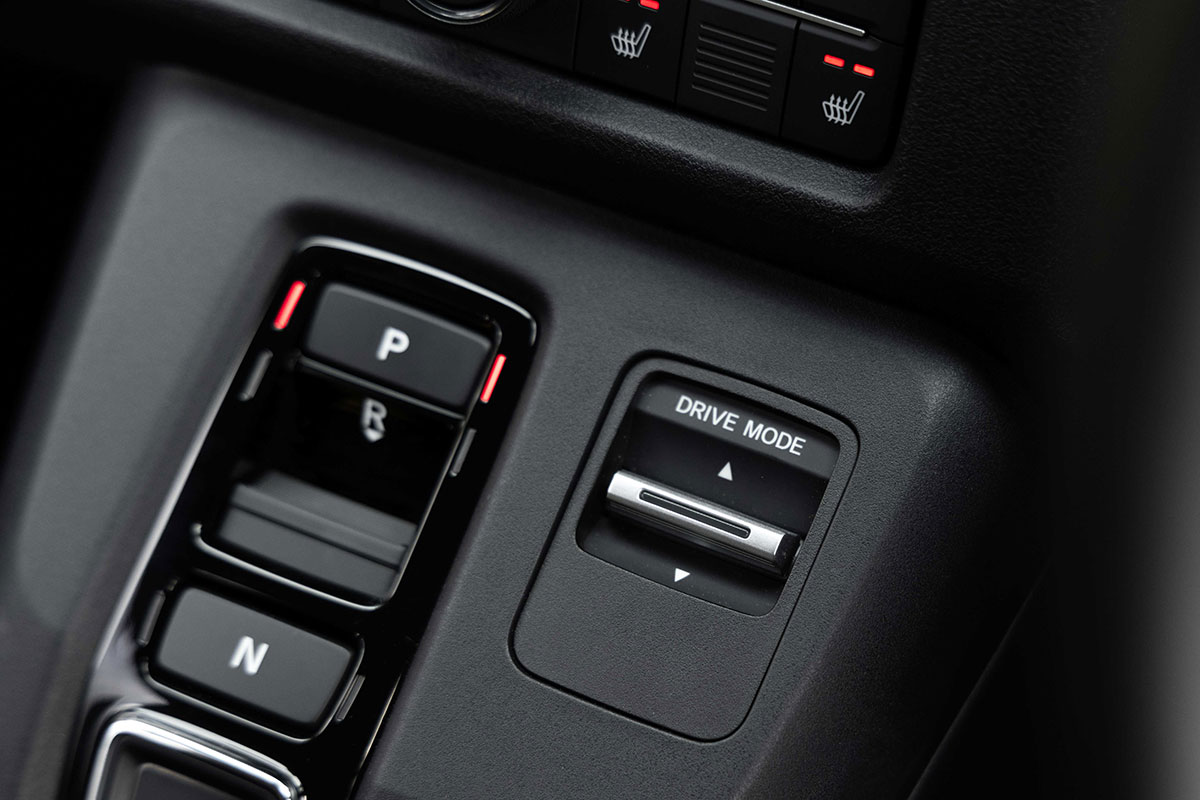
The other thing you quickly note is that the doors feel quite thin when you shut them, and things feel light and insubstantial in general, but that’s only what you’d expect. The user interface is good, and you can flick through the various drive modes with a simple switch, but applying the Boost mode, which amps up the performance and adds a simulated ‘gearbox’, requires pressing a separate button on the steering wheel. Some people might find that confusing.
What equipment does the Honda Super-One come with?
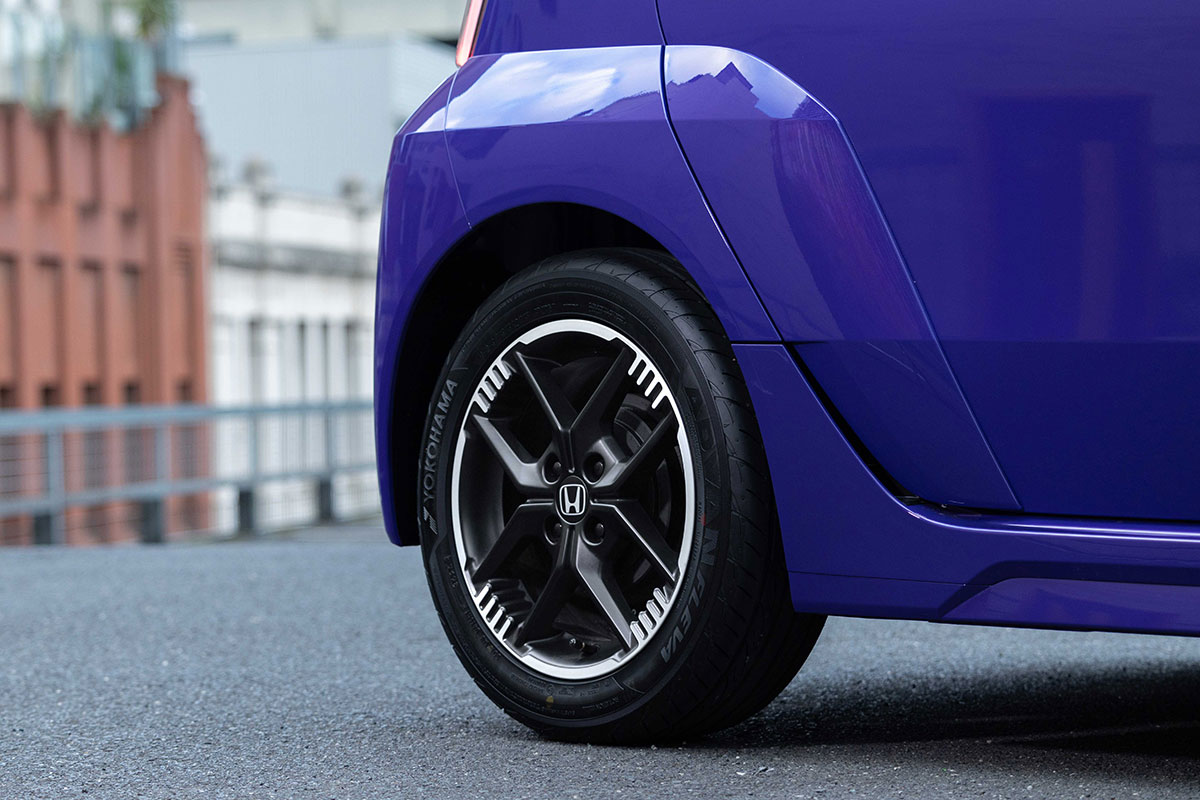
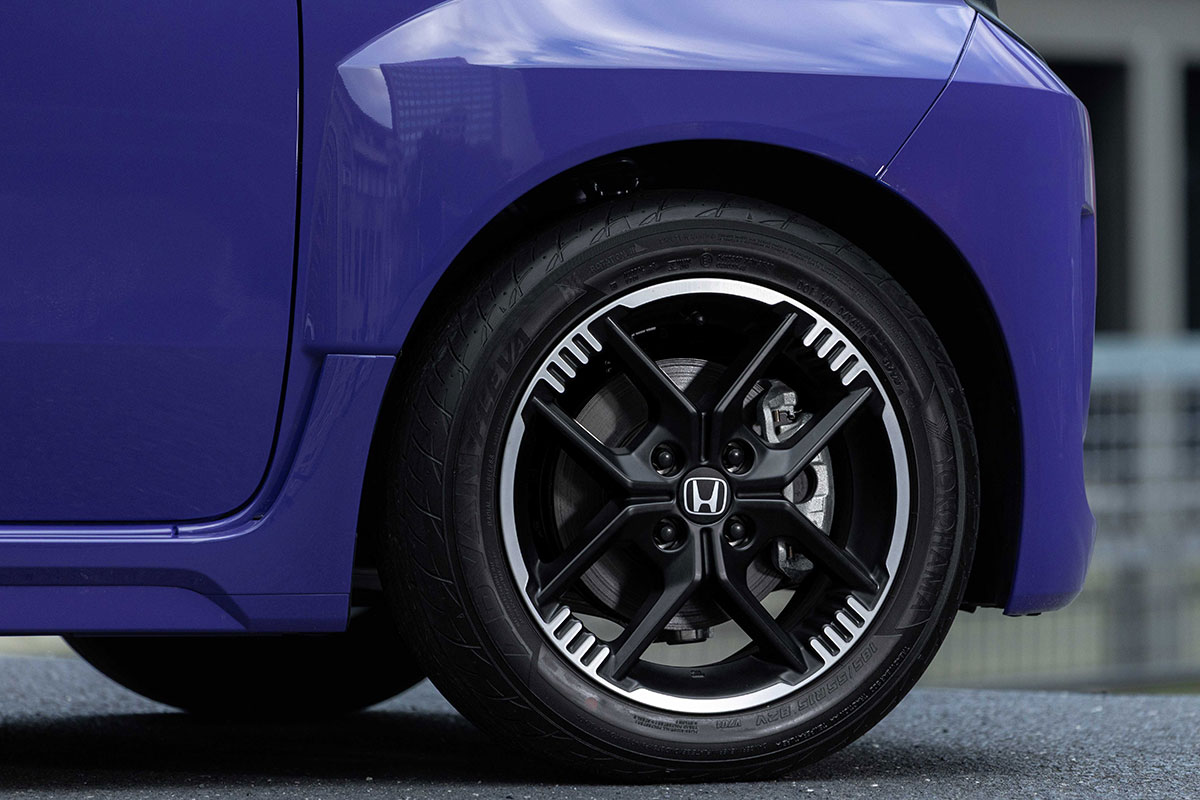
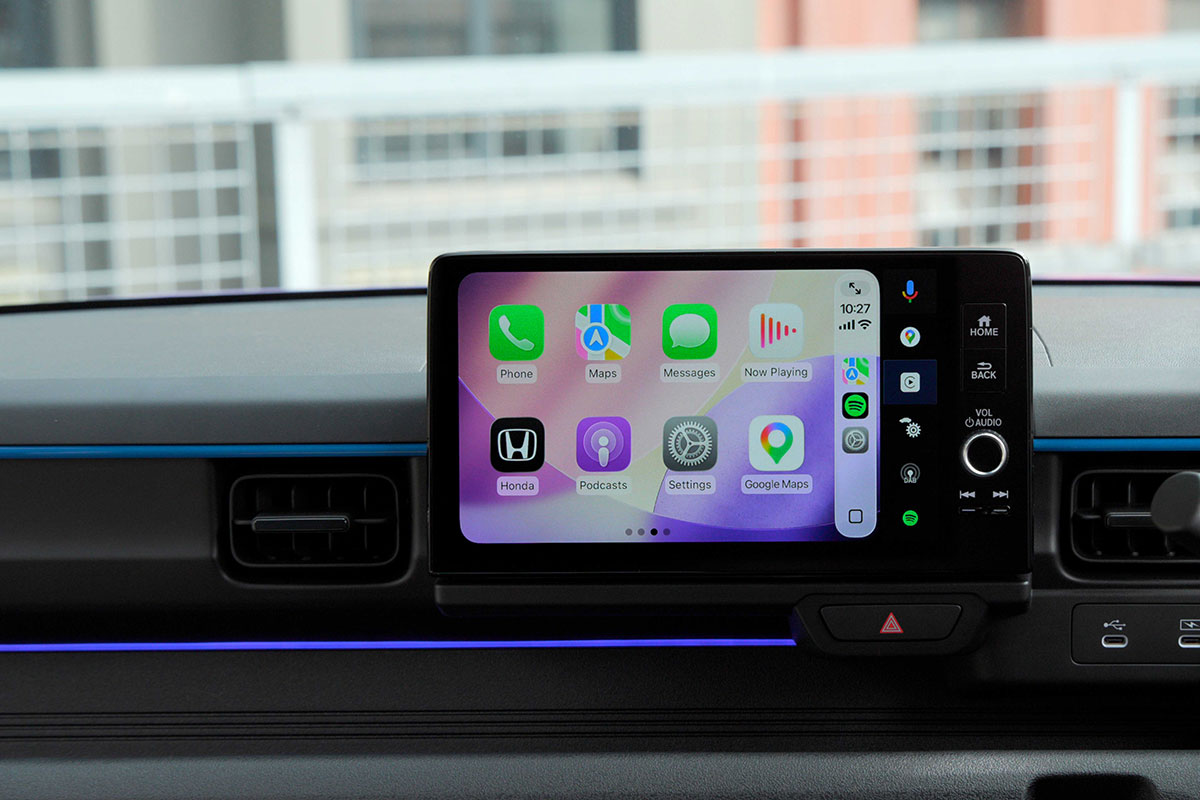
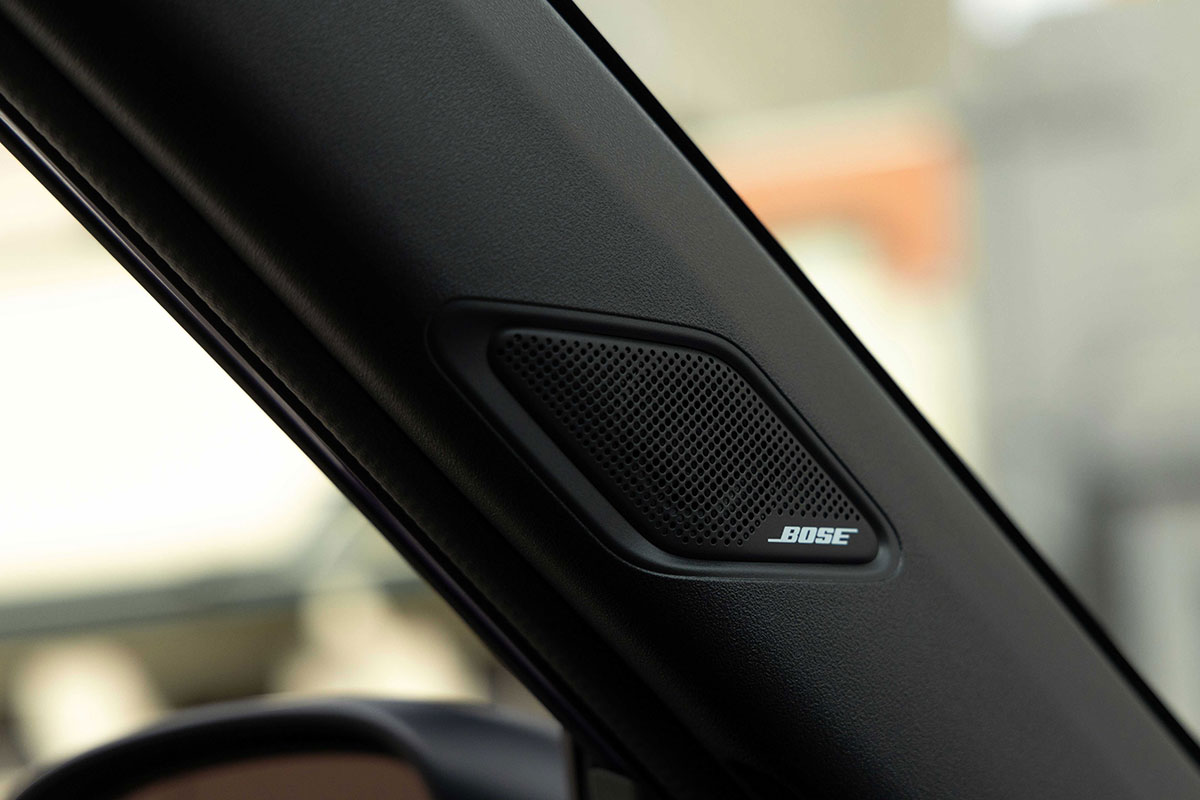
Keep in mind that $36,900 does seem very affordable for a Honda, particularly a fully electric one, and then prepare to be impressed by the standard equipment, which includes heated front seats and a heated steering wheel, a Premium BOSE stereo system with 7+1 speakers, Paddle Shift/Active Sound Control, wireless Apple CarPlay and Android Auto, interior illumination (which changes colour in Boost Mode), 15-inch alloy wheels and Smart Entry.
How safe is the Honda Super-One?
This really is an important question. A car as insubstantial as the Super-One would clearly struggle to get a five-start ANCAP rating, but this Honda has not been tested. ANCAP hasn’t asked to crash one, and Honda Australia is not offering to do so. It seems like a “don’t ask, don’t tell” safety situation. But because you’ve asked, it has six airbags - dual front, front side and full-length side curtain airbags. It also gets the Honda Sensing suite of Advanced Driver Assistance Systems (ADAS).
What powers the Honda Super-One?
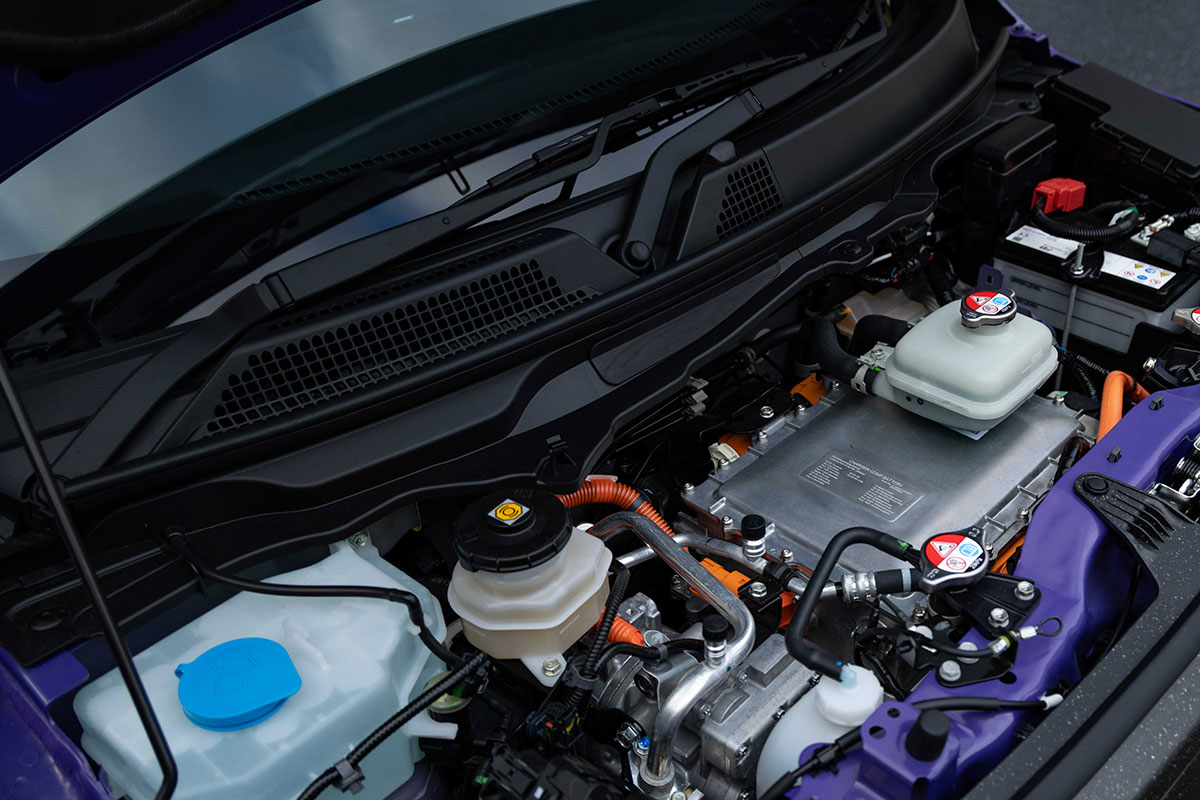
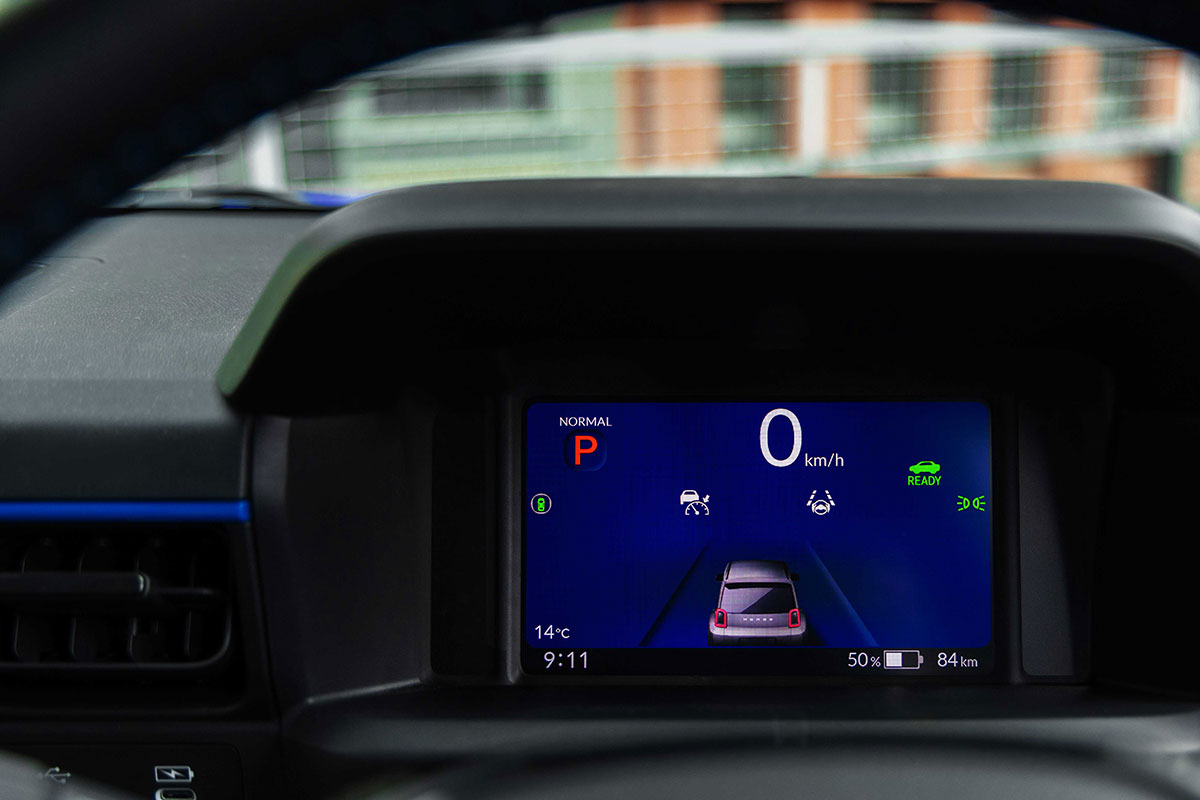
Would it be rude to say “not much”? The Super-One is Honda’s first full BEV and it comes with a single motor driving the front wheels, and a 29.6kWh lithium ion battery, which is smaller than what some PHEVs use. It makes 47kW in most of its modes, but if you engage Boost Mode you get a significant bump to 70kW, and a lot more fun. That will reduce your driving range, however, which is a measly 202km in normal mode, if you drive it carefully.
Charging time is between three and eight hours on a standard AC home system (3.6 to 10kW) or you can use faster DC chargers, up to 50kW, which will get you from 10 to 80 per cent in 30 minutes. The battery is very small, but it’s also not capable of super fast charging, unfortunately.
— Andrew Chesterton
What is the Honda Super-One like to drive?
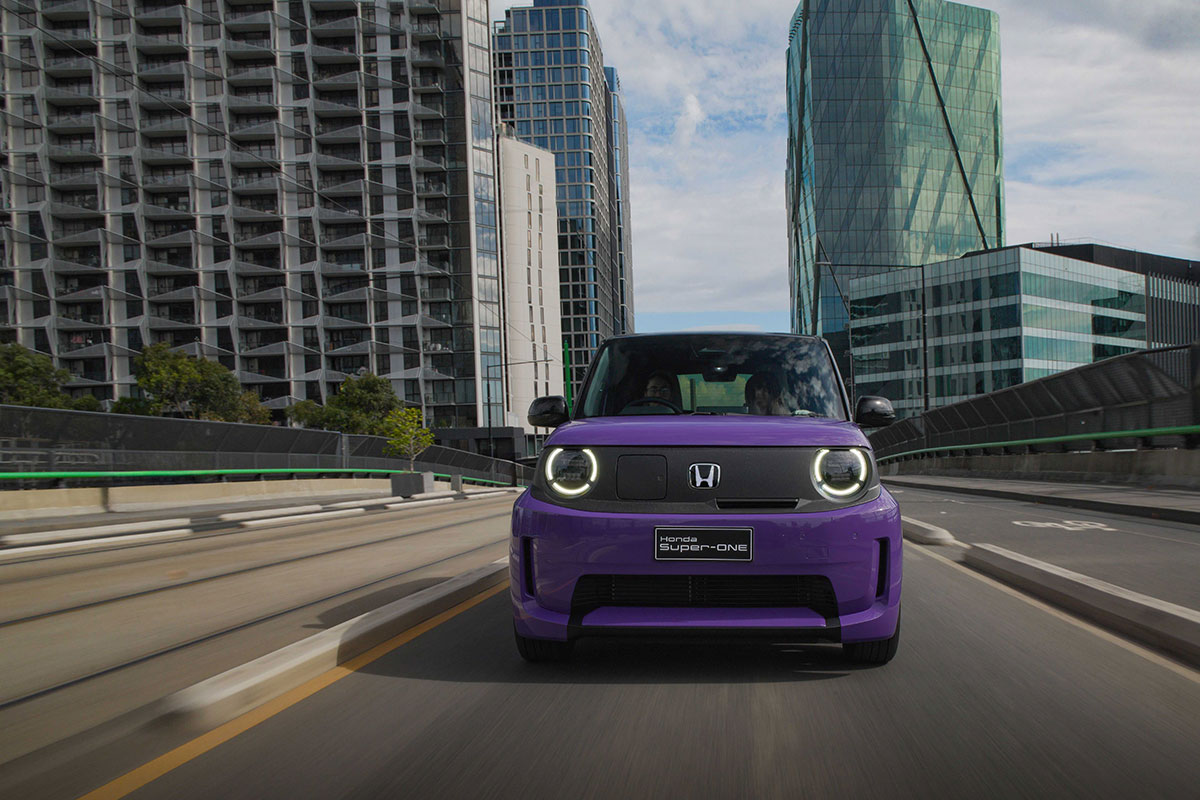
Look, it’s probably important to mention again just how attractive this car is before you drive it, because the looks seem to be a huge motivator in how many people are queuing up to buy one, without ever sitting in one, let alone taking a test drive.
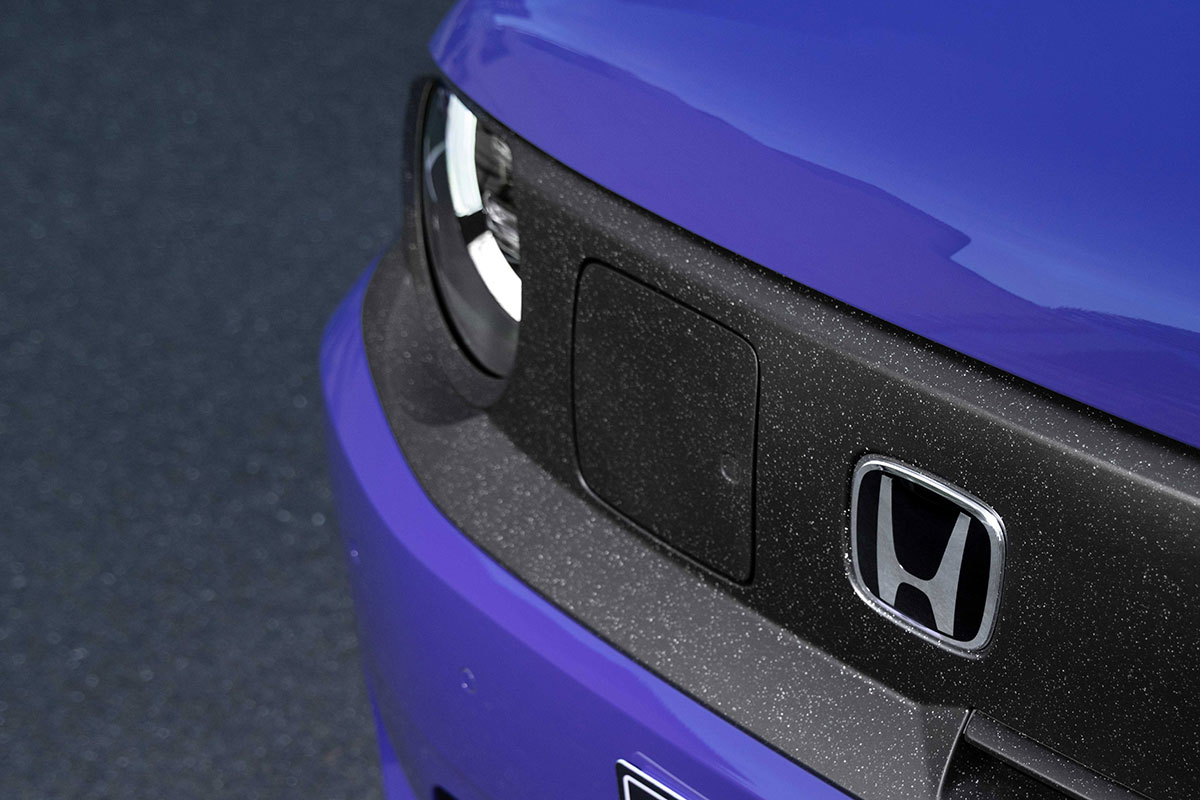
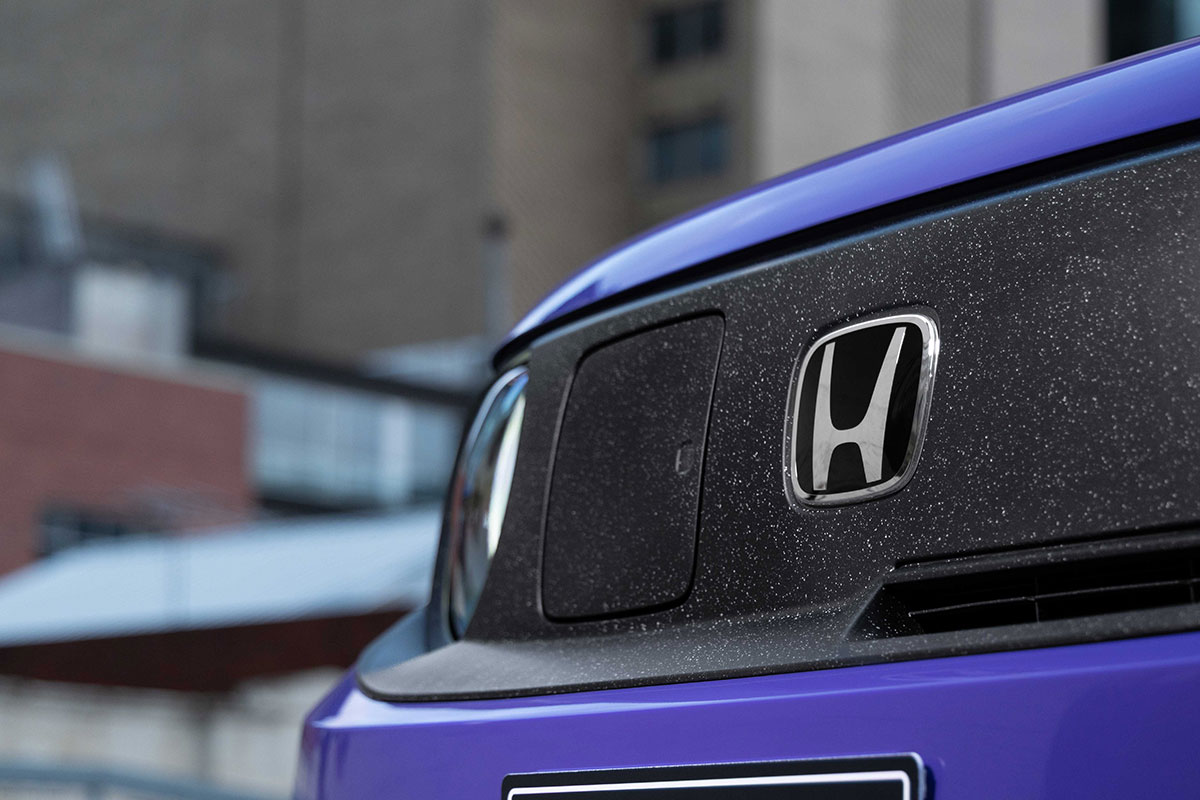
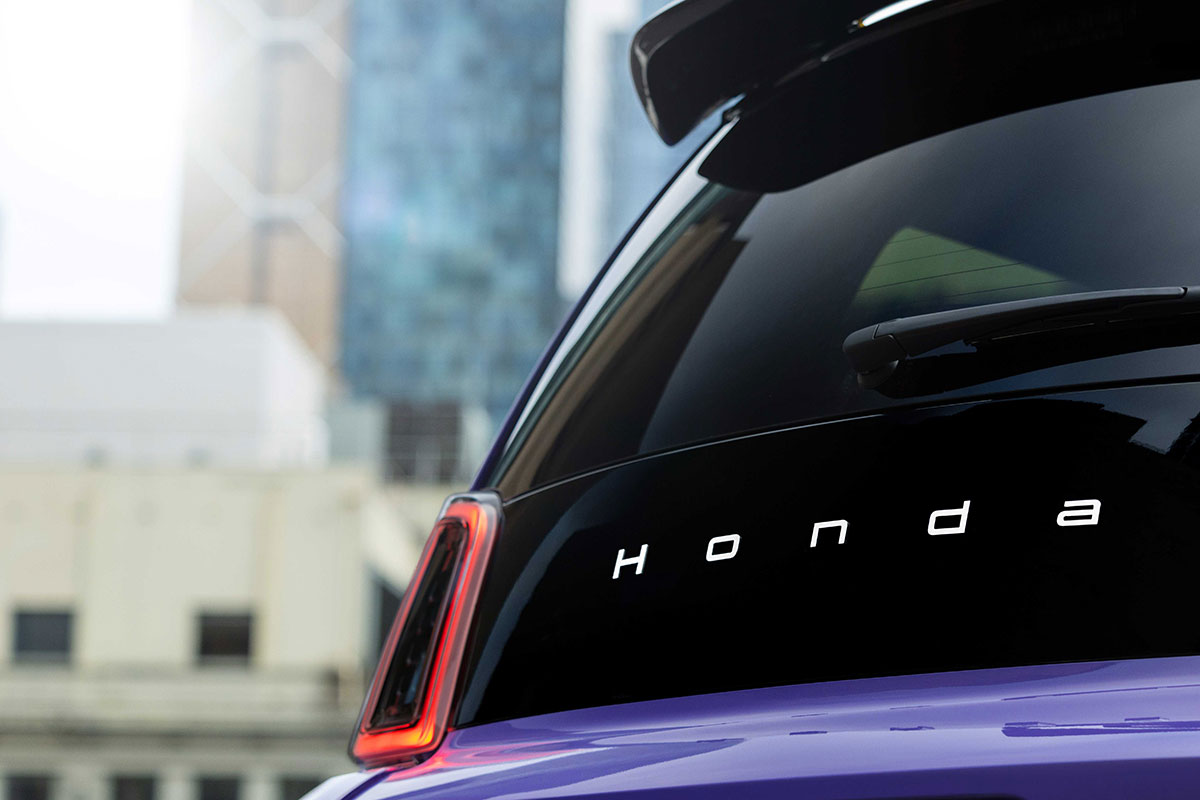
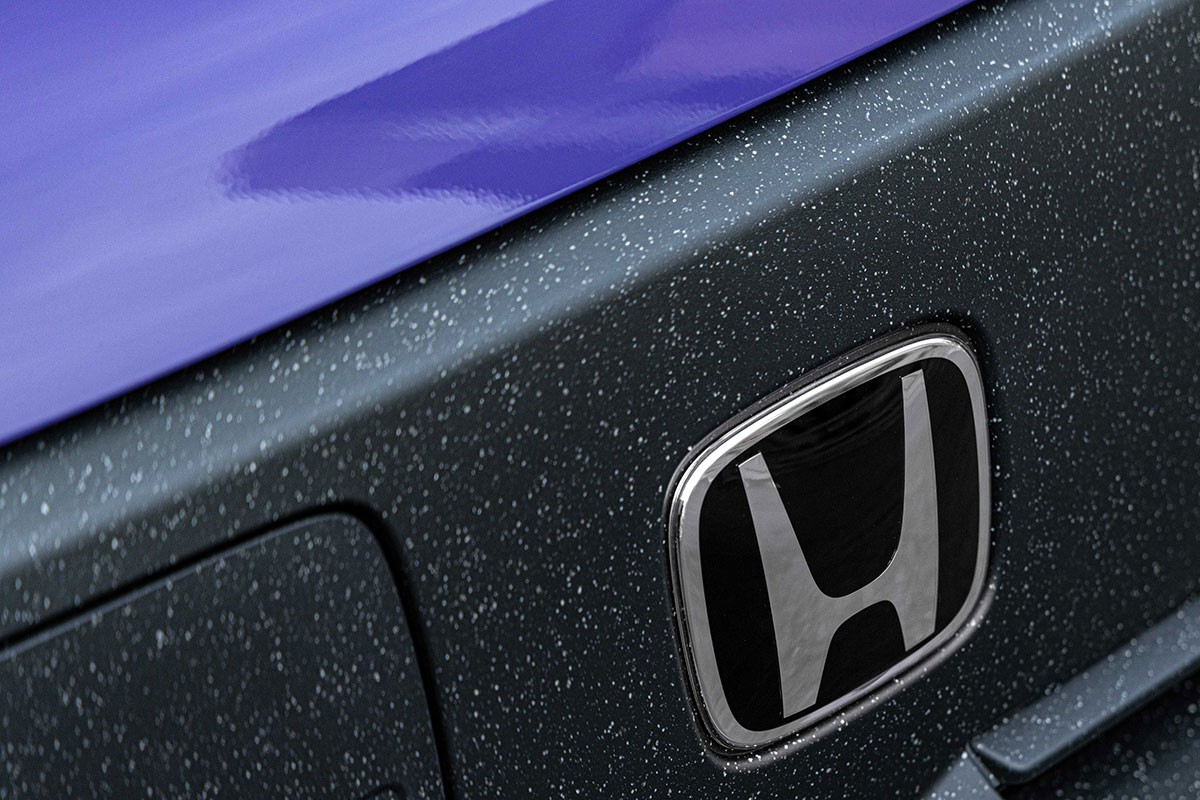
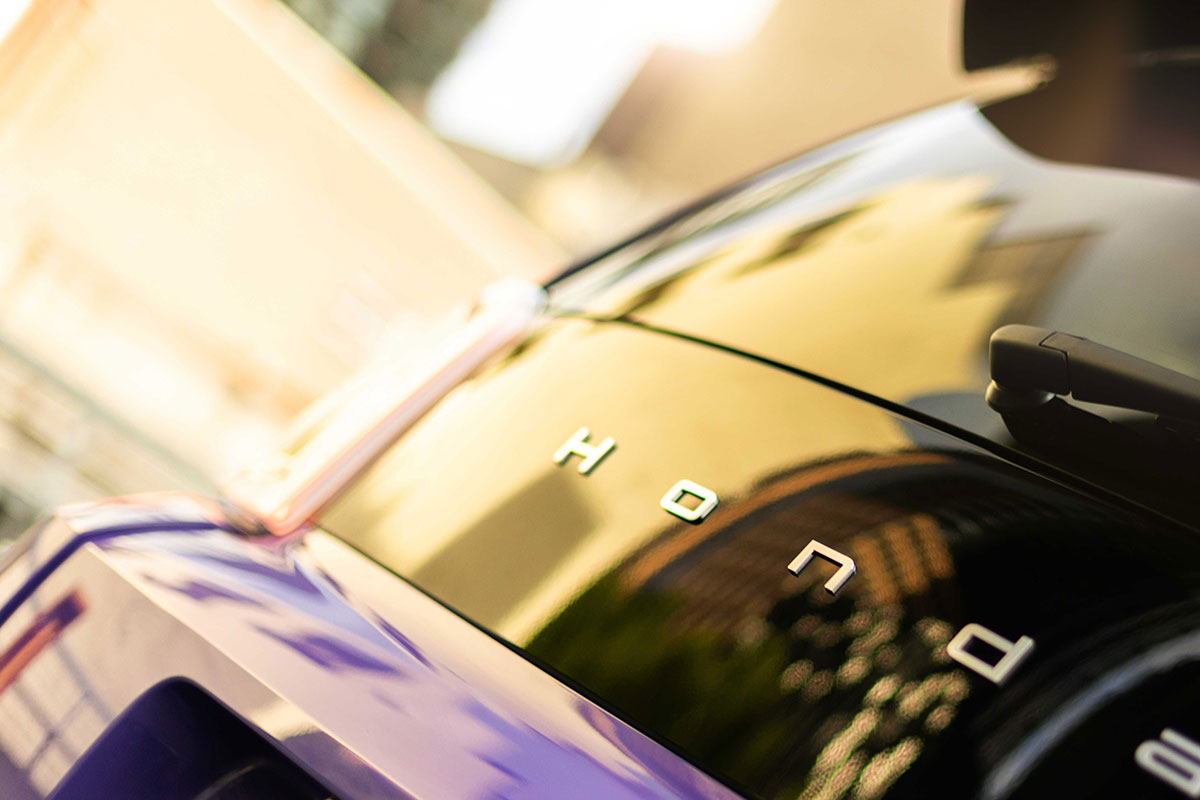
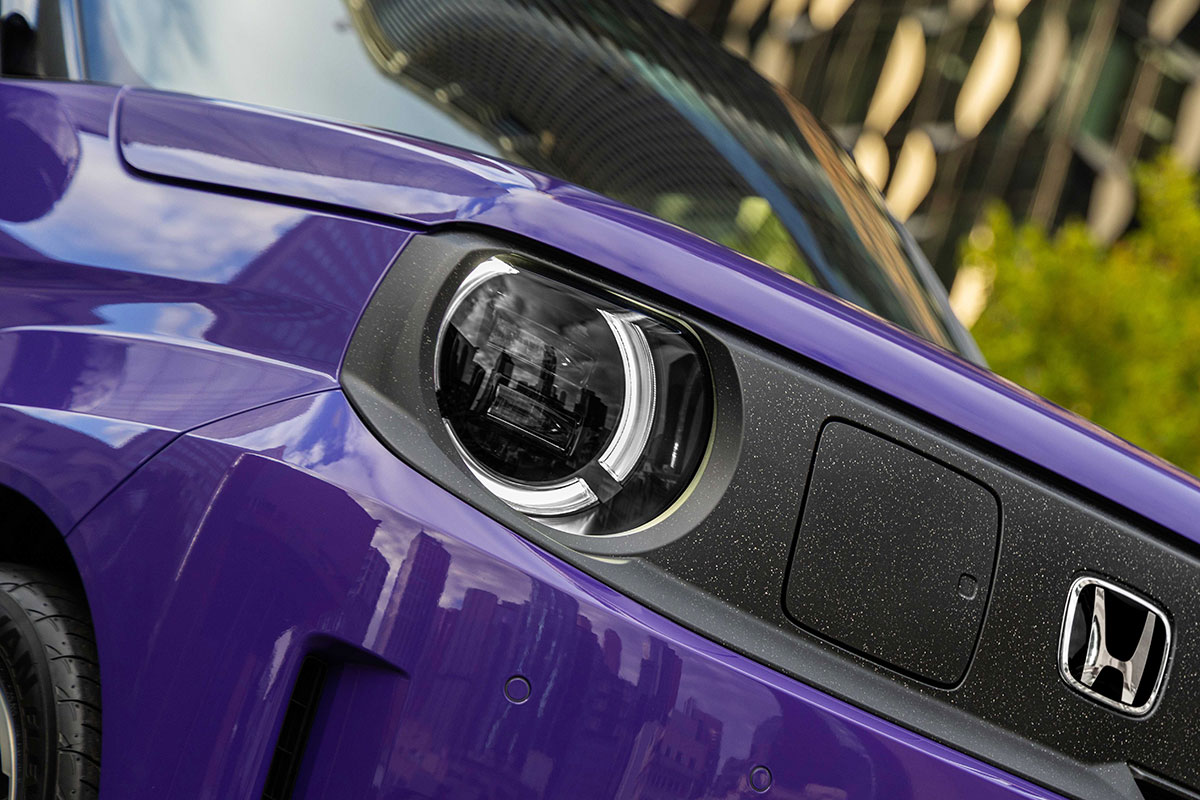
The Honda Super-One brings the styling smarts of a Japanese kei car to the Australian market for the first time, and, in a nice touch, large parts of its face (the grey/black bits) are made out of the recycled front ends of old Hondas, so it effectively carries the DNA of the brand in its front end. Cute.
A “kei” car will be familiar to anyone who’s been to Japan – a small, underpowered and city-focused class of vehicle designed for living in big cities and given cheaper rego and insurance in that country as a result.
The Super-One has the dimensions, but in Japan it could not be sold as a kei car because it’s too powerful, at least in Boost Mode (all kei cars have power limits, and cannot produce more than the standard 47kW you get here).
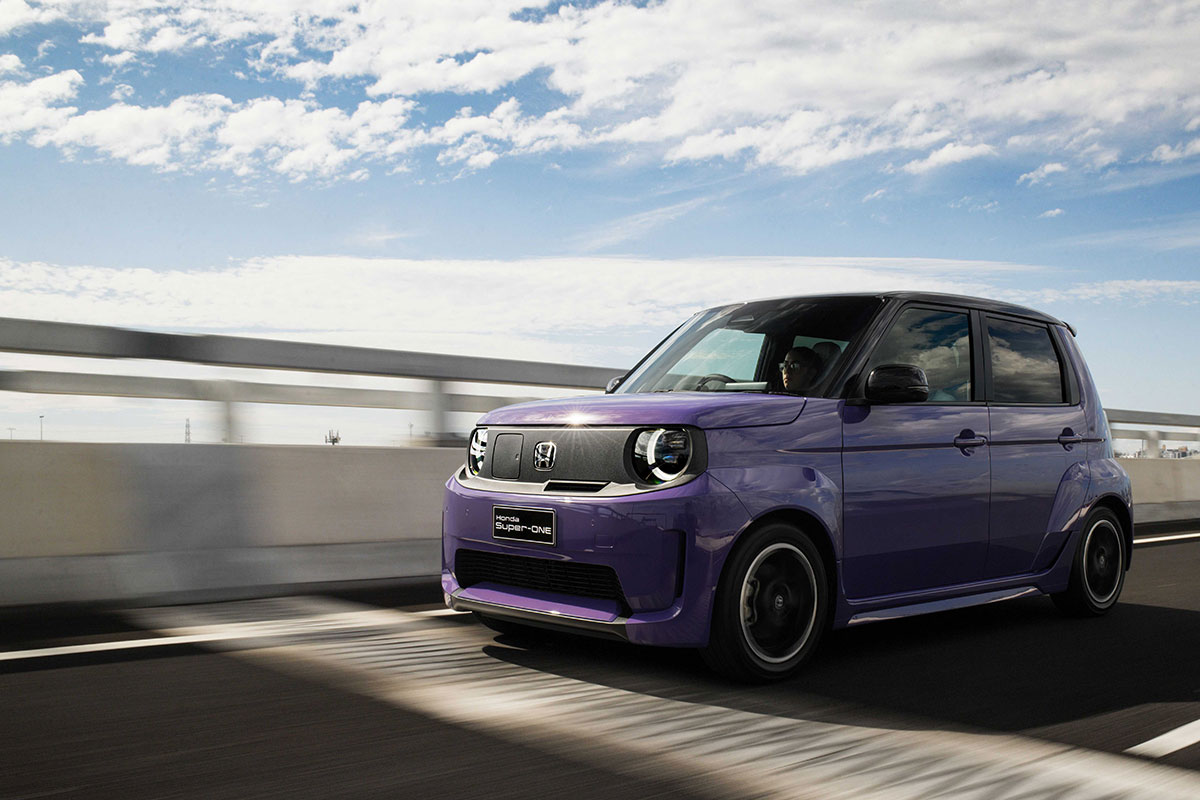
As you’d expect from its low and wide stance and almost go-kart like proportions, it feels like a fun car to drive, instantly (indeed, Honda used the word “fun” when introducing the Super-One to journalists roughly 13,000 times in an hour, and the word “practical” not once).
Related video: Honda Super-One First Look
It feels sharp, light (and it is, for an EV, barely tipping over the one-tonne mark) and direct in the steering. Leave it in its less interesting ‘normal’ mode and it does feel a bit dull, or at least not overly exciting, but go for Sport or Boost and engage the brilliant Paddle Shift system, which apes Hyundai’s excellent Ioniq 5 and Ioniq 6 N with its essentially ersatz gear shifts (they feel like gears, but there aren’t any in reality) and the ability to “rev” through them, and things get seriously entertaining. The Active Sound Mode adds a few more giggles, with its fake engine sounds and computer-game rev noises.
Unfortunately, our test drive was almost absurdly short – just 13km through the middle of Melbourne, most of it in dense traffic, but far enough to feel that it rattles and shakes a bit over expansion joints – and the reason for that is clear.
As enjoyable as it can be to drive in Boost, and as sensational as it looks, the Honda Super-One suffers from being so light on in the battery department. Clearly, they wanted it to be light, and affordable, and batteries are heavy and expensive, but if you drive this car in any way enthusiastically you’ll be lucky to get 150km between charges. Indeed, we were down to 151km of range with 96 per cent of battery showing (it’s supposed to do 202km, remember), before we’d even tried the more fun modes.
That won’t bother everyone, and if you’ve got a home charger you’d just have to get used to plugging it in every time you went for a drive. And no one is going to try to take one interstate, clearly.
The NRMA’s take on the Honda Super-One
It’s easy to see why so many people are keen to get their hands on a Honda Super-One; many of us have admired cars like this while visiting Japan, for years, and wondered why we can’t have something just like them Down Under.
The Super-One delivers stylistically, on price, equipment and driving enjoyment, but the limited range might turn out to be an issue for some buyers who’ve been sold on the style argument.
That’s not an issue for Honda, however, which is rapt at all the orders, all the interest and the fact that it has, after a long time without one, a halo car that makes the whole brand seem cool again.
Pros
- Cuter than a button made out of buttons. Makes you smile to look at it
- Fun to drive, particularly in Boost Mode
- Relatively affordable
Cons
- No safety rating, but safe to say it wouldn’t get five stars
- The range is going to be an issue for some people
- Feels a bit thin