
2021 Hyundai i30 Sedan N Line review
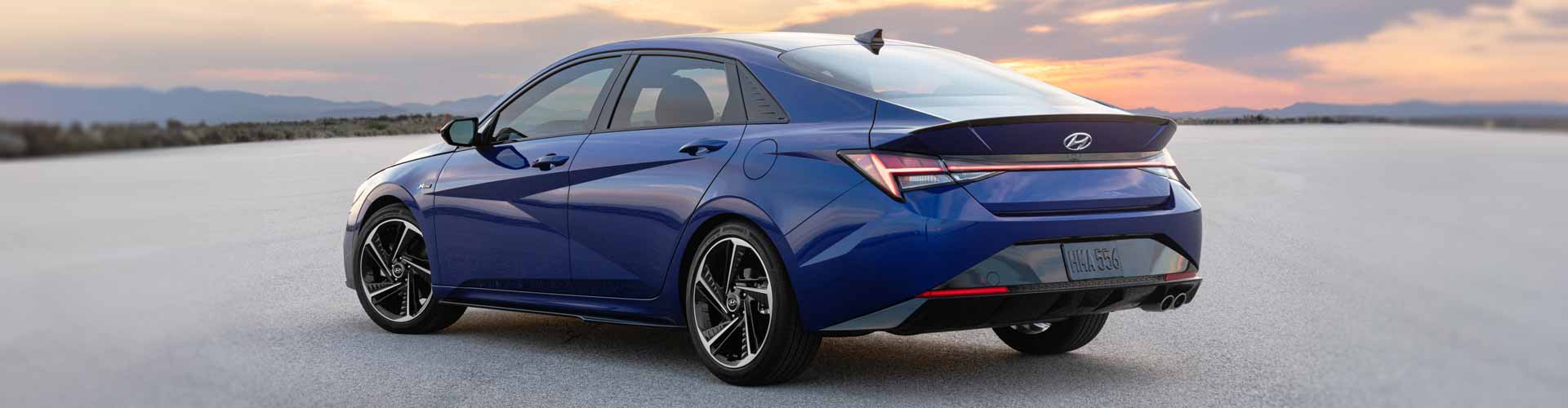
Hatchback body styles dominate the small car market and the once common sedan now runs a distant second in the sales race. With the Hyundai i30 hatch range’s popularity overshadowing the Elantra sedan, it’s no surprise the carmaker is retiring the Elantra nameplate and adopting an i30 sedan instead.
Sedans have long been regarded as the stodgy alternative to the sporty-looking hatch, but Hyundai’s designers have thrown this convention out the window, crafting a bold and exciting sedan based on the company’s latest small car platform. The result is no shrinking violet, with a footprint about the same size as the Sonata sedan from the mid-2000s.
What tech does the 2021 Hyundai i30 Sedan N Line come with?
The shallow trapezoidal grille has a faintly Lexus look to it, but the similarities end there, with upswept LED headlamps initiating a curve through the waistline and highlighting diamond-like cut profiles on the doors to the rear. On sports N Line variants a full-length lighting strip spoiler disguises the boot lid, and below are twin exhaust outlets and a rear diffuser.
Alloy wheels are standard across the range.The interior design focuses on the driver and ‘wraps’ around their position and a high-mounted grab bar joins the middle of the dashboard to the centre console. A 10.25-inch infotainment screen sits prominently, with Elite and N Line variants also featuring a 10.25-inch electronic instrument cluster that alters in appearance and colour when you switch between drive modes.
How much does the 2021 Hyundai i30 Sedan N Line cost?
N Line and N Line Premium variants get Hyundai’s 1.6-litre turbocharged engine, which develops 150kW and 265Nm. A six-speed manual is available on both and a seven-speed dual clutch transmission is the self-shifting option. Prices start at $30,290 for the manual N Line and the N Line Premium rounds out the range at $37,290.
Hyundai’s SmartSense safety tech includes the latest version of its forward collision avoidance system with front radar detectors and windshield mounted camera. The system brakes in the case of a potential collision and now features a junction turning function that detects oncoming traffic when turning right.
2021 Hyundai i30 Sedan variants
There are two engine choices and four model grades in the new line-up, with a 2.0-litre four-cylinder engine producing 117kW and 191Nm in the base Active and Elite. The Active is available with a six-speed manual or six-speed auto, and the Elite is auto only. Prices start at $24,790 for the manual Active, the auto is an extra $2000, and the Elite jumps to $30,790.
How does the 2021 Hyundai i30 Sedan N Line drive?
The Active’s 2.0-litre/six-speed auto combo feels punchy and only when you head towards the maximum rev limit of 6200rpm does engine noise become audible. The N Line’s more powerful engine combo is under the bonnet of many sports variants spanning the Hyundai/Kia family. The wide torque band provides more oomph, making it an ideal choice for buyers looking for performance at a reasonable price.
Ergonomically the interior works well and there’s a nice feeling of spaciousness, although the jury’s still out on the grab bar. The Active is a little plain and monotone, but the Elite and N Line benefit from extra detailing and coloured highlights. There is plenty of rear occupant leg room and, at 474 litres, boot volume rivals the Tucson SUV.
The i30 joins the Corolla and Mazda3 sedans in offering a fresh alternative to the mid-sized SUV. Together they may just herald a renaissance of the ‘practical’ sedan
The 2021 Hyundai i30 Sedan N Line at a glance
Pros: Ride quality; N Line performance
Cons: Bland interior in the Active


