
Things to do in Botany Bay
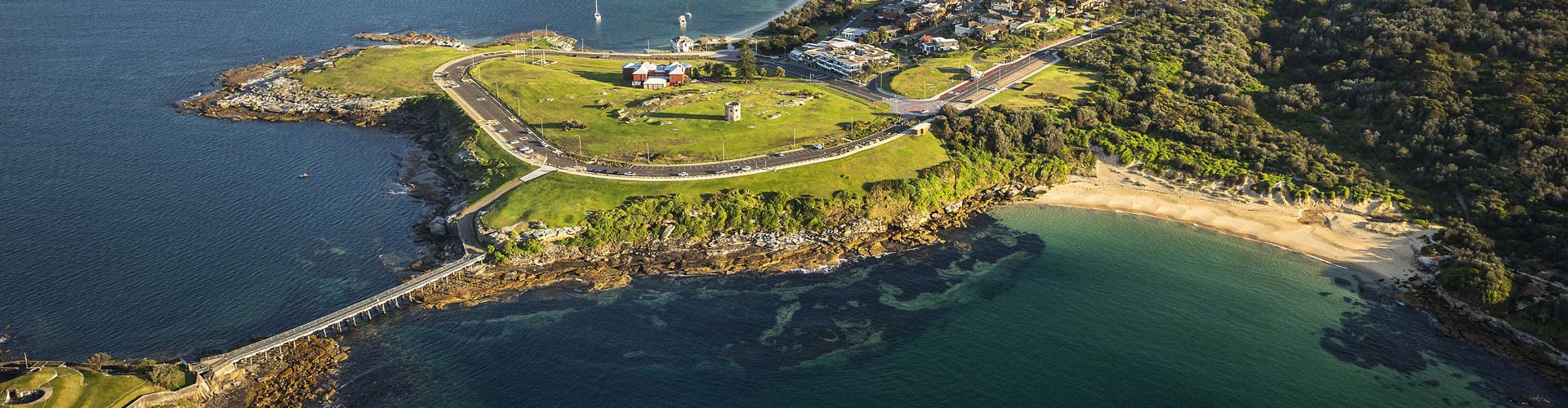
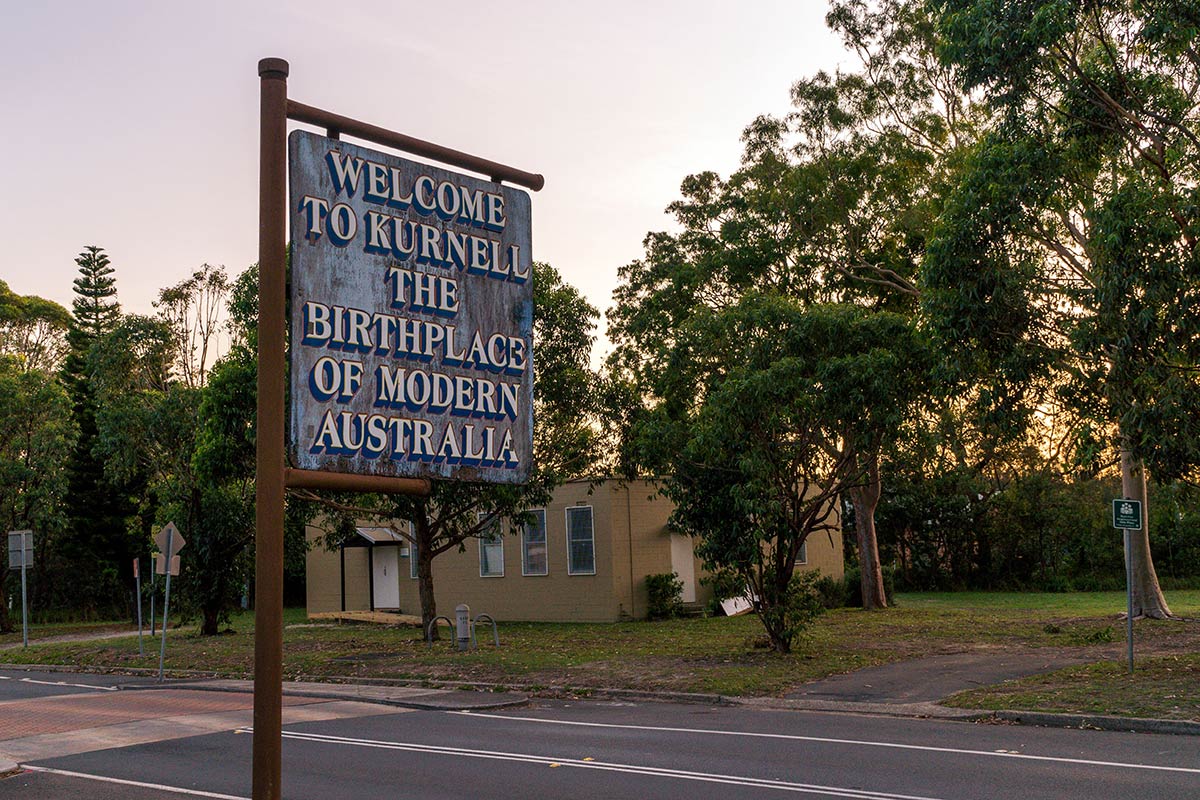
Planning a day trip but want to stay within the confines of Sydney? As Captain Cook Drive sweeps past a rubbish tip, skate park and oil refinery, it’s hard to believe there’s a national park somewhere nearby. But just before you reach the bayside town of Kurnell, there’s the turn-off to Kamay Botany Bay National Park.
Botany Bay is, of course, the place where Captain James Cook’s expedition landed on April 29, 1770, so Kamay Botany Bay National Park is, as well as being the home of the Gweagal clan of the Dharawal nation, arguably the birthplace of modern Australia.
Named Botany Bay National Park in 1984, ‘Kamay’ was added in recent years to acknowledge the Dharawal people. Kamay means ‘fresh water’, a name that is doubly fitting, since Cook and his crew replenished their water supplies from a small stream there.
|
Highlights |
|
Where to eat
There are a number of picnic areas dotted around Kurnell Peninsula, and barbecues. Our pick is the ‘Cricket Pitch’ picnic area, which as the name suggests, has a rudimentary cricket oval. It’s right next to Cook’s Landing Place, the beach and, in case your thermos goes cold, the Kurnell 1770 Bakery & Cafe. It’s also the only picnic area that’s easily accessible from the street, so if you don’t want to stump up $8 for parking near the other sites, it’s your best option.
If you’re feeling like something a bit more grown up, give Cook at Kurnell a go. It's down the other end of Prince Charles Parade and offers breakfast, lunch, and dinner inspired by tropical flavours from as far away as Cuba, Mexico, and Miami.
For a lunch served with a panoramic ocean view over Cronulla beach, Sealevel Restaurant + Bar is the place to go. Established 19 years ago, Sealevel has been serving high quality food and wine ever since and invites visitors to immerse themselves in the sights, sounds and flavours of the sea - including popular Kilpatrick Sydney Rock Oysters. Follow it up with a sundowner at Mundo (My NRMA Rewards members also get a discount!)
Read more: Sydney to Kiama
What to do
There are plenty of bush walks throughout the park which vary in length and difficulty. If you only have the time and energy for one, choose the Burrawang Walk. It’s an easy 1.1km and takes in bushland, ‘soundscapes’ (speaker installations featuring local Aboriginal people talking and singing), the story of first contact between Cook, his crew, and the First Nations people, and the stream where the Endeavour crew replenished its water supplies.
The exhibits at the Kurnell Visitor Centre museum tell you the story of European and Aboriginal history around Botany Bay through artefacts, text displays and audio-visual presentations. The museum has one of the world’s richest collections of artefacts from Cook’s ship, Endeavour, including a cannon and piece of timber from the hull. It’s an easy way to learn (or refresh yourself on) the origin of names like Sutherland, Botany Bay and Cape Solander. The museum also has an example of an Aboriginal bark canoe, which was built for ceremonial use in 2014.
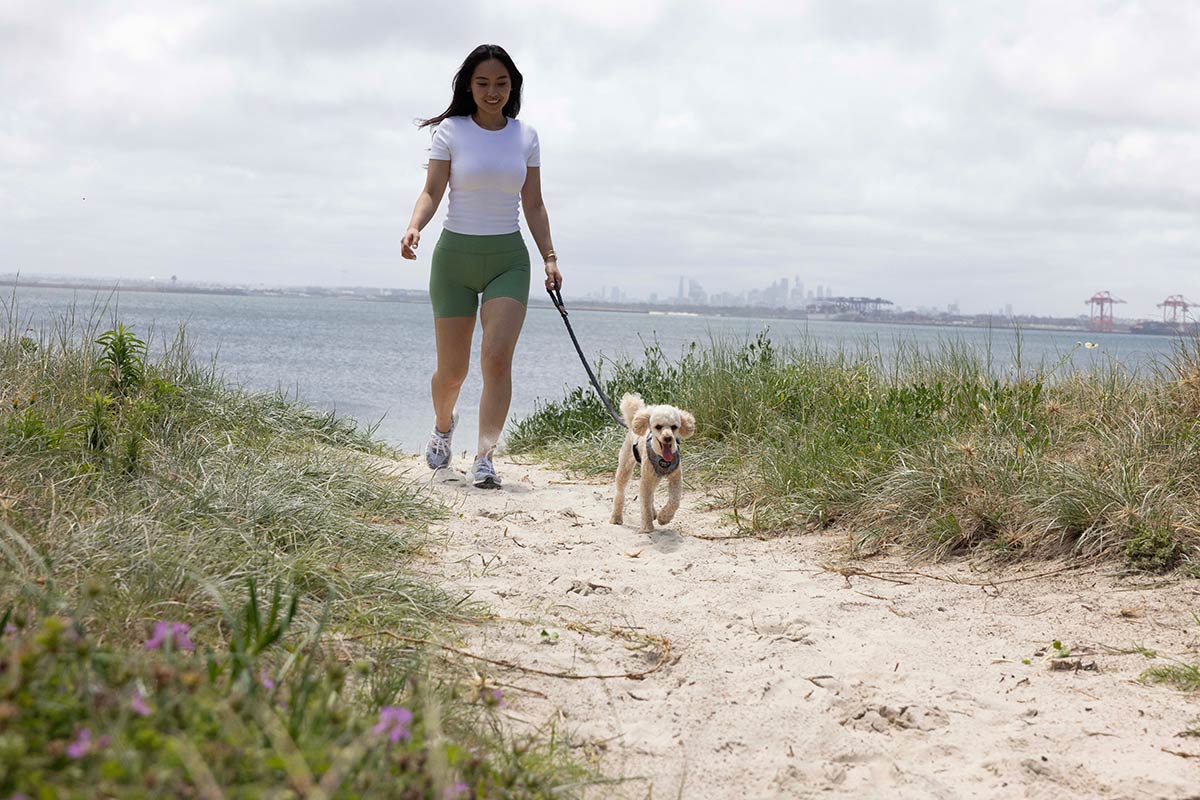
If you’ve got a dog in tow, the nest dog-friendly Botany Bay beach near Kurnell is Silver Beach (between the 3rd and 4th groynes) and there’s also Kyeemagh Beach on the other side of the bay (between gates 60 and 61).
Where to explore
Located on the most easterly point of the Kurnell Peninsula, the Cape Solander lookout is of particular interest during the whale migration months, when humpbacks and other species can often be sighted. Information has been posted here about the types of whales you’ll see and how to spot them, as well as the history of whaling and why beached whales were so valuable to the Indigenous inhabitants. The view is spectacular, with or without cetaceans.At Inscription Point a set of steep stairs leads down to a small lookout above the passage into Botany Bay and, further below, there’s a sheltered overhang. The cranes of Port Botany are clearly visible on the far side of the bay, offering a contrast between ancient and modern Australia. Inscription Point is also a favoured spot amongst rock fishermen.
An obelisk erected in 1870 commemorates the exact spot where Cook’s landing party came ashore. If you look out over the water, you will see a small plaque erected on the rocks where it’s believed Cook and his crew first landed. For many years a skiff sat in the same spot flying the Union Jack, and it was later replaced with a buoy.
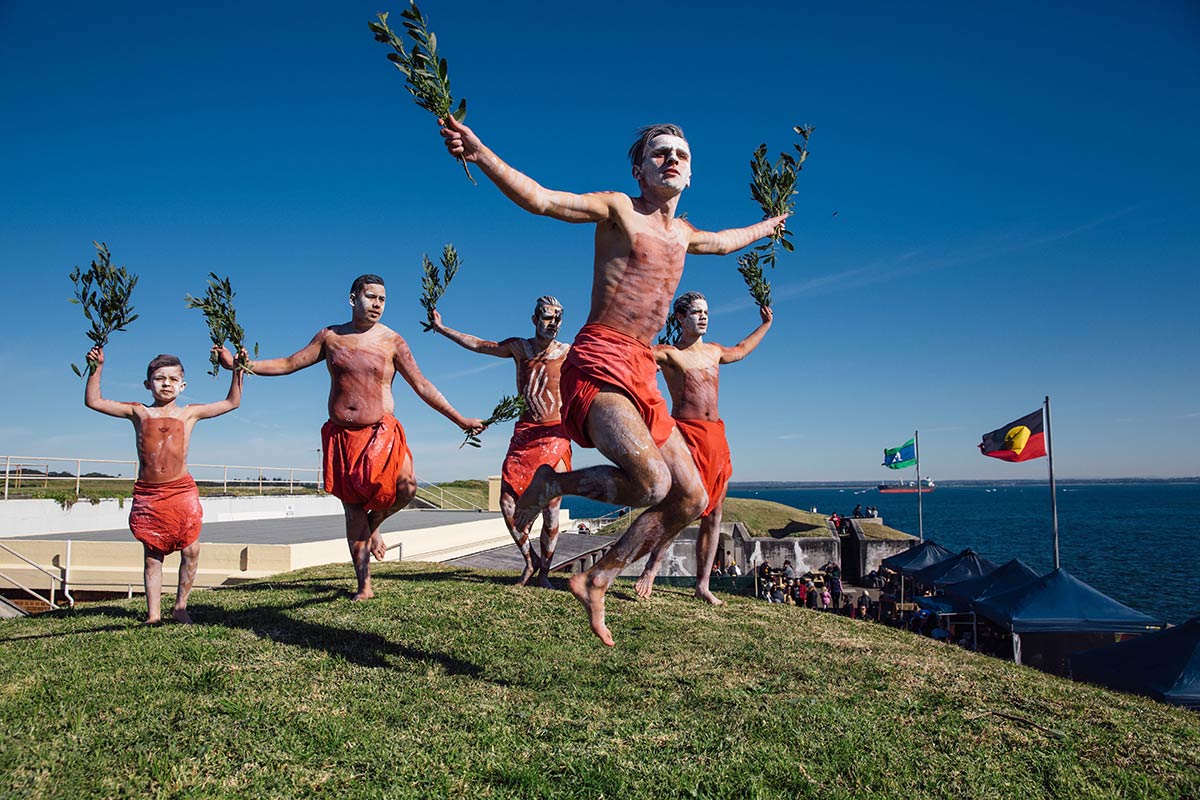
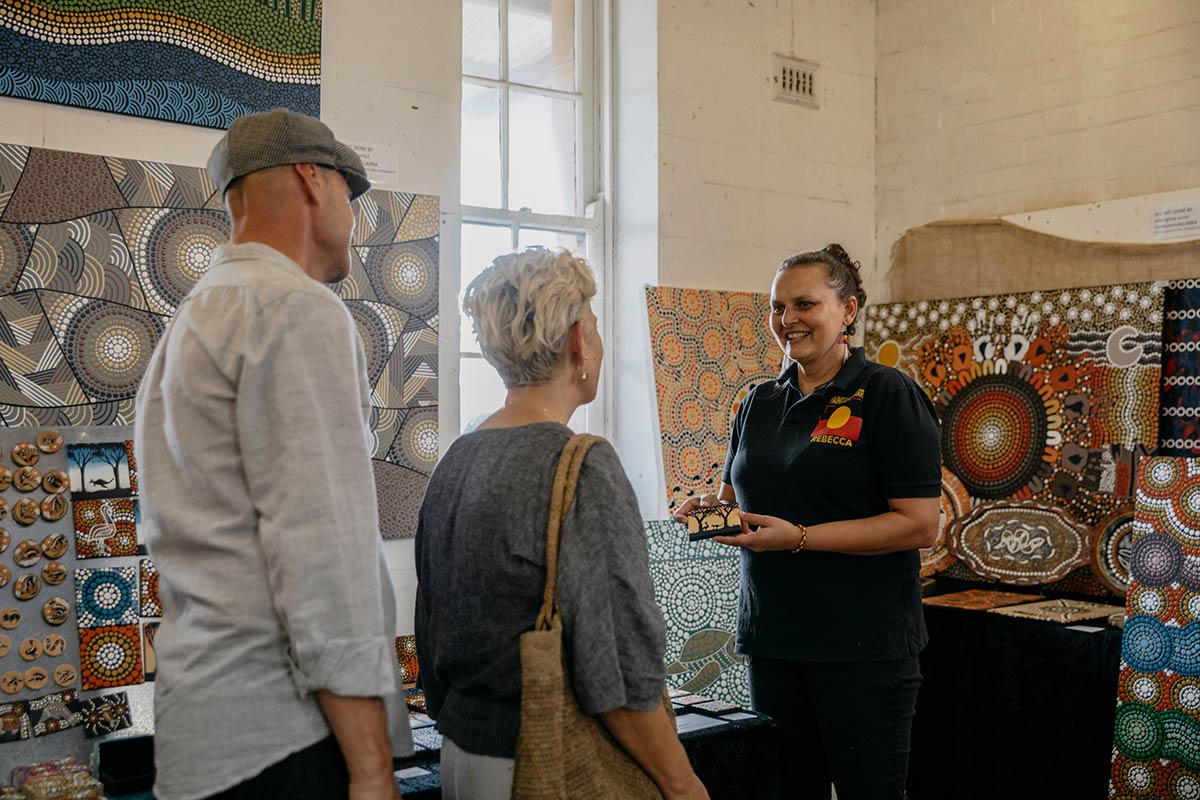
If you still haven't had enough history yet, you can stop by the unique, and somewhat mysterious, Bare Island. You can also head to La Perouse Museum to visit the quarterly Blak Markets, if the timing is right.
Where to stay
You will find there are plenty of hotel options to choose from close-by to the national park and easily accessible from public transport. Whether it be a cosy, family-friendly hotel or a selection of bed and breakfasts along the coastline, there is something for everyone.
If you’re seeking something a little more luxurious why not try the Cronulla Beach House for a romantic seaside escape. Sydney’s longest beach is on the doorstep of this bed and breakfast; a mere five minutes away, as well as local restaurants and coffee houses.


