NSW extends average speed camera trial for light vehicles
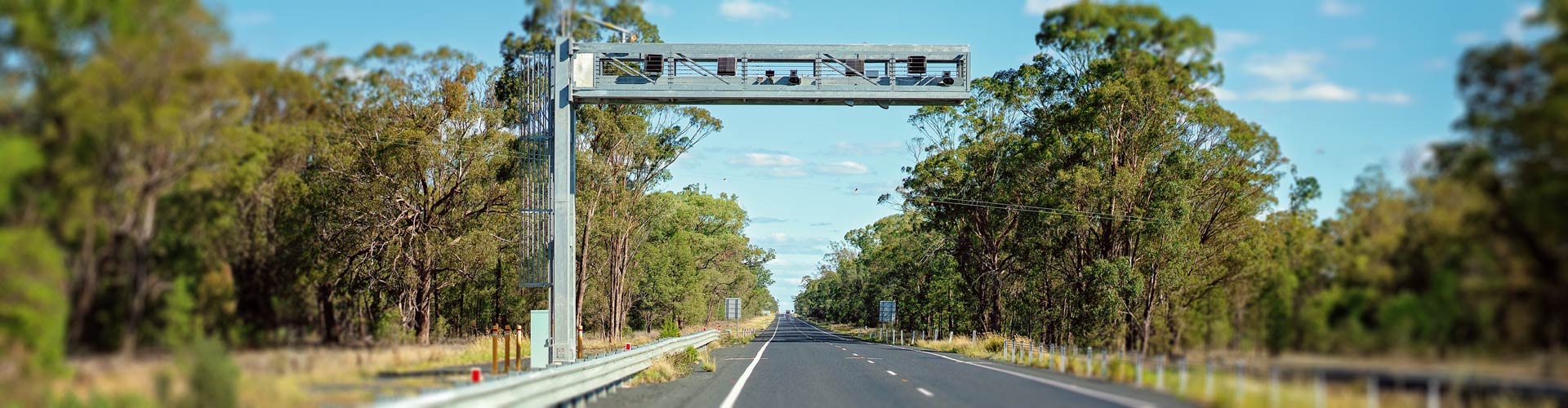
One year after NSW’s average speed camera trial commenced, the NSW Government has announced it will extend the trial, citing “positive results” and a drop in speeding offences.
The cameras set up in two locations – a 15km stretch between Kew and Lake Innes (near Port Macquarie), and a 16km section of the Hume Highway between Coolac and Gundagai – went live on July 1, 2025, following a two-month warning period.
Deputy secretary at Transport for NSW, Sally Webb, claimed the trial period resulted in a 76 per cent improvement in speed limit compliance, with the two sites in total now averaging below 2200 offences per month.
“We know the majority of people who travel past our cameras follow the rules, in fact since we started the trial at the two locations a year ago we’ve checked more than six million vehicles where drivers were following the rules,” Ms Webb said.
“Speeding remains the biggest killer on NSW roads and we are committed to examining every tool available to keep people safe on our roads. The results of the trial are encouraging and we have seen a clear drop in speeding.
“The trial is delivering real safety benefits, and we will continue enforcement at the sites while we have a thorough independent review of the results conducted, the outcomes are expected to be available in October.”
Heavy vehicles such as trucks and buses have been subject to average speed camera monitoring since 2010, but this is the first time the technology has been applied to light vehicles.
First activated on May 1, 2025, the cameras were initially in ‘warning mode’, meaning anyone who exceeded the posted speed limit by 30km/h or less received a warning letter encouraging a change in driving behaviour. (Speeding offences 31km/h or more above the posted limit were still subject to penalties.)
To alert drivers, these zones are indicated with a sign featuring a large camera image and the text ‘AVERAGE SPEED SAFETY CAMERA’.
Road safety experts have backed the use of average speed cameras and the NRMA will be part of the assessment process to ensure drivers have a voice in the review of the trial.
The roads chosen were done so with good reason. Between 2018 and 2022, these roads saw six fatalities and 33 serious injuries – a stark reminder of the poor road safety record on regional roads.
In contrast to other states, NSW has so far used average speed cameras exclusively for heavy vehicles. Yet, recent data paints a clear picture – around 80 per cent of serious crashes and fatalities at the existing 31 camera-equipped sections have not involved trucks. In fact, NSW stands alone among Australian states in restricting average speed enforcement to just heavy vehicles. Other states either already target all road users or plan to jump on board soon, following global evidence that average speed cameras significantly reduce road trauma, if applied to passenger vehicles.
— Deputy secretary at Transport for NSW, Sally Webb
Regional communities a priority
Minister for Regional Transport and Roads, Jenny Aitchison, recognised the trial may raise a few eyebrows, especially in regional communities. However, she noted in an announcement that regional roads are a hot spot for speed-related crashes.
"Two-thirds of road deaths occur outside metro areas, even though only a third of the population lives there," she said. "We picked these regional stretches specifically to see how effective average speed cameras might be at turning things around."
Fair play and proven results
Average speed cameras are widely viewed as a fairer way to manage speed – tracking average pace over a longer stretch rather than pinging drivers for a split-second slip-up. NSW research backs this up, with 68 per cent of drivers agreeing these cameras help improve road safety.
International studies underline the benefits. Norway recorded a 49 per cent drop in serious crashes after introducing average speed cameras, and a similar UK study showed a 36 per cent reduction.
How do average speed cameras work?
According to the Transport for NSW website, “Average speed cameras use two cameras to measure the amount of time it takes a vehicle to travel between two points on a stretch of road. A time-stamped image is taken as the vehicle passes each camera. The vehicle’s average speed between the two cameras is then calculated. If the vehicle’s average speed exceeds the speed limit for the length of road, the driver or rider will receive a penalty for speeding.”