2026 BYD Shark 6 price and specs: two new variants added to popular ute

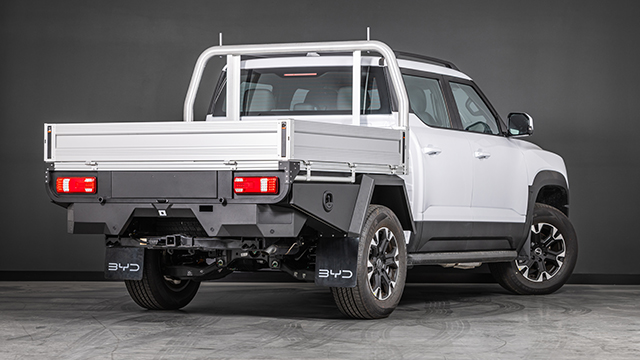
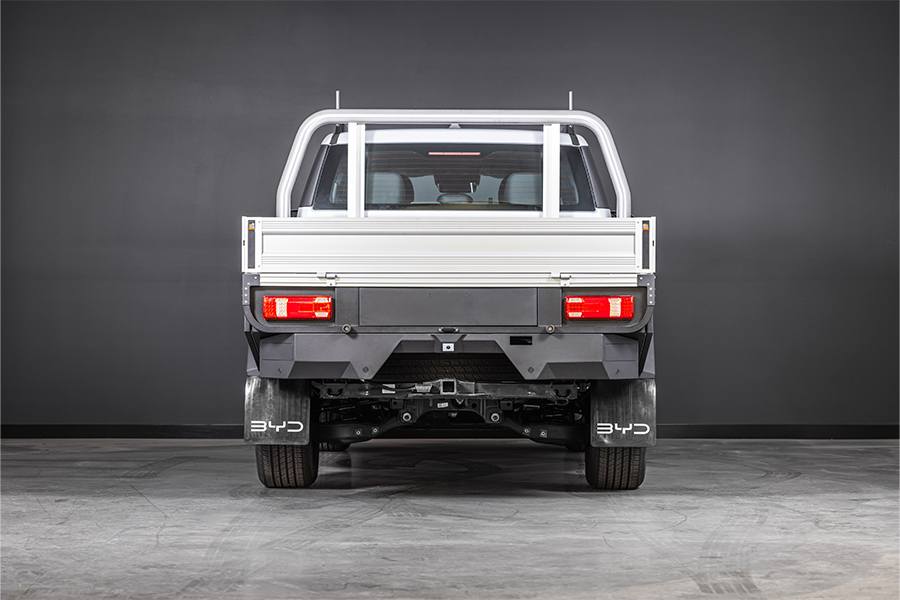
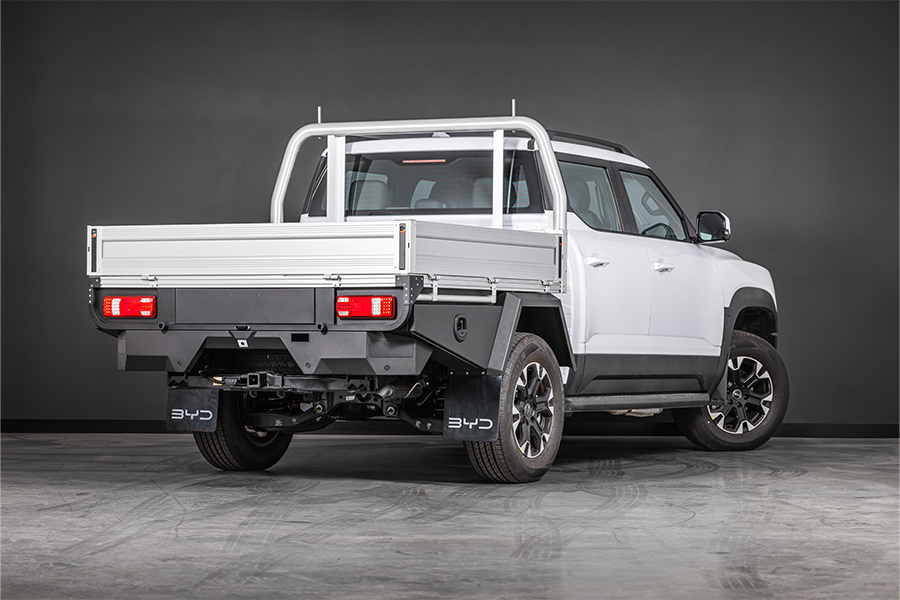
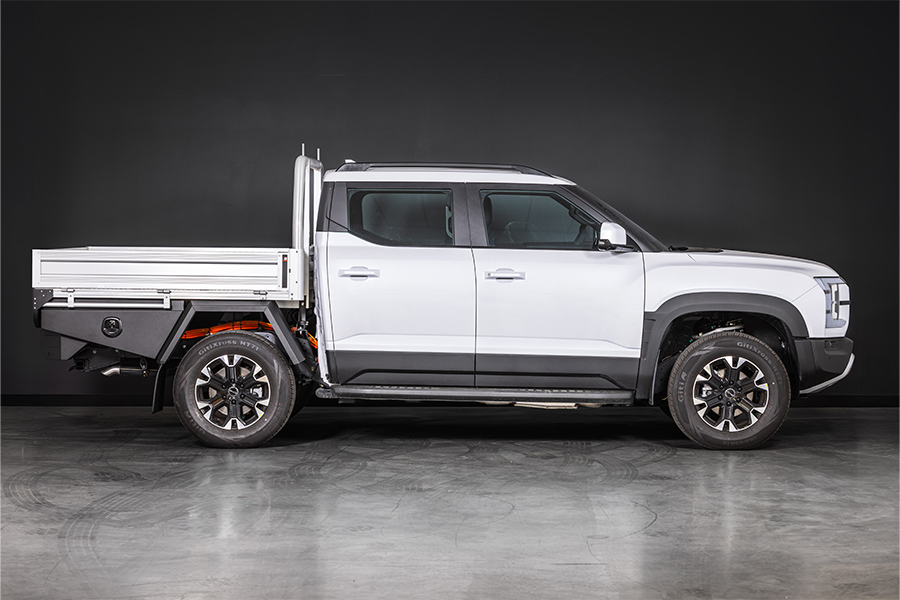
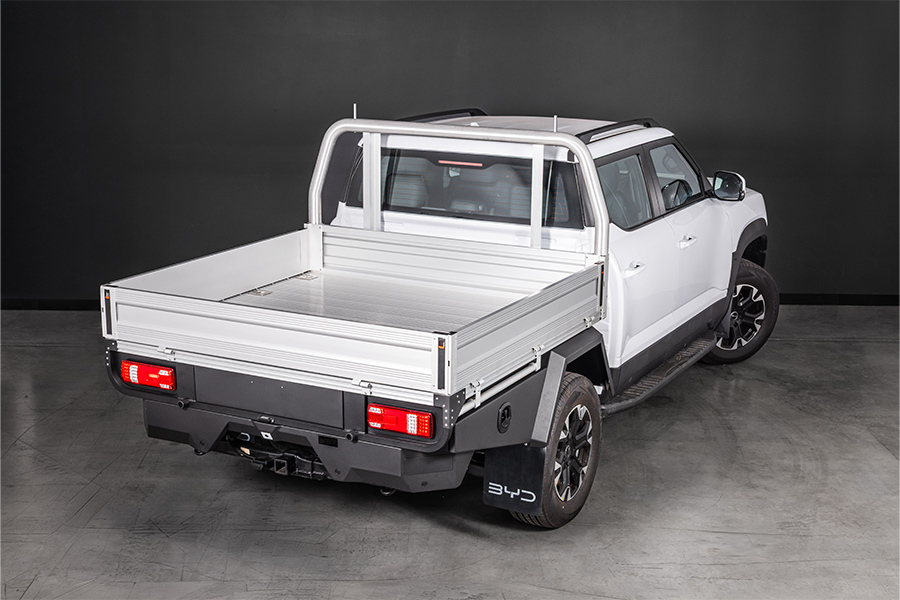
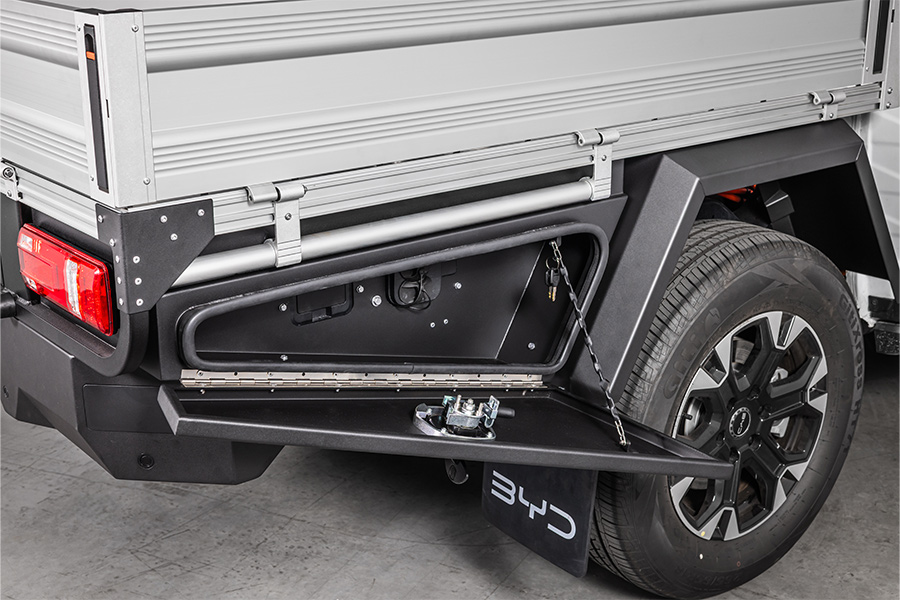
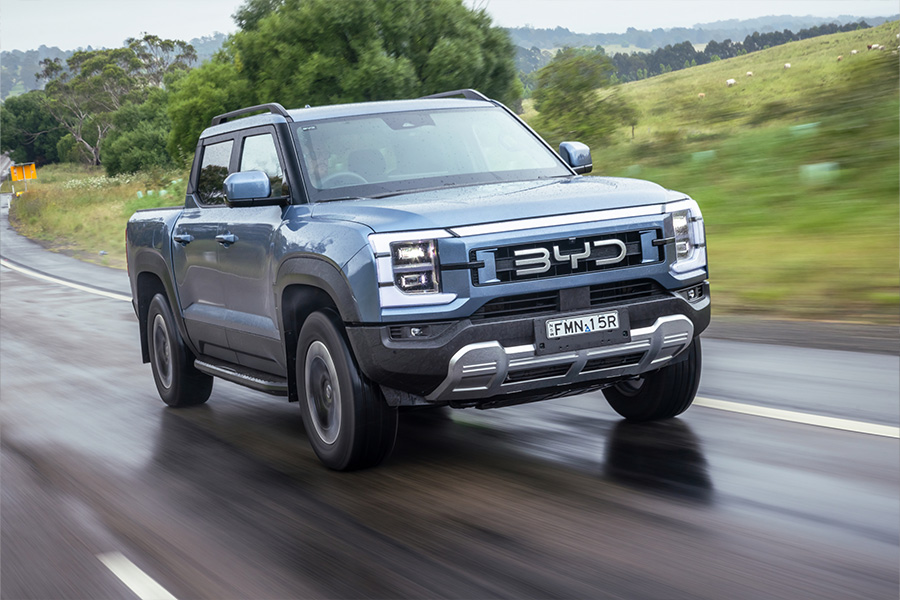
BYD has expanded the range of its market-busting Shark 6 ute, adding a tradie-friendly Cab-Chassis and top-of-the-line Performance pickup trim.
The Chinese EV maker only landed in Australia in 2022, but in those four short years it has brought a plethora of models into our market spanning almost all segments.
The introduction of its plug-in hybrid electric vehicle (PHEV) Shark 6 mid-size ute in late 2024 seemed like the brand’s largest roll of the dice, with the model entering one of Australia’s most hotly contested segments against the likes of the best-selling Ford Ranger and Toyota HiLux.
A chance well taken, it seems, the 2026 BYD Shark ute has enjoyed enormous success thereafter, and has become one of the brand’s best sellers overall.
Let’s dive into the pricing and specifications of the expanding 2026 BYD Shark 6 ute range to see just what makes it so popular with Australians.
2026 BYD Shark 6 price range and warranty
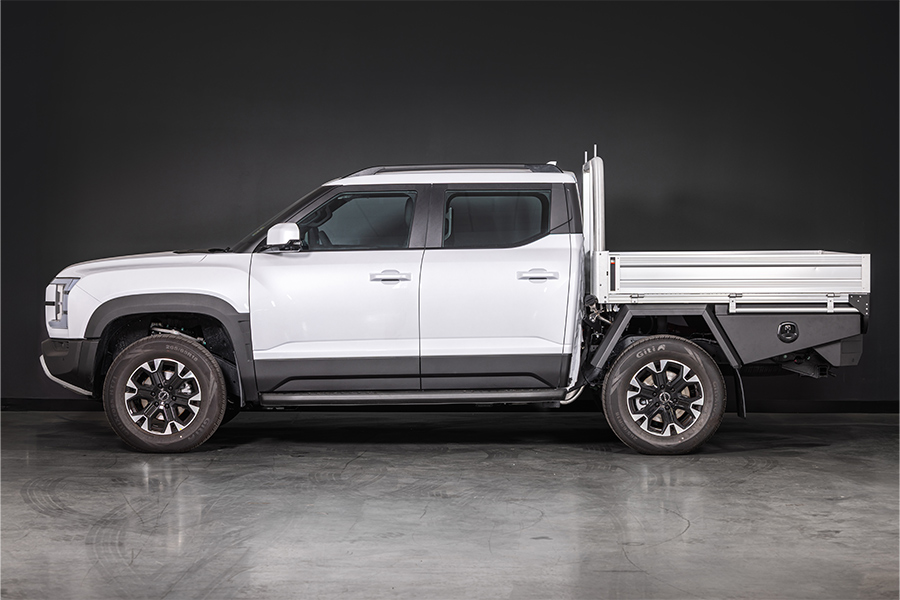
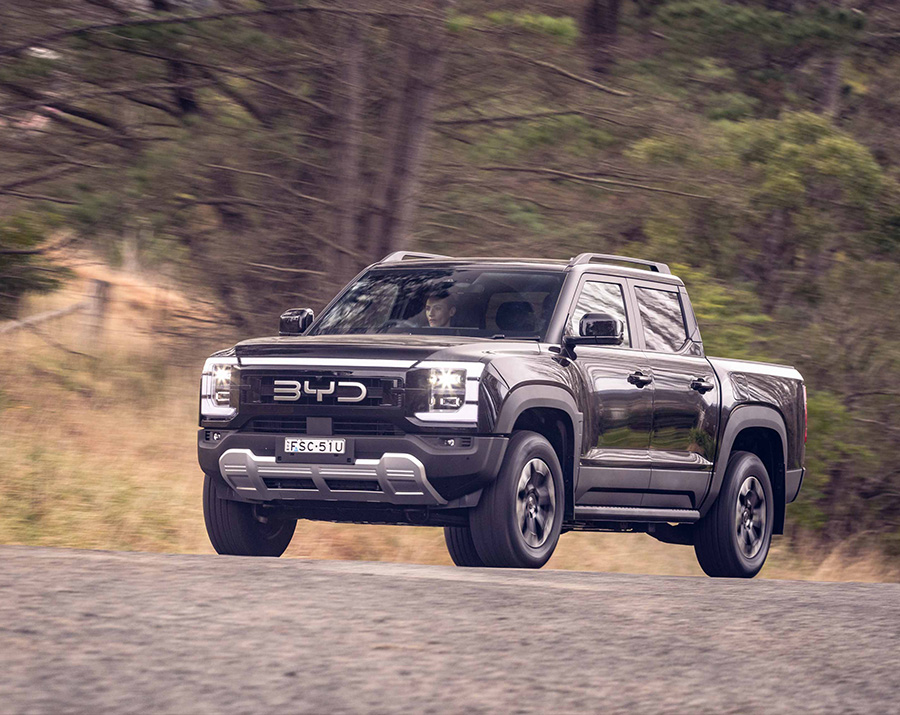
The 2026 BYD Shark 6 ute is available in three trims: Dynamic cab-chassis, Premium pick-up and Performance pick-up – with the Dynamic and Performance levels only added to the line-up in April of this year.
The now entry-level Dynamic Cab-Chassis trim kicks off from $55,900, with the mid-tier Premium pickup starting at $57,900, and Performance closing the range at $62,900. All prices are before on-road costs.
An aptly named Great White paint comes as standard, with optional Mist Grey, Deep Sea Blue, Tidal Black and Outback Orange all attracting a $700 premium. A range of uprated wheels, tyres and suspension can be optioned, with front and sports bars, racks, and cargo covers also available.
Warranty terms of six years/150,000km and eight years/160,000km cover the vehicle and its high-voltage battery respectively.
2026 BYD Shark 6 ute performance and consumption
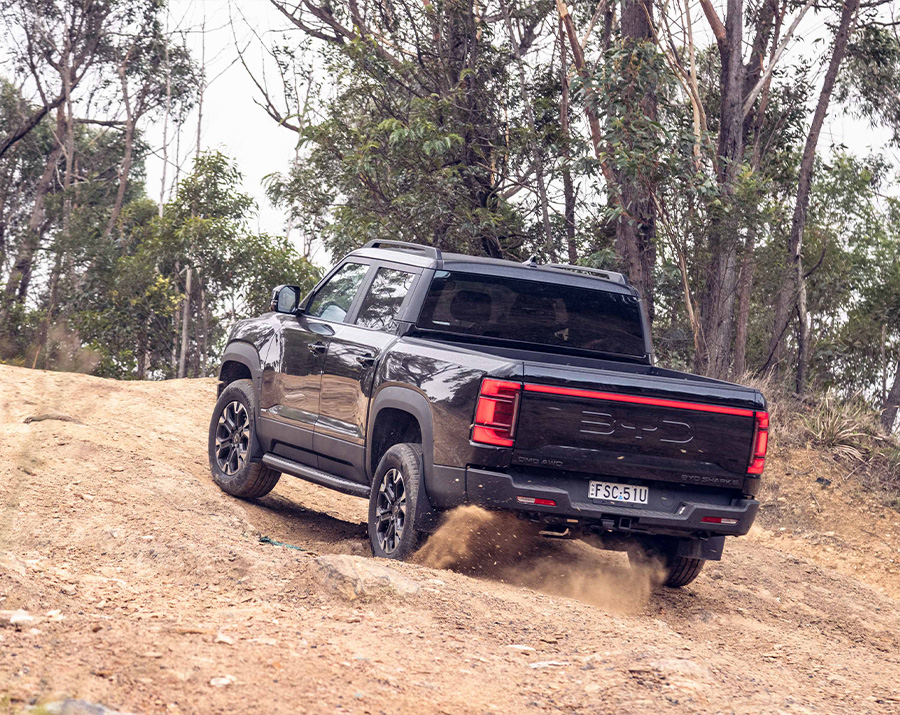
All 2026 BYD Shark 6 ute variants are driven by PHEV powertrains, mating a turbocharged petrol engine to dual electric motors, with one mounted on each axle to provide all-wheel drive.
In Dynamic and Premium trim, this is a 1.5-litre engine and 29.6kWh LFP battery pack with claimed outputs of 321kW and 650Nm. Move up to Performance grade and that engine grows to 2.0 litres of capacity, shifting outputs to 350kW and 700Nm while utilising the same battery pack.
Fuel consumption figures vary between the two PHEV systems, with 2.0L/100km claimed for the 1.5-litre engine and 1.3L/100km claimed for the 2.0-litre engine. Both of these are claimed figures and require the battery to have more than 25 per cent of charge.
It’s important for potential buyers to note that PHEV consumption claims require very specific conditions to be met and will likely not be in real-world conditions.
The BYD Shark in Dynamic and Premium trim has a braked tow rating of 2500kg, however this figure leaps to the industry benchmark of 3500kg in Performance grade. Unbraked towing is rated at 750kg across the line-up.
2026 BYD Shark 6 ute tech and equipment
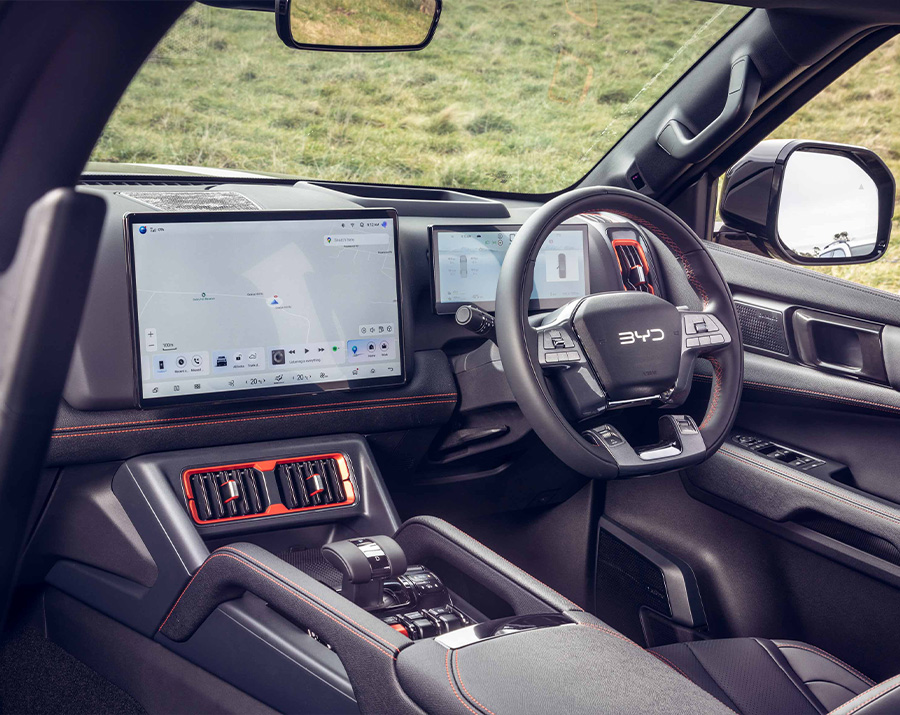
From even base trim, the 2026 BYD Shark 6 ute scores a decent host of equipment, including a 360-degree camera, 6.6kW of vehicle-to-load (V2L) capability (to run camping and jobsite external equipment), and a centre touchscreen with Android Auto and Apple CarPlay functionality.
In Dynamic trim, this screen measures 12.8 inches, growing to 15.6 in Premium and Performance. All variants score a 10.25-inch digital driver display. Beyond this, being so new to the market, full specification and pricing for optional equipment in Dynamic grade has not been confirmed beyond the above.
Moving to Premium and Performance nets buyers 18-inch alloy wheels, LED head, tail and daytime running lights, a leather steering wheel and synthetic leather upholstery elsewhere, wireless phone charging with ventilation, side steps, electrically adjusted front seats with heating and ventilation, front and rear parking sensors and a head-up display as standard.
2026 BYD Shark 6 ute safety
All grades of the 2026 BYD Shark 6 ute earn a five-star ANCAP score for safety.
Standard safety kit includes front, side and curtain airbags, lane departure warning and intervention, a 360-degree camera, autonomous emergency braking, adaptive cruise control, traffic sign recognition, front and rear collision warnings, front and rear cross-traffic alert and brake, blind spot detection, child presence detection and a trailer stability control function.
For a more detailed breakdown of how the model performs across all testing criteria, click here.