Bees in crisis as varroa mite invades

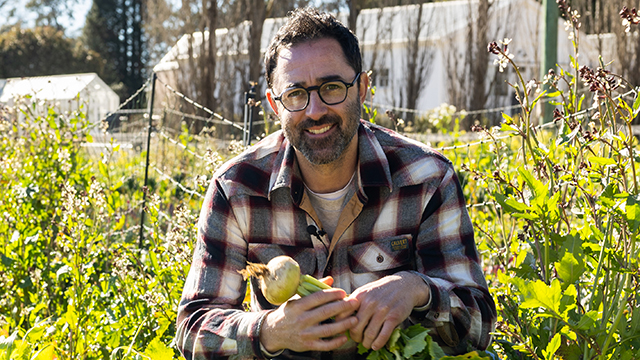
Winter in Wagga Wagga this year was cold and fiercely wet. On the morning we speak with beekeeper and president of the NSW Apiarists’ Association, Matthew Skinner, he’s just finished surveying the consequences of the previous night’s storm.
“Ever since they predicted El Niño and told us to prepare for the worst droughts, it’s been wet,” Skinner says.
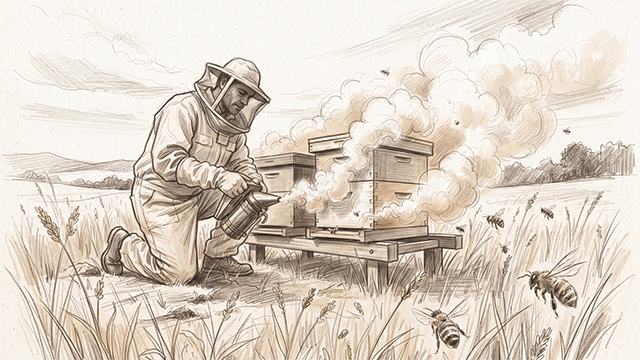
Unpredictability: it’s about the only predictable thing in a farmer’s life. Ordinarily, Skinner would spend winter doing maintenance in the shed while his bees sit dormant. But this season, he closely monitored his 720 hives, performing labour-intensive treatments to keep varroa mite infestation to an acceptable level, and fielding calls from concerned beekeepers across the state. The stormy winter feels like a fitting metaphor.
In NSW, the question of these infestations is no longer an anxious ‘what if’, it’s a troubling reality. It’s estimated they’ll wipe out 95 to 100 per cent of Australia’s feral European honey bee population, while there’s expected to be a shortfall of around 300,000 commercial beehives for this year’s pollination season in the eastern states.
Varroa was first detected in the country in June 2022 in hives at the Port of Newcastle. A second, separate invasion was later confirmed in Queensland, suggesting the mite hadn’t arrived once, but twice. The speed of the subsequent spread was not surprising.
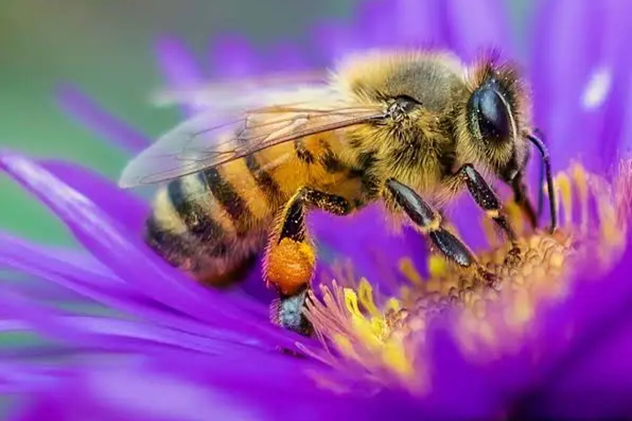
Commercial beekeepers spend most of the year on the road, chasing eucalyptus blooms and crop flowerings, offering their bees a smorgasbord of interstate pollen. The season starts in Queensland, then the roving trucks of hives travel through NSW, Victoria and South Australia, converging on the Riverina and Sunraysia for the almonds – the most pollination-dependent crop of all. With hundreds of thousands of hives crossing state lines each season, the spread didn’t take long.
The varroa invasion was initially met head-on with effective synthetic pyrethroids (chemical insecticides). That was until a new varroa, resistant to those chemicals, entered the equation. Now, beekeepers are becoming chemists, navigating synthetic versus organic treatments, complex application methods, and the safe handling of these chemicals. Honey bees technical specialist for the NSW Department of Primary Industries, Liz Frost, calls it a tightrope.
“You’re trying to kill a mite on a bug – you need to make sure it’s lethal enough to kill the mite but not so lethal that it affects the bees themselves,” she says. And ‘organic’, doesn’t mean it’s safe. “The organic alternative is oxalic acid vaporisation, which is quite corrosive. When handling it, beekeepers need to wear a respirator and protect their eyes and skin.”
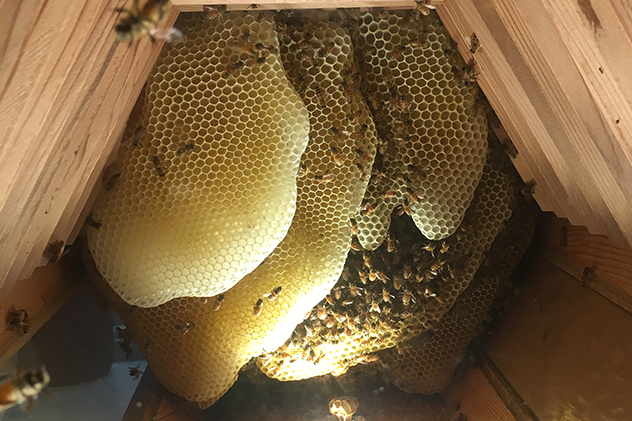
An indoor hive at Win's Creek Meadery in Murrumbateman.
Australia was the last major honey-producing country in the world to get varroa. Two decades of chemical development overseas gave our beekeepers a head start, but that advantage is shrinking fast with the chemical-resistant mite. Overseas experience has made one thing clear: eradication is off the table. The goal is management. NSW alone has 338,000 registered hives, most of which are managed commercially by just 885 beekeepers. For apiarists like Skinner, management now means fortnightly hive visits, rotating chemical treatments, and carrying that workload on top of an already relentless operation. Unless he can source additional labour, Skinner may need to cut 200 hives this season.
The fallout of infestation extends beyond honey availability. Honey bees contribute $14.2 billion to Australian agriculture through the invisible work of pollination. One in every three mouthfuls we eat exists because a bee visited a flower. Almonds, apples, cherries, blueberries and macadamias – 67 crops in total – all depend on bees to varying degrees, yet most of that work goes unnoticed.
“Beekeepers are essentially landless farmers,” says Frost. “They’re reliant on other people’s land-use habits for the safety of their bees. Those bees don’t stop foraging just because there’s an insecticide spray on a crop.” Skinner’s father-in-law once lost over 400 hives in a single spraying event on a travelling stock route. It’s the kind of loss that doesn’t show up in any crop report.
Tasmania and Western Australia remain free from the varroa mite. WA has kept its borders closed to interstate bee movement since the 1970s. For everyone else, the road is long. “I do see light at the end of the tunnel,” says Skinner. “It’s not going to be an easy road for the next couple of years, but we’ll keep working on it.”
How can the rest of us help? Buy Australian honey, suggests Skinner: “It doesn’t matter if it’s from the supermarket or from your local beekeeper, just look for that Australian logo.”
Facts about bees
- When a forager bee finds a good food source, she’ll return to the hive and perform a ‘waggle dance’. From her movements, the others will know where to go, up to 6km away.
- In peak season, a healthy queen bee lays up to 2000 eggs per day. She can keep this up for years and may lay a million eggs in her lifetime.
- A worker bee performs seven jobs in just six weeks of life. She’ll start as a cleaner, then graduate to a nurse, wax builder, queen’s attendant, undertaker, guard, and then a forager.
- A male bee, called a drone, doesn’t work. His sole purpose is to mate with a virgin queen from another hive.