Tailgaters, lane hogs and indicator dodgers: Australia’s most annoying drivers exposed

Key points
- Tailgating and erratic driving are Australia’s most annoying on-road behaviours, according to NRMA members surveyed
- Almost three-quarters of members have witnessed road rage in the past month
- Almost one in five drivers admits to showing road rage towards another motorist
Almost three-quarters of drivers have witnessed road rage in the past month, with tailgating, failing to indicate, and hogging the right-hand lane topping the list of driving frustrations, according to new NRMA research.
The NRMA’s Courteous Driving survey, which questioned 1298 members across NSW and the ACT, found that tailgating or erratic driving was considered the most aggravating behaviour on the road, cited by 73 per cent of respondents.
Failing to indicate was a close second, identified by 68 per cent of those surveyed, while 65 per cent said slow drivers sitting in the right-hand lane were among their biggest driving frustrations.

Illegal mobile phone use also featured prominently, with 58 per cent of respondents identifying it as an annoying driving habit. That figure climbed to 70 per cent among those aged between 65 and 70.
Worrying levels of road rage
The findings come amid worrying levels of road rage, with 74 per cent of NRMA members saying they had witnessed aggressive behaviour on the road in the past month. Nine per cent said they witnessed it daily, while 29 per cent encountered it weekly and 36 per cent monthly.
More than four in 10 (42 per cent) said they had been the target of road rage in the past 12 months, while almost one in five (19 per cent) admitted to displaying road rage towards another driver.
Perhaps most concerningly, almost one in four (23 per cent) of those who had experienced road rage said children under the age of 16 were in the car at the time.
NRMA spokesperson Peter Khoury said courteous driving was one of the most effective ways to prevent road rage, with simple gestures making the roads less stressful for everyone.
“Being courteous towards other drivers is the most effective way to prevent road rage,” Mr Khoury said.
What behaviours do motorists value?
The survey also highlighted the driving behaviours motorists value most, with 97 per cent saying indicating when merging or changing lanes was very important.
Not using a mobile phone illegally was considered “very important” by 89 per cent of respondents, while 88 per cent placed importance on maintaining at least a three-second gap from the vehicle in front.
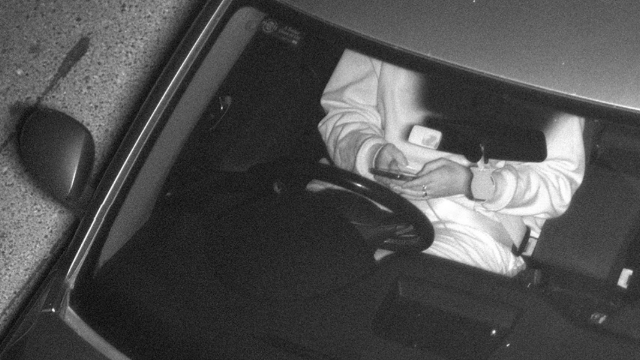
Mr Khoury said drivers should remember that their behaviour was increasingly likely to be captured on camera.
“Every bystander with a smartphone is a recording witness, every dashcam an extension of the law, and the nightly news is filled with footage provided by the public of drivers behaving badly,” he said.
While some driving habits might seem relatively harmless, the findings are a reminder that a little patience and consideration can go a long way.
Using indicators, leaving a safe gap, allowing other motorists to merge, and keeping left are simple ways to reduce frustration and make life behind the wheel safer and more pleasant.