PersonalBusiness
About the NRMAFuel pricesSupportAccessibilityAccessibility
NRMA Roadside, Travel and Rewards
  • About the NRMA
  • Fuel prices
  • Support
  • Accessibility
ADVERTISEMENT
Open Road
Advice and how-to
Driving
Road rules around emergency vehicles

What are the road rules around emergency vehicles?

Different road rules apply when travelling through roadworks or past emergency response vehicles. Do you know what they are?
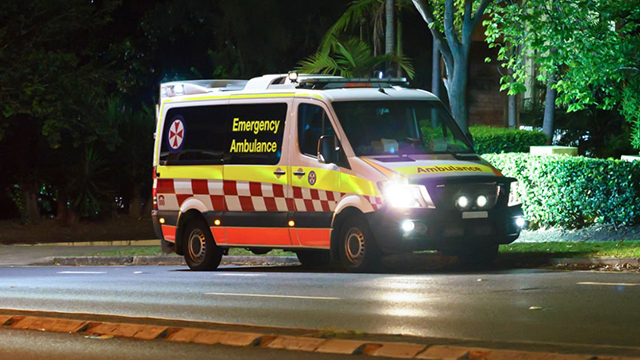
Emergency vehicles and a roadwork signAn ambulance on a road at night
12 July, 2026
Written by  
Kris Ashton
ADVERTISEMENT
Most motorists know the sirens and flashing lights on a police car, fire truck or ambulance mean ‘move out of the way if it’s safe to do so’.

But did you know special laws also apply when approaching an assistance vehicle such as a tow truck or NRMA patrol?

1. Emergency vehicles

When you see or hear an emergency vehicle with sirens or flashing lights, move or pull over as soon as you can. You must give way to emergency vehicles even when you have right of way (such as at a stop sign or a green light).

Unless there is a median strip, you must slow to 40km/h when passing an emergency vehicle on the other side of the road. Sometimes travelling on the wrong side is the only way for these vehicles to get around traffic congestion, so be ready to give way.

2. Roadworks

Special speed limits usually apply in roadwork zones, which will be marked with signage. Roadwork speed limits are legally enforceable during active hours. Be on the lookout for road workers on foot and construction vehicles, and obey signals from traffic controllers.

3. Assistance vehicles

When an emergency or assistance vehicle (such as an NRMA patrol van) is pulled over with lights flashing in a speed zone 80km/h or below, you must slow down to 40km/h as you pass it. For speed zones 90km/h and above, use your judgment and slow to a speed that lets you pass by safely.

4. Breakdowns

No specific laws apply to passing a broken-down car, but common sense applies. Slow down as you approach the scene and maintain a safe distance from the vehicle. If you want to stop and help, pull over in a safe spot and check for traffic before getting out.
Share this article
facebook
twitter-x
linkedin
Pinterest
Whatsapp
Email

Join My NRMA Rewards to access these electric vehicle benefits

Join My NRMA Rewards

You might also like

A car driving in the countryside on a frosty morning
10 winter driving tips for wet and icy roads
Rain, fog, frost and black ice can turn a routine drive into a dangerous one. Be prepared and stay safe with these winter driving tips for wet and icy roads.
A car driving in the countryside on a frosty morning
10 winter driving tips for wet and icy roads
Rain, fog, frost and black ice can turn a routine drive into a dangerous one. Be prepared and stay safe with these winter driving tips for wet and icy roads.
A car using its high beams on a dark road
Car sign language
Car sign language
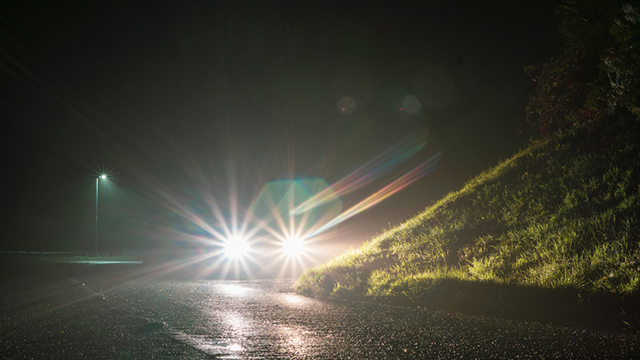
Although indicators, hazard lights and high beams have official functions, motorists also use them unofficially (and potentially illegally) to communicate. Here’s a guide to car sign language.
A car using its high beams on a dark road
Car sign language
Car sign language
Although indicators, hazard lights and high beams have official functions, motorists also use them unofficially (and potentially illegally) to communicate. Here’s a guide to car sign language.
Cars on the Sydney Warringah Freeway
Australia's most dangerous roads
The highways with the highest crash and fatality rates in Australia.
Cars on the Sydney Warringah Freeway
Australia's most dangerous roads
The highways with the highest crash and fatality rates in Australia.
An NRMA patrol holding a car battery
Tips from an NRMA patrol: car battery maintenance
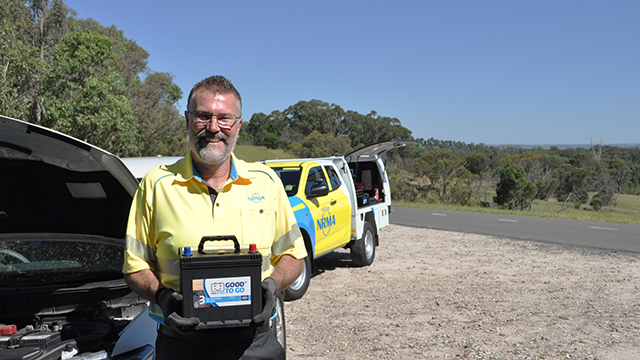
Veteran NRMA patrol, Col Endacott, explains why cold weather is a car battery killer and how to avoid a winter breakdown.
An NRMA patrol holding a car battery
Tips from an NRMA patrol: car battery maintenance
Veteran NRMA patrol, Col Endacott, explains why cold weather is a car battery killer and how to avoid a winter breakdown.
Help
Support
Manage my account
Renew membership
Request roadside assistance
Products and services
Membership
Roadside assistance
Car battery replacement
Car insurance
Roadside assistance for business
Electric vehicle charging
Driving lessons
Travel insurance
International driving permit
Quick links
Join My NRMA Rewards
Find offers and discounts
My NRMA app
Cars and driving
Buying a car
Fuel finder
Trip planner
SIXT Car and Truck Rental
NRMA Parks and Resorts
My NRMA Rewards
Travel and holidays
Food and dining
Automotive
Experiences and attractions
Shopping and lifestyle
Cashback
Open Road
About us
Who we are
Our community impact
Careers
Media
Download the app
download on the apple store
Get it on google play
Sitemap
General conditions
Privacy policy
Cookie policy
Facebook
Instagram
x.com
youtube
linkedin
©️2026 National Roads and Motorists’ Association Limited. ABN 77 000 010 506.