More speed cameras, safer country roads: Inside NSW’s new road safety plan
Key points
- 2031 Road Safety Action plan lays out measures to reduce road trauma over the next five years
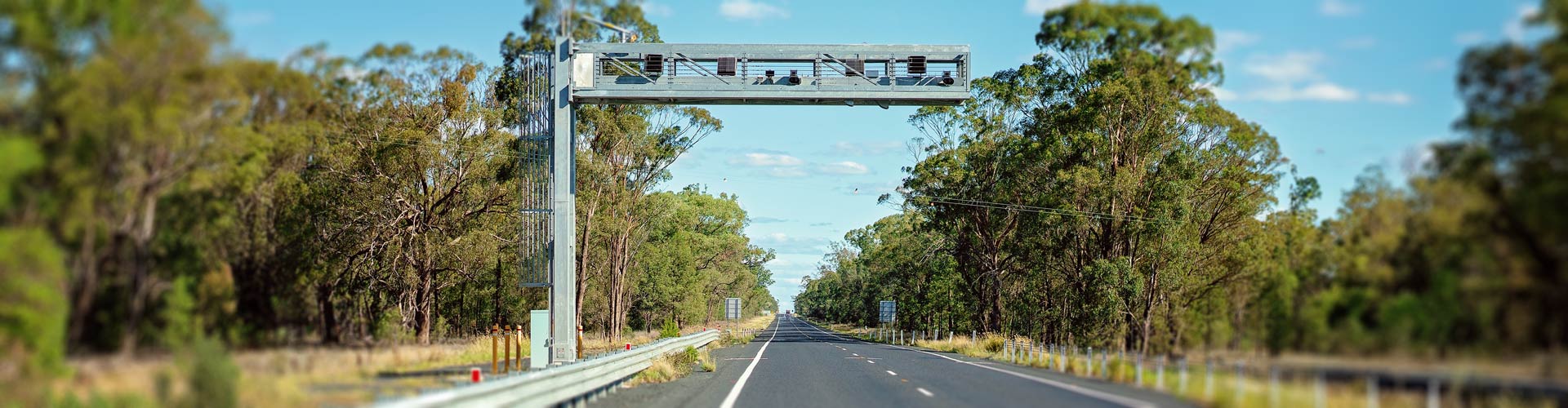
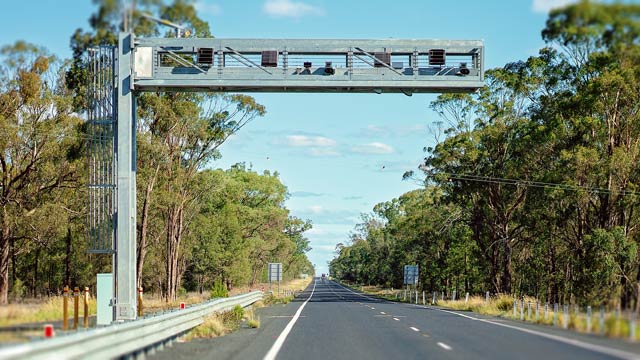
- Key initiatives include new ‘in motion’ speed enforcement and a plan for average speed cameras to expand to passenger and light vehicles
- E-bike safety targeted through stronger regulation, enforcement and education
- Eligible families will be able to have their child restraint checked and correctly fitted instead of paying a fine
The NSW Government has unveiled a new five-year road safety plan featuring tougher enforcement, major regional road upgrades, and new measures to protect vulnerable road users, as it seeks to halve road fatalities and reduce serious injuries on the state’s roads.
The NRMA has welcomed the 2031 Road Safety Action Plan, particularly measures to improve regional road safety, strengthen motorcycle training and introduce a child restraint fine diversion program. But the member organisation says the focus must now shift to implementation, with funding, accountability and measurable results critical to ensuring the strategy delivers meaningful reductions in road trauma.
Stronger enforcement and new technology
Among the plan’s key priorities is strengthening enforcement to tackle dangerous driving, particularly speeding and distraction.
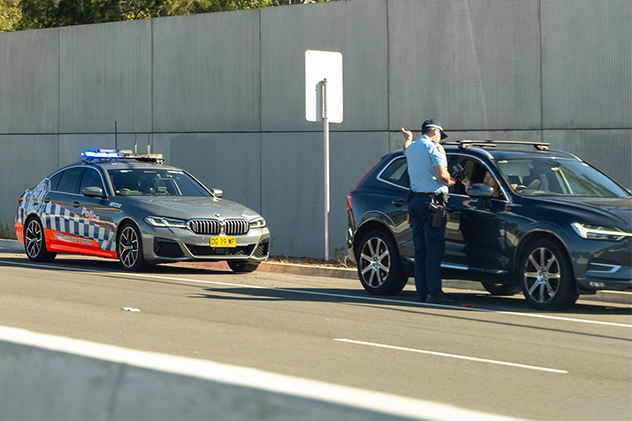
NSW police will trial in-motion speed enforcement, which allows officers to detect speeding while moving in a patrol vehicle, rather than relying solely on stationary enforcement. The plan also includes earlier notification of camera-detected offences.
The government will develop a plan to investigate expanding average speed cameras to light vehicles, building on the recent trial. However, this is not yet a commitment to roll out the technology more broadly.
Roadside enforcement is also set to be strengthened, with the government examining opportunities to enhance roadside drug testing. The aim is to make enforcement more effective, including using technology that helps police identify high-risk behaviour.
The NRMA has welcomed the stronger focus on enforcement, but says the government must translate these measures into tangible improvements in road safety.
What changes for motorists?
For drivers travelling on regional roads, the plan includes a significant package of safety infrastructure, with 750km of roadside and/or median barriers and 5000km of audio-tactile line markings to be delivered over five years.
The works will also include treatments for dangerous curves and rural intersections, alongside support for councils to address local road risks. The government will target improvements to safety ratings on high-risk regional roads where serious crashes occur.
These measures are particularly important outside major cities, where road design, higher travel speeds and longer distances can increase the consequences of a crash.
Another practical initiative is a proposed child restraint fine diversion program. Eligible families who receive a fine will be able to have their child restraint checked and correctly fitted as an alternative to paying the penalty.
The program’s rollout is still being developed, with further interest in funding to supply child restraints in regional and remote communities. The NRMA supports the initiative, which puts education and correct restraint use ahead of a purely punitive response.
The new plan also includes safer pedestrian crossings and targeted infrastructure in busy urban centres, local streets and other areas with high pedestrian activity. Speed limits will be considered in the context of local conditions, including around schools and places where pedestrians face greater risks.

Motorcyclists and young driver safety
Motorcycle safety is another focus, with the government committing to reform the Motorcycle Graduated Licensing Scheme. Measures include enhanced rider training, expanded coaching and a new Online Rider Knowledge Test.
For younger road users, the plan includes expanding road safety education in regional and rural NSW, refreshing the NSW Road Safety Education Program and working with TAFE NSW on its delivery.
The strategy also addresses emerging risks associated with e-bikes, with stronger regulation, enforcement and education intended to improve safety while responding to the growing use of these vehicles. E-bike crash and trauma data will also be used to better understand risks.

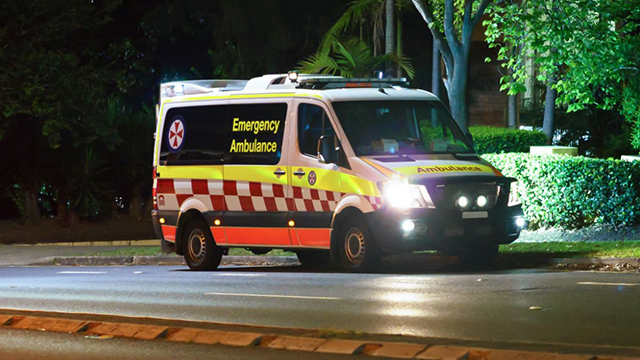
Beyond prevention, the plan places greater emphasis on what happens after a crash. Better-coordinated emergency responses, trauma care, rehabilitation and recovery are intended to reduce the severity and long-term effects of road trauma on crash victims and their families.
The broader strategy also prioritises safer vehicles and protective equipment, improved outcomes for Aboriginal communities, and a more coordinated approach to road safety across government.
Measuring progress towards safer roads
The government has committed to annual reporting, a mid-term review, and an interagency delivery committee to oversee implementation of the new strategy. The committee is intended to bring together relevant agencies, including Transport for NSW, NSW Police, NSW Health, and the State Insurance Regulatory Authority.The approach is designed to strengthen accountability, improve coordination and support decisions based on evidence and road crash data.
For the NRMA, these commitments will be important in ensuring the plan translates into action. While it welcomes the inclusion of measures it has advocated for, the organisation says clear funding arrangements, effective delivery and measurable progress will be essential.
The fresh NSW strategy sets out an ambitious goal: halve road fatalities, reduce serious injuries and continue working towards zero road trauma by 2050.
The NRMA says it remains committed to working with government, industry and the community to support delivery of the measures and help make NSW roads safer.
“The NRMA has worked closely with stakeholders throughout the development of this plan, and we welcome its focus on motorcycle safety, child restraints, better-coordinated enforcement and regional road upgrades, as well as a whole-of-government approach to reducing road trauma,” said the NRMA's general manager of public affairs policy and community, Robert Giltinan.
“We also welcome the focus on improving the efficiency of roadside drug testing. While the plan does not set a target for the number of tests to be conducted, we will continue to support the government in increasing testing numbers. This is a critical part of identifying and deterring drug-impaired driving and making our roads safer.”