Are EV batteries recyclable?
At a glance
- Valuable battery materials including lithium, nickel, cobalt and copper can be recovered and used again.
- Australia can process used EV batteries but scaling the industry will take time.
- Keeping a sound battery in useful service for as long as possible is generally preferable to recycling it early.
As more electric cars arrive on Australian roads, another question is moving into focus: what will happen to their large batteries when they are no longer suitable for use in a vehicle? Will they become a growing waste problem, or can their valuable materials be put to work again?
The answer matters, because producing an EV battery requires energy and mined materials. How long that battery remains useful, and whether it can eventually be repaired, repurposed or recycled, helps determine its impact over its full life.
The good news is that real-world battery-health data suggests EV batteries are lasting longer than many people expect. Most electric cars are also still relatively young, so their batteries remain in service in large numbers of vehicles and relatively few have yet reached the recycling stage.
When that time comes, EV batteries are recyclable, and some may find a second life in stationary energy storage before their materials are recovered. But being recyclable does not guarantee that a battery will be collected or processed in Australia. To understand the bigger picture, we also need to consider where battery materials come from, the emissions created during manufacturing and charging, and the systems being developed to manage batteries at the end of their useful life.
Are electric vehicles ethically produced?
Like petrol and diesel cars, EVs depend on complex global mining and manufacturing supply chains. Lithium-ion batteries use materials including lithium, graphite, nickel and, in some chemistries, cobalt.
Extracting and processing these materials can affect water, ecosystems and local communities, while poorly governed supply chains can expose workers to unsafe conditions and human-rights abuses.
Cobalt sourced from the Democratic Republic of Congo has received particular scrutiny, but it is not the only concern. Responsible battery production requires traceability, strong labour and environmental standards, meaningful consultation with First Nations and other affected communities, and greater reuse of materials.
Some EVs use lithium-iron-phosphate, or LFP, batteries, whose cathodes contain neither nickel nor cobalt. This removes two higher-risk materials, although LFP batteries still require lithium, graphite and other resources and are not impact-free.
Australia has an opportunity to produce and process battery minerals to high environmental, social and governance standards. The Australian Government's National Battery Strategy identifies transparent supply chains, responsible engagement with First Nations communities and a circular battery economy as potential strengths for a domestic industry.
There is also an important difference between batteries and fossil fuels. Once battery minerals have been extracted, they can provide years of service and potentially be recovered for reuse. Petrol and diesel are extracted, refined and transported, then burned once and gone.
— Bridie Schmidt
Are EV batteries being recycled in Australia?
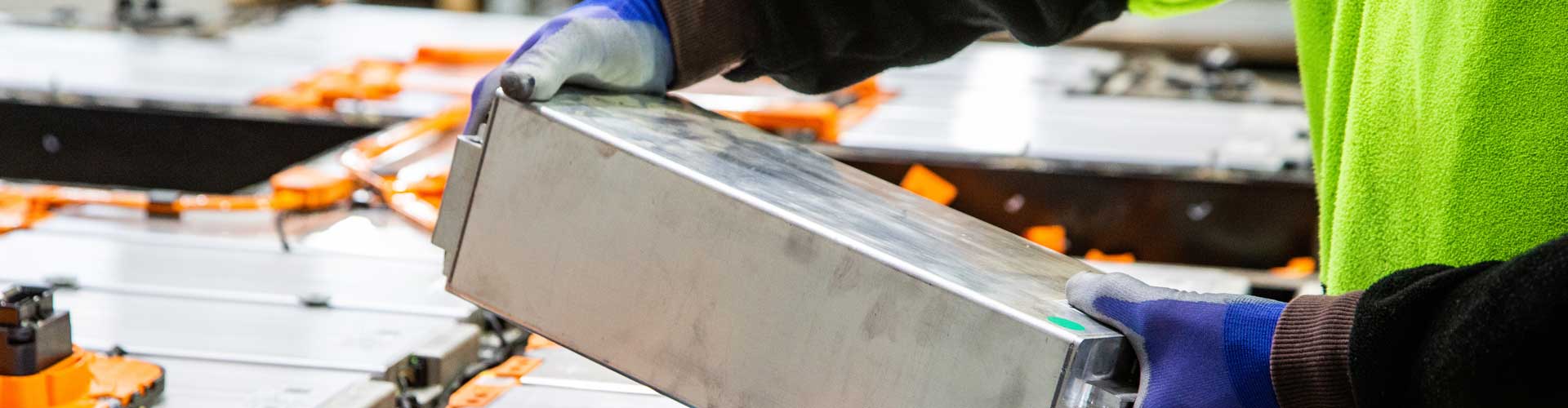
EV batteries are recyclable, but technical recoverability and real-world recycling rates are not the same thing. Modern processes can recover high proportions of lithium, nickel, cobalt and copper for use in new batteries and other products, reducing demand for newly mined materials.
Some packs may first be repaired, remanufactured or repurposed for stationary energy storage. However, damaged batteries and those with uncertain condition may not be suitable for a second life.
Recycling is already taking place in Australia, although public data is limited. Livium reported that its Envirostream subsidiary collected 667 tonnes of large-format lithium-ion batteries from EV and stationary energy-storage sources in FY25, but did not disclose how much came from EV traction batteries.
Several carmakers have established Australian end-of-life battery arrangements. Kia works with Infinitev, BMW Group Australia with EcoBatt, and BYD and Hyundai’s logistics arm with Envirostream. However, these partnerships generally do not disclose how many EV batteries are being recycled.
Australia’s main challenge is scale. Most EVs on our roads are still relatively young, so few batteries have reached the end of their useful life through normal ageing. Current recycling volumes come largely from damaged, recalled or written-off vehicles.
The National Battery Strategy says Australia recycled only 10 per cent of lithium-ion batteries in 2021, compared with 99 per cent of lead-acid batteries. However, this includes small consumer batteries and is not an EV-specific recycling rate.
Australia can collect, discharge and process EV batteries, although some recovered material is sent overseas for further refining. With the strategy forecasting 137,000 tonnes of lithium battery waste annually by 2035, greater local reuse and recycling capacity will be needed.
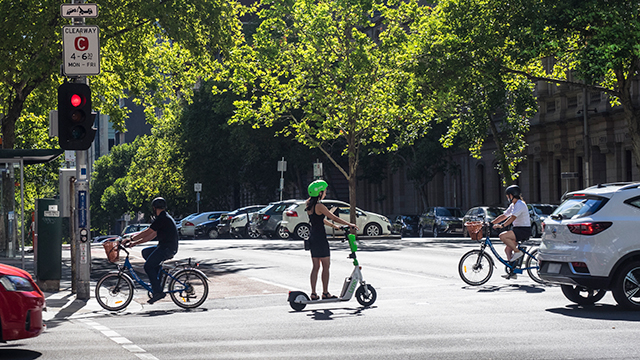
NSW’s mandatory battery stewardship scheme, due to begin in October 2026, is a welcome step. However, it covers small batteries and e-mobility devices such as e-bikes and scooters, rather than electric-car traction batteries. A comprehensive national scheme for large EV batteries is still needed.
EV owners should never try to remove or dispose of a high-voltage battery themselves. Damaged and end-of-life packs should be handled through the manufacturer, an authorised repairer or a qualified specialist recycler.
What is the bottom line?
EV batteries are recyclable, but Australia is only beginning to build the collection, transport, assessment and processing systems that will be required as the first large wave of electric cars ages.
Keeping a sound battery in useful service for as long as possible is generally preferable to recycling it early. When a pack no longer meets the range or performance needs of a car, it may still have value through repair, reuse or a second-life application before its materials are recovered.
Battery production is not without environmental or social consequences. Even so, current life cycle research finds that electric cars produce substantially fewer greenhouse gas emissions than comparable petrol vehicles. More transparent mineral supply chains, renewable energy, appropriately sized batteries and a mature Australian recycling industry can improve that result further.