EV batteries hold up well, but models vary

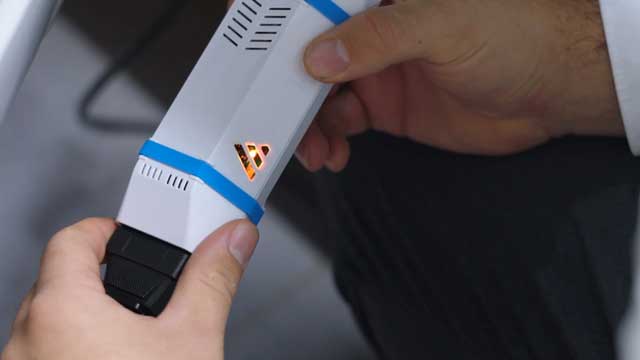
The world’s largest independent study of electric vehicle battery health suggests most retain around 90 per cent or more of their original capacity after 150,000km. However, considerable differences between individual cars make battery testing an important step when buying a used EV.
How long will an electric vehicle battery last? It remains one of the biggest questions for buyers, particularly as more used EVs enter the Australian market.
New data from Aviloo, NRMA’s EV battery health check partner, offers some reassuring answers, while also showing why mileage alone cannot reveal the full story.
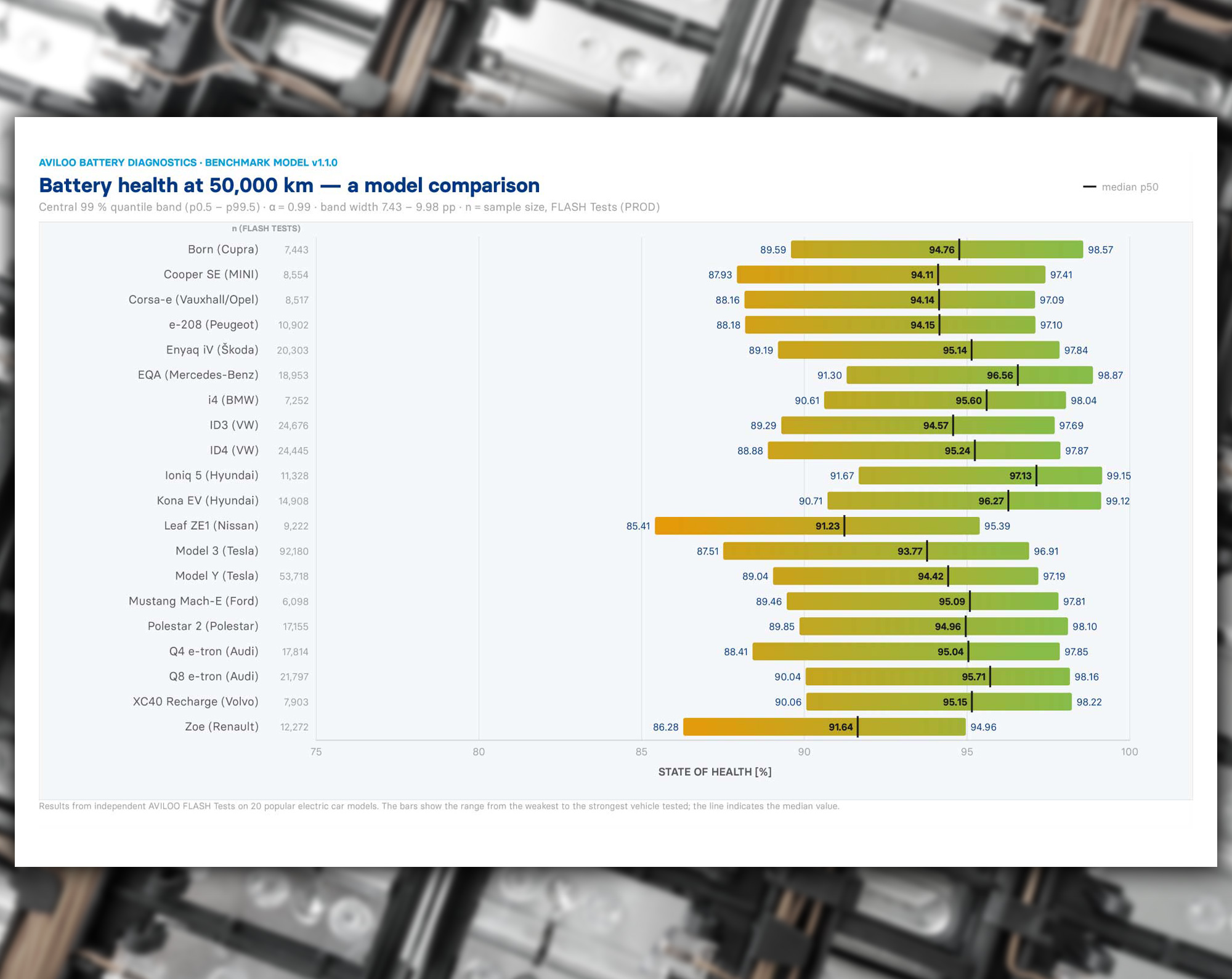
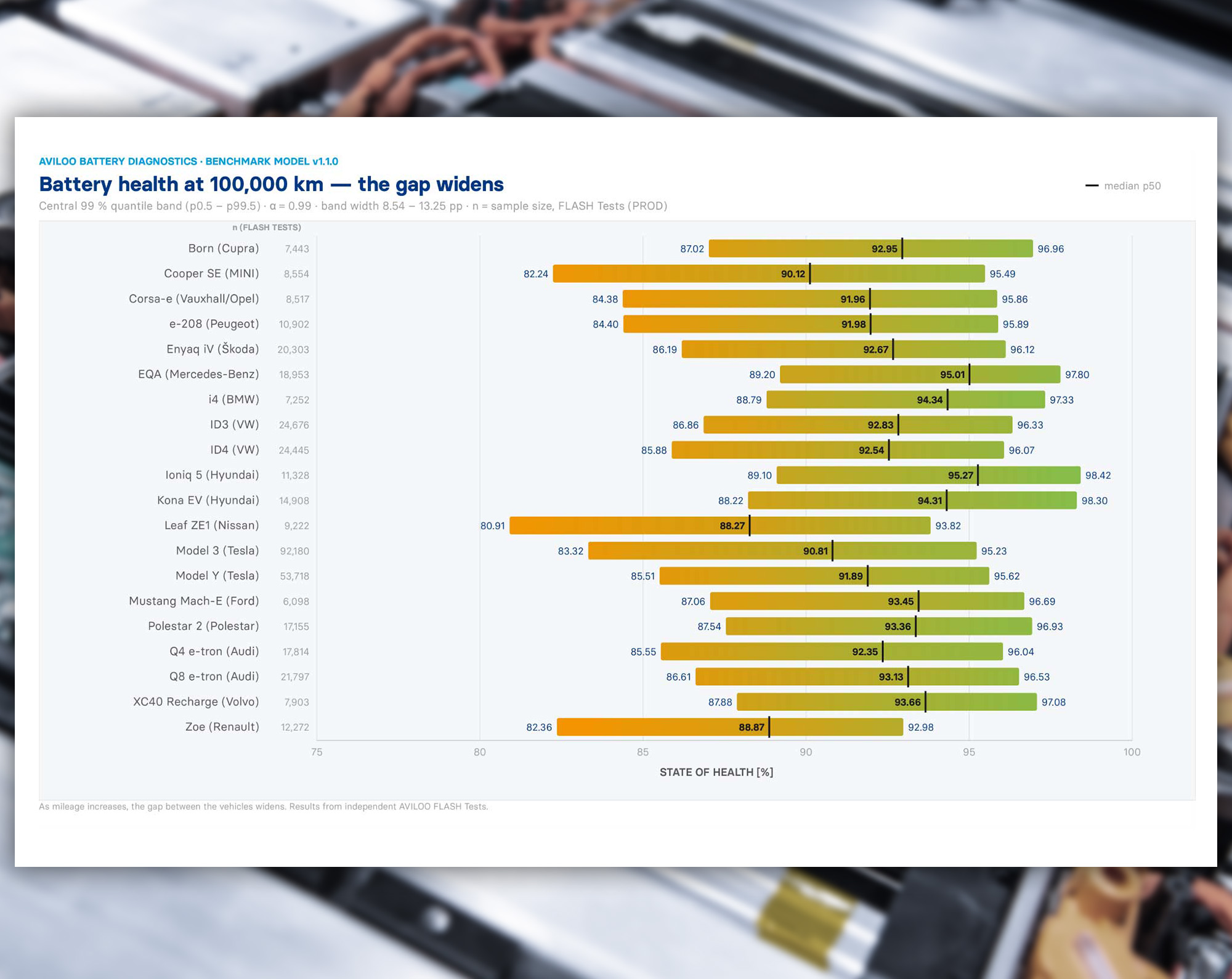
The first Aviloo Certified EV Battery Report draws on more than 500,000 independent battery tests conducted between 2022 and 2026 from North and South America, Europe, Australia and Asia. It compares the median battery state of health (SoH) of 20 EV models at 50,000km, 100,000km and 150,000km.
SoH describes the proportion of a battery’s original usable capacity that remains. Broadly speaking, a battery at 90 per cent SoH can still provide around 90 per cent of its original driving range.
Which EV batteries performed best?
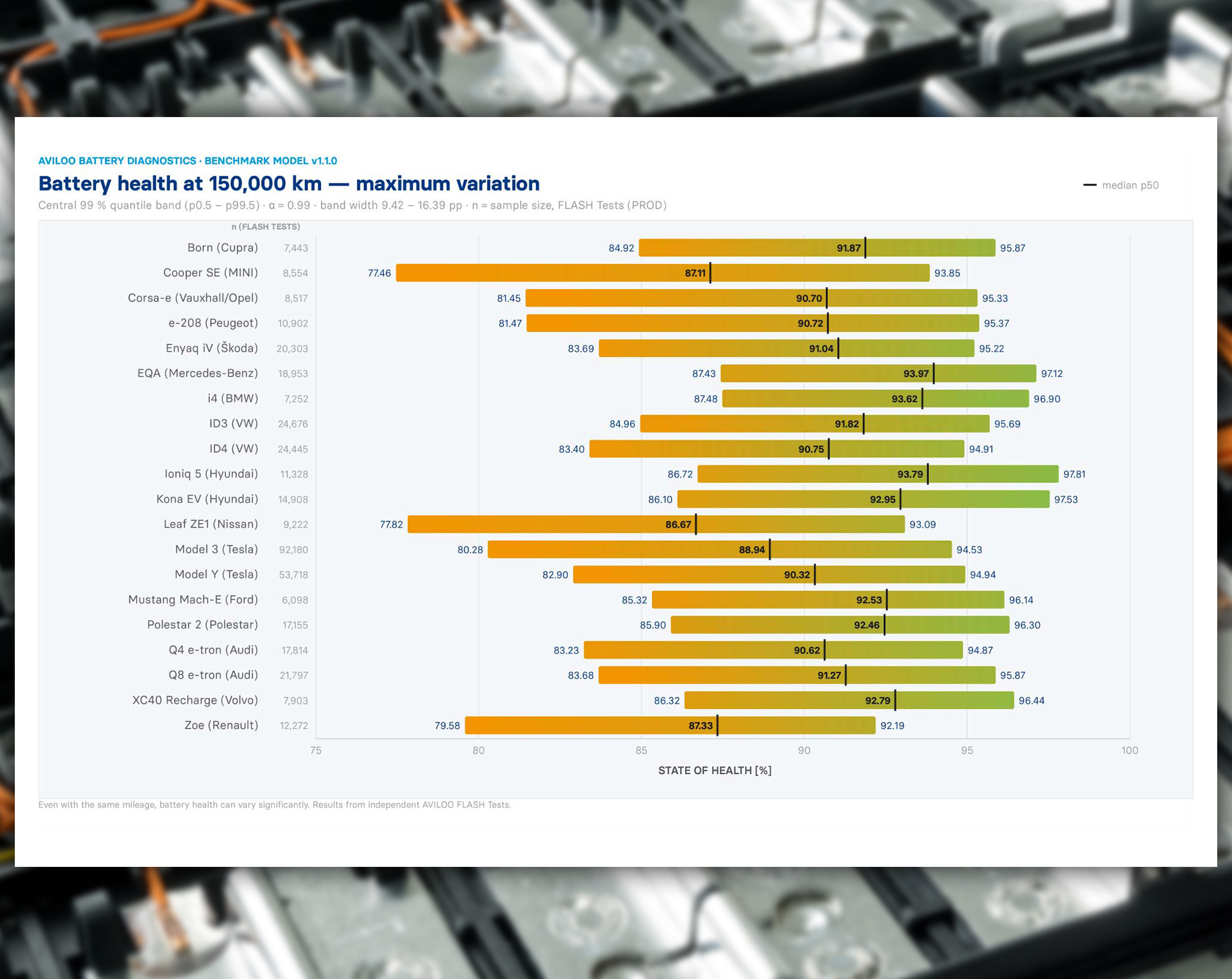
Among models sold in Australia, the Mercedes-Benz EQA recorded the highest median result at 150,000km, retaining 93.97 per cent of its original capacity.
The Hyundai Ioniq 5 was close behind at 93.79 per cent, followed by the BMW i4 at 93.62 per cent. The Hyundai Kona Electric, Volvo XC40 Recharge, Ford Mustang Mach-E and Polestar 2 also retained median capacity of more than 92 per cent.
At the earlier 50,000km milestone, the Hyundai Ioniq 5 led the Australian-market models with 97.13 per cent median SoH. The Mercedes-Benz EQA and Kona Electric followed at 96.56 and 96.27 per cent respectively.
It's important to note that Chinese models – which are playing an important role in the electrification of transport in Australia – are not represented in this report.
A spokesperson for Aviloo confirmed to Open Road that: "The models in this report reflect the used EVs that have had enough time on the road to build up meaningful mileage since Aviloo’s data begins in 2022. Chinese brands like BYD only launched [in the UK] in 2023, and only reached double-digit UK EV market share in 2025, so there isn't yet a large pool of aged, higher-mileage used examples to test at scale."
Aviloo expects to be able to include Chinese-made EVs in the next cohort, likely by early 2027.
Nevertheless, the results add weight to growing real-world evidence that modern EV batteries generally degrade gradually rather than suddenly failing.
Which models lost more capacity?
The Nissan Leaf ZE1 recorded the lowest median SoH at 150,000km, retaining 86.67 per cent. The previous-generation Mini Cooper SE and Renault Zoe followed at 87.11 and 87.33 per cent respectively, while the Tesla Model 3 recorded 88.94 per cent.
Because the Leaf has a smaller 40kWh battery, it means it generally undergoes more charging cycles to travel the same distance as an EV with a larger battery. It also continues the Leaf’s long-running use of passive rather than liquid battery cooling, an important consideration in hot climates. Earlier-generation Leafs can be particularly vulnerable, although the study’s results relate specifically to the later ZE1.
However, a model’s median tells only part of the story. At 150,000km, the difference between stronger and weaker examples of the same model had gaps of as much as 13.5 percentage points. Charging habits, temperature, mileage and battery management can all influence how an individual car ages.
That variation can translate into tens of kilometres of lost range and affect a used EV’s value and suitability.
For Australians considering a used EV, an independent battery assessment can provide greater certainty than relying on the dashboard estimate alone. The NRMA EV battery health check, delivered in partnership with Aviloo, provides an independent measure of battery condition to help buyers and owners understand the vehicle in front of them, not simply the model average.