New report: Used EV sales surge as buyers turn electric

At a glance
- Used EV sales increased 54.6 per cent in the first half of 2026
- Electric cars took fewer than 40 days on average to sell in June
- Pickles recorded 384 used EV auction sales in the second quarter
Australians bought 54.6 per cent more used electric vehicles in the first half of 2026 than a year earlier, even as the broader second-hand car market went backwards, according to new figures from the Australian Automotive Dealer Association (AADA) and AutoGrab.
The figures come as a new report from auction clearing house, Pickles, points to growing buyer interest in second-hand EVs, alongside an increase in supply and softening prices.
The AADA figures show 1,300,018 used vehicles changed hands nationally between January and June, down 6.6 per cent compared with the first half of 2025. June recorded the sharpest fall, with used vehicle sales down 16.2 per cent compared with the same month last year.
Those buying a secondhand EV, however, went the other way. Sales increased 54.6 per cent year-on-year, while plug-in hybrid sales climbed 468.4 per cent, albeit from a much smaller base.
Combined sales of electric, plug-in hybrid and conventional hybrid vehicles accounted for 7.1 per cent of the used market.
There were also signs that buyers were moving more quickly when the right electric car came along. The average time taken to sell a used EV fell from more than 60 days in January to fewer than 40 days by June.
Used car buyers turn towards EVs
The growth comes as buyers gain more bargaining power across the broader second-hand market.
Used vehicle supply increased during the first half of the year, while sales softened. By June, more than half of all one-to-five-year-old vehicles sold had been discounted from their advertised price.
The average discount reached 3.7 per cent, its highest level of the year. Petrol and diesel vehicles faced the greatest pricing pressure, while hybrids proved the most resilient.
“Electrified vehicles are the clear exception,” said AutoGrab chief commercial officer, Saxon Odgers.
“Used EV sales rose 54.6 per cent and sold faster as the year progressed, with average days to sell falling from over 60 in January to under 40 by June.”
— Chris Shaw, general manager of motor vehicles at Pickles
Used EV prices soften as supply increases
Auction house Pickles recorded a similar shift in its latest Quarterly Automotive Report, although its figures cover vehicles passing through its own sales channels rather than the entire Australian market.
Pickles recorded 384 used EV sales in its auctions during the second quarter of 2026. That was approximately four per cent below the record 401 vehicles sold during the first quarter, but 87 per cent higher than the 205 recorded in the second quarter of 2025.
In other words, Pickles’ quarterly EV volume dipped slightly from its early-2026 peak but remained about 87 per cent higher than a year earlier.
“Fuel efficiency and total cost of ownership are becoming much bigger considerations,” said Chris Shaw, general manager of motor vehicles at Pickles. “Buyers are taking more time to compare vehicles and are increasingly factoring ongoing running costs into their purchasing decisions.”
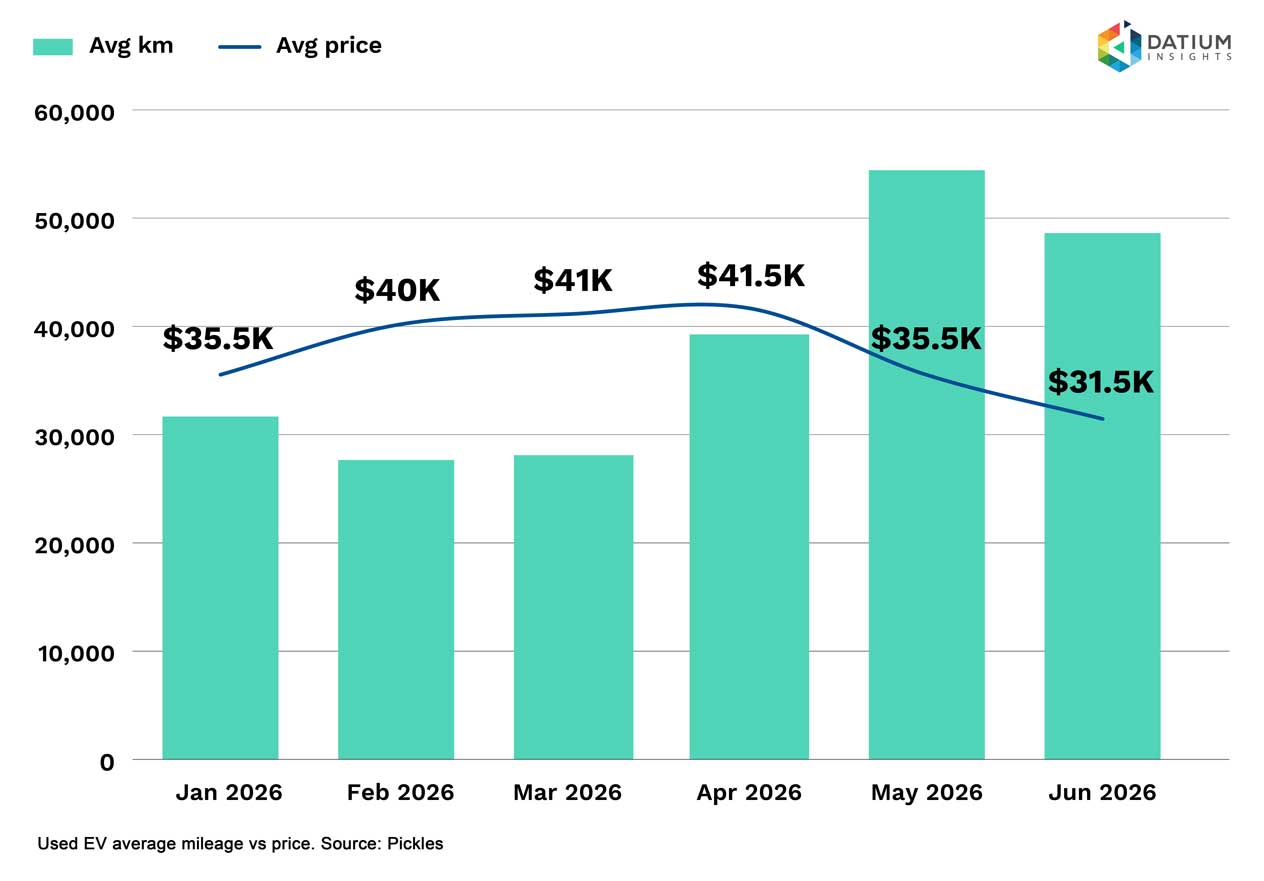
Used EV pricing also dipped as more vehicles came onto the market. Pickles’ average sale price increased from an average of $35,500 in January to $41,500 in April, before falling to $35,500 in May and $31,500 in June.
EVs passing through Pickles also had higher odometer readings. EVs sold during May and June had travelled an average of approximately 51,000km, compared with around 29,000km earlier in the year. Pickles says this suggests owners were selling higher-kilometre vehicles while resale values remained favourable.
Seller reserve expectations also increased, according to Pickles, pointing to continued confidence in EV residual values despite the rise in supply.
Tesla leads second-hand EV auction sales
Tesla remains the dominant brand in Australia’s growing used EV market, according to both national sales figures and auction data.
Figures from the AADA and AutoGrab show 7402 used Teslas changed hands nationally in the first half of 2026, up 48 per cent from 5001 in the same period last year.
Tesla also topped Pickles’ public EV auctions during the 2025-26 financial year, with 373 vehicles sold. The Model Y led its used EV sales with 205 vehicles, followed by the Model 3 with 161.
The results are not directly comparable because the AADA data covers national sales of used vehicles up to 20 years old, while Pickles reports vehicles sold through its own public auctions over the financial year. However, both datasets point to Tesla – which first broke into the top ten vehicle sales in 2022 with the Tesla Model Y – retaining a clear lead in the second-hand EV market.
Smaller-volume brands recorded faster growth nationally. AADA figures show used Polestar sales climbed 306.7 per cent to 732 vehicles, while BYD rose 174.8 per cent to 1767 and Volkswagen increased 1334.8 per cent to 990 from a low base. Kia more than doubled its used EV sales to 1927 vehicles, while MG ranked second by volume with 2582 sales.
Interest in Pickles’ electric vehicle listings also increased sharply. Its EV pages attracted 20,436 visitors during the second quarter, up from just 2156 in the same period of 2025.
More novated lease EVs are on the way
The next influx of used electric cars is likely to come from novated leasing.
The federal fringe benefits tax exemption for eligible EVs reached its fourth anniversary in July 2026. As many novated leases run for about four years, some of the first vehicles acquired under the policy are approaching the secondary market.
Pickles expects increasing numbers of salary-packaged EVs to be remarketed over the next 12 months as drivers reach the end of their leases and consider upgrading.
That should give used-car buyers access to a wider selection of relatively new electric cars, although greater supply and competition from discounted new models could continue to weigh on prices.
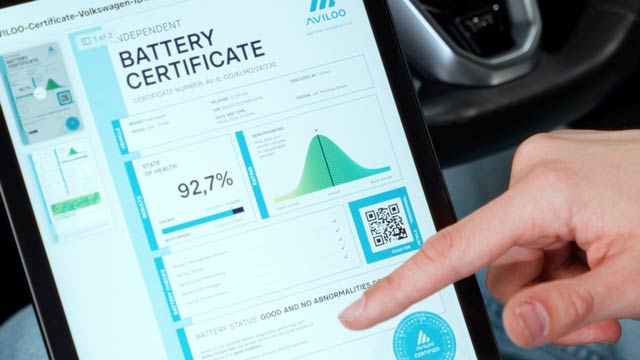
For buyers, that combination may open up more affordable options. For owners preparing to sell, higher supply means kilometres travelled, vehicle condition, EV battery health and realistic pricing may play a greater role in the final result.