How to unbog your car safely

At a glance:
- NRMA Roadside Assistance can assist in certain instances where your car is bogged
- Gaining momentum and traction are key to getting your vehicle unstuck
- You may need to think outside the box to retrieve your vehicle safely and efficiently
Nothing ruins a fun day in the car more than getting bogged.
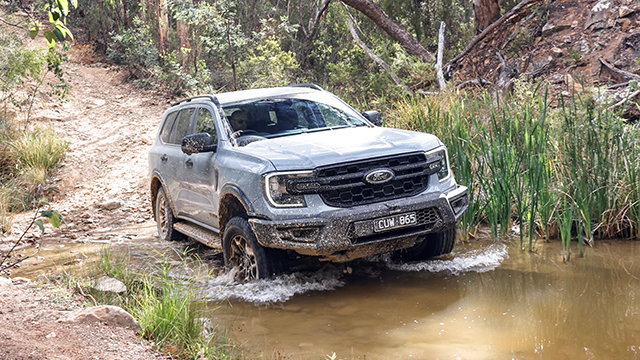
Whether you’re spending a day off-road, or you’ve had an unforeseen misadventure in your travels, getting unbogged is dirty work. It usually happens at an inopportune time, and can often involve a bit of out-of-the-box thinking.
Fortunately, there are some simple processes to follow which will allow you to retrieve your vehicle safely and efficiently.
There is no silver bullet method to recovering your vehicle, and this should be treated as general advice only. The effectiveness of any of these methods will vary depending on your type of vehicle, how stuck it is, and the surface you’re stuck in.
Here is the NRMA’s guide to getting your car ‘unbogged’.
Call for help – especially if alone
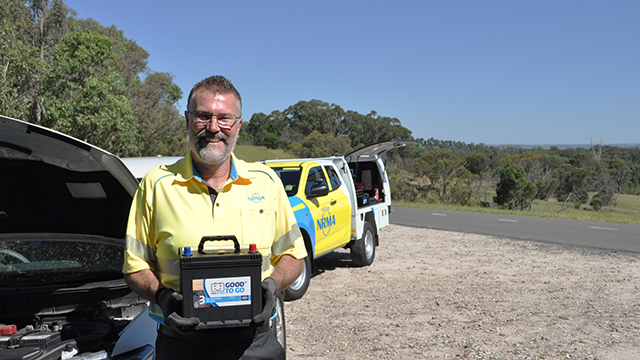
Although the NRMA cannot help in every instance, it is worth putting in a call to Roadside Assistance to see whether they can help.
NRMA patrols are trained to assist with unbogging a vehicle, and generally carry the required equipment to do so safely and efficiently. Each callout is reviewed on a case-by-case basis. Typically, if the incident occurs on a trafficable road that can be accessed by a standard two-wheel drive recovery vehicle, your odds are sound.
For instances that are a little further afield, a tow truck may be required at the car owner’s expense.
Occasionally, there are instances where the situation will call for another type of service.
What are the basics of vehicle recovery?
Before recovering your bogged vehicle, the best rule of thumb is to evaluate the situation first: is your vehicle or yourself and/or occupants in an unsafe position? Do you need to alert oncoming cars?
If it is possible to safely exit your vehicle, then do so with caution and ensure the car isn’t left in a precarious position.
It is also important to stay calm through the process.
There are a couple of easy ways to gauge just how ‘bogged’ your car is, and the kind of rescue effort that will be required.
First of all, if the wheels have been buried deep enough that the axle or chassis now rests on the ground, then you will probably have a more difficult time getting the vehicle unstuck. Another potential obstacle is if one or more wheels – especially in a two-wheel drive vehicle – are positioned on loose, slippery material, or there is sufficient articulation that they have lost contact with the ground altogether.
Can you navigate the vehicle out of the situation yourself?
Sometimes, getting your vehicle unstuck can be a case of switching between reverse and forward gears, gaining enough momentum to slowly get out.
However, this is by no means fool-proof. The first instinct for many drivers is to spin their wheels until they suddenly find traction, however excessive spinning of your tyres will most likely just dig you into a deeper hole.
What’s more, needlessly revving your engine may damage tyres and contribute to driveline wear.
If the car is thoroughly stuck, your best option might be to improve traction by increasing the contact patch that each drive wheel makes with the ground.
If there is more than one person present, utilise them to communicate what the vehicle is doing from the outside; what’s happening to the driven wheels, is the car digging itself deeper, are there other contributing factors to consider.
What can I do to improve my vehicle’s traction?
Traction is your friend whenever trying to retrieve your vehicle from a sticky situation. As a basic rule of thumb, the more traction you have, the better your chances of retrieval.
Quite often, it pays to use the items immediately at your disposal.
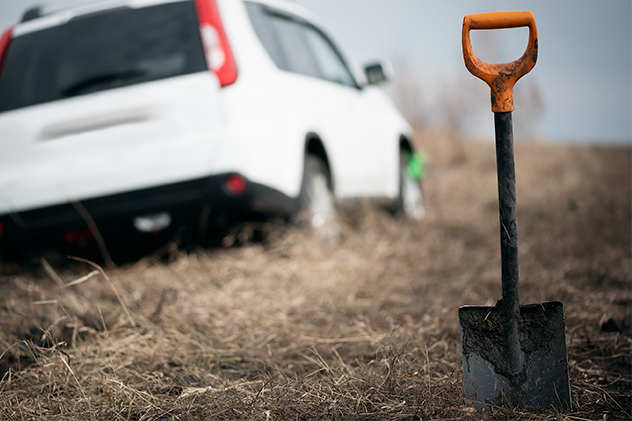
For example, you could try to dig out a bit of the mud, snow or sand in front of the power wheels to try and improve purchase. If this isn't enough, try wedge a car mat, blanket, or old coat under the leading edge of the wheel.
Another way to improve traction is to deflate your tyre pressure, thereby extending the contact patch of the car. Only do this if you have a pump handy, or one close by, as you will need to reinflate your tyres before rejoining the road.
Another method to get your car unstuck is redistributing weight in the vehicle by placing extra weight over the driven wheels. This will increase the downward force over the driven wheels, thereby improving traction. For a rear-drive car, for example, it could pay to place any heavy objects you find in the back seat or boot; for front-driven cars you could try the passenger side footwell. Either way, make sure these objects are fixed and secured to save the vehicle from damage.
Other methods to consider
There are more advanced recovery methods, including the two-vehicle snatch method, the rocking method, the winch method and more.
These methods should be carried out by experienced operators only, and done at your own risk.