What is road rage?
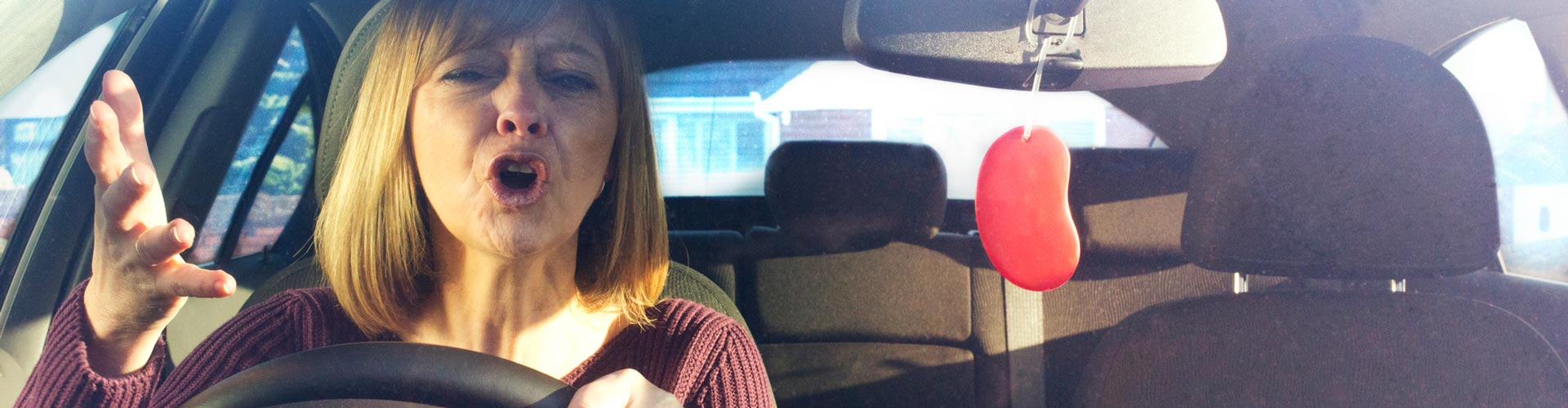
What comes to mind when you hear the term road rage? Is it the frustration of being cut off in traffic, or the irritation of a driver in the right lane holding up the flow of traffic well below the speed limit?
While anger is a normal human emotion, road rage has become the commonly used term for aggressive, hostile or unsafe behaviour that emerges specifically in the driving environment
On Australian roads, where millions of trips are made each day across congested cities, regional highways and suburban streets, these moments of frustration can surface quickly. The key concern is not the feeling itself, but how it is expressed behind the wheel
What are the road rage statistics?
For a country often described as relaxed and easy-going, Australians can quickly shift when placed behind the wheel.
The NRMA 2024 Courteous Driving and Distraction Survey, which included 1,464 members across NSW and the ACT, found:
- 44 per cent of drivers had been the victim of some form of road rage in the past 12 months
- 21 per cent of those incidents occurred with a child or children in the vehicle
- 24 per cent of drivers admitted to engaging in some form of road rage behaviour
- Men were almost twice as likely as women to report engaging in aggressive driving
- 94 per cent of respondents had witnessed aggressive driving behaviour in the past year
These figures highlight how common conflict on the road has become, even if most incidents are brief or non-physical in nature.
What driving habits irritate drivers the most?
Aggression behind the wheel rarely appears without a trigger. Often, it builds from everyday driving frustrations that most road users encounter regularly.
According to NRMA research, the most commonly cited behaviours that irritate drivers include:
- Tailgating and erratic driving
- Failing to use indicators
- Not allowing merging when safe and appropriate
- Illegal mobile phone use while driving
- Slow driving in the right-hand lane
- Failing to give way when required
- Excessive speeding or inconsistent speed
- Distracted or inattentive driving
- Running red lights or stop signs
- Obscene gestures or verbal abuse
While these behaviours understandably frustrate other road users, road safety experts consistently stress that how a driver responds is what determines whether a situation escalates.
Road rage is not caused by a single moment. It is a choice layered over frustration, pressure and reaction.
Common forms of road rage
Road rage exists on a spectrum. It can be as mild as a gesture or as serious as dangerous confrontation.
The 2024 Courteous Driving and Distraction Survey identified the following as common forms of road rage:
- Tailgating another vehicle
- Excessive horn use directed at another driver
- Hand gestures aimed at other road users
- Deliberately cutting in front of another vehicle
- Yelling or shouting abuse
- Making threats toward another driver
- Exiting the vehicle to confront someone
- Following or “stalking” another vehicle
Most drivers surveyed reported emotional impacts after these incidents, including feeling annoyed, stressed, anxious, intimidated, angry or scared.
Despite this, only around 2 per cent of respondents said they reported the incident to police.
The rise of cameras and recorded incidents
Modern technology has changed how road rage is documented and reported.
Dash cams and smartphones mean incidents are far more likely to be recorded than in the past. The same NRMA research found:
- Around 19 per cent of drivers now have dashboard cameras installed
- About 5 per cent had used a phone to record poor driving behaviour
- Of those who recorded incidents, 16 per cent provided footage to police
This shift increases accountability, but it also highlights a growing awareness among drivers that behaviour on the road is rarely unseen.
How not to be swept up in driving anger
Reducing road rage is not just about avoiding conflict. It is about building safer habits that keep emotions in check before they escalate
Simple, effective strategies include:
- Acknowledge courtesy from other drivers with a calm wave
- Allow space for merging vehicles when safe
- Always use indicators to communicate intent clearly
- Avoid unnecessary horn use
- Refrain from gestures or verbal abuse, even when frustrated
- Keep a safe following distance to reduce pressure and stress
- Avoid blocking intersections
- Do not tailgate, even in heavy traffic
- Give way when required under road rules
These behaviours help smooth traffic flow and reduce misunderstandings that often trigger frustration in the first place.
Final thoughts
Road rage is not simply about anger on the road. It is about how everyday driving pressures are managed in real time.
Most Australian drivers will encounter frustrating behaviour at some point. The difference between a safe journey and a risky one often comes down to response rather than reaction.
Staying calm, predictable and patient behind the wheel is not just courteous driving. It is a practical safety choice that protects everyone sharing the road.