Clean water at every tap: why whole-home filtration is becoming the new household standard


The question has shifted
Like rooftop solar in the early 2010s, home water filtration is transitioning from premium add-on to something approaching infrastructure expectation.
Awareness of what comes out of the tap – chlorine, disinfection by-products, microplastics, PFAS compounds – has grown substantially in the past decade, accelerated by contamination events making national headlines and a broader shift toward household health and environmental consciousness.
What was once a concern for the especially cautious is now a conversation happening at kitchen benches across the country.
What "filtered water" actually means
The category of home water filtration is broader and more technically varied than most people realise.
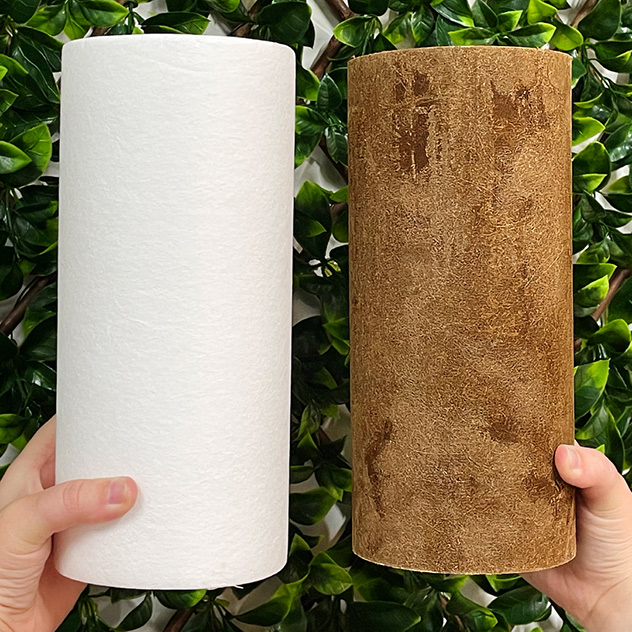
At the most basic level, a sediment filter physically strains particles – sand, rust, silt – from the supply using fine media, sometimes refined enough to catch particles seventy times smaller than the width of a human hair.
Activated carbon filters work differently: specially treated granules carry microscopic crevices that capture chlorine and its by-products through a process called adsorption. Ion exchange resins draw hard water minerals like calcium and magnesium out of the water and replace them with harmless sodium – which is why properly filtered water doesn't leave that chalky residue on your kettle element or shower screen.
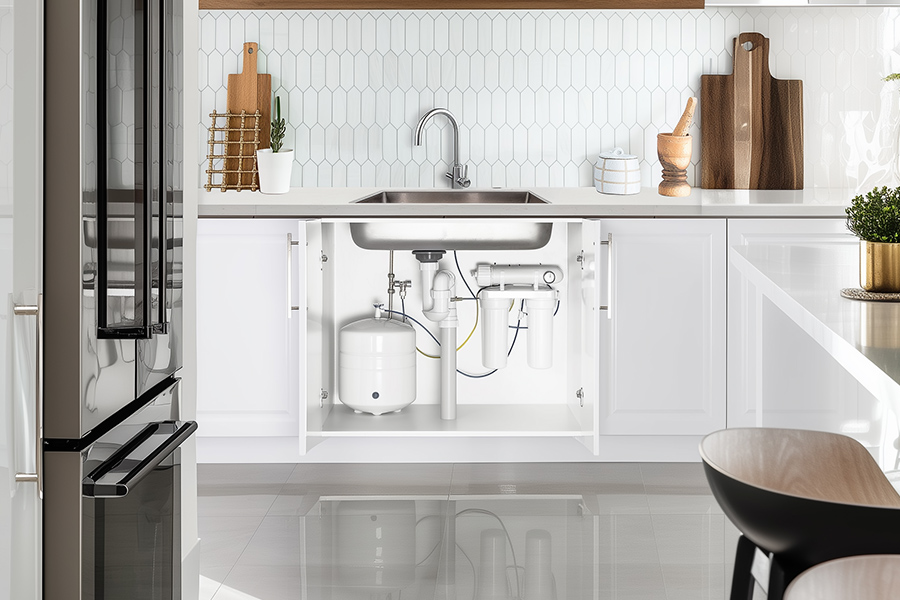
For households with specific concerns – particularly those near former defence or industrial sites across regional NSW and Victoria, where PFAS contamination has been detected – a reverse osmosis system can be added at a single tap, capturing particles fine enough to significantly reduce fluoride and pharmaceutical residues.
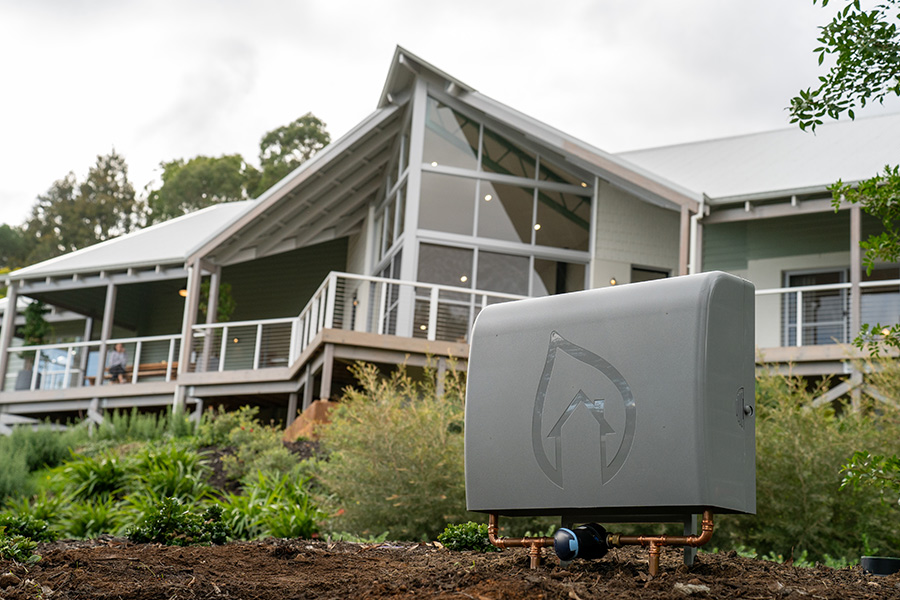
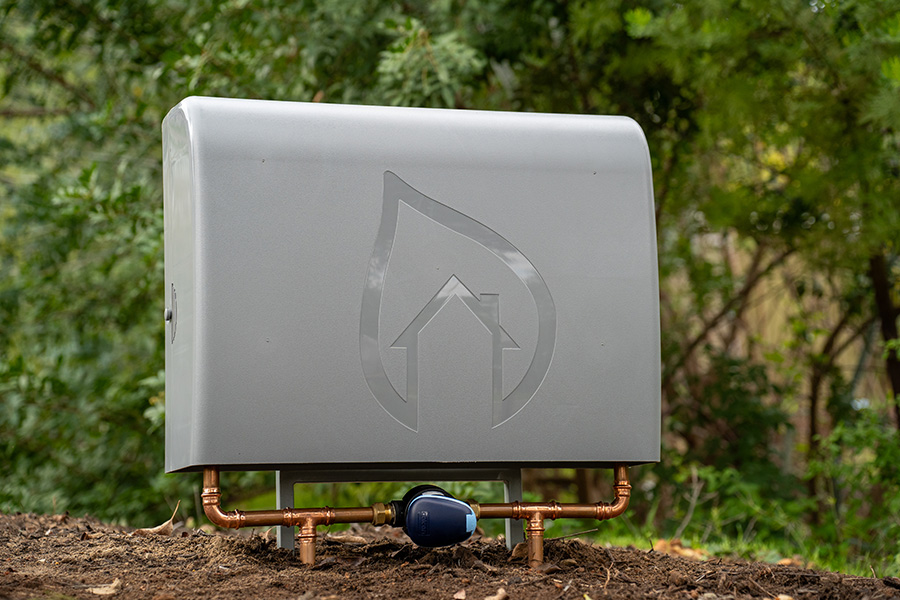
Most whole-home systems combine several of these technologies in sequence, with each stage targeting different contaminants. The result is filtered water at every outlet – the drinking tap, the shower, the laundry – rather than a single under-sink solution.
The inside story on filter quality
Here is where many homeowners get caught out: a filtration system's external appearance tells you very little about how well it performs.
The water filtration market spans a wide range of price points, and the differences between products aren't always visible. What varies, significantly, is the quality of the filtration media inside those cartridges.
Lower-cost filters often use inferior materials that reach capacity faster and perform less consistently. A physically larger cartridge doesn't mean better filtration. A high-quality system using premium media can outperform a larger, generic equivalent by a significant margin.
Maintenance carries its own risks if poorly understood. All filter cartridges have a finite capacity, and performance degrades as they accumulate contaminants. In later filtration stages – where disinfectants like chlorine have already been removed – bacteria and biofilms can establish themselves in exhausted cartridges. A set-and-forget subscription service that schedules and delivers replacements automatically removes one of the more easily overlooked maintenance responsibilities in the home.
Built to adapt
Australian water infrastructure is under pressure. Ageing pipe networks introduce variables that weren't there a decade ago. Southeast Queensland's catchments have faced elevated sediment loads following flood events. Water quality standards are regularly revised as science identifies new compounds of concern. A filtration system should be able to respond to those changes over time – through media upgrades, additional stages, or configuration adjustments – without requiring full replacement.
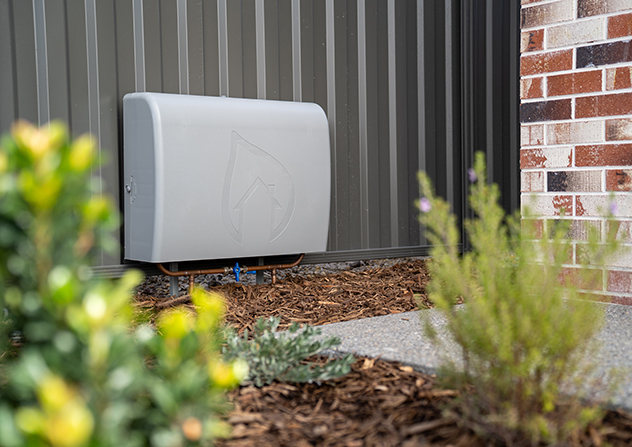
Complete Home Filtration, an Australian founded company whose technicians assess each property individually before recommending a configuration, designs systems that can be improved as circumstances change. My NRMA Rewards members also receive 10 percent off ongoing filter replacement costs – a practical benefit, given that regular cartridge changes are what keeps any system performing as intended over the long term.
Starting with what you don't know
The most useful starting point for any homeowner considering filtration is an honest assessment of what's in their water and what their household's priorities are: taste, skin sensitivity, appliance longevity, chemical exposure, or some combination.
A professional water consultation costs nothing and commits you to nothing. It does, however, give you the information to make a genuinely informed decision. The tap you fill your kettle from every morning is worth understanding a little better.

To book a free, no-obligation water consultation with Complete Home Filtration, call 1300 693 458 or visit completehomefiltration.com.au. My NRMA Rewards members receive 10% off whole home systems RRP and 10% off replacement filters.