5 energy trends to watch in 2026 (and how they affect your bills)


From the way electricity is generated to how households are able to track and manage usage, what we pay and how much control we have over our bills is changing.
Understanding these shifts can help households make smarter decisions, reduce costs, and avoid surprises. Here are five key energy trends to watch in 2026, and what they could mean for your power bill:
1. Time-of-use pricing is becoming the norm
More energy retailers are moving customers onto time-of-use plans, where electricity costs vary depending on the time of day. Power is typically more expensive during peak periods, such as early evenings, and cheaper overnight or during the middle of the day.
For households that can move activities like laundry, dishwashing, or electric vehicle charging to off-peak times, this can lead to real savings. However, for families who use most of their energy during peak hours, bills may increase if usage habits do not change.
In 2026, understanding when you use energy, not just how much, will matter more than ever.
2. Solar and battery uptake continues to rise
The Clean Energy Council's recent rooftop solar and storage report July to December 2025 showed a record 183,245 batteries were sold in Australia in the second half of 2025, more than the previous four years combined.
With rooftop solar remaining one of the most popular ways Australians reduce energy costs, batteries are increasingly becoming an important part of the equation. As feed-in tariffs continue to decline, storing your own solar power for future use is becoming more attractive.
In 2026, more households are expected to adopt batteries, either at the time of installing solar or as an add-on later. While the upfront cost is still significant, the long-term benefit is greater energy independence and protection from rising electricity prices.
For renters and apartment dwellers, shared solar and community battery projects are also expanding, offering new ways to access renewable energy.
3. Energy provider apps are changing how households manage bills
Energy retailers like My NRMA Rewards partner Engie, are investing heavily in apps and digital tools that allow customers to track usage in near real time. These apps can show daily consumption, peak usage times, and send alerts when bills are trending higher than usual.
In 2026, households that actively use these tools will be better positioned to control costs. Being able to see exactly when energy is being used makes it easier to identify waste, adjust habits and choose the right plan.
For many, simply paying closer attention can lead to meaningful savings without sacrificing comfort.
4. Electric vehicles are influencing household energy costs
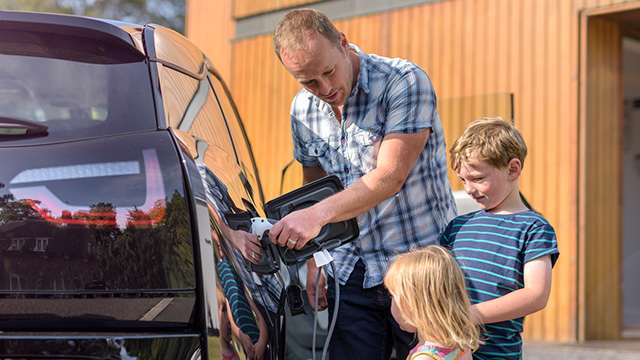
As electric vehicle ownership grows, home energy usage patterns are changing. Charging an EV at home can increase electricity consumption, but it can also be one of the cheapest ways to fuel a vehicle – especially when paired with off-peak pricing or solar power.
In 2026, more energy plans will be tailored specifically for EV owners, offering lower overnight rates or bundled charging incentives. For households considering an EV, understanding how it will affect both electricity and transport costs is essential.
When managed well, EV charging can lower overall household expenses rather than increase them.
5. Sustainability is becoming a bill factor, not just a value choice
More Australians are choosing energy providers based on sustainability credentials, not just price. In response, retailers are offering carbon-neutral plans, renewable energy options and clearer reporting on where power comes from.
In some cases, sustainable plans may cost slightly more, but competition and innovation are helping close the price gap. In 2026, households may find that choosing greener energy no longer means paying a premium – particularly when combined with energy efficiency measures.
Sustainability is also influencing government policy and incentives, which can flow through to household bills over time.
What this means for households in 2026
The energy landscape is becoming more complex, but also more flexible. Households that understand these trends and adjust how and when they use energy will be best placed to manage costs.
In 2026, lowering your energy bill will be less about cutting back and more about being informed, choosing the right plan and using energy smarter. As part of the decision making process, be sure to check out Engie's exclusive offers for My NRMA Rewards members with discounted rates and up to $400 in first bill credits.