Can I flash my headlights to warn motorists?
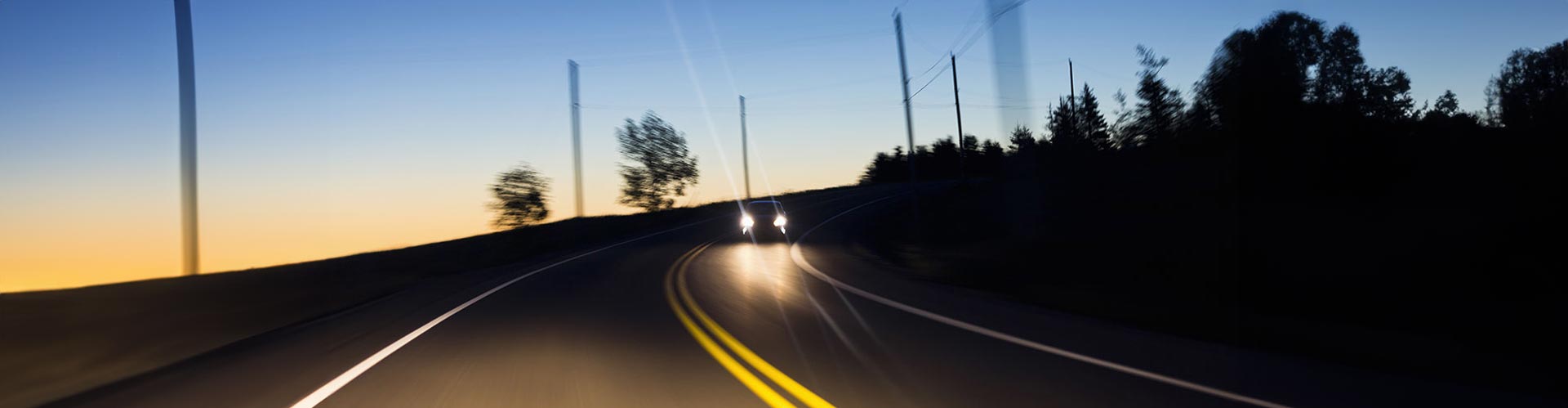
A quick flash of your headlights might feel like harmless road etiquette, but in New South Wales it can sometimes cross the line into a traffic offence depending on how and where it’s used.
Flashing headlights to warn other motorists about hazards, speed cameras or a possible police presence is a familiar habit on Australian roads. But in New South Wales, whether it’s legal comes down to how the lights are used not just why they’re used.
There’s no specific NSW Road Rule that outright bans flashing headlights to warn other drivers. However, existing road rules and legislation can still apply depending on the circumstances.
What NSW road rules say about flashing headlights
Dazzling other road users
NSW Road Rule 219 is the key provision dealing with how vehicle lights are used. It states:
“a driver must not use, or allow to be used, any light fitted to or in the driver’s vehicle to dazzle, or in a way that is likely to dazzle, another road user”.
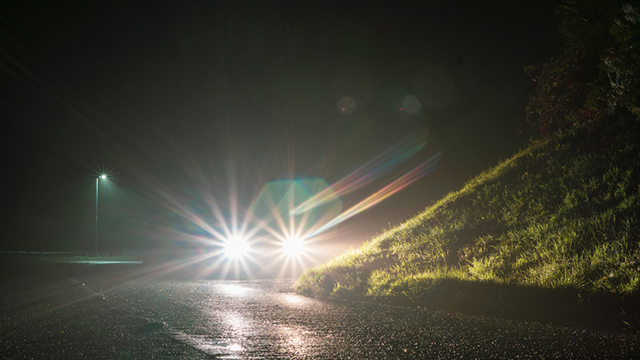
This means that even a brief flash of high beam could be an offence if it distracts or temporarily blinds another driver.
Penalty: 1 demerit point and a fine currently $140 according to NSW offences and penalties.
High beam use and distance limits
NSW Road Rule 218 also regulates when high beam headlights can be used. It states:
“The driver of a vehicle must not use the vehicle’s headlights on high-beam, or allow the vehicle’s headlights to be used on high-beam, if the driver is driving: (a) less than 200 metres behind a vehicle travelling in the same direction as the driver, or (b) less than 200 metres from an oncoming vehicle.”
Flashing headlights typically involves momentary use of high beam, which can still breach this rule if another vehicle is within that 200 metre range.
Penalty: 1 demerit point and a fine currently $140 according to NSW offences and penalties.
Could flashing headlights interfere with police duties?
Beyond road rules, there is also broader criminal law to consider.
Under Section 546C of the Crimes Act 1900 (NSW):
“Any person who resists or hinders or incites any person to assault, resist or hinder a police officer in the execution of his or her duty shall be liable on conviction before the Local Court to imprisonment for 12 months or to a fine of 10 penalty units, or both.”
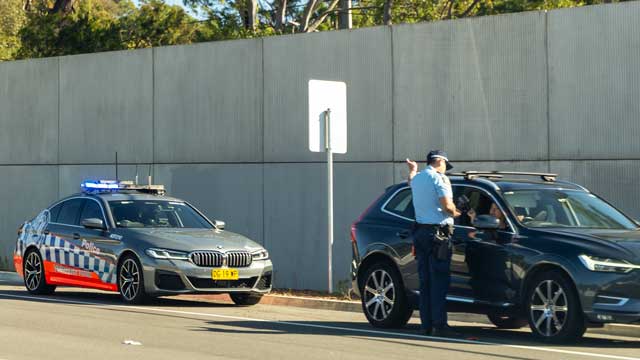
While this section is not commonly applied to simple headlight flashing, it could theoretically be argued that warning drivers of a police presence may amount to “hindering” police operations in certain circumstances.
So is it illegal to flash your headlights?
There is no standalone NSW offence that specifically prohibits flashing headlights to warn other drivers. However, it can still lead to penalties if it results in:
- Dazzling or distracting another road user (Road Rule 219)
- Improper use of high beam within 200 metres of another vehicle (Road Rule 218)
- Behaviour that could be interpreted as hindering police under the Crimes Act 1900 (NSW) Section 546C
In other words, the legality depends entirely on context and execution.
Practical advice for NSW drivers
Even though flashing headlights is widely used as informal communication between drivers, it carries legal risk if misused. The safest approach is to:
- Avoid using high beam flashes near other vehicles
- Rely on appropriate road awareness rather than signalling hazards
- Let official signage and enforcement systems manage warnings and compliance
Key takeaway
In NSW, flashing your headlights to warn other motorists sits in a legal grey area. It’s not explicitly prohibited, but it can still breach existing road rules or, in rare cases, intersect with criminal provisions.
The bottom line: what seems like a quick courtesy on the road can still attract fines or demerit points depending on how it’s done.