
Tips from an NRMA patrol: battery maintenance

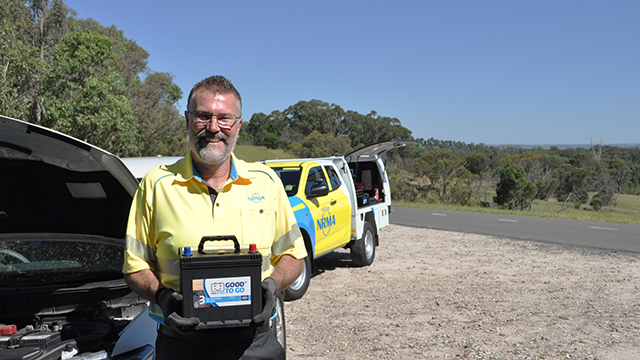
What are the main warning signs that a battery could be on the way out?
What we’re finding a lot of times is new cars don’t give any indication. One minute the battery’s fine – next minute, it’s gone.
In the older cars, you’d have slow cranking, the lights might dim when you try to start, or you might get a clicking sound as you try and crank the engine over.
We’re going to call-outs now and the owners say, “I started it five minutes ago, I stopped here, and now there’s just nothing.” And that’s the majority of cases.
Why has that changed?
In older cars, particularly the key-start cars, the demand on the battery was minimal compared to the latest cars. On the later ones, the demand is so great, the battery just can’t supply it.
Some new cars have a cut-off point. So, if the voltage drops to a certain crucial point, it turns everything off. If you put that battery in an older car, it may well start it, but in one of the new cars the cut-off is there to safeguard the electronics.
Why are batteries more susceptible to problems in cold weather?
It’s just a chemical reaction in the battery that’s ideal between certain parameters of hot and cold. Hot is 50°C-plus before a battery starts weakening, so it’s rare that you’re going to get that sort of temperature in suburbia.
But we do see the colder temperatures. As they start to get into single digits, that’s when batteries start to struggle – and the colder it gets, the worse the batteries are.
I’ve even seen someone pour hot water over a flat battery that has then resurrected itself. If you do that and let it sit about 10 minutes or so and give it a try, you may be lucky to get a start out of it.
What can people do to make sure their car battery survives winter?
With cold weather, if you get the opportunity to park undercover or in a garage, that certainly helps.
The average lifespan of a battery is around three to five years. So, if you’re in that threshold, that’s when we recommend contacting the NRMA for a battery health check. The patrol does a full diagnostic on the battery and on the charging system, looking for anything that might be draining power unnecessarily.
Batteries hate the cold, so first thing on a cold morning is when you’re going to be caught out, hence the importance of getting a battery check done. You don’t need to be broken down for us to come out – it’s pre-emptive. We can give you an electronic copy of the test and, should you need a battery, we can look after you then and there as well.
Click here for your free battery health check or call 1300 906 479.
Col’s top 5 battery health tips
1. Keep an eye on it
Many manufacturers are now putting a ‘magic eye’ in their batteries. This little window is a hydrometer, which indicates the battery’s chemical composition and whether it’s charged or needs replacing. It only shows one of six cells in the battery, though, so it isn’t infallible.
2. Check for corrosion
Ensure battery terminals are tight and look for signs of corrosion. A couple of spoonfuls of bicarb soda in hot tap water will dissolve the acid and neutralise the corrosion. But corrosion generally means there is an issue with the charging system or the battery is on its last legs.
3. Clean it up
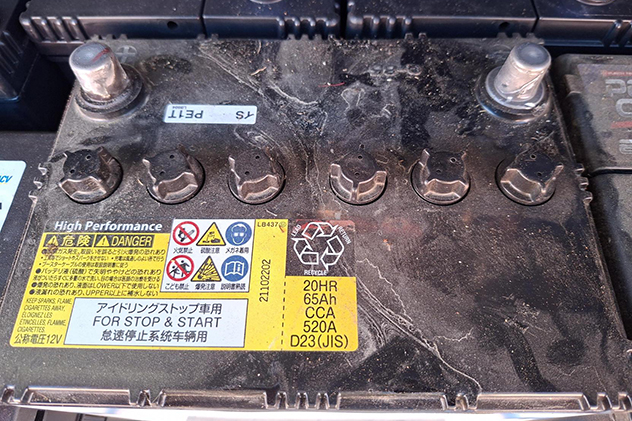
Cleanliness of the battery is important. If the battery is dirty or damp, it increases the drain on its power. It’s not going to flatten it overnight, but it has an impact long term.
4. Key separation
New cars communicate continuously with their key fob, which can drain the battery. Always lock your car and keep the key fob at least three
or four metres away from the vehicle when not in use.
5. Smart charge
If the car is just sitting around, even all locked up, it still has a drain on the battery. With modern smart chargers, you don’t have to take the battery out – you can just connect it up, leave the charger on for weeks or months, and know when you come back the car is going to start.
About Col Endacott
How long have you been with the NRMA?
Just over 41 years now – a combination of roadside and the technical training area.
What’s the strangest call-out you’ve attended?
I had a Mercedes with the keys locked in the boot that was inside the hull of a ship. They needed to unload the ship but the car was obstructing it. This is back when the container wars were on at Pyrmont. Luckily, I was on a motorcycle at the time, so I rode inside the ship to fish the keys out.
Coffee or tea?
I’m a coffee man.
What’s your daily driver?
A Toyota RAV4 hybrid. Reliability is key and the hybrid gives me the best of both worlds. I’ve also got a Suzuki V-Strom motorcycle.


