Beach safety: How to spot a rip current this summer

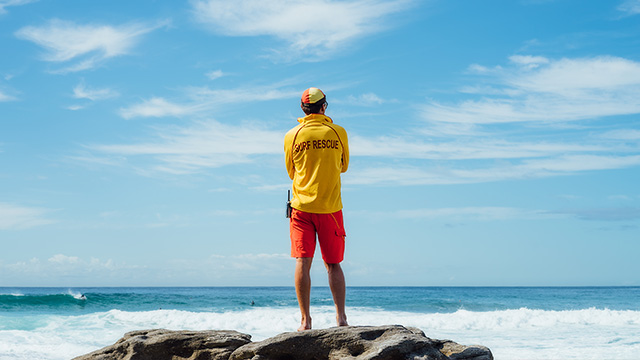
Watch an episode of Bondi Rescue and you’ll see surf lifesavers at Sydney’s famous beach retrieving wayward swimmers from the infamous rip at its southern end. According to Surf Life Saving Australia, more than 25 people drown in rip currents each year and thousands more are rescued.
Beachgoers should always swim between the flags, but that’s not possible at unpatrolled beaches. So how do you avoid a rip and what should you do if you get caught in one? Australia is full of beautiful beaches so be sure to level up your knowledge of rip currents before heading to the water.
What is a rip?
A rip is a narrow current of water that typically forms between two shallower areas where waves are breaking across sandbanks. It’s created because the water pushed in to shore flows back out via the path of least resistance, which is the gap between the sandbanks.
This creates a fast-flowing channel and the water pressure doesn’t disperse until it has passed the sandbanks – often a fair way offshore.
How to spot a rip
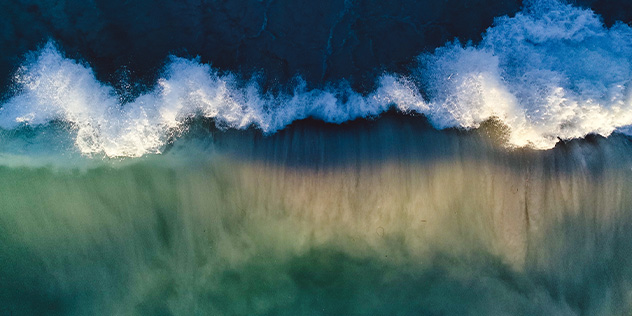
A rip current will usually be a smoother and darker passage of water between two sections of shallower water where waves are breaking. Because the rip current's water looks comparatively (and deceptively!) calm, inexperienced swimmers will sometimes move into a rip to take refuge from the waves and get sucked out to sea.
If there are no flags designating a safe swimming area, study the water for telltale signs of a rip before entering.
Telltale signs of a rip include:
- Deeper, darker-looking water
- Less white water from fewer breaking waves
- Debris or seaweed in the water
- Sand in the water beyond the shoreline
Rip currents can form and move location quickly so be sure to study the water regularly. An easy way to spot a rip is to look for spots where waves either aren’t breaking or aren’t breaking as consistently as other sections. Usually this indicates a rip.
What to do if you’re caught
Priority one is to remain calm. Do not attempt to swim directly back to shore – even a strong swimmer has little hope of overcoming a powerful rip and fatigue can lead to drowning. Signal to surf lifesavers by waving an arm and alert any nearby swimmers you’re in trouble.
If alone, it's best to float with the current while moving parallel to the shore, until you reach a shallow sandbank or can escape the rip and swim back in with the assistance of waves.