2026 BYD Seal 6 review
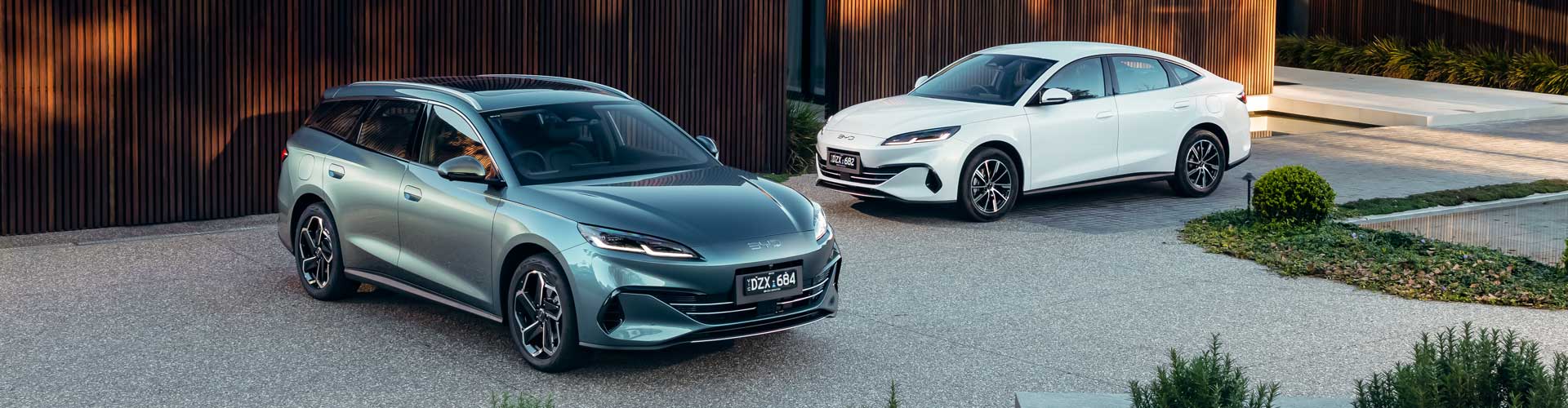
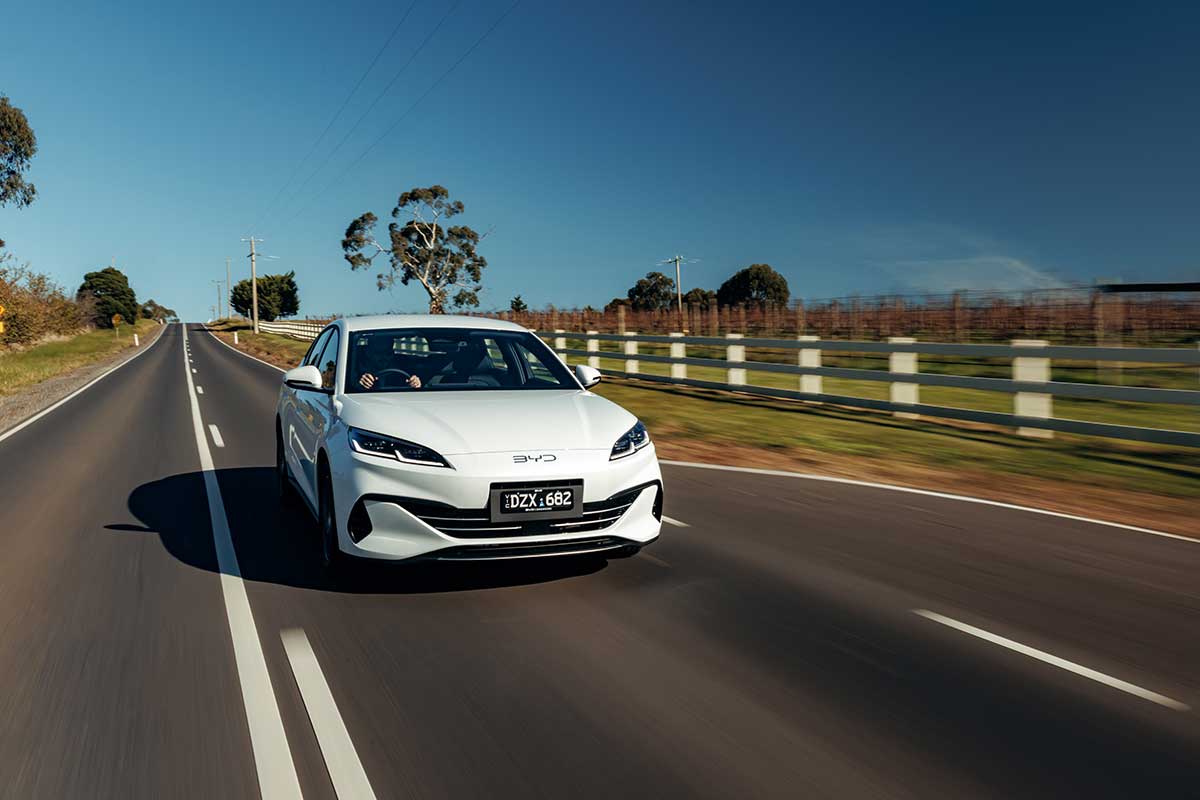
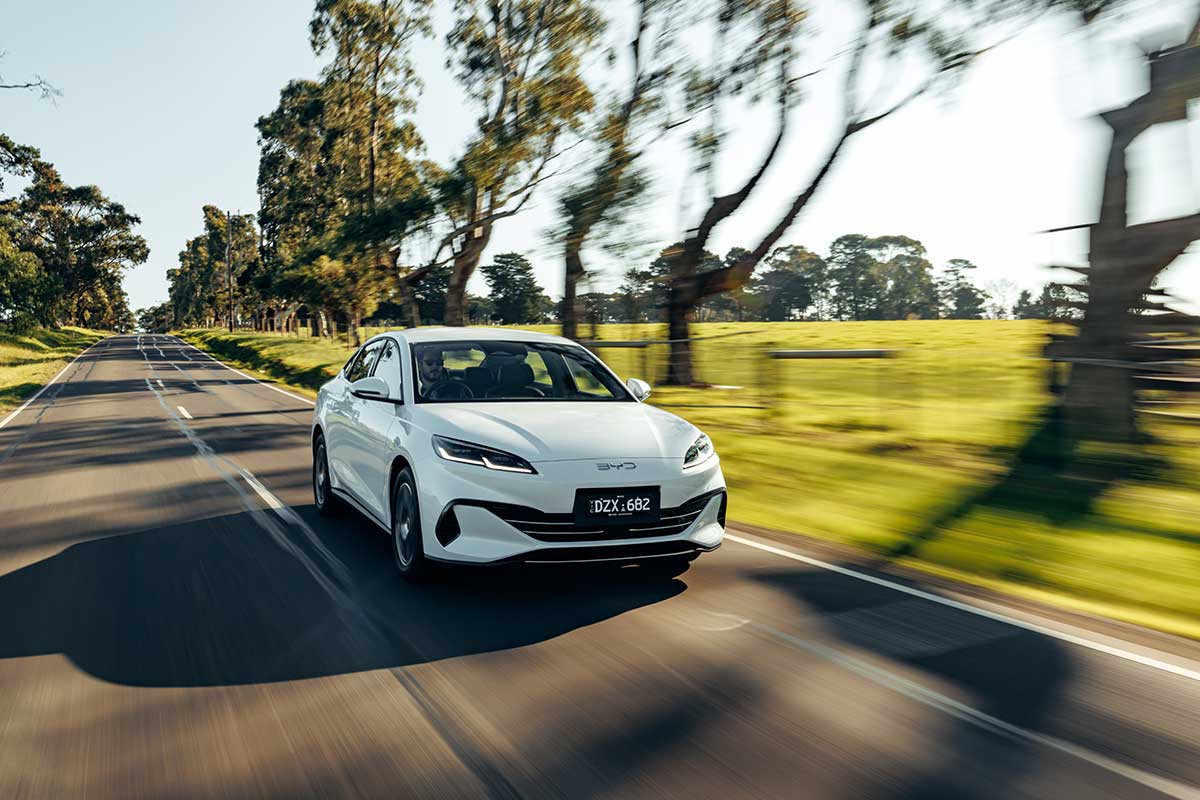
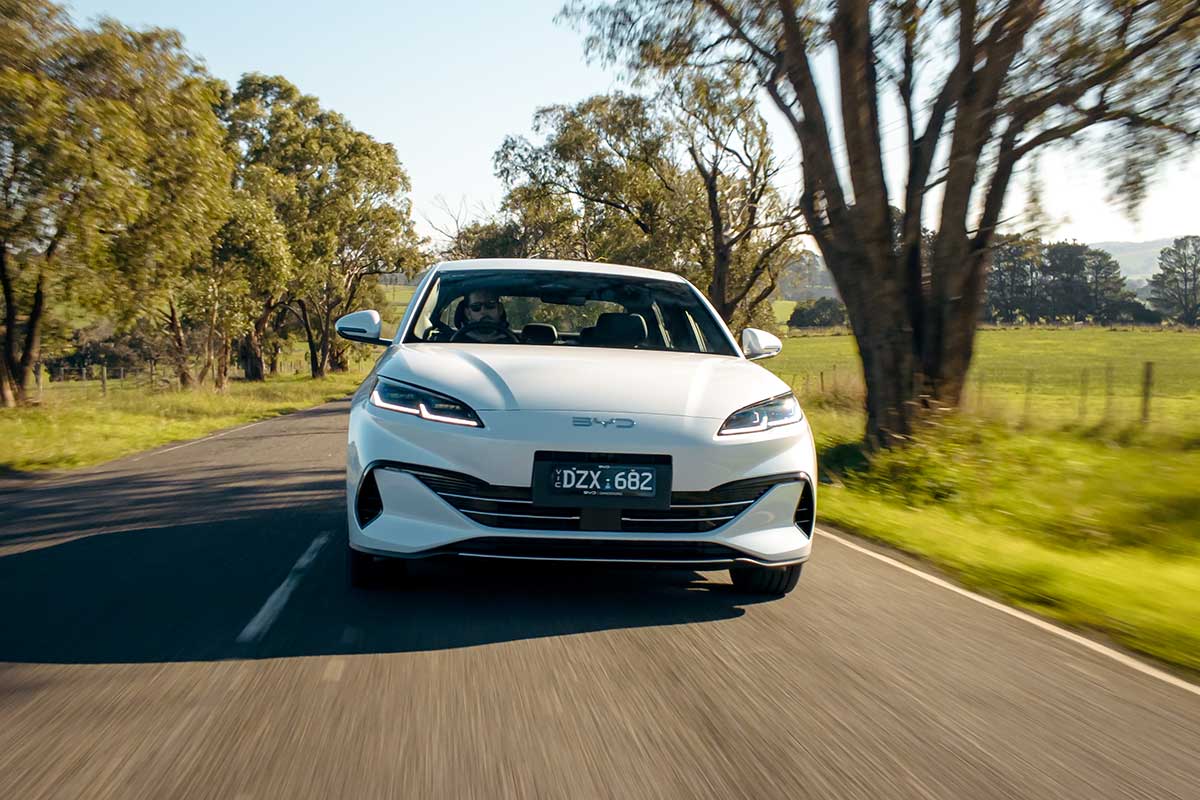
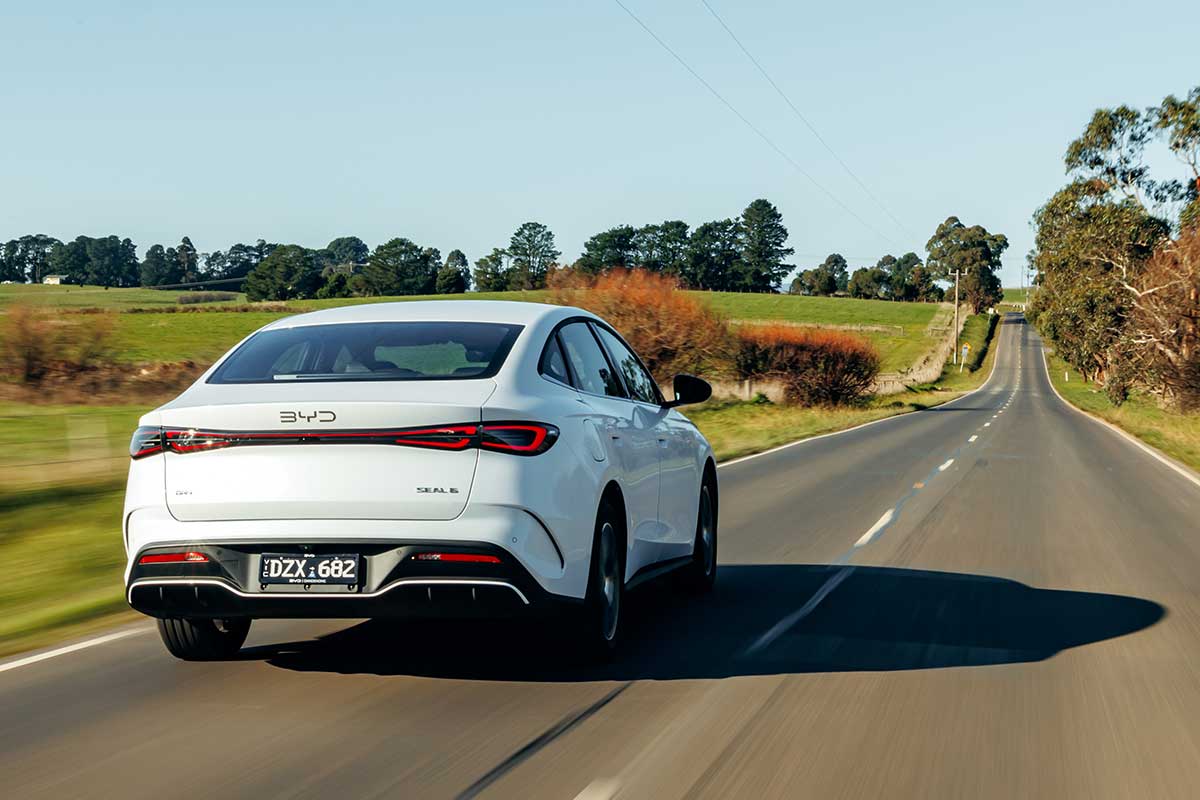
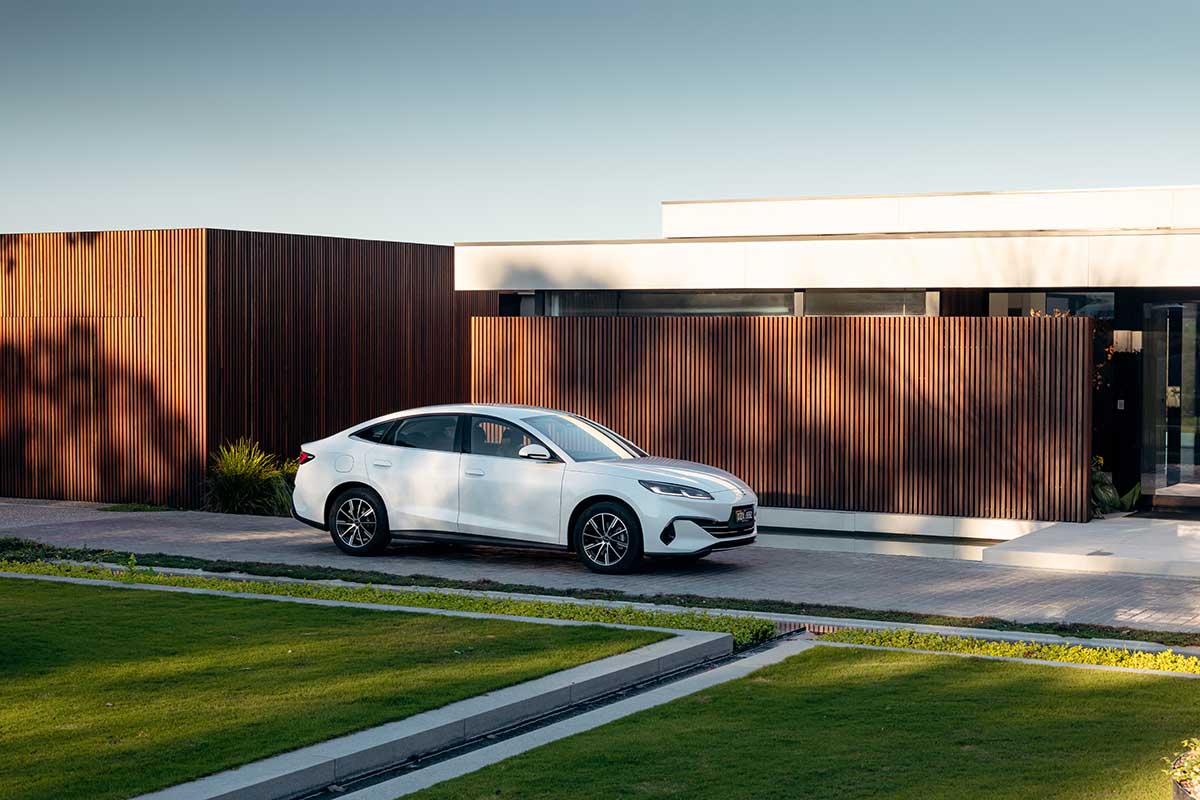
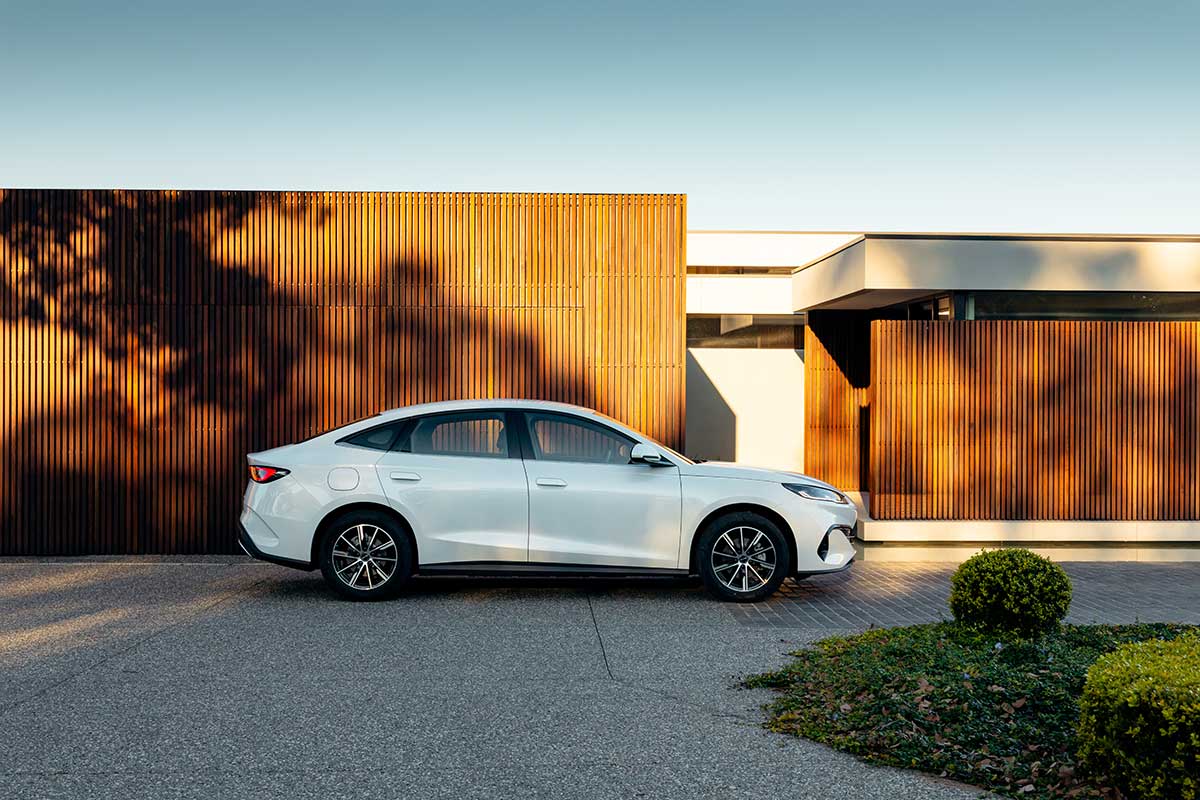
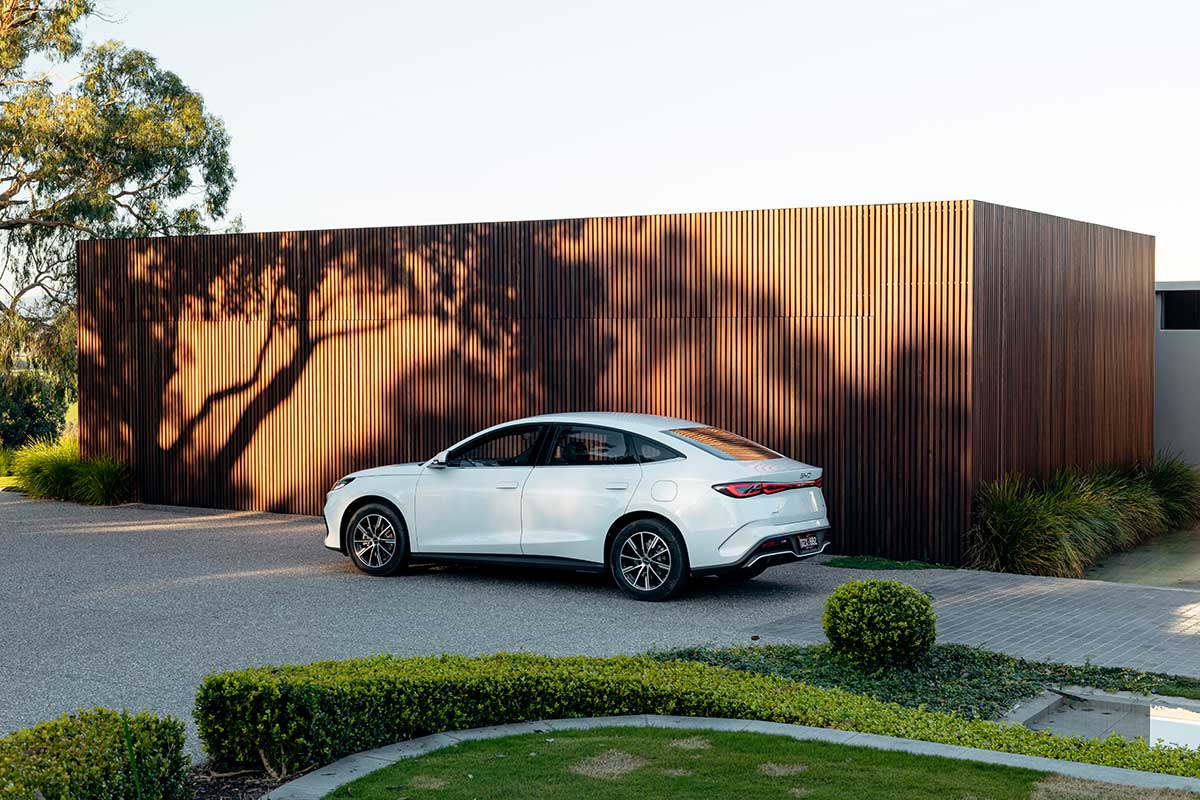
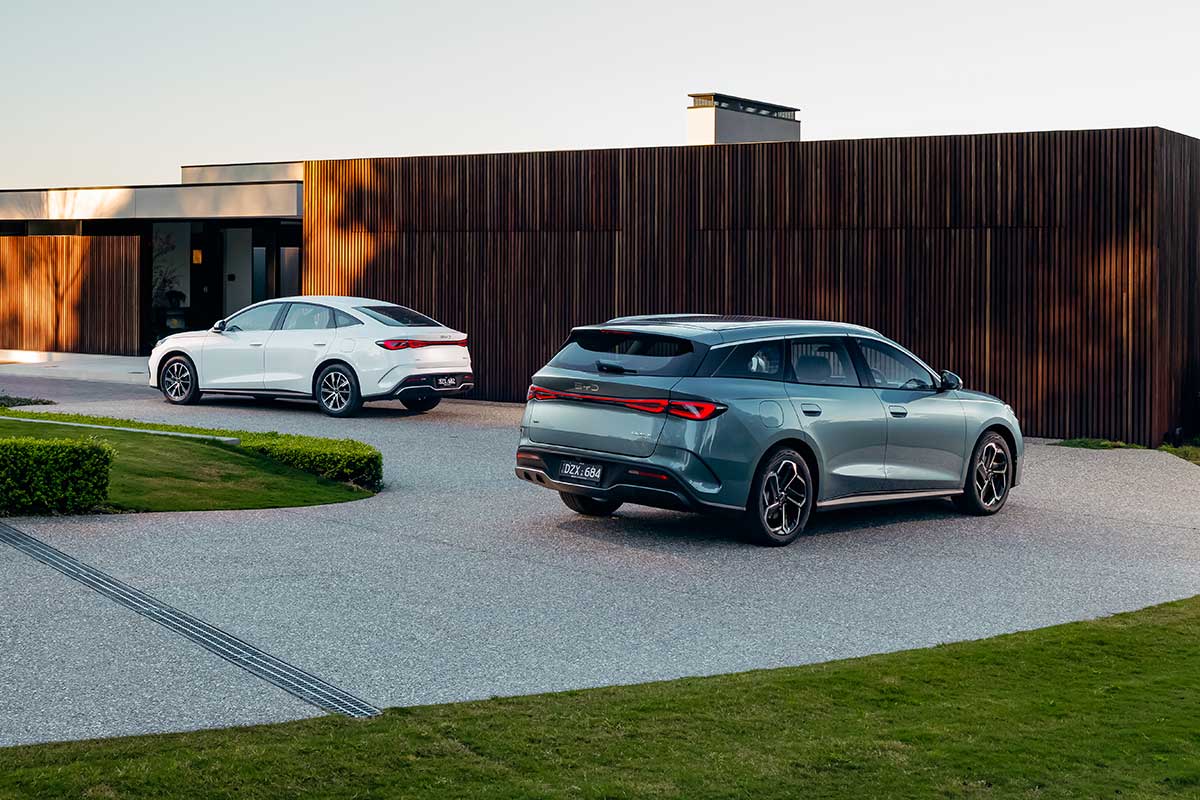
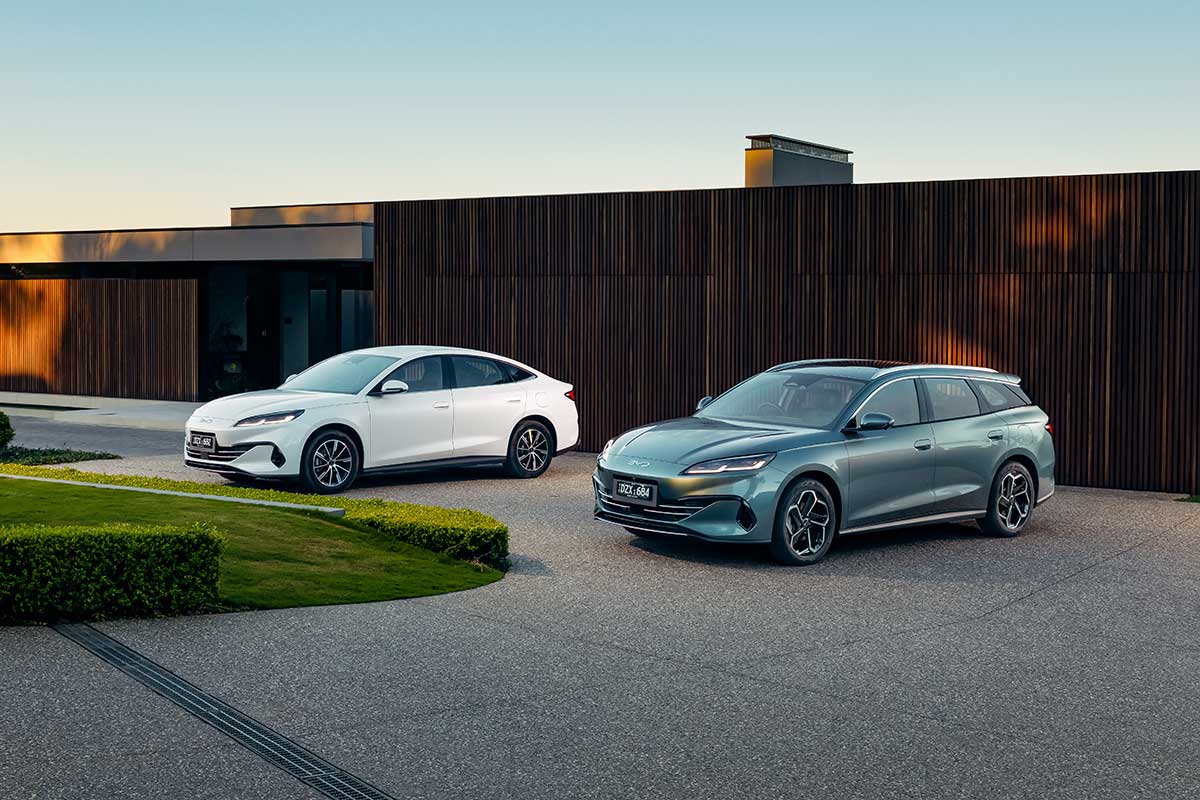
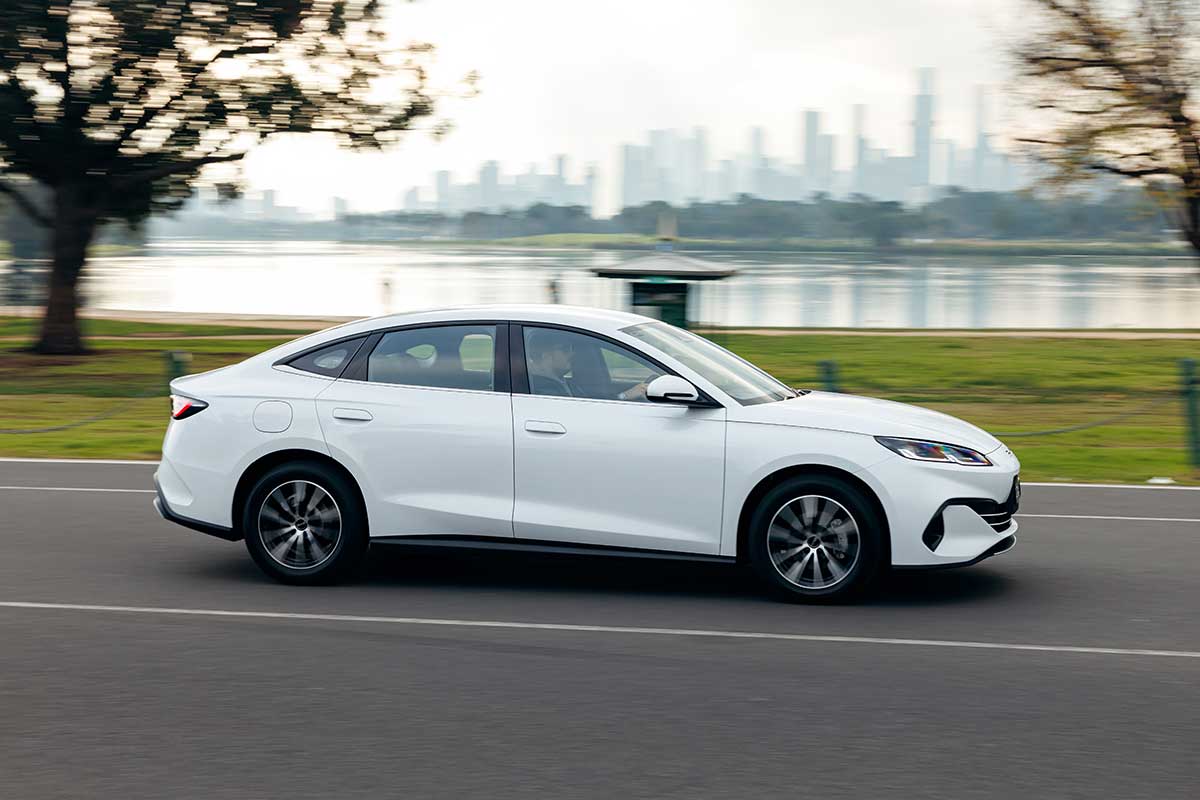
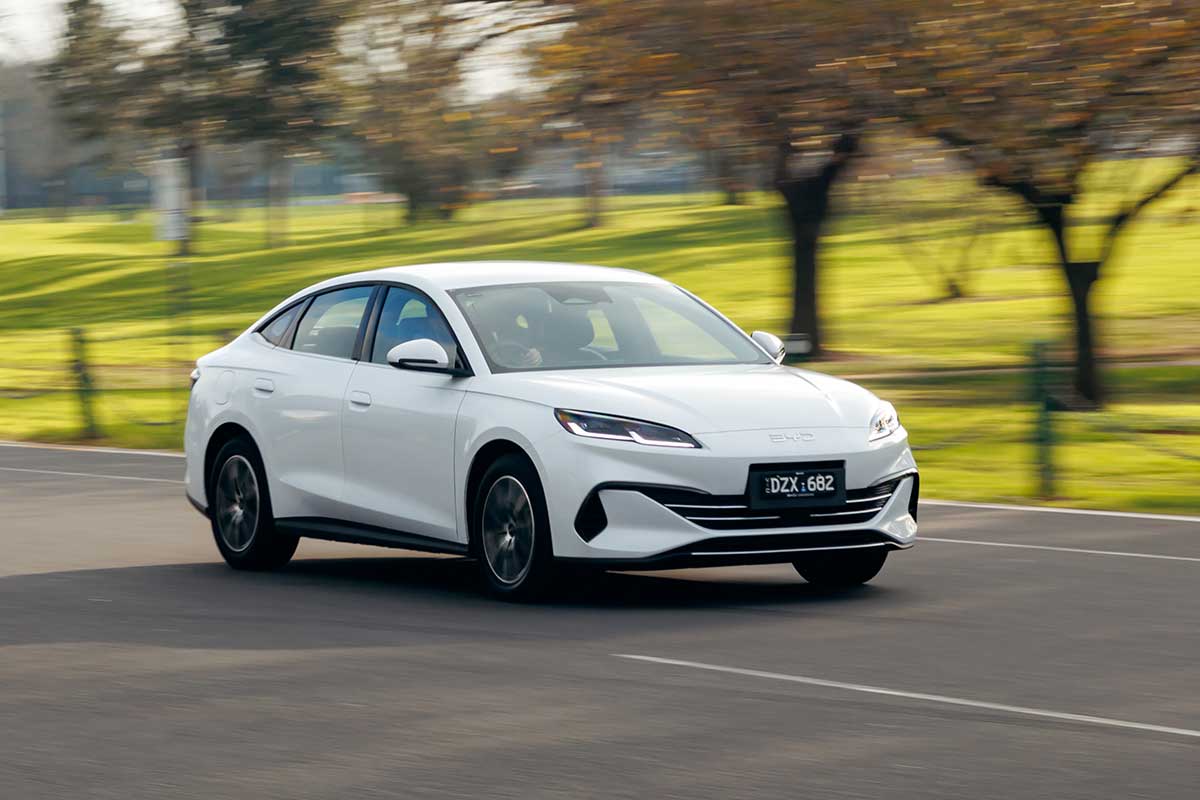
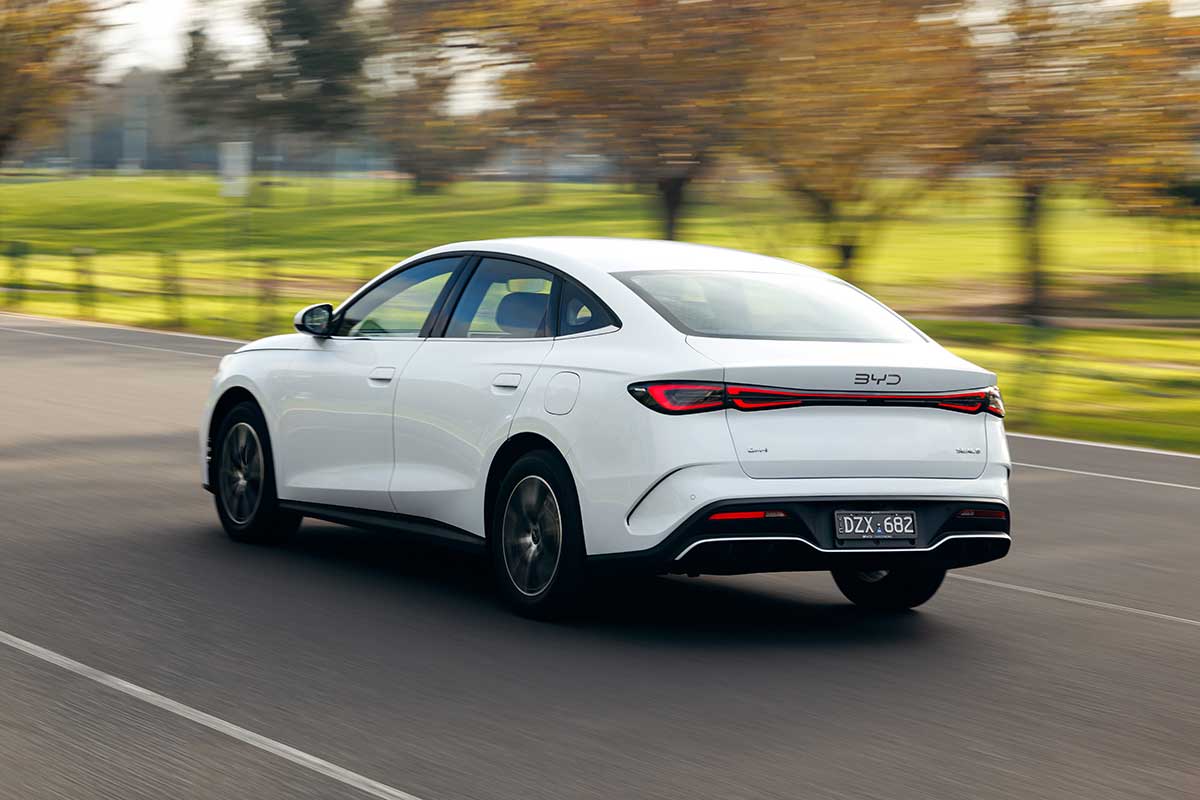
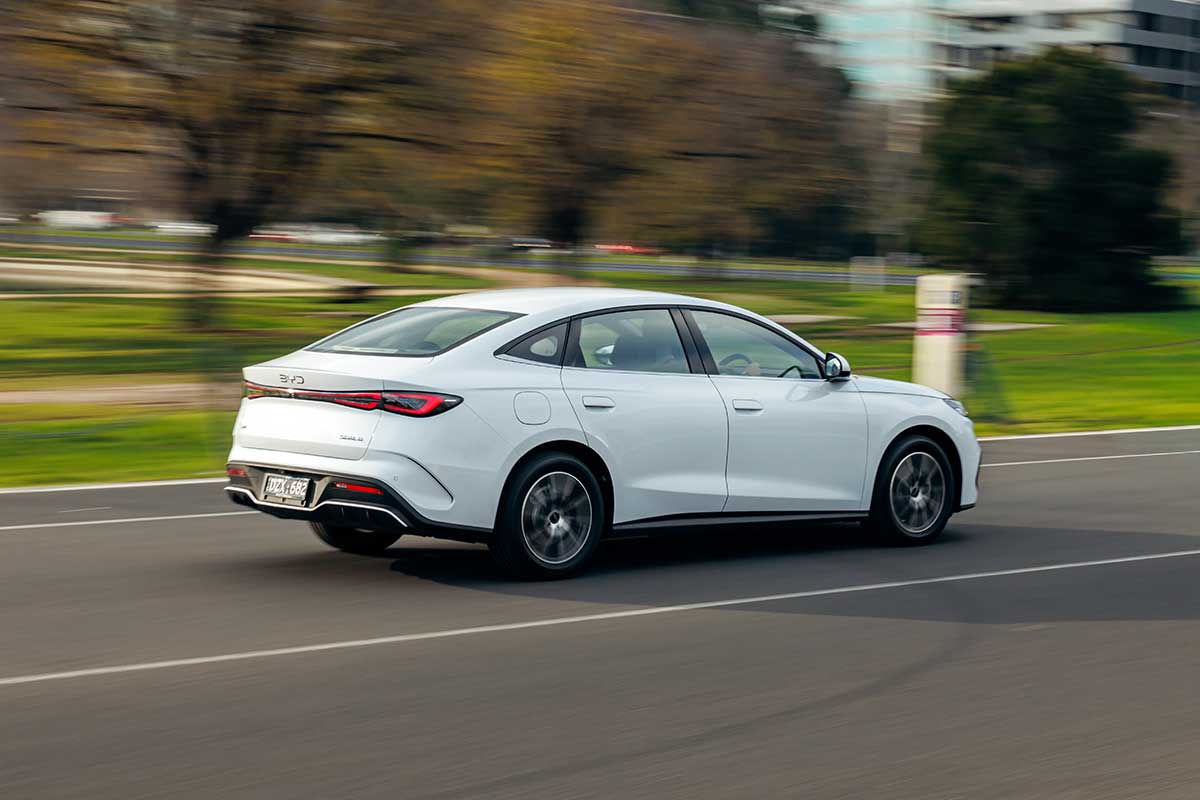
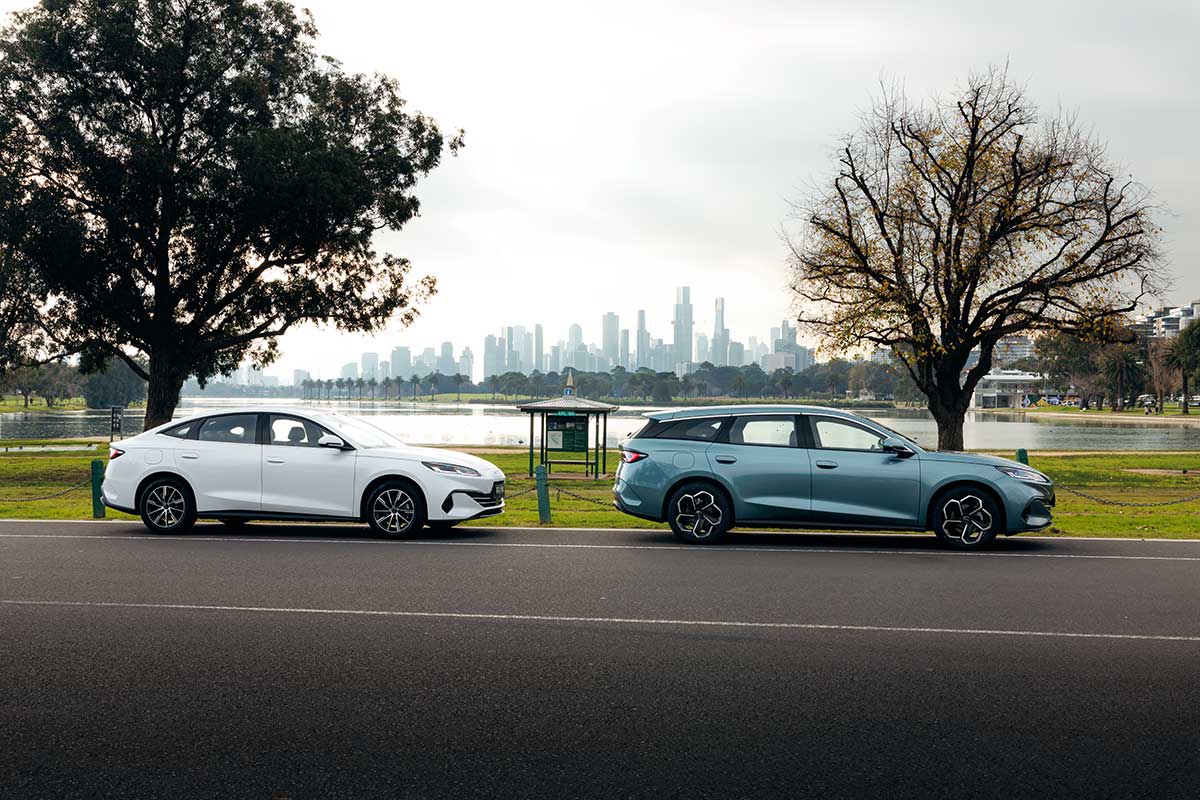
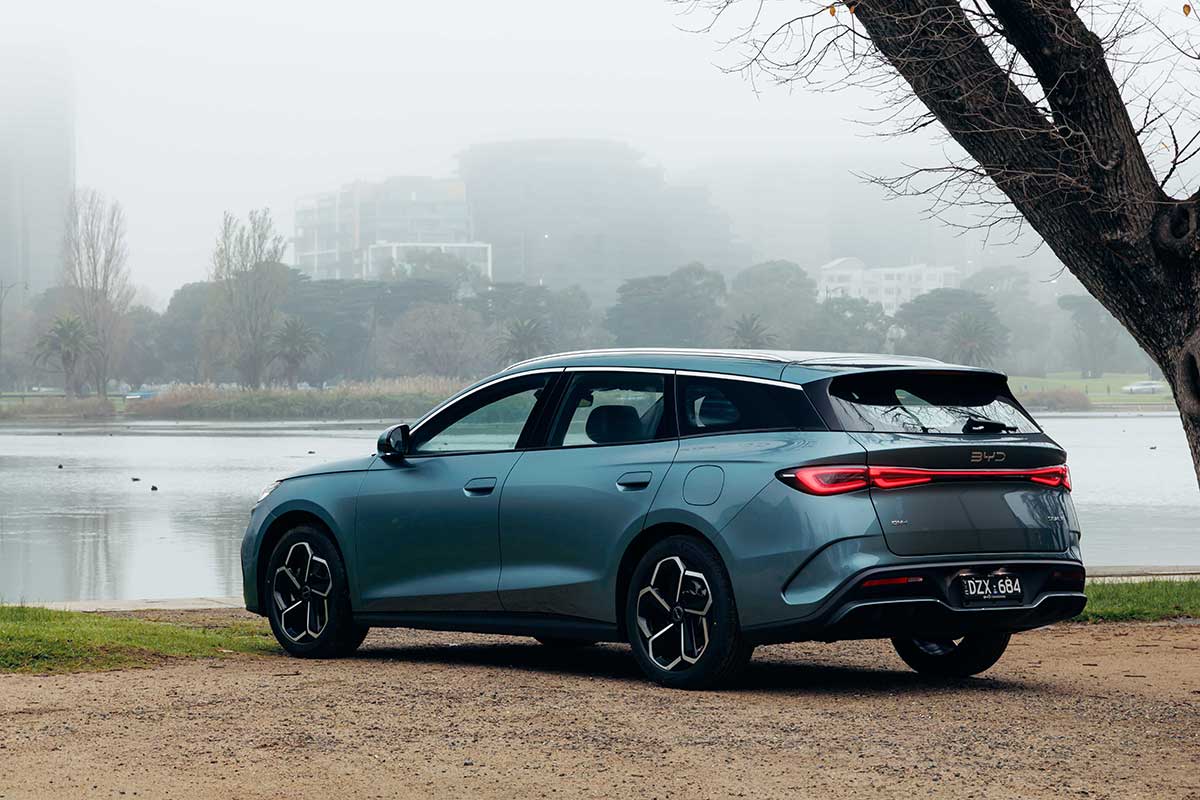
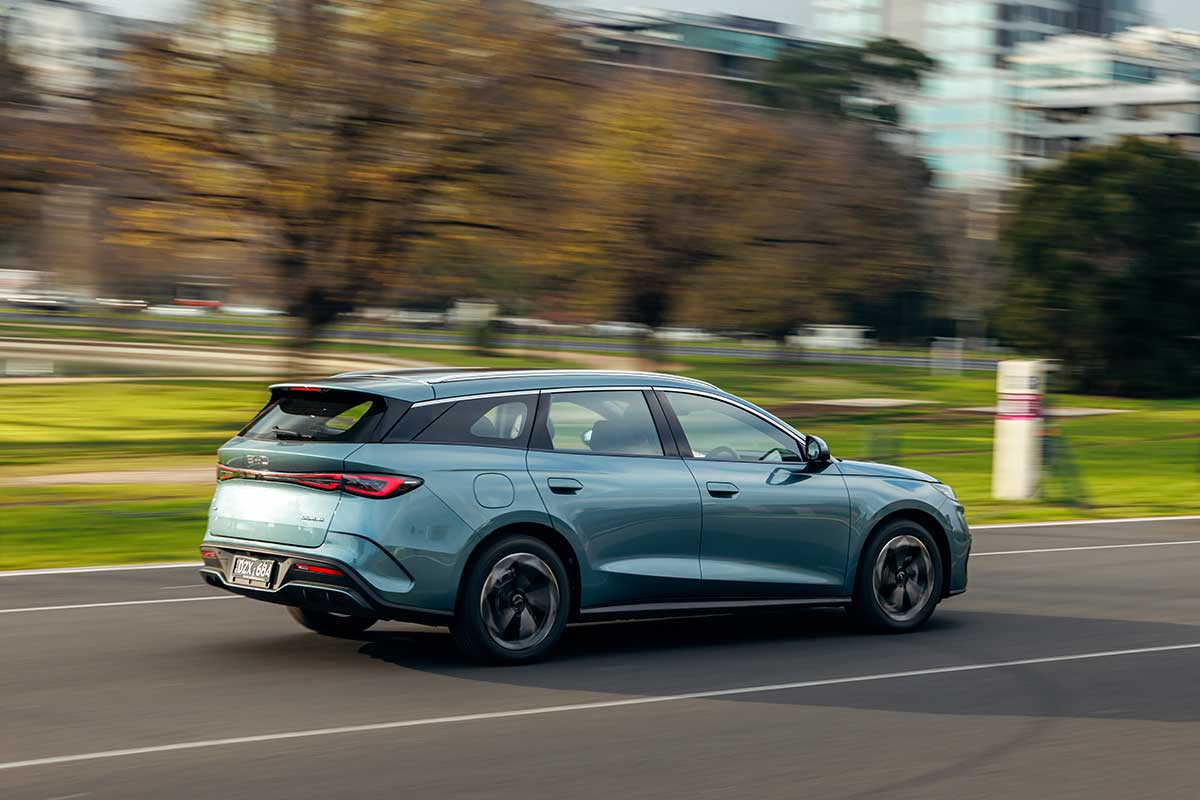
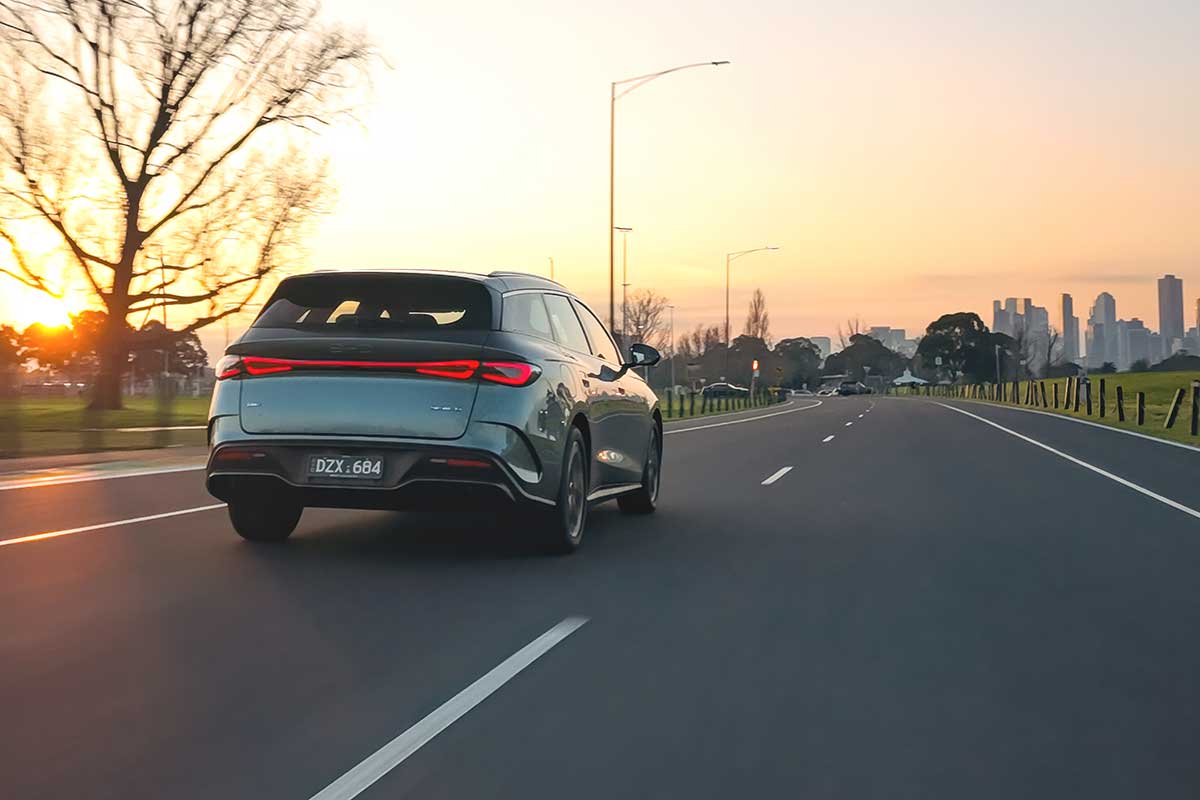
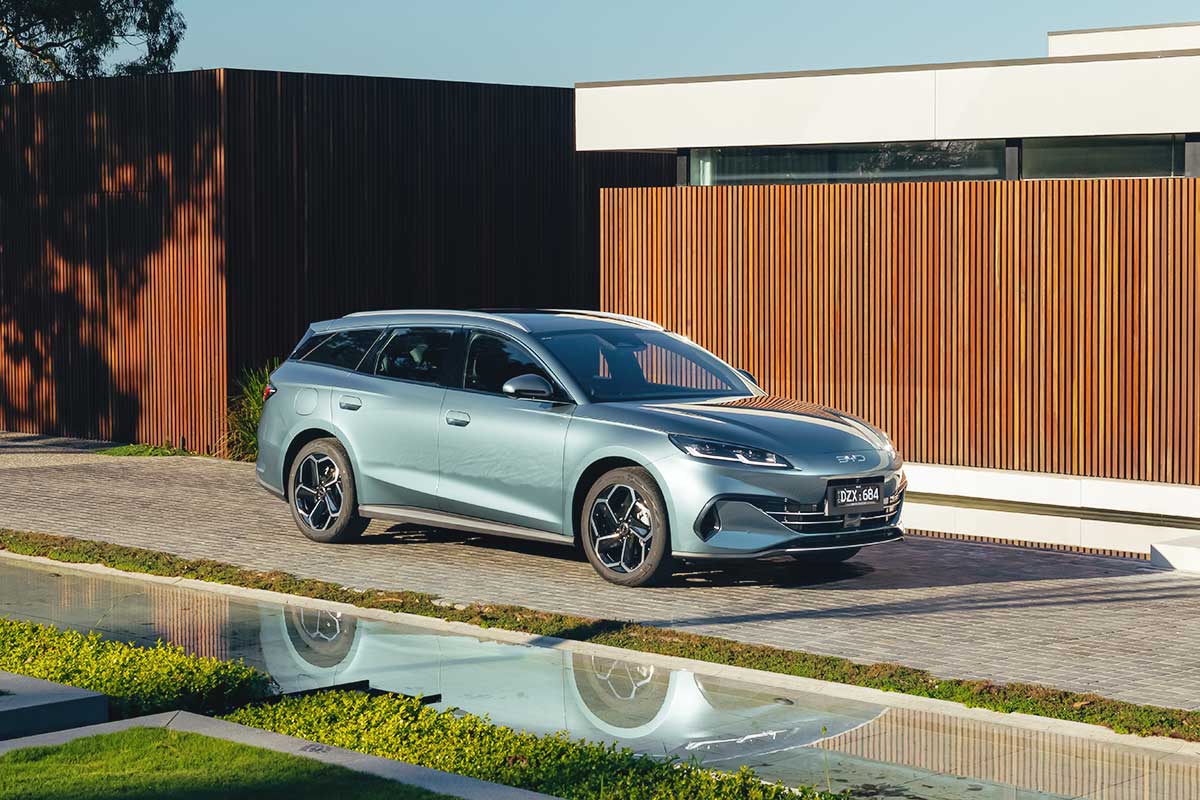
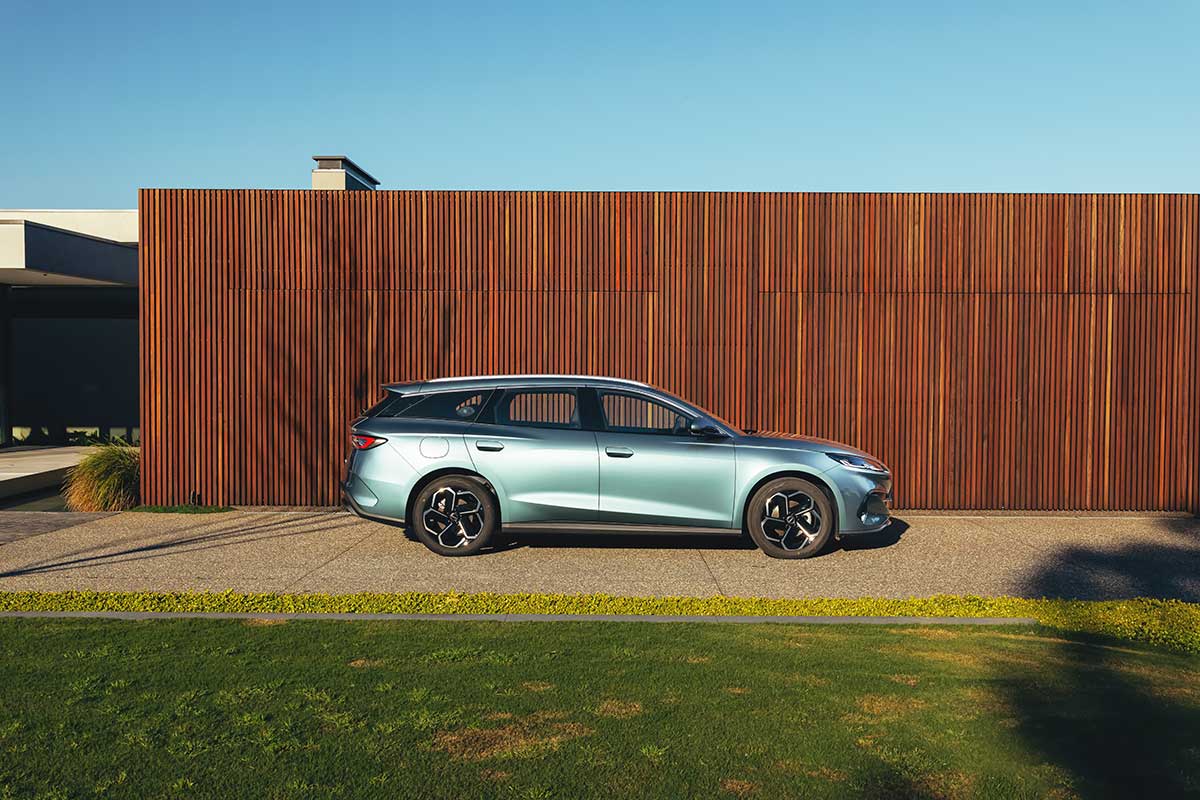
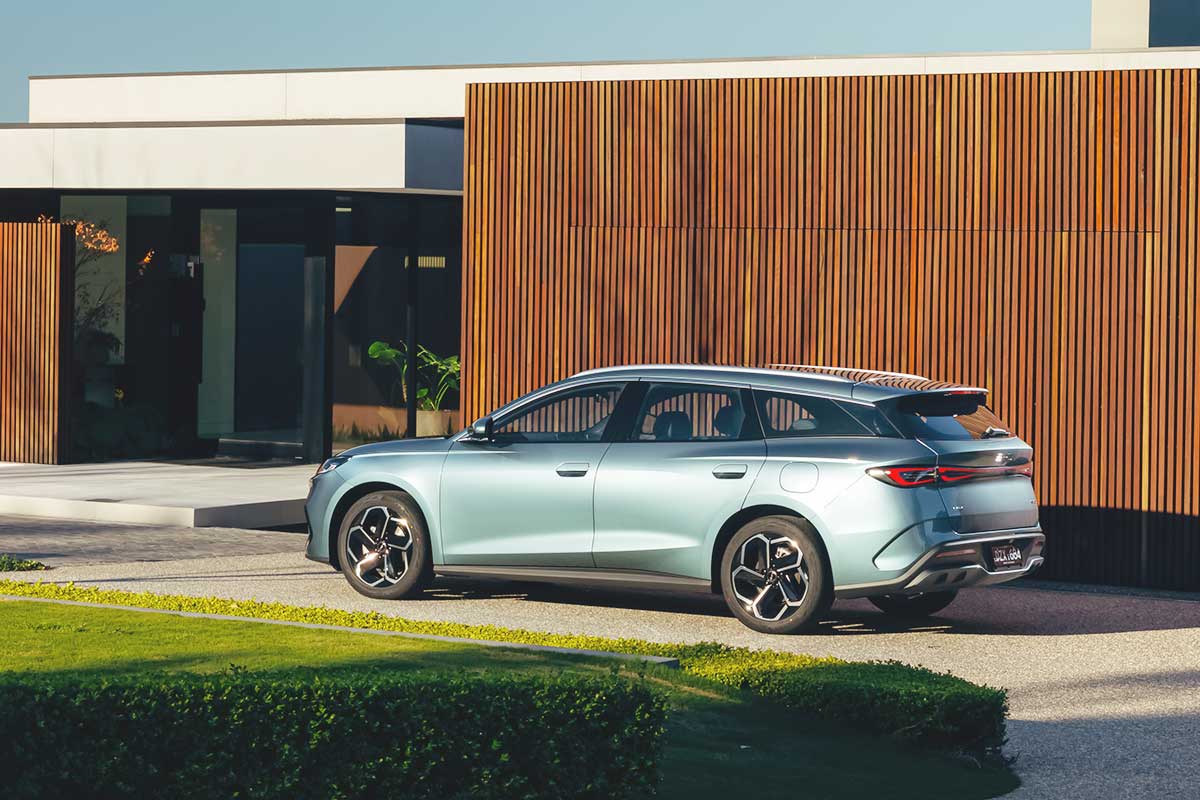
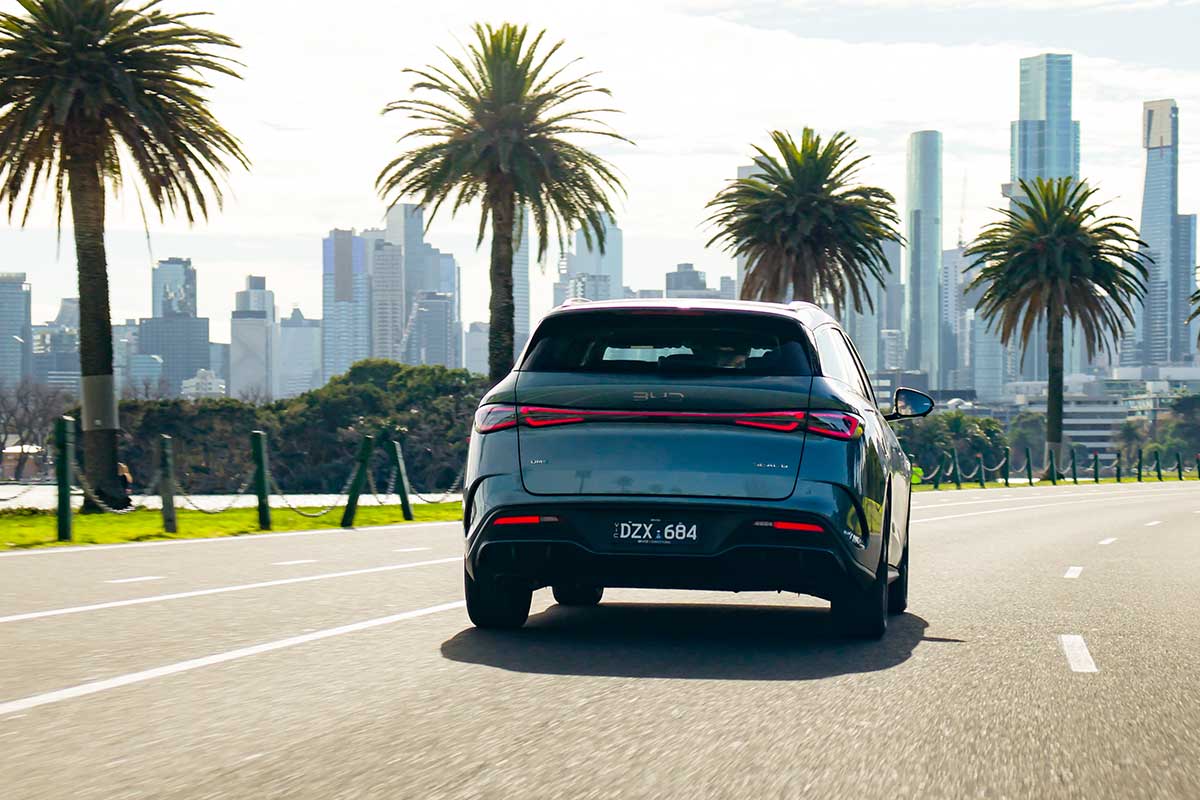
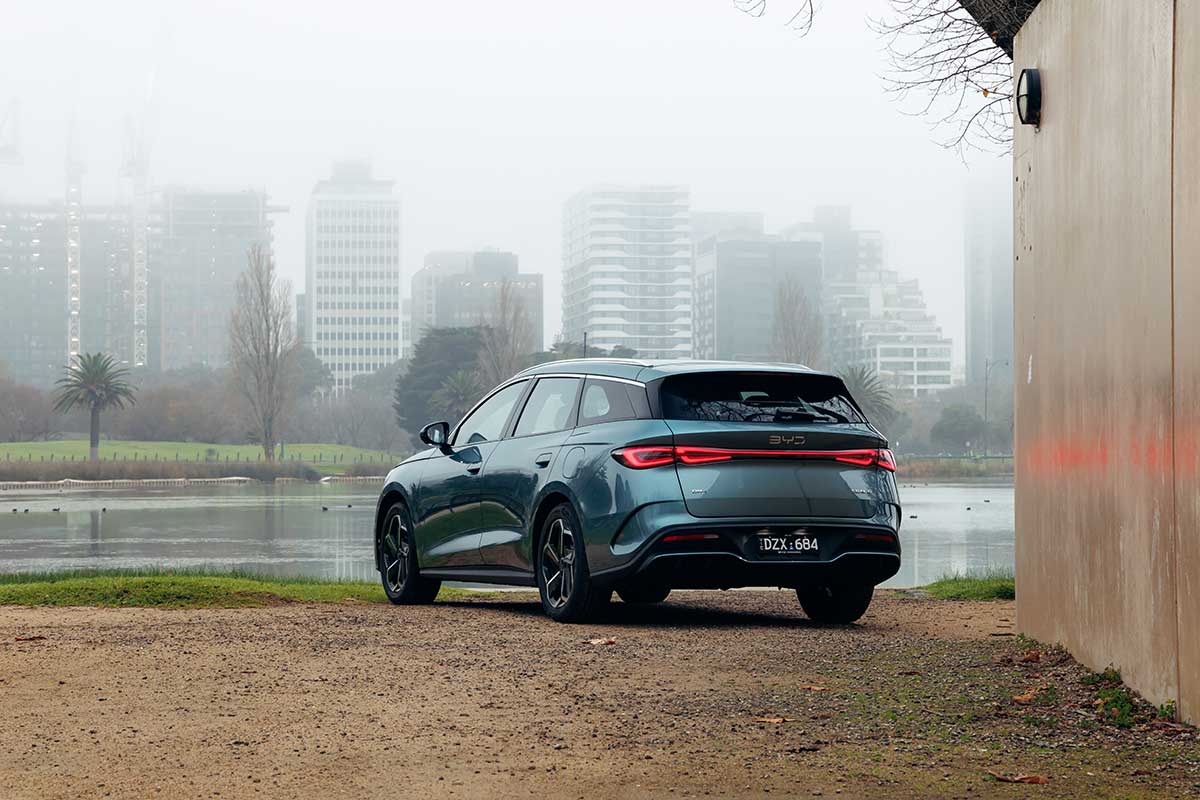
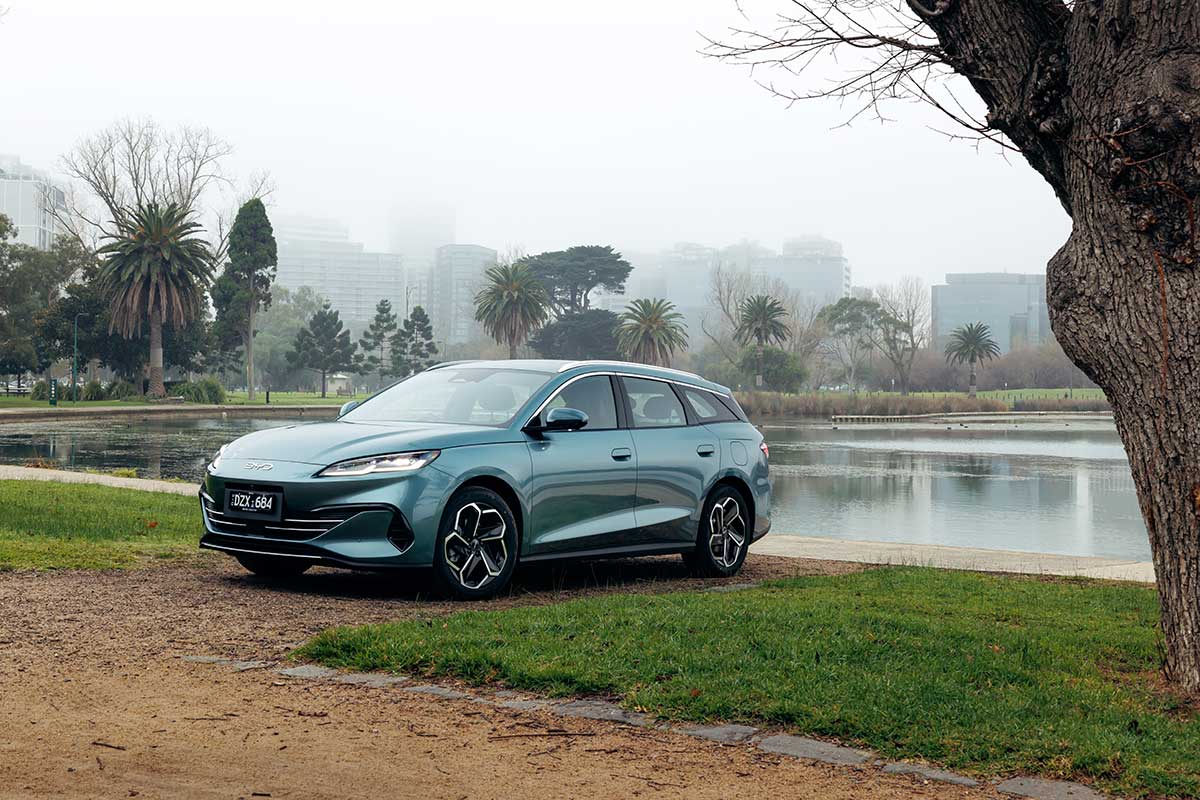
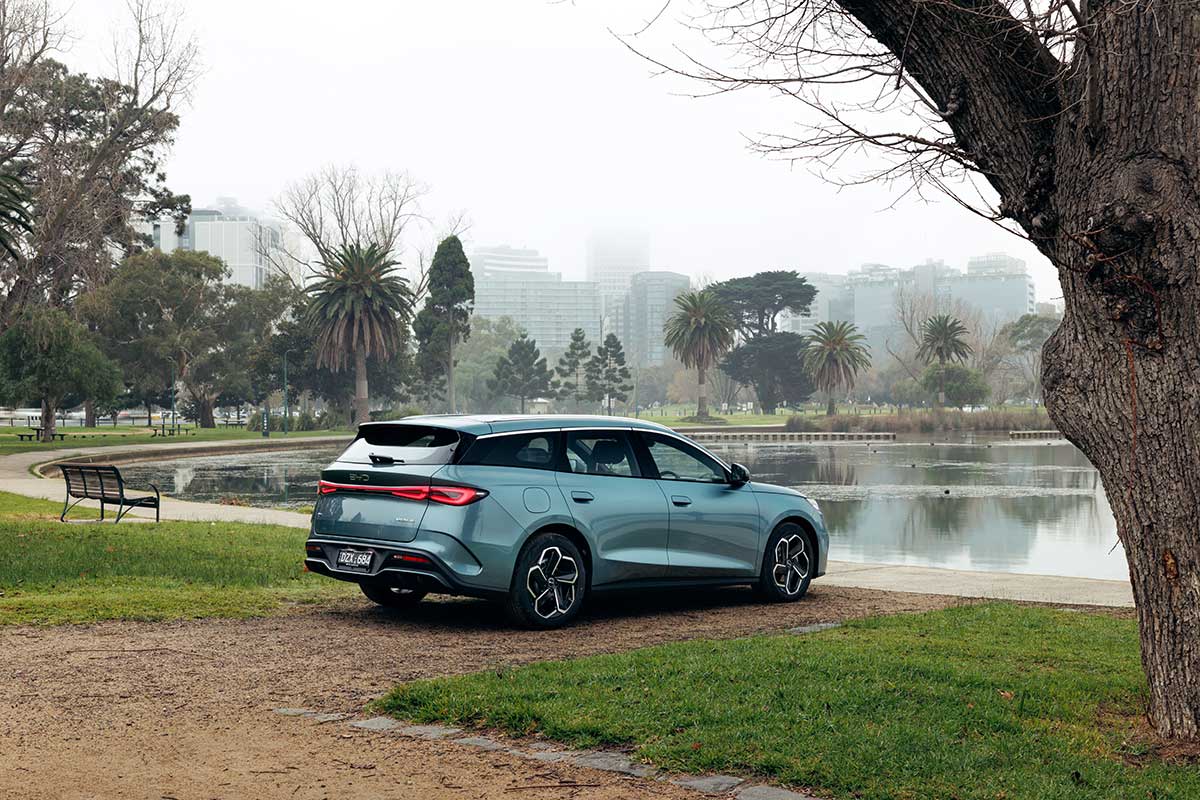
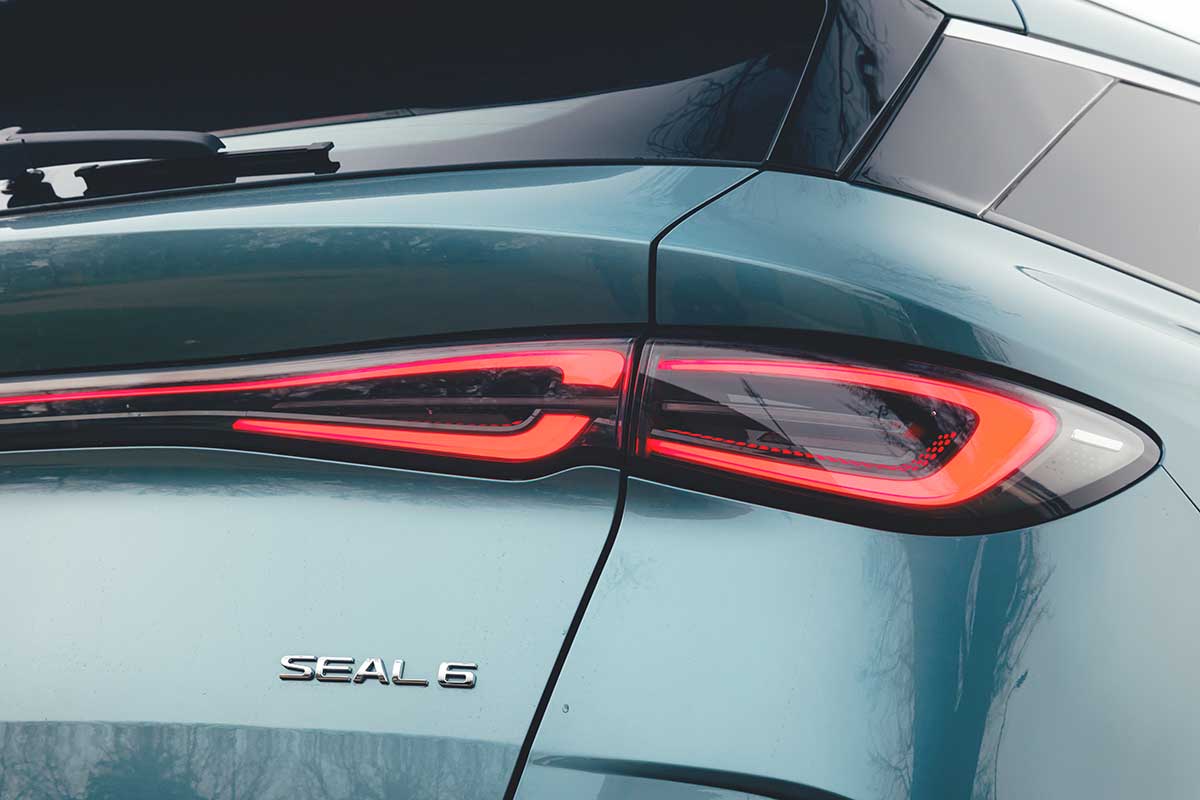
You can have the BYD Seal 6 as a sedan or a wagon – and it was the latter that we drove from Sydney to Melbourne for this test, covering 1000km on highways, country roads, city streets and more. And it really does deserve the title of “Super Hybrid”, as the brand calls it.
How much does the BYD Seal 6 cost?
This is a bargain.
The model range kicks off with the entry-level Sedan Essential from just $34,990 plus on-roads, but there are some appeal-limiting factors for that version.
Instead, the clear pick of the pair is the Touring Premium, from $39,990 plus on-roads, which not only gets a more practical wagon body, it also scores more power, more torque, more EV driving range, faster charging, and a heap more equipment.
This plug-in hybrid model is clearly aiming to kick the nest at Toyota, which has either the considerably smaller Toyota Corolla HEV hatch and sedan (from about $32,000 plus on-roads), but is closer in size to the Camry HEV sedan, which starts from $39,990 plus on-roads for a basic fleet-spec version.
BYD offers a six-year/150,000 kilometre warranty for the vehicle, while the battery has an eight-year/160,000km warranty.
Servicing? If you plan to recharge your battery and drive electric a lot, then you’re likely to abide by 12-month/20,000km service intervals. But you need to be aware the petrol engine has its own odometer and needs maintenance every 10,000km.
Either way, there’s a capped-price plan for five years or up to 100,000km, and while BYD offers roadside assistance for the first 12 months, buyers will need to pay to top it up beyond that.
There are free connected services for over the air updates and app connectivity, but for data like apps and online mapping, buyers of the wagon model get 2Gb per month for the first two years – the sedan doesn’t have that capability.
— Matt Campbell
What is the BYD Seal 6 like inside?
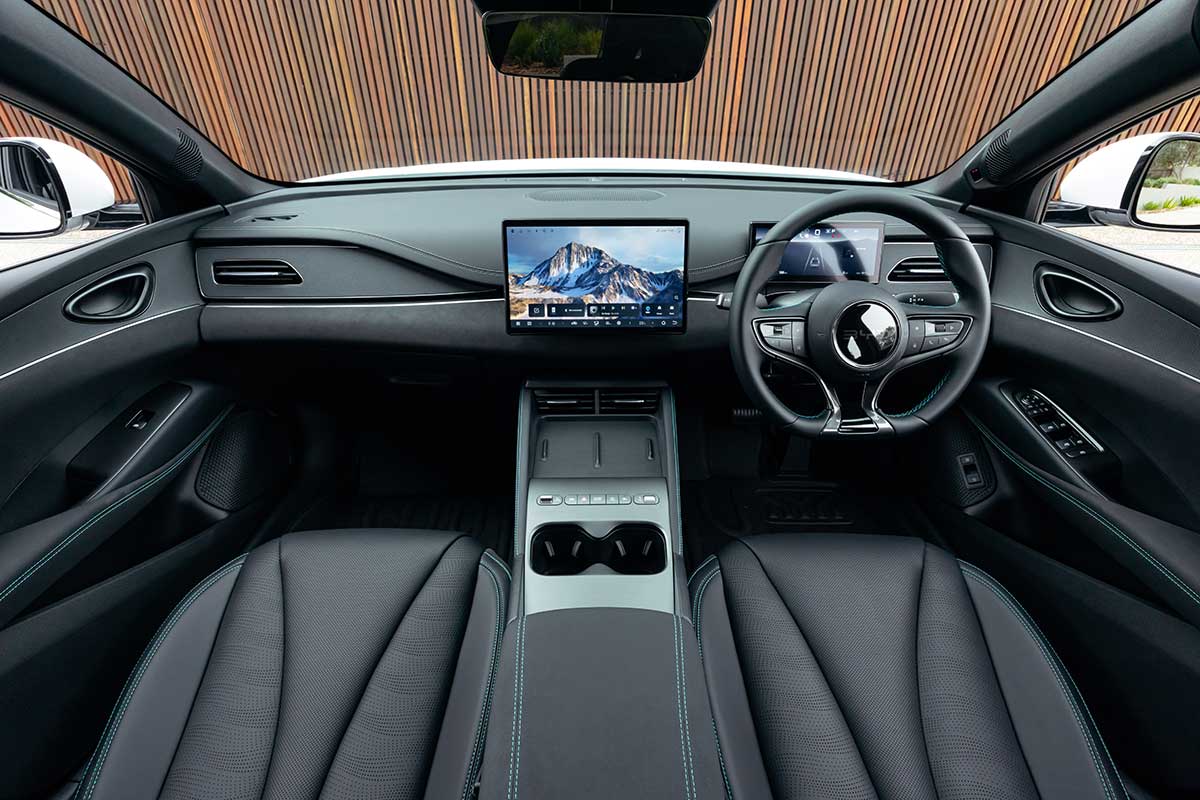
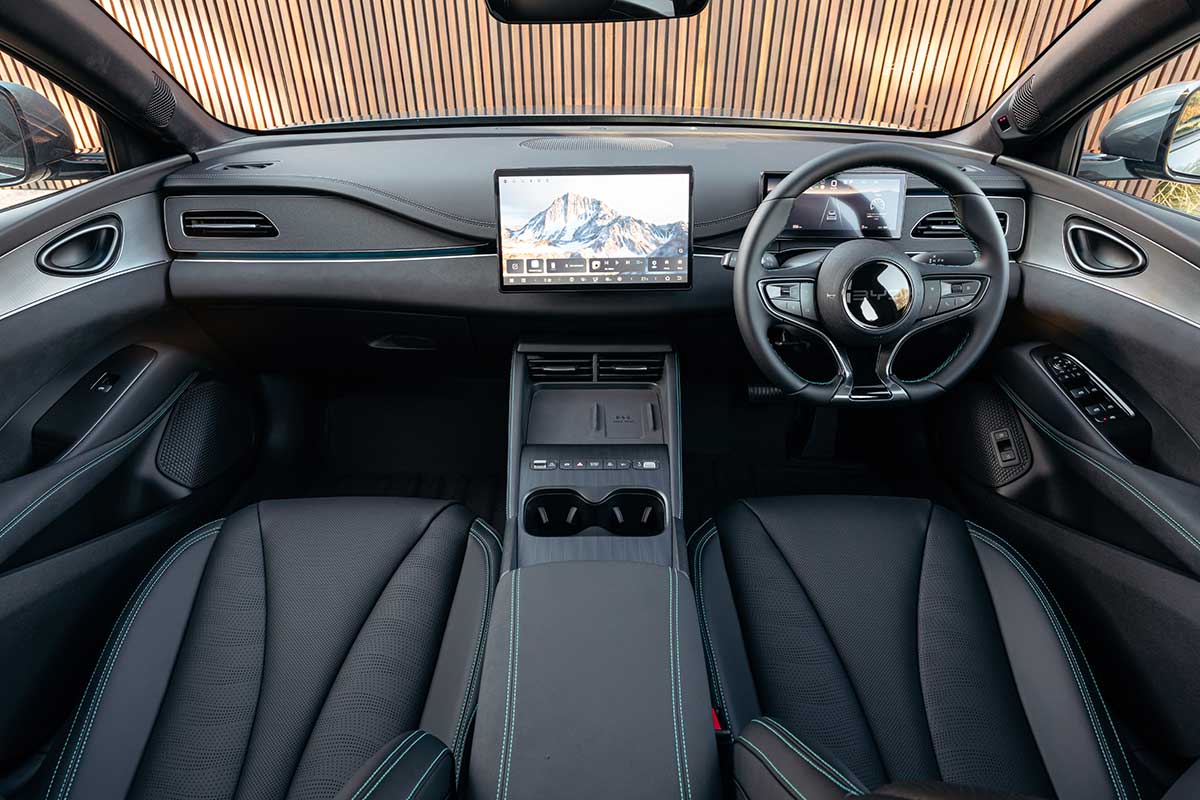
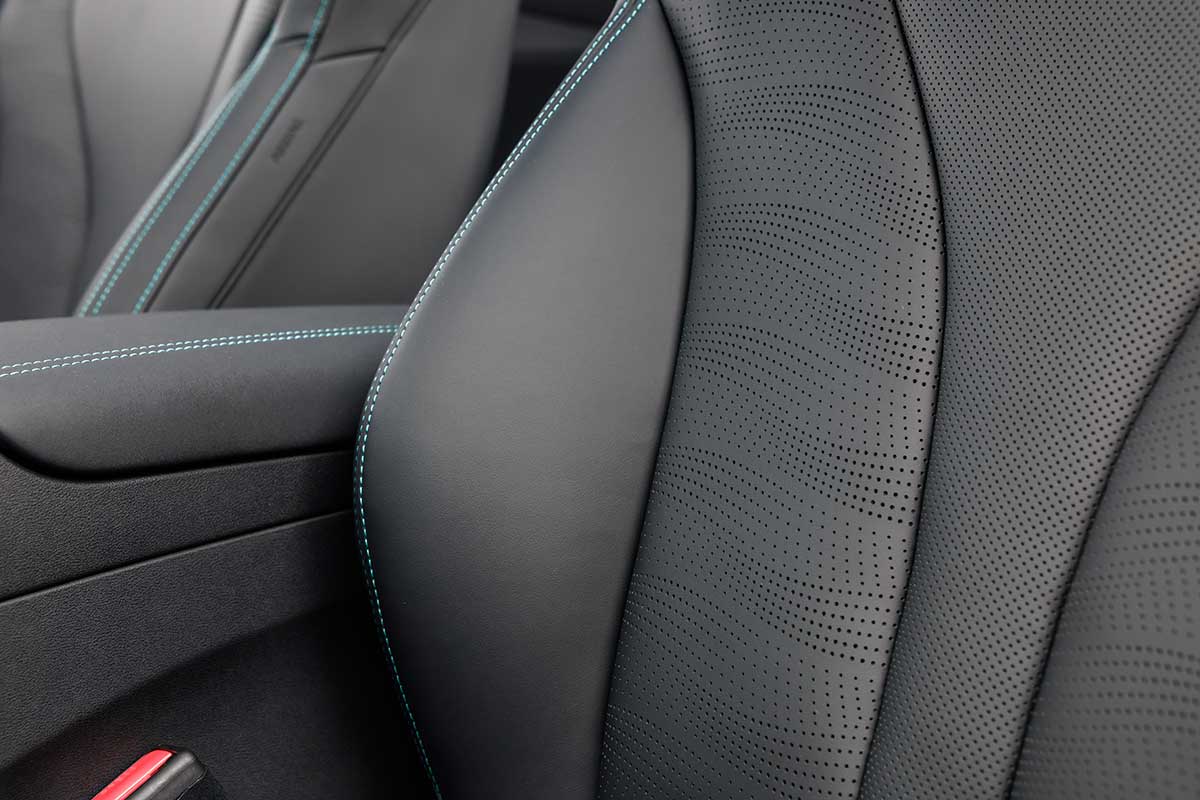
The Touring has the luxury features you’ll want, like electric adjustment for both seats, memory settings for the driver, and heating and ventilation for those seats, too.
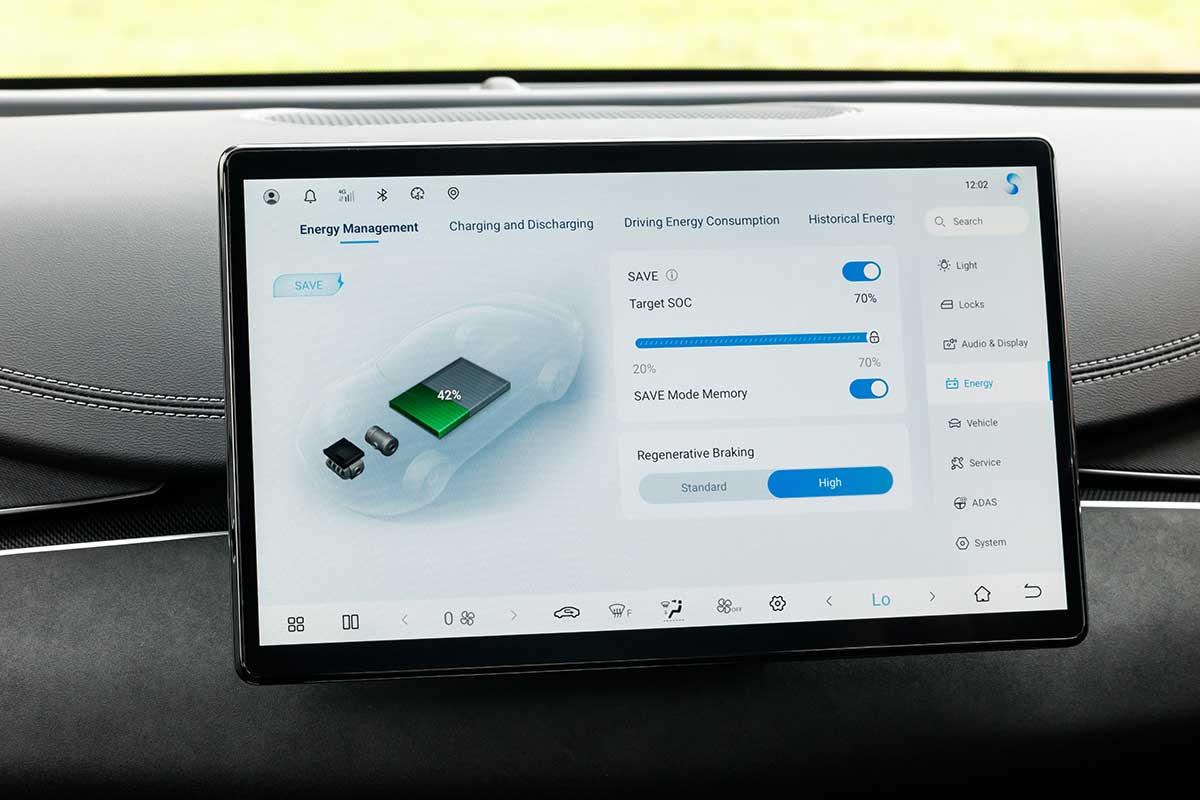
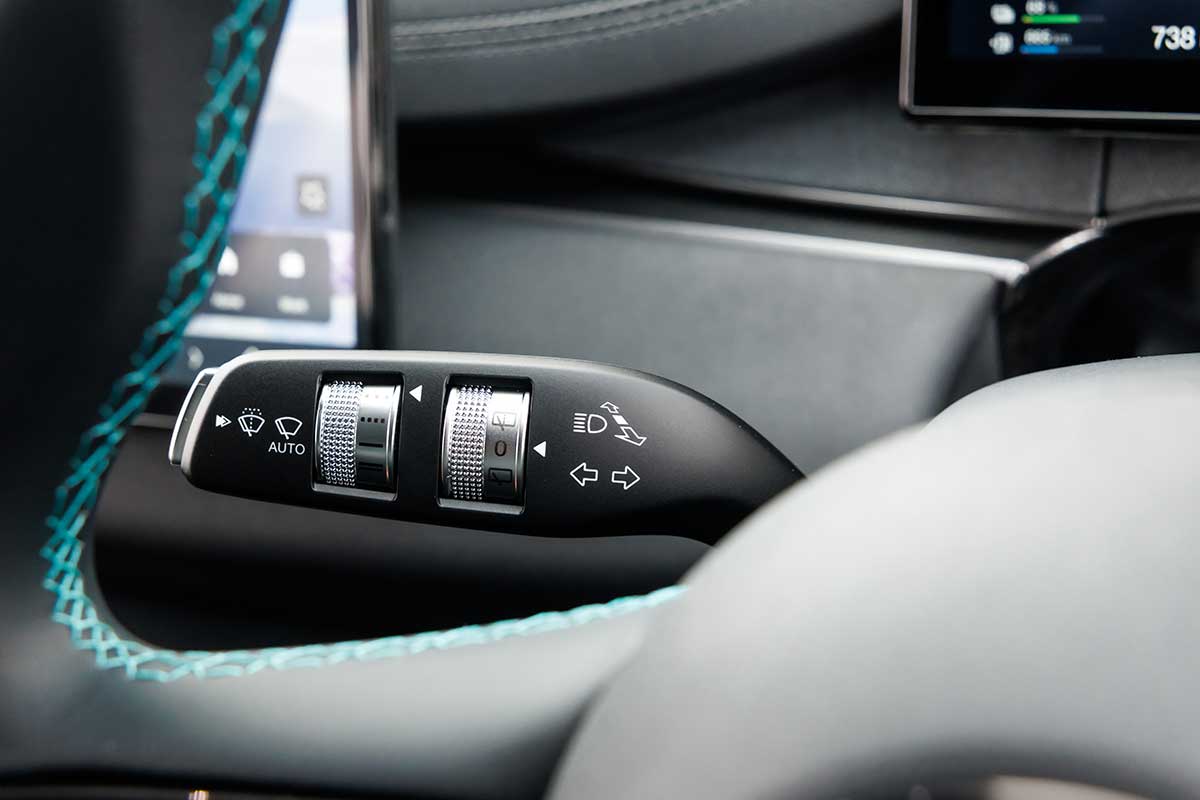
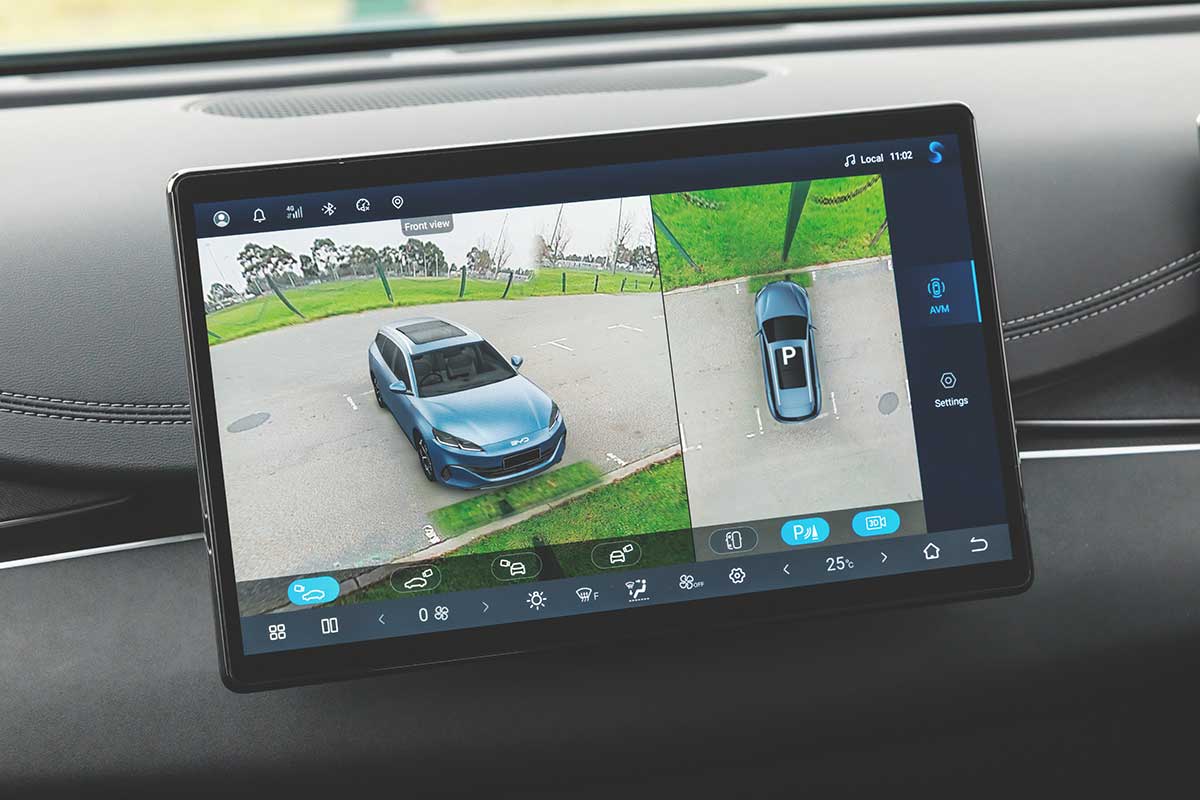
The technology is managed by a 12.8-inch touchscreen and there are no physical fan or climate controls, and it’s single-zone only, too. I had some issues finding the ‘ideal’ temperature over two cool cruising days.
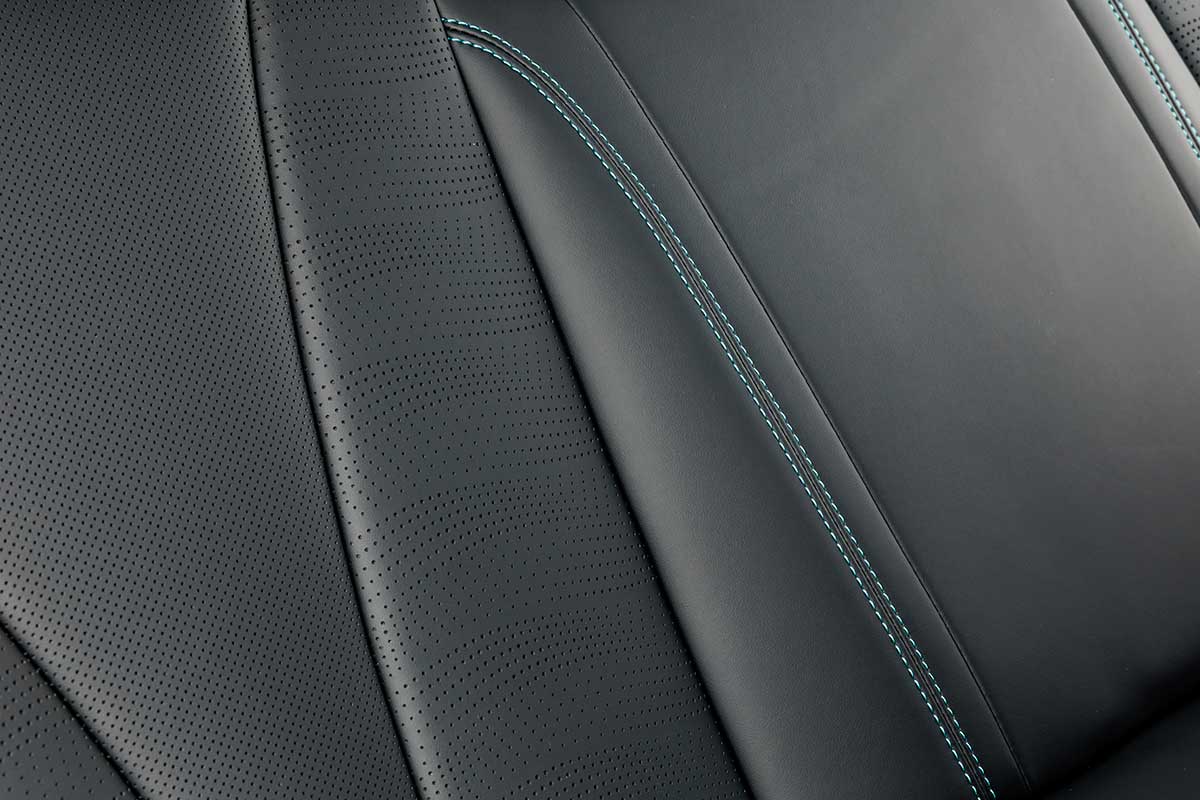
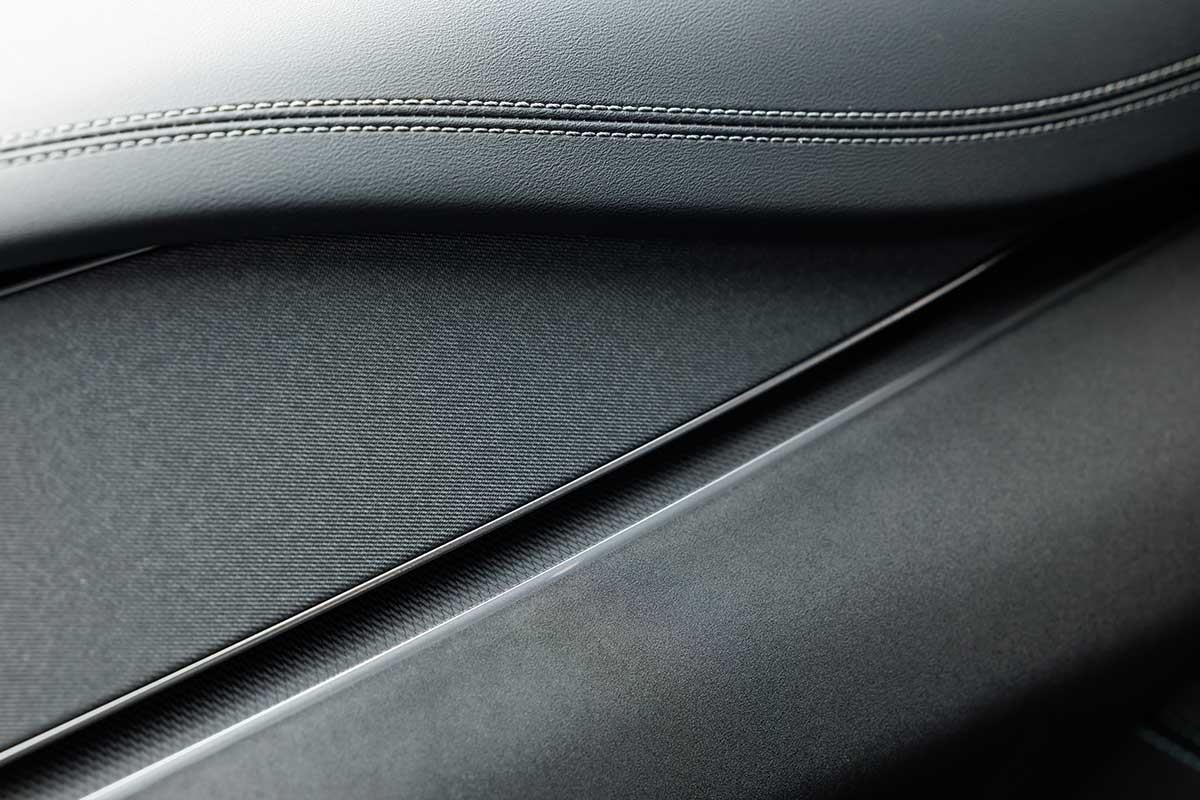
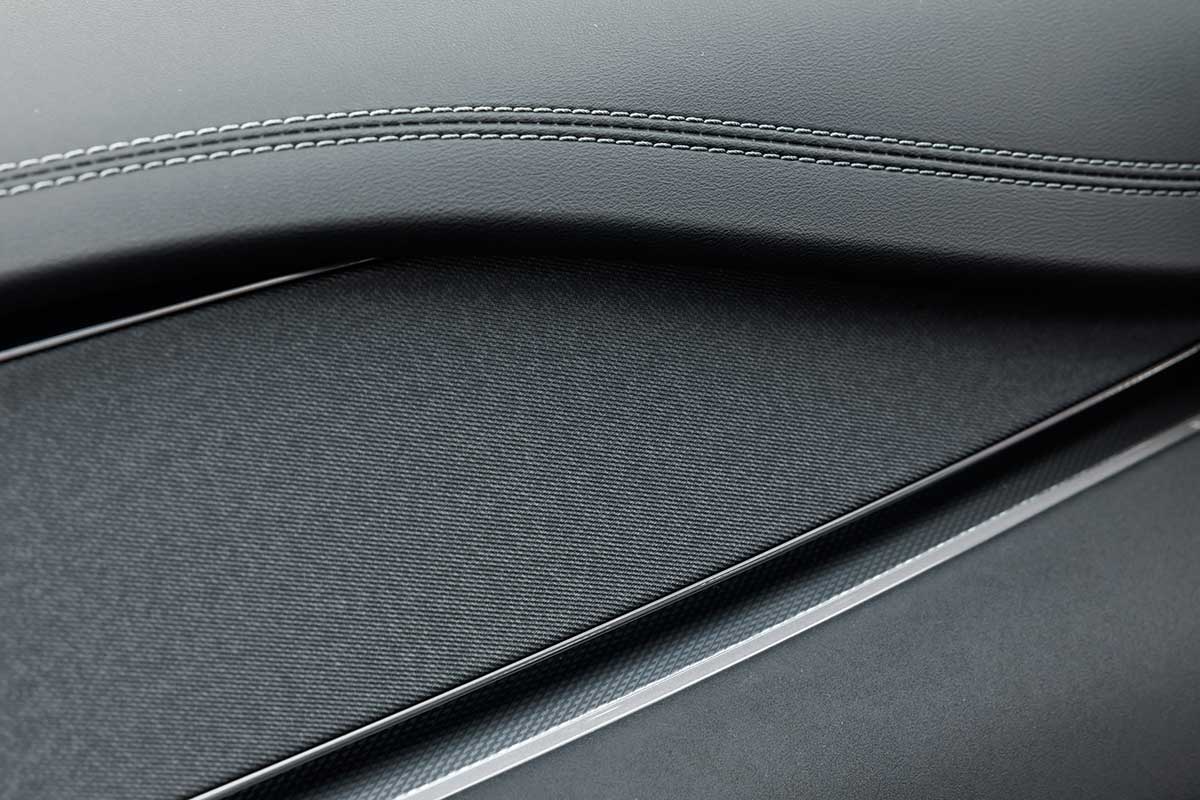
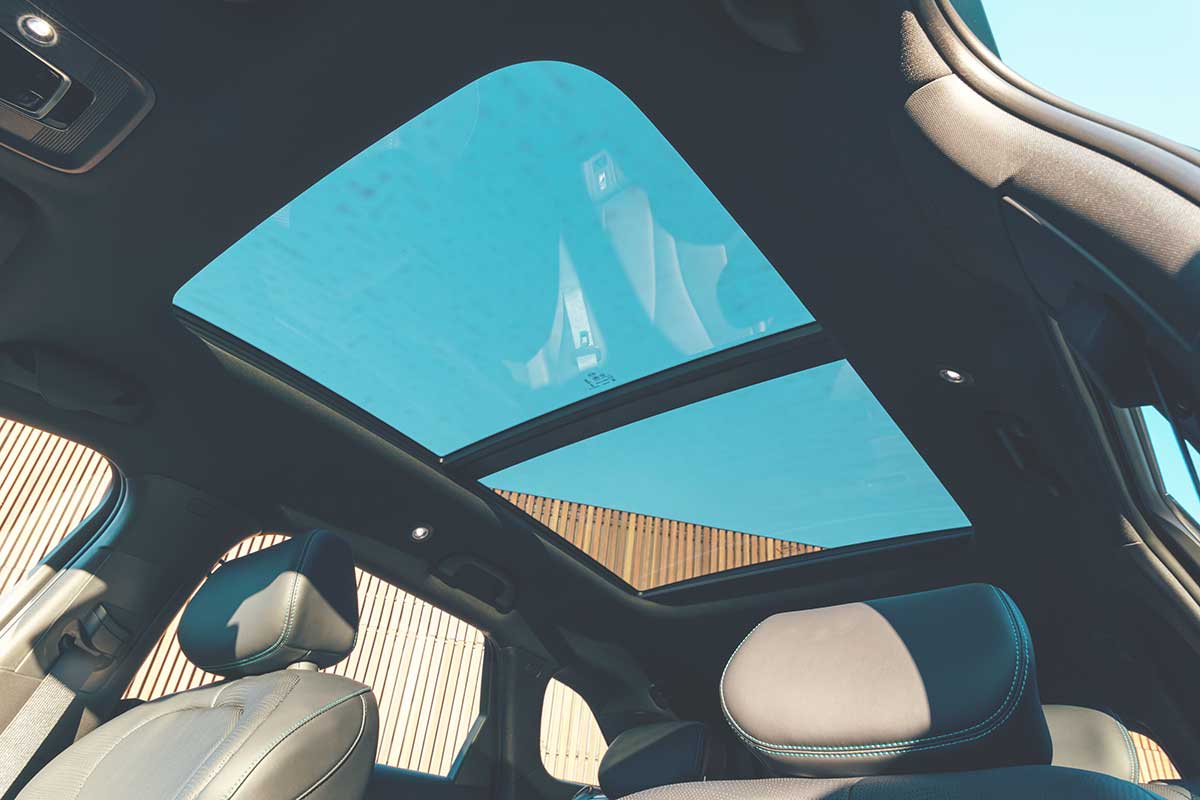
There are colour-adjustable ambient lights and soft material finishes inside, and a big sunroof opens up to let in fresh air, while the glass extends over the back seats for lots of light.
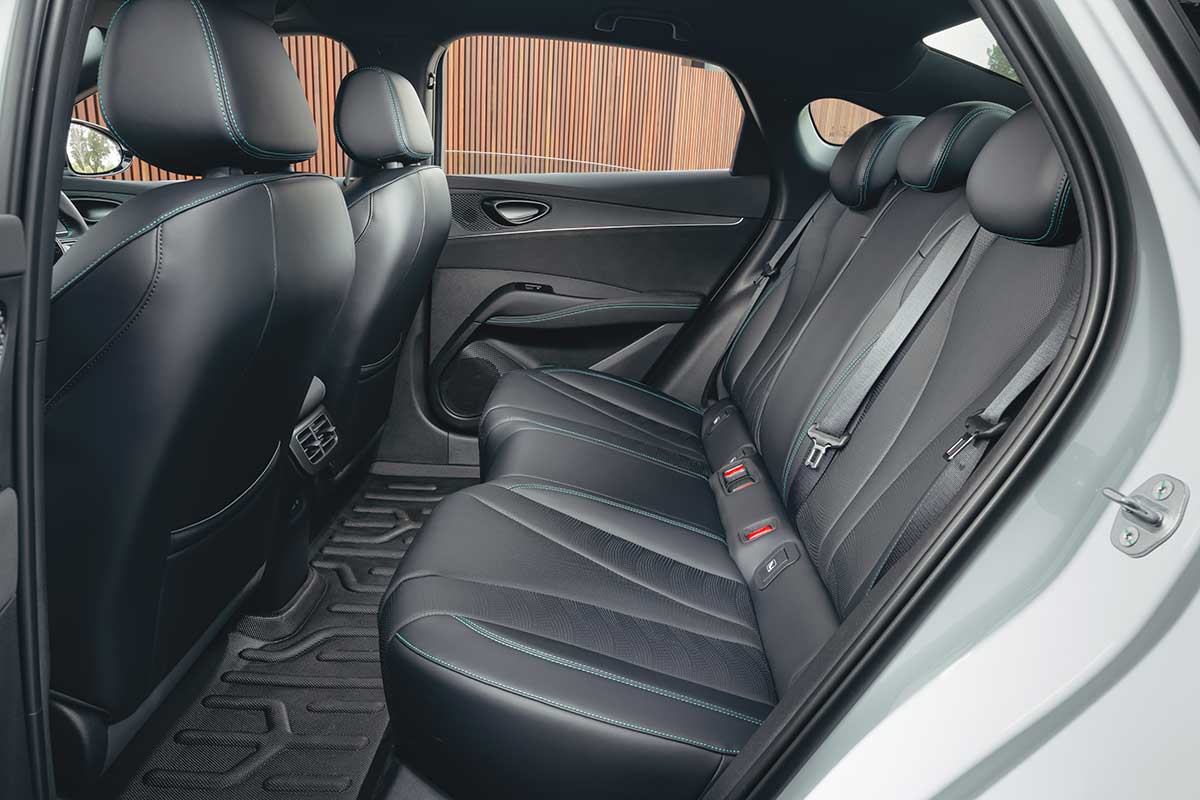
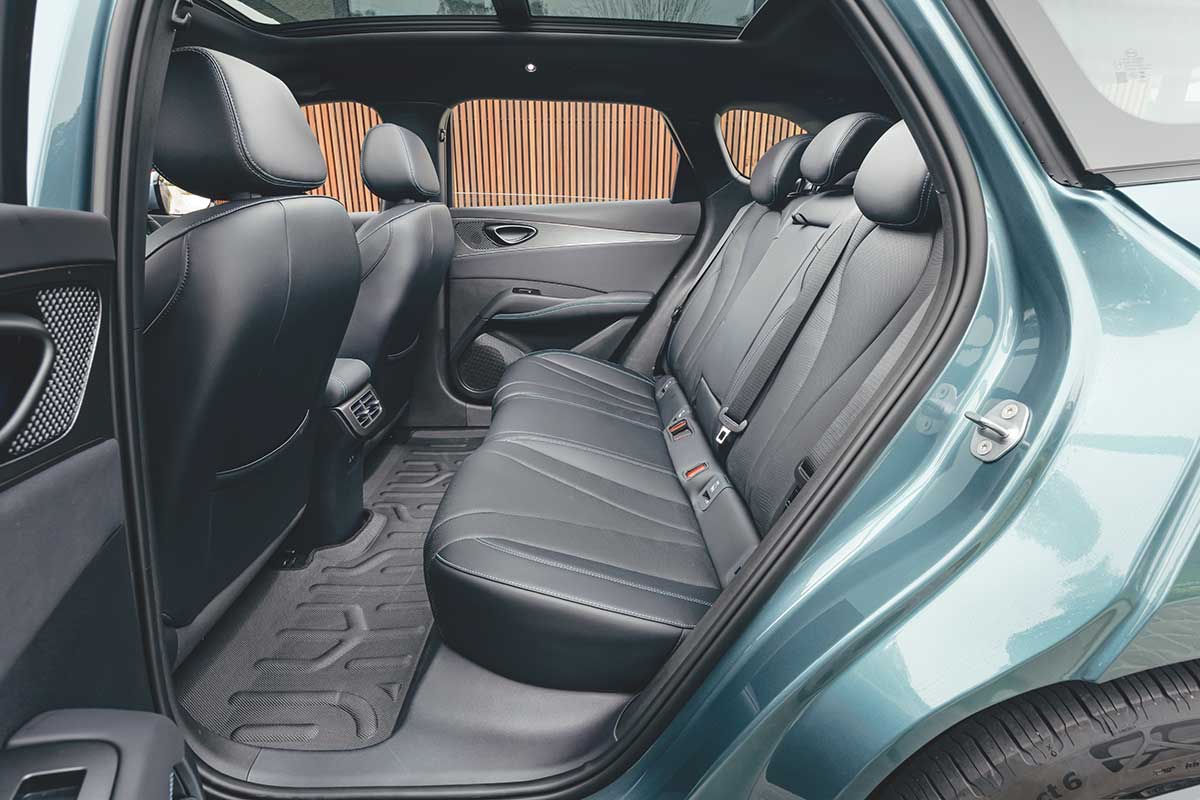
The rear offers reasonable head room, shoulder space and legroom, but it has quite a high floor, so taller occupants may find themselves in an uncomfortable ‘knees-up’ position.
Rear seat comfort is exceptional despite the lack of recline adjustment, but the amenities are otherwise excellent, with a drop-down armrest with cupholders, a ski-port, map pockets, bottle holders, directional air-vents, USB charge ports, and individual lights on either side.
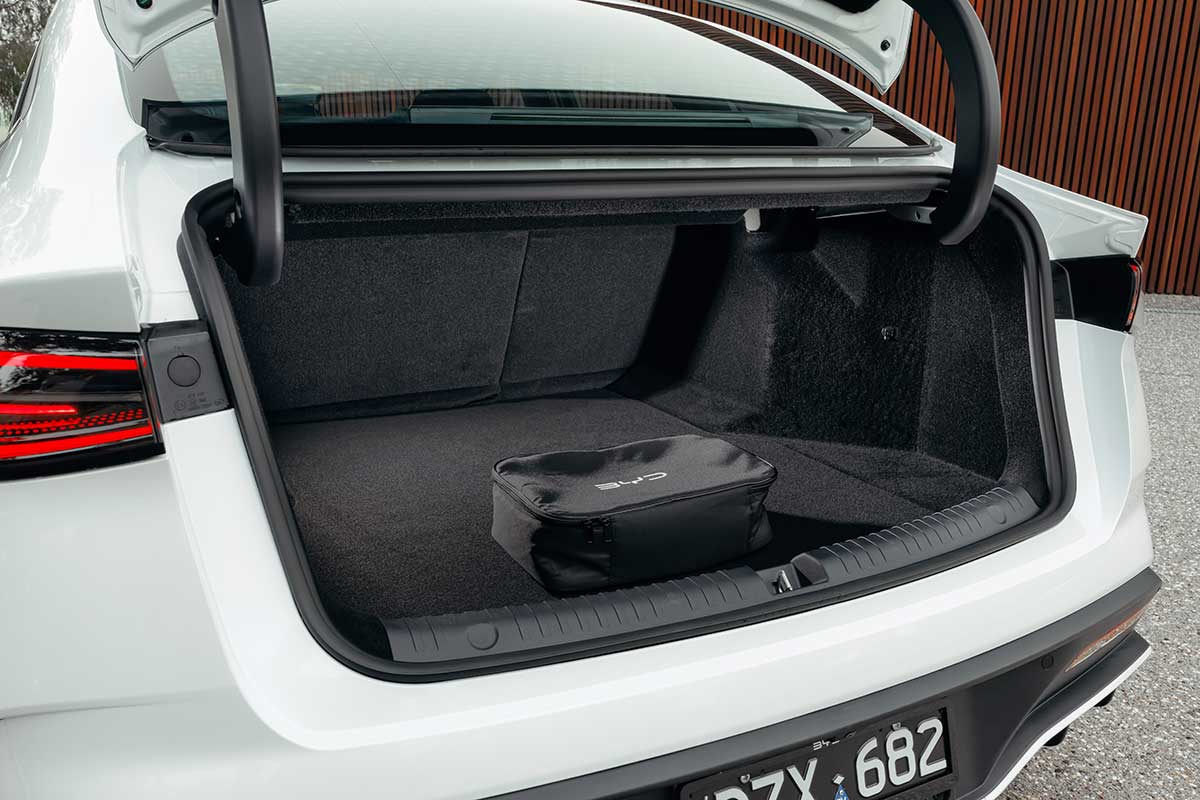
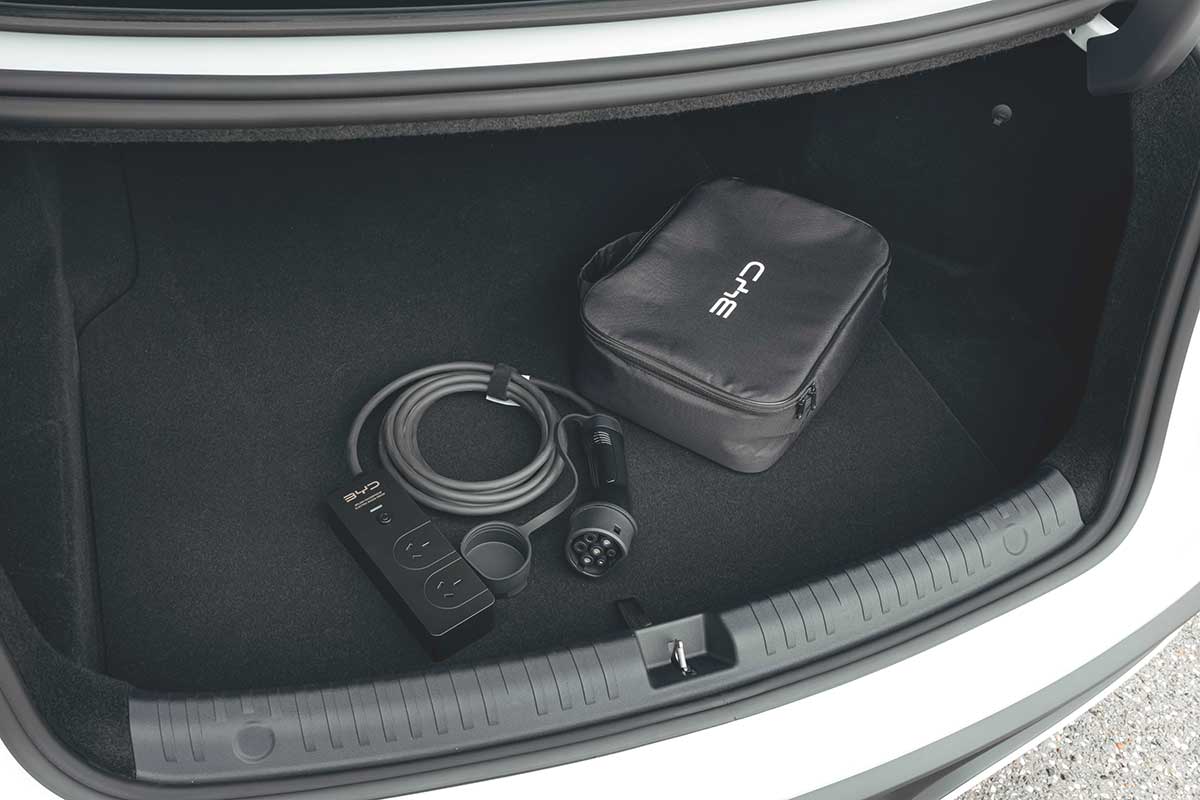
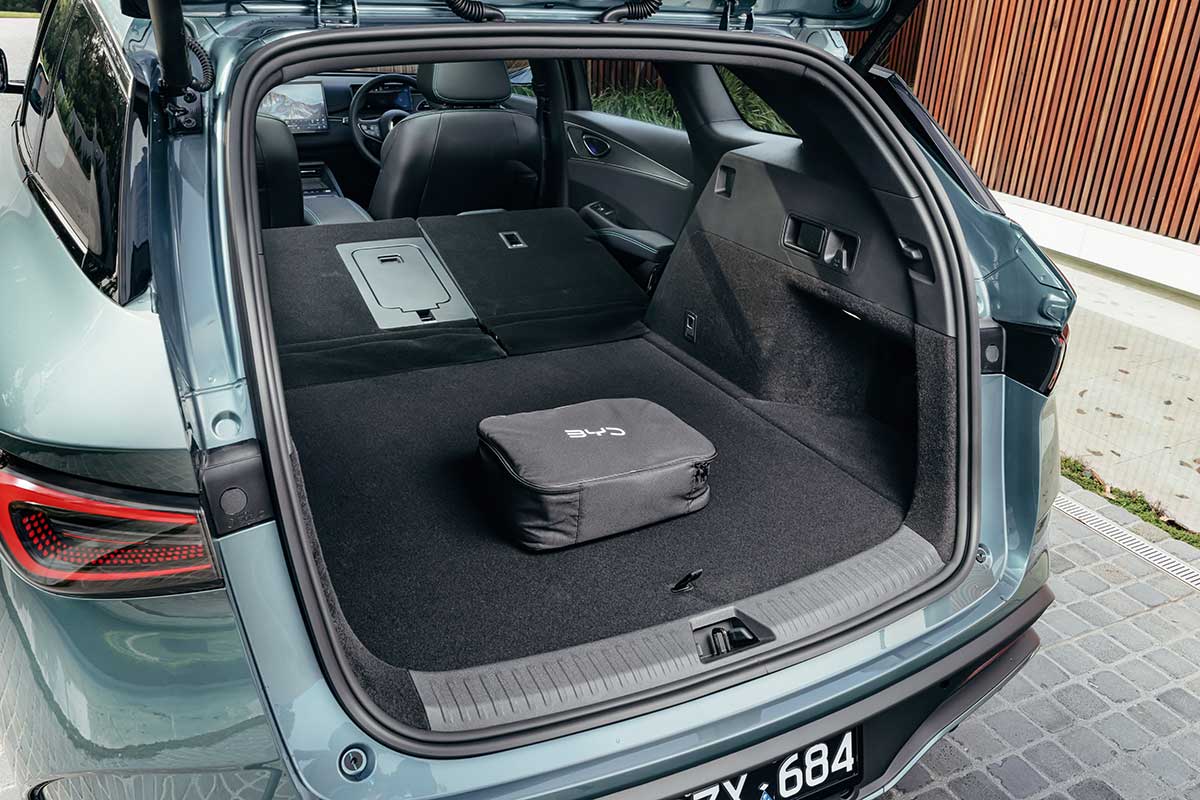
The boot space in the Touring is tops, with 670 litres of cargo capacity when measured to the ceiling. Choose the Sedan, and you get 491 litres. You can fold the rear seats down in the Touring, but they don’t go completely flat. And while there is a false floor with some storage underneath creating a level load-in lip, there is no spare under there – just a tyre repair kit. But there are dual lights, shopping bag hooks, and even a cargo hook integrated into the bottom edge of the boot lid.
What equipment does the BYD Seal 6 come with?
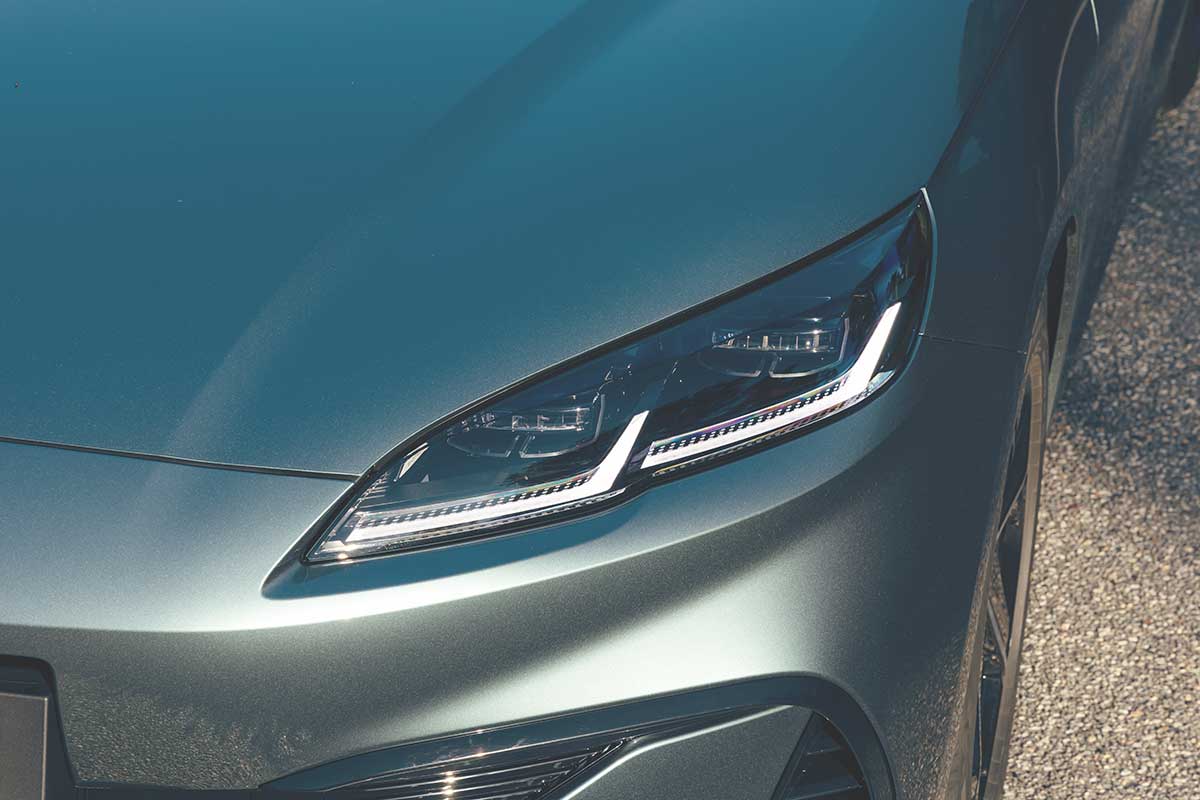
Choose the Sedan Essential and you get 17-inch alloy wheels, automatic LED headlights, proximity keyless entry (or you can use a Bluetooth key or NFC card), and inside there is an 8.8-inch digital instrument cluster, a 12.8-inch touchscreen infotainment system with Apple CarPlay and Android Auto as well as DAB+ digital radio. It has a six-speaker sound system, a fake leather steering wheel and seat trim, and the front seats have power adjustment.
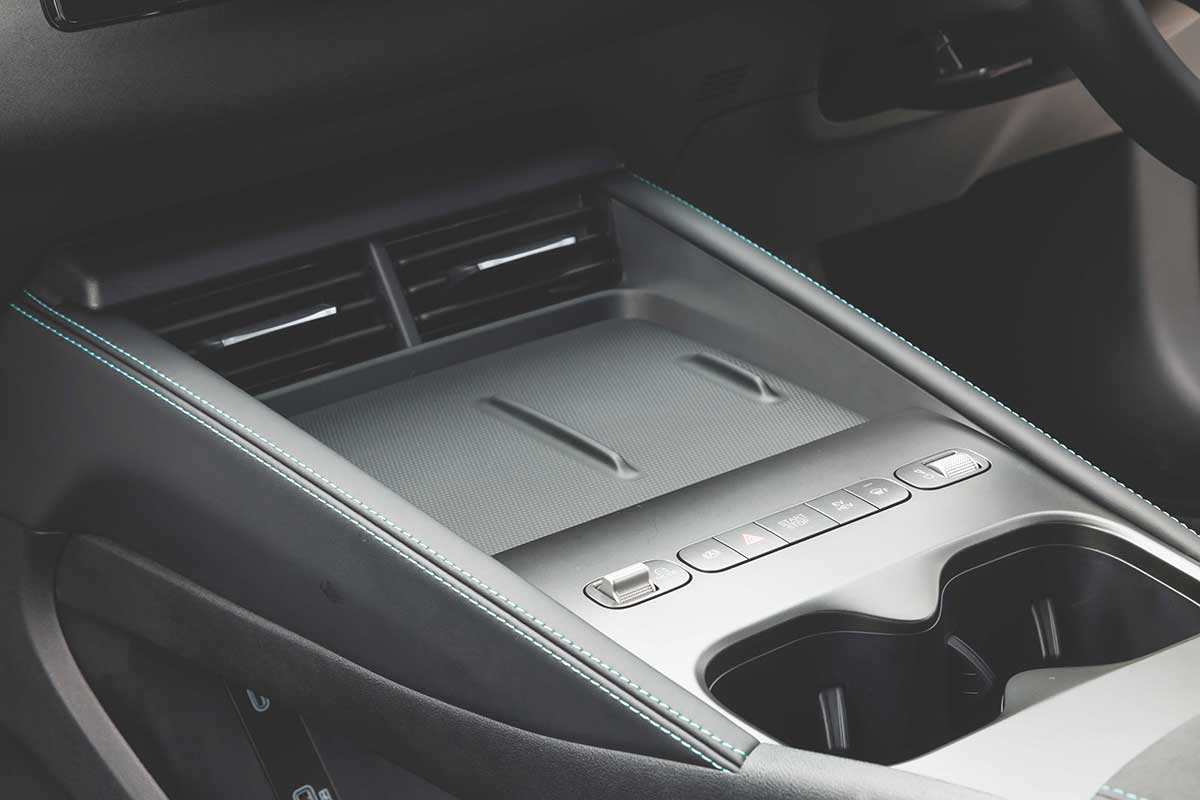
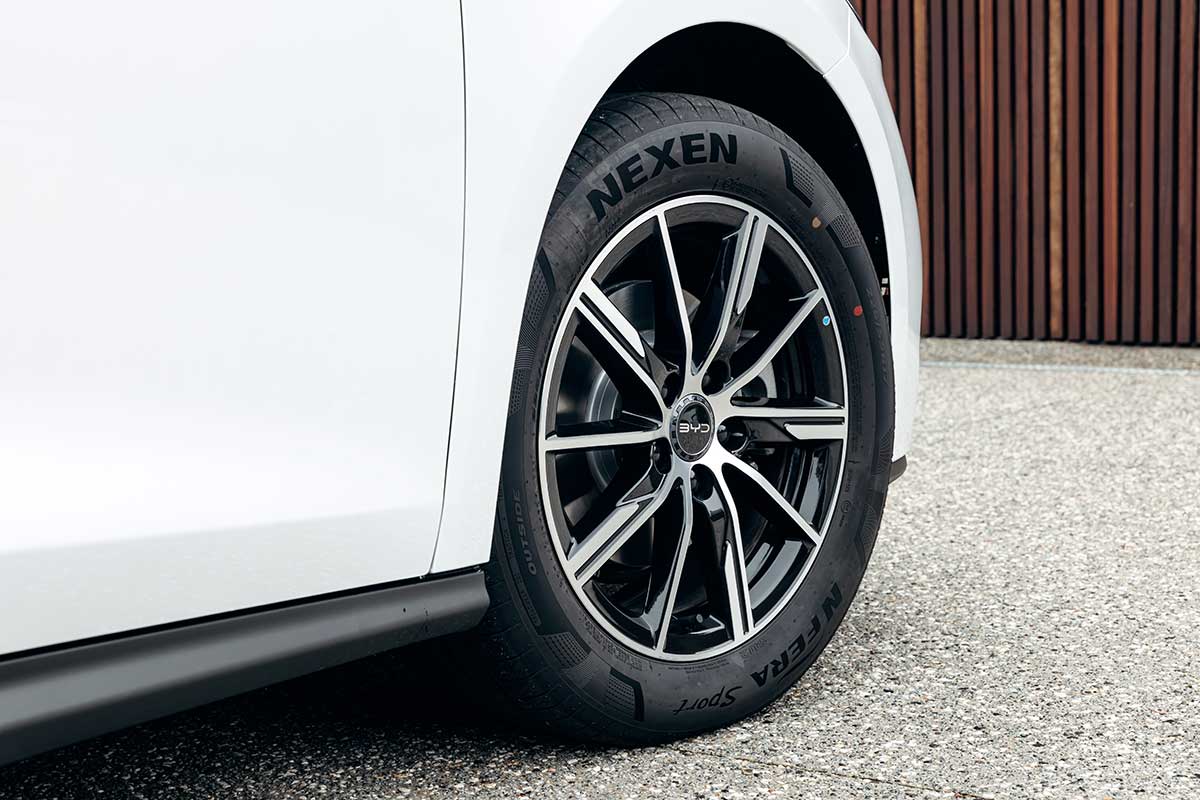
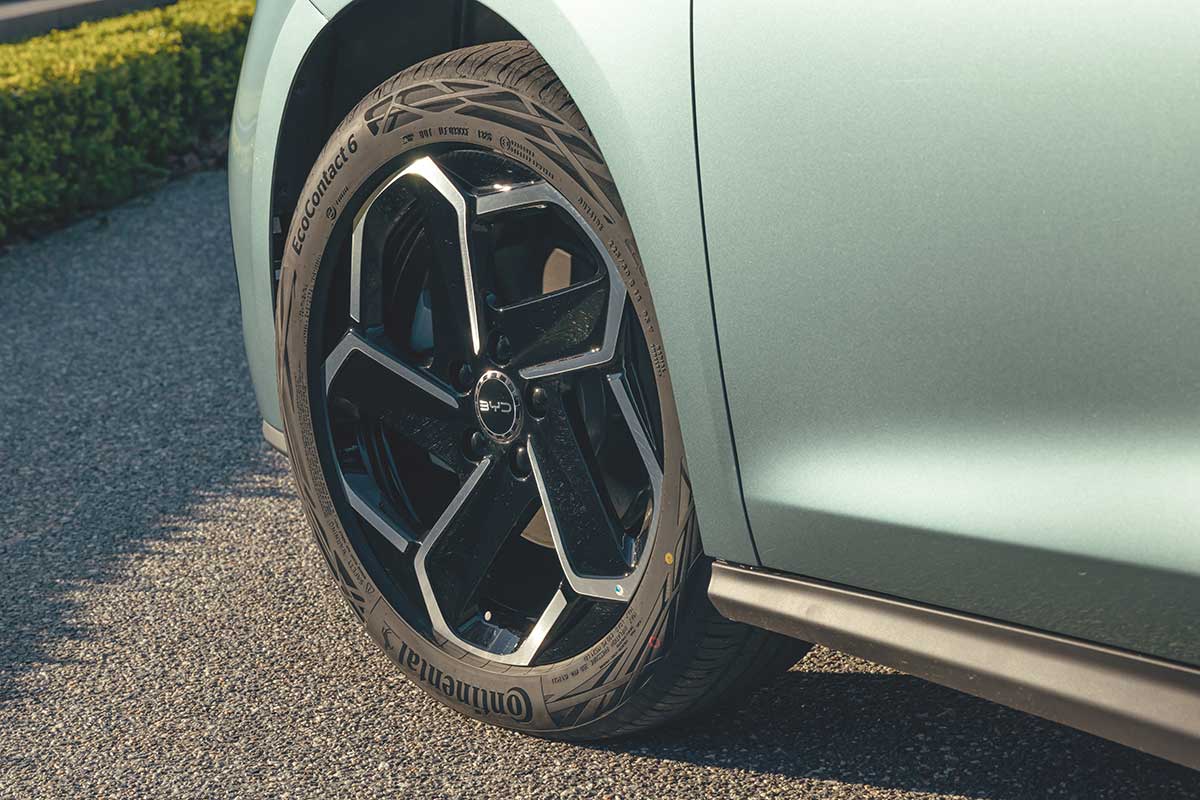
The $5000 jump to the Touring Premium adds plenty, including bigger 18-inch alloy wheels, power-folding exterior mirrors with puddle lights, rain-sensing wipers, a huge panoramic sunroof, electric tailgate, and lovable features like heated and ventilated front seats, memory settings for the driver’s seat, an eight-speaker sound system (which still lacks some oomph!) and a wireless phone charger.
How safe is the BYD Seal 6?
The Seal 6 has the maximum five-star ANCAP rating based on 2025 Euro NCAP testing.
Standard safety equipment comprises autonomous emergency braking with pedestrian and cyclist detection, adaptive cruise control or intelligent cruise that can do some steering assistance, lane-keeping assist, traffic sign recognition, blind-spot monitoring and rear cross-traffic alert, and if you buy the Touring model you get a surround-view camera as well as front and rear parking sensors (the Sedan has a reversing camera and rear sensors).
There are seven airbags - dual front, front side, driver’s knee, front centre, and full length curtain.
What powers the BYD Seal 6?
The body type you choose determines a lot in this model range.
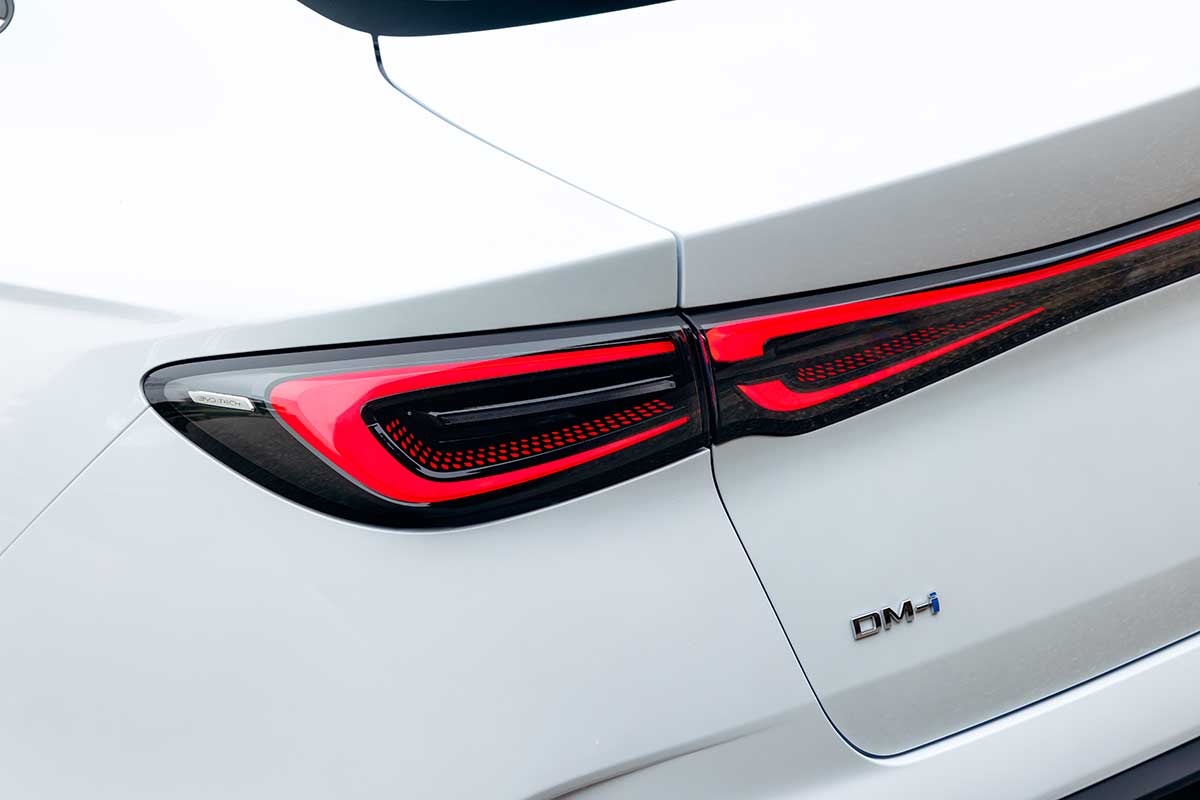
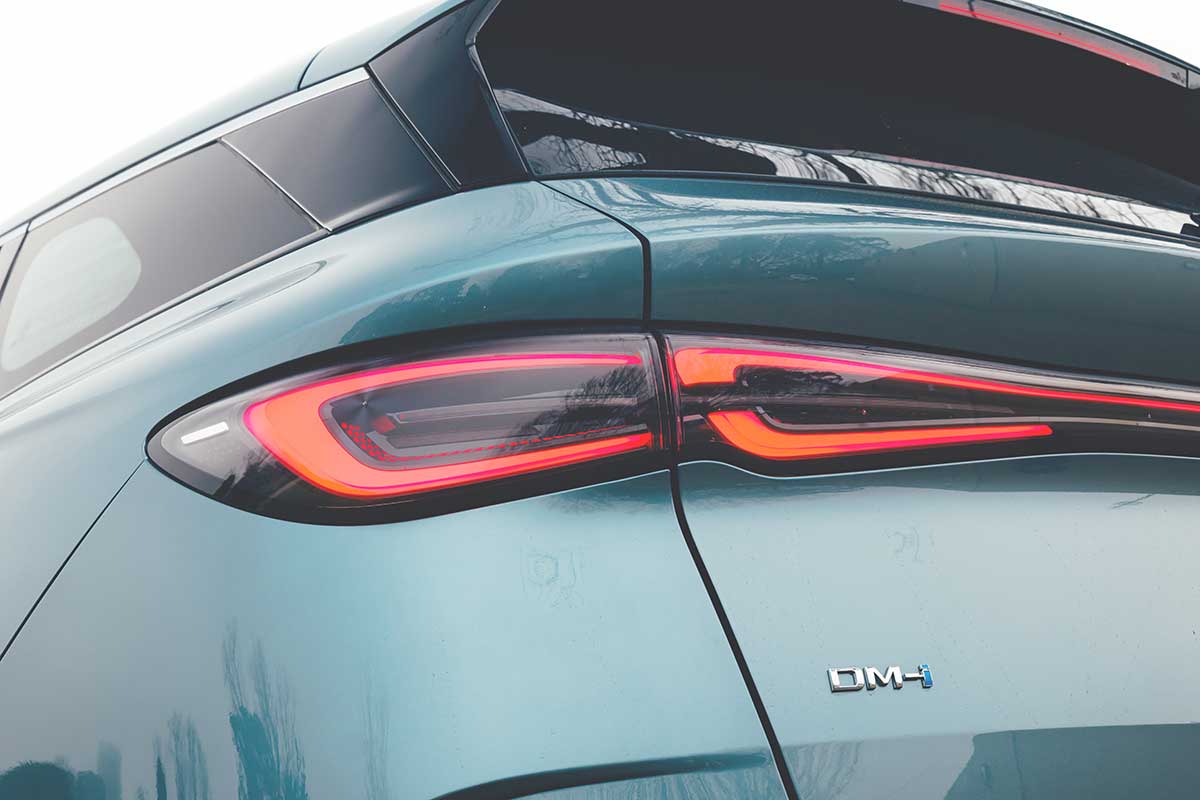
Choose the Sedan version and you’re getting a maximum output of 130kW and 210Nm from a 1.5-litre petrol four-cylinder engine teamed to an electric motor and a single-speed transmission.
Meanwhile, the same powertrain gets more grunt in the Touring, with a combined maximum of 163kW and 260Nm. Both models are front-wheel drive.
The engine can be used to power the front wheels in high speed situations, but the system is designed to prioritise electric driving as much as possible.
Your EV range is vastly different between the two, with the Touring fitted with a battery that is almost twice the capacity and has nearly double the range. The reality is that you should plug it in and recharge it to get the best out of the powertrain, and the best result for your hip pocket.
What is the BYD Seal 6 like to drive?
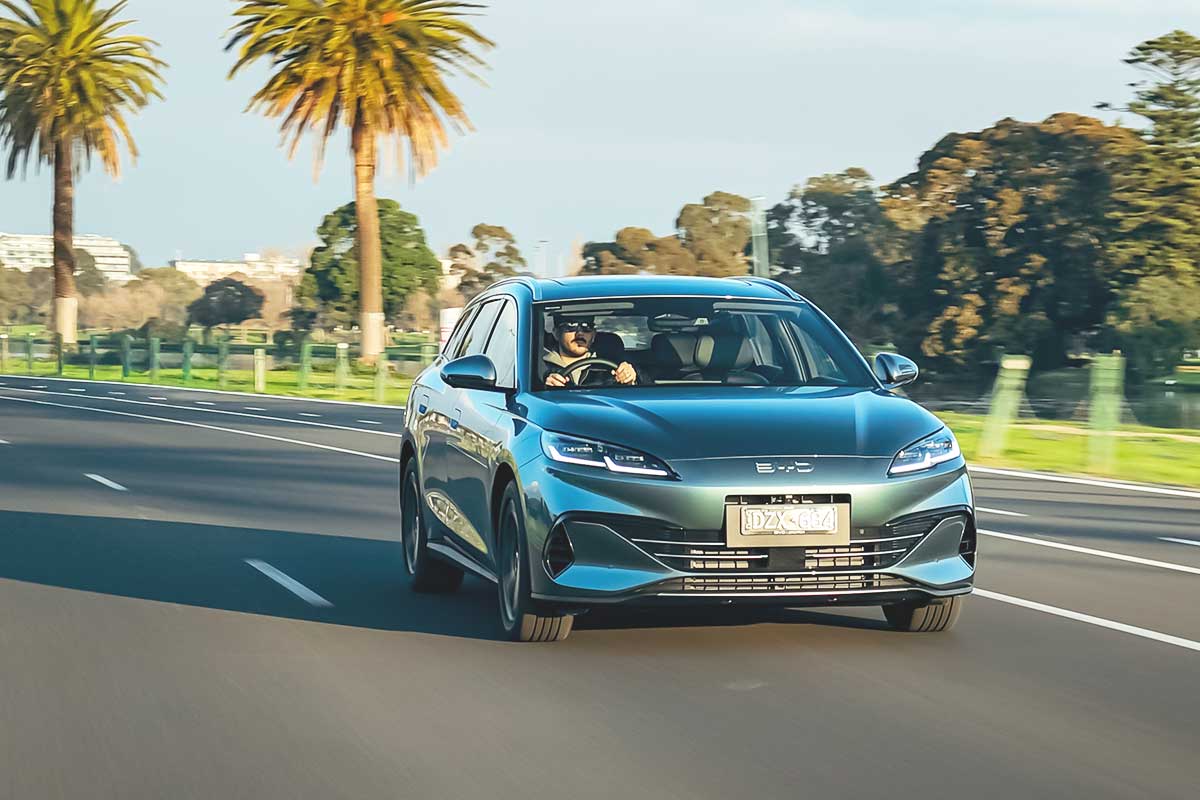
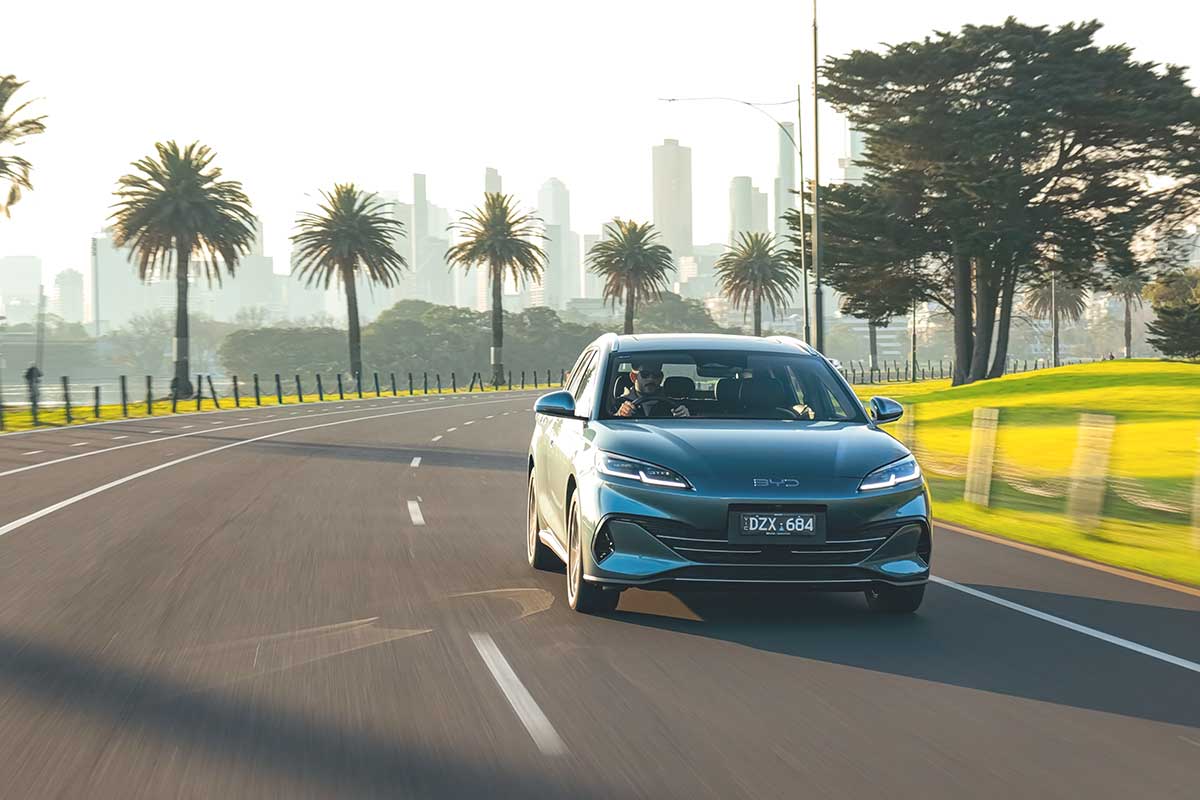
I can tell you after 1000km of being a driver and a passenger, it's a pretty comfortable, composed and pleasant machine.
It’s no powerhouse, and other PHEVs with monster power outputs in the SUV segment might shoot you at the horizon with more vigour, but it offers adequate and well-managed propulsion.
The steering is fine, but not overly thrilling, while the ride comfort over a mix of different surfaces is well considered. It has a bit of body roll, but remains mostly grounded feeling, and for a family car buyer, it’ll soak up holiday highway kays with ease.
Biggest driving pains? The driver monitoring camera is incessant and often incorrect, while there’s also a bit of highway road noise to contend with.
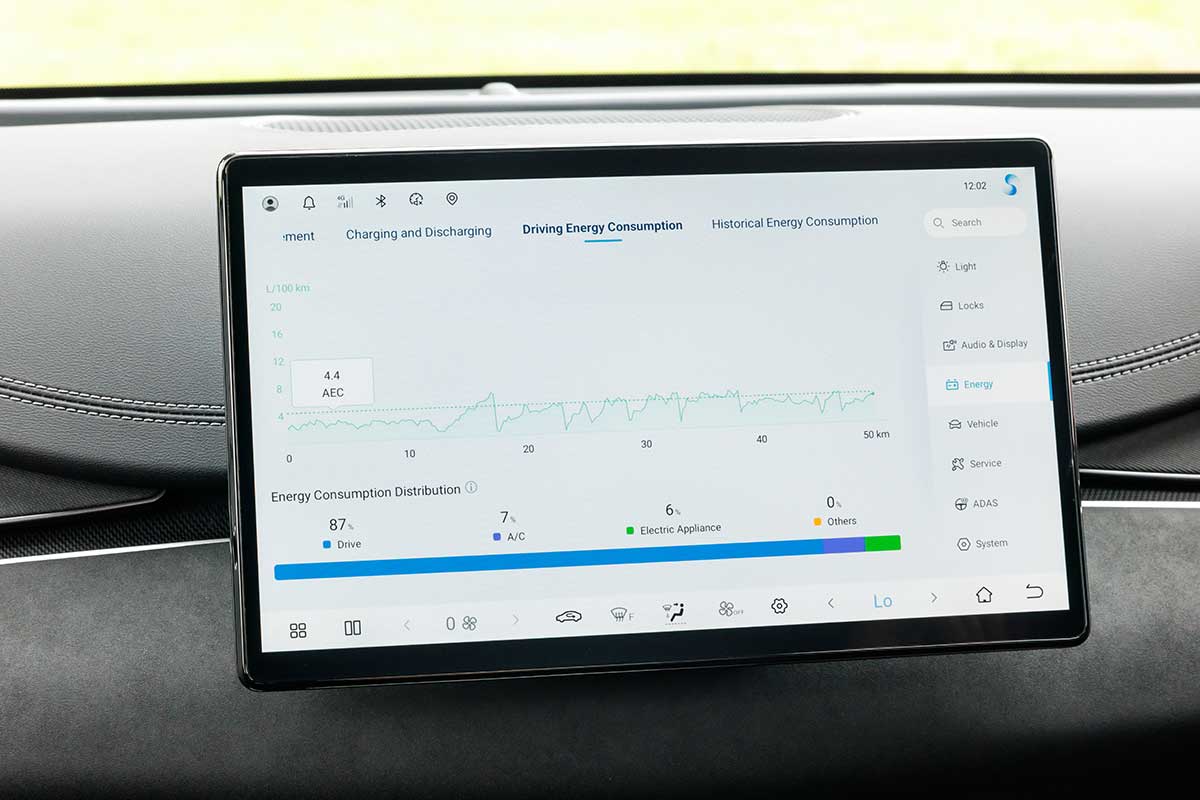
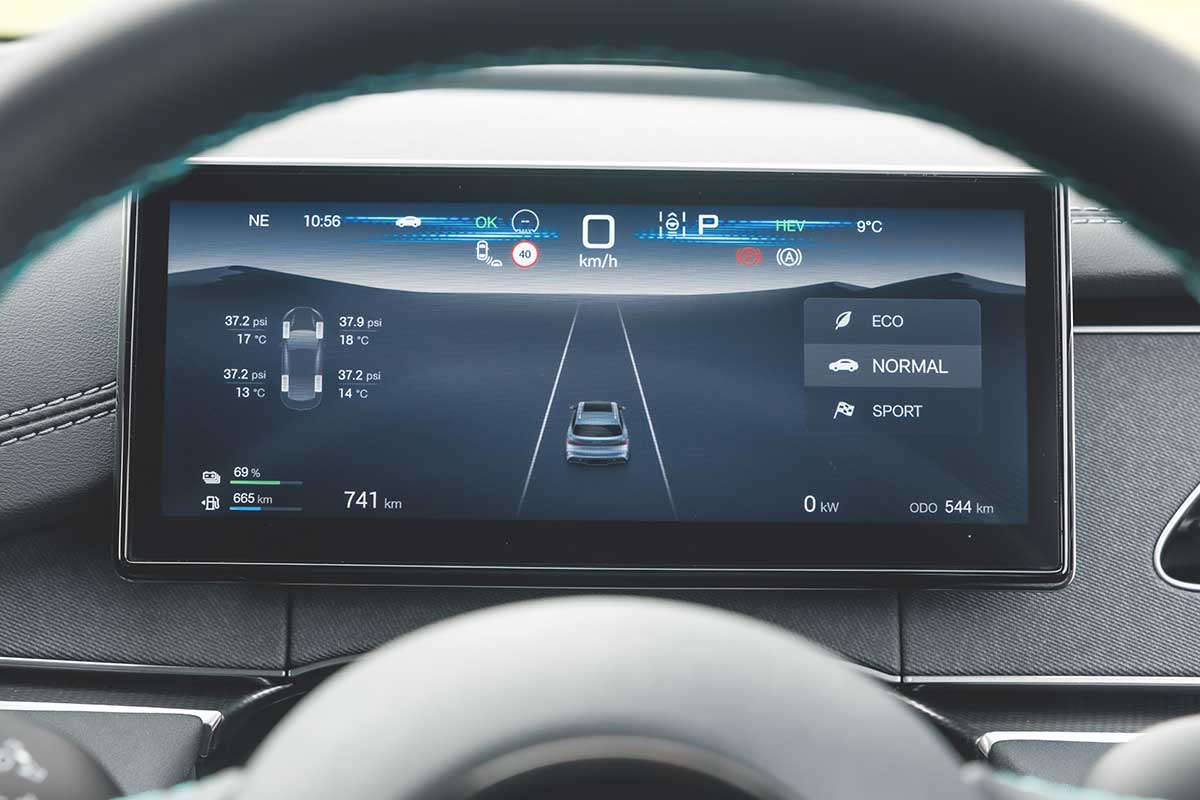
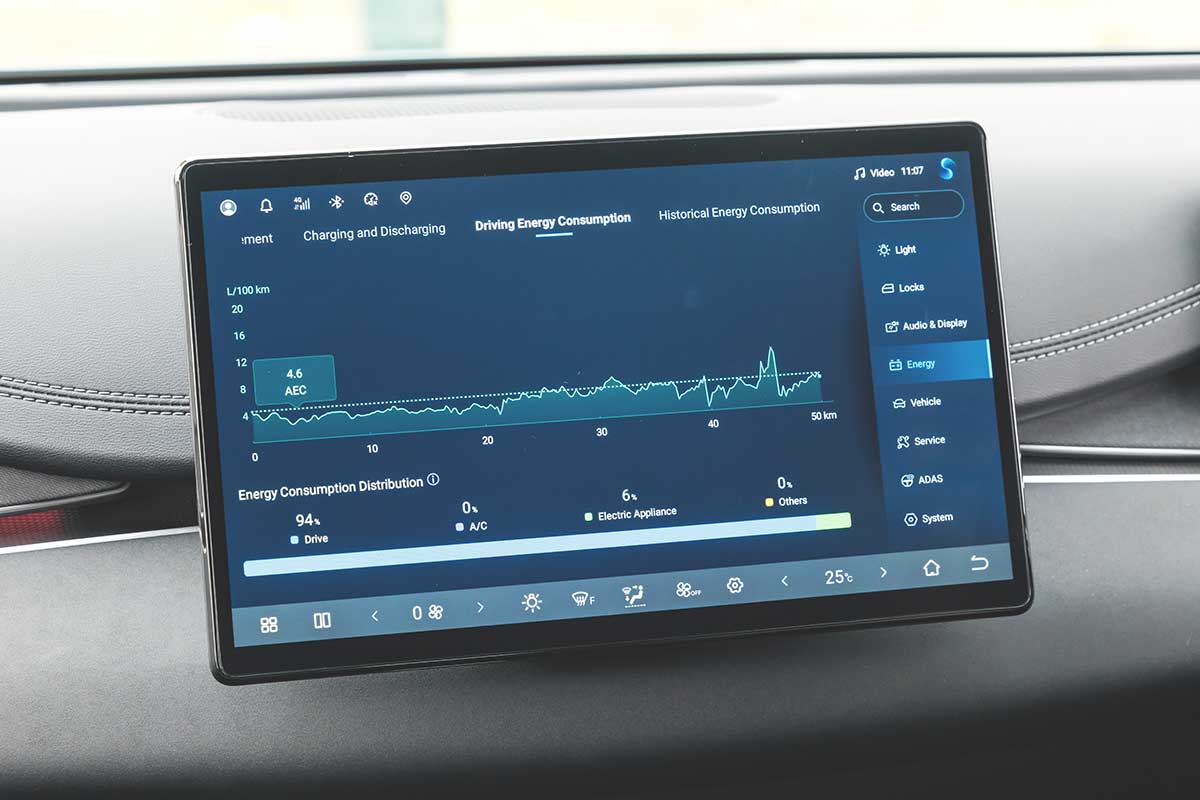
For efficiency, the claim for the Touring is 100km of EV driving, but on test (in the cold, uphill from Sydney towards Goulburn) I saw 76km of pure electric. And after a very long drive to Melbourne that tallied 1000km, the displayed fuel economy was 5.1 litres per 100km.
The NRMA’s take on the BYD Seal 6
It’s hard to think of a better value family car than this. You could buy a midsize SUV from any number of other makers for similar money, but the fact this comes with a conventional sedan or wagon body makes it a different kind of choice, and one that would be easy to make for buyers who are sick of SUVs.
What we liked
- Terrific real-world fuel efficiency and range
- Very well packaged and comfortable
- The wagon is spectacular value
What could be better?
- The sedan doesn’t make as much sense
- No spare wheel
- Driver monitoring camera is too chirpy