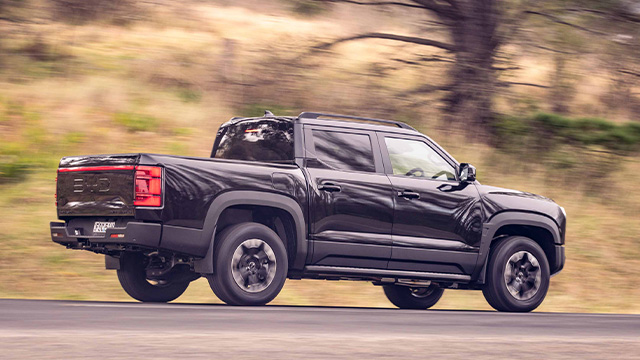
2026 BYD Sealion 5 review

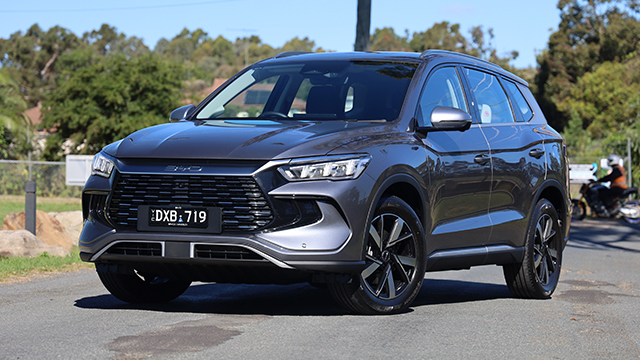
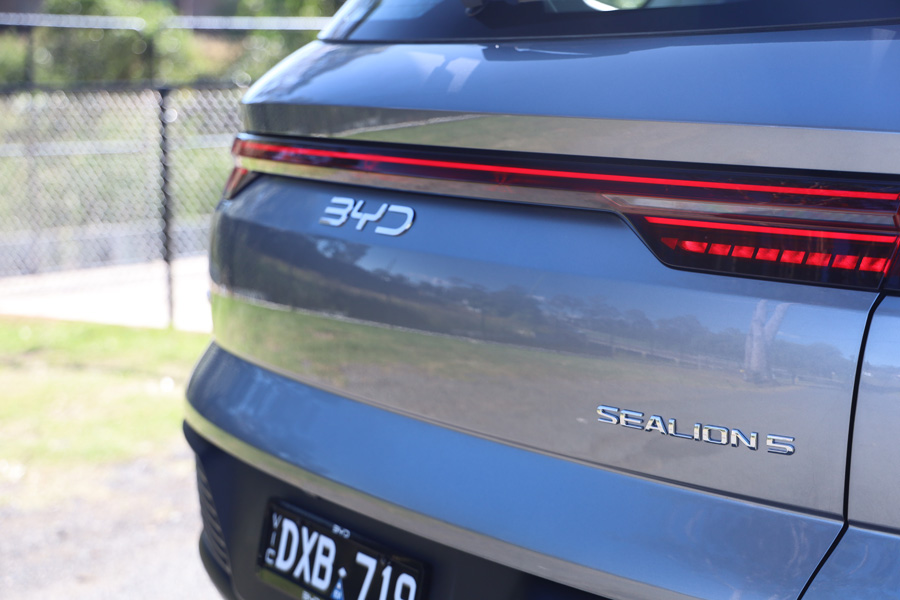
If you were to dream up the best new car sales combination in Australia right now, the BYD Sealion 5 would have to find itself at the pointy end of the list.
This Sealion 5 ticks three important boxes for modern buyers in 2026: 1. It’s cheap. 2. It’s a plug-in hybrid (read: it’s frugal). 3. It’s an SUV.
BYD’s small SUV arrives in Australia boasting a benchmark new entry point for PHEVs, or plug-in hybrid electric vehicles, priced from $33,990 plus on-road costs. It also promises the best of both motoring worlds, with an electric range of up to 100km, plus a petrol engine for the weekends.
However, the reality is the Sealion 5 comes with a list of caveats in order to execute the brief, and its lure will depend entirely on how much you’re willing to compromise.
How much does the BYD Sealion 5 cost?
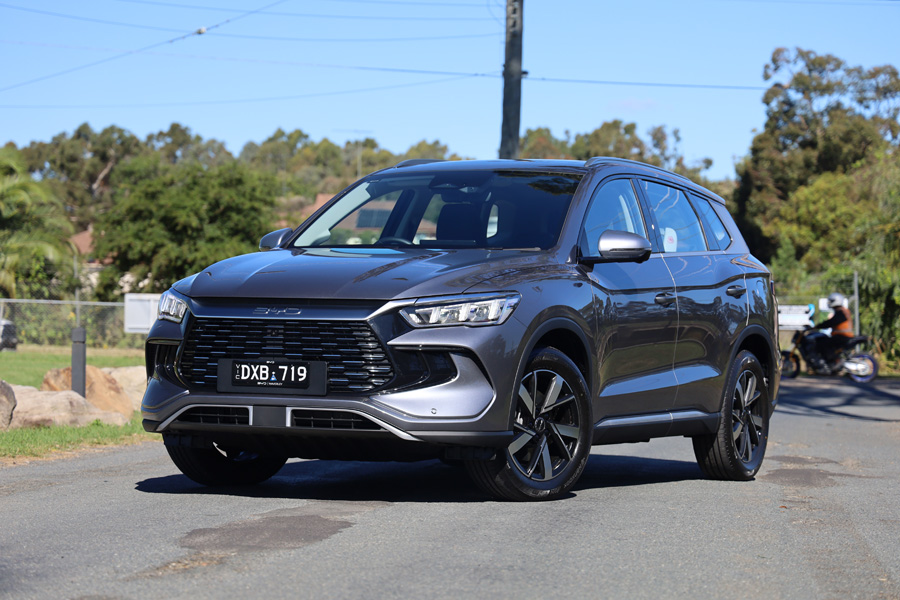
The BYD Sealion 5 range opens at $33,990 plus on-road costs for the entry-level Essential model, moving up to $37,990 plus on-road costs for the Premium.
That makes it Australia’s most affordable plug-in hybrid at the time of writing, besting the likes of the Geely Starray EM-i Complete (from $37,490 plus ORCs), Chery Tiggo 7 Super Hybrid Urban (from $39,990 drive away) and the slightly larger BYD Sealion 6 Essential (from $42,990 plus on-road costs).
What is the BYD Sealion 5 like inside?
The BYD Sealion 5 ticks most of the requisite catalogue boxes when it comes to technology and safety.
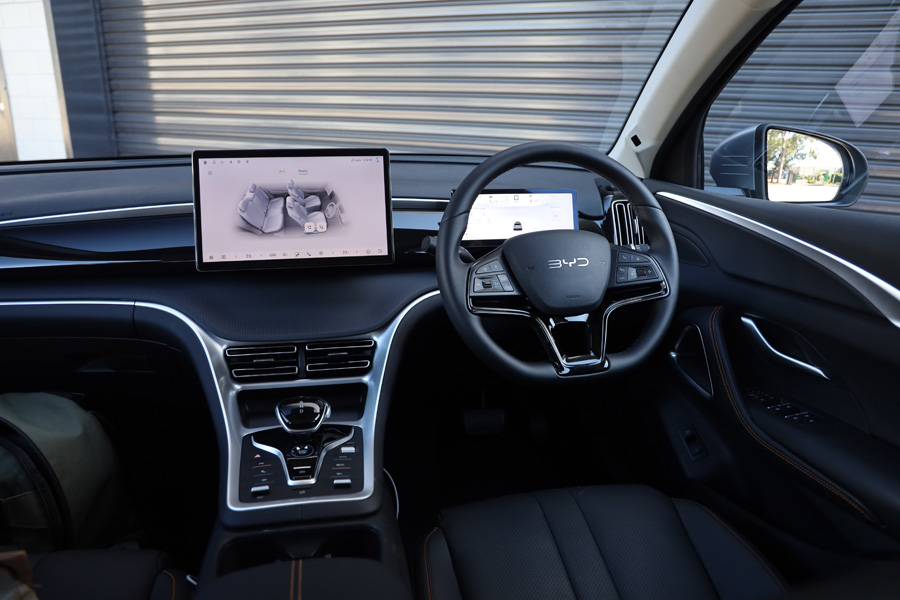
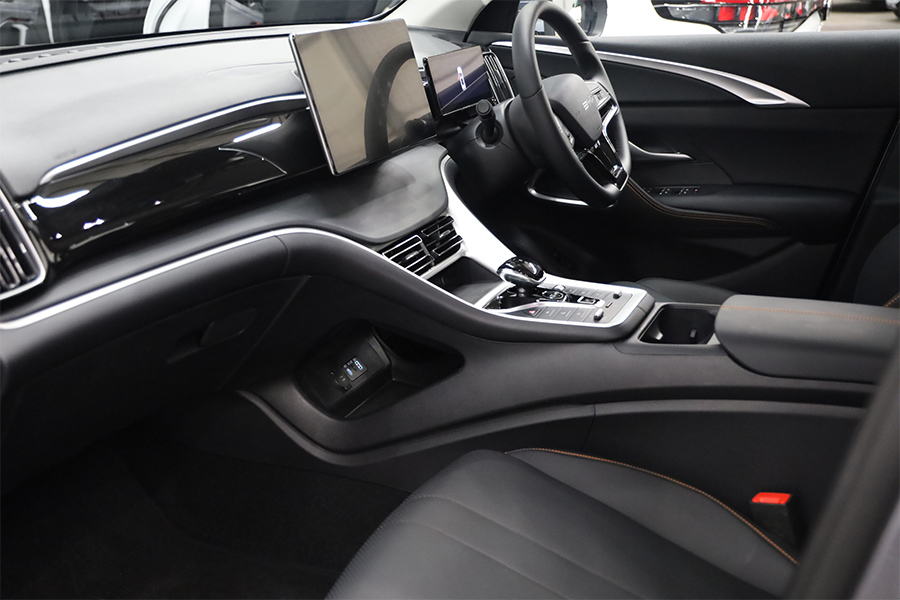
But its execution inside leaves a little bit to be desired, with a cabin that does what it needs to without truly moving the dial.
Cheap, hard materials adorn many of the contact points, and although there’s a variety of textures, colours and materials at eye level, you can’t help but feel it has been built to a price.
Lashings of piano black inlays adorn much of the dashboard, interspersed by metal-look highlights and black plastic presumably fashioned from the same patterned mould as Colourbond roofing.
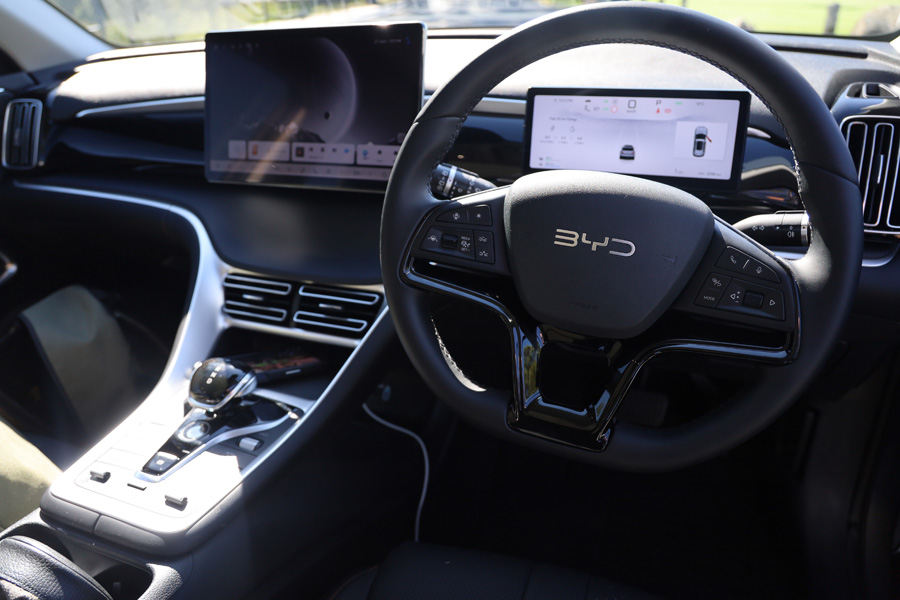
Furthermore, the steering wheel reach adjustment is limited in its scope of movement, meaning we never truly felt comfortable with the driving position on-road. The driver seating position is also quite high-set.
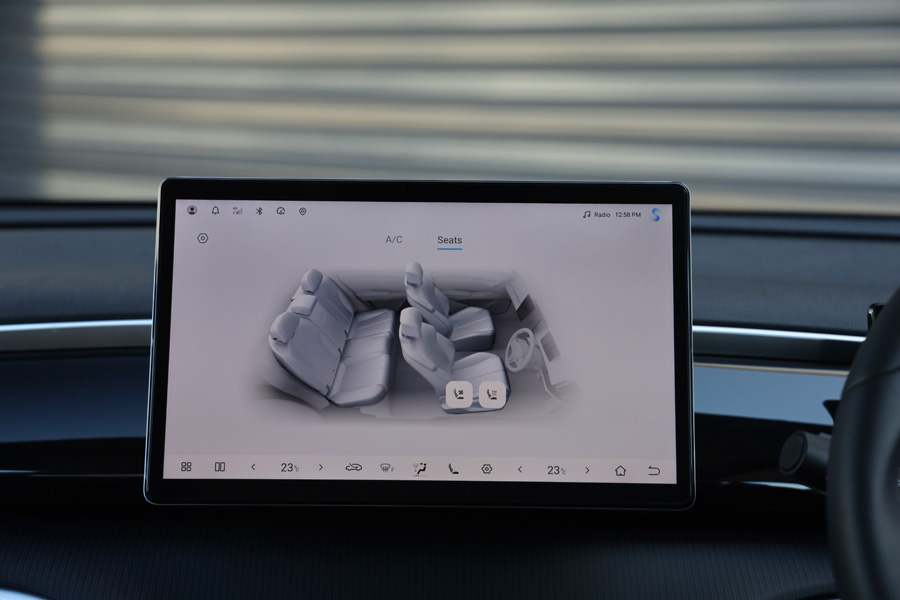
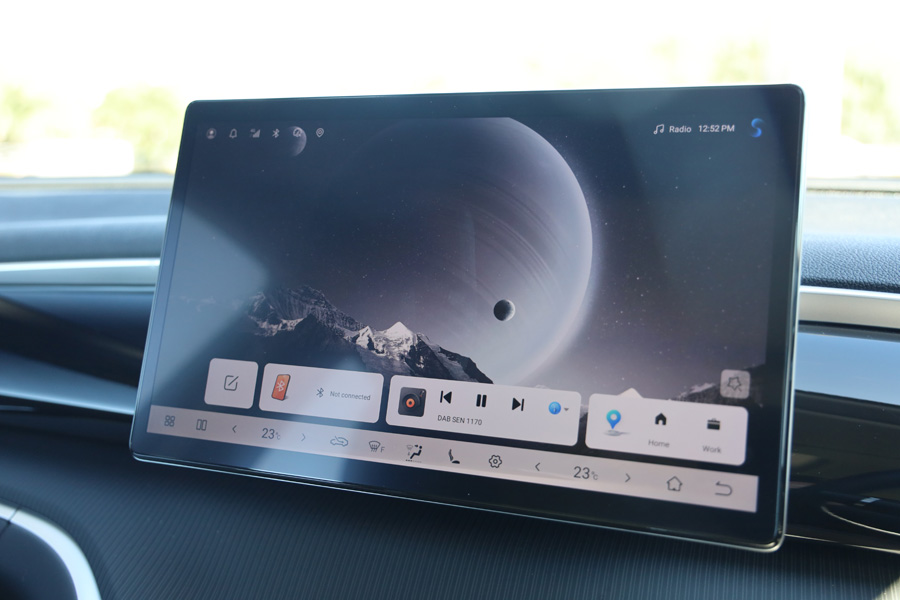
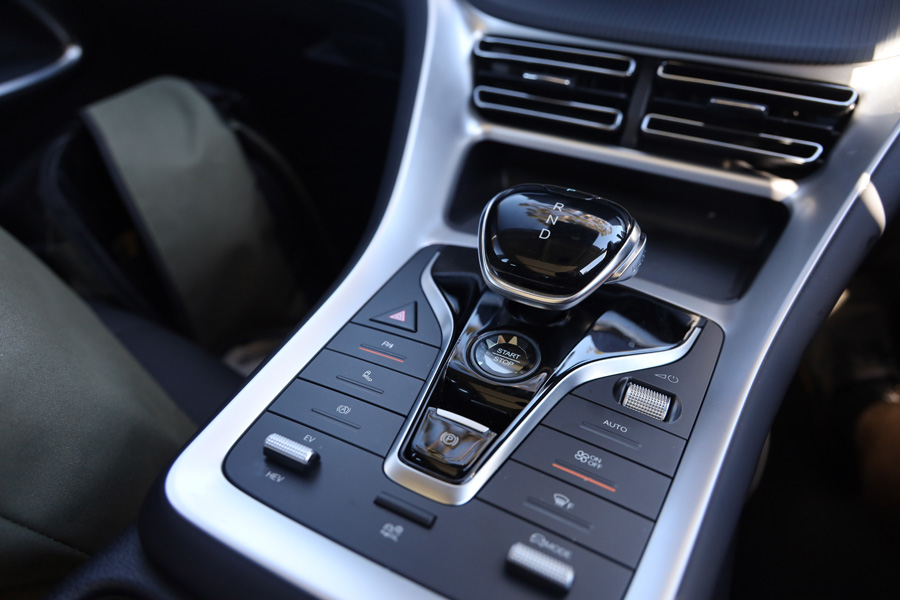
Happily, there are some dedicated buttons around its gear selector, a traditional volume dial and some quick-fire icons integrated into the 12.8-inch touchscreen of our Premium grade tester, meaning you don’t need to delve through needless submenus for basic commands.
The matching digital instrument cluster offers a lot of different information – arguably too much at times – via tiny fonts and a complex layout.
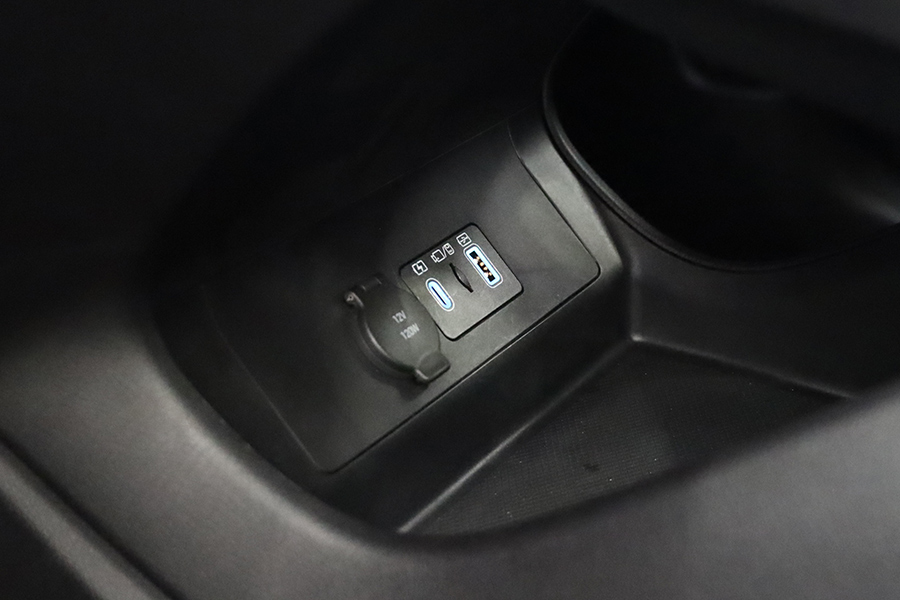
Underneath the gear selector – occupying the space traditionally taken up by a transmission tunnel – is a clever open cubby space complete with USB-A and USB-C ports, as well as a 12-volt outlet. It is a strong nod to the vehicle’s inherent storage, which is sound across both rows.
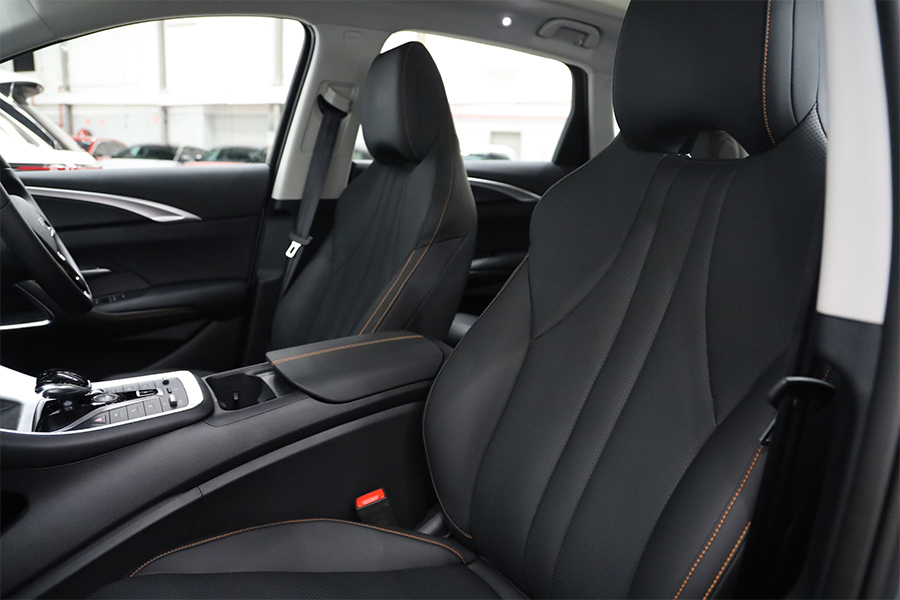
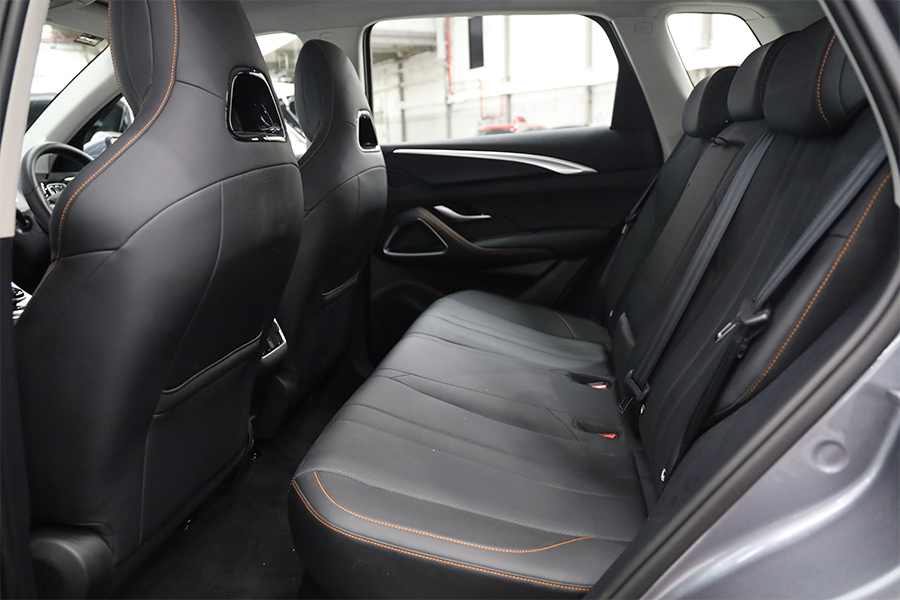
The synthetic leather seats offer decent long-journey amenity based on our short test loop (though we suspect a lack of under thigh support for taller drivers), while the cabin offers decent proportions, fitting for four adults or a family of four.
Access to the rear seat is via relatively narrow door apertures, though once you’re settled there is ample leg, shoulder and head proportions, on account of the car’s scalloped roofline.
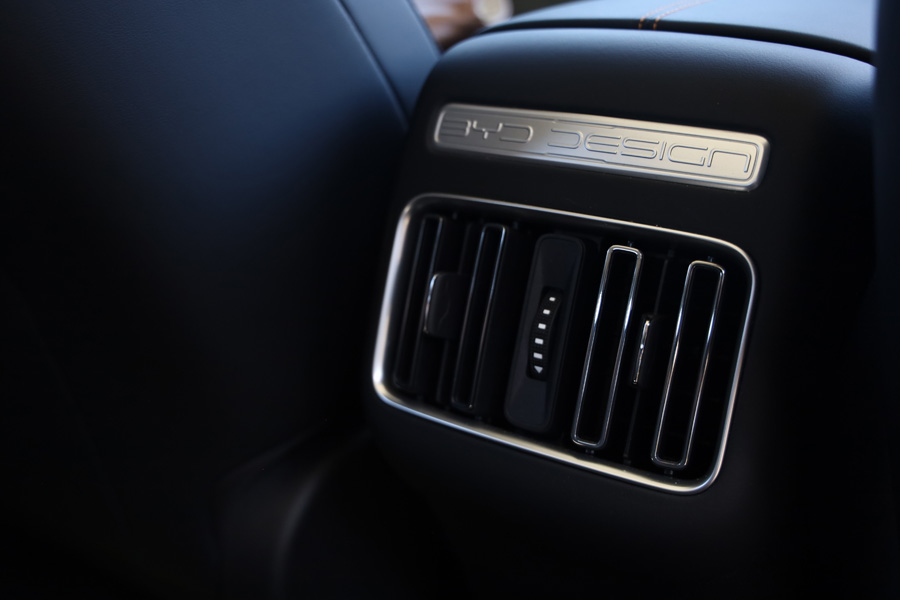
Second-row occupants are also offered air vent access, USB-A and USB-C ports, while ISOFIX attachment points are appointed to the outboard seats.
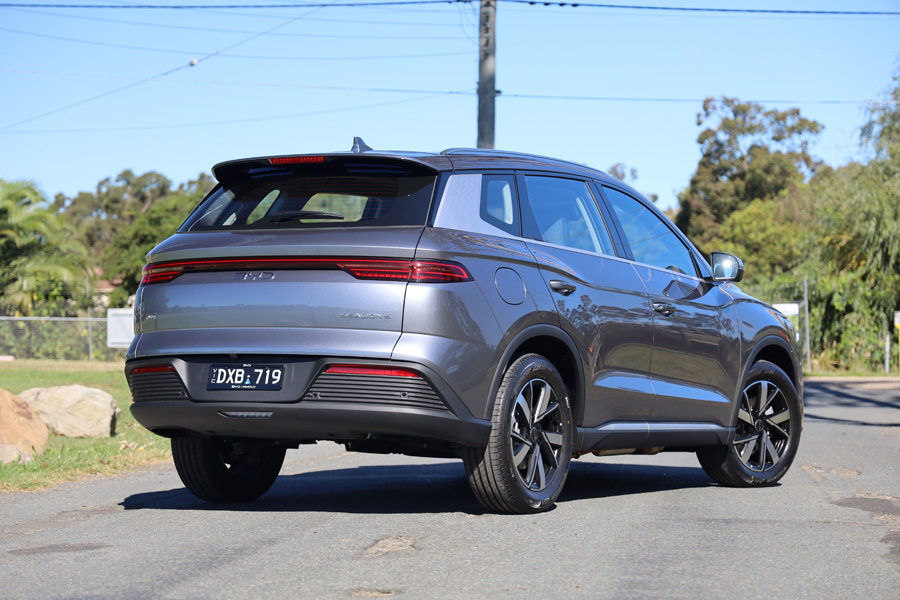
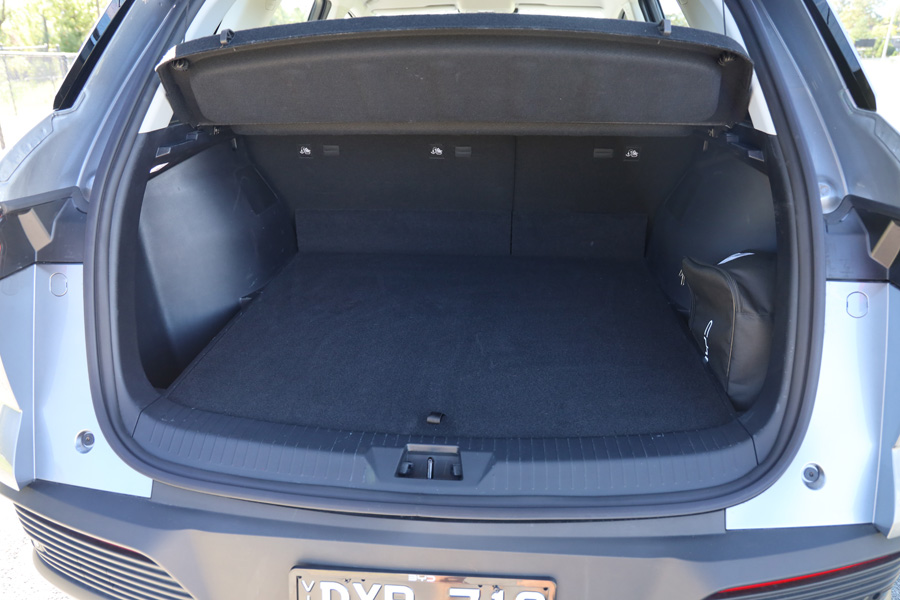
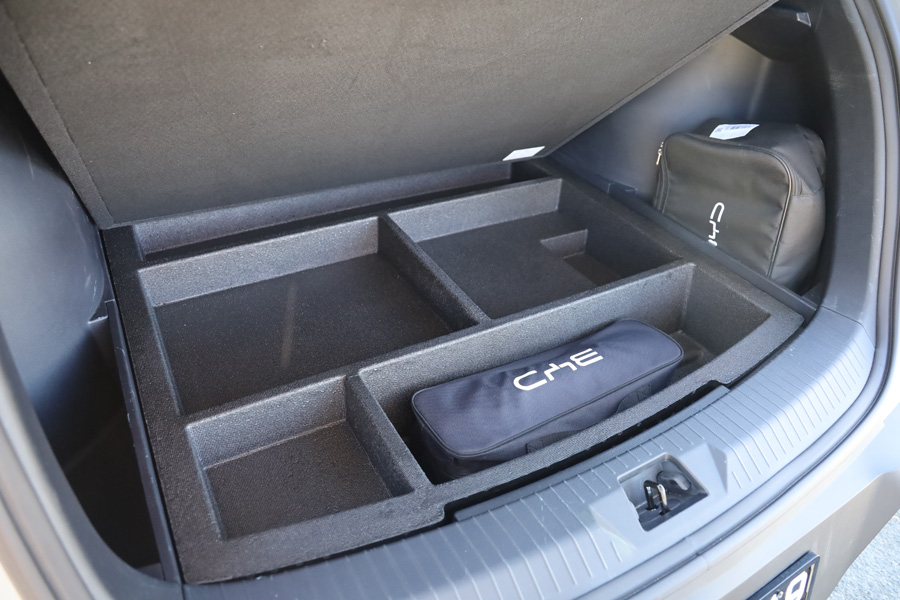
Further back the Sealion 5’s 463-litre boot offers enough space for a couple of full-size suitcases, or alternatively a pram. The seats fold to liberate up to 1410 litres.
That said, the Sealion 5’s underlying PHEV driveline precludes the fitment of a spare tyre of any kind. Instead you get a tyre inflation kit.
What equipment does the BYD Sealion 5 come with?
The Sealion 5 gets a strong equipment list, especially considering the price point.
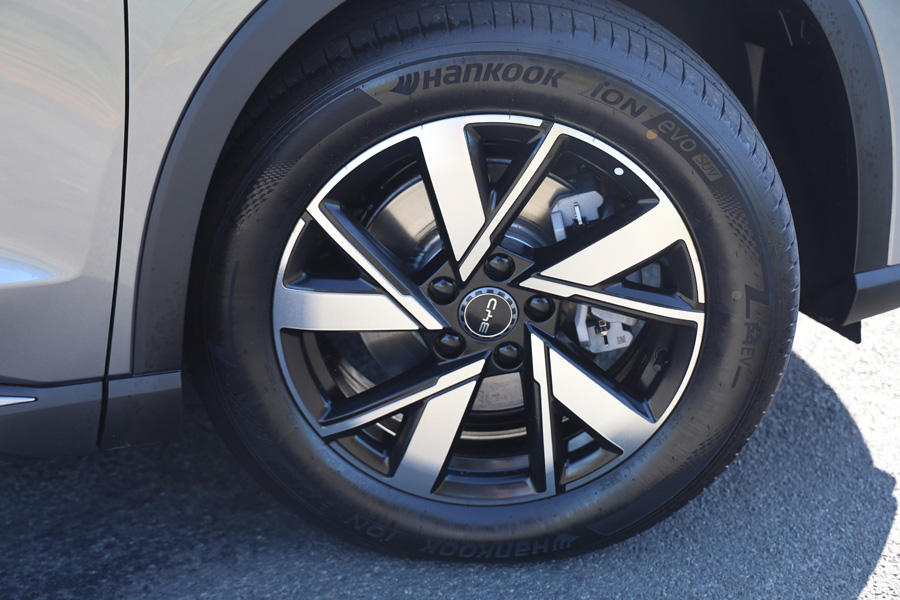
As standard you get 18-inch alloys, dual-zone climate control, keyless entry and start, leather-appointed seats and dual-zone climate control.
Infotainment on the Essential model comprises a 10.1-inch touchscreen with Apple CarPlay/Android Auto, plus an 8.8-inch digital driver’s display and a six-speaker stereo.
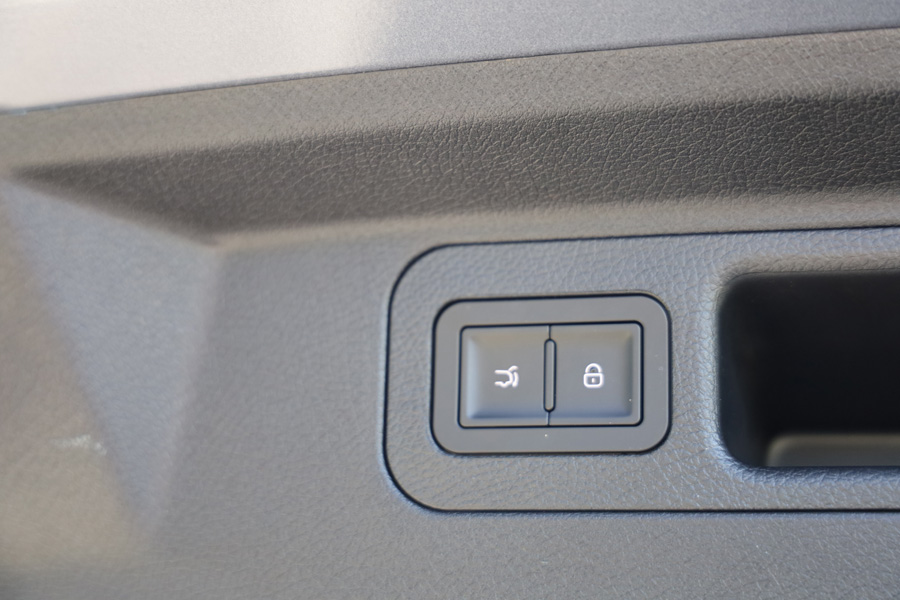
Moving into the Premium version upgrades to a 12.8-inch touchscreen with wireless Apple CarPlay/Android Auto, nine-speaker audio, wireless phone charging, 360-degree parking camera, electric tailgate and power-adjusted leather-appointed front seats.
In terms of aftersales, the Sealion 5 is backed by a six-year/150,000km new vehicle warranty and an eight-year/160,000km warranty on the battery. Service intervals are every 12 months or 20,000km, with annual costs capped at about $350 based on our figures.
How safe is the BYD Sealion 5?
The BYD Sealion 5 covers all the expected safety bases, fitted standard with seven airbags, autonomous emergency braking with pedestrian and cyclist detection, rear cross-traffic alert, lane departure warning, lane keeping, forward collision alert, blind spot monitoring, front and rear parking sensors, a reversing camera and a 360-degree camera.
The Sealion 5 is yet to be formally crash tested in Australia, meaning it holds no current safety rating.
As is the case with many new Chinese vehicles – and new vehicles in general, it must be said – the BYD is quite onerous with the way its safety systems intervene. There’s no shortage of beeping and bonging on our drive loop, including whenever our eyes diverted from the road ahead (even momentarily), between speed sign changes, and over speeding.
Its lane assistance function also had a knack of bullying you back into your lane, which got old quite quickly.
— Sam Charlwood
What powers the BYD Sealion 5?
Both versions of Sealion 5 combine a 1.5-litre petrol engine (72kW/122Nm) hooked up to an electric drive motor (145kW/300Nm) – driving the front wheels only.
Total combined outputs are rated at 156kW and 300Nm when the petrol engine and electric motor are working together in hybrid mode. Those figure correlate with a 0-100km/h time of 7.7 seconds in the 1700kg Essential – or 8.1 seconds for the heavier Premium.
Part of that weight disparity is owed to battery capacity. Whereas the Essential offers a 12.9kWh battery (enough energy for a 71km electric-only driving claim, and a 1.2L/100km overall efficiency claim), the Premium’s larger 18.3kWh battery delivers a 100km electric-only range stat, and 1.3L/100km average fuel efficiency claim.
Combining petrol engine and electric motor will net you a circa 1000km total range, claims BYD.
Then there’s the charging equation. The BYD Sealion 5 does not support DC charging, meaning Australia’s growing fast-charging network is off limits. Instead, it offers up to 3.3kW AC charging, meaning you can replenish the Essential grade in approximately 4.5 hours from home, while the Premium takes approximately 6 hours.
What is the BYD Sealion 5 like to drive?
The BYD Sealion 5 drive experience is an apt representation of the vehicle itself. It covers the basics and offers some pleasant moments in isolation, but that’s about it.
For the most part the Sealion 5 feels competent on-road. Its front drive origins and soft suspension offer comfortable passage around-town, while light steering and an open outward view bring an inherent ease of use in traffic and tight parking situations.
Similarly, the petrol engine and electric driveline conspire to offer effortless take-off from a standstill, building steadily to around-town speeds.
Drilling deeper, there are some occasional quirks. Our test car is afflicted with a constant low-frequency resonance through the cabin, even on smooth surfaces. Road noise is another persistent theme on all surface types.
The engine combination is sound, but so too is the driveline noise as soon as you ask for a little more urgency.
Dynamically, the BYD Sealion 5 offers faithful but ultimately reserved dynamics, with inert steering, approximate body control and an occasional tendency to wallow over faster undulations.
Small SUVs were never created to excite the senses, and the Sealion 5 is an apt demonstration of that.
In terms of all-important fuel use, we averaged 5.2L/100km in a mix of driving (utilising the straight-forward hybrid mode), while the claimed 100km electric range looked to be plausible based on our experience.
The NRMA’s take on the BYD Sealion 5
The BYD Sealion 5 ultimately offers mixed impressions. On face value it brings incredible value, a strong equipment list and a roomy interior. And of course, it’s frugal on the wallet.
However, digging deeper, the more time we spent with the Sealion 5 the more foibles we discovered. Its lack of DC charging capability, slow AC charging ability and the so-so driving experience are all strong counterpoints.
Ultimately, in a market where value is increasingly – ahem – valued, the Sealion 5 reveals the good and bad of the new onslaught of frugal, budget-friendly SUVs.
More than anything, it reinforces an old industry phrase: you get what you pay for.
What we liked
- Benchmark PHEV pricing and equipment list
- Promises petrol-free weekday commuting together with ample long-journey amenity
- Decent spatial packaging for a small SUV
What could be better?
- The ride and handling leaves a little to be desired, noisy petrol engine
- Limited charging capability if you intend on fully utilising EV drivetrain
- No spare tyre of any kind, naff interior styling, no ANCAP rating