EV sales hit record highs as petrol and diesel nosedive
At a glance
- Quarter three (January to March 2026) data shows a drop in sales in diesel and petrol cars
- Medium SUVs are becoming an electrified battleground as hybrid and EV models boom
- One in four new cars sold in April 2026 were electrified
- Despite a market slowdown, EV sales continue to rise
Petrol and diesel vehicles have fallen to their lowest market share on record, losing their grip in key segments as Australian buyers markedly shift towards electric, plug-in hybrid and hybrid SUVs.
New figures show battery electric vehicles and plug-in hybrids both set quarterly records in the first three months of 2026, while internal combustion models fell below 60 per cent of the market for the first time.
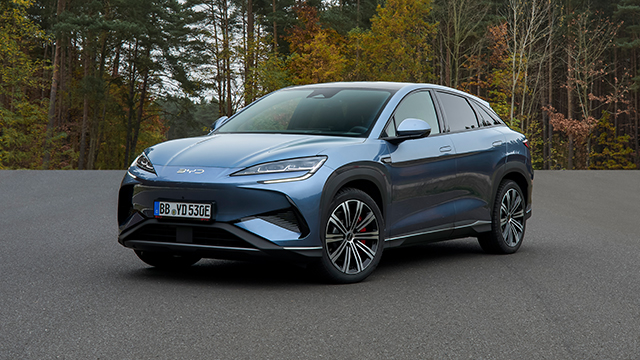
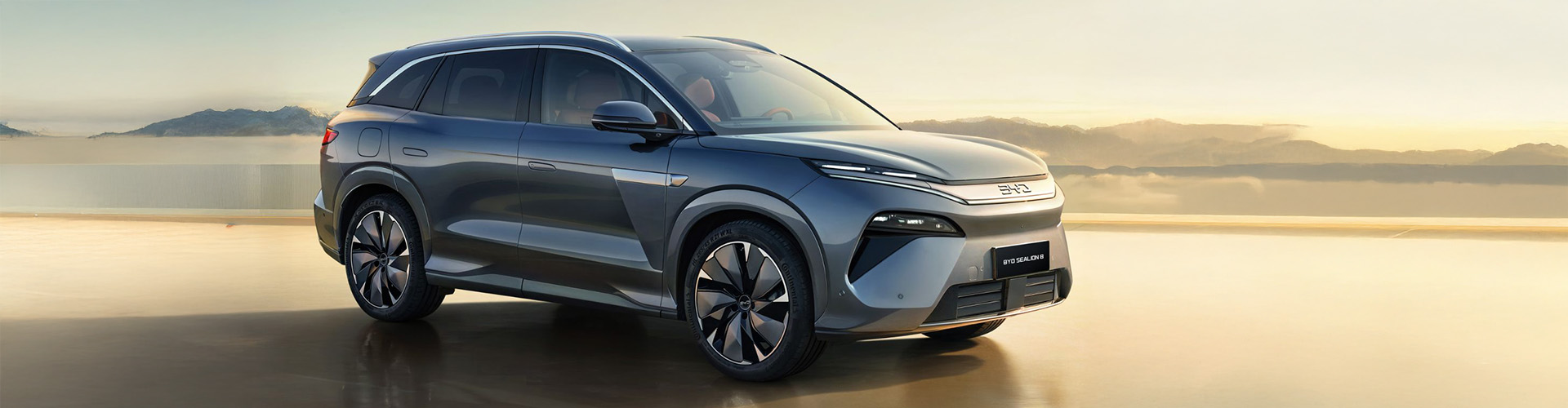
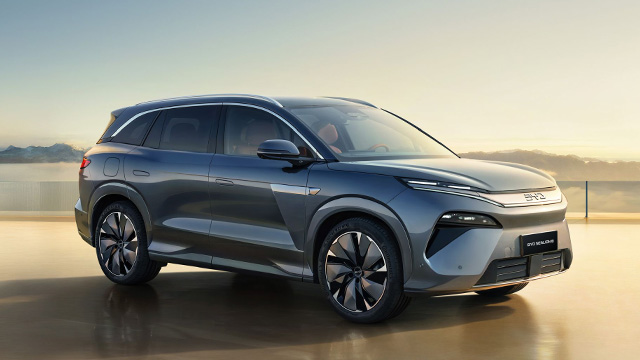
The shift is being felt most in some of Australia's most popular segments, such as medium SUVs, where hybrid and electric models like the Toyota RAV4 and BYD Sealion 7 have nabbed significant market share.
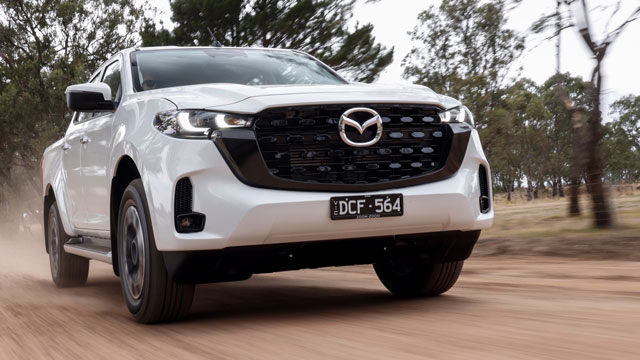
Other popular diesel models, meanwhile, like the Ford Ranger and Toyota HiLux dual-cab utes, have endured significant drops.
The latest data from the Australian Automobile Association’s EV Index shows BEVs accounted for 12.25 per cent of new light vehicle sales (including sedans, SUVs, utes and vans but excluding trucks) in the first quarter of 2026, while plug-in hybrids reached 6.82 per cent.
The news comes as April car sales figures from the Federal Chamber of Automotive Industries and the Electric Vehicle Council showed that 16.6 per cent of sales (including light and heavy duty vehicles) were battery electric vehicles (BEVs). Combined with plug-in hybrid vehicles (PHEVs), this came to 27 per cent – more than one in four new vehicles during April.
While petrol and diesel vehicles remain clearly in front overall, the gap is narrowing. For the first quarter of 2026, internal combustion engine vehicles fell to their lowest share since the EV Index began in 2023, accounting for 64.23 per cent of new light vehicle sales.
March also marked the first month in the index where ICE vehicles made up less than 60 per cent of new light vehicle sales, a significant line in the sand for a market that has long been dominated by petrol and diesel.
The numbers come as total vehicle sales softened. According to the AAA, 281,103 new light vehicles were sold in the March quarter, making it the second-lowest quarterly result since the EV Index began and compared to a two-year high of 314,185 in Q2 2025.
Even so, electric vehicles managed to move against the wider market. BEV sales reached 34,435 for the quarter, the first time quarterly battery electric sales have passed 30,000. PHEVs also posted their highest quarterly total, with 19,184 sales.
Diesel and petrol SUVs falling out of favour
The first four months of 2026 also show how quickly the fuel mix of our vehicles is shifting underneath the headline numbers.
Diesel passenger cars and SUVs fell from 9,003 sales in January to 8,032 in April – a drop of 10.79 per cent.
Petrol passenger cars and SUVs dropped more sharply, from 32,128 to 24,629, a percentage drop of 23.37 per cent.
At the same time, electric passenger cars and SUVs more than doubled, rising from 6,707 in January to 13,790 in April (+105.6 per cent), led by electric SUVs, which climbed from 5,217 to 11,206.
Hybrids also kept building, rising from 15,068 to 18,111 (+20 per cent) over the same period, while PHEV passenger cars and SUVs doubled from 3,722 to 7,634 (+105.1 per cent).
In other words, the early-2026 market is not just seeing EVs take more share, it is seeing SUVs do much of the heavy lifting across battery electric, hybrid and plug-in hybrid drivetrains.
Hybrids ease back after a record quarter
Conventional hybrids remain a major part of the transition, though their share slipped in the March quarter of 2026. Hybrid market share fell from 19.13 per cent in Q4 2025 to 16.70 per cent in Q1 2026. That sounds like a step down, but the December quarter had been a record high for hybrids.
The March quarter result was still level with the previous record of 16.70 per cent set in Q3 2024.
Medium-sized sedans, like the Toyota Camry, are one area where hybrids are now dominant. In Q1 2026, hybrids accounted for 44.92 per cent of new medium car sales, up from 29.81 per cent in Q1 2025.
BEVs also remain strong in that segment, with a 36.65 per cent share, although that was down from 42.58 per cent a year earlier.
On the other hand, large cars tell a slightly different story. Although a smaller segment than the medium-sized car market, BEVs accounted for 43.86 per cent of large car sales in Q1 2026 (thanks to sales of the all-electric MG IM5) ahead of ICE vehicles at 39.19 per cent.
Medium SUVs are where the contest is getting serious
The medium SUV segment remains Australia’s biggest new-energy vehicle battleground, accounting for 27.28 per cent of all new light vehicle sales in Q1 2026.
That is also where the shift away from petrol and diesel is becoming more visible.
In Q1 2026, ICE vehicles accounted for 39.90 per cent of medium SUV sales, down from 50.26 per cent in Q1 2025.
BEVs took 25.42 per cent of medium SUV sales, up sharply from 10.92 per cent a year earlier. PHEVs also rose, moving from 8.94 per cent in Q1 2025 to 12.11 per cent in Q1 2026.
That puts electrified drivetrains, BEV, PHEV and hybrid, in the majority for medium SUVs, even though petrol and diesel still hold the largest single share.
This is where the shift to electric transport is really starting to have an impact. Medium SUVs are family cars, fleet cars, school-run cars and weekend cars. If EVs gain ground here, they are well and truly no longer sitting in a niche part of the market.