One in six cars sold is now electric – inside Australia’s April 2026 sales shake-up

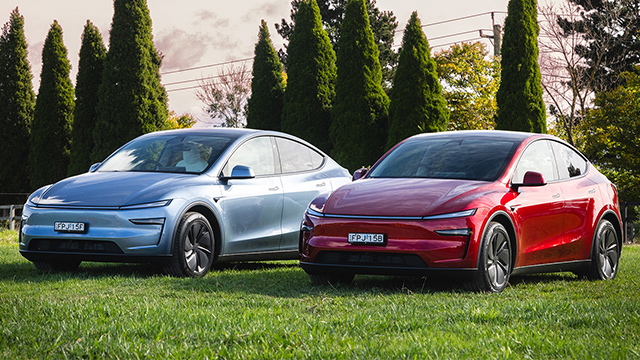
Australians are increasingly turning to electric vehicles (EVs) as the country weathers record fuel prices amid the ongoing Middle East conflict.
Industry figures released by the Federal Chamber of Automotive Industries and the Electric Vehicle Council on Tuesday reveal that a record 17.75 per cent of total monthly new car sales in Australia during April were EVs.
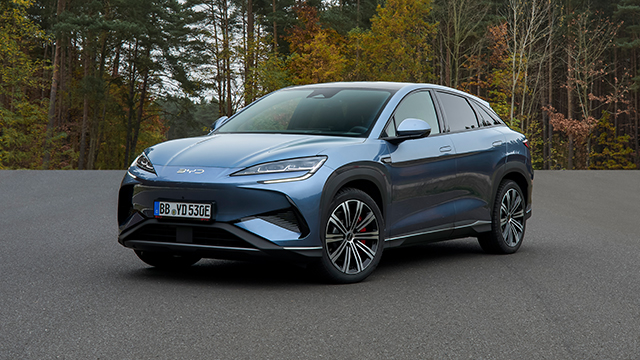
The result was largely driven by the increased take-up of affordable new Chinese electric vehicles, including BYD, whose April sales of 7702 units put them second to only Toyota in total market share, at a staggering 8.3 per cent.
BYD’s strong sales saw it leapfrog other top-selling brands like Kia (6450), Hyundai (6002), Ford (5748) and Mazda (5636).
The strong take-up of EVs reflects a turbulent period in the automotive industry; one where there is an unprecedented array of new affordable EV options against the backdrop of record high fuel prices.
All told, the latest figures reveal 94,049 new cars found homes in April. This total comprises 92,591 reported sales from the FCAI (up 2.2 per cent) and 1458 provided by EVC, which handles reporting of electric-only brands Tesla and Polestar.
“The increase in supply of EVs since the introduction of the New Vehicle Efficiency Scheme, combined with higher petrol prices and the continued support provided through the Federal Government’s Electric Car Discount, is now translating into stronger demand,” FCAI chief executive Tony Weber said.
“There are around 110 EV models available to Australians, and the supply of EVs continues to increase.”
Top 10 most popular models in April
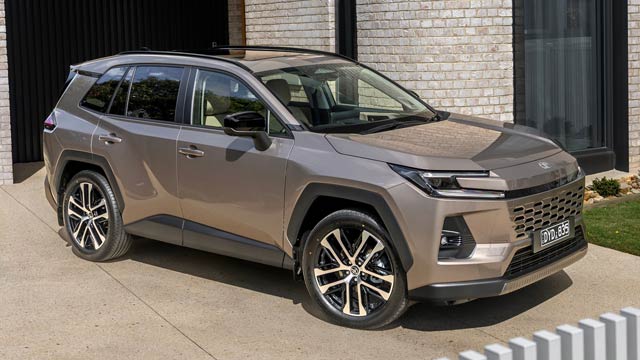
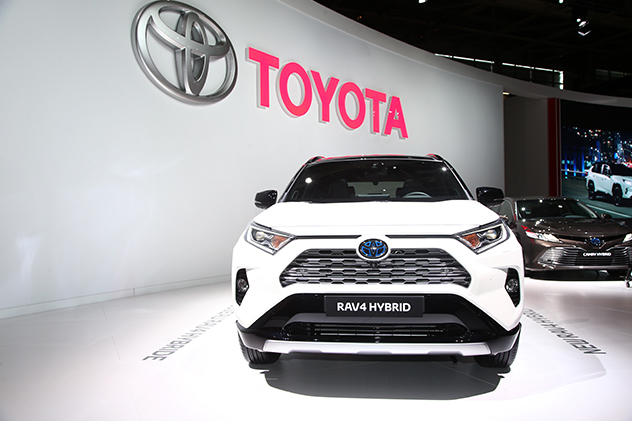
It was an electrified vehicle which topped new car sales for the month of April, with the hybrid Toyota RAV4 (3808) taking top spot.
Sitting in second and third spot were the evergreen Ford Ranger (4031) and Toyota HiLux (4121) – though both weathered big sales declines (down 9.2 per cent and 31.2 per cent respectively) on the equivalent month in 2025. The Chery Tiggo 4 Pro (2379), Hyundai Kona (1605) rounded out the top five.
A slew of EVs followed, including the BYD Sealion 7 (1780), plus a host of Tesla and Polestar models, which more than doubled their sales performance of April 2025 with 1458 sales combined (versus 702 sales). Furthermore, Tesla and Polestar sales have surged 47 per cent year-on-year.
Top selling models in April
|
Make & Model |
Apr 26 sales |
Apr 25 sales |
% Diff |
|
Toyota RAV4 |
3,729 | 3,808 | -2.1% |
|
Ford Ranger |
3,661 | 4,031 | -9.2% |
| Toyota HiLux | 2,835 | 4,121 | -31.2% |
|
Chery Tiggo 4 Pro |
2,379 | 1,165 | 104.2% |
|
Hyundai Kona |
2,158 | 1,605 | 34.5% |
|
Toyota Prado |
1,870 | 2,233 | -16.3% |
|
BYD Sealion 7 |
1,780 | 743 | 139.6% |
|
Haval Jolion |
1,754 | 1,423 | 23.3% |
|
Ford Everest |
1,585 | 2,235 | -29.1% |
| Mitsubishi Outlander | 1,540 | 1,327 | 16.1% |
Which car brands performed best in April?
Toyota (15,185 sales) unsurprisingly continued its mortgage on market share in Australia in April, but that’s not the say rivals aren’t circling.
Chief among them is highly ambitious Chinese marque BYD, which finished with its second-consecutive month inside the top three with an 8.3 per cent market share following 7702 sales. Chinese manufacturers GWM, Chery and MG were also inside the top 10.
Legacies brands continued their momentum as well, with Kia (6450) holding third spot, ahead of Hyundai (6002), Ford (5748) and Mazda (5636).
Top 10 selling makes in April
|
Make |
Volume |
|
Toyota |
15,185 |
| BYD |
7,702 |
| Kia |
6,450 |
|
Hyundai |
6,002 |
| Ford |
5,748 |
|
Mazda |
5,636 |
|
GWM |
4,717 |
| Chery |
4,322 |
|
MG |
3,678 |
| Isuzu Ute |
3,447 |