How Australia’s hybrid sales exploded
At a Glance
- Annual hybrid car sales in Australia jumped from around 12,000 to 200,000 in the last ten years
- Hybrid SUV sales more than doubled to 160,000 in 2024 compared to the year before
- The Toyota RAV4 was the main driver behind this push
Hybrid vehicles have gone from being a niche part of the Australian new car market to a serious volume player in just ten years.
There is a longer arc to this story: when the Toyota Prius first arrived in 2001, hybrids were seen as the preserve of alternative-minded buyers, cashed up early adopters, and drivers keen to make a visible statement about fuel use and emissions. That picture has changed dramatically.
According to the VFACTS figures from the Federal Chamber of Automotive Industries (FCAI), hybrid passenger cars, SUVs and light commercial vehicles together accounted for just 12,138 sales in 2015. By 2025, that figure had reached 199,133 .
That is a substantial lift in a decade (if not the first decade and a half when the Prius was available), and it points to a change in buyer acceptance of the once pioneering hybrid technology. Australians who may once have viewed hybrids as a left-field choice now seem far more comfortable with the idea of electrification.
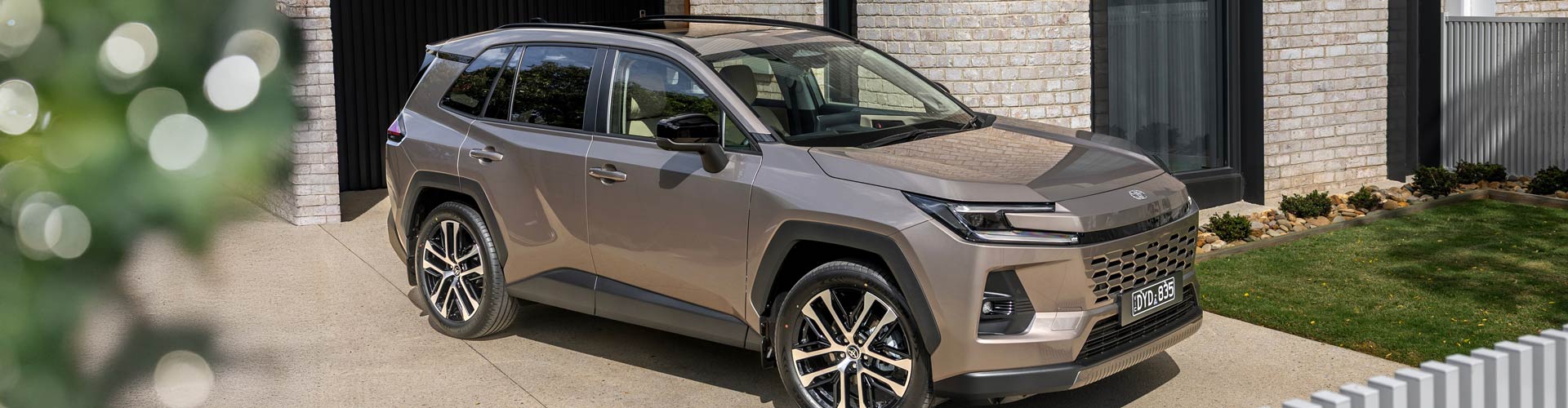
Deployment in the taxi industry from 2007 was a key driver in helping hybrids gain traction. Then an even bigger shift arrived in 2019 in the SUV category with the arrival of the hybrid version of the popular Toyota RAV4. Sales continued to accelerate in 2024 after Toyota stopped selling petrol-only versions of models which were available as hybrids.
Passenger hybrids laid the groundwork
In 2015, passenger hybrid cars were doing most of the work, with 10,072 sales. The hybrid Toyota Camry became the go-to for the high mileage taxi industry after it arrived in 2010, where fuel costs really bite, taking over from LPG vehicles. This was the point that started shaping public perception of hybrid technology.
According to VFACTS, hybrid passenger car sales were 10,072 in 2015, edged up to 10,637 in 2016, dipped slightly in 2017, then gradually built again. By 2019 they had reached 21,264, and by 2020 they were at 25,484.
Growth continued from there, though at a steadier clip than SUVs. Passenger hybrid sales hit 27,657 in 2021, 26,699 in 2022, 28,715 in 2023 and then rose sharply to 40,184 in 2024, before easing to 38,265 in 2025.
So while passenger hybrids no longer dominate the category, they have still grown substantially over the decade. They helped normalise the technology early on, especially in segments where fuel use and urban driving mattered most.
Why hybrids have gained traction
Part of the appeal is pretty straightforward. A hybrid can trim fuel use in stop-start driving, particularly around town, without asking buyers to rethink how they refuel or plan longer trips.
That matters in Australia, where many households still want lower running costs but are not ready to move straight to a battery electric vehicle.
Hybrids have also benefited from landing in the kinds of vehicles Australians already want to buy. Once the technology spread from smaller passenger cars into medium and large SUVs, it had far more room to move.
That is really what stands out: it is not simply that Australians warmed to hybrids, it is that hybrids arrived in the right body styles at the right time.
What about hybrid utes?
Hybrid light commercial vehicles are still a small part of the market, with sparse options available – think of the Toyota HiLux mild hybrid as a key example.
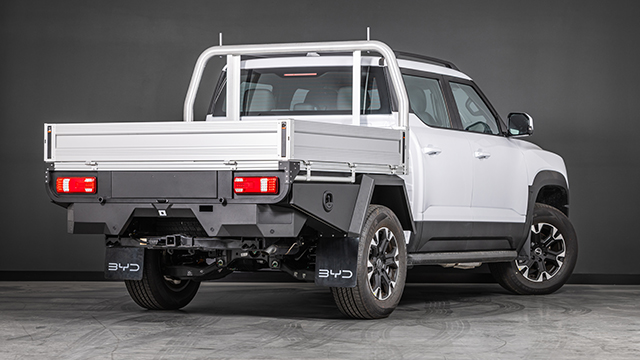
But while conventional hybrid utes remain thin on the ground, plug-in hybrid utes – like the BYD Shark, GWM Cannon Alpha and Ford Ranger PHEV offer more utility thanks to big batteries and V2L technology.
These are now becoming far more visible in Australia, giving buyers an electrified option in a part of the market that has long been dominated by diesel. In other words, the shift in utes is starting to happen, but it is currently skewing more toward PHEVs than traditional hybrids.
The key models behind the hybrid shift
Models such as the Toyota RAV4 Hybrid, Corolla Hybrid, and Camry Hybrid have helped push hybrid technology into the mainstream. They cover a broad spread of use cases too, from city commuting to family hauling and regional driving.
The RAV4 Hybrid in particular has played a big role in changing perceptions of what a hybrid can be. It placed the technology in one of the country’s most popular vehicle shapes, and that matters because Australians have been voting with their wallets for SUVs for years.
Other nameplates have added momentum as well. MG, Hyundai, Kia, Honda, Nissan and Subaru are among the mainstream brands that have hybrid offerings in the market, and that broader spread has helped move hybrids beyond being seen as a one-brand proposition.
For buyers, that means more choice. For carmakers, it is a sign that electrified drivetrains have moved well beyond the early-adopter phase. While conventional hybrids cannot be plugged in and still use fuel, their rising popularity shows the move away from petrol is not following a neat, single-step path.
At least for now, hybrids have carved out a very firm place in the middle.