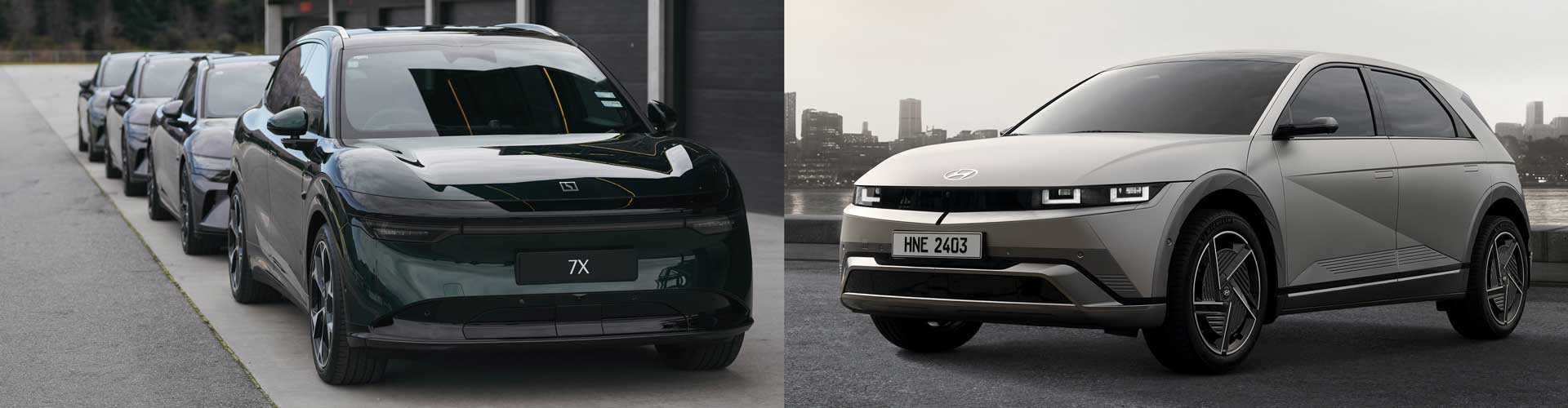
Ask an expert: Should I buy a Zeekr 7X or a Hyundai Ioniq 5?
Hi Bridie, many thanks for your article on EV buying guide.
I am looking for my first EV. What is important for me are:
- Good seat and head space. I am 6' 2"
- Comfortable ride rather than performance
- Budget about $70,000
I have been looking at the Ioniq 5 and Zeekr 7x. Which do you think is the better EV for me?
Andrew
Hi Andrew,
So glad to hear the EV buying guide in our winter edition of Open Road (now also online) was helpful!
To answer your question, I thought it only fair to do a proper “spec battle”, so you can see for yourself what the pros and cons of the Zeekr 7X and Hyundai Ioniq 5 are.
First, to your budget, which happily narrows the comparison down to the Hyundai Ioniq 5 RWD and the Zeekr 7X Long Range RWD.
Hyundai Ioniq 5 vs Zeekr 7X price, battery and performance
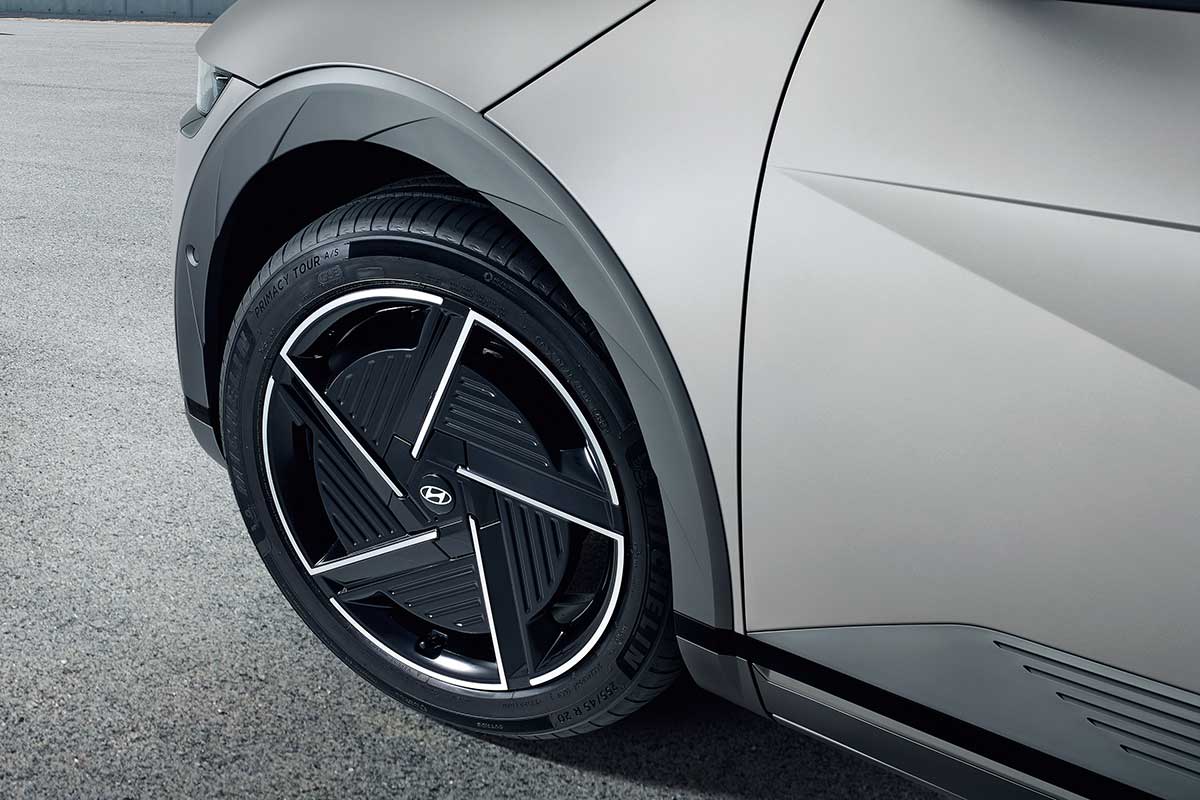
With Hyundai dropping the price of the Ioniq 5 in June by $8000, the “entry level” RWD (rear-wheel-drive) is now available for $69,990 driveaway (you’ll want to check when that offer runs out, though!). The Ioniq 5 RWD comes with an 84kWh battery offering up to 570km of WLTP range for models on 19 inch wheels. It outputs 168kW and 350Nm, accelerating from 0-100km/h in 6.0 seconds.
The Ioniq 5 has been around for a while now, and it has the benefit of Hyundai’s extensive service centre network and capped price servicing which you can include for $1338 for five years at the time of purchase. To bring the purchase price down, however, Hyundai did remove the internal vehicle-to-load outlet and the mobile charging cable. You can always get a charging cable for a few hundred dollars, though, so that’s not too much to worry about.
As for the Zeekr 7X, having a budget of $70,000 means you can step up a notch to the Long Range RWD electric SUV. It has a larger 100kWh battery offering 615km WLTP range, outputting a zippier 310kW and 440Nm. Although you said you’re not after performance, the heavier weight of the Zeekr means it has the same acceleration as the Ioniq 5 anyway.
Zeekr is relatively new to Australia compared to Hyundai but has the backing of Geely, which is one of the largest carmakers in China and which also owns Volvo and Polestar. Reps of the company recently told media that it is aiming for around 25 dealers and service centres by the end of 2026, with 18 already dotted around the country from the Sunshine Coast to Melbourne and all the way to Perth.
|
Model |
Hyundai Ioniq 5 |
Zeekr 7X |
|
Variants |
RWD |
Long Range RWD |
|
Price before on-roads |
$68,200 |
$63,900 |
|
Battery (kWh) |
84 |
100 |
|
Drive |
RWD |
RWD |
|
WLTP Range (km) |
570 (19") |
615 |
|
Power Output (kW) |
168 |
310 |
|
Torque (Nm) |
350 |
440 |
|
Acceleration (secs, 0-100) |
6 |
6 |
Hyundai Ioniq 5 vs Zeekr 7X charging and practicality
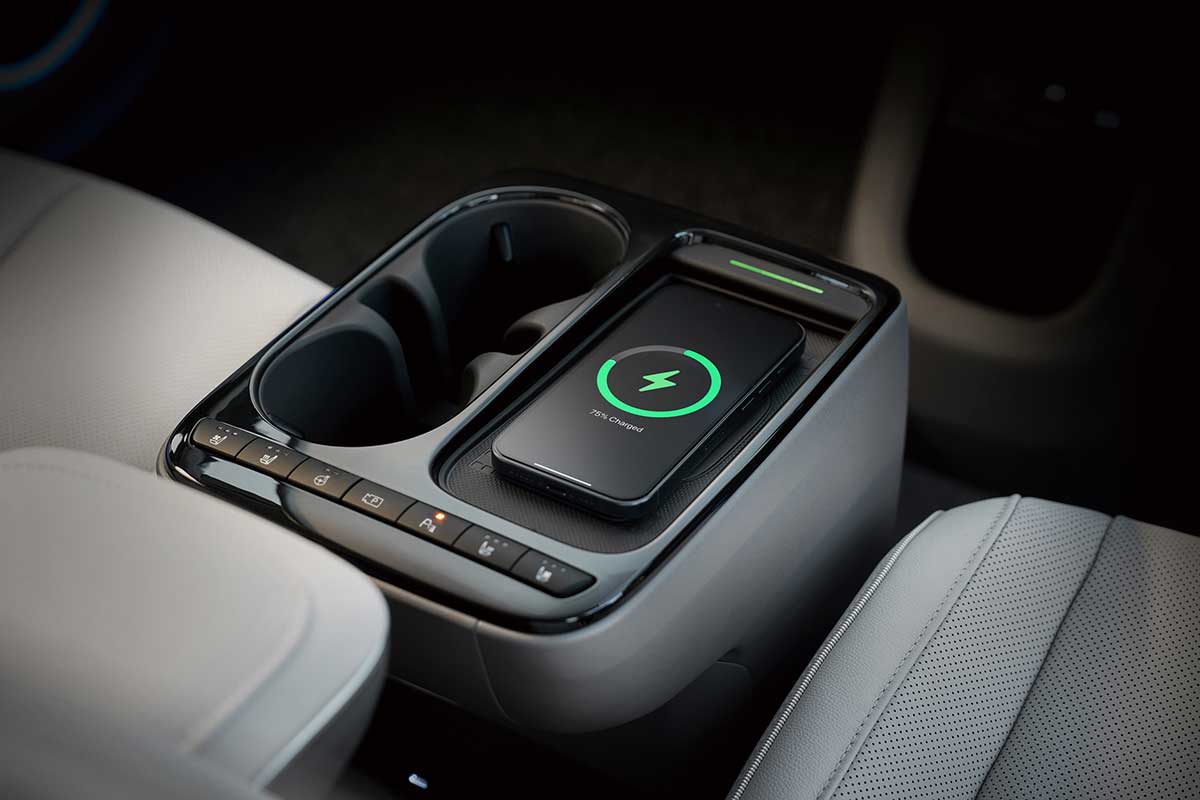
When it comes to charging, these vehicles have some of the quickest charging on the market. Both are built on 800-volt electrical architectures that allow for ultra-fast charging, although the Zeekr wins out with a top charge rate of 420kW versus 260kW in the Hyundai. Of course, the actual charge rate any EV will achieve depends on the charger itself – plug into a 150kW charger and that is fastest rate anyone will get, and even then only if the battery is close to flat.
For those that want fast charging at home (and that have access to three-phase power), the Zeekr 7X is also the winner, with 22kW AC charging. That’s twice as fast as the Hyundai can manage.
In terms of luggage space (I’ll get to personal space shortly), the Zeekr 7X wins again, although barely if we’re talking back seats up. Put them down, however, and it has almost 2000L (just shy of the roomy Tesla Model Y), around 30 per cent more than the Ioniq 5. Both also have a good size frunk, aka the front trunk, as well as vehicle-to-load functionality.
If you’re wanting to tow, though, the Ioniq 5 should be considered, with the ability to tow 1.6 tonnes braked.
|
Model |
Hyundai Ioniq 5 |
Zeekr 7X |
|
Variants |
RWD |
Long Range RWD |
|
Max Charge Rate (AC/DC) |
10.5kW/260kW |
22kW/420kW |
|
Cargo space (back seats up/down) |
527/1587L |
539/1978L |
|
Frunk Cargo Space |
57L |
62L |
|
Tow Rating (braked / unbraked) |
1600/750 |
750 |
|
V2L |
3.6kW |
3.3kW |
Hyundai Ioniq 5 vs Zeekr 7X size and space
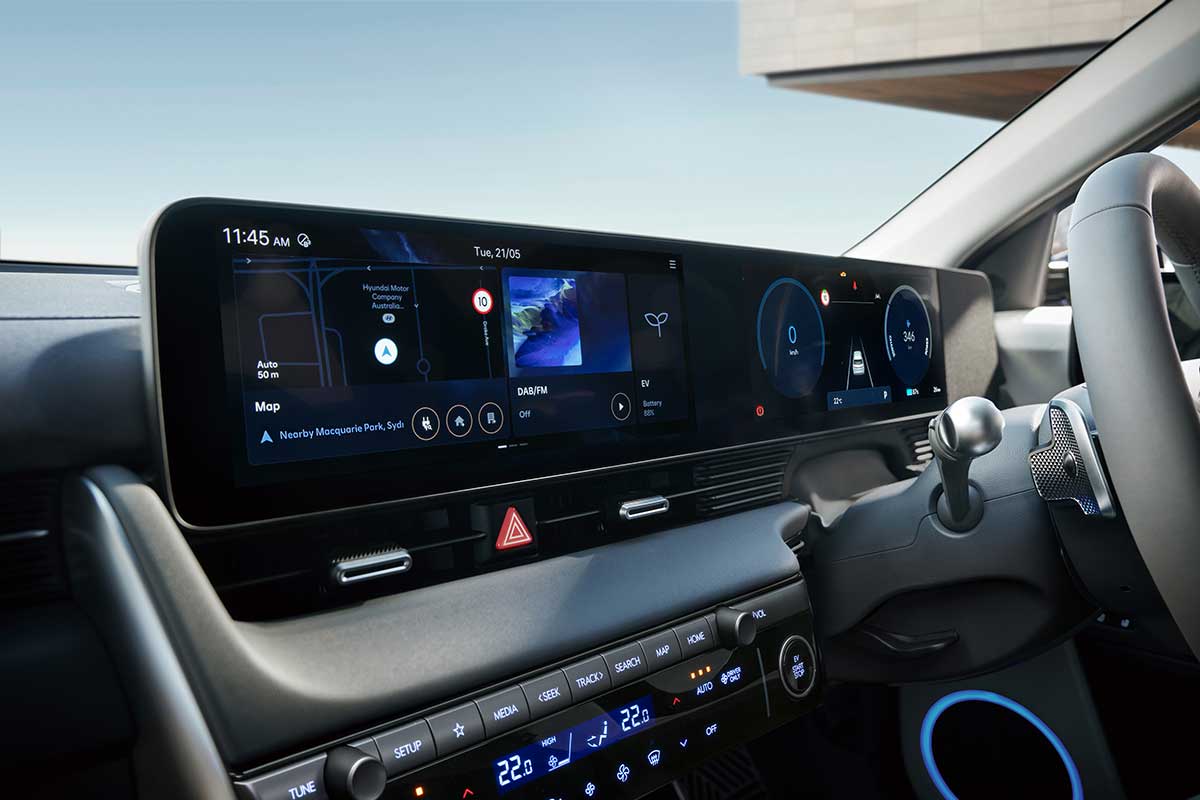
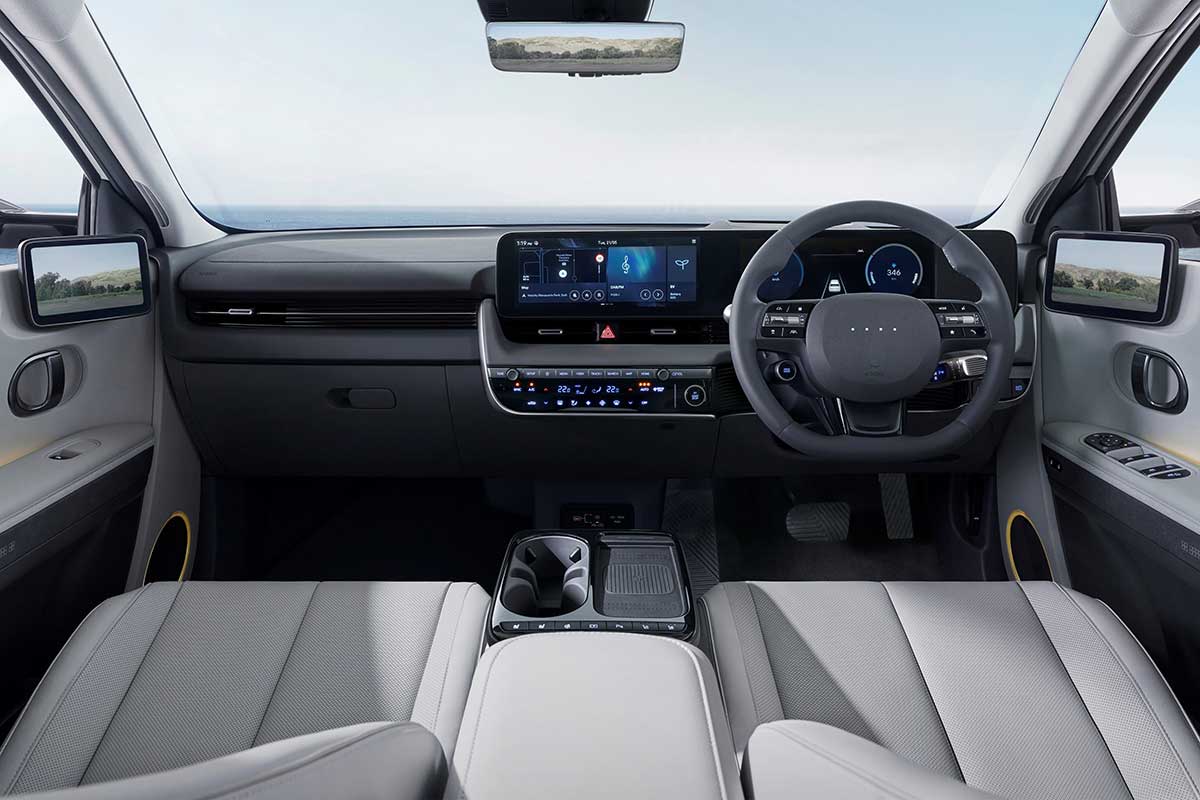
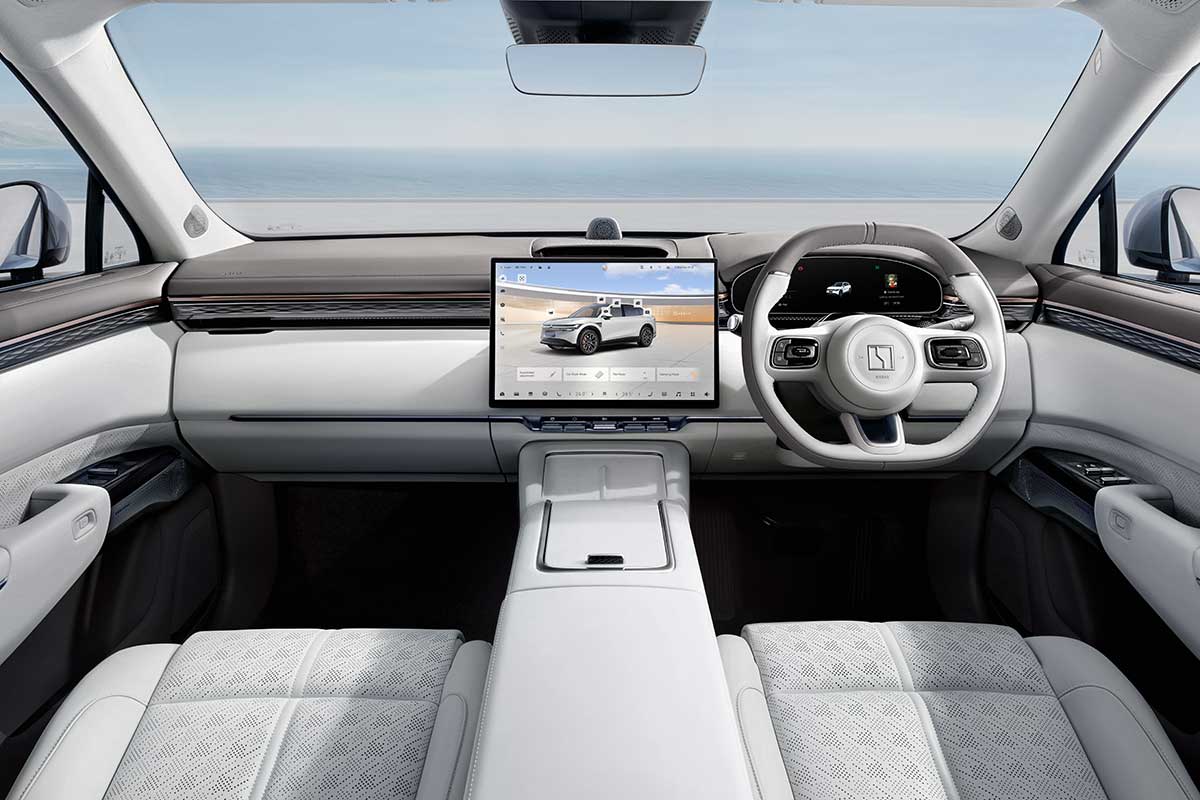
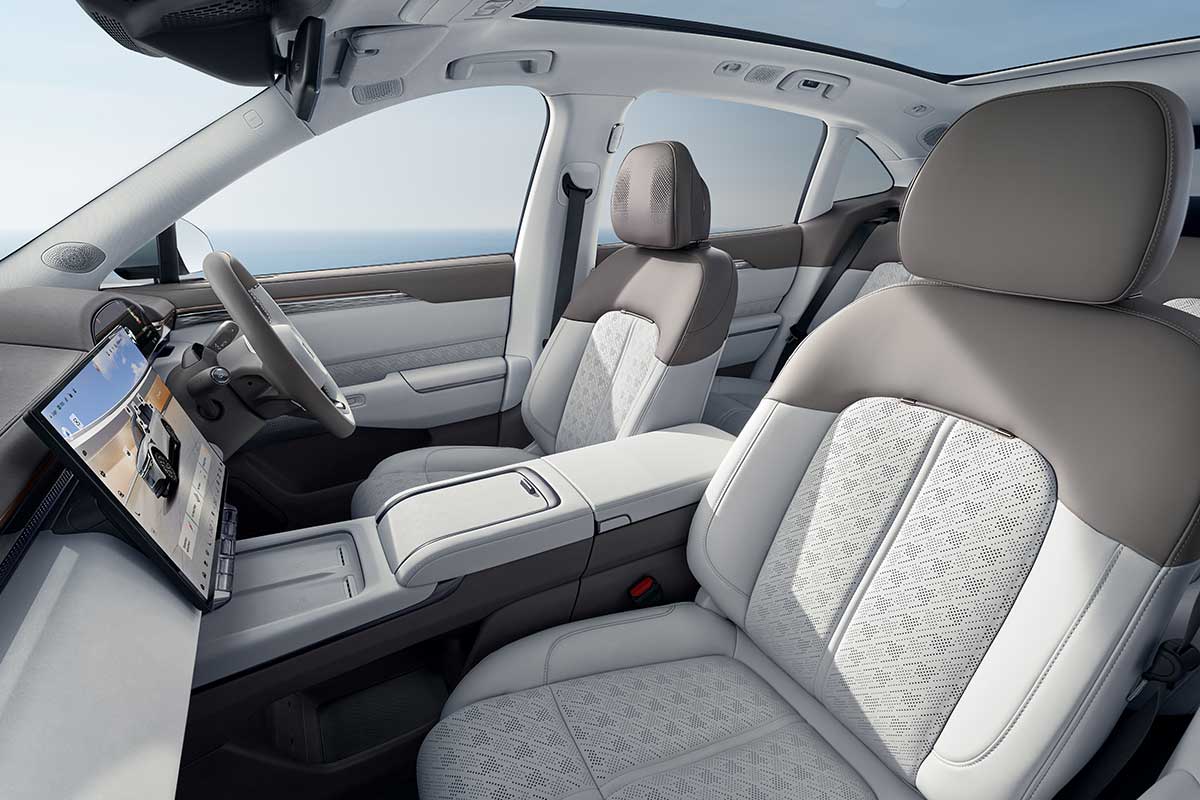
Now, your main question was, being 6’2”, which vehicle would offer the most comfort. The Zeekr 7X again, is the roomiest of the two – it is longer, wider and taller than the Ioniq 5. While Zeekr’s official specs are missing exact figures for leg room in the front, it outdoes the Ioniq 5 in the back with 1187mm versus 1002mm. It also has more head height than the Hyundai, although its “max head height” of 1021mm appears to be somewhere above the driver’s seat looking at photos.
The Zeekr 7X also has marginally more running clearance, but surprisingly has a slightly shorter wheelbase, so expect it to deal marginally better with tighter turns.
|
Model |
Hyundai Ioniq 5 |
Zeekr 7X |
|
Variants |
RWD |
Long Range RWD |
|
Leg room (front/rear, mm) |
1060/1002 |
-/1187 |
|
Head height (mm) |
1010/982 |
1021/- |
|
Length (mm) |
4635 |
4787 |
|
Width (mm) |
1890 |
1930 |
|
Height (mm) |
1605 |
1650 |
|
Running Clearance |
160 |
172 |
|
Wheelbase |
3000 |
2900 |
Hyundai Ioniq 5 vs Zeekr 7X warranty and ownership costs
One last thing to consider – although by no means final – are warranty and ownership costs. Hyundai’s vehicle warranty is longer than Zeekr’s, but the battery warranty for each is on par. Zeekr doesn’t advertise servicing costs or the servicing schedule on its website, so it is worth checking on that before purchase, whereas Hyundai offers a pre-paid servicing package.
In terms of running costs, the Zeekr is a little more efficient – although of course this does depend on personal driving style plus conditions. All things said and done, the Zeekr 7X will save you a little extra.
|
Model |
Hyundai Ioniq 5 |
Zeekr 7X |
|
Variants |
RWD |
Long Range RWD |
|
Vehicle Warranty |
7 years / Unlimited kms |
5 years / Unlimited kms |
|
Battery Warranty |
8 years / 160,000km |
8 years / 160,000km |
|
Inclusions |
Pre-paid servicing for 5 years - $1338 |
5 years free connectivity |
|
Energy consumption |
16Wh/100km |
14.7Wh/100km |
|
Annual Cost to Run* |
$806 |
$741 |
Verdict: Which one should you buy?
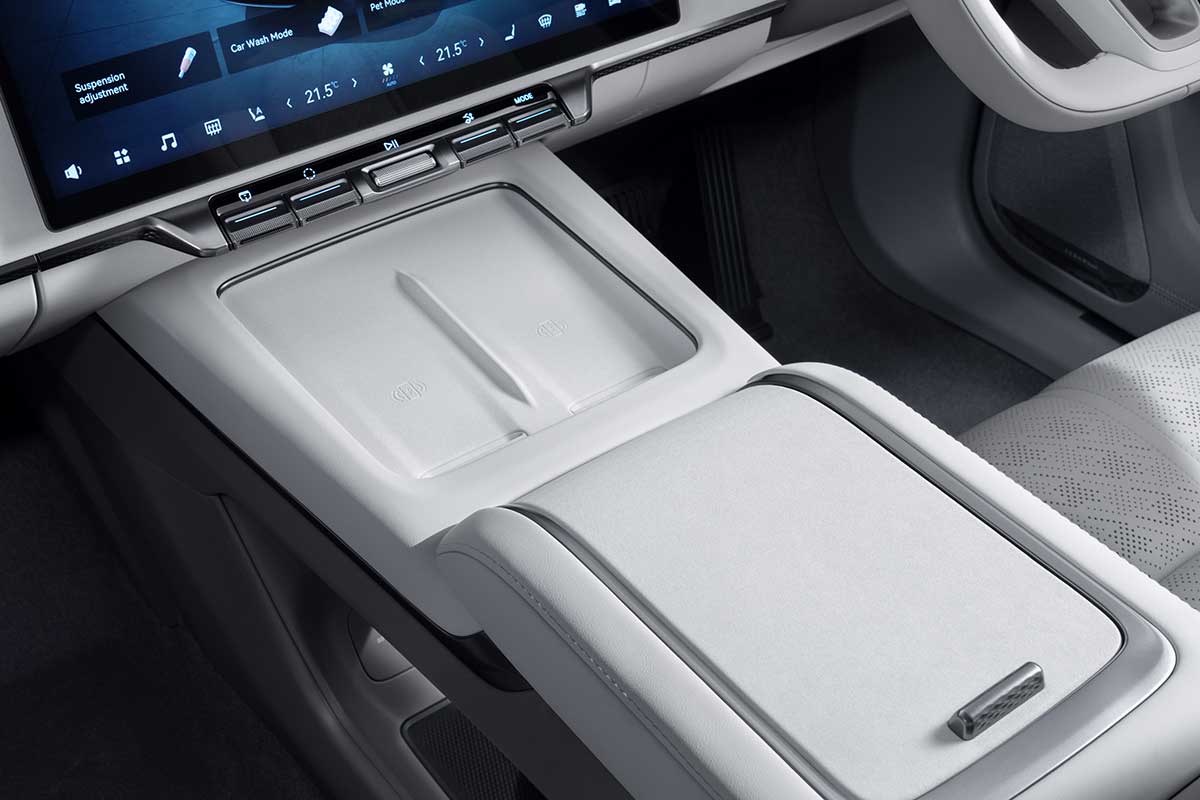
For your priorities, Andrew, I would put the Zeekr 7X Long Range just ahead. Its extra performance is largely beside the point here. What matters more is its spacious cabin, soft and supportive seats, cushioning ride, longer range and faster charging. It also gives you considerably more luggage room, while remaining within reach of your $70,000 budget once on-road costs are taken into account. That said, the specs alone cannot make the final decision for you. Overall height and head room figures do not account for differences in seat height, cushion shape or driving position.
The Ioniq 5 remains the more reassuring ownership proposition. It is comfortable and quiet, sits on ride-friendly 19-inch wheels (20-inch wheels will cost some range) and comes with Hyundai’s established service network, longer vehicle warranty and transparent prepaid servicing. If you value that certainty more than maximum range, charging speed and space, it is still an excellent first EV. We also have an owner review of the 2023 Ioniq 5 Techniq for further consideration.
If I were you, I would test drive both, adjust the seat and steering wheel properly, and make sure you cover some rougher roads rather than simply circling the dealership.