2026 GAC Aion UT review

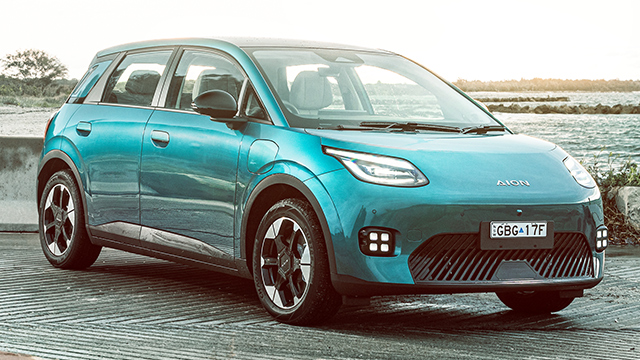
With low-speed peppiness, efficiency and (generally) more cabin space, all-electric city hatches make a lot of sense. That’s likely why so many models have started flooding the segment in recent times, with the most recent being the 2026 GAC Aion UT.
The Chinese brand’s fourth model to launch Down Under in only a few months, the Aion UT lands as its second and cheapest all-electric offering, slotting in under its Aion V SUV, and joining stablemates including the M8 and Emzoom.
Offering very sharp pricing and chic design, can the Aion UT cause a splash in a segment dictated by some of the most value-conscious buyers out there?
How much does the 2026 GAC Aion UT cost?
The 2026 GAC Aion UT comes in two flavours: entry-level Premium or range-topping Luxury.
Pricing kicks off at $31,990 before on-road costs for the Premium and climbs to $35,990 for the Luxury. With this sticker price, the GAC Aion UT ties with the BYD Atto 2 and MG4 Urban for Australia’s third-cheapest EV, undercut only by the BYD Dolphin ($29,990) and BYD Atto 1 ($23,990).
Both variants come covered by an eight-year/unlimited kilometre vehicle warranty, accompanied by eight years/200,000km of coverage for its high-voltage battery. GAC also supplies conditional five-year roadside assistance if the vehicle is serviced within its network.
Buyers who get in soon – and grab one of the first 600 units before April 9 – can score a Premium for just $30,900 and Luxury for $35,990, both drive-away. Further sweetening the deal, GAC Australia will throw in a 10-amp portable charger and a 22kW home wall charger.
It’s believed about half of this 600-car allotment had already been spoken for at the time of publishing.
What is the 2026 GAC Aion UT like inside?
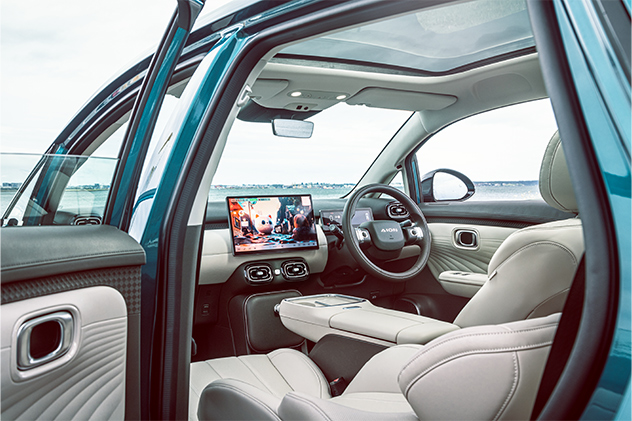
When we drove the 2026 GAC Aion UT’s larger sibling, the Aion V, late last year, we commented that its interior felt like a step-change of quality within the budget EV segment. We’ve drawn the same conclusion when it comes to the Aion UT.
Its cabin fit-out feels that smidgeon more premium than rivals’, with a far-from-flimsy finish. GAC says the Aion UT’s interior was designed in Milan, Italy, which has to be a good thing.
Regardless of where lattes were sipped and the Aion UT’s interior discussed, it’s a nice place to be. Minimalism and flair are blended in good measure and can be applied in some funky colour palette options, ensuring the Aion has more personality than the average EV.
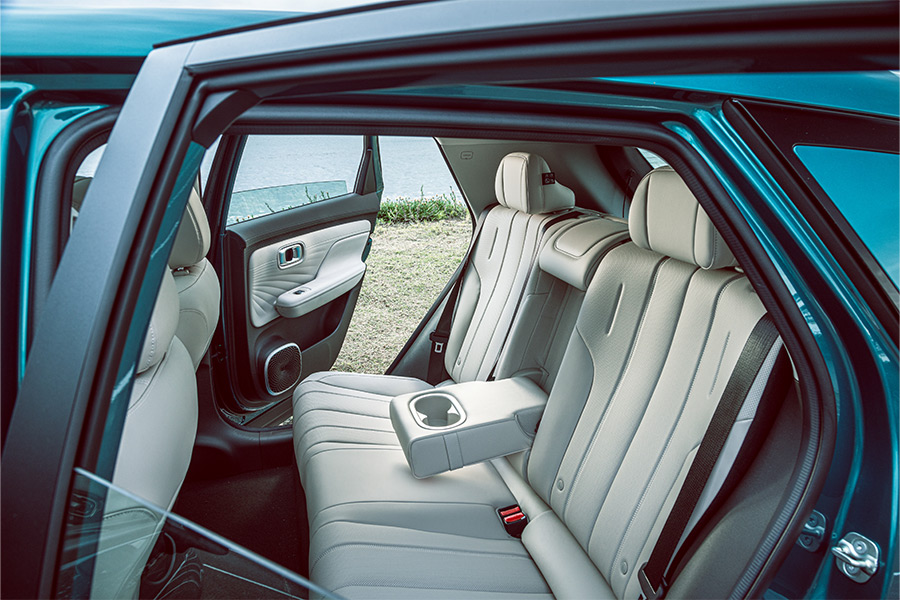
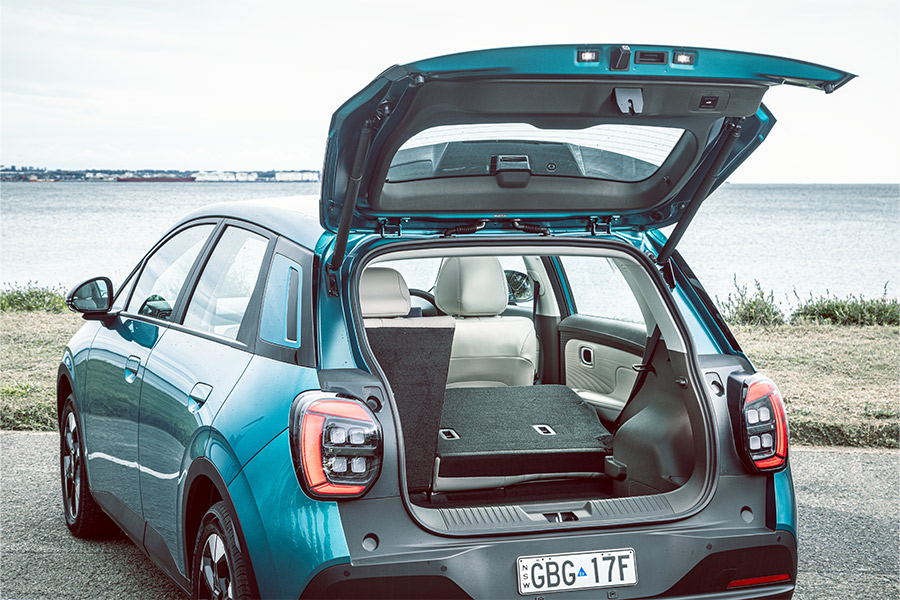
Even in base Premium trim, the Aion UT scores vinyl upholstery on its seats and a heated steering wheel, with power adjustment and heating up front (six-way for driver and four-way for passenger). The move to Luxury adds ventilation, but only for the driver. The seats can be folded flat to meet the rear bench seat, providing a heap of room for occupants to stretch out and relax if they desire.
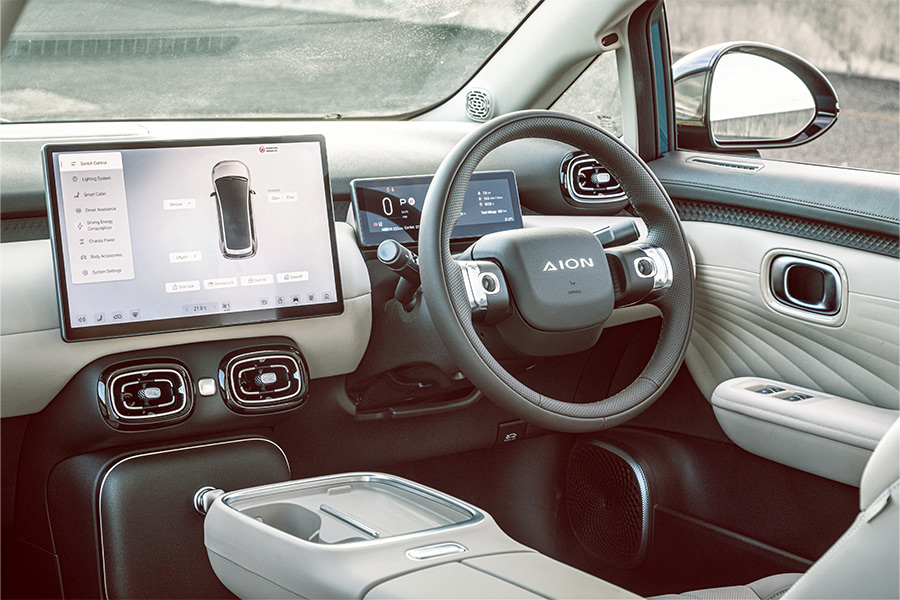
All the limited touch points are easily accessed and feel solid, although there is a frustrating lack of buttons, with almost all adjustments – even down to side mirrors – being handled on a 14.6-inch centre touchscreen standard on both trims. As some consolation, the screen is crisp and very responsive to inputs, but please, please, please bring back buttons.
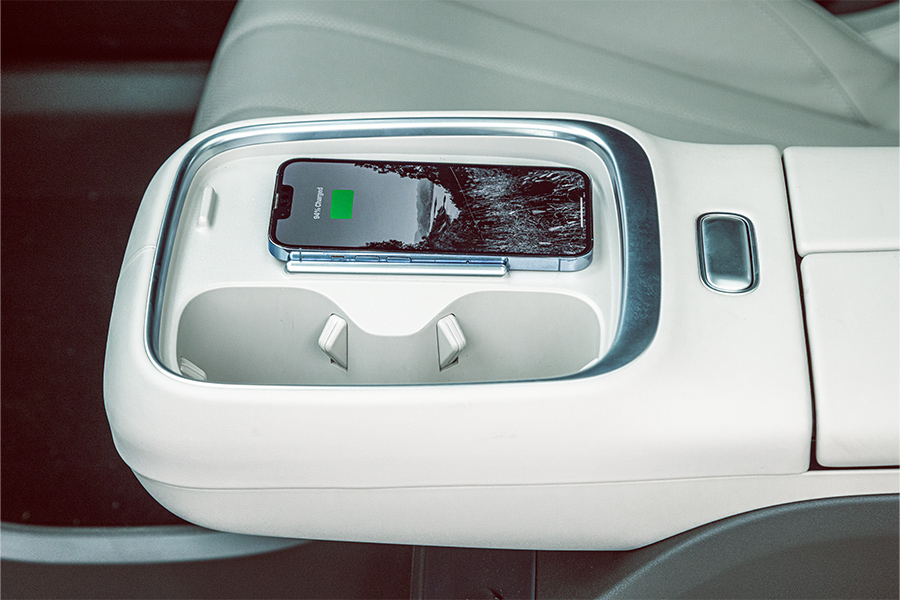
Occupants have access to 12-volt, USB-A and -C ports in the first row in both grades and, if in Luxury trim, a wireless phone charger and rear-mounted single USB-A port.
A low floor adds to the feeling of the Aion UT being a much larger car than it really is. A whopping 2750mm wheelbase (up 50mm on the BYD Dolphin) is crammed into a 4270mm overall length (20mm shorter than the Dolphin). This means rear-seated passengers get up to 905mm of leg room. Combined with rear air vents in both trims, the rear is not a bad place to be.
The trade-off for this comfort is in cargo capacity, with the Aion UT rated at 321 litres with the rear seats up and only 689 litres when they’re folded flat. For comparison’s sake, the BYD Dolphin provides 345/1130 litres.
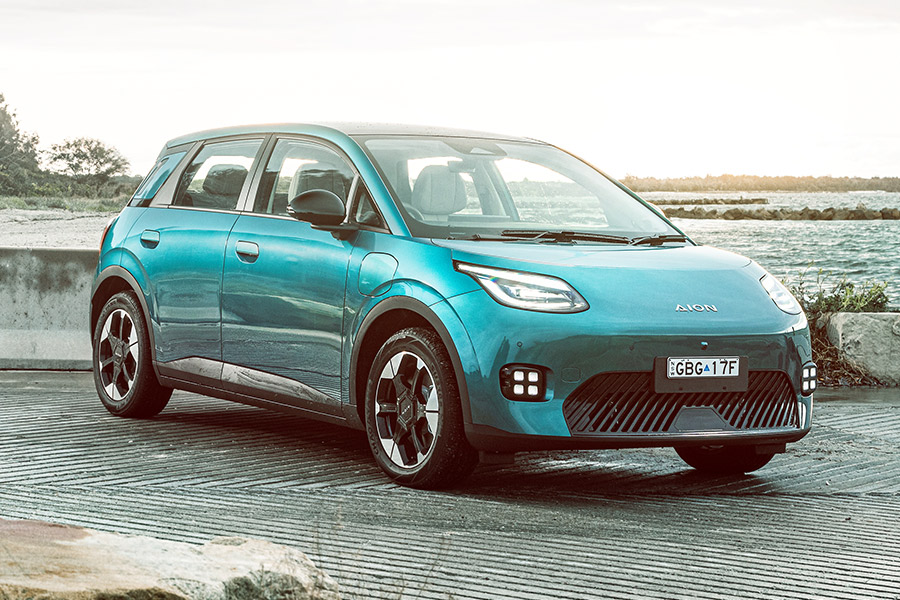
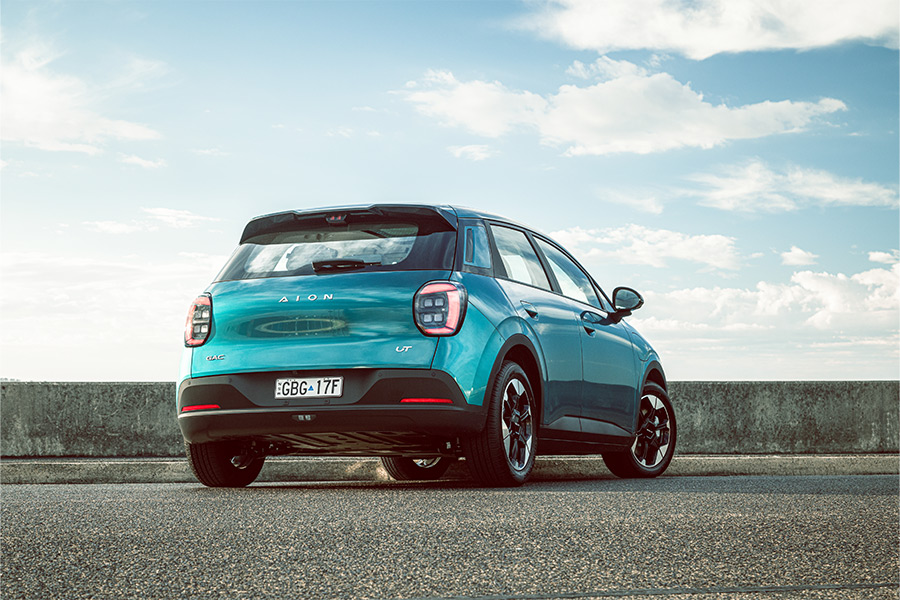
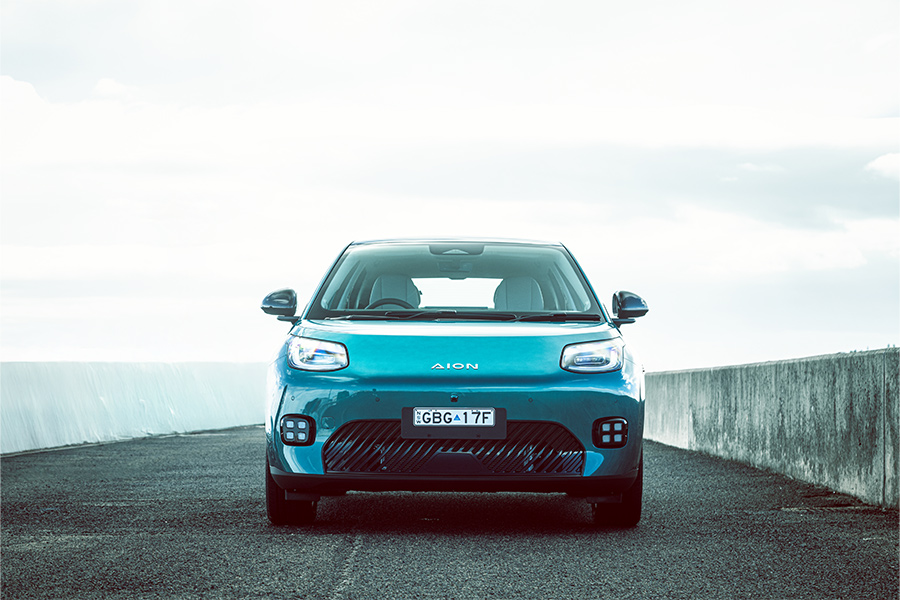
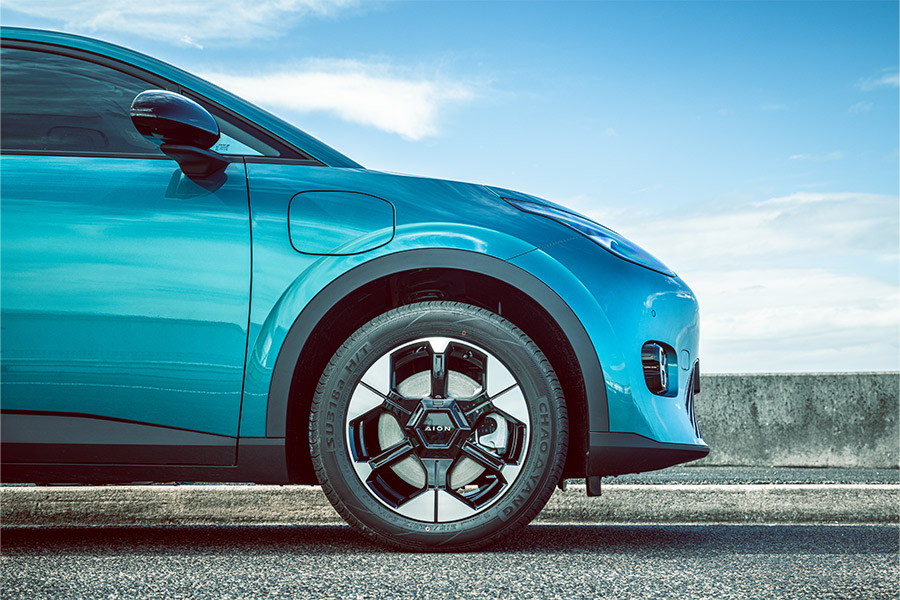
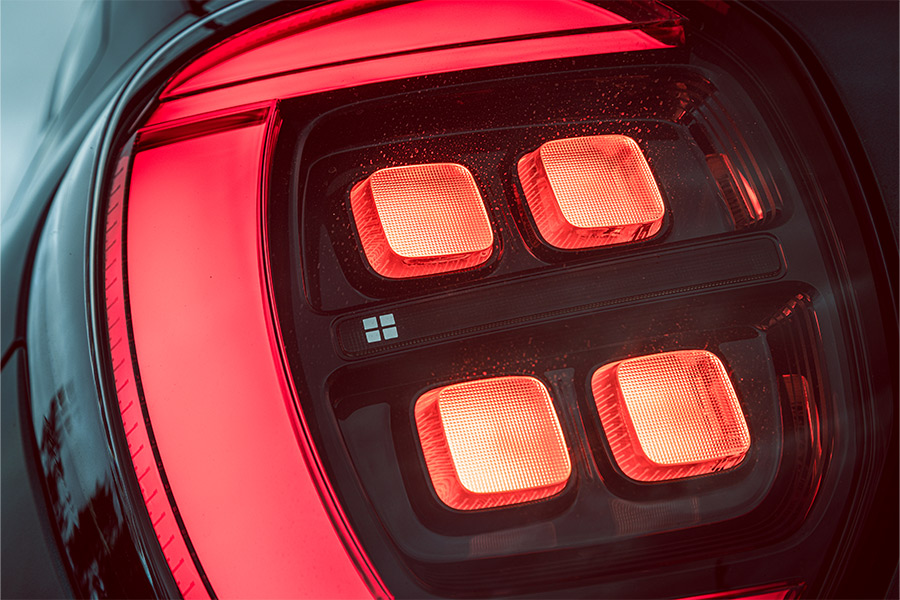
Design chicness extends to the outside, and the Aion UT is a cute but handsome little number. An optional two-tone exterior colour option amplifies its character.
What equipment does the 2026 GAC Aion UT come with?
A seriously impressive list of standard inclusions come fitted to the 2026 GAC Aion UT, even in base Premium trim.
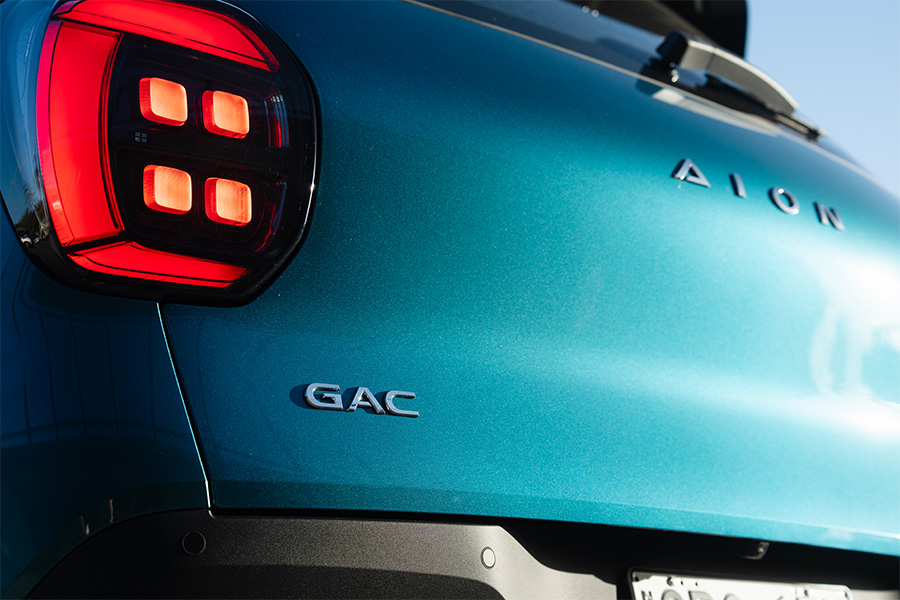
LED lighting front and rear (including daytime running lights and a rear fog light) and automatic wipers come as standard outside, with a powered tailgate, panoramic sunroof with electric shade, and electric folding side mirrors added to Luxury trim.
Vehicle-to-load (V2L) capability comes factory-fitted on both variants, able to pump out 3.3kW.
Inside, as mentioned, in addition to a heated steering wheel, front passengers on both grades get six- or four-way electric seat adjustment and heating. Ventilation for the driver, and an automatic anti-glare rear-view mirror, are added on the Luxury.
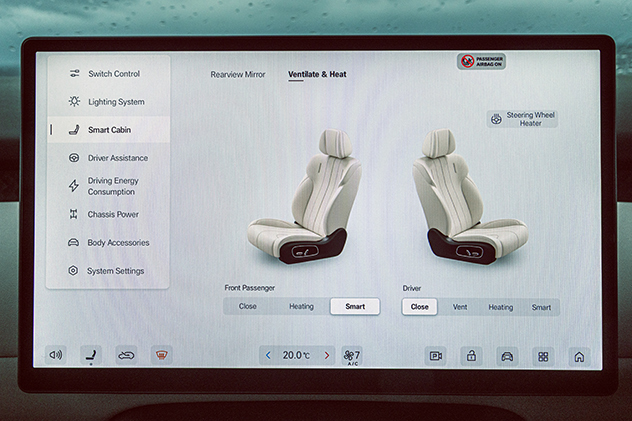
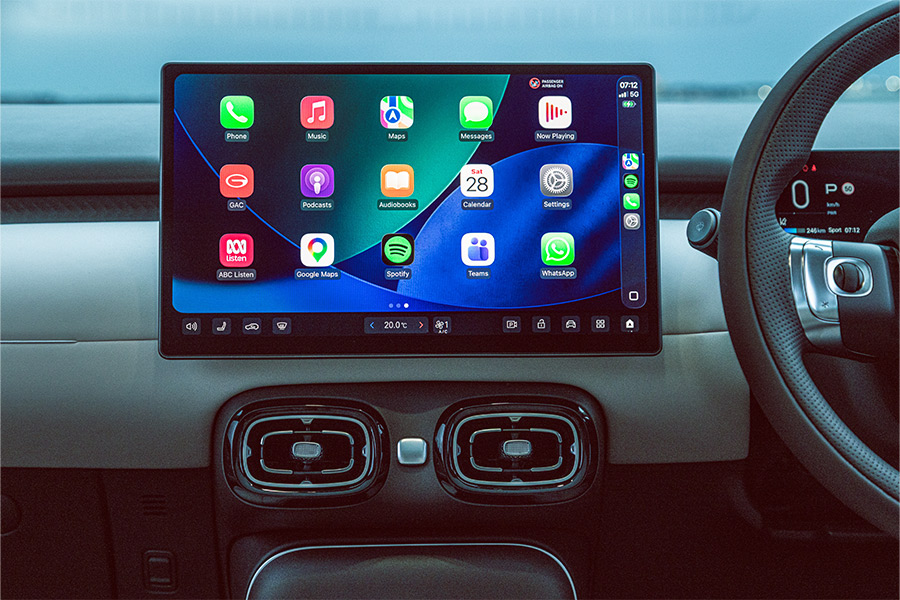
Both trims get a 14.6-inch central touchscreen that can run wireless Android Auto and Apple CarPlay, as well as Bluetooth, in-car Wi-Fi hot spotting, sat nav (complimentary for the first three years), and DAB radio, all transmitted through a six-speaker sound system.
An 8.8-inch driver display comes standard, showing live information including details of the Aion UT’s pretty comprehensive safety suite. While we’re on that subject…
How safe is the 2026 GAC Aion UT?
Although not yet tested, brand representatives are confident the 2026 GAC Aion UT will achieve a five-star ANCAP safety rating when it undergoes crash testing in August.
Level 2 advanced driver assistance system (ADAS) technology features throughout.
Adaptive cruise, automatic high beam, forward collision warning with autonomous emergency braking, lane keeping and departure warnings and assistance, traffic sign recognition with speed limit control, blind spot detection with front and rear cross traffic alerts and braking are all standard.
A driver and occupant monitoring system with child presence detection (to make sure no child is inadvertently left behind in the car), front and rear parking sensors with a 360-degree camera, pre-tensioning seatbelts, tyre pressure monitoring and a centre airbag also make the cut for standard equipment. Quite the long list.
— Liam Murphy
What powers the 2026 GAC Aion UT?
A lone, 60kWh LFP battery pack option powers both grades of the 2026 GAC Aion UT, sending current to a single, front-mounted electric motor to generate a claimed 150kW and 210Nm.
GAC says the Aion UT has been tested at 430km of WLTP range at a consumption of 16.4kWh/100km. During our testing, we saw consumption of just 13.5kWh/100km – and 16.3kWh over the vehicle’s entire eight hours and 40 minutes of driving life. Either way, expect the 2026 GAC Aion UT to meet or even best its claimed driving range.
Maximum DC charging speed is rated at 87kW, while the AC charging rate – despite the promotional offer of a 22kW wall charger – is capped at 11kW.
What is the 2026 GAC Aion UT like to drive?
Since its 1997 inception, GAC has entered into joint development ventures with the likes of Peugeot, Honda and Toyota. It’s our understanding, though, that the 2026 GAC Aion UT was all done in-house by GAC and not subject to any sort of platform-sharing.
You’d think this might ring alarm bells, but the 2026 GAC Aion UT’s drive experience is nothing short of impressive.
Noise, vibration and harshness (NVH) are very well managed, with the Aion UT providing the right amount of insulation from the outside world without making occupants feel detached from it. While there’s good visibility, the long bonnet and deep upper dash did have us uncertain where the vehicle’s frontal extremities lay at times.
Bump compliance is exceptional given the model’s price point, and the Aion UT swallows even the largest potholes with grace and composure, very rarely getting upset or out of sorts. This, unfortunately, does not extend to times when both front wheels are asked to deal with a large undulation – such as a speed bump – with any haste, when some crashing and banging is incurred. Whether this is suspension turning or something innate to the Aion UT’s skeleton we’re not sure, but if this could be remedied it would make for a near-flawless around-town ride.
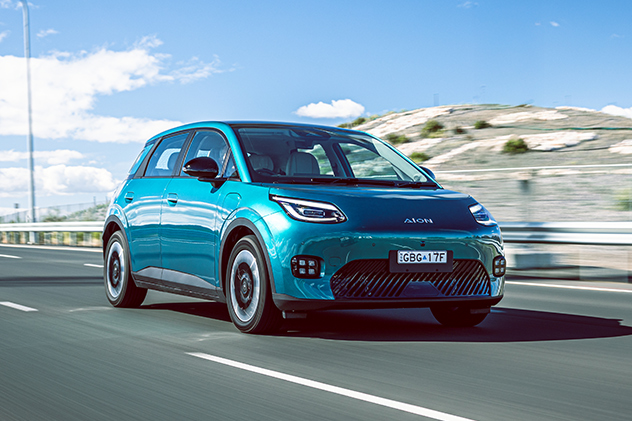
A low kerb weight of 1670-1700kg keeps the drive connected, but spring and damper tuning that’s just too doughy robs it of some engagement and fun that it could (and, in this segment, probably should) deliver.
Chinese-built cars are often criticised for their overzealous active and passive safety features, such as speed warning or lane keeping functions. We criticised the larger Aion V for this very thing, and we mustn’t have been the first, because GAC says it has detuned the system for the Aion UT, and it shows.
Bings and bongs are kept to a minimum, informing drivers without driving them cuckoo, and lane departure warnings and intervention are kept to a minimum even on country roads where many systems begin to fail. Impressive implementation, especially for a brand so new to the game.
Open Road’s take on the 2026 GAC Aion UT
It appears the brand’s local arm has decided to save the best for last – the 2026 GAC Aion UT is easily its most compelling offering so far.
Combining chic styling, comfortable driving dynamics and decent electric efficiency, with a seriously low price tag and even more seriously long list of standard inclusions, the Aion UT feels like a benchmark reset for just how much tech and refinement can be packed into a tiny sticker price.
An unexpected entrant into the electric hatch segment, the 2026 GAC Aion UT has come in swinging for the fences. We think it might just score a few home runs.
Pros
- Quality fit and finish
- Cabin comfort
- Seriously good value
Cons
- Floaty ride
- Too much screen, too few buttons
- Lacking boot space