2026 Polestar 5 review
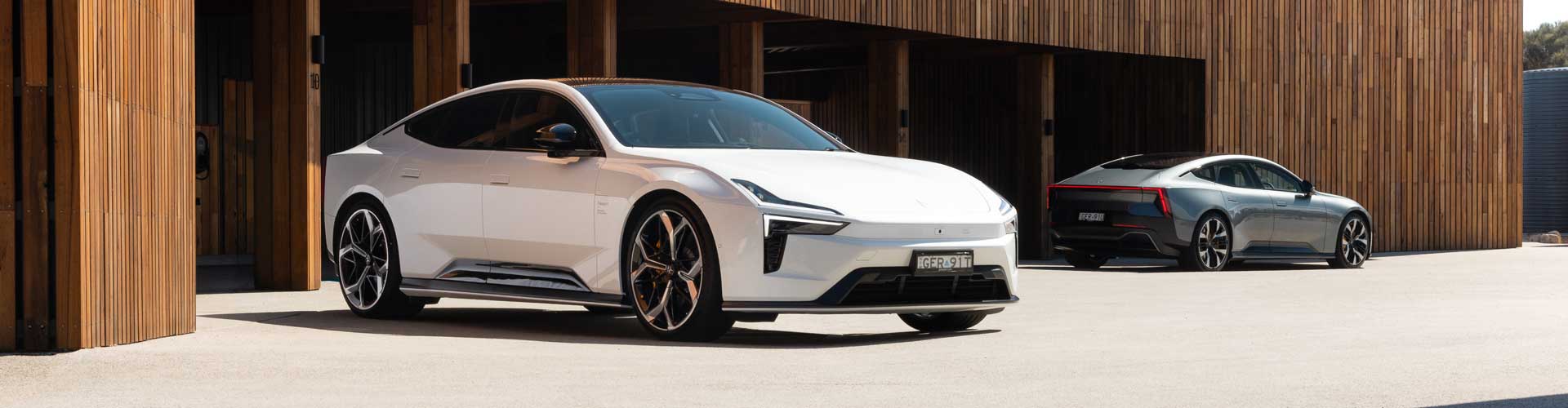
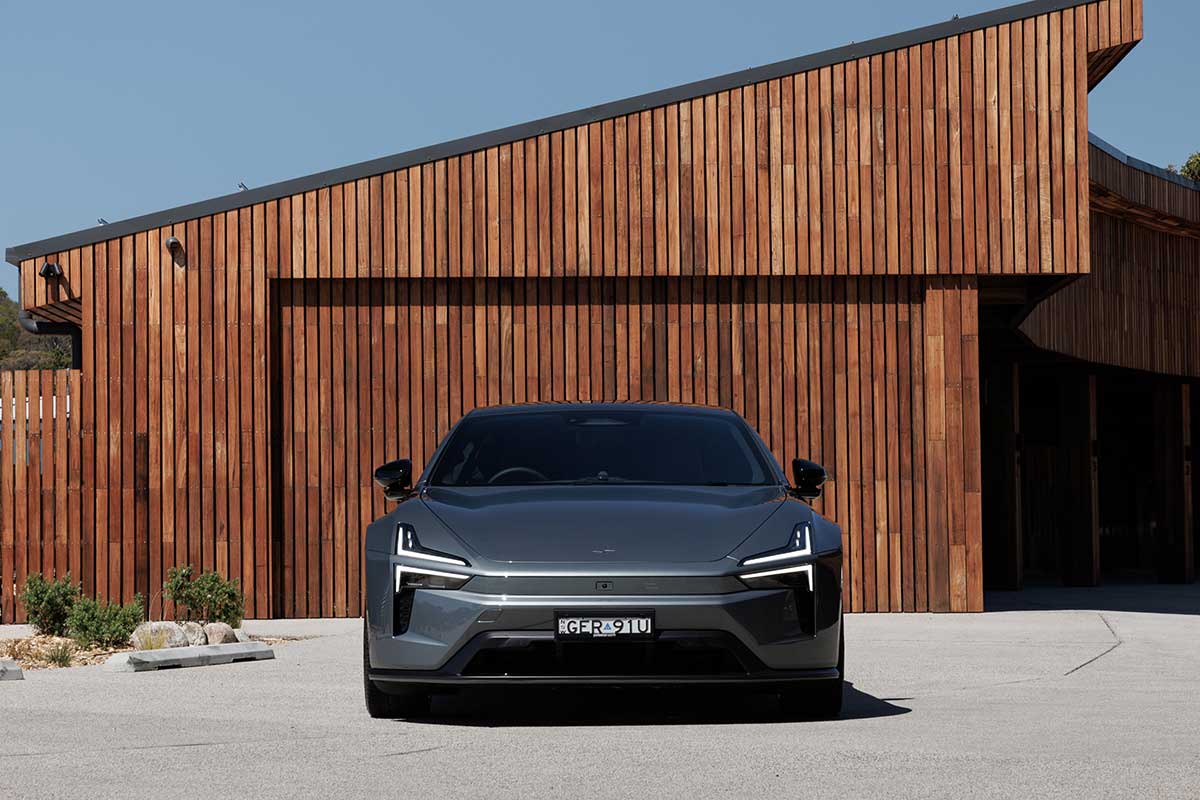
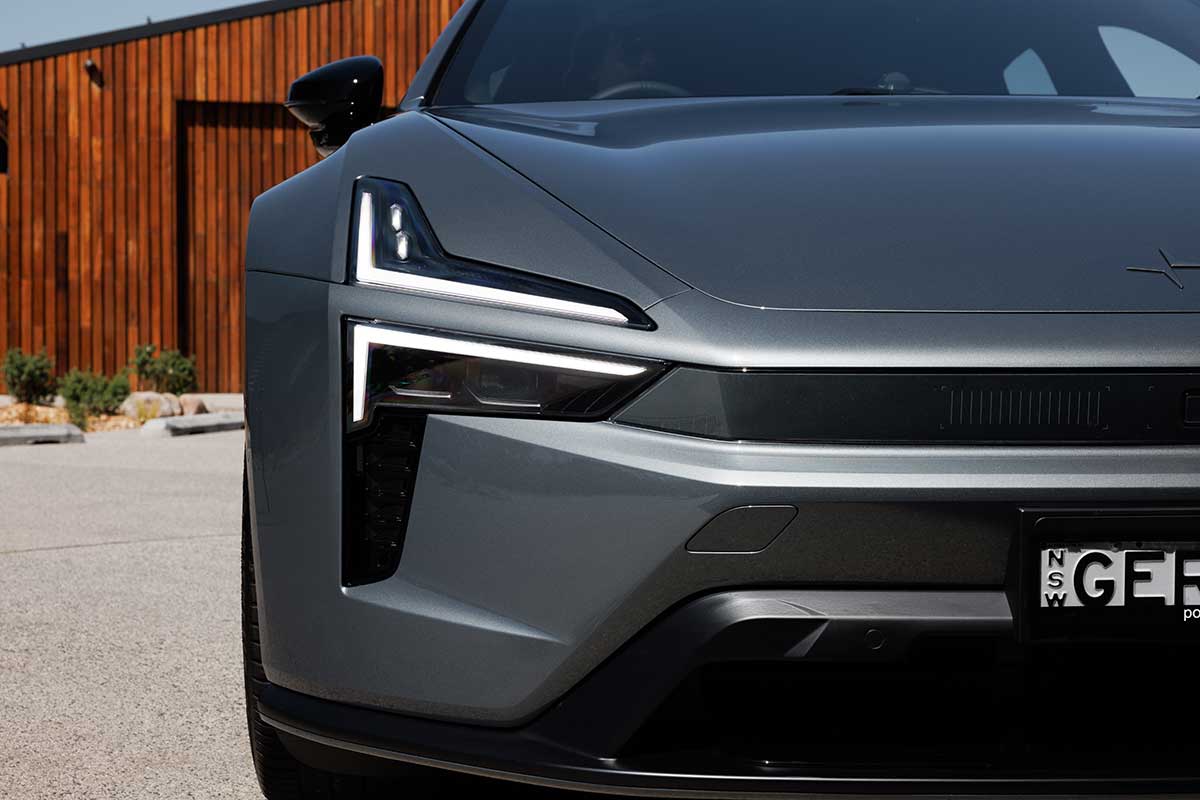
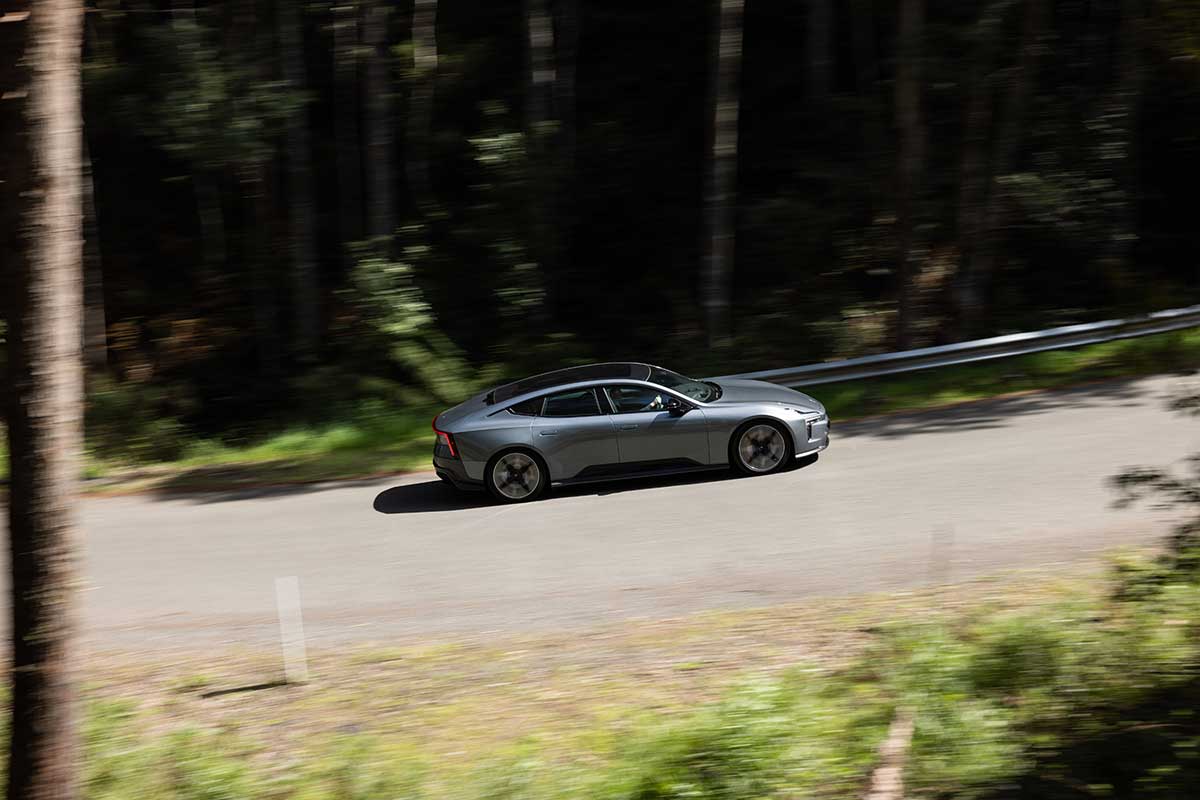
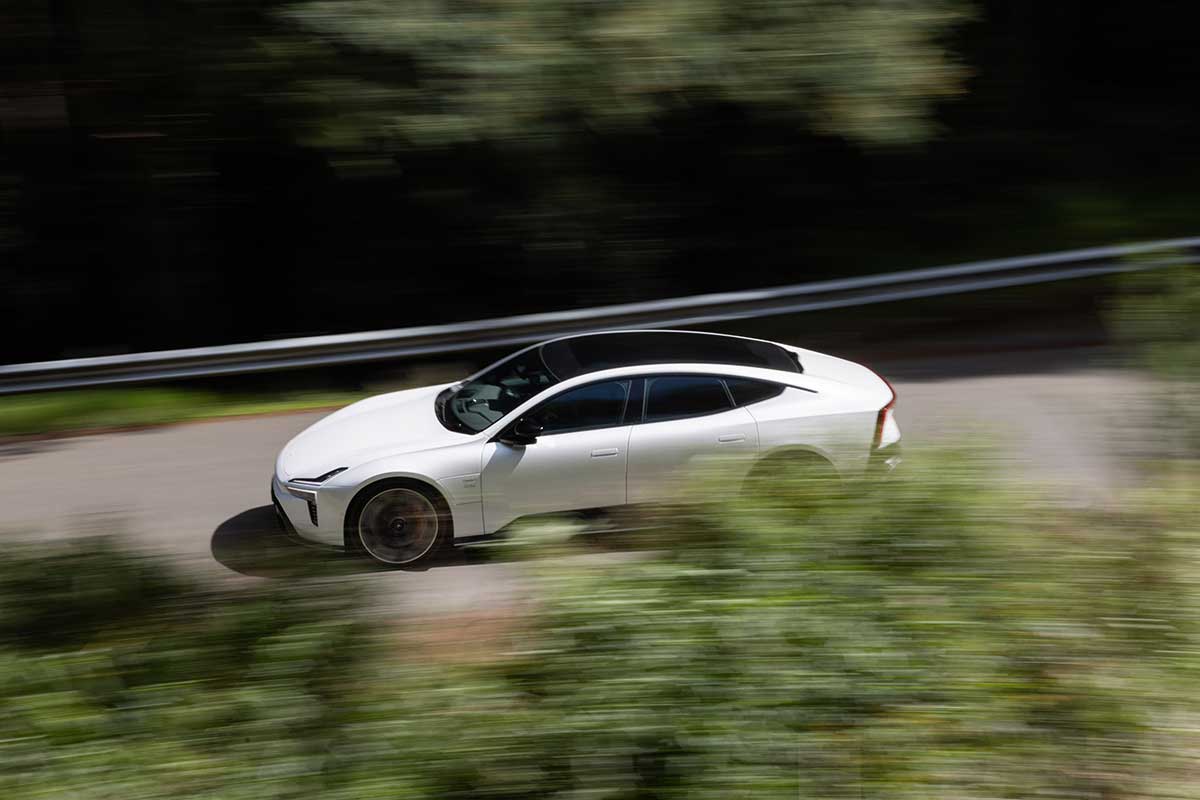
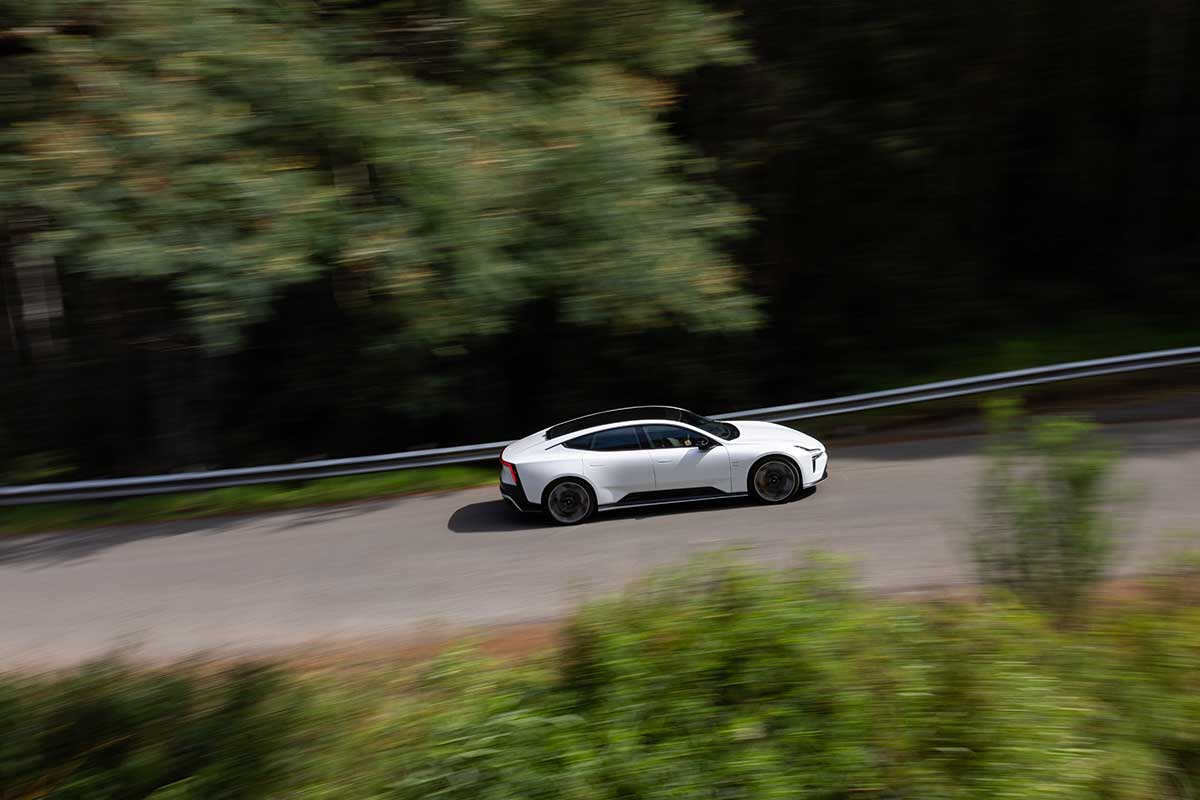
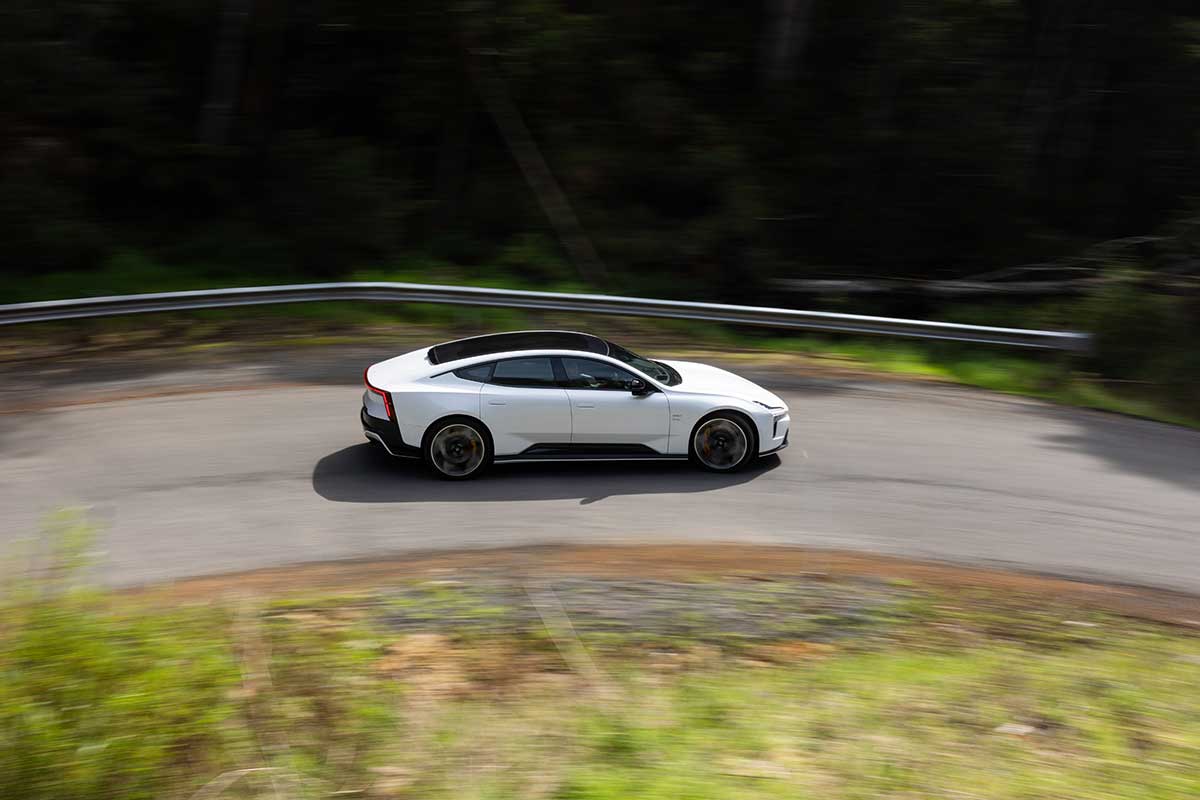
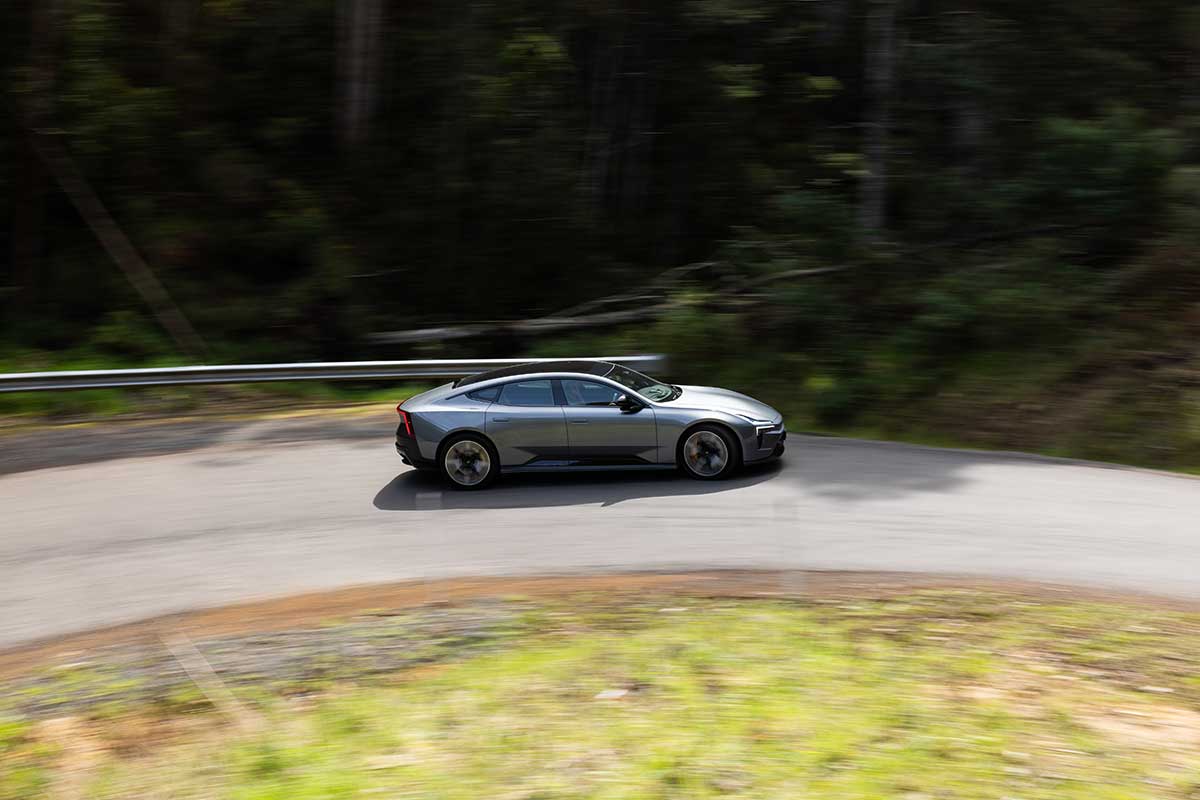
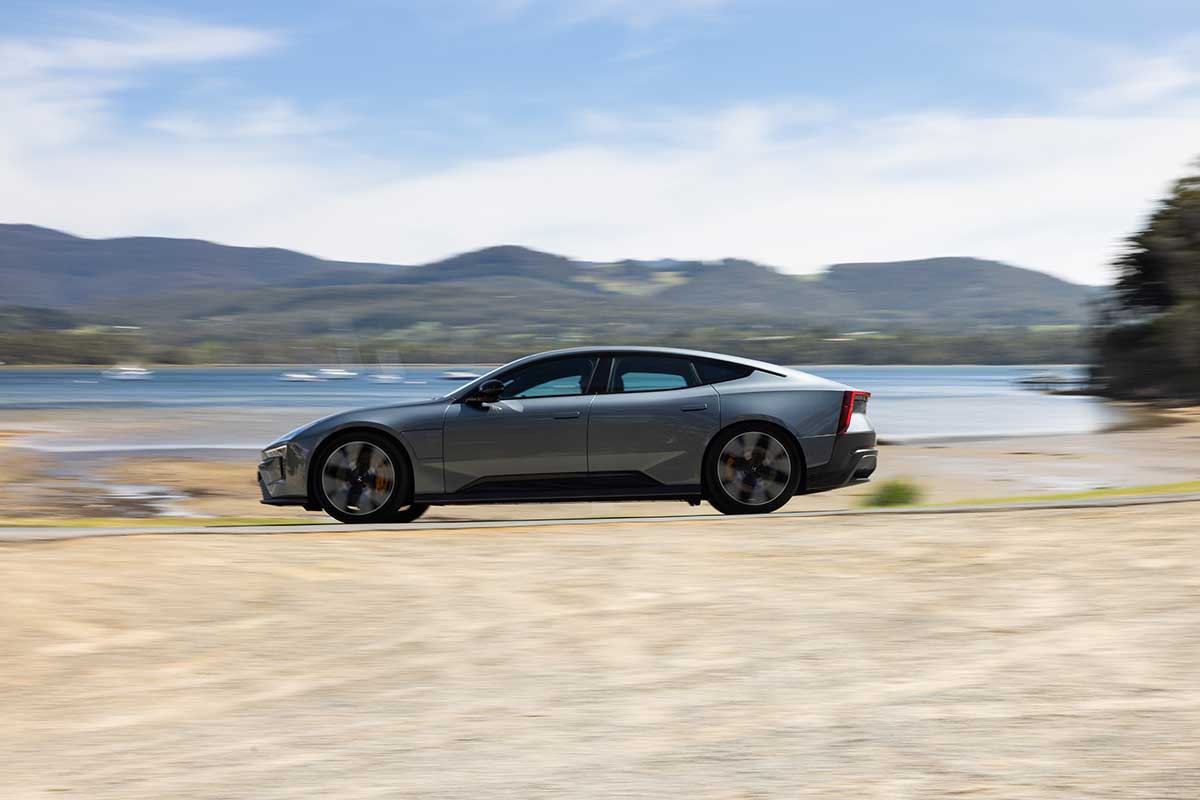
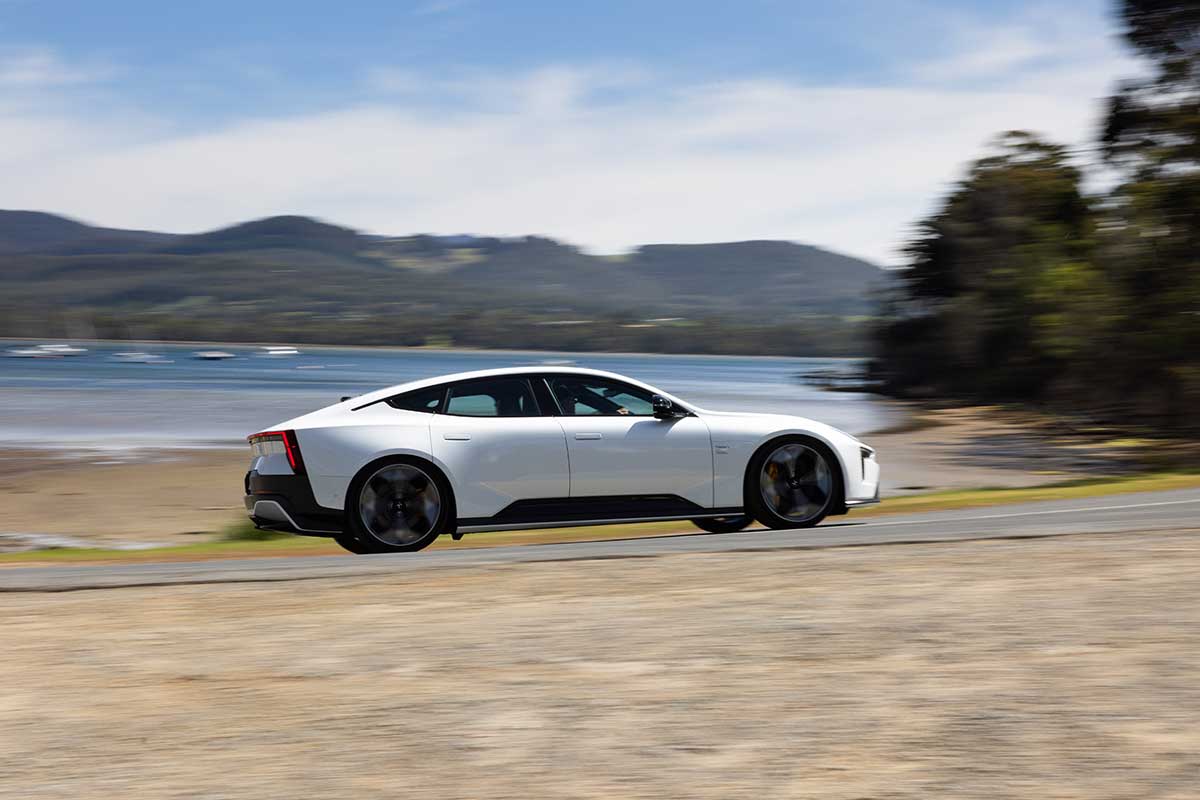
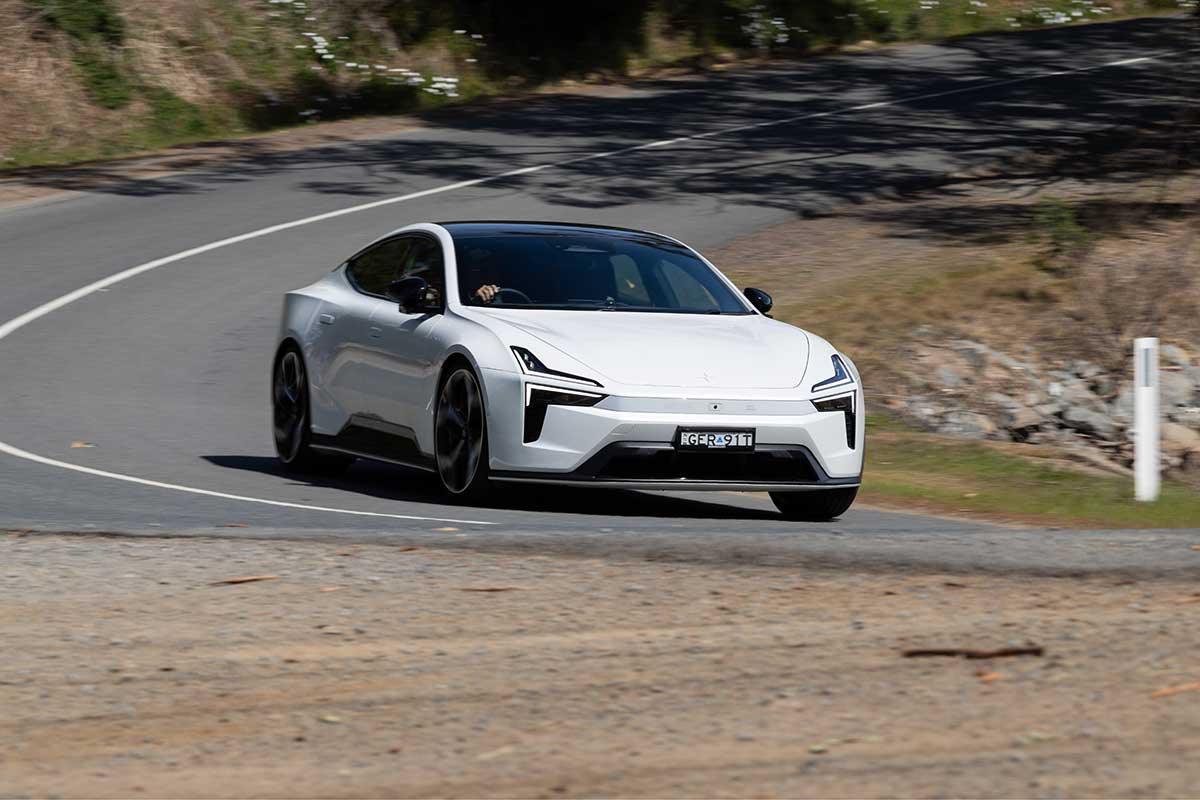
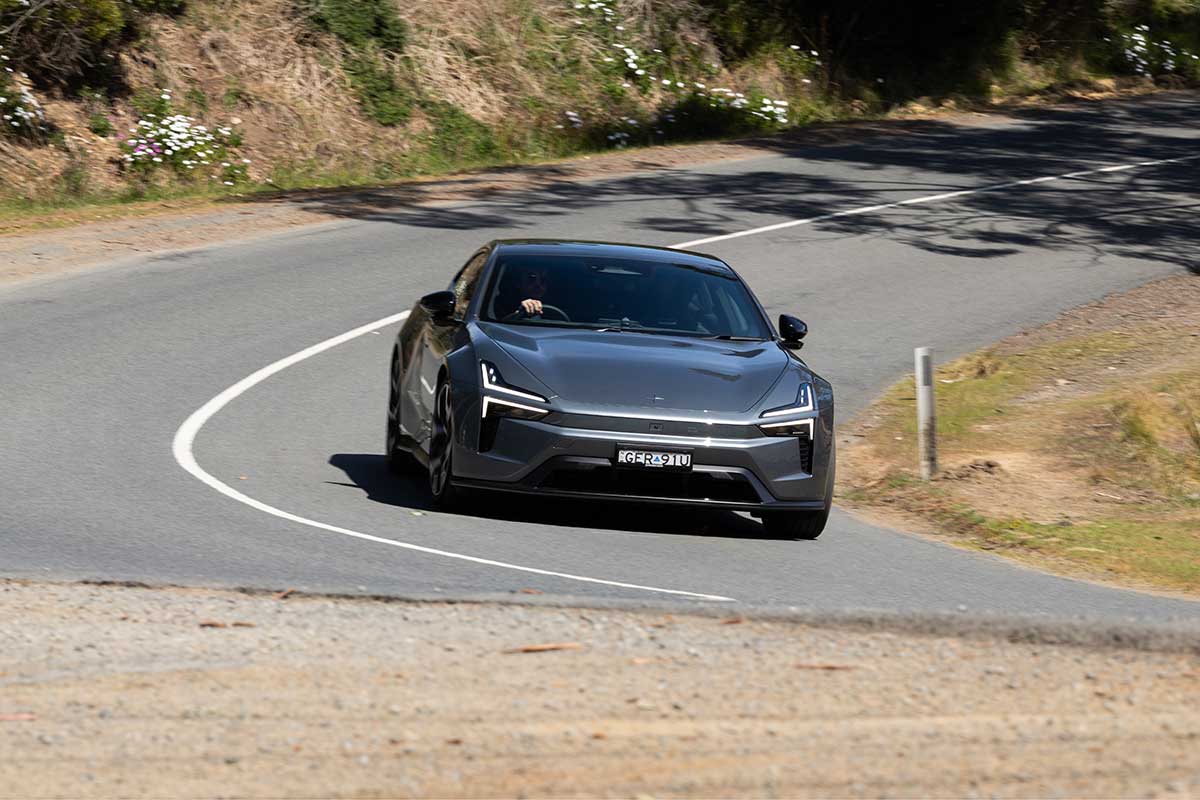
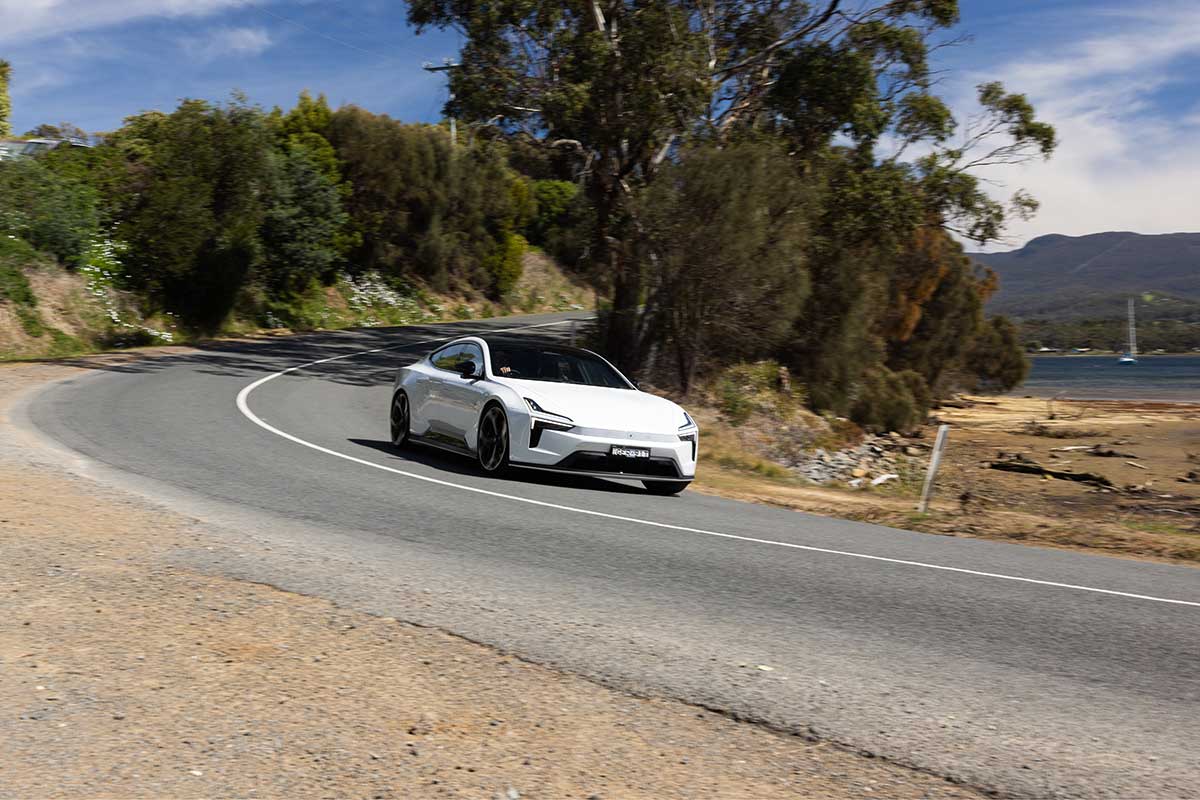
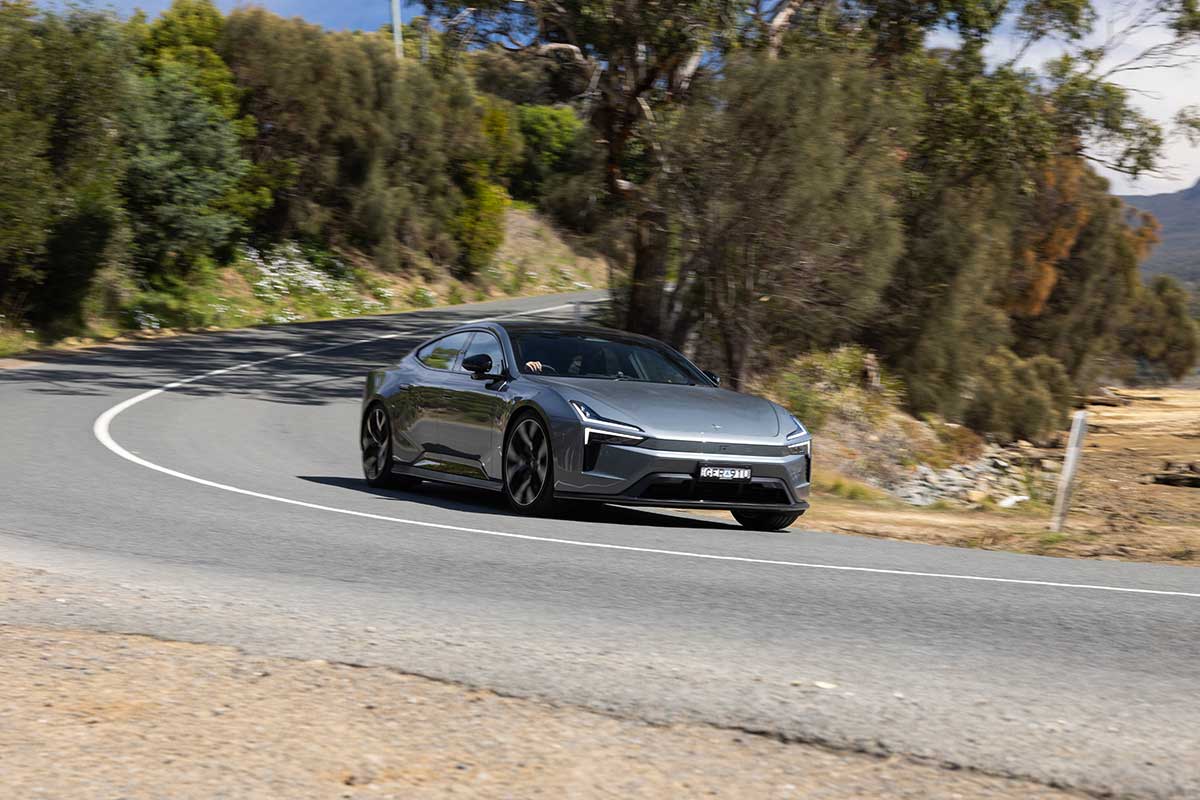
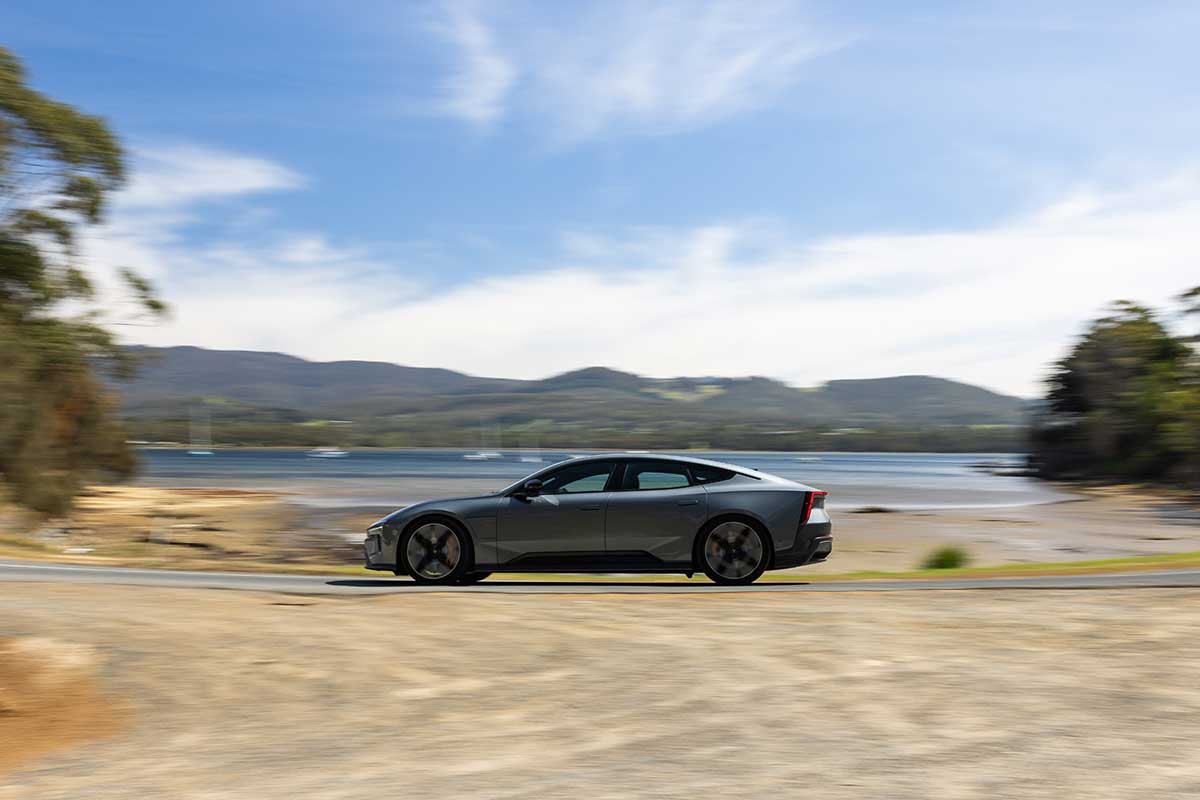
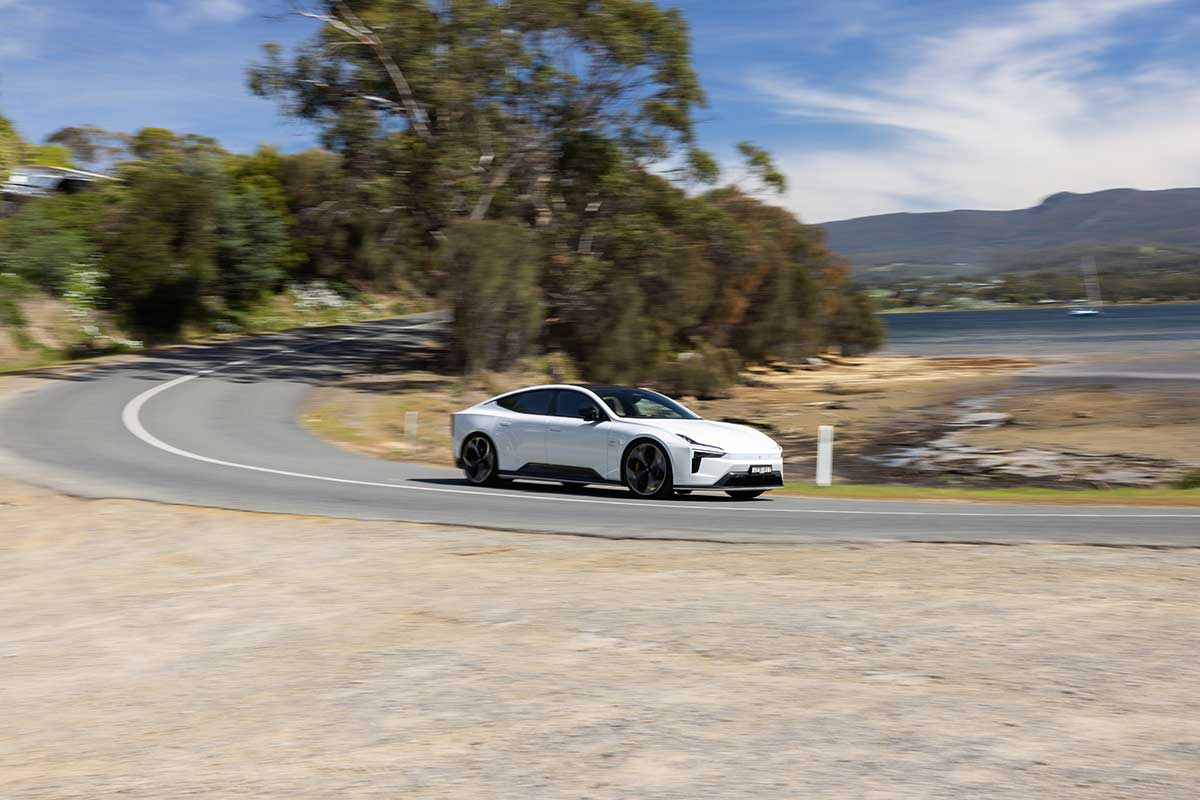
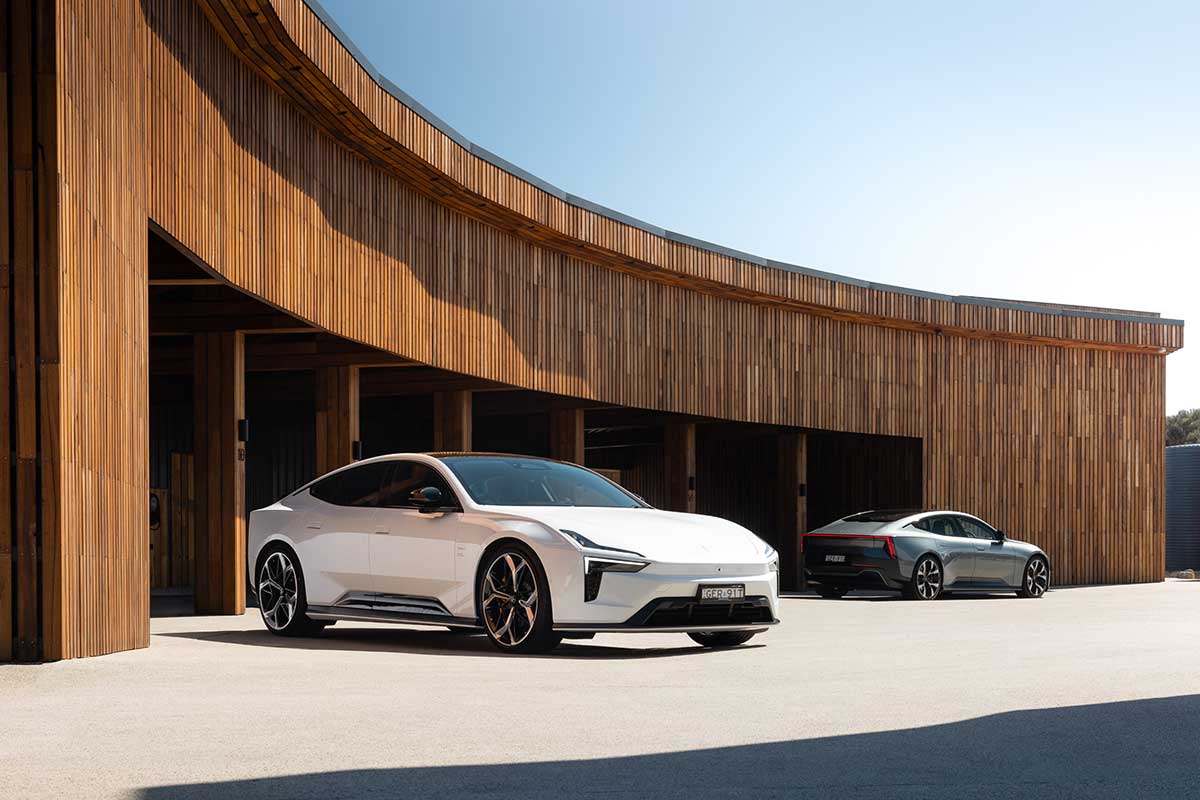
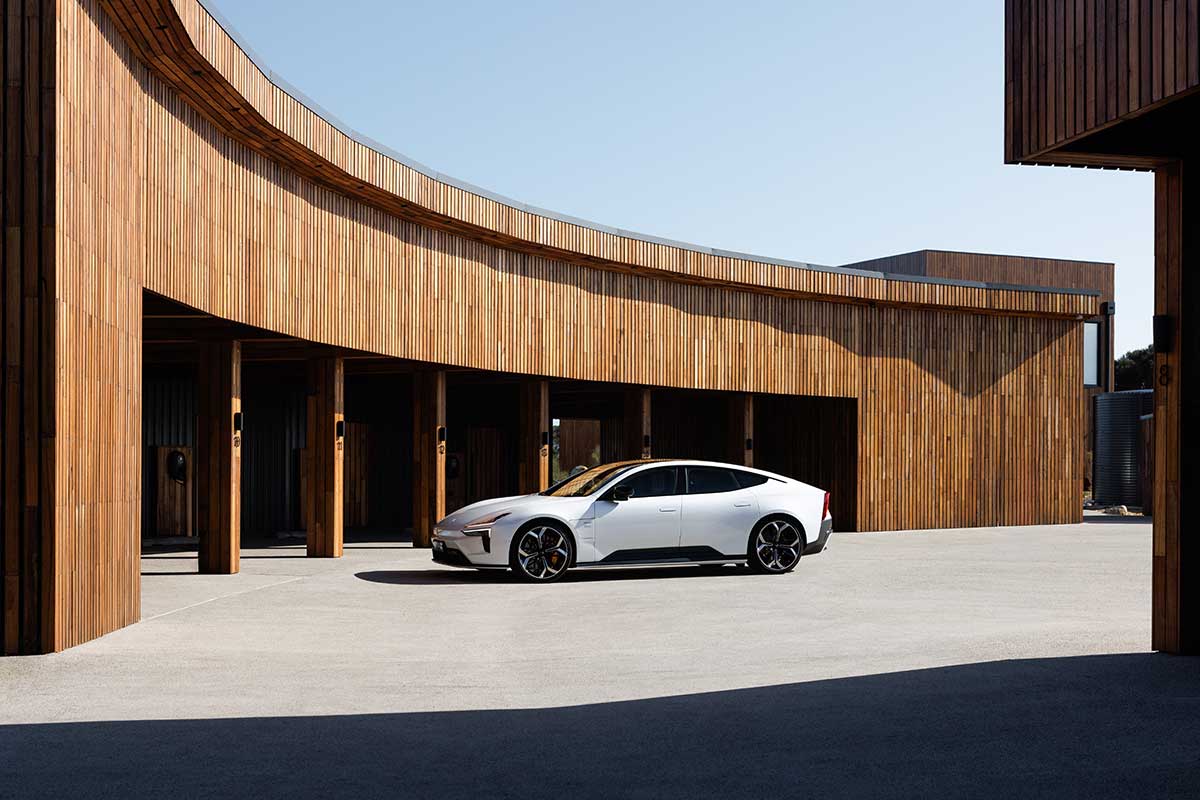
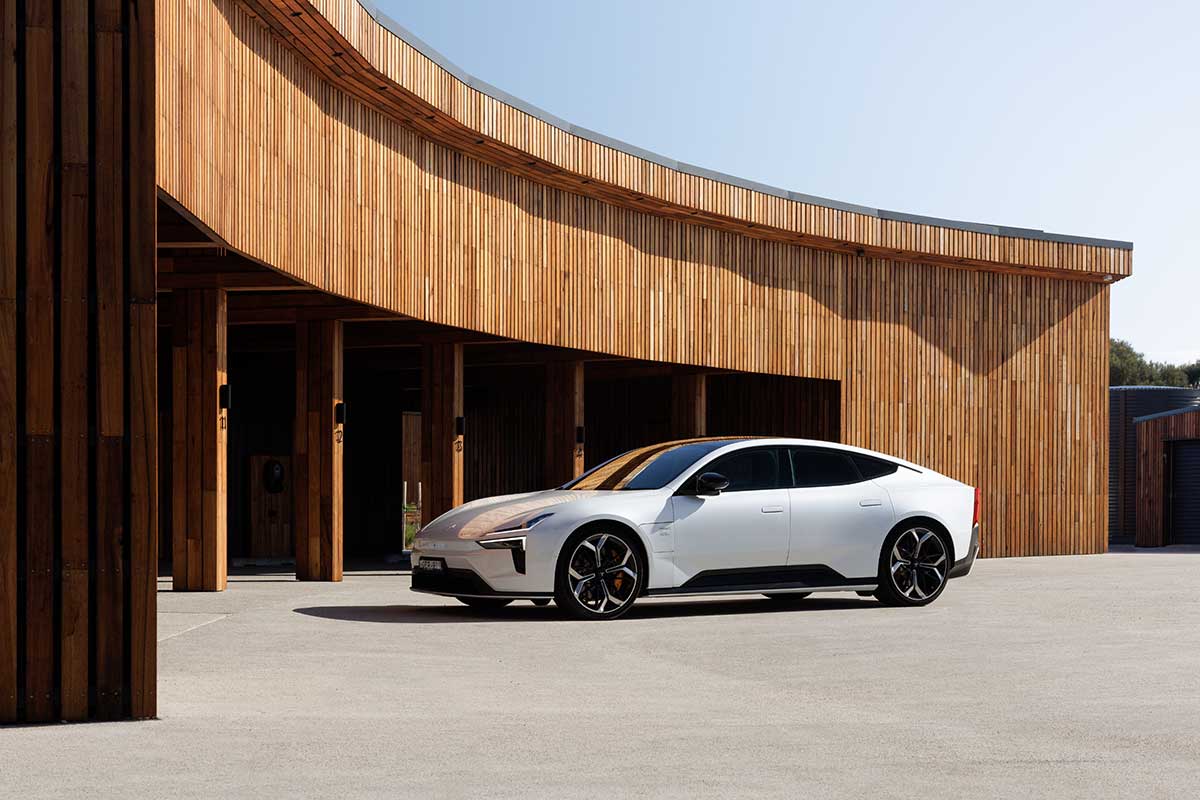
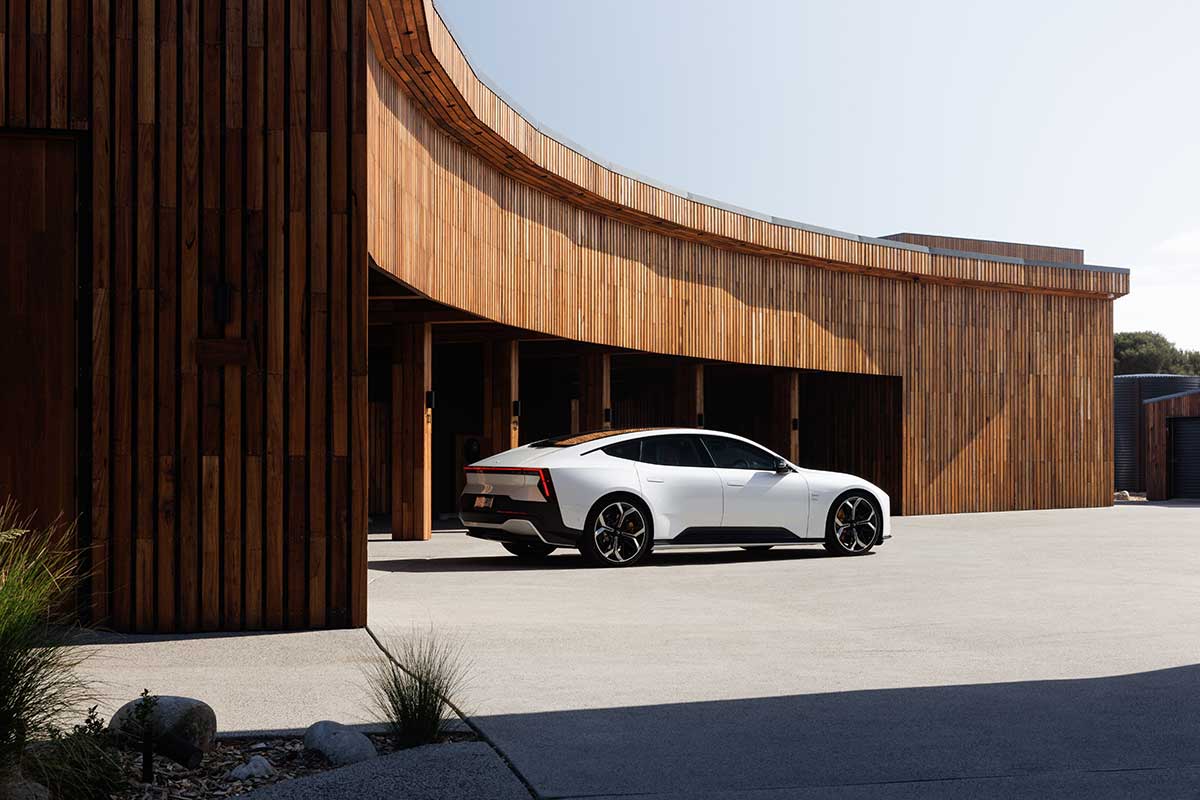
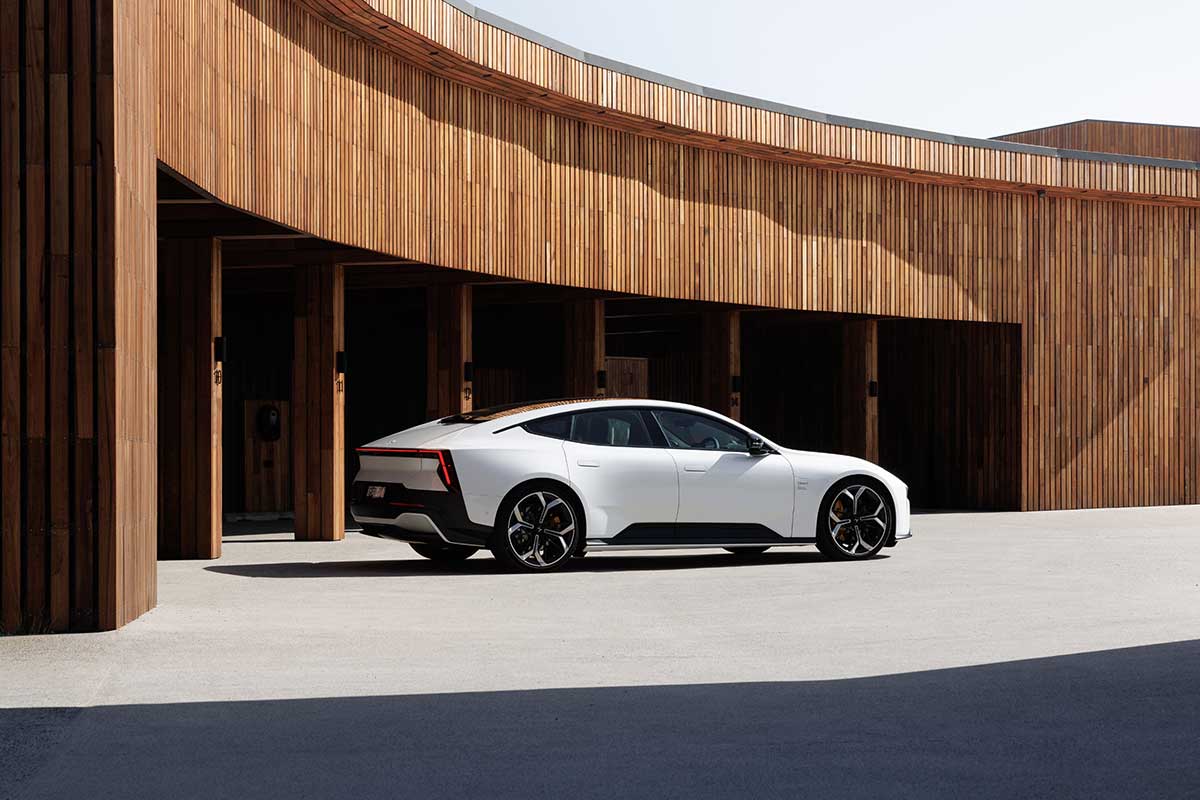
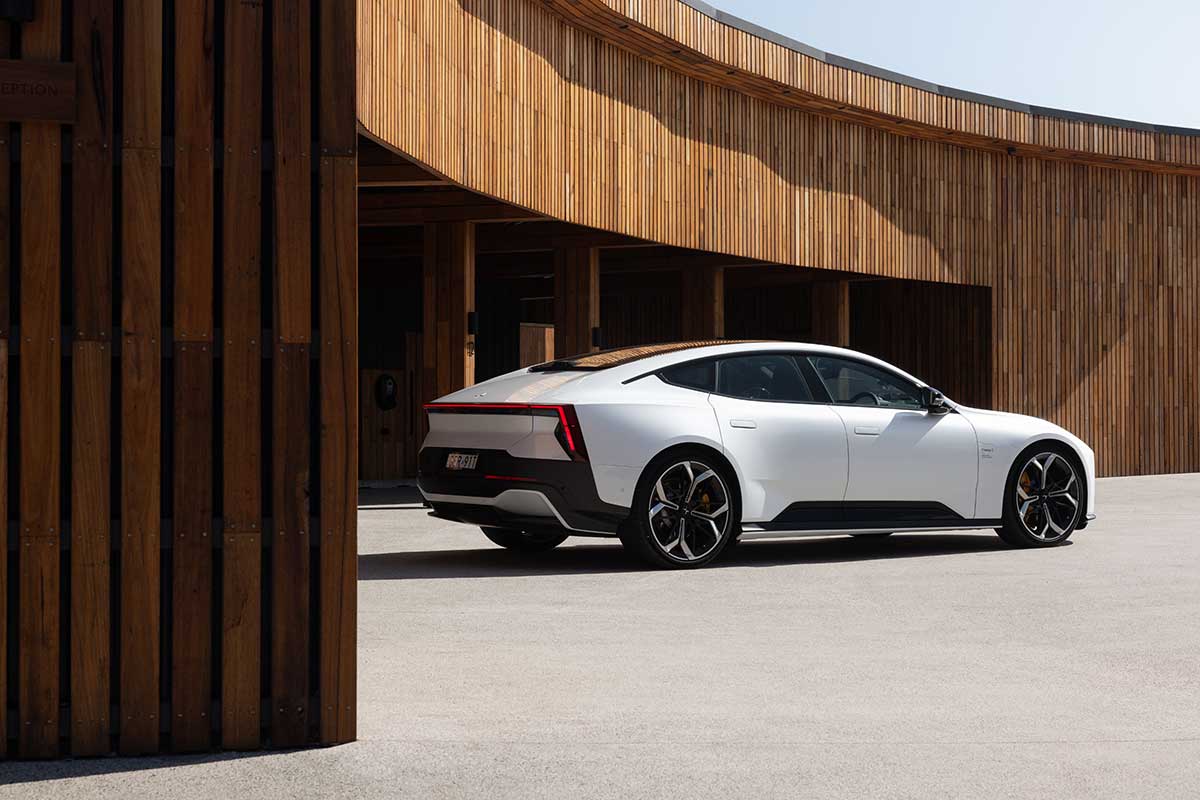
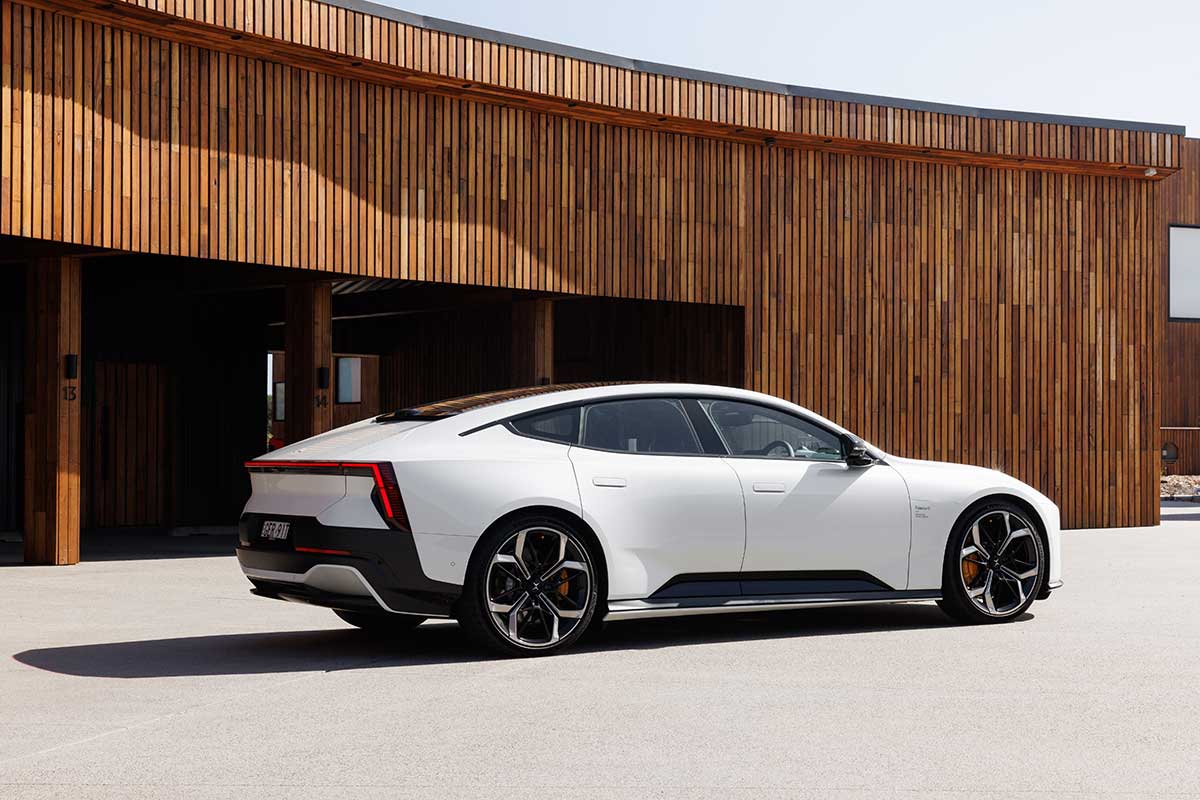
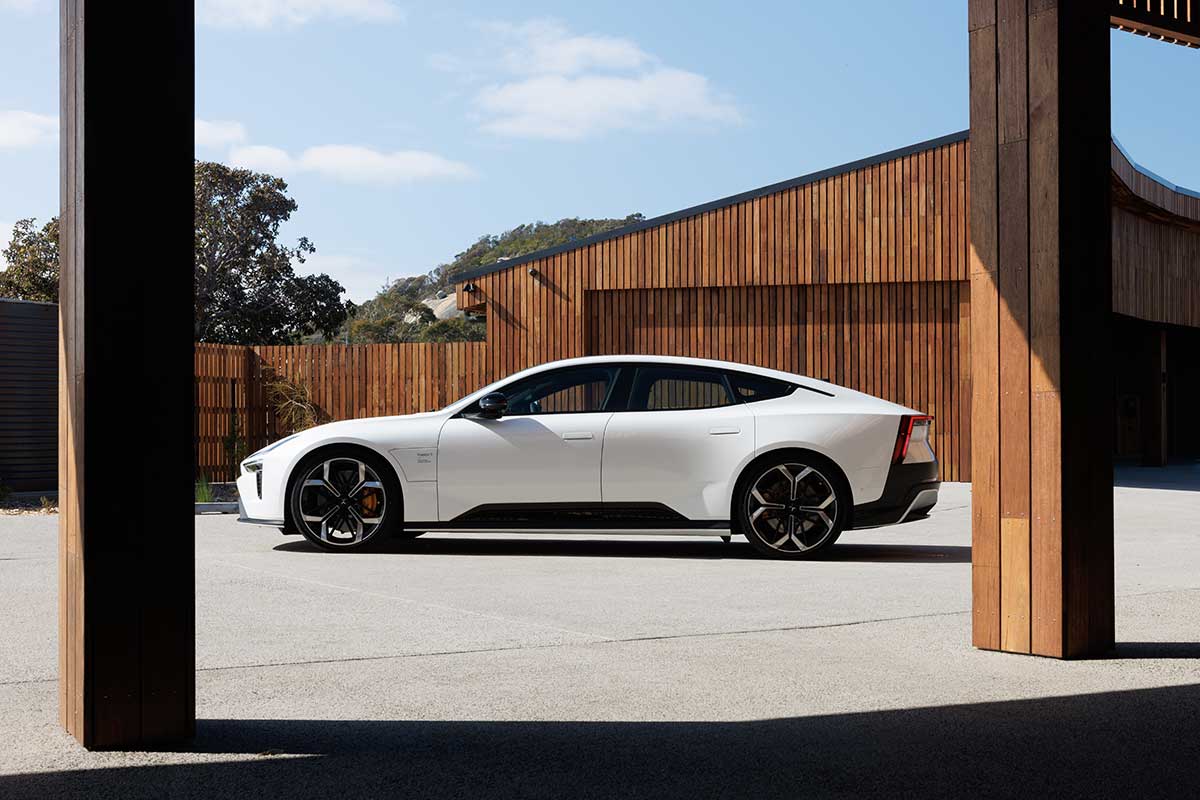
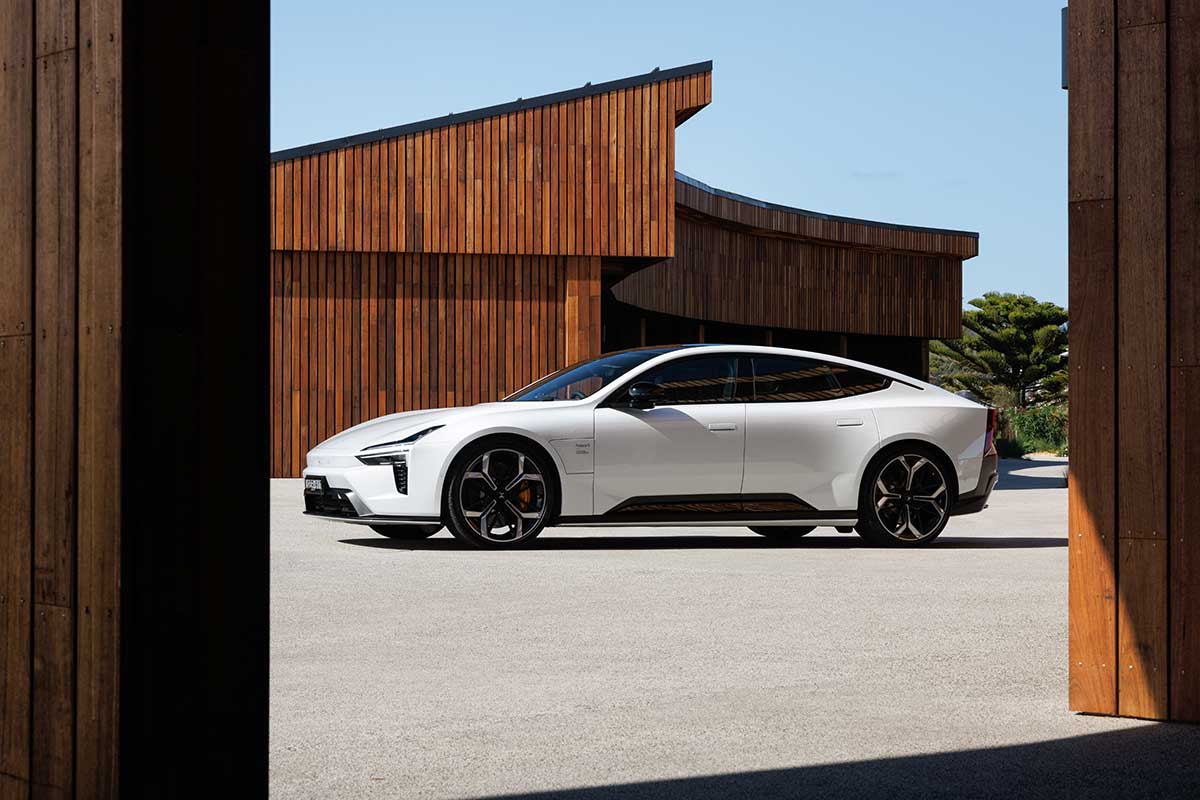
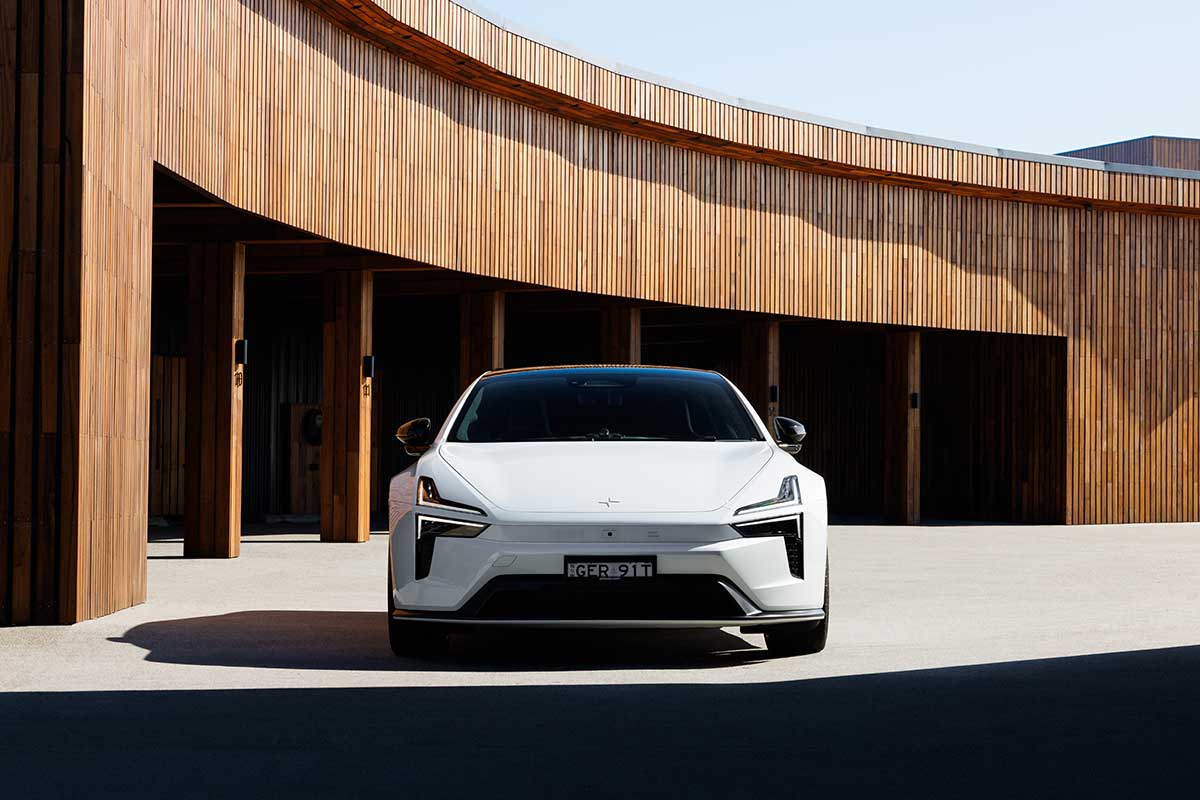
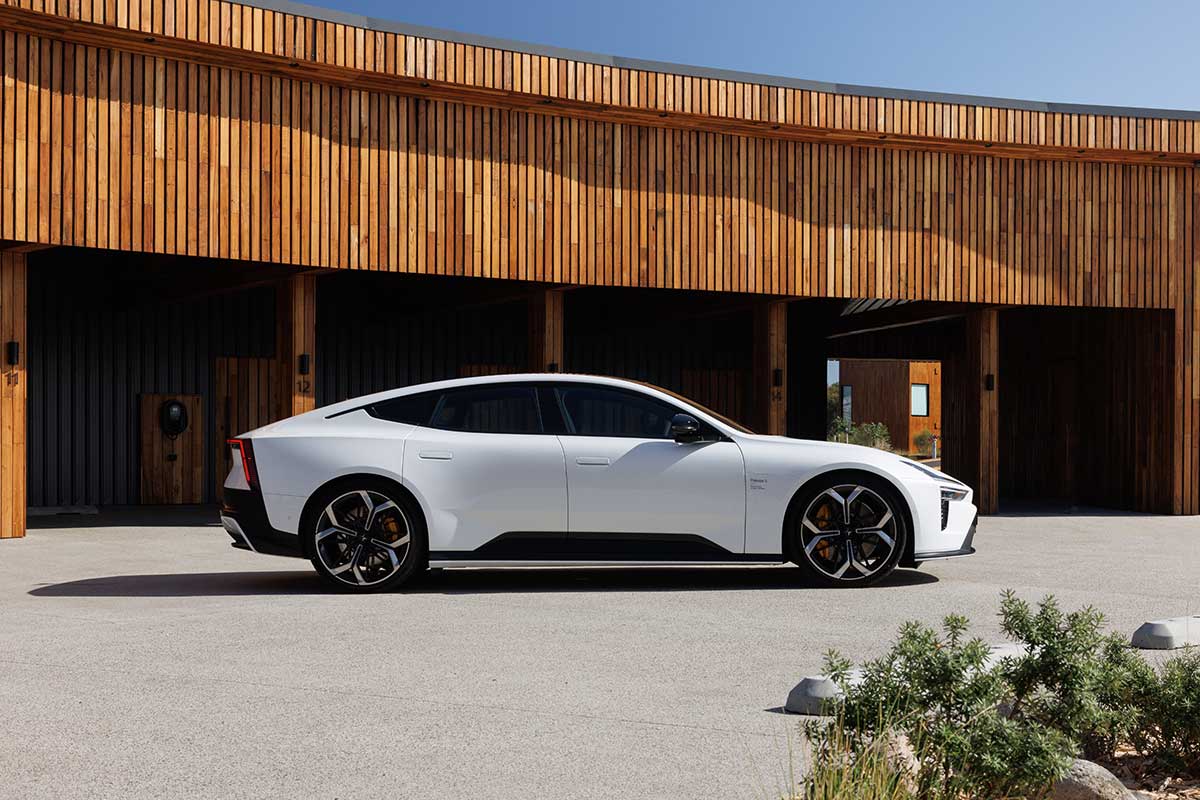
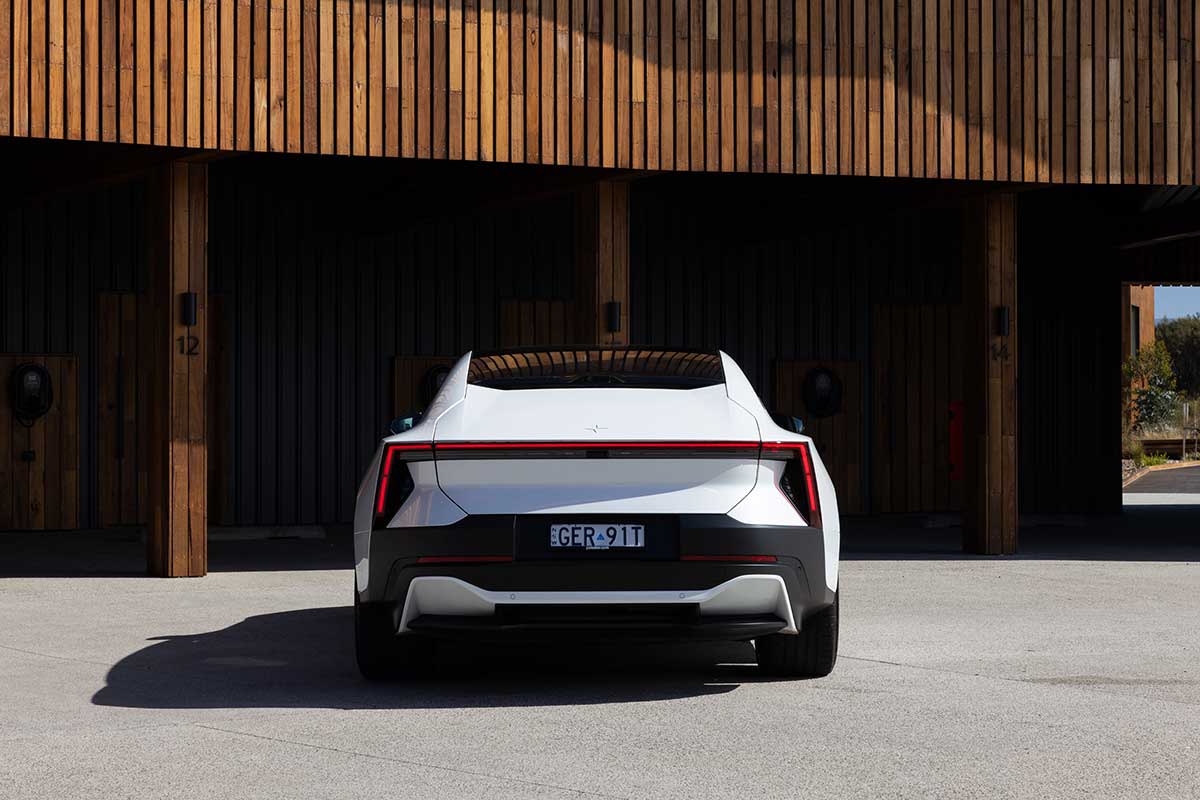
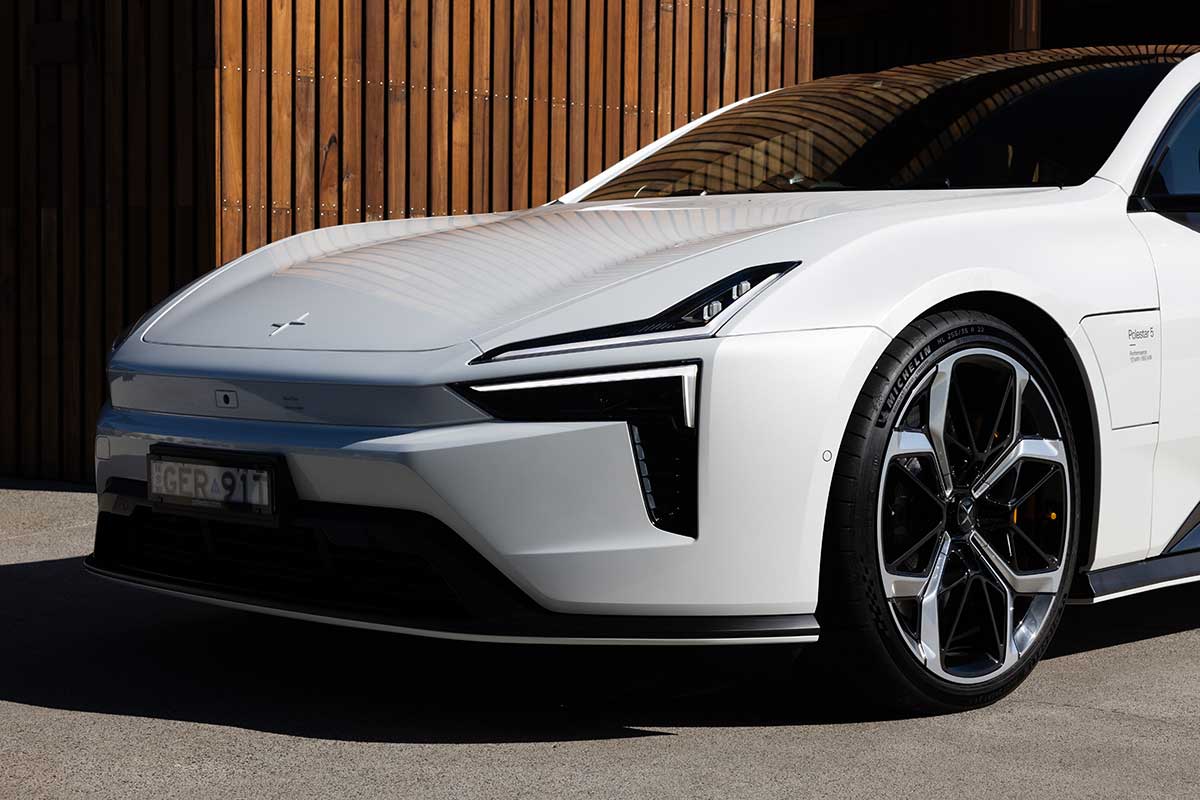
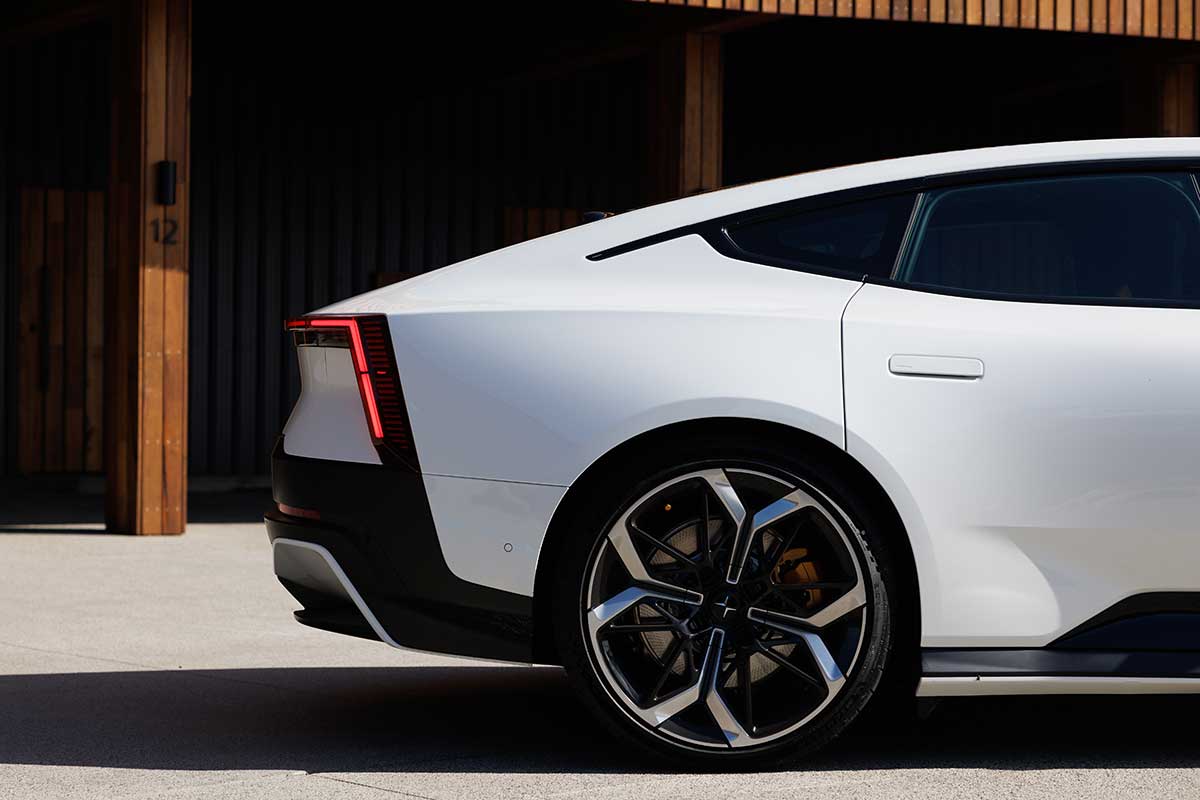
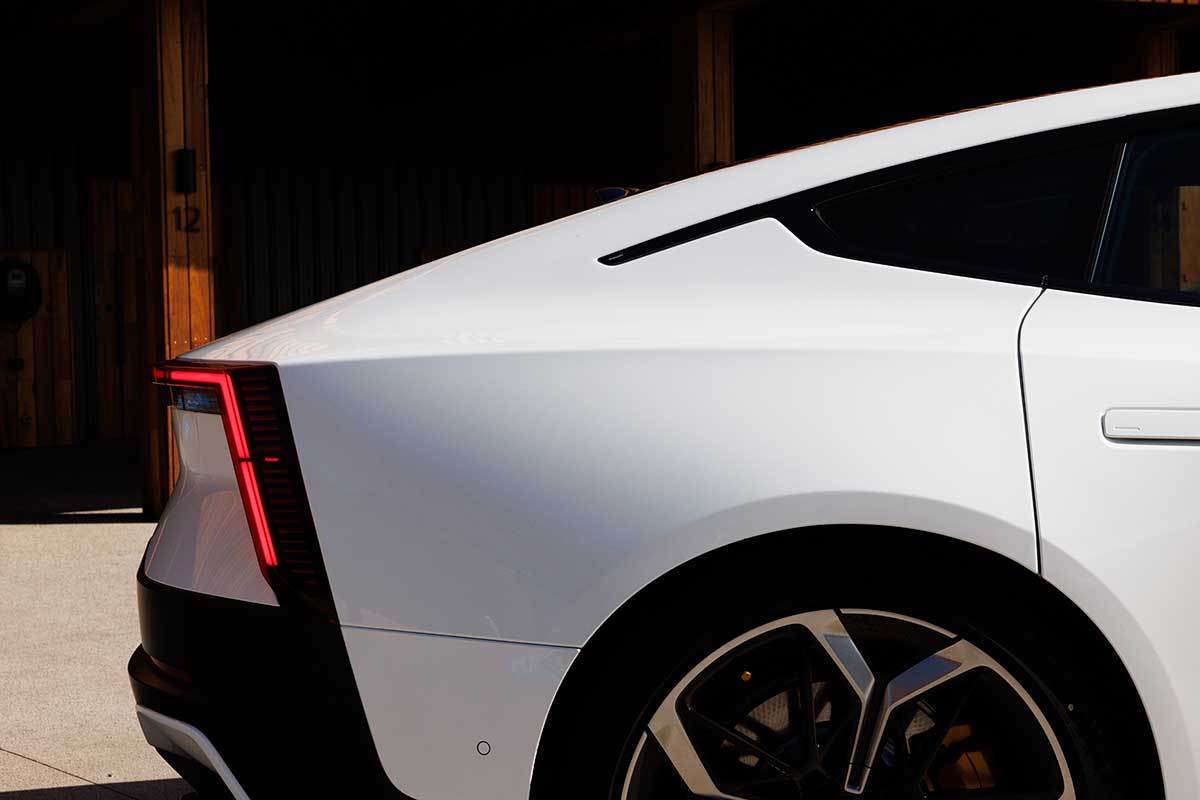
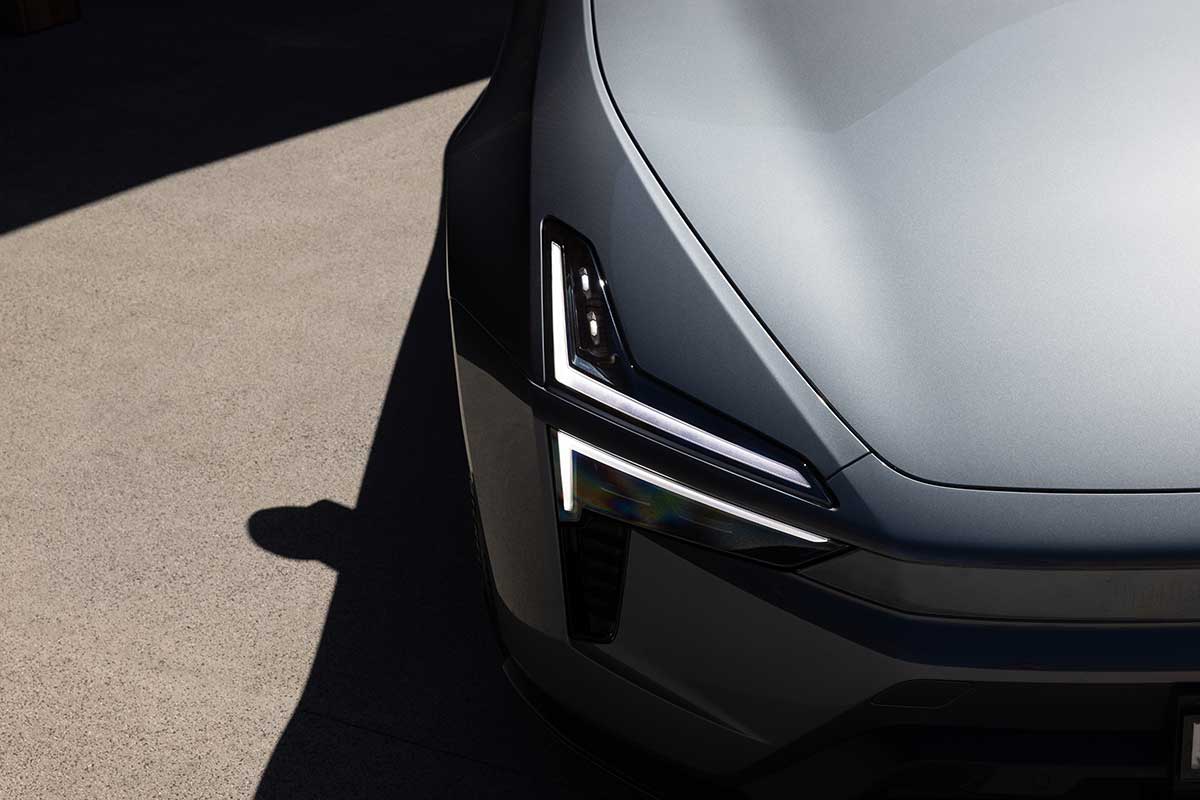
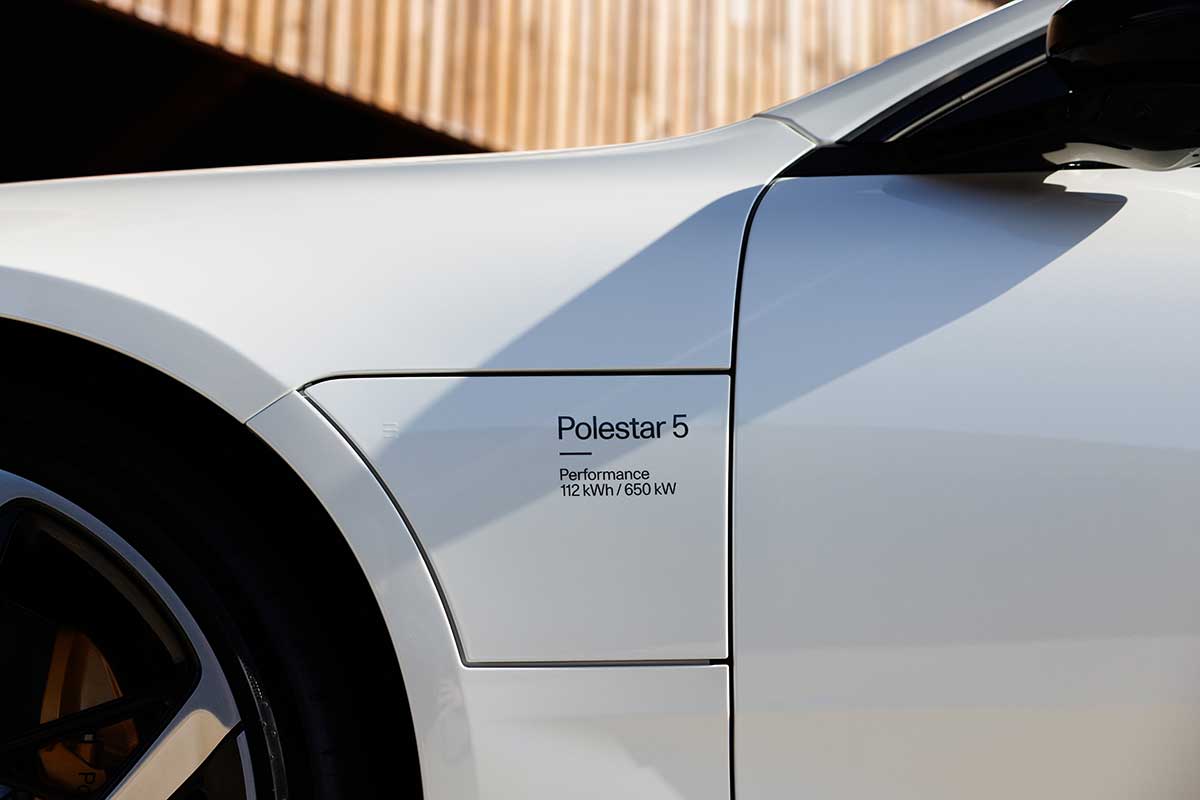
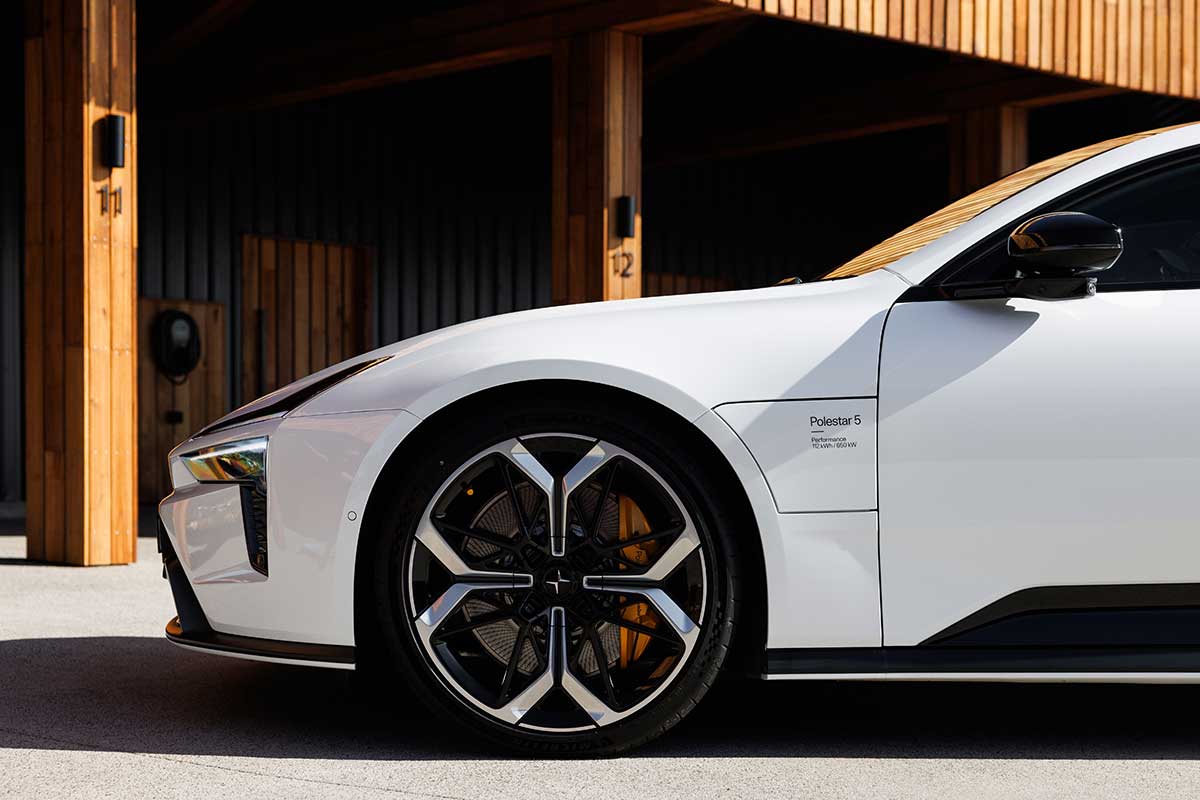
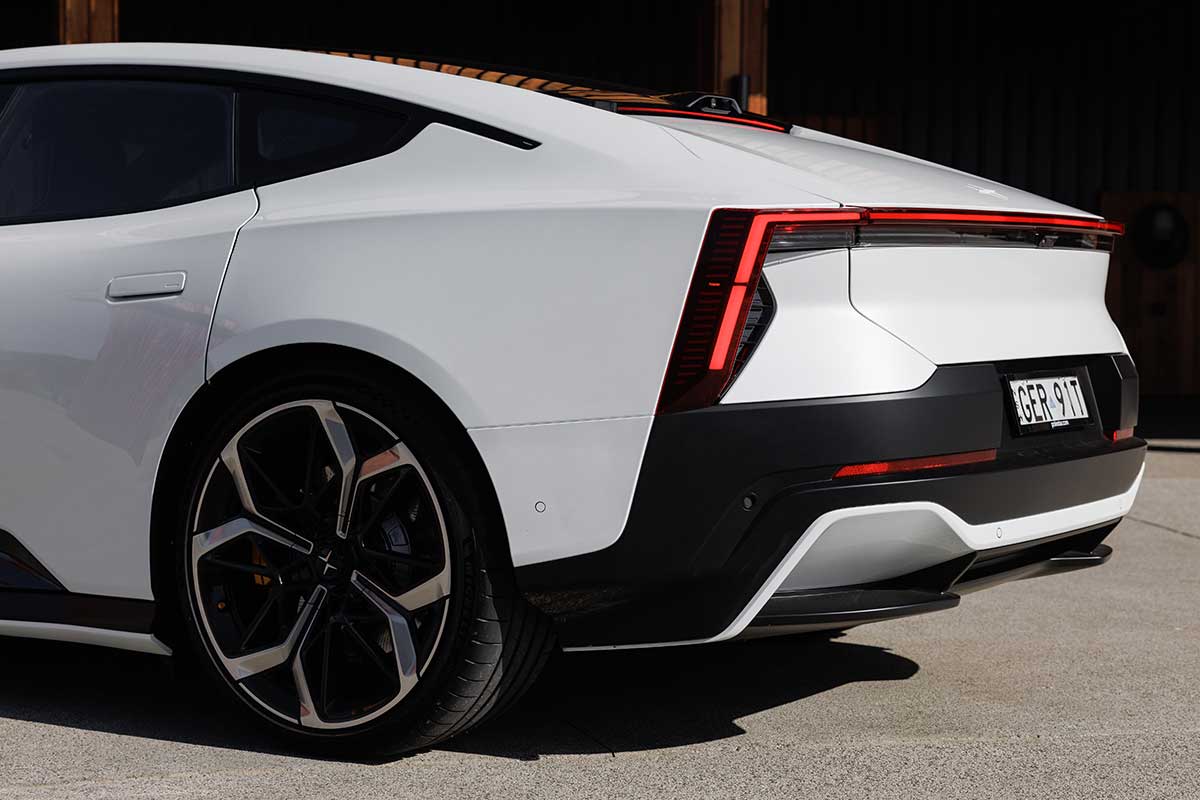
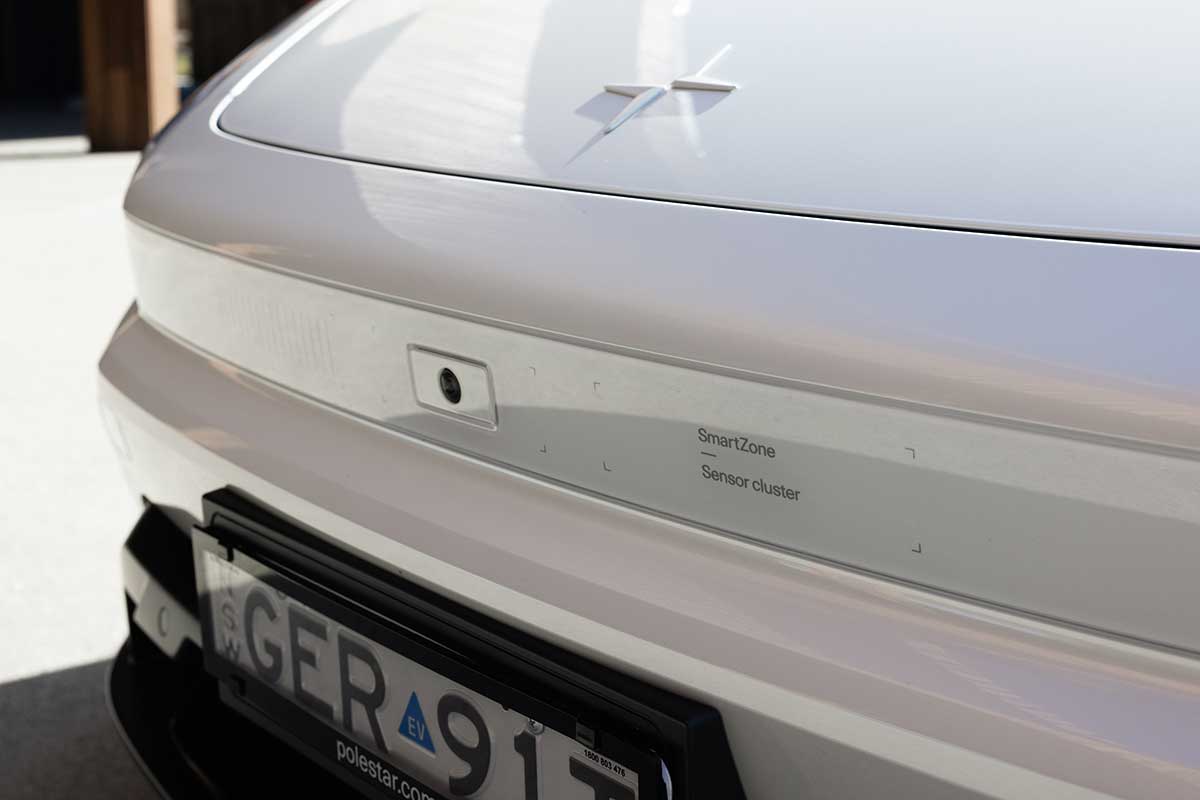
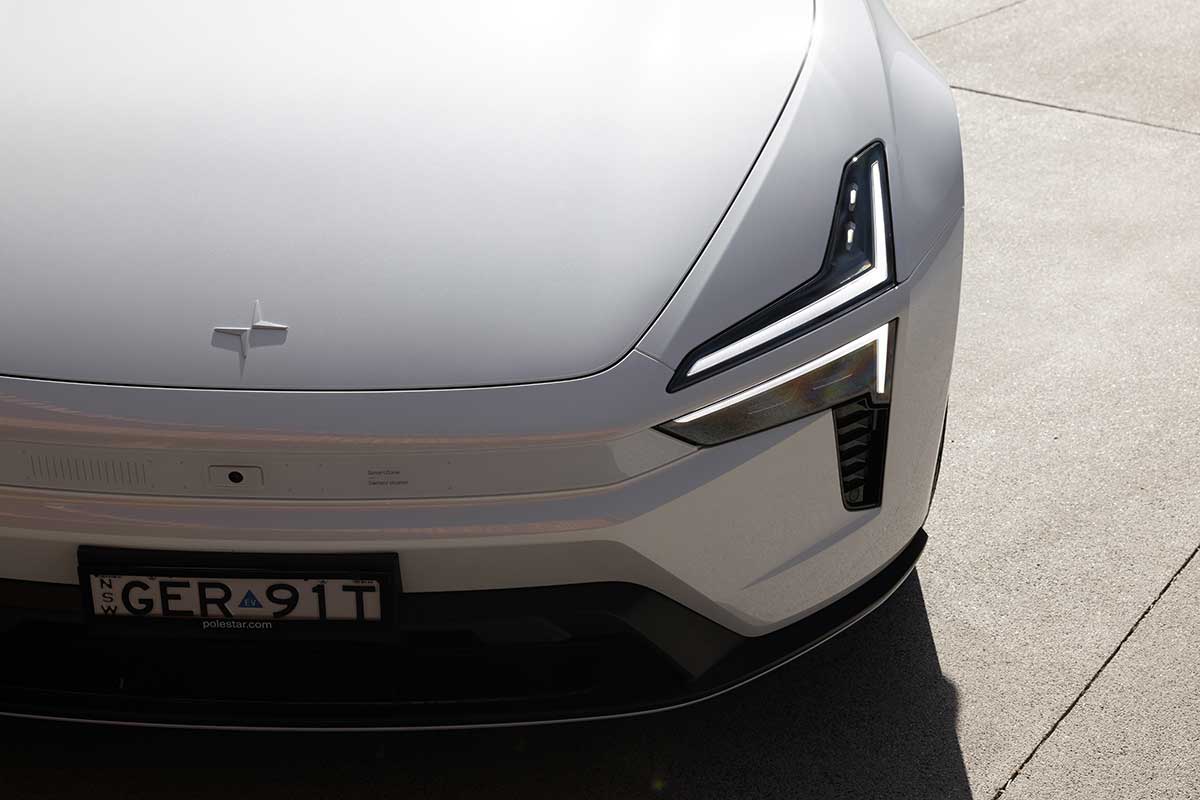
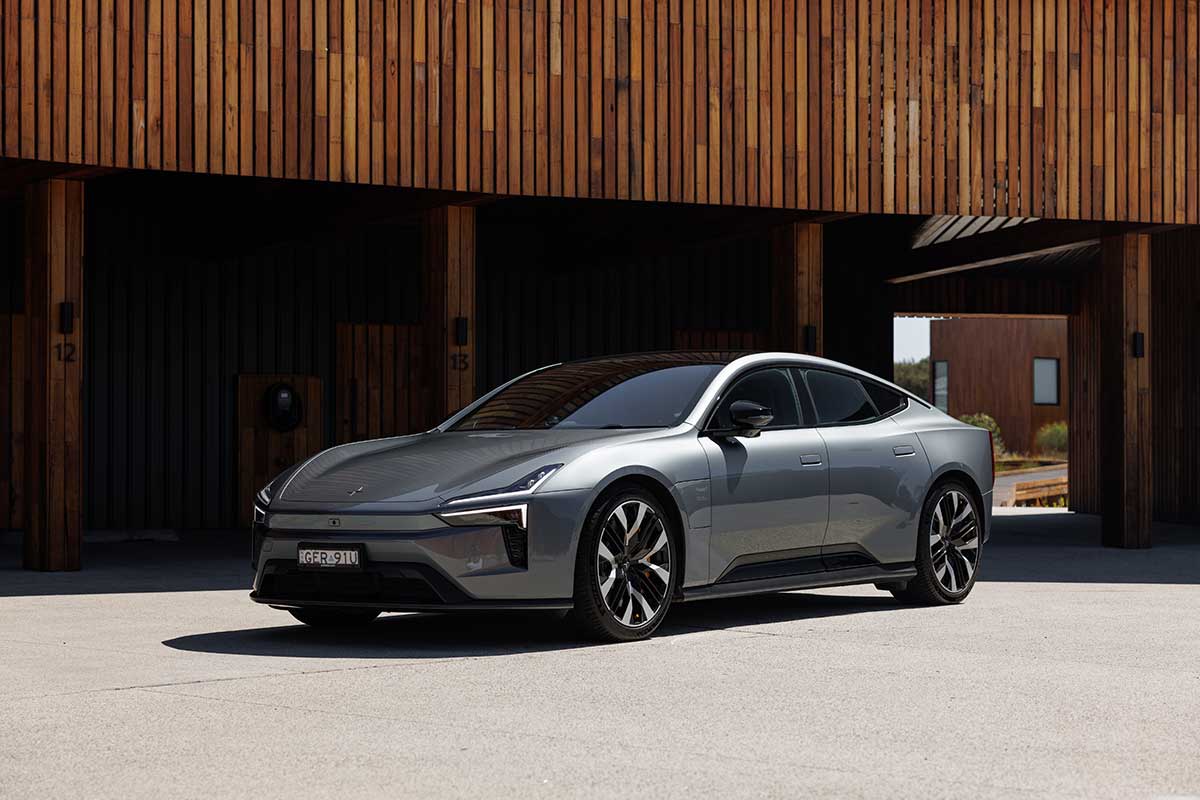
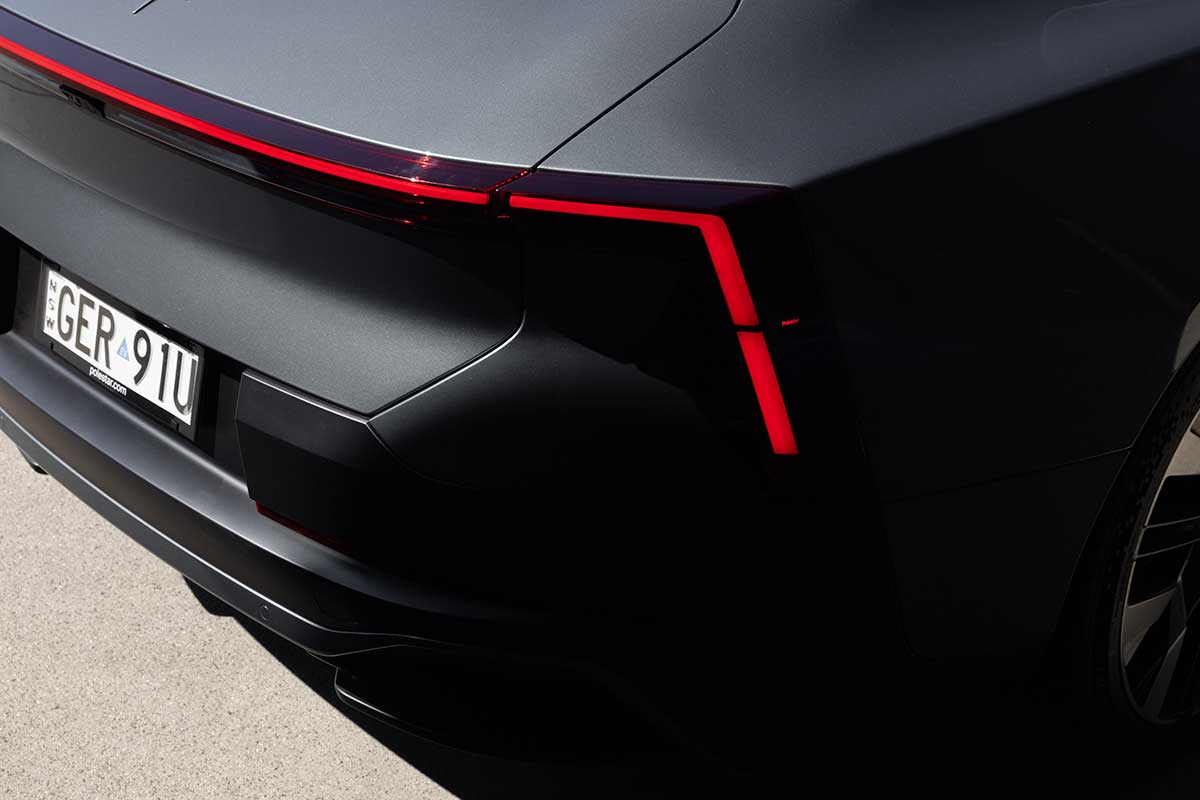
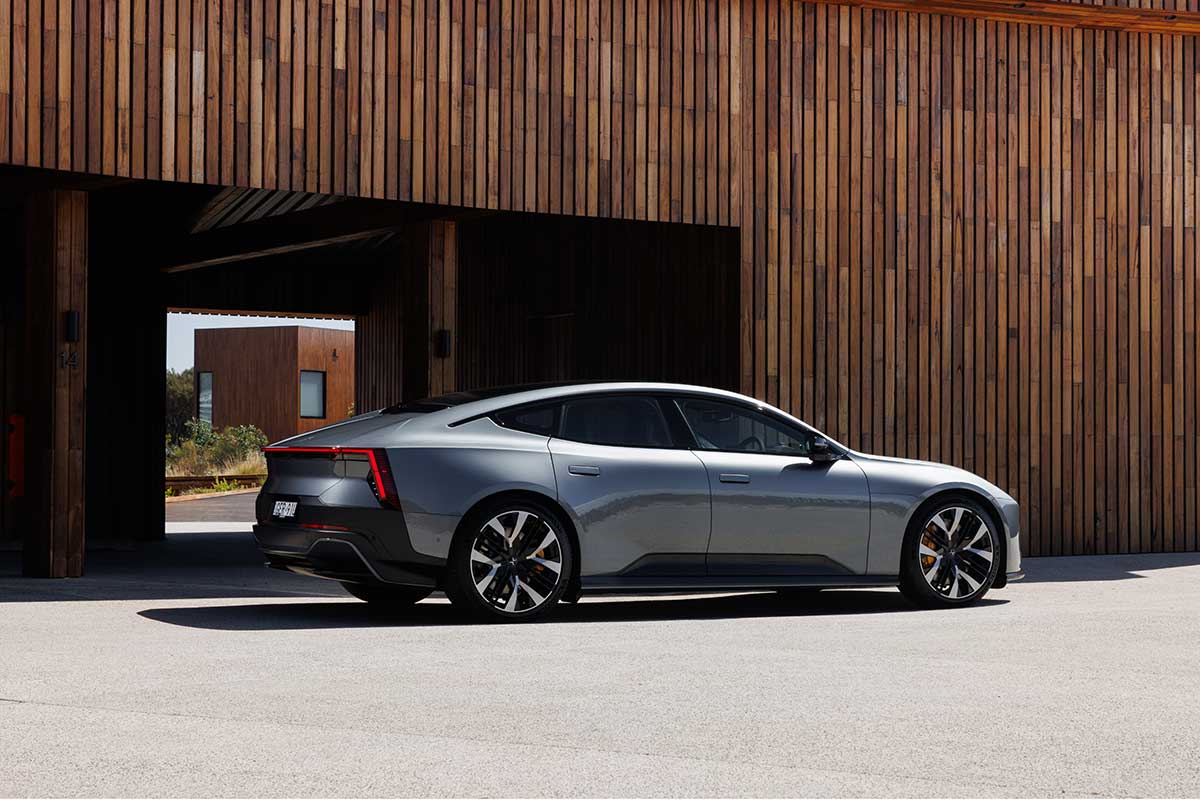
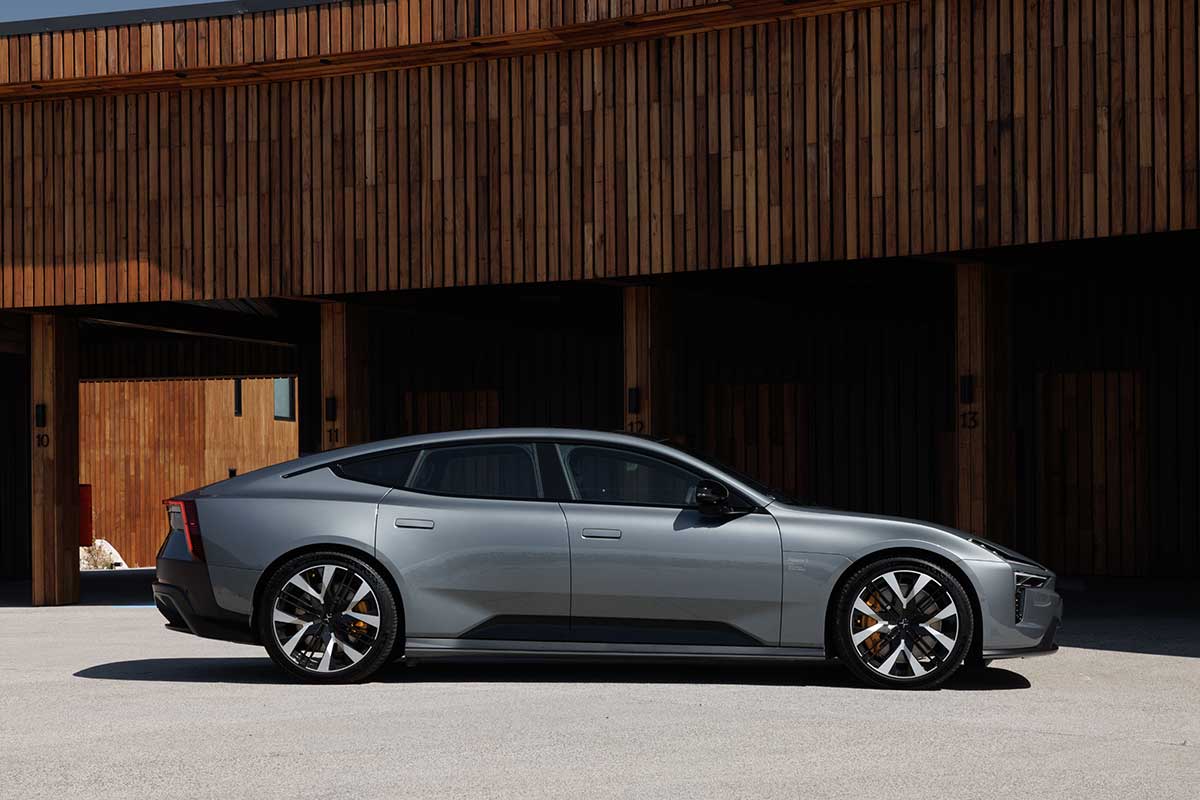
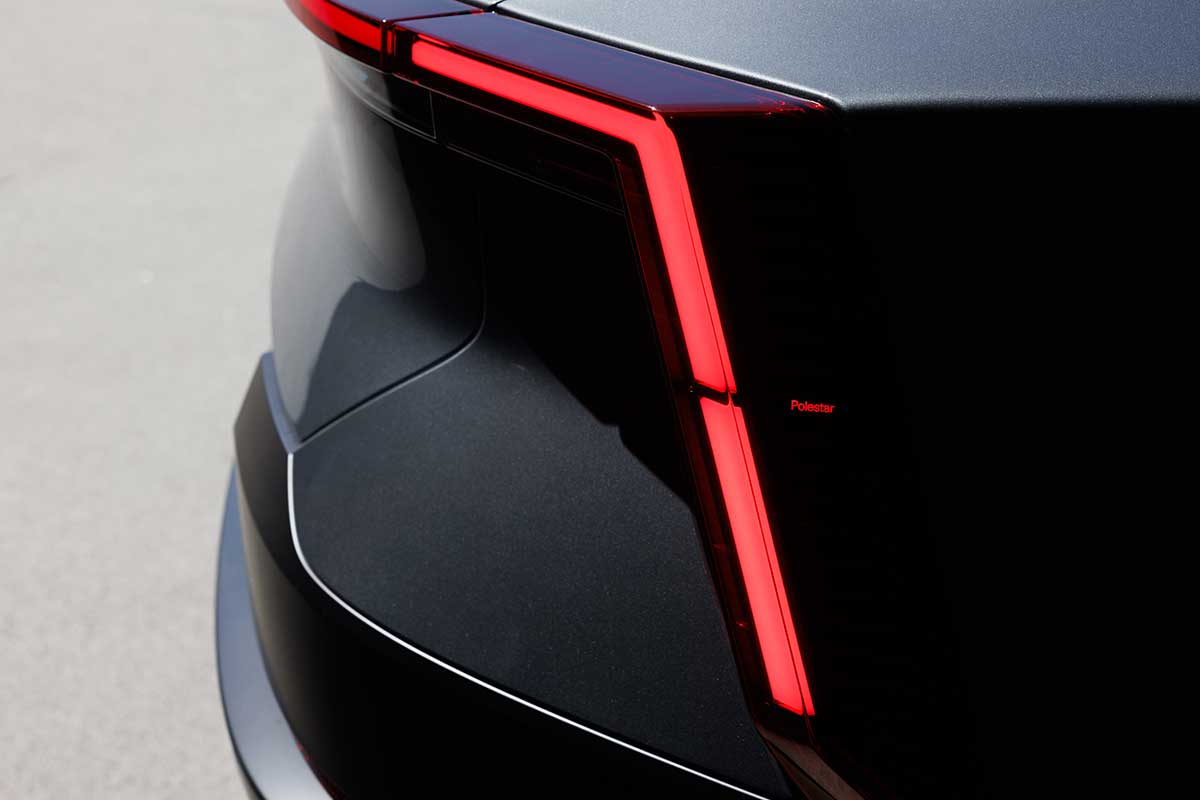
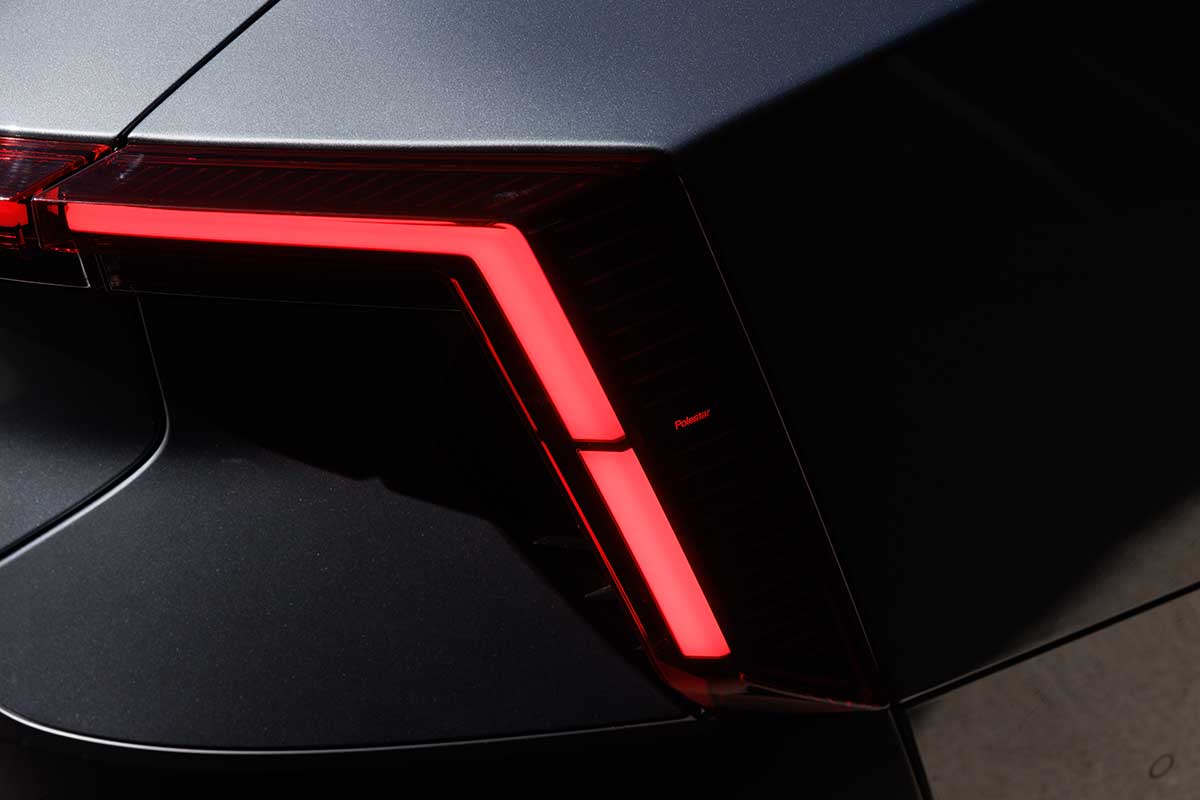
Polestar 5 arrives with a design trophy to match its dramatic shape: it has been named Best in Class for Automotive and Transport at the 2026 Australian Good Design Awards, marking Polestar’s third consecutive win after the Polestar 3 in 2024 and Polestar 4 in 2025. Its low, tapering roofline, flush door handles and full-width rear light bar make its Scandinavian design unmistakable.
On Tasmania’s winding roads, it is so quiet you hear the tyres and wind before much else. Then you press the accelerator and 650kW arrives in one seamless shove. This is Polestar’s new flagship, shaped around bespoke bonded-aluminium engineering and the brand’s approach to sustainability at every turn. There are, however, some decidedly garden-variety catches. But can they be forgiven?
How much does the 2026 Polestar 5 cost?
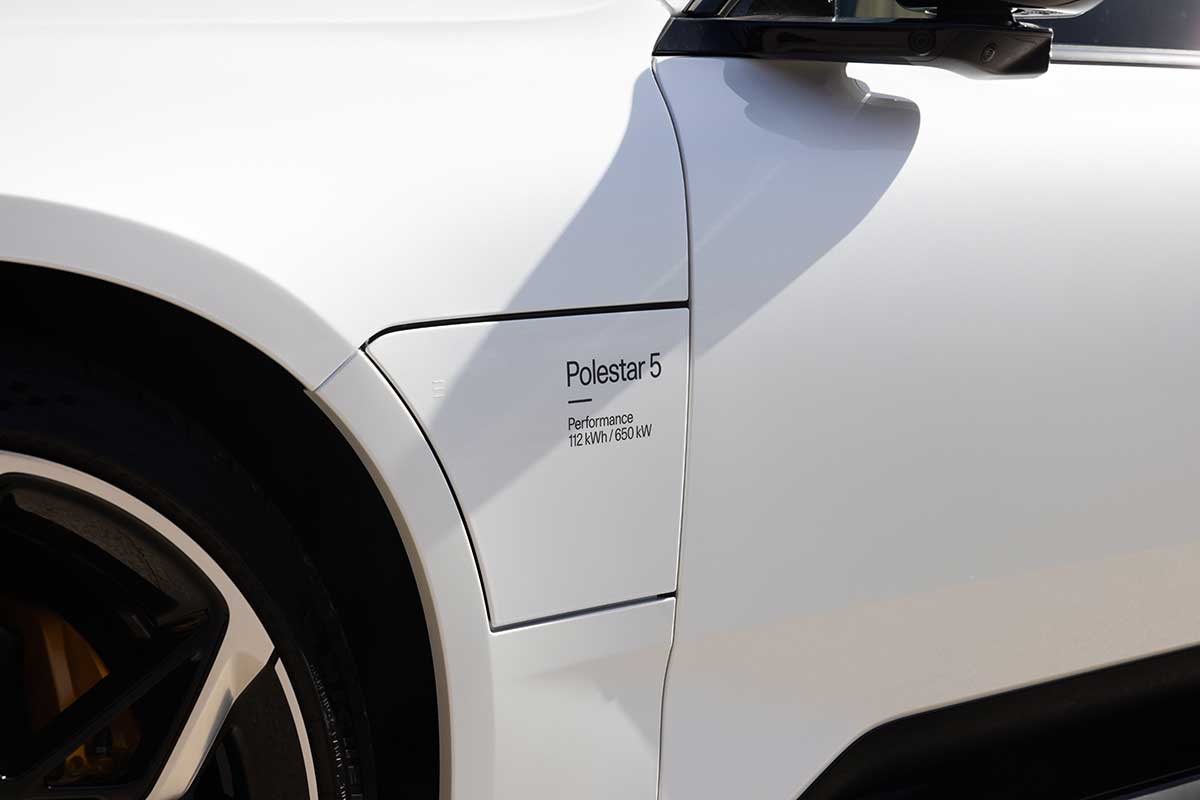
The Polestar 5 Dual Motor starts at $171,000 before on-road costs. The Performance variant tested here is $193,100, a $22,100 step up. Both prices are for Launch Edition models.
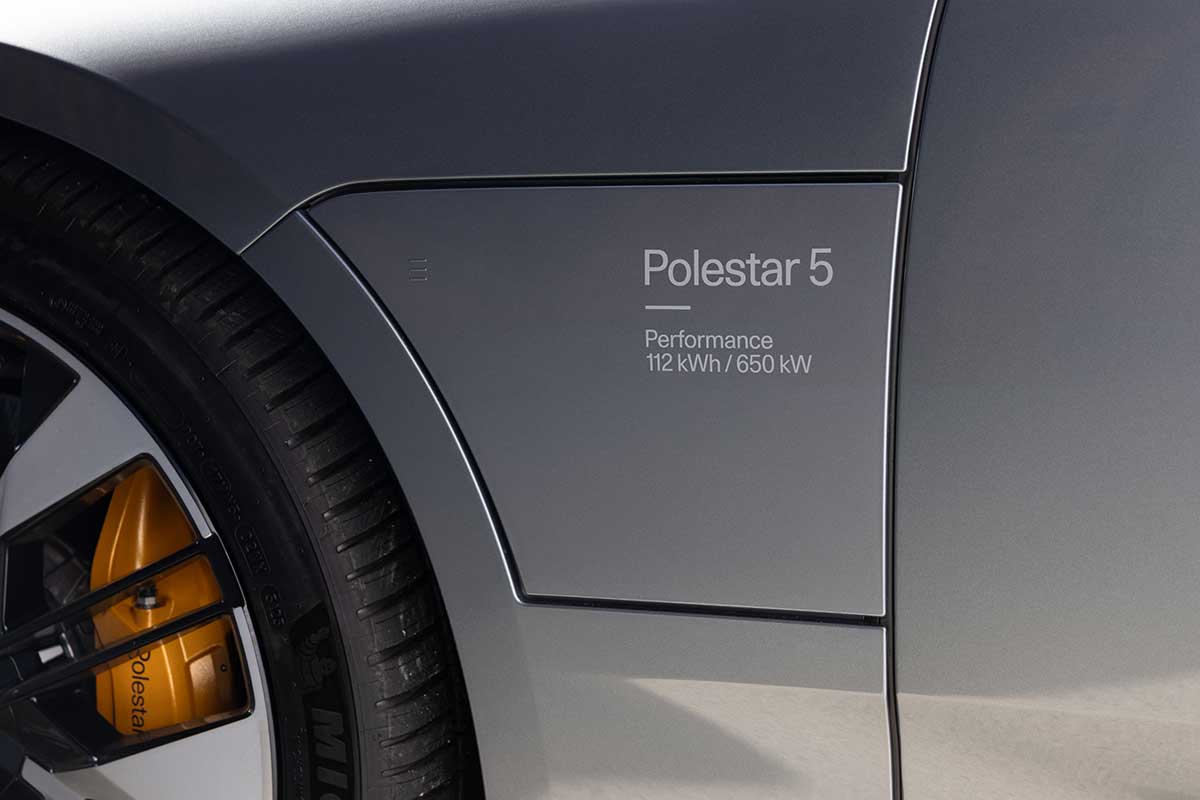
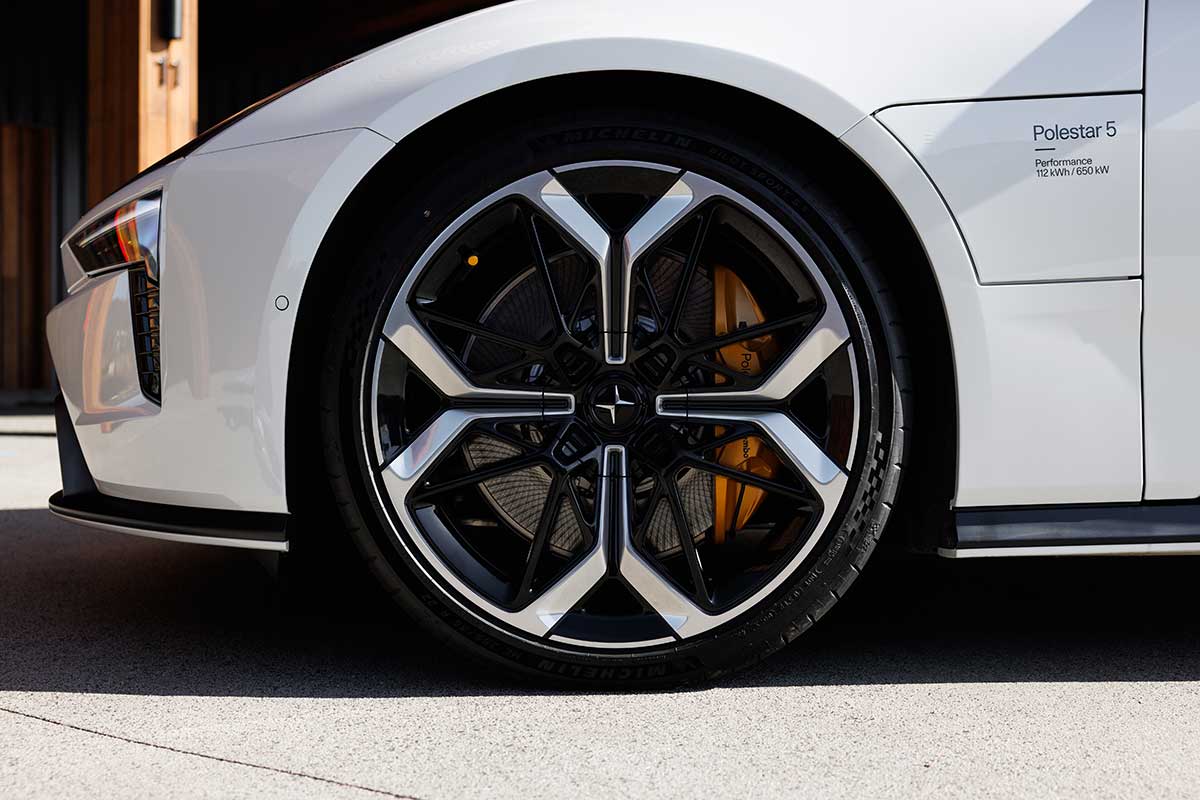
That extra spend brings more than a power boost. The Performance adds 100kW, adaptive MagneRide dampers, Bowers & Wilkins audio, larger wheels and Swedish gold details. The added power means less claimed range compared with the Dual Motor, so the difference of circa $18,000 may be the more sensible choice for buyers who do not need the extra performance hardware.
What is the 2026 Polestar 5 like inside?
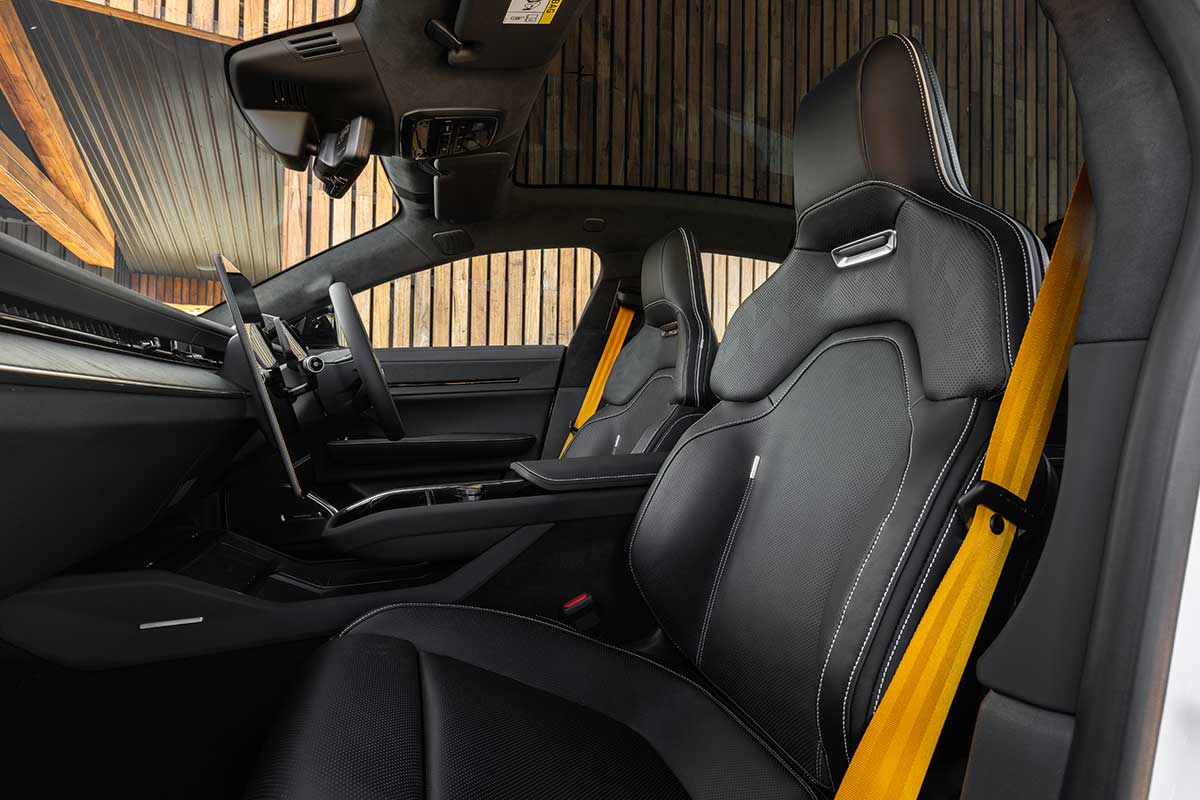
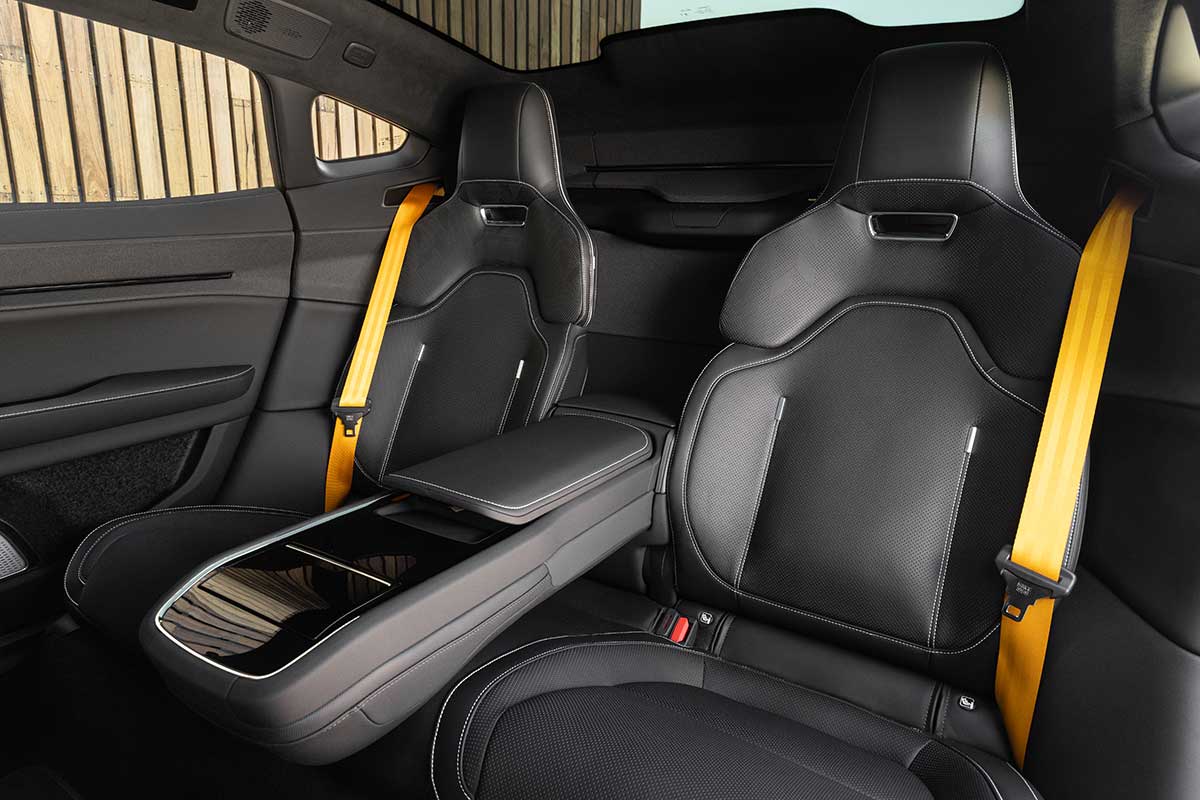
The cabin makes the Good Design Award feel well earned. A low, broad dashboard and 14.5-inch portrait touchscreen carry a clean horizontal line across the front, while the sculpted seats and raised, glossy centre console add shape without clutter. The panoramic glass roof opens up the space, and Swedish-gold seatbelts provide a sharp flash of colour against the restrained interior. The rear seats are surprisingly generous, as is the luxe rear centre armrest, making the Polestar 5 more convincing as a long-distance tourer than its tapering roofline suggests.
The cabin’s material choices give Polestar’s sustainability claims substance. Polestar has set a whole-car target of 35 per cent recycled aluminium. Inside, its PET-based acoustic material contains 30 per cent recycled polymer, flax-fibre ampliTex is used on the seat backs, and bio-attributed MicroTech is available as an upholstery option.
The front seats are firm, though, and I would have liked the ability to adjust the lumbar support. Likewise, the absence of a rear window means the traditional rear mirror is replaced with a 8.9-inch digital rear-view mirror that takes some getting used to (particularly with my prescription sunnies)..
The boot is the bigger practical compromise. Its 365-litre capacity includes a 52-litre underfloor compartment, and the space grows to 1,128 litres with the rear seats folded. The cargo floor is only 80cm wide between the wheel housings, which helps explain why two suitcases fitted only across the car, perpendicular to its length. The arches do not obstruct access to the rear seats, but are noticeable in the luggage area. Nor is there a grab handle above the door to help passengers pull themselves in or out, or to hang on to when the pedal goes to the floor, which let’s face it in a car like this can barely be resisted.
What equipment does the 2026 Polestar 5 come with?
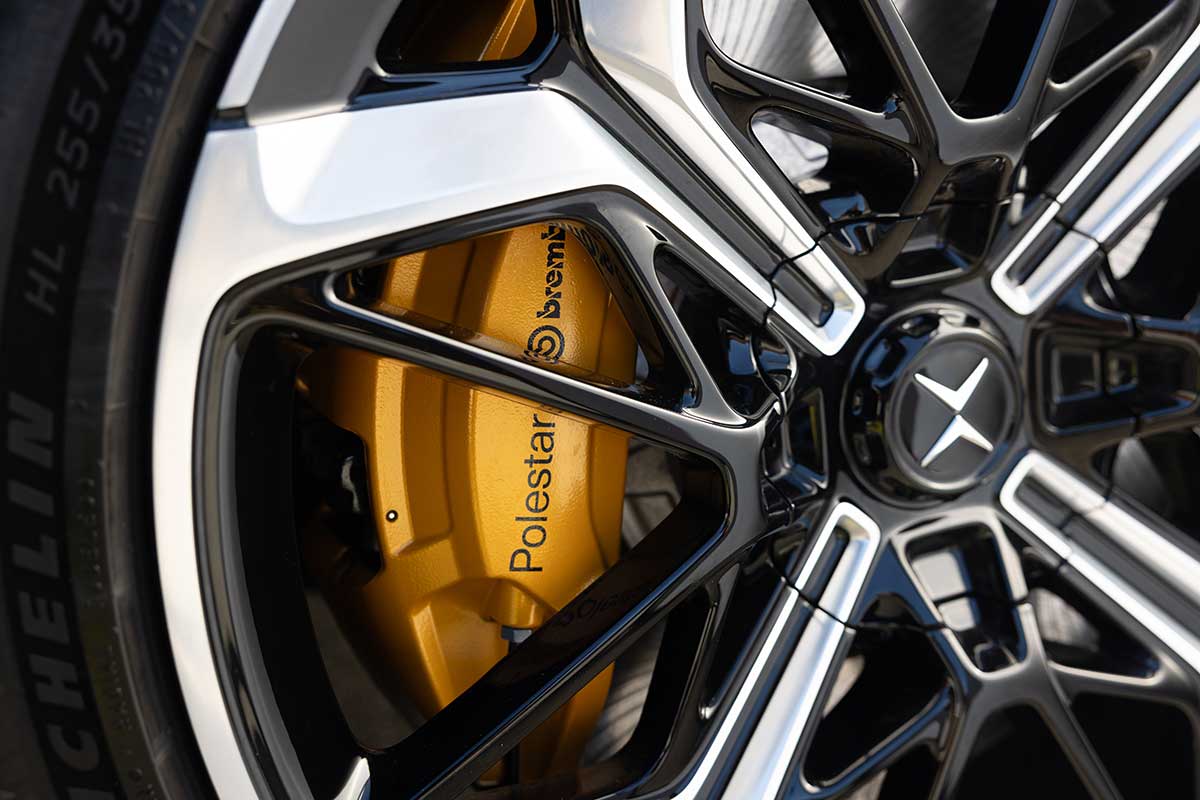
The Performance gets semi-active MagneRide dampers with standard, firm and nimble modes, plus 21-inch performance wheels; 22-inch wheels are optional. Swedish-gold seatbelts, brake callipers and valve caps, MicroSuede headlining, high-gloss black lower cladding and mirror caps distinguish it from the dual motor. Its Bowers & Wilkins audio system is a serious upgrade: 1,610 watts, 21 speakers and a 250mm fresh-air subwoofer, with road-noise cancellation. In my drive, it sounded every bit as good as the sales pitch suggests.
The Australian launch edition includes the pilot and climate packs, plus a graphical head-up display. Pilot adds Pilot Assist and lane-change assist; Climate adds heated rear seats, a heated steering wheel and heated wiper blades. Four-zone climate control with rear controls and CleanZone air filtering with a PM2.5 sensor are also listed.
The digital cockpit has a 9-inch driver display, 14.5-inch centre screen, 9-by-3-inch head-up display and 8.9-inch digital rear-view mirror. Android Automotive OS, 5G connectivity and over-the-air updates are included; wireless Apple CarPlay is listed for a future introduction. Two 18W USB-C ports front and rear and a 15W wireless charging pad cover device charging (albeit in a slightly awkward location under the centre console). Upholstery choices include bio-attributed MicroTech or Bridge of Weir leather, with an optional Nappa upgrade adding ventilation and massage to both rows and lumbar adjustment for rear passengers.
How safe is the 2026 Polestar 5?
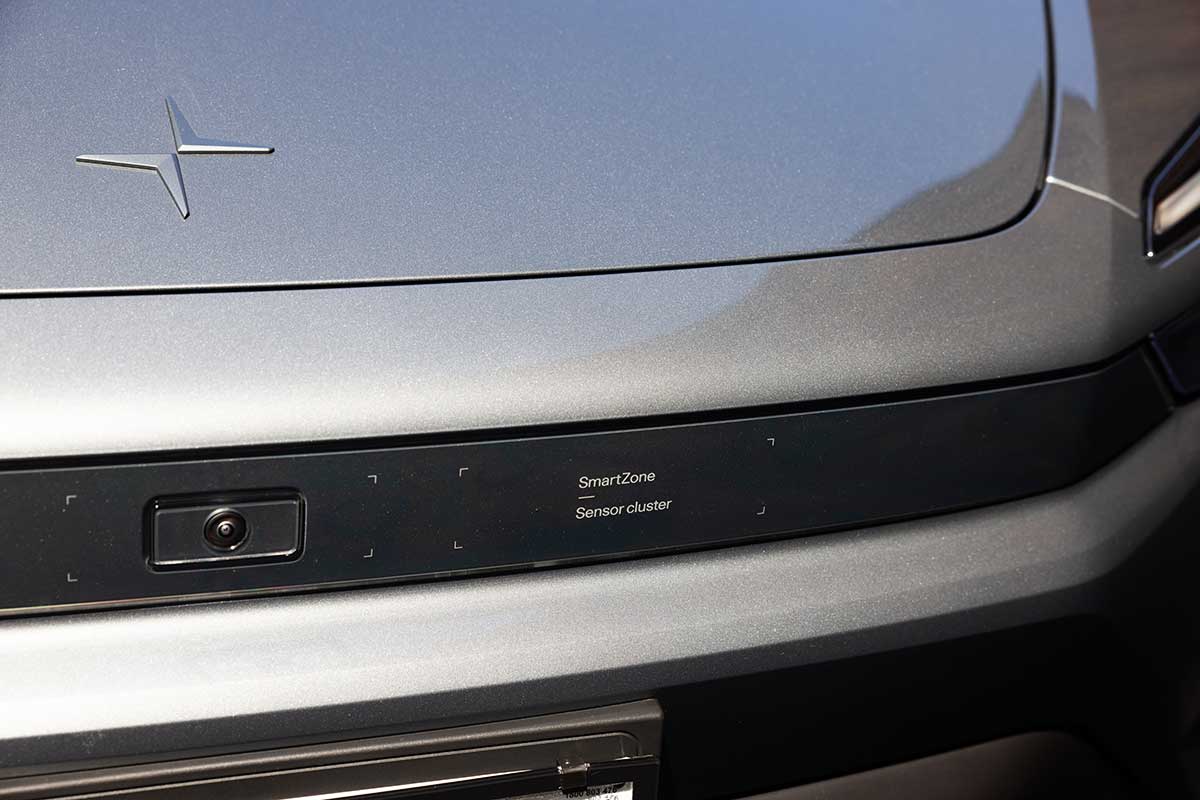
Safety equipment includes eight airbags, a driver-monitoring camera and 360-degree cameras with a 3D view. Driver aids include collision avoidance by braking and steering for vehicles, cyclists and pedestrians, blind-spot steering assist, lane-keeping aid, rear cross-traffic alert with brake support and rear-collision warning and mitigation. The launch edition’s pilot pack adds pilot assist (a driver assistance feature designed to enhance comfort and reduce driving effort, primarily on highways) and lane-change assist.
What powers the 2026 Polestar 5?
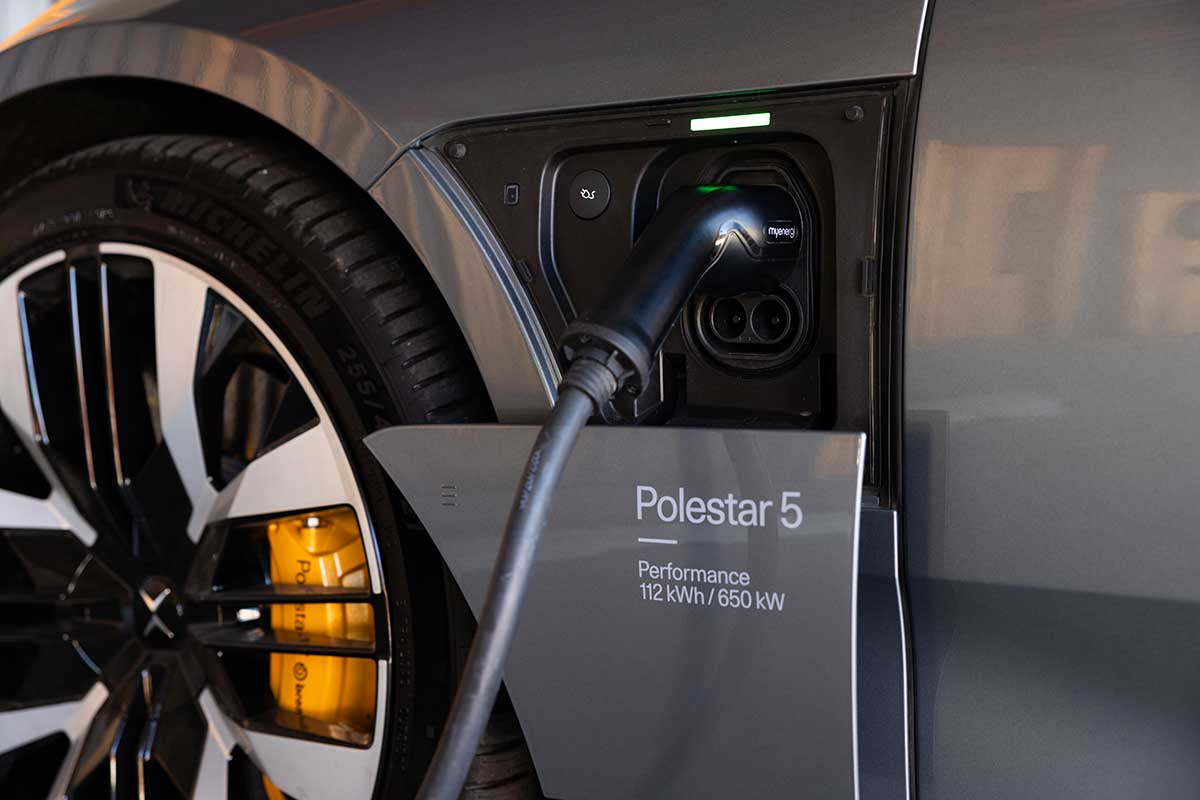
Both variants use a 112kWh, 800-volt NMC battery and dual-motor all-wheel drive. The Performance produces 650kW and 1,015Nm, accelerating from 0–100km/h in 3.2 seconds. Polestar lists a WLTP range target of 558km and energy consumption of 21.2kWh/100km. The Dual Motor produces 550kW and 812Nm, with a 3.9-second 0–100km/hr time, a 678km WLTP range target and consumption of 17.8–18.3kWh/100km. Both have a top speed of 250km/hr.
At a compatible 350kW DC charger, Polestar says the battery can charge from 10 to 80 per cent in 22 minutes. An 11kW AC charge from empty to full takes 11 hours. Both variants can tow up to 1,800kg.
— Bridie Schmidt
What is the 2026 Polestar 5 like to drive?
The Australian first drive took in two to three hours, partly on Targa Tasmania rally roads, through the hinterland west and north of Hobart, continuing to Bicheno. The Performance felt exceptionally quiet and comfortable. In the standard suspension setting, the ride was superb, almost floaty. The electric power steering has light, standard and firm settings; I preferred firm, which gave me a clearer sense of what the front wheels were doing.
There is enormous power on tap and the response is immediate. At times it felt almost excessive, but never in a way that spoiled the drive. The Performance’s 650kW is split between a 200kW front motor and a 450kW rear motor. The bespoke bonded-aluminium structure and semi-active dampers give the Performance the hardware to match its grand touring brief, while the quiet cabin and compliant standard ride make it easy to cover distance.
Drivers get a choice between mild regenerative braking and several stronger one-pedal settings. The car remembers settings such as one-pedal driving, a small convenience that makes returning to your preferred set-up easier.
The NRMA’s take on the Polestar 5 2026
The Polestar 5’s bespoke engineering and immense performance help make the case for its price. The Performance’s capacity to deliver power is undisputable and it flows with an ease that suits the car’s grand touring role. On suitable roads, it is an undeniably fun car to drive.
The price will keep it out of reach for most buyers, and the irregular boot, firm front seats and camera-only rear view are compromises worth considering before a long trip. Polestar’s use of lower-impact materials is also a point of difference; hopefully, choices like these can become de rigueur across the industry. For now, this is a standout vehicle that will turn heads and undercuts its main German rivals, Audi and Porsche, on price.
What we like
- Bespoke bonded-aluminium architecture
- Quiet, comfortable ride and huge performance
- Generous rear-seat space and considered materials
What could be better
- High starting price
- Boot shape limits how luggage can be packed
- Firm front seats and camera rear-view display may not suit everyone