2027 Zeekr 7GT first impression review

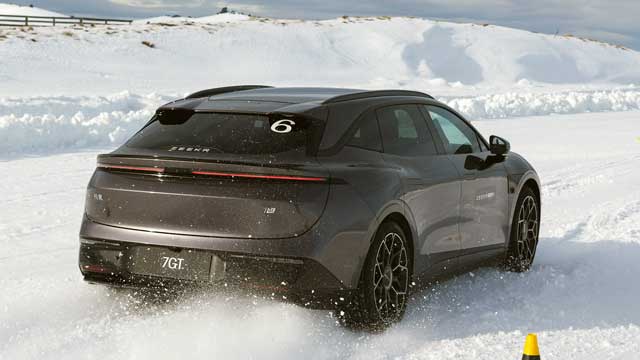
“Everything that works on the 7X in a sporty package.” This is how the Zeekr 7GT was described when Open Road was invited to find out what it has to offer at a recent media preview in the Southern Alps of New Zealand.
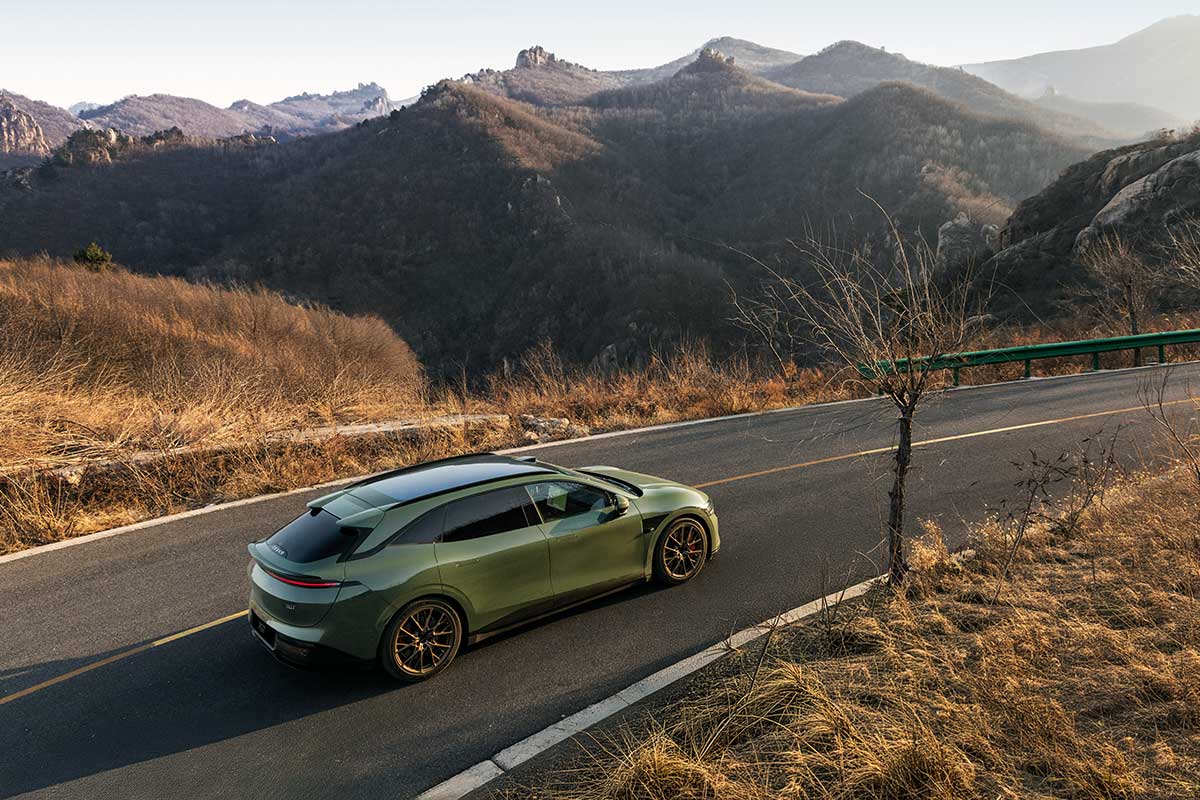
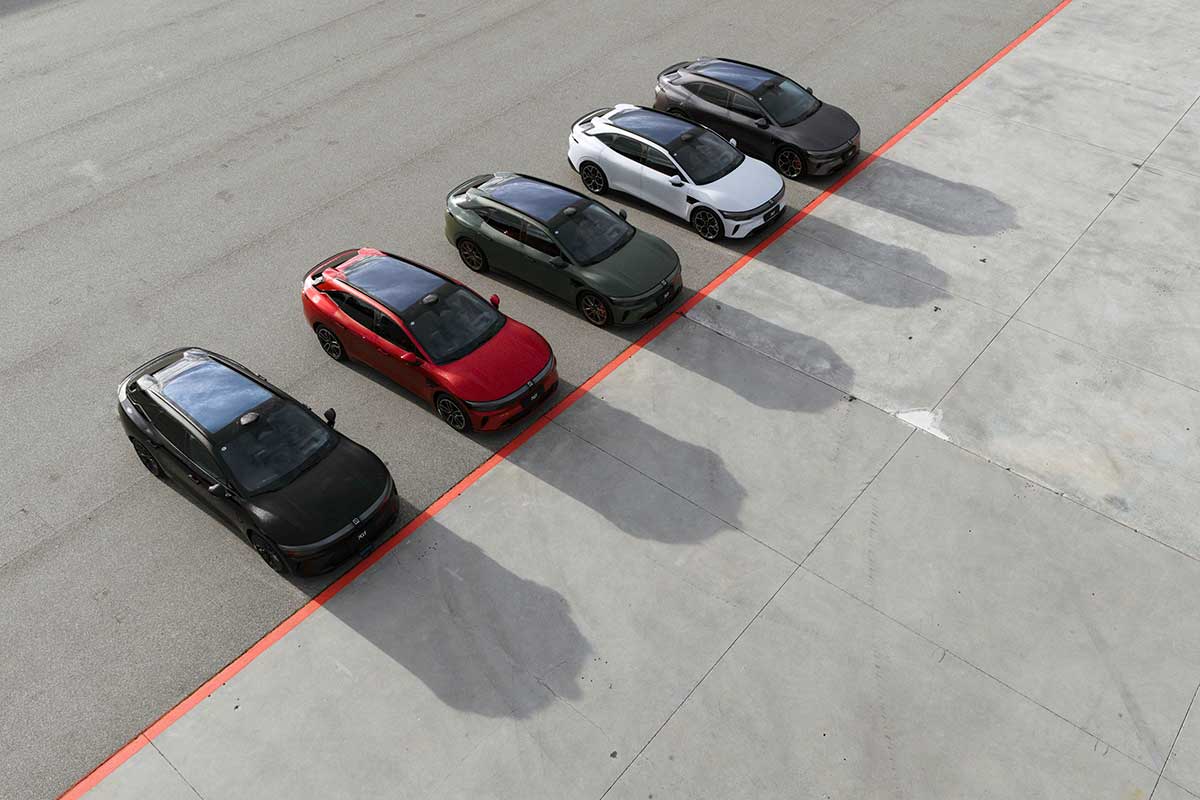
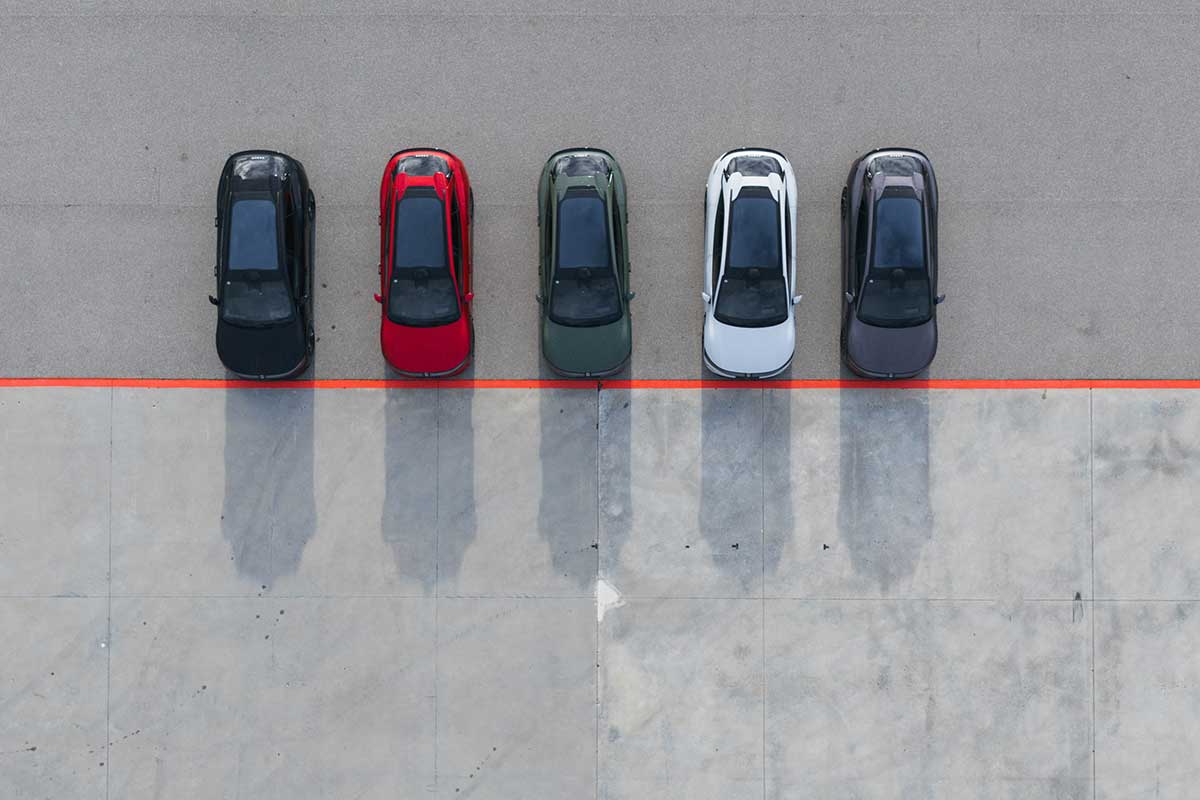
The Zeekr 7GT has been on the cards for some time now, and if Zeekr 7X sales are anything to go by – the Performance trim has outsold its more affordable variants by far, execs say – this spacious grand touring wagon may be well received by those looking for a rare combination of both powerful and long-range performance.
Though Zeekr is still carving out a presence in Australia (it promises to have up to 25 dealer and service outlets nationwide by the end of 2026, up from 18) most will be reassured to know this young Chinese brand shares a heritage with Volvo, Lotus, Polestar and Geely, which are all owned by the Zhejiang Geely Holding Group (ZGH).
In Australia, the 7GT joins a growing stable of all-electric and plug-in hybrid models. The Zeekr 7X and X are already in Australia, with the 7X SUV proving its worth by forging a way into top ten new car sales in July. Its well-appointed interior and easy-to-digest proportions enticed almost 2000 drivers into its seats that month alone, just behind the Geely EX5. Also promised for Australia are the behemoth plug-in hybrid 8X and 9X. You can read more about the Zeekr model lineup here.
The question is, can Zeekr make a case for what is essentially a family touring wagon that is also a serious performance car? And, more importantly, can it make it fun, too?
How much does the Zeekr 7GT cost?
Australian pricing is yet to be announced, but Zeekr says the 7GT will arrive in three variants, with a fourth under consideration. In Europe, the range starts with a rear-wheel-drive Business Edition priced well below the equivalent 7X, followed by a Long Range RWD.
At the top, the Australian-spec Performance AWD is expected to produce around 500kW, 25kW more than the European Privilege AWD Launch Edition, and offer up to 590km of WLTP range, compared with 558km in Europe.
But what will it cost? European pricing offers the strongest clue. There, equivalent 7GT variants cost around 10 to 15 per cent less than the 7X. Zeekr has not confirmed whether it will follow the same formula in Australia, but its media presentation positioned the 7GT as a sportier wagon counterpart to the 7X, rather than a more expensive flagship. That points to considerable overlap with the 7X’s current $57,900 to $72,900 price range.
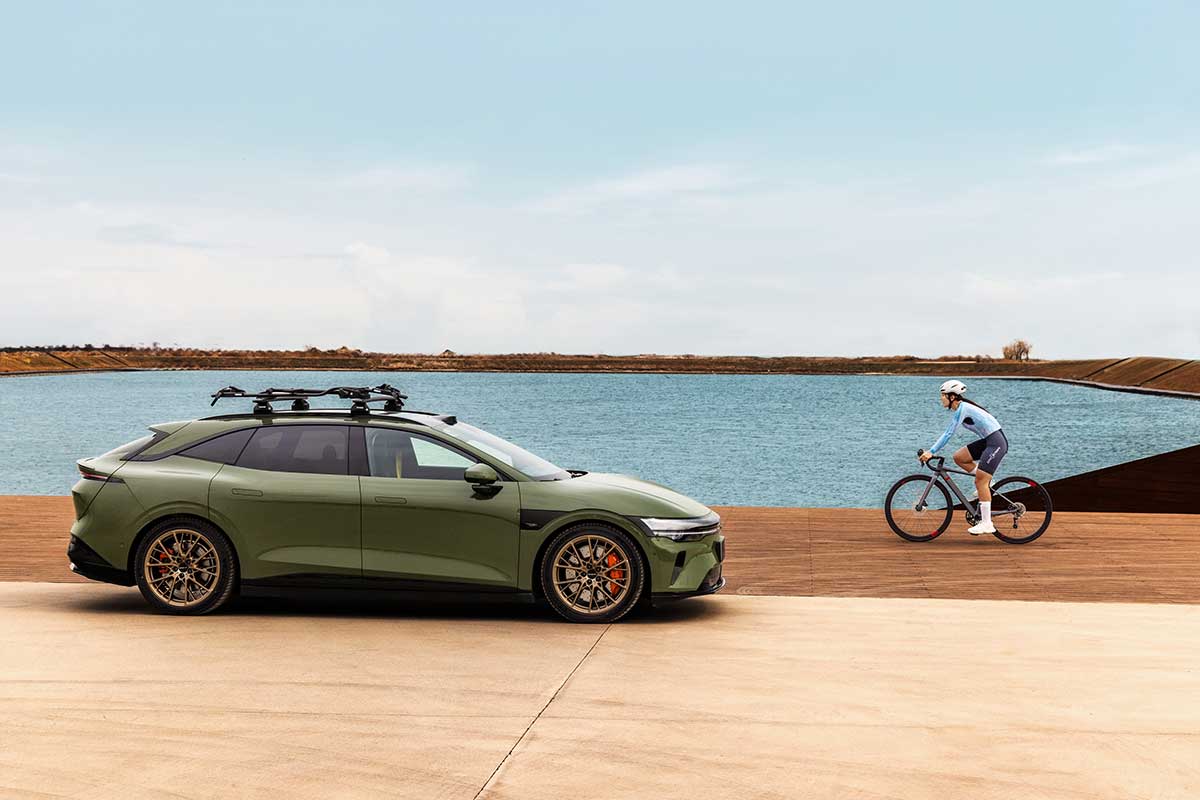
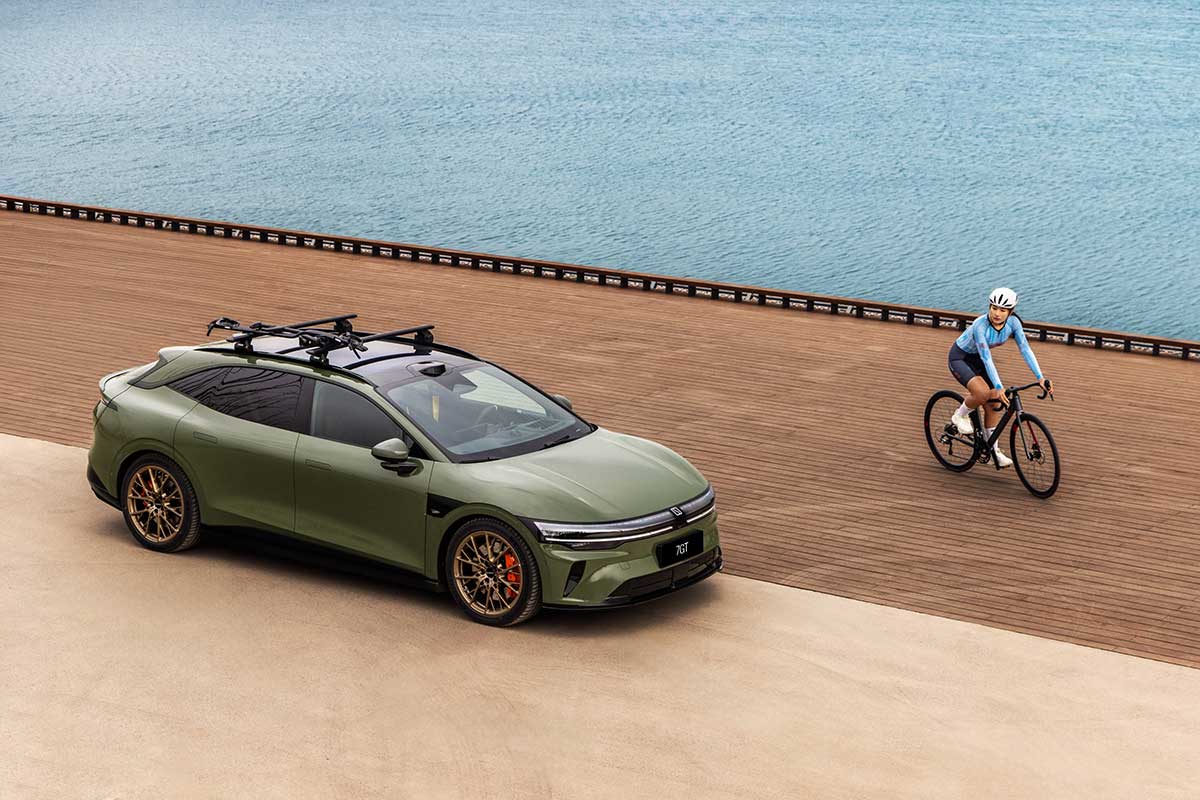
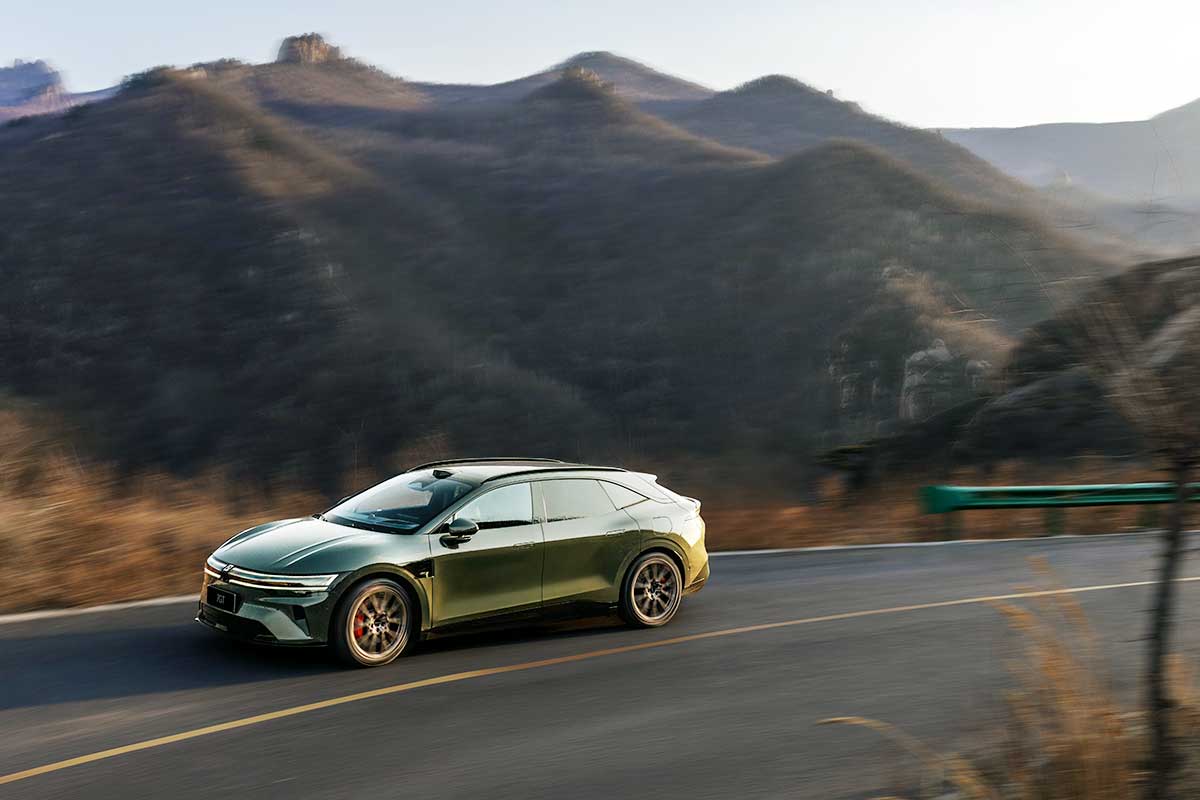
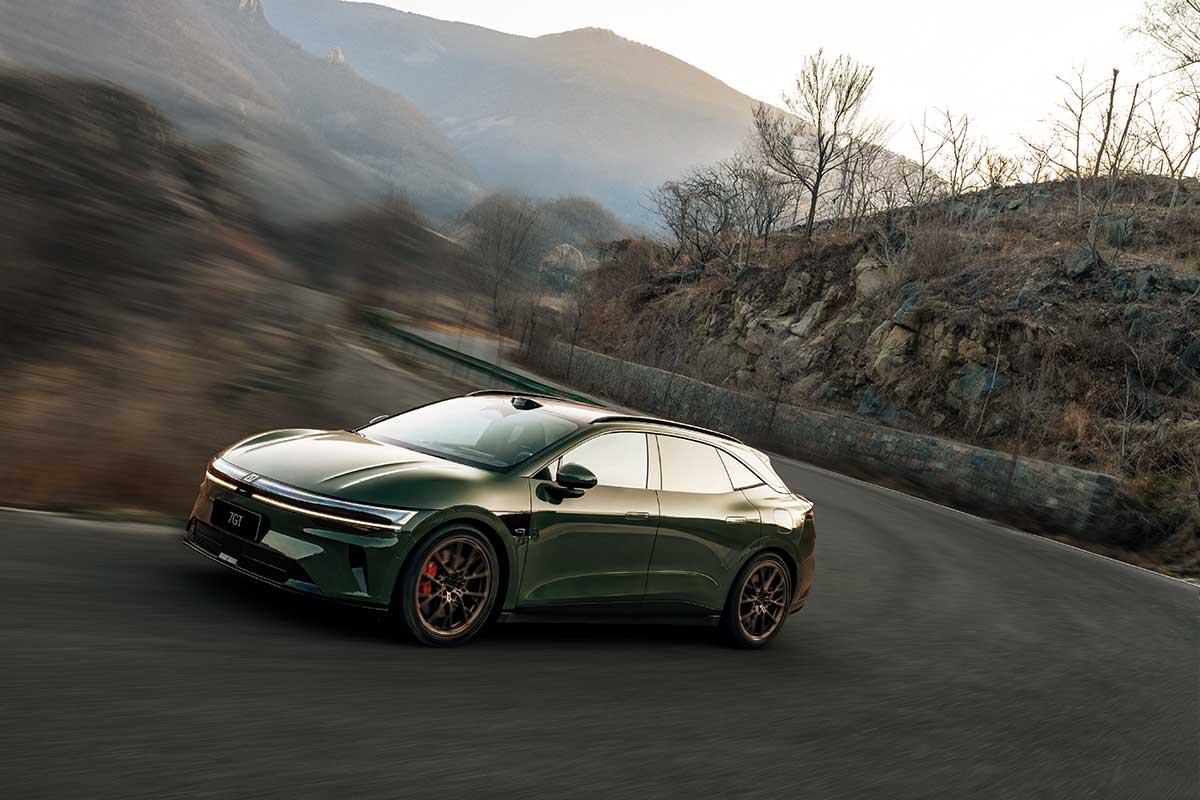
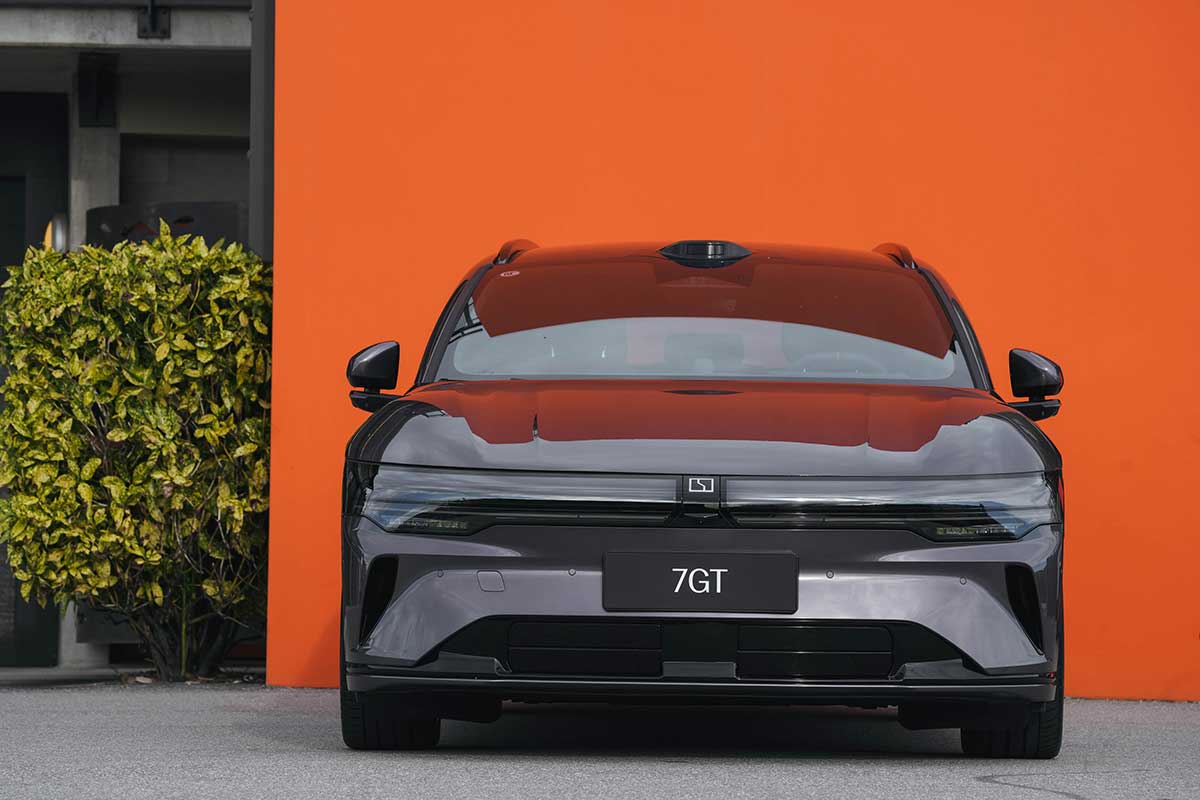
Its closest body-style rivals are considerably more expensive and include the Porsche Taycan Cross Turismo and BMW i5 M60 xDrive Touring. If Zeekr delivers on its pricing promise, however, buyers are more likely to cross-shop it against performance EVs such as the Kia EV6 GT, Hyundai Ioniq 5 N, Polestar 4 and Tesla Model 3 Performance. None offers quite the same combination of low-slung wagon styling, luggage space and long-distance touring intent.
What is the Zeekr 7GT like inside?
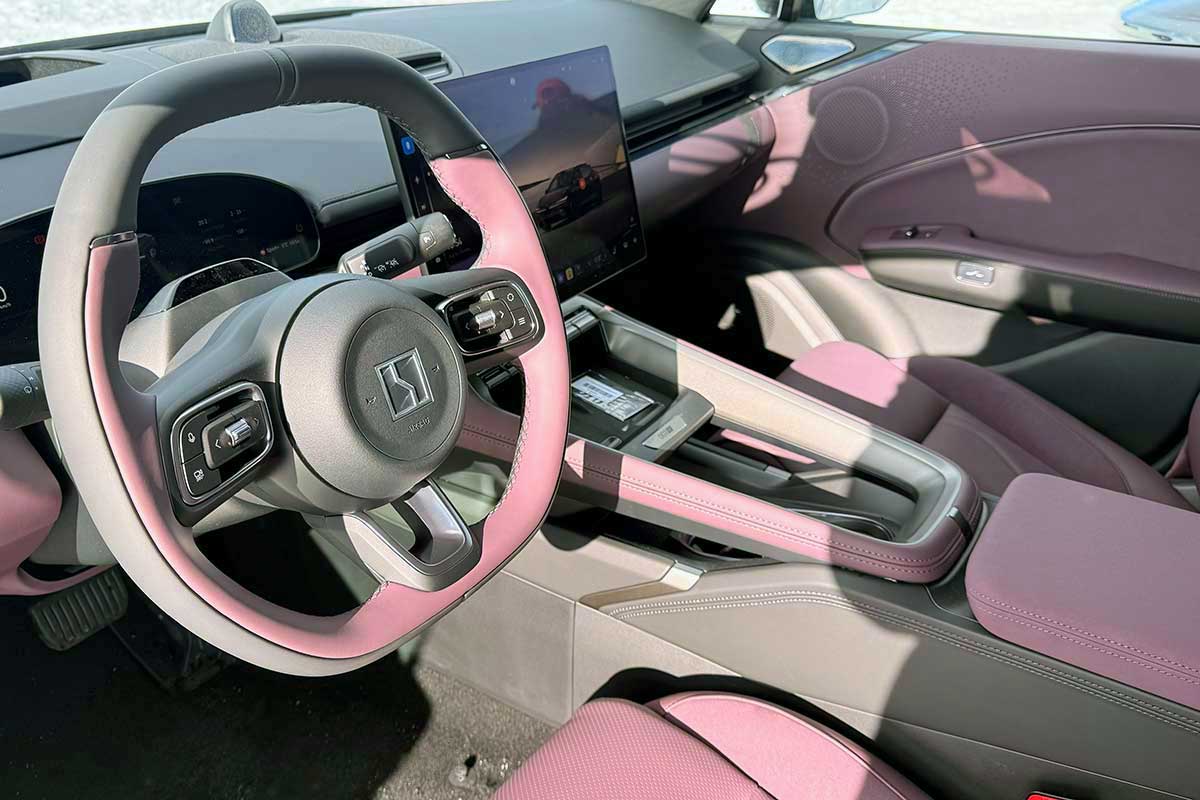
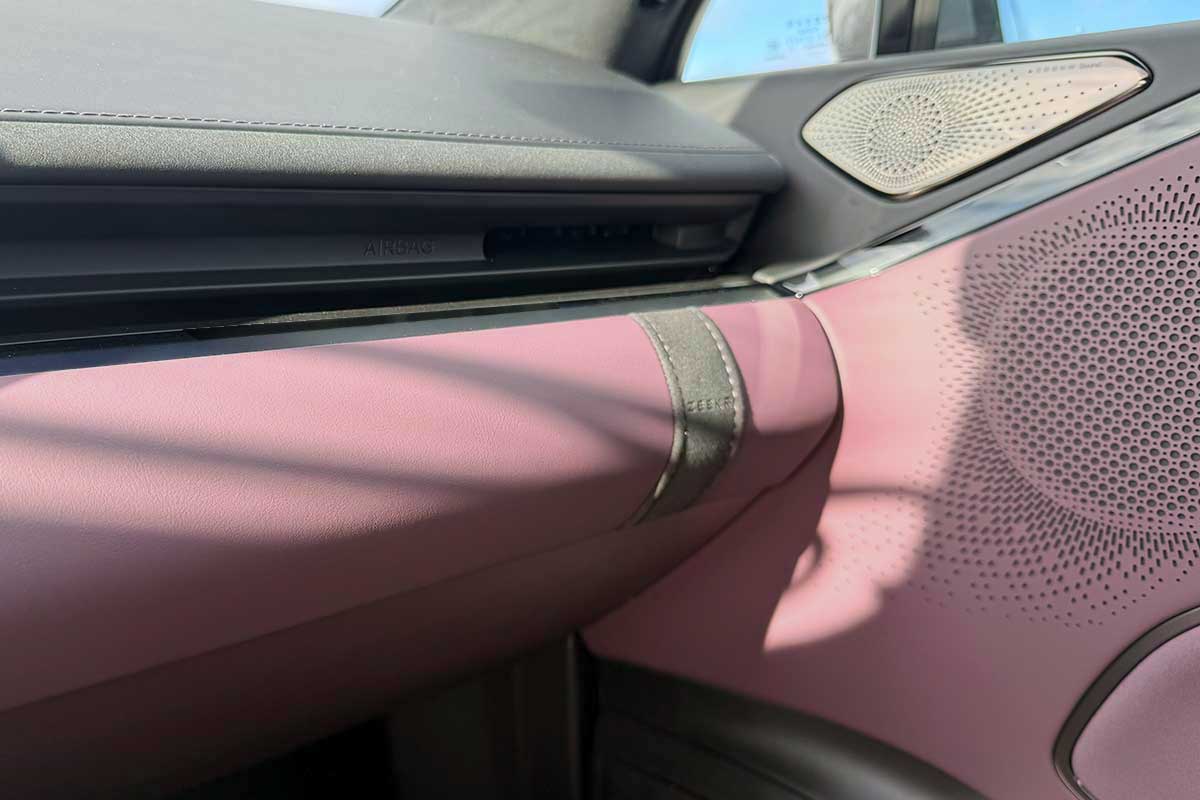
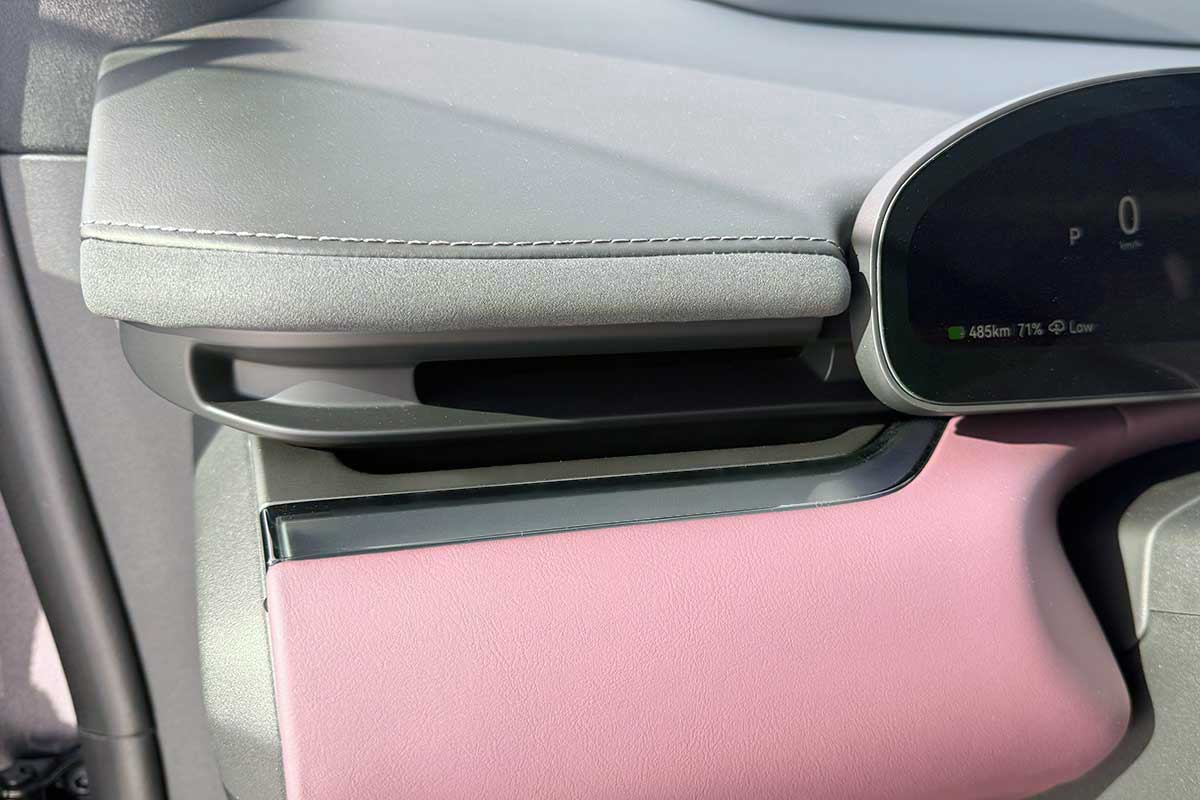
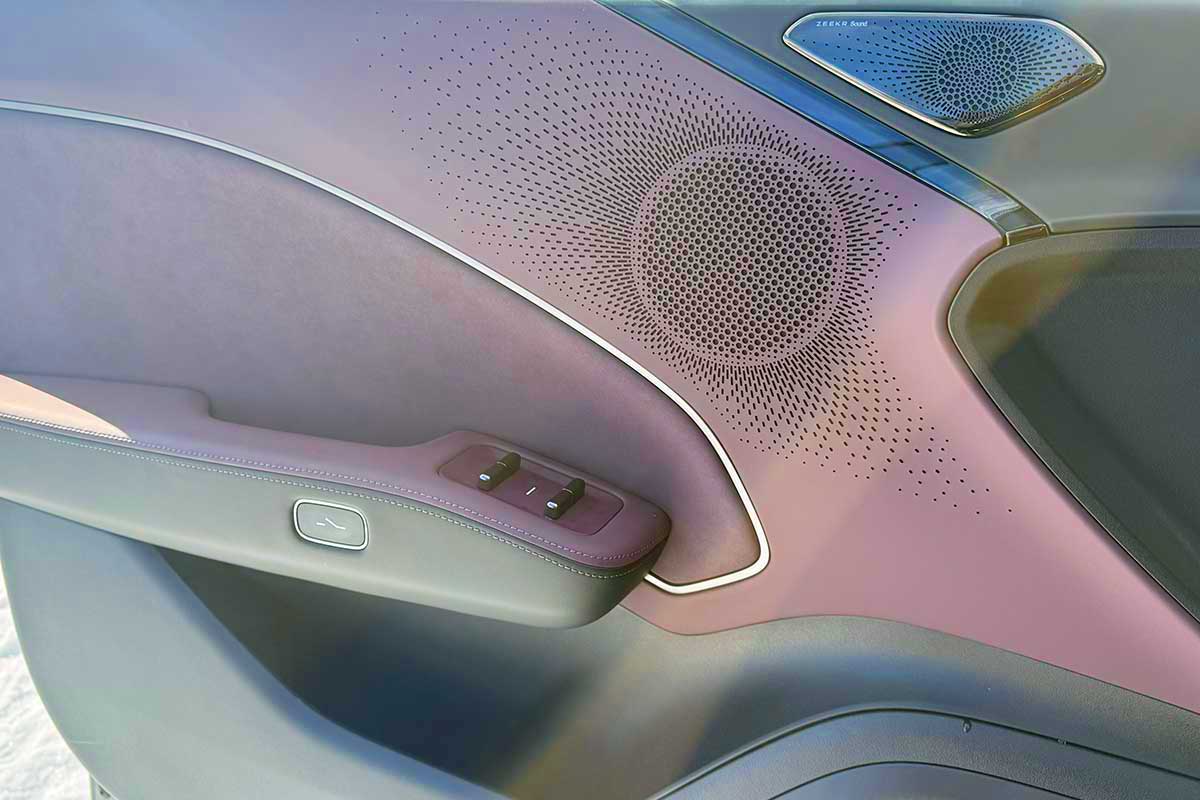
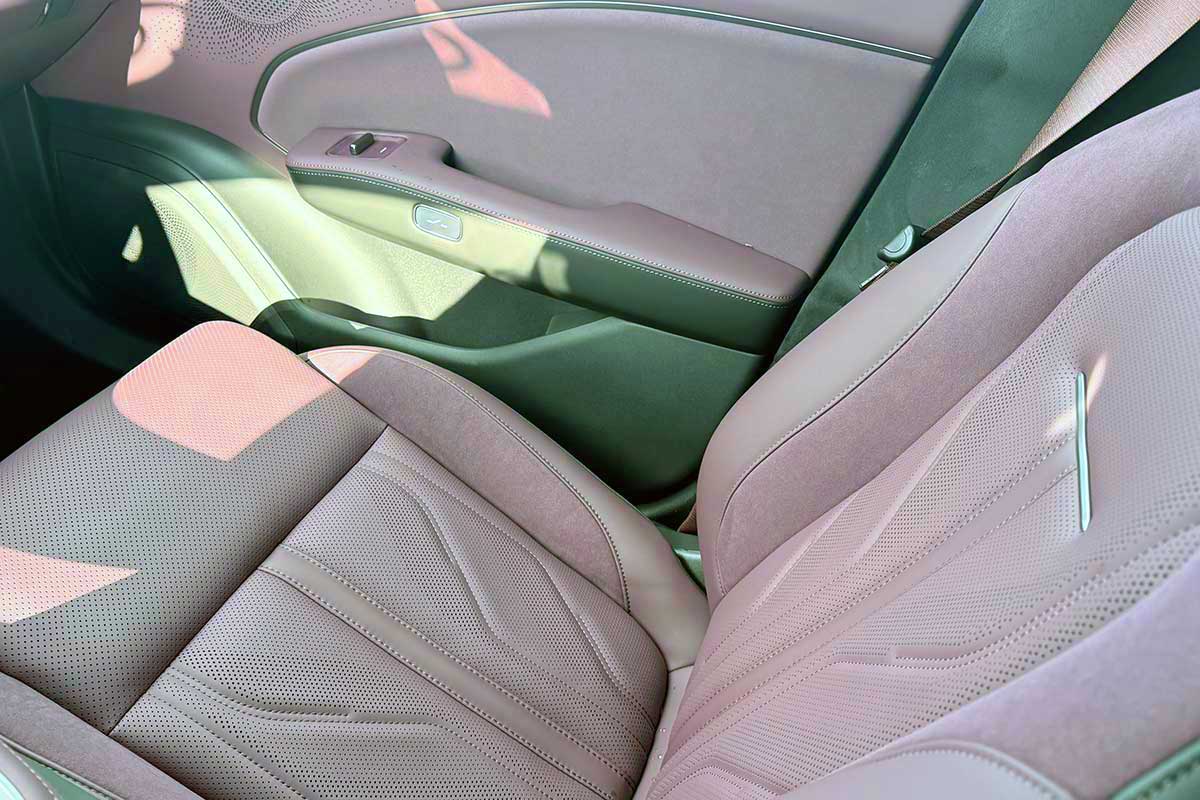
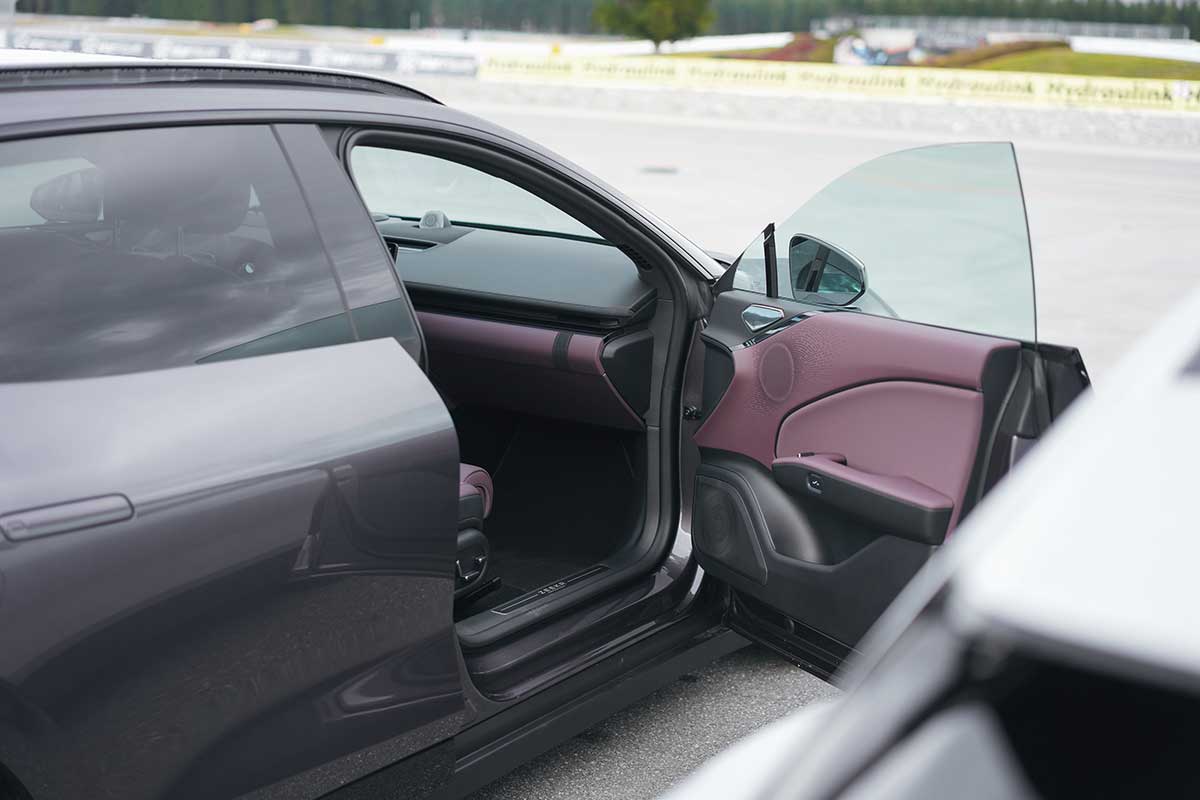
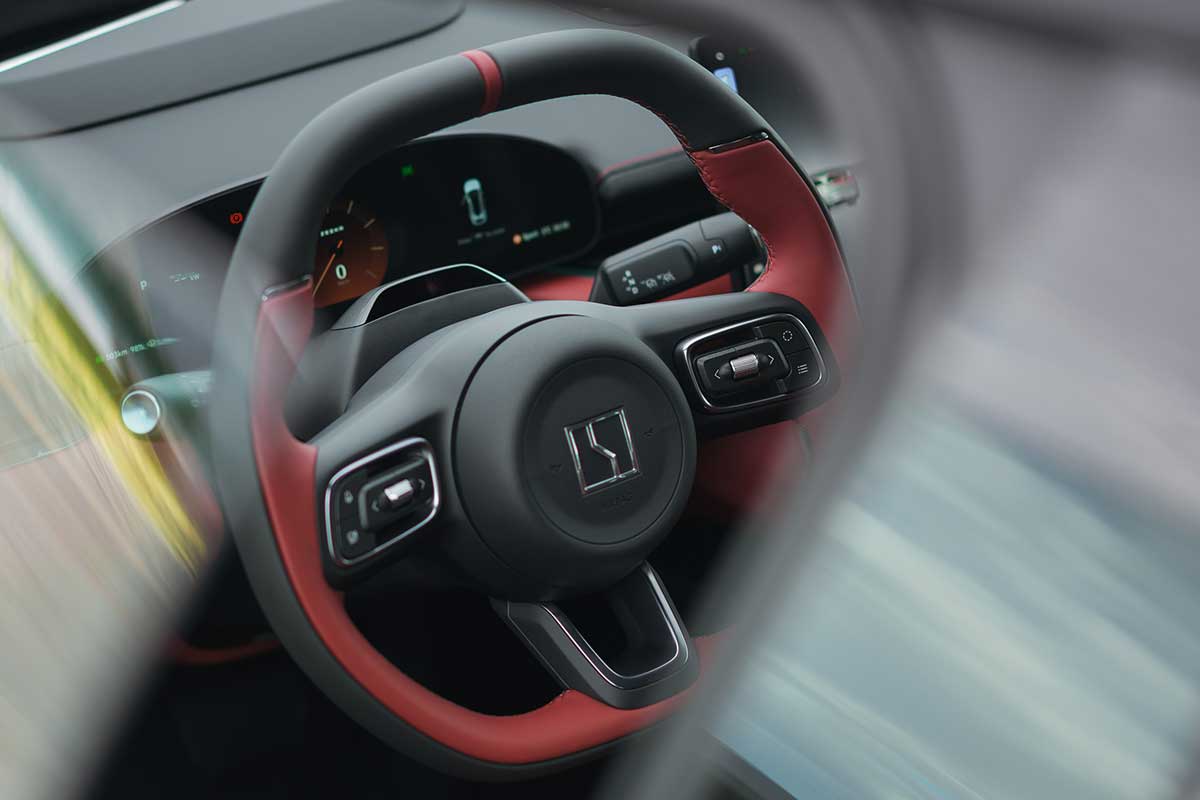
The 7GT’s cabin cues the sporty theme without abandoning Zeekr’s preference for soft surfaces and a premium finish. The overseas-specification cars we sampled were trimmed in several interesting colours, with a combination of matte and suede-like touchpoints from the perforated sports seats to the steering wheel, dashboard and sculpted door cards.
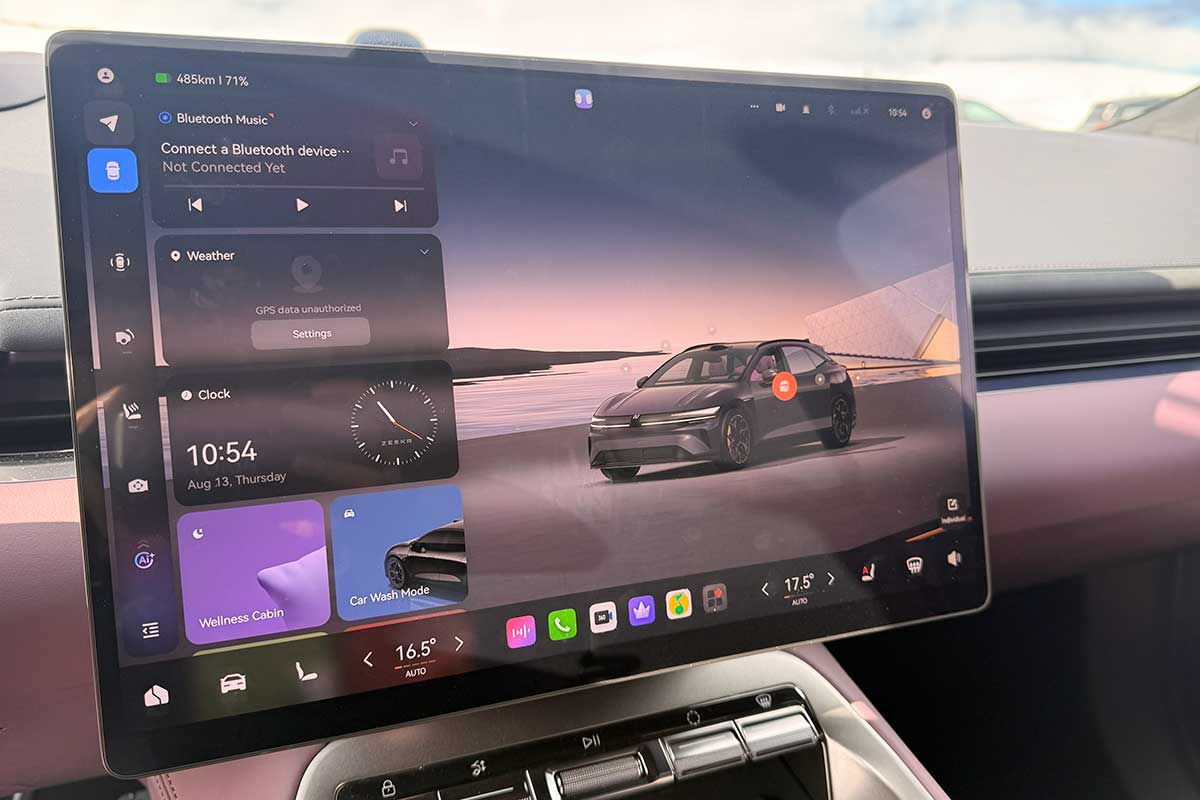
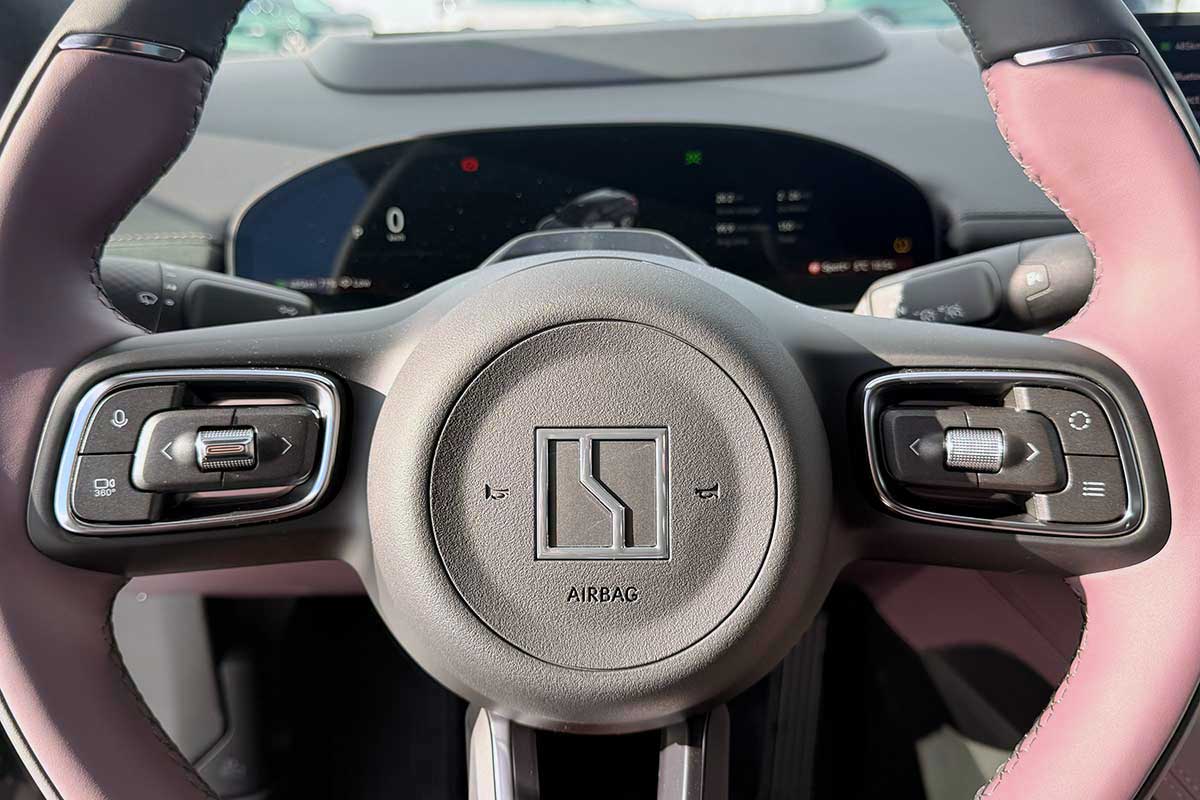
The front seats have pronounced side bolsters and in-built speakers in the headrest, while the flat-bottomed steering wheel uses knurled rollers and physical buttons for key functions. More physical controls sit under the large central touchscreen, accompanied by a separate digital instrument display and head-up display.
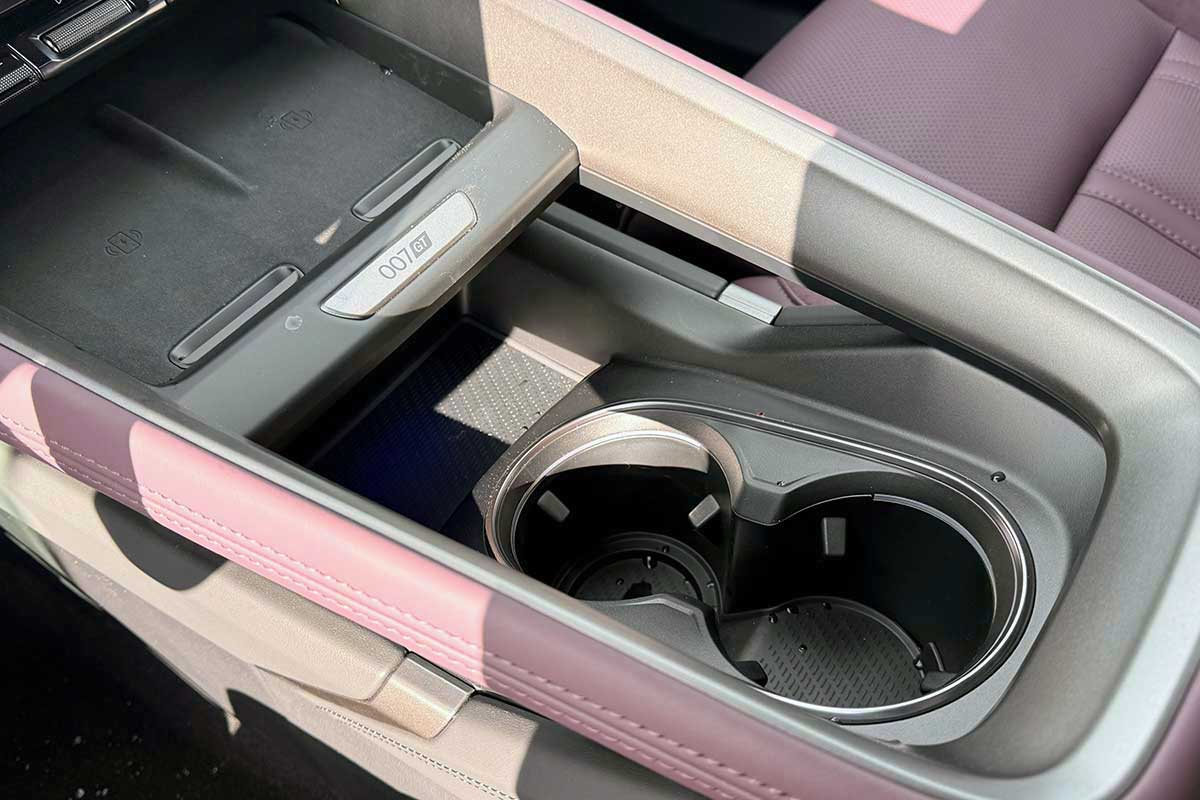
There is plenty of visual detail, including patterned metallic speaker grilles, contrasting stitching, and layered dashboard surfaces. The broad centre console incorporates two wireless charging pads, concealed cupholders and additional storage, balancing the cabin’s streamlined appearance with thoughtful practicality.
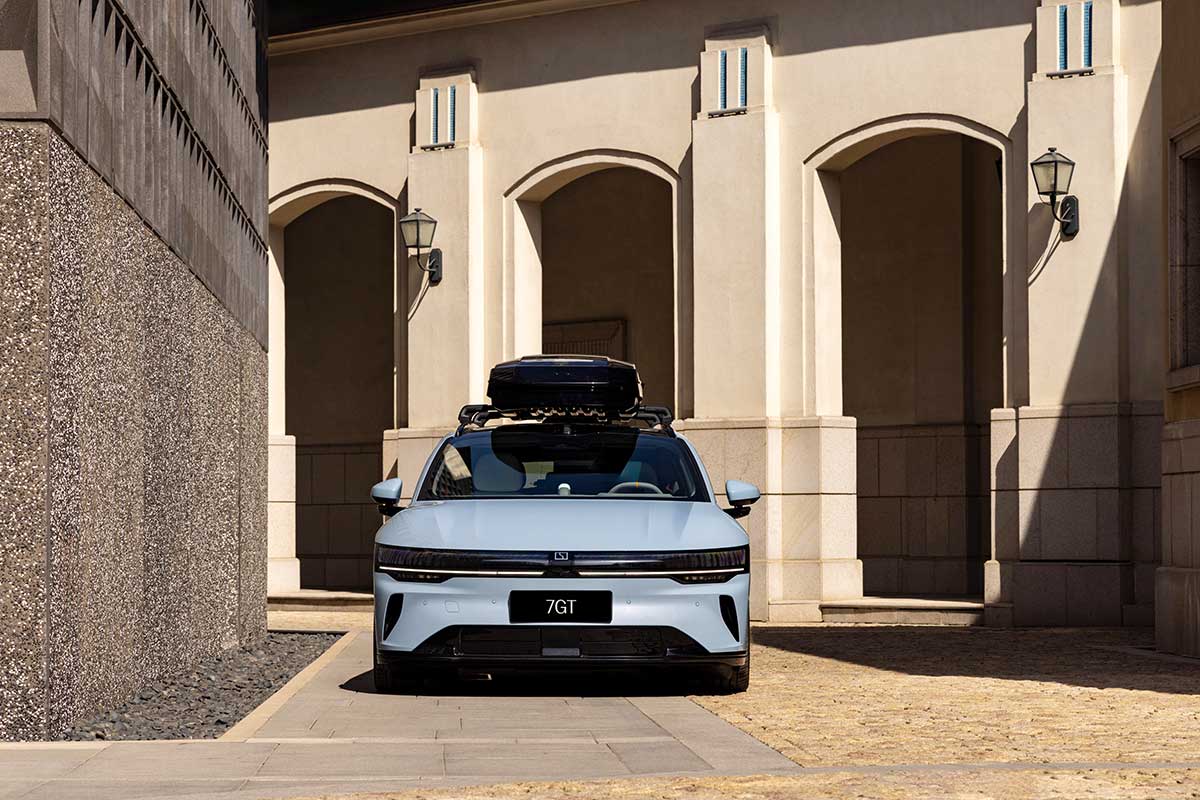
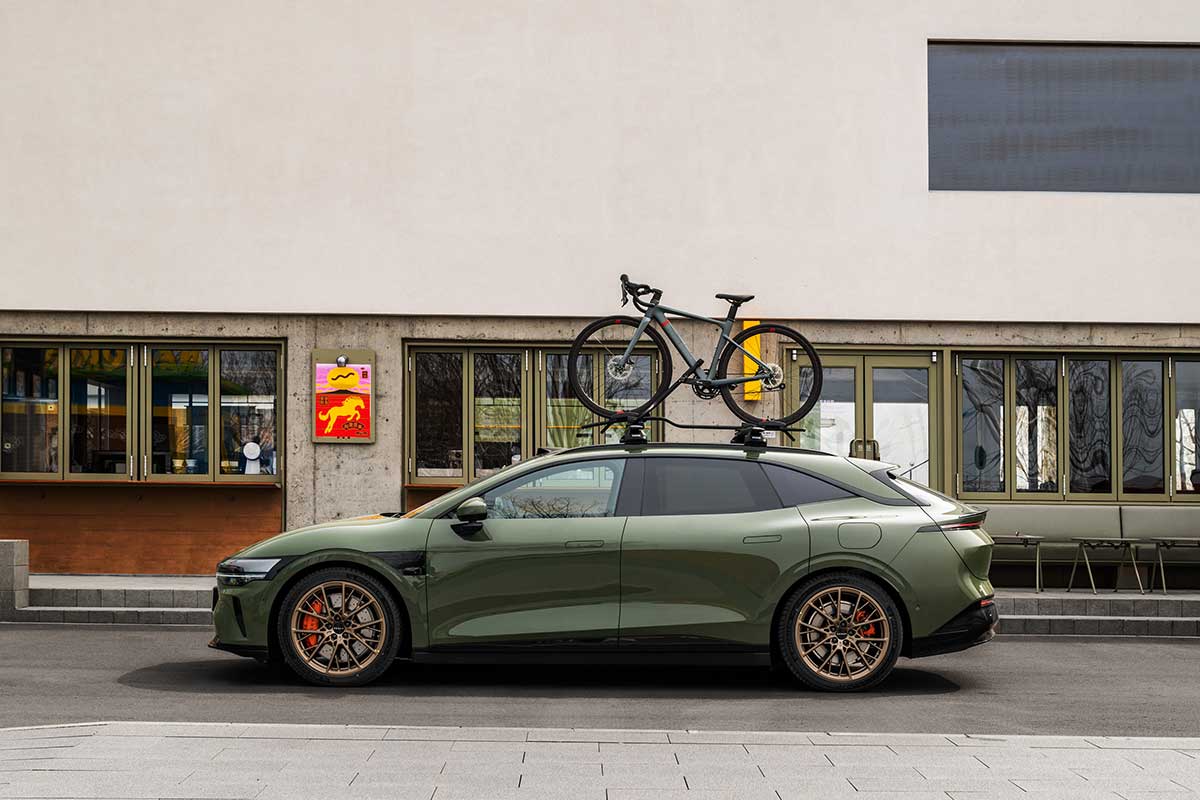
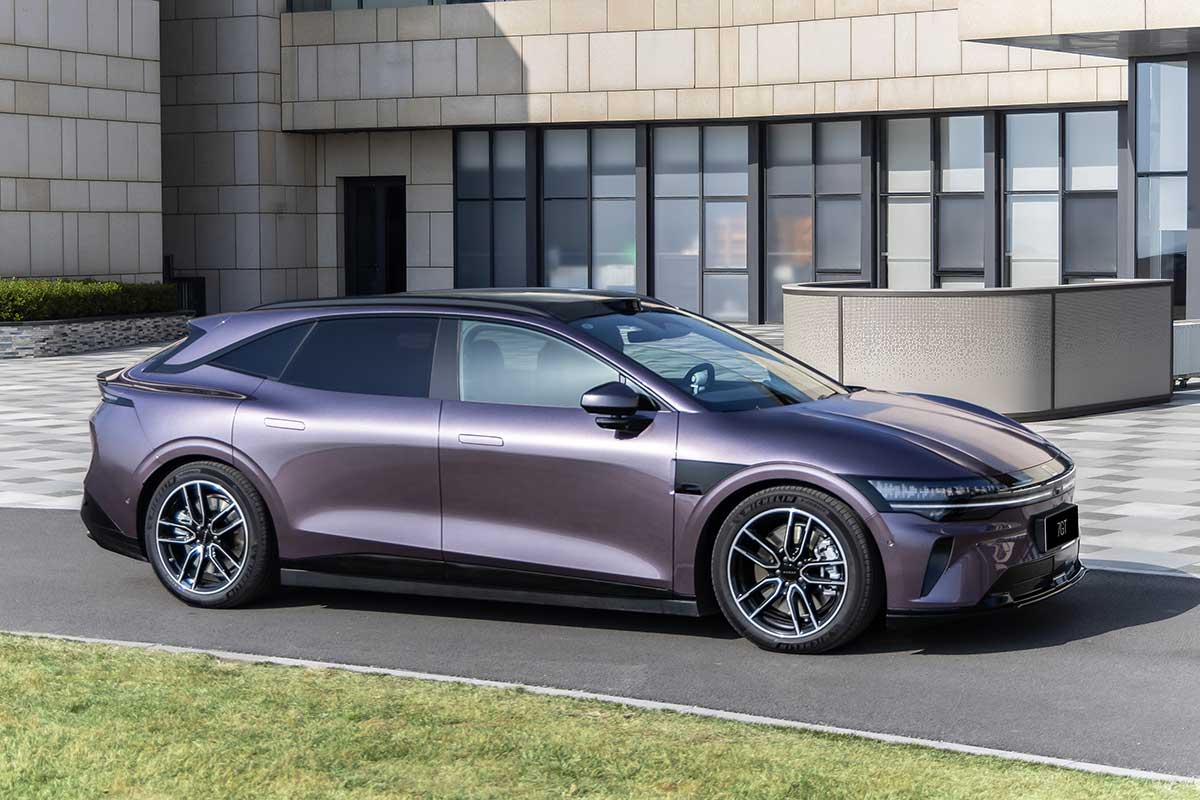
The price of the 7GT’s lower, sleeker roofline is less headroom in the rear than the 7X offers. Boot capacity also falls from 539 litres in the 7X to 456 litres in the 7GT according to overseas specs, trading some family-sized carrying ability for its sharper wagon proportions.
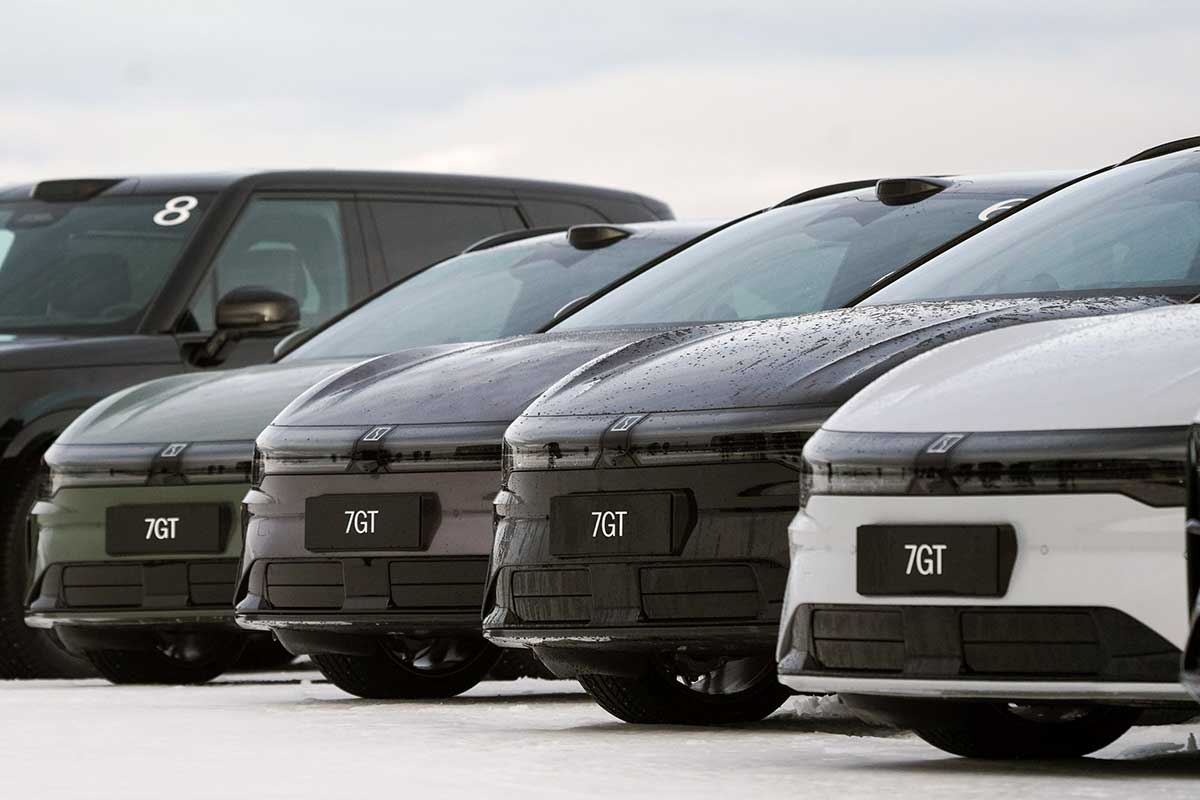
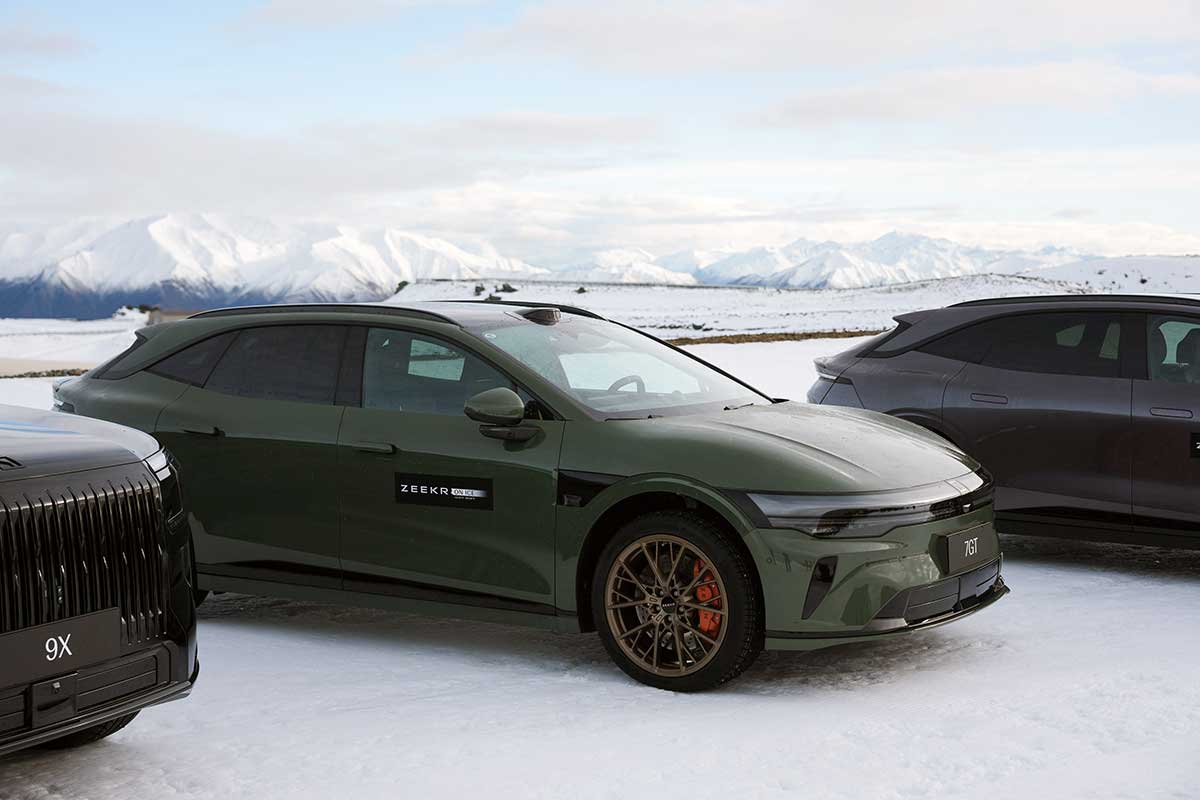
The cars shown in New Zealand were left-hand-drive models built for overseas markets, so materials, colours and equipment may change before Australian deliveries begin. Zeekr says tooling for right-hand-drive production is due to be scheduled shortly.
What equipment does the Zeekr 7GT come with?
Australian specifications are still under wraps, but if the European range is any guide, even the entry-level 7GT should arrive with more than the bare necessities.
Up front, a slim 13-inch digital instrument display sits beneath a 35.5-inch augmented-reality head-up display, while a 15-inch OLED touchscreen takes care of infotainment. Apple CarPlay, Android Auto, wireless phone charging, a panoramic glass roof, heated and electrically adjustable front seats, a powered tailgate and booming 23-speaker sound system are also offered overseas.
The Long Range RWD brings some of the more indulgent touches, including Nappa upholstery, ventilated and massaging front seats, a driver’s thigh extender and suede-style headlining.
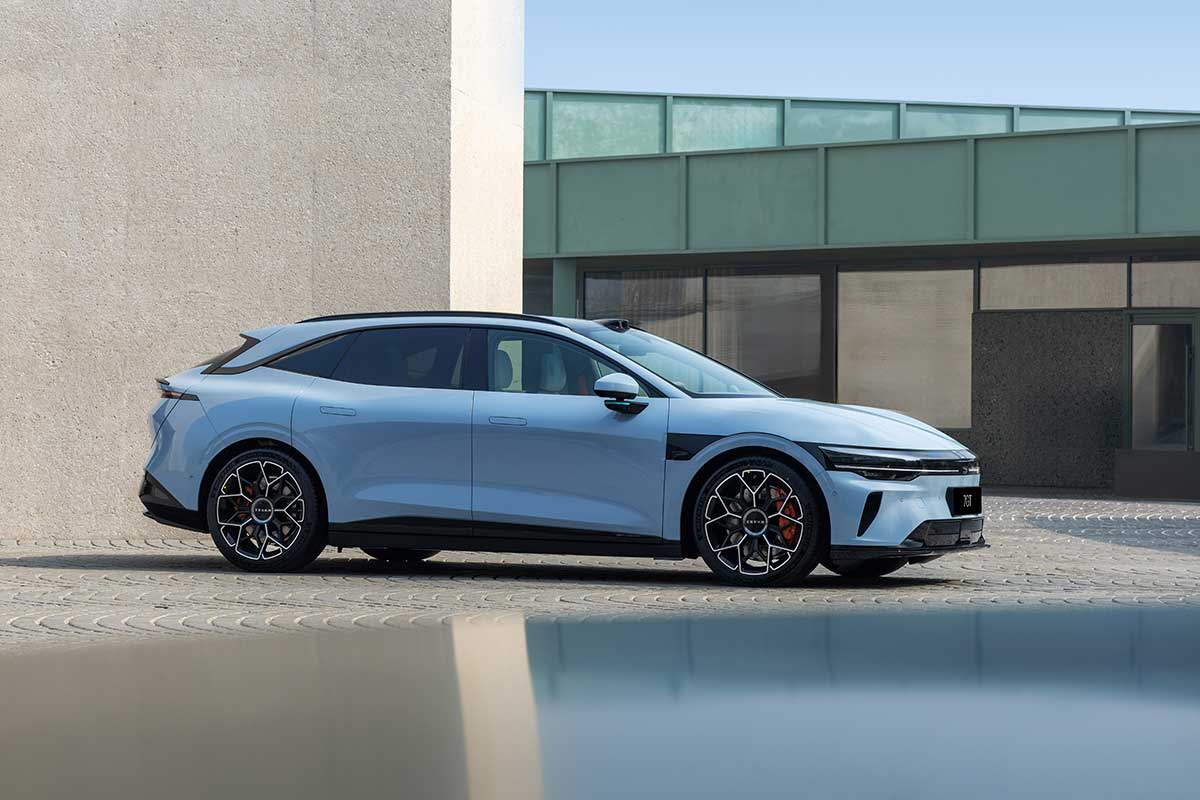
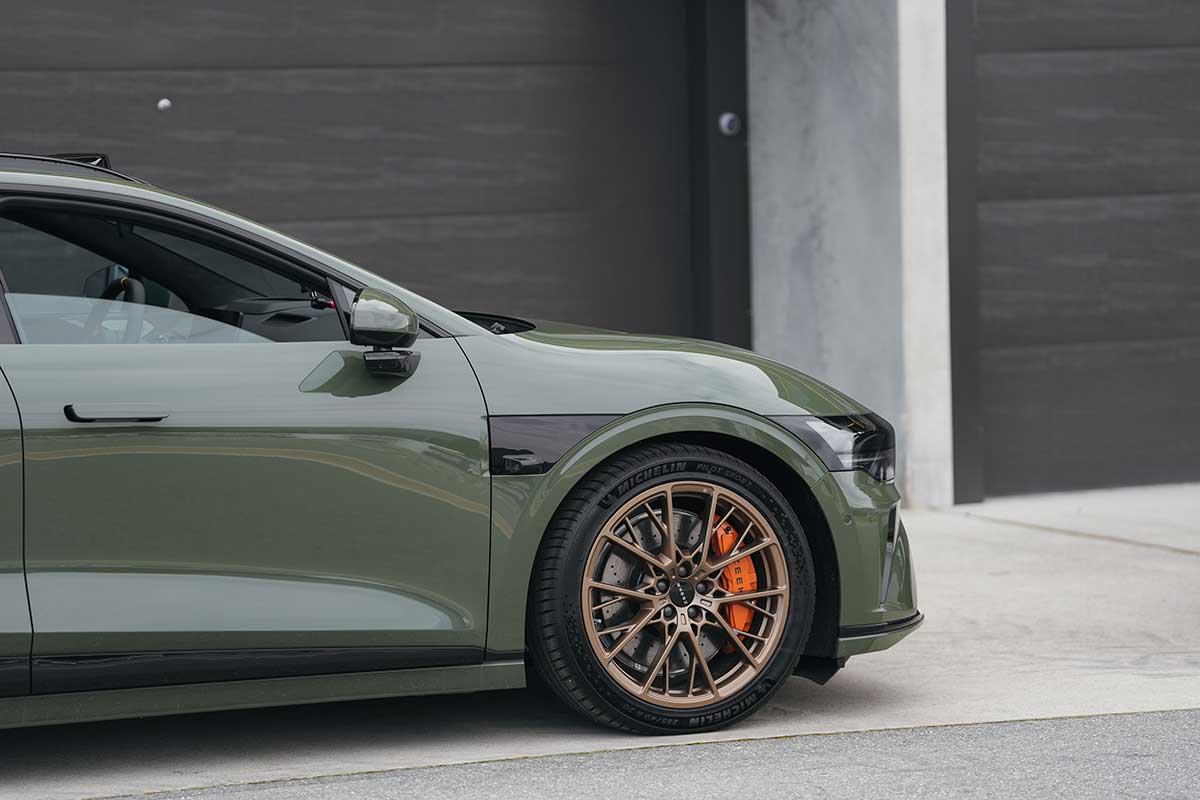
Performance AWD models receive the hardware to match their extra pace: 20-inch wheels, orange four-piston front brakes, adaptive damping, and air suspension. Power-operated doors that can detect nearby obstacles provide an additional party trick (though, it does make them heavy if you're opening them manually).
The technology extends beyond the cabin, with adaptive cruise control, lane-change assistance and remote parking among the expected driver aids. There is even a 'drag and drop' parking function that lets the driver trace the car’s path into a space using the touchscreen. Final equipment for Australia will be confirmed closer to launch.
How safe is the Zeekr 7GT?
Australian specifications are still to be confirmed and the 7GT has not yet received an ANCAP rating. However, the European model has already earned five stars under Euro NCAP’s tougher 2026 testing protocols, scoring 93 per cent for crash protection, 89 per cent for crash avoidance, 95 per cent for post-crash safety, and 79 per cent for safe driving. Euro NCAP praised its occupant protection, driver-monitoring technology and ability to avoid or reduce collisions.
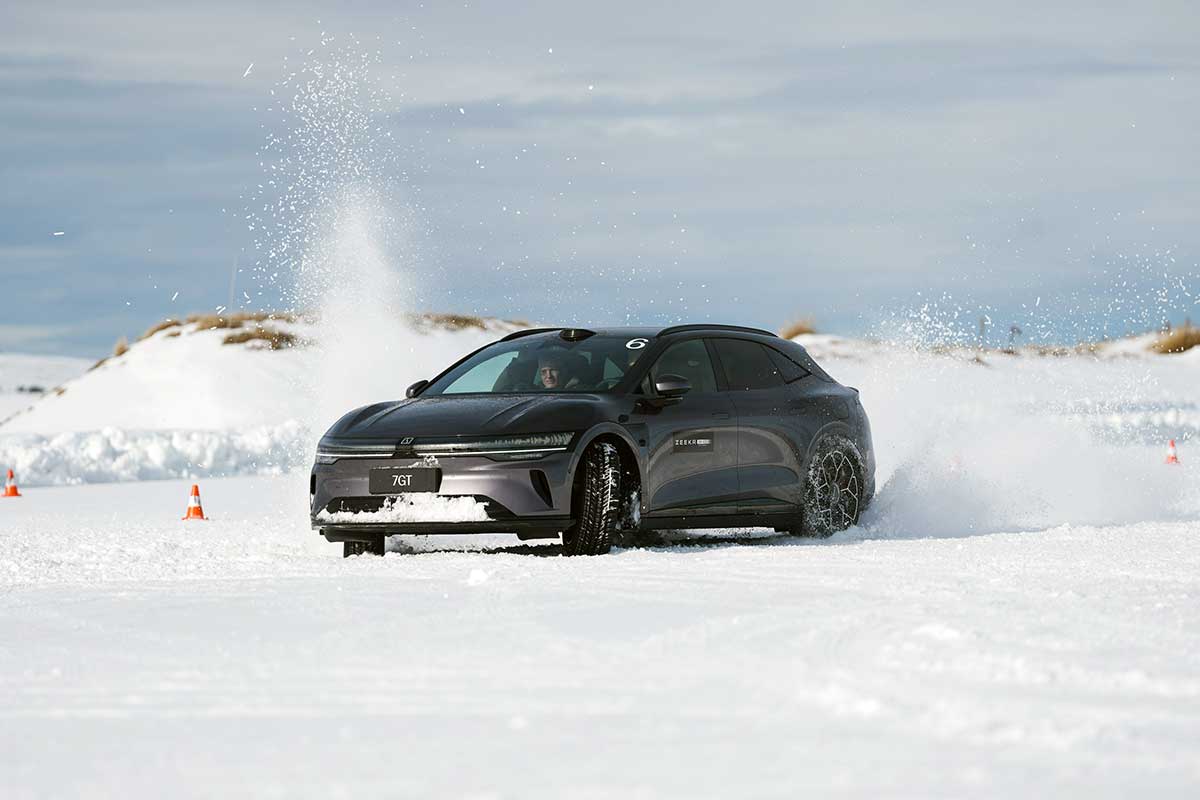
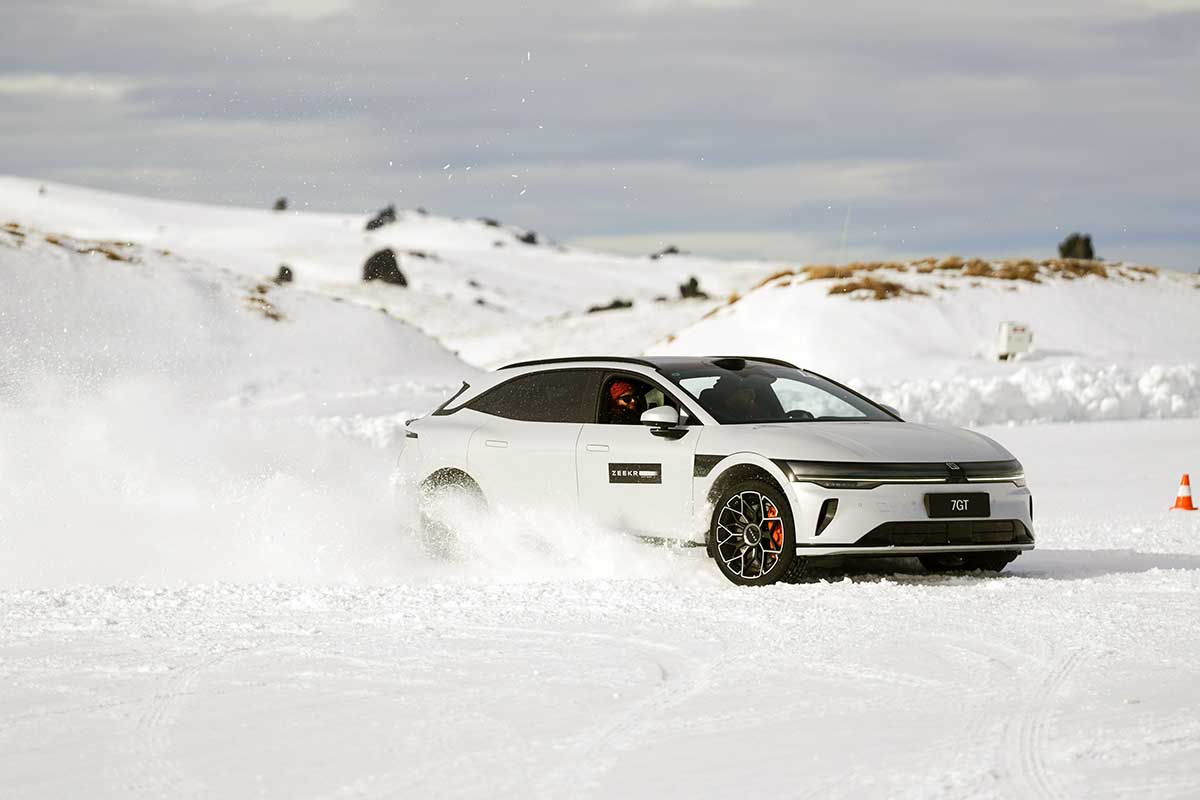
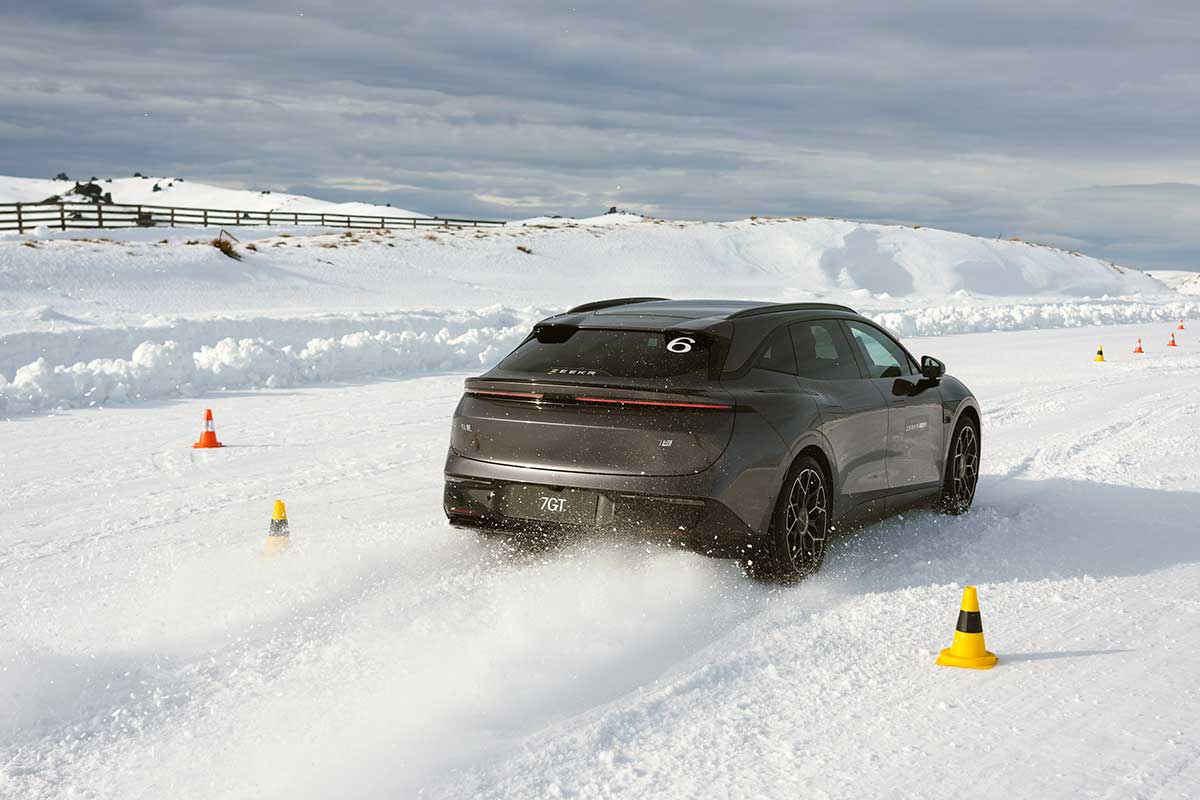
We also had a revealing taste of its electronic safety net while driving on ice in New Zealand. With electronic stability control switched on, deliberately provoking understeer or swinging the rear loose was surprisingly difficult. The system quickly trimmed power and gathered the car back into line, even on a surface offering little grip. That is not a substitute for formal safety testing, but it was an encouraging indication of how confidently the electronics should respond on grippier bitumen.
Zeekr describes the 7GT as “everything that works on the 7X in a sporty package”, making the Australian 7X a useful guide to likely local equipment. Its five-star ANCAP-rated safety suite includes seven airbags, autonomous emergency braking for vehicles, pedestrians and cyclists, junction and reversing assistance, lane-keeping assistance, emergency lane keeping and traffic-sign recognition. ANCAP applies that rating to every Australian 7X variant.
Whether the 7GT receives the same complete suite will be confirmed closer to launch, but the early signs set a high bar.
— Bridie Schmidt
What powers the Zeekr 7GT?
The 7GT may wear the sensible silhouette of a family wagon, but what sits underneath is anything but restrained.
Zeekr’s promise of “everything that works on the 7X in a sporty package” starts with the same rapid-charging 800-volt SEA2 electrical architecture and a familiar mix of rear and all-wheel-drive powertrains.
The headline act is the Australian-specification Performance AWD. Zeekr is promising around 500kW of combined power and up to 590km of WLTP range, 25kW and 32km more than the current European Privilege AWD, putting this long-roofed family car firmly into high-performance territory.
The remaining Australian variants are still under wraps, but again, the overseas range provides some useful clues. Both rear-wheel-drive versions send 310kW and 440Nm through the rear axle, with the Business Edition using a 75kWh battery and the Long Range stepping up to 100kWh. Thanks to the 800-volt architecture, charging speeds will be quick too: expect 10-80 per cent in around 15-20 minutes depending on the variant.
Europe’s dual-motor flagship also uses the larger battery, producing 475kW and 710Nm and dispatching the 0-100km/h sprint in 3.3 seconds. Final Australian battery capacities, torque figures and acceleration times are still to come, but expect a neat three-step progression from long-legged cruiser to seriously rapid family wagon.
What is the Zeekr 7GT like to drive?
An ice circuit is excellent at exposing a car’s balance, but less useful for judging how its steering, suspension and ride will feel on Australian bitumen. Even so, the 7GT revealed plenty about its character.
First impressions began with the seating position: finding the steering wheel’s sweet spot for a clear view over the substantial dash and without losing view of the slim instrument display is crucial.
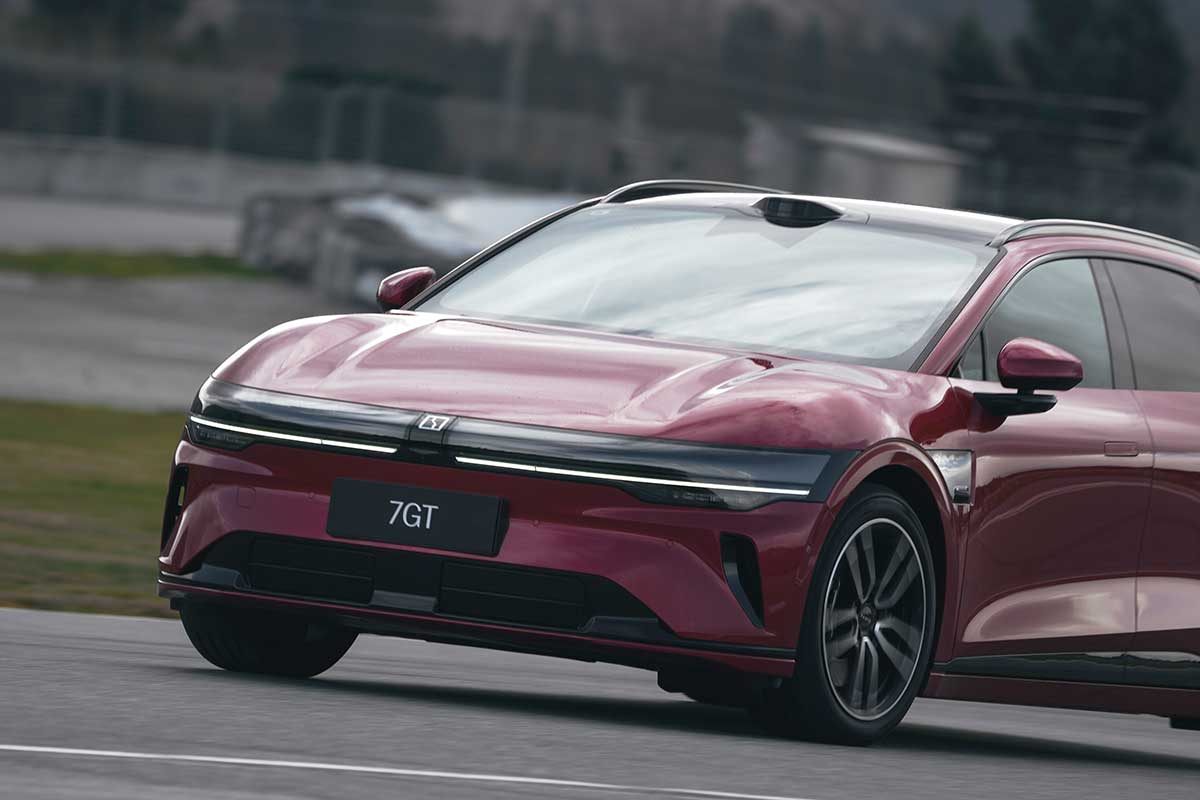
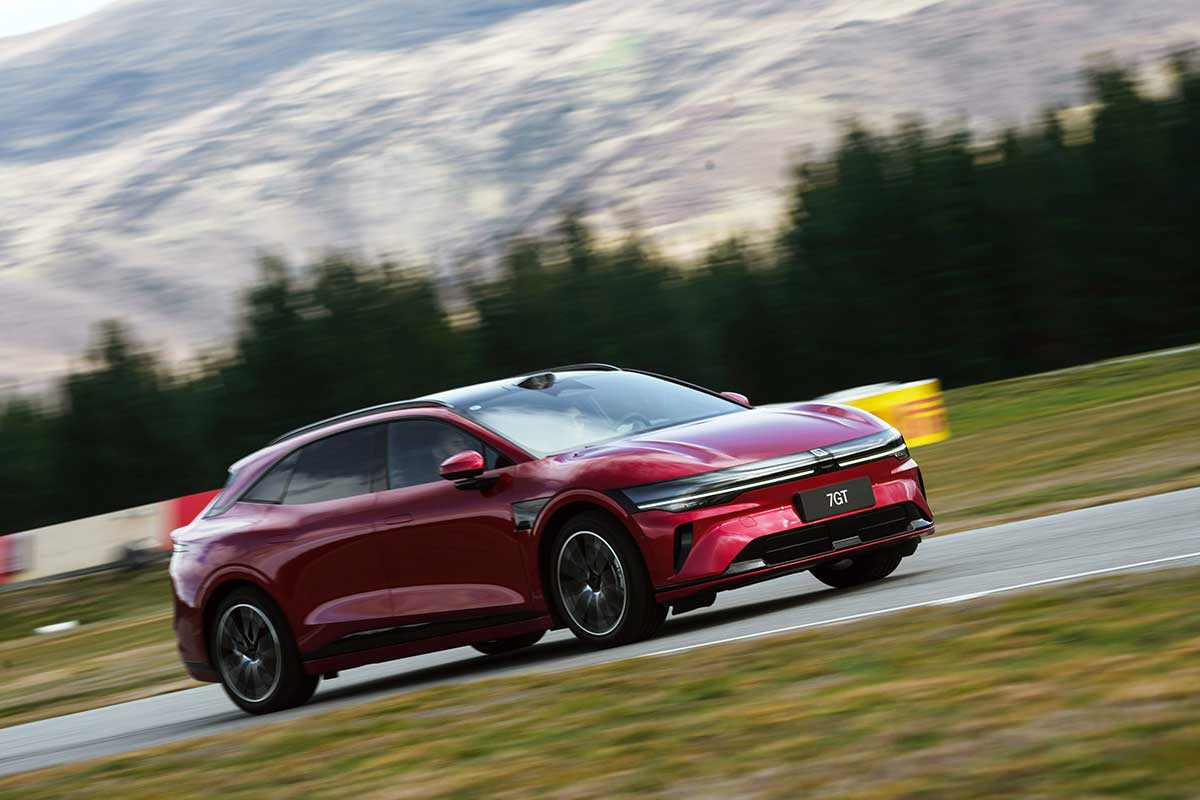
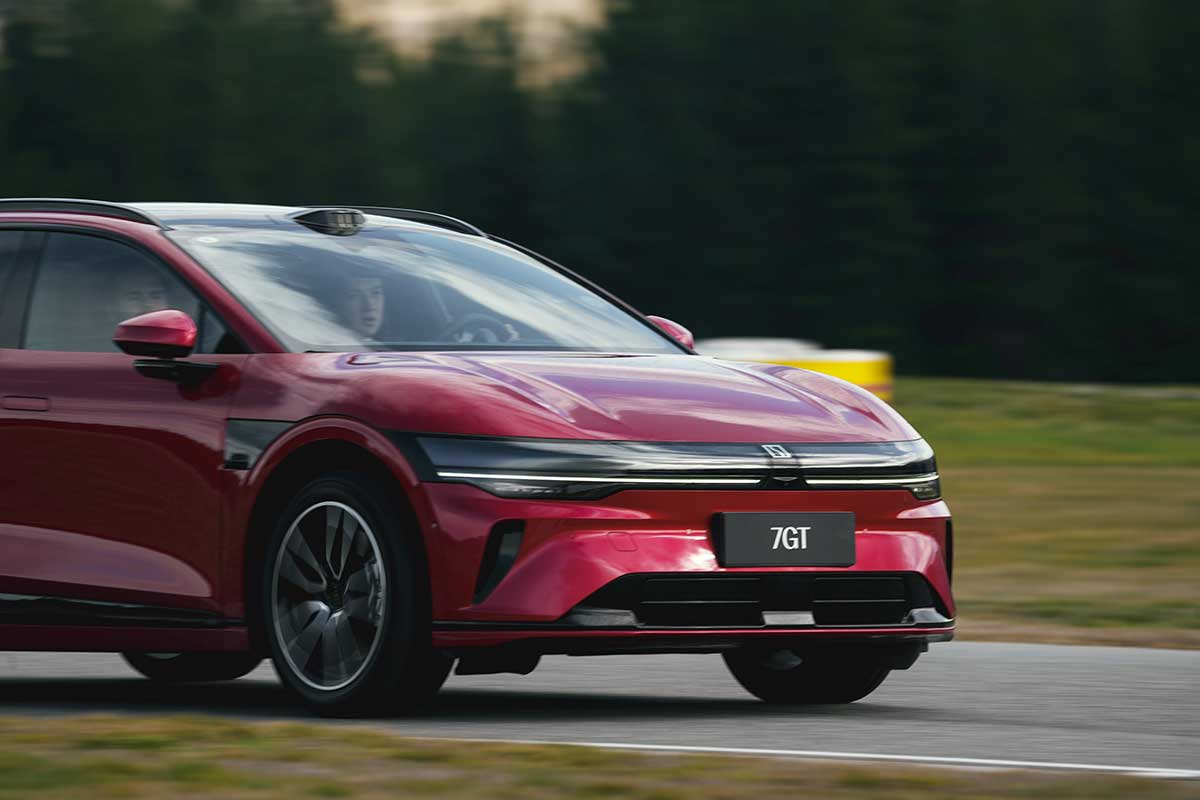
That sorted, the 7GT’s broad, low-slung stance makes it feel planted and secure, with none of the top-heavy sensation that can creep into a powerful SUV. The brakes respond quickly, while the car’s width and low body give plenty of confidence that it will stay settled when changing direction.
Compared with the smaller Zeekr X we also drove on ice, the 7GT feels heavier towards the rear and needs more deliberate inputs. That rearward bias also brings the fun factor. With electronic stability control turned off (only recommended under track conditions), the tail is easily encouraged to rotate, giving even the RWD variants a playful side belying its sensible touring-car shape.
The driving position follows the same theme. Its sports seats hold you securely without becoming uncomfortable, although they have noticeably less cushioning than the lounge-like seats in the larger 8X and 9X.
The squared-off steering wheel looks like it might require some mental recalibration before use, but it feels natural within a few turns. We’ll need a proper bitumen drive before making a call on ride quality and steering feel, but the first impression is of a substantial, sure-footed wagon with a welcome streak of mischief.
Open Road’s take on the Zeekr 7GT
The Zeekr 7GT is shaping up as one of the more intriguing EVs headed to Australia. It takes the space, technology and rapid-charging foundations of the successful 7X, then wraps them in a lower, wider wagon with a much stronger focus on the person behind the wheel.
Our ice drive could not reveal how it will ride or steer on bitumen, but its planted stance, responsive brakes and playful rear-biased balance deliver the promised fun factor. Add up to 500kW and 590km of WLTP range, and the Performance AWD could offer a rare mix of touring ability and serious pace.
Much still depends on final specifications and pricing. If Zeekr positions it alongside or below the 7X, the 7GT could make choosing a wagon over another SUV feel like the more exciting option, rather than the sensible compromise.
What we liked
- Planted, playful handling with serious performance
- Likely crossover pricing with 7X to compete in pricey segment
- Practical wagon shape with a premium cabin
What could be better?
- Large dashboard can restrict forward view
- Rear space and boot capacity trail the 7X
- Proper ride and handling verdict must wait for bitumen